
REVIEW · EASTER ISLAND TOURS
4-Days Trip to Discover Easter Island
The moai are only the beginning. This four-day Easter Island trip gives you a well-organized first look at Rapa Nui, with airport pickup, three nights of lodging, guided visits to major archaeological sites, breakfasts, lunches, and entry to Rapa Nui National Park. I especially like the airport welcome with flower necklaces and the chance to see both famous moai platforms and quieter sites across the island.
I also like that the schedule leaves your first afternoon free after arrival. You can rest, walk around Hanga Roa, or simply adjust to the island before the long sightseeing days begin. The main drawback is that the package is non-refundable, and the hotel category needs clarification because the tour information refers to both a 4-star hotel and a 3-star superior hotel.
In This Review
- Key points to know before booking
- What the four-day format really gives you
- Day 1: A flower necklace and a free afternoon in Hanga Roa
- Day 2: Fallen moai, royal platforms, and the Rano Raraku quarry
- Day 3: Tahai, Ana Kai Tangata, and the crater at Rano Kau
- Day 3 afternoon: Vinapu, Puna Pau, and Ahu Akivi
- The guide makes the difference
- Meals, timing, and what to bring
- Is $1,043 a fair price?
- Should you book this Easter Island trip?
- FAQ
- How long is the Easter Island trip?
- What is included in the price?
- Are flights included?
- Is airport pickup provided?
- Is the tour offered in English?
- How large can the group be?
- Can I cancel or change the booking?
Key points to know before booking
- Ahu Vaihu and Ahu Akahanga begin your moai education: You see toppled statues, fallen pukao, and ceremonial platforms before reaching the island’s famous quarry.
- Rano Raraku is the major highlight: This volcanic quarry is where most of Easter Island’s moai were carved.
- The second sightseeing day covers four very different sites: Tahai, Ana Kai Tangata, Rano Kau and Orongo, Ahu Vinapu, Puna Pau, and Ahu Akivi.
- English is available during small-group excursions: The group can include up to 20 people, with bilingual English and Spanish guides.
- Meals simplify a remote-island stay: Three breakfasts and lunches are included, but other meals are your responsibility.
- Bring drinking water: Water is not listed among the inclusions, and one customer specifically wished it had been provided during the tours.
What the four-day format really gives you
At $1,043 per person, this is not a cheap add-on. Easter Island is remote, and the price includes three nights of accommodation, airport transfers, guided excursions, National Park admission, three breakfasts, and lunches. That makes the package more useful than a bare sightseeing tour, especially if you want your hotel and transport arranged in one booking.
You are paying for structure as much as for sightseeing. Rapa Nui sites are spread around the island, so having transfers and scheduled excursions saves you from piecing together transport on your own. The package also gives you two full days focused on archaeological sites, rather than trying to squeeze the main sights into one rushed outing.
The group limit is 20 people. That is not a private tour, but it is small enough to keep the day more manageable than a large coach operation. The excursions use a bilingual English and Spanish guide, while the included transfers are provided by a Spanish-speaking driver only. If you need English assistance at the airport or during hotel transfers, confirm the arrangements before departure.
The information gives a 7:00 AM pickup time from Easter Island Airport, while the sightseeing days are described as starting around 9:30 AM from Hanga Roa. Since the order of tours can change, you receive the exact pickup times after arrival. I would treat the 9:30 departures as a general guide, not a promise, and keep the first morning flexible.
More things to do on Easter Island:
- From Hanga Roa: Rapa Nui Culture Sightseeing Tour
★ 4.6 · 307 reviews - From Hanga Roa: Easter Island Highlights 2-Day Tour
★ 4.3 · 205 reviews - Full Day Tour in Rapa Nui
★ 4.5 · 122 reviews
Day 1: A flower necklace and a free afternoon in Hanga Roa
Your arrival begins with airport reception, a traditional flower necklace, and a transfer to your selected hotel. It is a small touch, but a fitting welcome to Rapa Nui and a pleasant change from the usual curbside pickup.
The rest of the afternoon is free. That matters because the trip does not force sightseeing immediately after your flight. You can settle into the hotel, walk around Hanga Roa, or rest before the two main touring days.
The accommodation is described in two different ways: one section refers to a 4-star hotel, while the inclusions specify a 3-star superior hotel. That is worth checking before paying, especially because hotel quality affects the value of a package at this price. The trip includes three nights, but the exact property is not identified in the supplied details.
Breakfast is included for all three mornings. Lunch is also included, though the number of included lunches is not stated as clearly as the breakfasts. Meals not mentioned are extra, so plan to pay separately for dinners and any other food.
Day 2: Fallen moai, royal platforms, and the Rano Raraku quarry
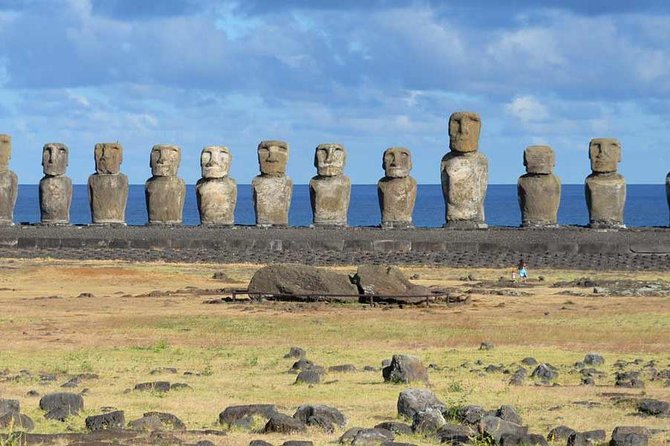
The first full touring day heads from Hanga Roa toward the southeastern and northeastern coasts. The route begins at Ahu Vaihu, about 10 kilometers from town, where an archaeological platform is surrounded by eight moai and eight pukao scattered nearby.
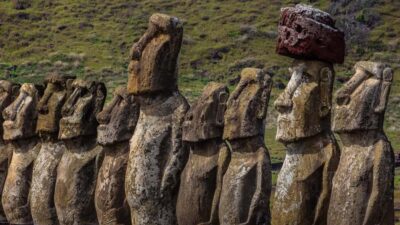
Ahu Vaihu is valuable because it does not present the statues as neat, upright monuments. The fallen figures and displaced red stone headdresses show the physical remains of a ceremonial site that has changed over time. You get a stronger sense of the scale and weight of the monuments here than you might at a restored platform.
The visit to Ahu Vaihu and Ahu Akahanga is scheduled for about two hours. Ahu Akahanga is known as the Platform of the King. The longer stop allows you to look closely rather than simply step off a vehicle, take a photo, and leave.
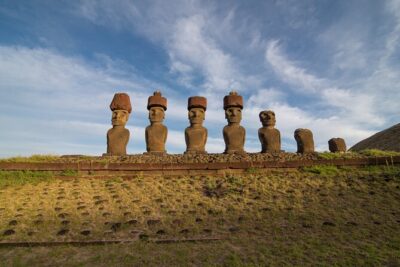
Afterward, the tour continues to Ahu Nau Nau. This temple complex has several levels and includes five moai wearing pukao. Petroglyphs can be seen on the backs of the statues, giving you a reason to slow down and look beyond the front-facing silhouettes that usually appear in photographs.
Ahu Nau Nau also helps explain that Rapa Nui archaeology is not only about individual statues. The ahu platforms, the arrangement of figures, the stone headdresses, and the carved marks all form part of the site. The scheduled visit lasts about two hours and also includes the journey to Rano Raraku.
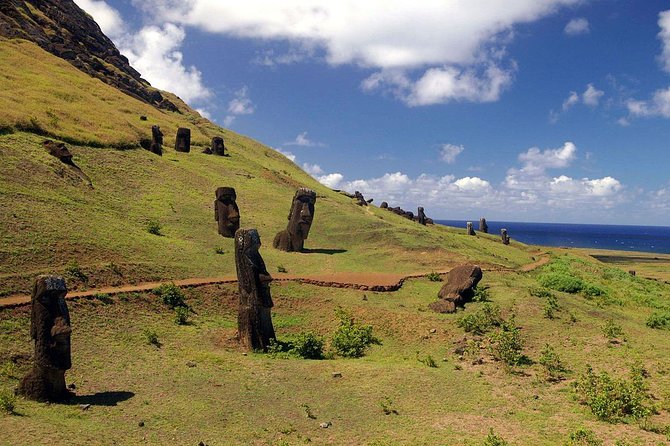
Rano Raraku is the day’s big payoff. This volcanic quarry supplied the stone used for most of the island’s moai. Seeing the quarry changes your understanding of the statues. Instead of treating each moai as an isolated monument, you can connect them to the place where they were shaped.
The quarry is also a reminder that the unfinished figures are part of the story. Some moai remain connected to the volcanic slopes or were left incomplete. The available details do not specify the exact walking route or terrain, so ask your guide about the amount of walking and the best footwear for the visit.
Lunch is included, which is helpful during a full day away from Hanga Roa. Water is not listed as part of the package, so I would carry your own supply. A customer specifically noted that water would have improved the tour, making this a practical detail rather than a minor complaint.
Day 3: Tahai, Ana Kai Tangata, and the crater at Rano Kau
The second full day begins around 9:30 AM at the Tahai Archaeological Complex, close to Hanga Roa. Tahai includes three ahu: Ahu Vai Uri, with five moai; Ahu Tahai, with one; and Ahu Le Riko, with one.
This is a good opening stop because the site combines several ceremonial platforms with open views. The one-hour visit gives you time to see different arrangements of moai in one place and to take in the setting without spending the entire morning at a single monument.
Next comes Ana Kai Tangata, a natural cave where you can see rock art linked to birds such as the manutara. Waves break against the cliff below, adding a natural element to a day otherwise centered on stonework and archaeology.
The cave stop lasts about 30 minutes. That is enough for a short visit, but not a long exploration. You should expect a focused stop rather than an extended cave excursion, and the details do not promise a large collection of artwork or a long walking route.
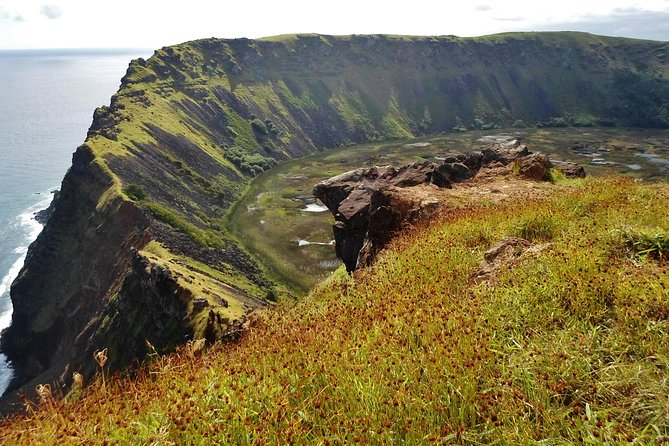
Rano Kau follows. Its volcanic crater contains the island’s largest crater and one of the area’s largest freshwater reserves. The scale of the crater gives this stop a different mood from the coastal ahu sites. You are looking into a broad volcanic formation rather than at a line of statues.
The tour then visits Orongo, an old ceremonial village on the western side of Rano Kau. Orongo adds cultural context to the volcano visit and broadens the day beyond moai. The total stop at Rano Kau and Orongo is listed as one hour, so listen closely to the guide and use your time well.
A completely different kind of day out:
- 2-Day Private Tour Easter Island Highlights Complete Discovery
★ 5.0 · 110 reviews - Private Full-Day Easter Island Highlights North and West
★ 5.0 · 84 reviews - From Hanga Roa: Journey from Orongo to Ana Te Pahu
★ 4.3 · 75 reviews - Journey of the Ancestors: Tongariki, Rano Raraku & Anakena Beach
★ 4.5 · 70 reviews
Day 3 afternoon: Vinapu, Puna Pau, and Ahu Akivi
The afternoon portion begins around 3:00 PM from Hanga Roa and visits Ahu Vinapu. The site includes three ahu, with fallen moai, red-painted stone, and a figure described as possibly feminine with two heads. Another statue is described as the oldest of the group, with only the removed stones remaining.
Vinapu is a useful stop for comparing different types of stone construction and statue remains. It is less about a single postcard view and more about seeing how varied the archaeological evidence can be. The information provided says the site was used around 1,200 AD, giving the guide an important date for explaining its place in Rapa Nui’s past.
The route then goes to Puna Pau, a small crater of red volcanic slag. This was the source of the pukao, the cylindrical stone headdresses placed on some moai. After seeing moai at Ahu Nau Nau, learning where the red headpieces came from helps you connect separate stops into one larger story.
Some unfinished and abandoned moai can also be found along the old exit from the quarry. The site should appeal to you if you enjoy seeing how a monument was made, not just the completed result.
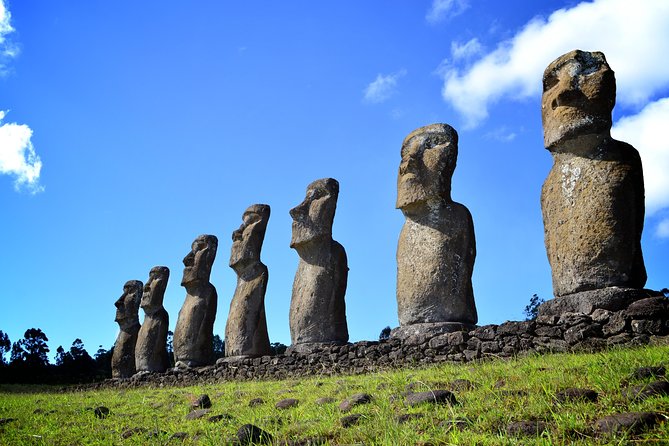
The final stop is Ahu Akivi, described as the first ahu restored by scientific work on the island in 1960. Its inclusion gives the day a clear ending and introduces the history of archaeological restoration on Rapa Nui.
The afternoon schedule packs several sites into roughly a single hour of listed touring time, although driving time and transitions add to the outing. This is efficient, but it may feel quick if you prefer long, quiet visits. I would use the guide time for questions and save the more detailed photo stops for places where you have enough room in the schedule.
The guide makes the difference
The best personal detail attached to this experience is the praise for Emilia, who was credited with bringing insight and knowledge to the trip and helping make it memorable. If Emilia is assigned to your group, you may benefit from the same strong guiding style, though guide assignments cannot be guaranteed from the information provided.
More broadly, the bilingual guide is important here. The sites are spread out, and a visit without explanation could become a string of impressive stones and unfamiliar names. The guide can connect the platforms, moai, pukao, quarry sites, caves, volcanoes, and ceremonial villages into a story you can follow.
The transfers are different. They use a Spanish-speaking driver only, while the small-group excursions have English and Spanish guiding. If you are not comfortable in Spanish, pay attention to the excursion schedule handed to you on arrival and confirm where and when you should meet the group.
Meals, timing, and what to bring
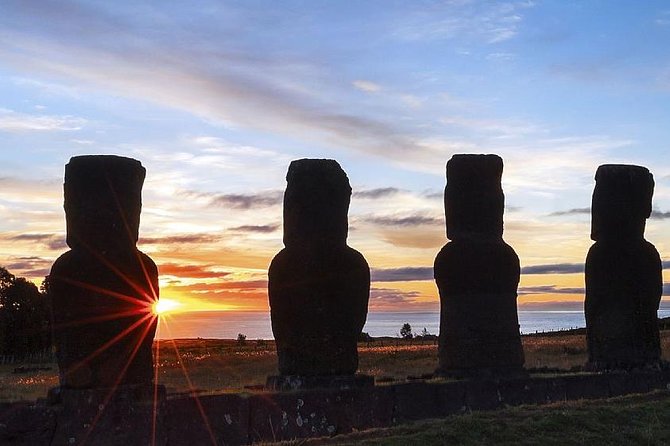
Three breakfasts are included, along with lunches. That reduces planning during the touring days, especially when you are away from Hanga Roa for several hours. Dinners and any meals not specifically mentioned are not included, so allow extra money for them.
I would bring:
- Drinking water, since it is not listed as included
- Comfortable shoes suitable for archaeological sites and volcanic areas
- Sun protection, though no specific equipment is promised
- A phone or camera for the coastal views, crater, moai, and cave art
The start time can be confusing. Airport pickup is listed at 7:00 AM, while the two sightseeing days begin around 9:30 AM from Hanga Roa and the afternoon route begins around 3:00 PM. The tour order can change, and you receive pickup details on arrival. Do not assume that every day follows the printed order.
Most people can participate, and the group is capped at 20. Still, the exact physical demands are not described, so ask about walking distances if you have mobility concerns.
Is $1,043 a fair price?
The answer depends on how much planning you want to hand over. The price includes the hotel, transfers, National Park admission, guided sightseeing, breakfasts, and lunches. If you were already planning to book each part separately, the package could offer useful value and reduce the chance of missing a major site.
The price is harder to justify if you already have accommodation, transport, or park entry arranged. You also need to budget for air tickets, airport taxes, travel insurance, dinners, and other meals. The non-refundable policy makes it especially important to confirm your dates, hotel category, and availability before booking.
This package suits a first visit more than a slow, specialist trip. You see the major archaeological sites in two long days, with enough structure to cover the island’s main themes. If you want several days to sit quietly at one site, wander without a schedule, or arrange private guiding, this may feel too fixed.
Should you book this Easter Island trip?
Book it if you want a ready-made four-day introduction to Rapa Nui with airport transfers, a hotel, meals, park entry, and the main moai sites covered. The strongest parts are the Rano Raraku quarry, the range of sites across the two sightseeing days, and the guidance from an excellent escort such as Emilia when available.
Think twice if you need a refundable booking, want a confirmed 4-star hotel, or prefer private touring. Before you commit, confirm the exact hotel, the number of included lunches, the first pickup time, and the amount of walking at each site. Bring water, expect some schedule changes, and you will be better prepared for a memorable first look at Easter Island.
FAQ
How long is the Easter Island trip?
The experience lasts approximately four days and includes three nights of accommodation on Easter Island.
What is included in the price?
The price includes three nights of accommodation, three breakfasts, lunches, airport and other transfers, small-group excursions with an English and Spanish guide, and entrance to Rapa Nui National Park.
Are flights included?
No. Air tickets and airport taxes are not included.
Is airport pickup provided?
Yes. Airport pickup and transfer to the selected hotel are provided. The listed pickup start time is 7:00 AM from Easter Island Airport.
Is the tour offered in English?
Yes. The excursions are led by a bilingual English and Spanish guide. The included transfers use a Spanish-speaking driver only.
How large can the group be?
The tour can have a maximum of 20 people.
Can I cancel or change the booking?
No. The experience is non-refundable and cannot be changed for any reason.
Just added in Hanga Roa
- Volcanic Refuges: Excursion to Underground Civilization★ 4.7 · 8 reviews
- Volcanic Wonders and the Kingdom of the Birdman: Half Day★ 5.0 · 6 reviews
- Half Day Private Tour: Caves and Volcanic Refuges★ 4.0 · 14 reviews
- Easter Island Ancestral Dinner and Show with Transport★ 4.5 · 2 reviews
- Visit Rapa Nui in 4 days with 3 Tours and Accommodation included★ 4.0 · 2 reviews
- 2 Day Small Group Tour in Moai Monuments and Historic Pathways★ 5.0 · 22 reviews
- Tour to the Motus: Boat trip and snorkeling in Rapa Nui★ 5.0 · 8 reviews
- The birdman journey in Easter Island★ 5.0 · 1 review
Easter Island Tours, compared.
Two days of Full Day Tour of Rapa Nui + Sunrise in Tongariki
Read our review →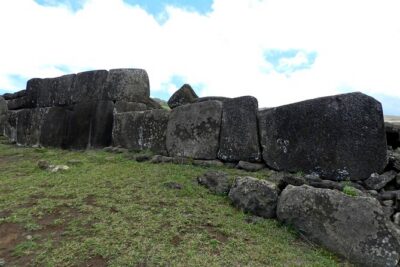
2-Day Private Tour Easter Island Highlights Complete Discovery
Read our review →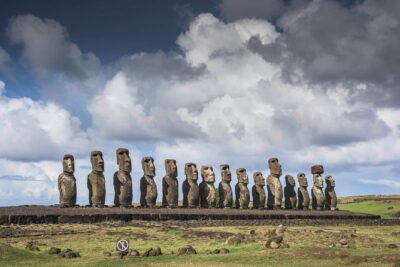
Private Tour: Full Day Easter Island Highlights
Read our review →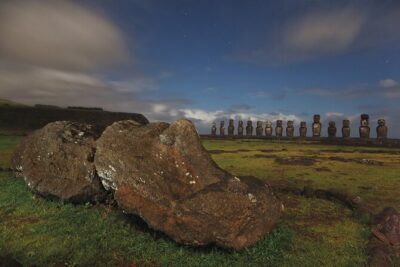
Browse the lists this tour appears in