
REVIEW · EASTER ISLAND TOURS
Journey of the Ancestors: Tongariki, Rano Raraku & Anakena Beach
The moai are only half the story. This full-day Rapa Nui tour links Ahu Tongariki, Rano Raraku, Te Pito Kura, Akahanga, and Anakena Beach in one well-planned circuit around Easter Island. A guide adds the stories, beliefs, and archaeological context that turn giant stone figures into part of a living culture.
I like the chance to see 15 moai at Tongariki and hundreds of unfinished figures at Rano Raraku without arranging several separate outings. I also like the generous lunch, hotel pickup, and final beach stop, which gives the day a pleasant change of pace.
The main caution is that this is a shared tour, and guide quality and English delivery can vary. Some departures feel warm and personal, while others move through the sites with a more fixed script. You will also need to budget an extra $100 for the Rapa Nui National Park pass.
In This Review
- Key things to know before you book
- Why this one-day Rapa Nui route works
- Ahu Akahanga and the first look at ancestral Rapa Nui
- Ahu Tongariki and the island’s most famous platform
- Rano Raraku, where the moai began
- A generous barbecue lunch with a view
- Te Pito Kura and the largest moai ever attempted
- Anakena Beach, a welcome change of scene
- Guide quality and the bilingual format
- Van comfort, walking, and the extra cost
- Who should book this Easter Island day tour?
- Should you book Journey of the Ancestors?
- FAQ
- How long does the tour last?
- Is lunch included?
- Is the Rapa Nui National Park entrance fee included?
- Can cruise passengers join this tour?
- Do I need to bring swimwear?
- Is the tour private?
Key things to know before you book
- The 15 moai at Tongariki are the day’s great opening scene: You get about an hour at Easter Island’s largest ceremonial platform.
- Rano Raraku requires real walking: Expect rocky ground, a climb, and roughly two and a half hours for the quarry and lunch.
- Lunch is included and substantial: The meal can include chicken, beef, fish or salmon, rice, salad, fruit, water, and a vegetarian option by request.
- Anakena is more than a swim stop: The beach connects to the earliest Polynesian settlement traditions on Rapa Nui and provides a welcome break after the quarry.
- The tour is bilingual but not always evenly so: Guides such as Hugo, Javi, Uka, Ora, Daniela, and Jose have received praise for clear explanations, though some departures have had uneven English translation.
- Plan for a shared van: The maximum group size is 16, though some departures use smaller groups and eight-seat vans.
Why this one-day Rapa Nui route works
Easter Island is compact on a map, but its archaeological sites are spread around the coast and inland volcanic slopes. If you have only one full day for a guided outing, this route covers the major eastern and northern highlights in about eight hours.
The sequence makes sense. You begin with a powerful ceremonial platform, move to the quarry where most moai were made, stop for lunch, see the largest moai ever erected, and end beside one of the island’s few white sand beaches.
That variety matters. You are not looking at one statue after another in a blur. Instead, you see the finished monuments, the abandoned workshop, a fallen giant, and a coastal setting tied to early settlement.
The guide is the difference between a sightseeing loop and a worthwhile cultural experience. A good guide explains why the moai were made, how they relate to ancestors, and what happened to the sites over time. Hugo, Javi, Uka, Ora, Jaime, Miguel, Daniela, Vincent, and Jose have all led departures, with especially strong praise for their warmth, local perspective, and ability to answer questions.
The experience is not private. You may share the air-conditioned minivan with a mixed Spanish and English-speaking group, and the guide may need to repeat each explanation in both languages. That can make some stops feel slower, but it is part of how this group tour keeps the price below a private excursion.
More things to do on Easter Island:
- From Hanga Roa: Rapa Nui Culture Sightseeing Tour
★ 4.6 · 307 reviews - From Hanga Roa: Easter Island Highlights 2-Day Tour
★ 4.3 · 205 reviews - Full Day Tour in Rapa Nui
★ 4.5 · 122 reviews
Ahu Akahanga and the first look at ancestral Rapa Nui
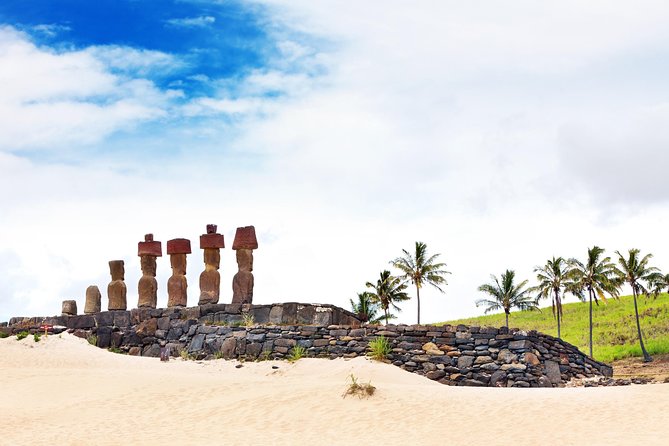
Ahu Akahanga introduces the island’s older, less polished side. The site includes a ceremonial platform about 59 feet, or 18 meters, long, along with roughly a dozen fallen moai and a reputed burial place connected with King Hoto Matu’a.
This stop is useful because the statues are not presented as isolated art objects. Their toppled positions help you think about the forces, conflicts, and later events that shaped Rapa Nui. The scene feels less staged than the famous postcard locations, and your guide can explain how ceremonial platforms worked within community life.
The supplied route descriptions vary slightly about the exact time spent at Akahanga, so do not expect a long independent exploration. This is a stop where the guide’s explanation carries much of the value. You walk across uneven ground, listen, take photographs, and then continue along the coast.
If you want every minute devoted to standing beside intact moai, Akahanga may feel less immediately rewarding than Tongariki. I would still keep it on the route because it gives you a useful contrast before the grandest sites.
Ahu Tongariki and the island’s most famous platform
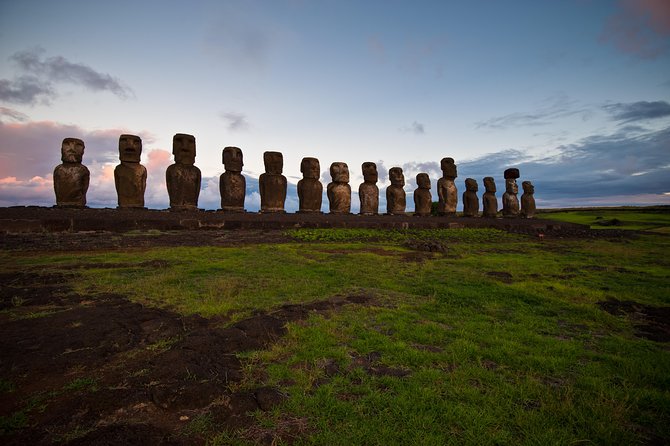
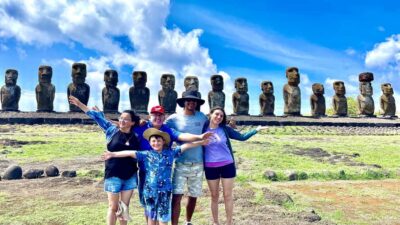
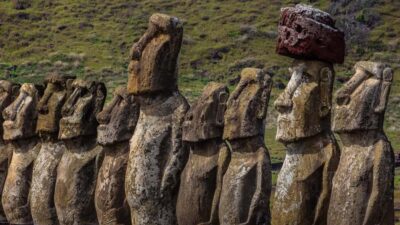
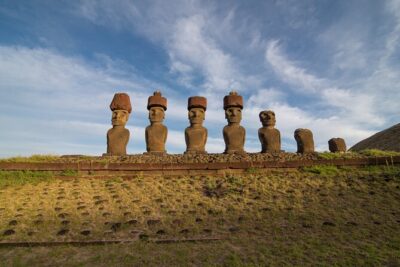
Tongariki is the visual centerpiece of the morning. Fifteen moai face inland from the island’s largest ceremonial platform, arranged in a long line that makes the scale of the site easy to grasp.
The statues represent ancestors who protected and guided their communities. That idea is central to understanding Rapa Nui. These were not simply decorative monuments. They connected families and communities with the people who came before them.
You get about an hour here, enough to view the platform from several angles and take photographs without feeling hurried. The statues are imposing from a distance, but walking closer shows how different each face and body can be.
Your guide should also explain the damage caused by the 1960 tsunami, which nearly destroyed the site. The event adds a modern layer to the story: Tongariki is not only ancient, it has also required major recovery work.
The downside is timing. Several group excursions can arrive around the same hour, so the platform may not feel quiet. It can also be hard to frame a photograph without another group nearby. Still, the scale of Tongariki makes it one of the essential stops on Easter Island, and the shared setting is a fair trade for fitting so much into one day.
Rano Raraku, where the moai began
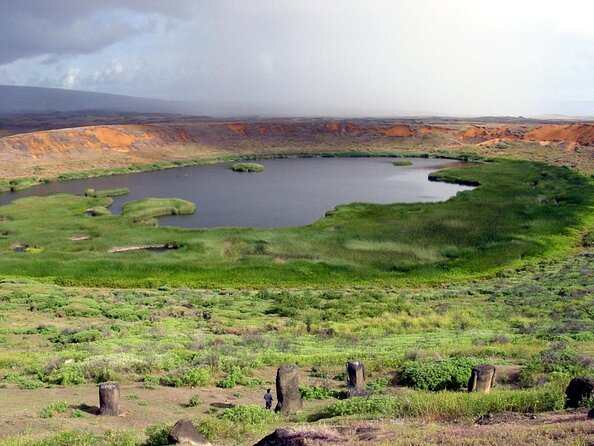
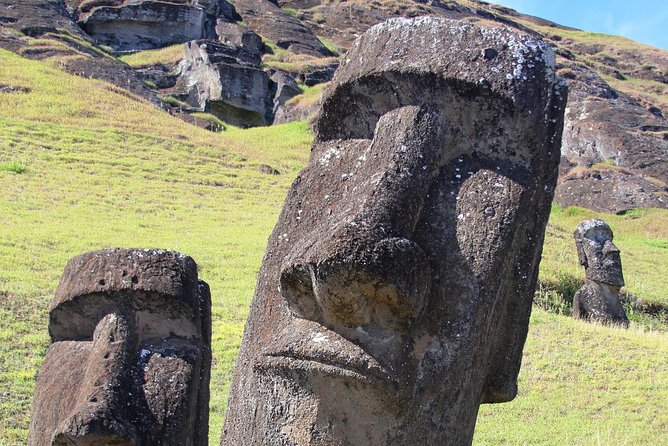
Rano Raraku is the most revealing stop because it shows the work in progress. This volcanic quarry supplied the stone for most of the island’s moai, and more than 300 figures remain here in different stages of completion.
Some statues appear as heads rising from the earth. Others are partly buried torsos, with their full bodies hidden by centuries of soil and erosion. The effect can be startling, especially when you realize that the familiar roadside figures were once part of a much larger carving process.
The quarry also requires the most effort. You will walk over rocky terrain and climb along the volcanic slopes, so sturdy shoes are a better choice than sandals. The route is manageable for most people, but it is not a flat stroll. Families can participate, though children must remain with an adult.
Allow about two and a half hours for Rano Raraku and lunch together. That sounds generous, but the time includes the guide’s talk, walking between sculpture areas, photographs, and the meal. If you are fascinated by archaeology, you may wish for even more time here.
This is also the stop where the guide’s ability matters most. A short explanation of carving technique and spiritual purpose gives the unfinished figures meaning. A rushed presentation, especially one delivered mainly in Spanish, can leave you admiring the stone without fully understanding the site.
A completely different kind of day out:
- 2-Day Private Tour Easter Island Highlights Complete Discovery
★ 5.0 · 110 reviews - Private Full-Day Easter Island Highlights North and West
★ 5.0 · 84 reviews - From Hanga Roa: Journey from Orongo to Ana Te Pahu
★ 4.3 · 75 reviews - Full Day Private Tour: Factory of the Moai the stone giants
★ 4.5 · 63 reviews
A generous barbecue lunch with a view
Lunch is served at a nearby camping area after the quarry visit. The meal is more than a quick sandwich: expect grilled chicken or other meats, fish, salad, rice, fruit, and water. Depending on the departure, choices have included beef, chicken, salmon, or other fish.
A vegetarian meal can be arranged, but you need to request it when booking. It is wise to confirm this in advance rather than relying on a last-minute change.
The lunch has earned strong praise for its quantity and flavor, and it gives the day a needed pause. Several hours of walking, sun, wind, or rain can make a sit-down meal especially welcome. Some lunch settings also offer views toward the moai and volcanic slopes.
One practical point: the tour information says lunch is included, but the inclusion has not always been obvious to people booking. Check your confirmation so you know exactly what is covered. Bring extra water as well. Water onboard the van has not been consistent on every departure, and the island’s remote sites may have limited services.
Te Pito Kura and the largest moai ever attempted
After lunch, the route continues to Ahu Te Pito Kura. This site is associated with Paro, the largest moai ever erected, measuring about 33 feet, or 9.8 meters, and weighing roughly 82 tons, or 74 metric tons.
The statue lies fallen, which changes the experience from Tongariki. You are not seeing a row of completed figures standing on a platform. Instead, you are looking at the sheer size of a single sculpture and considering the work needed to move and raise it.
The site also includes a rounded magnetic stone known as the navel of the world. Your guide will explain its place in Rapa Nui tradition and why it has attracted attention from visitors.
This is a shorter stop than Rano Raraku, but it adds an important piece to the day. You see the ambition of the island’s builders in one enormous figure, then later relax beside the sea at Anakena.
Anakena Beach, a welcome change of scene
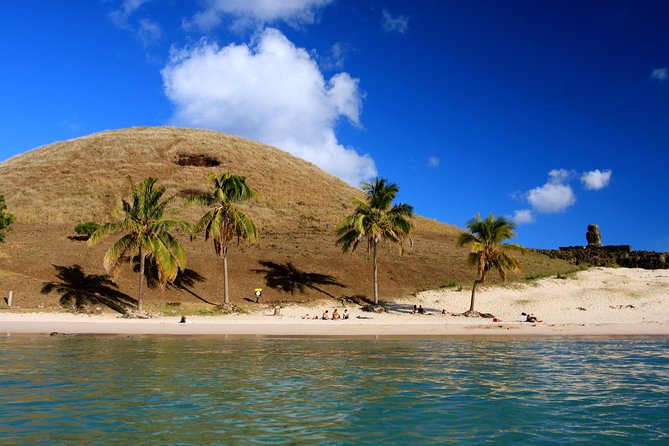
Anakena closes the day with palm trees, pale sand, red volcanic rock, and clear water. It is one of the few white sand beaches on Rapa Nui, and it is linked with the island’s early Polynesian settlement traditions.
The planned beach time is about 30 minutes in the condensed itinerary, while the broader route description allows closer to two hours at the final stop. That difference is worth clarifying before booking, because a short photo stop is very different from having time to swim and dry off.
If the weather is warm and calm, Anakena is a fine place to take a swim or stroll along the sand. Wear a bathing suit beneath your clothes and bring a towel, sunglasses, and sunscreen. If rain arrives, the beach can lose much of its appeal, and one departure continued through heavy rain with far less swimming time than expected.
Anakena may seem like an odd ending to an archaeology tour, but it works. After the quarry’s steep paths and the solemn moai sites, the beach gives you room to breathe. It also reminds you that Rapa Nui is not only a collection of monuments. It is an island community with coastlines, beaches, and places tied to Polynesian origins.
Guide quality and the bilingual format
The strongest part of this experience is usually the guide. The best departures have featured guides such as Hugo, Javi, Uka, Ora, Daniela, and Jose, who brought local stories, answered questions, and explained Rapa Nui culture in both Spanish and English.
Javi has been praised for handling both languages with care, while Ora was noted for answering questions and adding a Rapa Nui point of view. Daniela has also been praised for keeping a child engaged and making extra efforts to point out sights.
You should keep your expectations realistic. Bilingual guiding takes time, and some guides may give a longer answer in Spanish before offering a shorter English version. A few departures have been described as heavily scripted, with set stopping points and limited time for questions.
If cultural explanation is your main reason for booking, ask at pickup which language the guide will use most comfortably. If English is essential, this is an important consideration. The tour can be excellent with a strong bilingual guide, but the quality is less predictable than on a private tour.
Van comfort, walking, and the extra cost
Hotel pickup and drop-off in Hanga Roa are included, along with transport in an air-conditioned minivan. The group limit is 16, although some groups are much smaller. A small group can make the day feel personal, while a full van means more waiting when people board, photograph, or catch up on the trail.
Vehicle comfort has varied. Some departures used comfortable vans, while one vehicle was described as old and lacking working air conditioning, interior lights, and charging points. These are not reasons to reject the tour outright, but you should bring a portable battery and not assume drinks or onboard extras will be provided.
The $142 price is reasonable if you want hotel transport, a full circuit, a guide, and lunch in one booking. It is less attractive if you have several days on the island and prefer long, quiet visits at each site. A private tour or a two-day plan may give you more time to ask questions and explore at your own pace.
The biggest extra cost is the Rapa Nui National Park pass, listed at $100. It is not included in the tour price, and archaeological site admission is also listed separately. The pass is valid for 10 consecutive days and can be purchased at the CONAF office inside Mataveri Airport or online through the official site.
Buy it for the date of your first tour, download it to your phone, or carry a printed copy. Internet access can be limited near the sites, so do not rely on being able to open the pass at the gate.
Who should book this Easter Island day tour?
I would choose this tour if you have one full day, want the main moai sites in a single outing, and prefer having transport and lunch arranged. It suits first-time visitors, families, and anyone who wants cultural context instead of simply photographing statues from a roadside stop.
It is also a practical choice if you are staying in Hanga Roa and do not want to rent a vehicle or organize a complicated route. Most people can participate, but you should be comfortable walking on rocky ground and climbing at Rano Raraku.
I would think twice if you already have several days of guided visits planned. The beach stop may feel too long in cool or rainy weather, and the fixed pace may frustrate anyone who wants to linger at the quarry.
Cruise passengers cannot use this excursion because port pickup is not available. Hotel pickup begins around 9:00 a.m., though actual pickup has varied slightly, with one departure beginning at 9:30 a.m. Weather can change the route, and poor conditions may lead to a new date or a full refund.
Should you book Journey of the Ancestors?
Book it if your priority is seeing the essential eastern and northern sites in one day, with lunch and hotel transport included. Tongariki, Rano Raraku, Te Pito Kura, Akahanga, and Anakena provide a strong first look at the island’s monuments, origins, and scenery.
I would book with two conditions: confirm the language arrangement and remember that the $100 park pass is extra. Pack water, sun protection, a towel, and shoes suited to rocks. If you can spare two days, a slower plan may serve you better, but for a first full day on Rapa Nui, this route offers a lot of substance for the time.
FAQ
How long does the tour last?
The tour lasts approximately eight hours and begins at about 9:00 a.m. Pickup times can vary slightly, and the planned return is later in the afternoon.
Is lunch included?
Yes. Lunch is provided and can include chicken, other meats, fish, salad, rice, fruit, and water. Vegetarian food is available if you request it when booking.
Is the Rapa Nui National Park entrance fee included?
No. The national park pass costs $100 and must be purchased separately. It is valid for 10 consecutive days from the date of purchase.
Can cruise passengers join this tour?
No. Port pickup is not available, so this tour is not suitable for passengers arriving by cruise ship.
Do I need to bring swimwear?
You should bring a bathing suit and towel if you want to swim at Anakena Beach. Sunglasses and sunscreen are also recommended.
Is the tour private?
No. This is a shared tour with a maximum of 16 people. Transport is provided in an air-conditioned minivan.
Just added in Hanga Roa
- Volcanic Refuges: Excursion to Underground Civilization★ 4.7 · 8 reviews
- Volcanic Wonders and the Kingdom of the Birdman: Half Day★ 5.0 · 6 reviews
- Half Day Private Tour: Caves and Volcanic Refuges★ 4.0 · 14 reviews
- Easter Island Ancestral Dinner and Show with Transport★ 4.5 · 2 reviews
- 2 Day Small Group Tour in Moai Monuments and Historic Pathways★ 5.0 · 22 reviews
- Visit Rapa Nui in 4 days with 3 Tours and Accommodation included★ 4.0 · 2 reviews
- Tour to the Motus: Boat trip and snorkeling in Rapa Nui★ 5.0 · 8 reviews
- The birdman journey in Easter Island★ 5.0 · 1 review
Easter Island Tours, compared.
Two days of Full Day Tour of Rapa Nui + Sunrise in Tongariki
Read our review →
2-Day Private Tour Easter Island Highlights Complete Discovery
Read our review →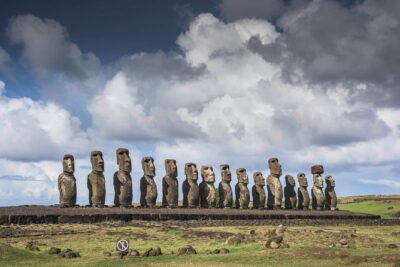
Private Tour: Full Day Easter Island Highlights
Read our review →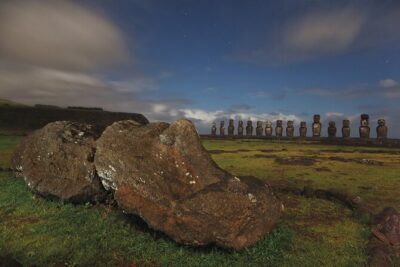
Browse the lists this tour appears in