
REVIEW · EASTER ISLAND TOURS
From Hanga Roa: Journey from Orongo to Ana Te Pahu
Rapa Nui rewards a full day. This seven-hour outing links Orongo, Rano Kau, Vinapu, Ahu Akivi, Ana Te Pahu, and Puna Pau in one well-planned circuit from Hanga Roa. I especially like the dramatic crater views at Rano Kau and the chance to enter Ana Te Pahu, a volcanic cave once used for shelter and storage.
The tour also gives you a useful spread of Rapa Nui culture: the Bird Man ceremony at Orongo, the seven moai at Ahu Akivi, and the red scoria topknots at Puna Pau. The main caution is pace. Some stops involve up to an hour of walking, and one recent guest found it hard to hear the guide when the group stretched out.
In This Review
- Key points to know before you book
- Why this six-stop route works well
- Rano Kau gives you the big first view
- Orongo and the Bird Man tradition
- Vinapu shows the skill behind the stones
- Puna Pau explains the red crowns
- Ahu Akivi and the seven moai
- Ana Te Pahu brings you underground
- How the guide affects your experience
- Timing, transport, and what to carry
- Who will get the most from this tour?
- Should you book the Orongo to Ana Te Pahu tour?
- FAQ
- Where does the tour begin and end?
- How long does the experience last?
- What places will I visit?
- Is the National Park ticket included?
- What languages are available?
- What should I bring?
- Are drones allowed?
- Can I cancel the booking?
Key points to know before you book
- Rano Kau and Orongo provide the strongest opening: You begin beside a huge volcanic crater, then visit the ceremonial village tied to the Bird Man tradition.
- Six major sites fit into seven hours: This is a good choice if you want broad coverage rather than a slow visit to only one or two places.
- Ana Te Pahu adds a physical change of pace: You leave open views behind and walk through cool volcanic rock.
- The guides can make or break the day: Ata received special praise for clear, interesting explanations, while Javiera was noted for answering questions well.
- The National Park ticket costs extra: Buy it before the tour begins, or you may not be able to enter the protected sites.
- Bring water, sturdy shoes, and cash: There is no internet in the park, drones are not allowed, and the tour runs rain or shine.
Why this six-stop route works well
At $70 per person, this tour offers solid value if you want to see several of Rapa Nui’s major archaeological sites in one day. Hotel pickup and drop-off are included, as is a live English or Spanish-speaking guide. That matters on an island where the sites are spread out and the meaning behind the stones is not always obvious at first glance.
You begin in Hanga Roa and spend about 15 minutes in a bus or coach before reaching Rano Kau. From there, the day moves in a broad loop through ceremonial sites, moai platforms, a cave, and a quarry. It is not a lazy sightseeing drive. You will be stepping out often, listening, walking, and looking closely.
I see this as an especially useful first full-day outing on Rapa Nui. It gives you the basic framework: volcanic origins, ceremonial life, moai construction, sacred platforms, and the island’s later traditions. If you already know the island well, the number of stops may feel brisk. If you are starting from scratch, the variety helps the pieces fit together.
More things to do on Easter Island:
- From Hanga Roa: Rapa Nui Culture Sightseeing Tour
★ 4.6 · 307 reviews - From Hanga Roa: Easter Island Highlights 2-Day Tour
★ 4.3 · 205 reviews - Full Day Tour in Rapa Nui
★ 4.5 · 122 reviews
Rano Kau gives you the big first view
The first guided stop is Rano Kau, with about 45 minutes set aside for the visit. The volcano is one of the most visually powerful places on the route, and the crater helps you understand the scale of Rapa Nui before the day turns toward individual monuments.
You can expect broad views over the crater and out toward the Pacific Ocean. The crater setting is not just a pretty backdrop. It shows how volcanic activity shaped the island and explains why so many of the sacred places here feel tied to the natural world.
A recent rating singled out the volcano crater as a highlight, and that makes sense. Rano Kau gives you an immediate sense of place. You are not simply looking at an isolated ruin. You are seeing a ceremonial area set above an immense natural bowl.
The 45-minute stop should allow time for a guided explanation and photos, but do not expect a long, unhurried walk around every section. Keep your shoes comfortable and stay close enough to hear. The tour’s time limits become more noticeable at outdoor sites, where it is easy to wander a few steps away and lose part of the commentary.
Orongo and the Bird Man tradition
From Rano Kau, the tour continues to Orongo for about an hour. This is the longest scheduled stop and one of the most important cultural visits of the day.
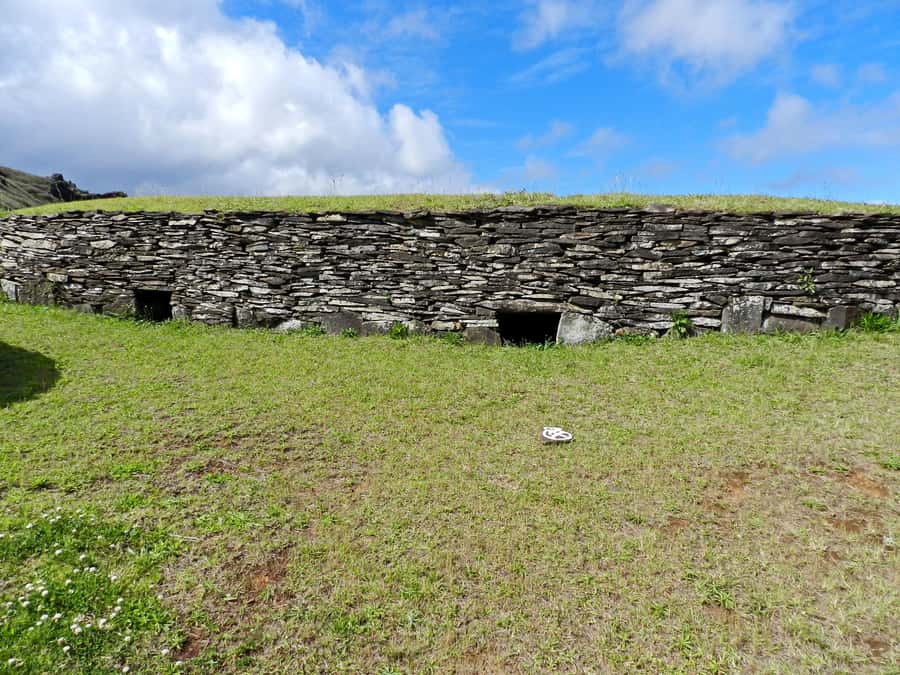
Orongo is a ceremonial village on the rim of Rano Kau. Its location gives you a striking mix of stone structures, crater views, and ocean scenery. The site is closely linked with the Bird Man tradition, one of the most distinctive ceremonial practices associated with ancient Rapa Nui.
Your guide should explain how the ritual shaped status and leadership on the island. Listen for the connection between the ceremonial village, the surrounding cliffs, and the small offshore islets visible from the area. The meaning of Orongo is easier to grasp when the physical setting is part of the explanation.
This is also a place where a good guide adds real value. The stone houses alone do not tell the whole story. You need the cultural background to understand why this remote position mattered and how the Bird Man legend fits into Rapa Nui society.
Give yourself time to look beyond the main viewpoint. The crater, ocean, and stone structures create a layered scene, but the walking surface may be uneven. Stay with the group during the explanation, then use any remaining time for photographs.
Vinapu shows the skill behind the stones
Ahu Vinapu receives about 45 minutes. Here, the focus shifts from the wide volcanic setting to monumental stone construction.
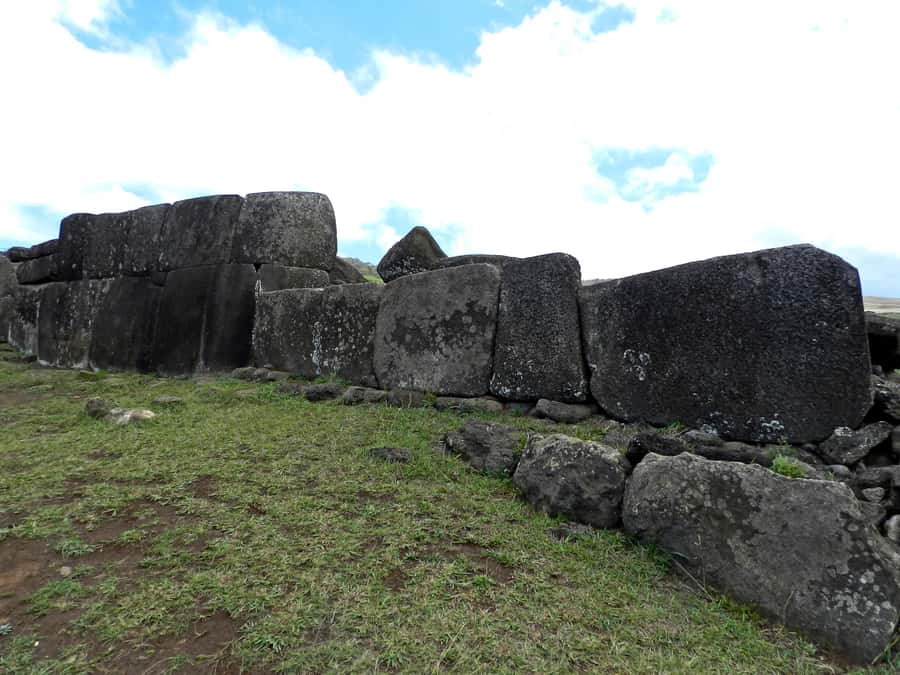
The site is known for large stone structures and carefully placed masonry. Your guide will point out details in the construction and discuss the skill required to shape and position the stones. This is one of the stops where a quick glance can miss the point. Take a moment to look at the joints, surfaces, and overall arrangement rather than only photographing the site from a distance.
Vinapu helps you see Rapa Nui as a place of serious engineering and organization. The moai are impressive, but the platforms supporting them also deserve attention. Ahu Vinapu puts that supporting work at center stage.
The 45-minute slot is practical but not generous. You will have time for an explanation and a close look, yet the group will need to move on. If you enjoy stonework and archaeology, this may be one of the stops where you wish for more time.
A completely different kind of day out:
- 2-Day Private Tour Easter Island Highlights Complete Discovery
★ 5.0 · 110 reviews - Private Full-Day Easter Island Highlights North and West
★ 5.0 · 84 reviews - Journey of the Ancestors: Tongariki, Rano Raraku & Anakena Beach
★ 4.5 · 70 reviews - Full Day Private Tour: Factory of the Moai the stone giants
★ 4.5 · 63 reviews
Puna Pau explains the red crowns
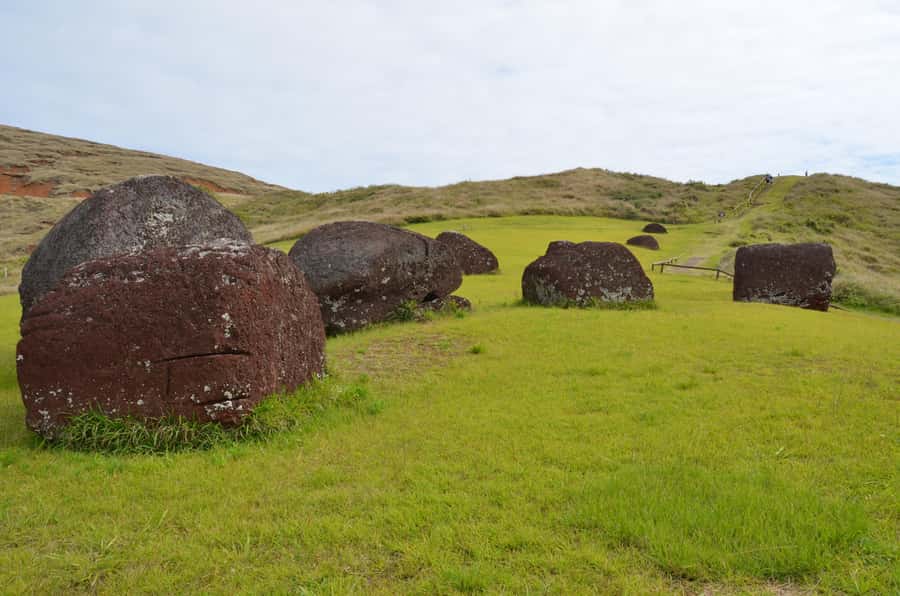
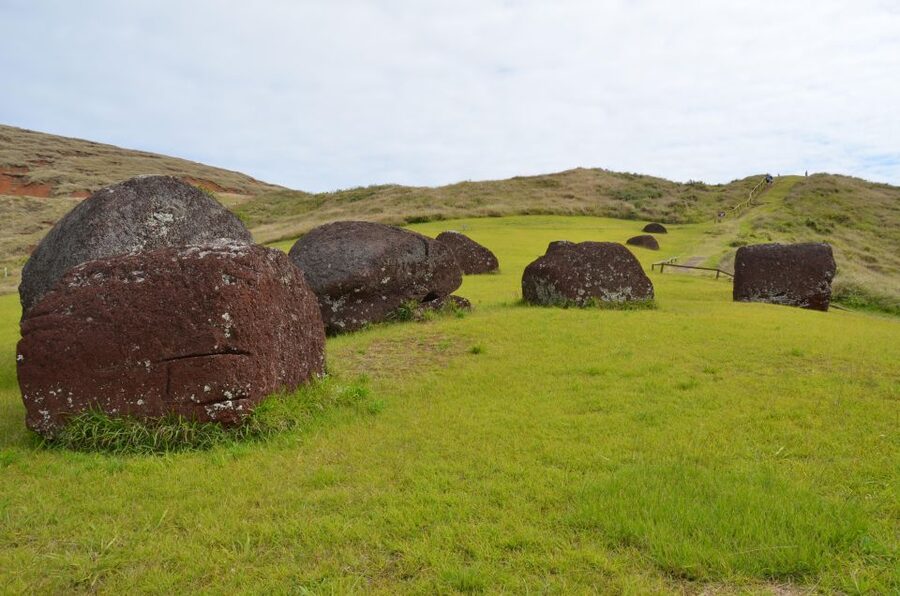
Puna Pau is another 45-minute visit, but it offers a different part of the moai story. This is the quarry where the red scoria topknots were made.
Many moai wore these red elements, often called topknots. At Puna Pau, you can learn where the material came from and how the crowning pieces were shaped. The stop adds an important correction to the common idea that every part of a moai came from the same place.
The red scoria gives the quarry a distinct appearance and helps you understand the amount of work involved in creating and moving these large pieces. Your guide can also explain why the topknots mattered and how they changed the appearance of the finished statues.
I like the way this stop broadens the story. You are not only seeing famous figures. You are following the production process, from raw volcanic material to the final architectural detail. For anyone interested in how the monuments were made, Puna Pau is more than a short photo stop.
Wear shoes with a good grip, especially if the ground is wet. The tour runs in rain or sunshine, so weather can affect how comfortable this visit feels.
Ahu Akivi and the seven moai
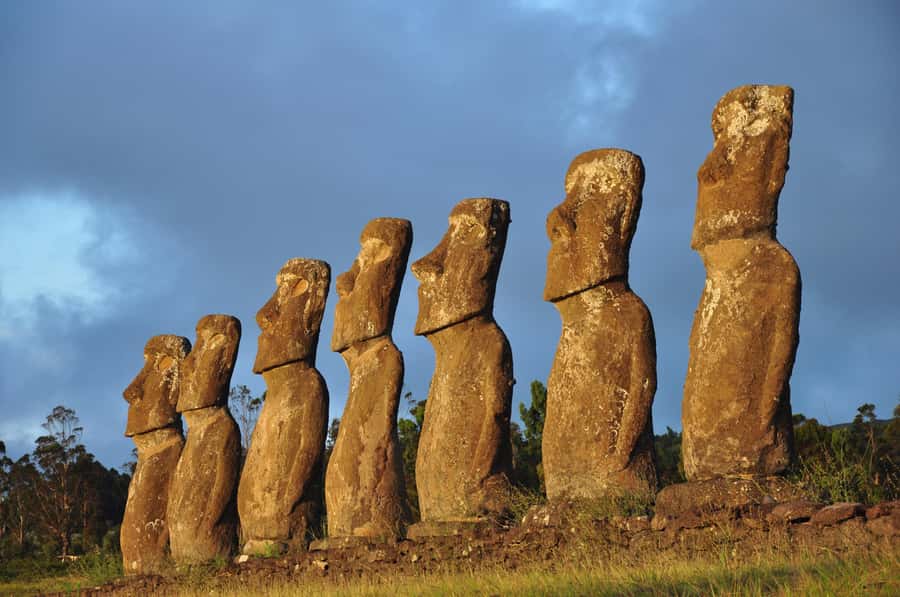
The next 45-minute stop is Ahu Akivi, a platform with seven moai. The statues are associated with the island’s seven explorers, giving this site a special place in Rapa Nui storytelling.
Ahu Akivi is different from the crater and quarry stops because the moai are presented together on a single platform. The arrangement gives you a chance to compare the statues and listen to the guide explain their traditional role and meaning.
This is a good point in the day to connect the earlier stops. At Orongo, you considered ritual and leadership. At Vinapu, you looked at stone construction. At Puna Pau, you learned about the red topknots. Ahu Akivi brings those themes back to the moai themselves.
The stop is short enough that you should listen first, then take your pictures. If you walk ahead or hang back, you could miss details. One guest specifically had trouble hearing all the explanations when people spread out, so keeping the guide in sight is sensible.
Ana Te Pahu brings you underground
Ana Te Pahu is the final major stop and lasts about an hour. It is also the most physically different part of the tour.
This volcanic cave system was used as shelter and storage by the islanders. Inside, the air and rock feel different from the exposed ceremonial sites. The cool volcanic walls give you a more direct sense of how people adapted natural spaces for daily needs.
You should expect walking through a natural cave environment rather than a polished attraction. Comfortable clothing and shoes are important. The supplied guidance says some sites require around an hour of walking, and Ana Te Pahu is the stop where footwear matters most.
The cave also adds balance to the day. You have spent hours looking at monumental sites and open views. Here, the focus turns to ordinary survival: shade, shelter, and storage. That practical side of ancient Rapa Nui life can be just as revealing as the ceremonial monuments.
If you dislike enclosed spaces or have difficulty walking on uneven ground, consider that before booking. The available information does not give a detailed accessibility assessment, so you should ask the operator directly if you need specific accommodations.
How the guide affects your experience
The tour includes a tour leader, with English and Spanish offered. On a route this full, the guide is not an optional extra. The historical and cultural context gives each stop its purpose.
Ata was praised for being informative and interesting, while Javiera was recognized for answering questions with strong knowledge. Those comments point to the kind of guide you want here: someone who can explain the Bird Man tradition, clarify the seven explorers connected with Ahu Akivi, and show why Puna Pau matters.
The main practical lesson is to stay near the guide during explanations. At open sites, it is easy for the group to spread across a viewpoint. If you are at the back, you may not hear every detail. Ask questions when there is a pause, and do not assume the guide can project across a large area.
The tour is offered in English or Spanish. Confirm your preferred language when booking, especially if the cultural explanation is a major reason you are taking the tour.
Timing, transport, and what to carry
The day lasts about seven hours, including transport from and back to Hanga Roa. Pickup and drop-off at your hotel are included. The company is expected to contact you about 10 minutes before the driver arrives, so keep your phone available before pickup.
Bring:
- Comfortable walking shoes
- Comfortable clothing
- A reusable water bottle
- Cash
- Your passport or ID card
The National Park ticket is not included. Buy it before the tour starts, since the route includes protected archaeological sites. This extra cost changes the total price, so include it when comparing this outing with other Rapa Nui activities.
There is no internet in the park. Download anything you need before leaving Hanga Roa, and do not depend on live maps or online messages once the tour is underway. Drones are not permitted.
The rain-or-shine policy deserves attention. Rapa Nui weather can affect your comfort at exposed locations such as Rano Kau and Orongo, while wet conditions may make cave and walking sections less pleasant. A light rain layer and shoes you do not mind getting dirty are sensible choices.
Who will get the most from this tour?
I would recommend this route to a first-time visitor who wants a broad introduction to Rapa Nui in one day. You get major ceremonial sites, moai, volcanic geology, and a cave without needing to arrange several separate outings.
It also suits you if you prefer having transport and a guide organized for you. The $70 price is reasonable for a seven-hour trip with hotel pickup, drop-off, and guided visits across several parts of the island. The value is strongest when you would otherwise need to arrange transport between each location.
This may not be the best choice if you want a quiet, slow visit at every site. Six stops create variety, but they also require discipline. You will have to move on even when a view or monument catches your attention.
It is also less suitable if you are not prepared for walking. Some locations require around an hour on foot, and Ana Te Pahu adds uneven volcanic terrain. Comfortable shoes are not a minor suggestion here.
The cancellation terms offer some useful flexibility: you can cancel up to 24 hours ahead for a full refund, and you can reserve now and pay later. Those policies are practical on an island trip, where weather and flight changes can affect plans.
Should you book the Orongo to Ana Te Pahu tour?
Book it if you want one organized day that covers Rano Kau, Orongo, Vinapu, Puna Pau, Ahu Akivi, and Ana Te Pahu. The route gives you the widest view of Rapa Nui’s ceremonial, artistic, geological, and practical sides, and the $70 cost is fair once you value the transport and guide.
Before paying, buy the National Park ticket, confirm the language you want, and ask how much walking is expected for your group. Keep close to the guide so you hear the explanations, especially at wide outdoor sites.
I would choose this tour early in a Rapa Nui stay. It gives you the essential background, leaving later time for a slower return to the places that interest you most.
FAQ
Where does the tour begin and end?
Pickup is provided in Hanga Roa, and the tour returns you to Hanga Roa at the end of the day.
How long does the experience last?
The tour lasts about seven hours, including transport between Hanga Roa and the sites.
What places will I visit?
You will visit Rano Kau, Orongo, Ahu Vinapu, Puna Pau, Ahu Akivi, and Ana Te Pahu.
Is the National Park ticket included?
No. You must buy the National Park ticket before the tour begins.
What languages are available?
The live tour guide is available in English and Spanish.
What should I bring?
Bring your passport or ID card, comfortable shoes, comfortable clothing, cash, and a reusable water bottle.
Are drones allowed?
No. Drones are not allowed on this tour.
Can I cancel the booking?
You can cancel up to 24 hours before the tour for a full refund. You can also reserve now and pay later.
Just added in Hanga Roa
- Volcanic Refuges: Excursion to Underground Civilization★ 4.7 · 8 reviews
- Volcanic Wonders and the Kingdom of the Birdman: Half Day★ 5.0 · 6 reviews
- Half Day Private Tour: Caves and Volcanic Refuges★ 4.0 · 14 reviews
- Easter Island Ancestral Dinner and Show with Transport★ 4.5 · 2 reviews
- 2 Day Small Group Tour in Moai Monuments and Historic Pathways★ 5.0 · 22 reviews
- Visit Rapa Nui in 4 days with 3 Tours and Accommodation included★ 4.0 · 2 reviews
- Tour to the Motus: Boat trip and snorkeling in Rapa Nui★ 5.0 · 8 reviews
- The birdman journey in Easter Island★ 5.0 · 1 review
Easter Island Tours, compared.
Two days of Full Day Tour of Rapa Nui + Sunrise in Tongariki
Read our review →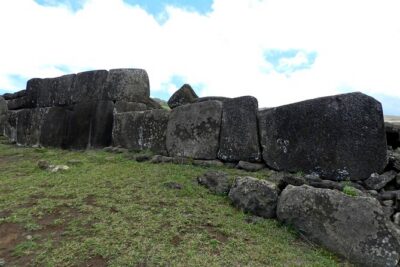
2-Day Private Tour Easter Island Highlights Complete Discovery
Read our review →
Private Tour: Full Day Easter Island Highlights
Read our review →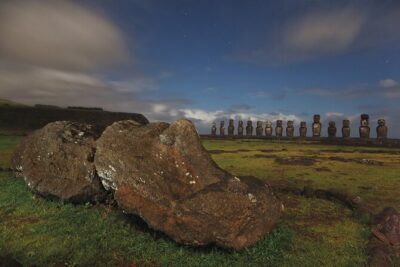
Browse the lists this tour appears in