
REVIEW · EASTER ISLAND TOURS
The Route of Hotu Matua Full-Day Tour from Hanga Roa
Follow the stone trail of Rapa Nui. The Route of Hotu Matua is a strong way to see Easter Island’s major archaeological sites in one day, with Ahu Tongariki’s 15 moai and the Rano Raraku quarry as clear highlights. I like the small group size, capped at 15 people, and I like the historical focus, especially when guide Tomas explains how each site fits into the island’s story. The main drawback is simple: lunch is not included, and six to seven hours of monuments, driving, and walking can make for a full day.
Pickup from your Hanga Roa accommodation at 9:30 a.m. keeps the morning easy, while the Spanish and English guiding makes the tour useful for a broad range of visitors. The route covers the north and east coast, but the schedule runs only on Tuesday, Thursday, and Saturday, so you will need to plan around those days.
In This Review
- Key points at a glance
- Why the Hotu Matua route works as a first full day
- Ahu Vaihu begins the coastal story
- Ahu Akahanga and the story of Hotu Matu’a
- Ahu Tongariki delivers the big view
- Te Pito Kura and the stone at the world’s center
- Rano Raraku reveals where the moai began
- Anakena Beach adds a welcome change of mood
- What the $100 price really includes
- The guide makes the difference
- Who should book this day
- Booking days, pickup, and cancellation
- Should you book the Route of Hotu Matua?
- FAQ
- How much does the Route of Hotu Matua tour cost?
- How long does the tour last?
- What time does the tour begin?
- Where does pickup take place?
- Which days does the tour operate?
- Is the tour offered in English?
- How many people can join the tour?
- Is lunch included?
- Can I cancel for a full refund?
Key points at a glance
- Ahu Tongariki has 15 restored moai: This is the grandest statue platform on the route and one of the main reasons to choose this full-day outing.
- Rano Raraku is the statue quarry: You see where many moai were carved, giving the statues at the coastal sites a more human and practical context.
- Hotu Matu’a is tied to Ahu Akahanga: This stop connects the route with the first Polynesian king of Easter Island.
- Anakena adds a beach stop: The tour is not only archaeology, with a coastal setting that changes the pace of the day.
- Small groups are limited to 15 people: That gives the guide more room to explain details and answer questions than a large coach tour.
- Lunch is your responsibility: The price is $100 per person, but food is not included, so plan ahead.
Why the Hotu Matua route works as a first full day
Easter Island can look compact on a map, yet its major sites are spread around the coast and inland volcanic areas. The Route of Hotu Matua links several of the island’s most important places into one guided circuit, saving you from arranging separate rides or trying to understand the sites without context.
I like the balance of the route. You see monumental stone platforms, individual moai, a quarry, a ceremonial stone, a historic burial site, and a beach. Each stop answers a different question: Where were the statues made? How were they displayed? What happened to them? How did Polynesian settlement shape the island?
The tour begins at 9:30 a.m. with pickup at your accommodation in Hanga Roa. From there, you travel with a bilingual guide in Spanish and/or English. The day lasts about six to seven hours, long enough to cover the major stops without turning the outing into a rushed race from one parking area to the next.
A small group limit of 15 matters here. At archaeological sites, a guide needs to point out carvings, platforms, and details that are easy to miss. A group this size is not private, but it should feel more manageable than a large busload, especially when you want to hear the explanation or ask a question.
More things to do on Easter Island:
- From Hanga Roa: Rapa Nui Culture Sightseeing Tour
★ 4.6 · 307 reviews - From Hanga Roa: Easter Island Highlights 2-Day Tour
★ 4.3 · 205 reviews - Full Day Tour in Rapa Nui
★ 4.5 · 122 reviews
Ahu Vaihu begins the coastal story
Ahu Vaihu is one of the first major archaeological stops on the route. An ahu is a ceremonial platform associated with moai, so this visit introduces you to the basic form of Rapa Nui monument building before the tour reaches the more famous sites.
The value of Vaihu is partly visual and partly interpretive. You are not simply looking at isolated statues. You are seeing a setting where stone platforms, fallen figures, and the coast help explain how these monuments once belonged to a larger ceremonial system.
Your guide’s explanation is important here. Without context, an ahu can look like a line of stones and toppled statues. With good guiding, you begin to understand the relationship between the platform, the moai, and the community that created and maintained it.
Do not expect every stop to deliver the same dramatic first impression as Tongariki. Vaihu is better treated as an opening chapter. It prepares you to notice details later in the day and gives the route a sense of progression.
Ahu Akahanga and the story of Hotu Matu’a
Ahu Akahanga has a special place on this itinerary because it is connected with Hotu Matu’a, described as the first Polynesian king of Easter Island. The tour title comes from this route and this story, so Akahanga is more than another statue platform.
This stop gives the day a human center. The moai and ahu can feel enormous and remote, but the connection with a founding king places the monuments within the island’s settlement traditions. You are learning not only how stone was shaped, but also how Rapa Nui people understood origins, leadership, and place.
The site is described as the burial place of Hotu Matu’a. Your guide will provide the historical and cultural explanation, and that makes this one of the stops where listening matters as much as taking photographs.
I would pay close attention here if you are interested in oral tradition and Polynesian culture. If your main goal is to see the largest standing statues, Akahanga may feel quieter than Tongariki. That is not a weakness. It is a useful change of pace, and it gives the tour more depth than a simple greatest-hits route.
Ahu Tongariki delivers the big view
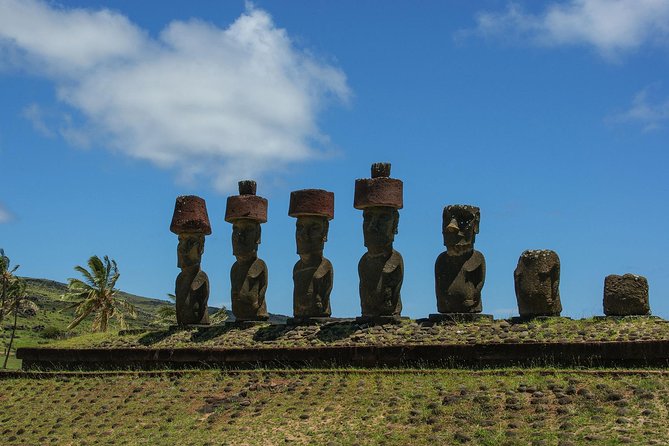
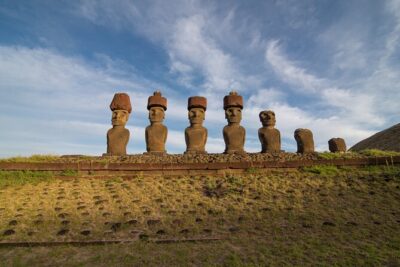
Ahu Tongariki is the visual high point for many people. The platform features 15 standing moai facing inland, and it is known for the largest archaeological restoration carried out on the island during the 1990s.
This is the place where the scale of Rapa Nui monument building becomes easiest to grasp. Fifteen figures lined up together create a strong sense of order and power. Their inland-facing position also gives you a clear reminder that these statues were tied to communities and ancestral presence, not placed randomly for decoration.
Your guide can help you look beyond the obvious photograph. Notice the spacing of the moai, the long platform, and the way the figures relate to the island behind them. The restored arrangement is impressive, but the site also raises questions about how much work went into moving, placing, and caring for these enormous stones.
Tongariki is likely to be one of the busiest-feeling moments of the day simply because it is so important. A group limit of 15 helps, but this is still a major stop. Give yourself time to look from more than one angle rather than taking one quick picture and returning to the vehicle.
The tour’s historical explanation also helps here. One published account gives particular praise to guide Tomas, whose information about Easter Island added detail even at sites already seen on another outing. That is useful advice: the value of Tongariki is not only the view. A strong guide can reveal new meaning in a place you think you already understand.
A completely different kind of day out:
- 2-Day Private Tour Easter Island Highlights Complete Discovery
★ 5.0 · 110 reviews - Private Full-Day Easter Island Highlights North and West
★ 5.0 · 84 reviews - From Hanga Roa: Journey from Orongo to Ana Te Pahu
★ 4.3 · 75 reviews - Journey of the Ancestors: Tongariki, Rano Raraku & Anakena Beach
★ 4.5 · 70 reviews
Te Pito Kura and the stone at the world’s center
Te Pito Kura is home to a famous round stone said to represent the center of the world. It is one of the route’s more unusual stops because the focus shifts from rows of moai to a single symbolic object.
The round stone gives you a chance to consider how place and belief shape the meaning of a monument. It is not the biggest object you will see all day, but it carries a strong cultural idea. This is a good stop for slowing down and listening to the guide rather than measuring each site by size.
Te Pito Kura also adds variety to the route. After the large platform at Tongariki, a smaller and more focused site keeps the day from becoming a repeated sequence of statues. You will see ancient and historic monuments, but the surrounding coastal views keep the setting from feeling like a closed museum.
As with several sites on Easter Island, the explanation matters. The stone’s importance is not obvious from appearance alone. Ask questions if the guide leaves room for them, particularly if you want to understand how the center-of-the-world idea fits into Rapa Nui culture.
Rano Raraku reveals where the moai began
Rano Raraku is the other major highlight, alongside Tongariki. This volcanic quarry is where moai were carved, and seeing it changes the way you view the finished statues on the coast.
At Tongariki, the moai appear as complete figures arranged with purpose. At Rano Raraku, you get closer to the work behind them. The quarry helps you picture the carving process and the amount of labor required before a statue ever reached an ahu.
This stop is especially valuable for first-time visitors because it turns an abstract question into a physical place. Instead of wondering where the statues came from, you see the volcanic source connected with their creation.
The quarry also brings natural scenery into the day. The volcanic setting is different from the open coastal platforms, and that contrast makes the route feel more varied. You can expect the guide to discuss the archaeological excavations carried out over the past few hundred years, along with the way scholars have studied the island’s monuments.
Your exact walking time at Rano Raraku is not specified, so comfortable shoes are a sensible choice. The tour lasts six to seven hours, and the quarry is one of the places where you will likely want time to look carefully rather than hurry through.
Anakena Beach adds a welcome change of mood
Anakena Beach gives the tour a softer final note. After a day focused on stone platforms, royal tradition, and volcanic quarrying, a beach setting shows another side of Easter Island.
This is not simply a filler stop. Anakena connects the archaeology with the island’s natural surroundings and coastal life. The tour summary specifically includes it as part of the route, so you get more than a chain of inland monuments.
The beach also helps break up the rhythm of the day. Six or seven hours of ruins can feel heavy, even when the sites are exceptional. A coastal stop gives you a chance to reset before the return toward Hanga Roa.
Do keep your expectations practical. The tour information does not promise a dedicated swim period, beach meal, or extended free time. Treat Anakena as an important scenic and cultural stop within a larger guided day, not as a separate beach holiday.
What the $100 price really includes
At $100 per person, this tour is best judged as a full-day guided circuit rather than as a single attraction. You are paying for pickup, transport around a large part of the island, bilingual guiding, and access to a carefully chosen group of major sites.
The small group cap adds value. A guide speaking to no more than 15 people can usually offer a clearer explanation than a large coach guide using a microphone. It also makes the day feel less anonymous, which matters on an island where the meaning of each site is central to the experience.
The price does not include lunch. That is the main budget point to remember. The tour begins at 9:30 a.m. and runs until roughly mid-afternoon or later, so you should arrange food before departure or confirm how the day handles a meal break. The available information does not specify a restaurant stop or a packed lunch.
The itinerary marks admission as free, while the listed inclusion specifically confirms pickup. I would still check the current booking details for exactly what is covered before paying, especially if access rules or local site arrangements change.
For someone who wants to see the island’s key archaeological places in one organized outing, $100 can be a fair price. It is less attractive if you prefer to spend a whole day at one site or want a private guide with a flexible schedule.
The guide makes the difference
The strongest praise for this experience centers on the historical information and the guide named Tomas. One detailed account notes that Tomas added substantial information about Easter Island, even when some sites had already been visited on an earlier tour.
That point is worth taking seriously. Rapa Nui’s monuments can look spectacular without explanation, but the trip becomes much more useful when someone connects the places, names, restoration work, royal traditions, and archaeological questions.
The guide is described as operating in Spanish and/or English. Since the exact language arrangement may depend on the group, make sure your preferred language is clear when booking. A bilingual tour can be very effective, but explanations may take longer when two languages are needed.
The quality of guiding also affects repeated stops. If you have already seen Tongariki or another site, you may still learn something new, but you should choose this tour for its full route and interpretation rather than expecting every stop to feel completely unfamiliar.
Who should book this day
I would recommend this experience to you if you are visiting Easter Island for the first time and want a broad introduction to its major monuments. It is also a good fit if you prefer a guide who can explain what you are seeing instead of relying on signs or a guidebook.
The tour suits people who value variety. You see coast, beach, volcanic terrain, ceremonial platforms, restored statues, a quarry, and a culturally important stone. That range gives you a better sense of the island than a route focused only on the largest moai.
It may be less suitable if you need a very relaxed schedule. The route covers many sites in six to seven hours, and lunch is not included. It may also disappoint you if your priority is a long beach visit or a private itinerary built around photography.
The group maximum of 15 is a useful middle ground. You get the efficiency of a shared tour without the scale of a large bus outing. If you want complete control over stops and timing, a private tour would offer more flexibility, but that is not what this experience promises.
Booking days, pickup, and cancellation
The tour runs on Tuesday, Thursday, and Saturday, with a 9:30 a.m. departure. Pickup is offered from accommodation in Hanga Roa town, which removes the need to arrange a separate meeting point.
Confirmation is provided at booking, and the activity is listed as suitable for most participants. The group maximum is 15 people. Since the tour is often reserved about nine days ahead, booking early is sensible if your stay is short or your dates are fixed.
Free cancellation is available if you cancel at least 24 hours before the local start time. Cancellations made less than 24 hours before departure are not refunded, and late changes are not accepted. That rule is easy to follow, but keep the local time in mind when changing plans.
Should you book the Route of Hotu Matua?
Book it if you want one well-planned day covering Easter Island’s major archaeological highlights, especially Ahu Tongariki and Rano Raraku. The combination of a small group, Hanga Roa pickup, cultural explanation, and a route that includes Anakena gives you strong coverage for $100.
I would be most likely to choose it early in a visit. The tour gives you the basic map of Rapa Nui, then lets you decide which places deserve a slower return visit. Just plan for lunch, confirm your preferred guiding language, and reserve around the Tuesday, Thursday, or Saturday schedule.
Skip it only if you want a private pace, a dedicated beach day, or extended time at one archaeological site. For a first broad look at the island, the Hotu Matua route offers a practical and meaningful use of six to seven hours.
FAQ
How much does the Route of Hotu Matua tour cost?
The tour costs $100 per person.
How long does the tour last?
The excursion lasts approximately six to seven hours.
What time does the tour begin?
Pickup and departure begin at 9:30 a.m.
Where does pickup take place?
Pickup is offered from your accommodation in Hanga Roa town.
Which days does the tour operate?
The Route of Hotu Matua operates on Tuesday, Thursday, and Saturday.
Is the tour offered in English?
The guided tour is bilingual in Spanish and/or English. The exact language arrangement may depend on the group.
How many people can join the tour?
The group has a maximum of 15 people.
Is lunch included?
No. Lunch is not included in the tour price.
Can I cancel for a full refund?
Yes. You can receive a full refund if you cancel at least 24 hours before the experience start time. Cancellations or changes made less than 24 hours before the start are not accepted for a refund.
Just added in Hanga Roa
- Volcanic Refuges: Excursion to Underground Civilization★ 4.7 · 8 reviews
- Volcanic Wonders and the Kingdom of the Birdman: Half Day★ 5.0 · 6 reviews
- Half Day Private Tour: Caves and Volcanic Refuges★ 4.0 · 14 reviews
- Easter Island Ancestral Dinner and Show with Transport★ 4.5 · 2 reviews
- 2 Day Small Group Tour in Moai Monuments and Historic Pathways★ 5.0 · 22 reviews
- Visit Rapa Nui in 4 days with 3 Tours and Accommodation included★ 4.0 · 2 reviews
- Tour to the Motus: Boat trip and snorkeling in Rapa Nui★ 5.0 · 8 reviews
- The birdman journey in Easter Island★ 5.0 · 1 review
Easter Island Tours, compared.
Two days of Full Day Tour of Rapa Nui + Sunrise in Tongariki
Read our review →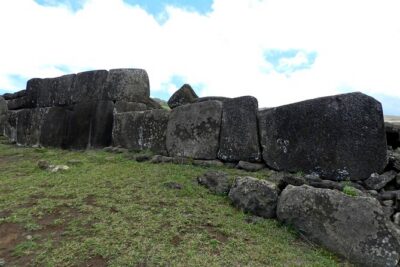
2-Day Private Tour Easter Island Highlights Complete Discovery
Read our review →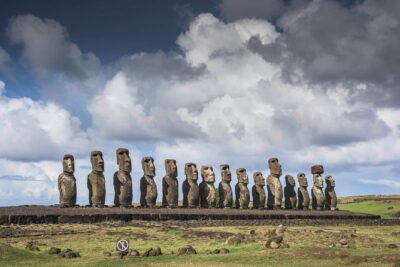
Private Tour: Full Day Easter Island Highlights
Read our review →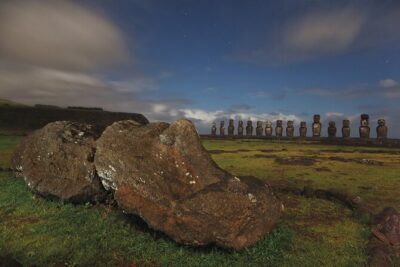
Browse the lists this tour appears in