
REVIEW · EASTER ISLAND TOURS
Full Day Tour in Rapa Nui
Rapa Nui rewards a closer look. This six-hour outing from Hanga Roa brings you to Ahu Akivi and Orongo, then adds volcanic quarries, a cave, and wide Pacific views. I like the strong mix of archaeology and scenery, and I like that local guides such as Merahi, Frank, Zoe, and Enzo have been praised for clear cultural explanations. The main drawback is that the day can finish much earlier than advertised, and it includes fewer famous Moai platforms than some first-time visitors expect.
You pay $70 per person for transportation and a guide, but the National Park ticket costs extra. The tour starts around 9:30 a.m., takes about six hours on paper, and is limited to 14 people according to the tour details. In practice, pickup delays, bilingual explanations, merged groups, and changing site conditions can shorten the sightseeing time.
In This Review
- Key things to know before you book
- Six sites, one useful introduction to Rapa Nui
- Ahu Akivi and the seven Moai facing the sea
- Ana Te Pahu, a real cave with real footing problems
- Puna Pau and the red stone Moai crowns
- Ahu Vinapu and the debate over precise stonework
- Rano Kau, where geology takes over
- Orongo and the Birdman competition
- What the timing really means
- The value of $70 per person
- Who will enjoy this route most
- Seven practical questions before departure
- Should you book this Rapa Nui tour?
- FAQ
- How long is the Full Day Tour in Rapa Nui?
- What sites does the tour visit?
- Is the National Park entrance ticket included?
- Does the tour visit Ahu Tongariki or Rano Raraku?
- Is food or water included?
- How physically demanding is the tour?
- What is the cancellation policy?
Key things to know before you book
- Six contrasting stops: You visit Ahu Akivi, Ana Te Pahu, Puna Pau, Ahu Vinapu, Rano Kau, and Orongo.
- This is mainly a west and central island tour: It does not include the famous quarry at Rano Raraku or the fifteen Moai at Ahu Tongariki.
- The cave requires care: Ana Te Pahu can be dark, wet, slippery, and low in places. Bring a proper flashlight and shoes with good grip.
- The strongest cultural stop is Orongo: The Birdman ceremony, cliffside setting, petroglyphs, and stone houses make this a memorable part of the day.
- Pack food and water: Some departures have no snack or water service, and lunch is not clearly included.
- The guide makes a big difference: English ability and presentation style have varied, although several guides received excellent praise for patience and cultural knowledge.
Six sites, one useful introduction to Rapa Nui
For $70, this tour offers a practical way to cover a large portion of the island in one outing. You get a driver, transportation, and explanations at several major archaeological areas, which is useful on an island where sites are spread out and independent transport may not be convenient.
I see this as a strong first day, not a complete survey of Rapa Nui. You will learn about Moai construction, ceremonial platforms, volcanic geology, caves, and the Birdman cult. But you will not see every image that probably inspired your trip, especially the fifteen Moai at Ahu Tongariki or the main Moai quarry at Rano Raraku.
The group is advertised at a maximum of 14 people. That should make the day more manageable than a large coach outing. Still, some departures have reportedly involved larger groups or combined bookings, so I would confirm the group size and exact pickup plan before setting out.
More things to do on Easter Island:
- From Hanga Roa: Rapa Nui Culture Sightseeing Tour
★ 4.6 · 307 reviews - From Hanga Roa: Easter Island Highlights 2-Day Tour
★ 4.3 · 205 reviews - 2-Day Private Tour Easter Island Highlights Complete Discovery
★ 5.0 · 110 reviews
Ahu Akivi and the seven Moai facing the sea
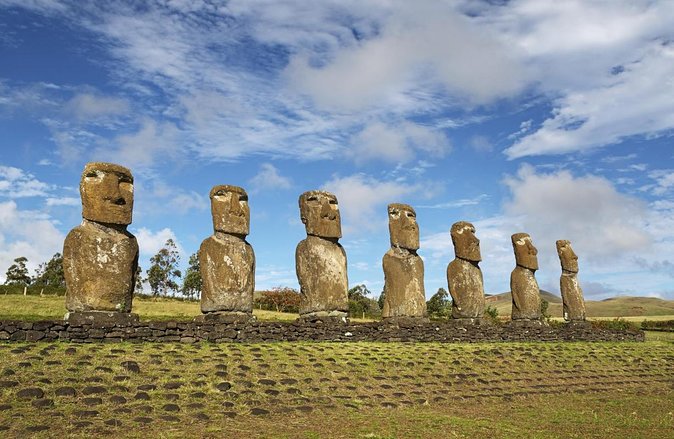
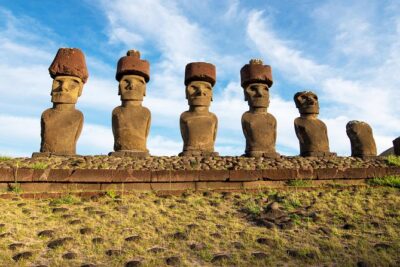
Ahu Akivi gives you an early look at one of Rapa Nui’s most unusual ceremonial platforms. Seven Moai stand in a line, and their outward-facing position is different from the arrangement found at many other sites.
The statues are often described as facing the sea, rather than looking inland over a settlement. That makes the site especially useful for understanding how varied Moai traditions were across the island. You have about 45 minutes here, enough for an explanation, photographs, and a careful look at the platform.
Do not confuse this with the famous fifteen-statue site. Ahu Akivi has seven Moai, and that distinction matters because some people book this outing expecting a larger group of statues. If your main goal is the most photographed Moai scenes, you will need another tour or another day.
Admission is not included in the tour price. The National Park ticket must be purchased separately, and it is wise to arrange it before your tour rather than assume you can simply pay at the first stop.
Ana Te Pahu, a real cave with real footing problems
Ana Te Pahu is the longest stop, at about 90 minutes. The route leads through greenery and old palm growth before reaching a cave system shaped by volcanic activity and later used by the Rapa Nui people.
This is a valuable stop because it shifts the focus away from statues. Inside the cave, your guide can explain how underground spaces fit into island life and survival. The cool, shadowy setting also breaks up the hot, open-air portions of the day.
Here is the practical warning: this is not a polished cave walk. Reports describe darkness, low ceilings, water on the floor, and slippery sections. Some people have had to use phone lights, and one account described the route as unsafe without a torch or clear warning.
Bring a real flashlight, not just a phone. Wear shoes with firm soles, and keep both hands free where possible. You should also be comfortable with a moderate level of physical activity. If rain or other conditions make the cave unsafe, the stop may be changed or skipped.
The long visit can also affect your expectations. Spending more than an hour around one cave means less time at the other sites. If caves are not a priority for you, this may feel like a poor use of the day. If you like unusual archaeological settings and can manage uneven ground, it may be one of the most interesting stops.
Puna Pau and the red stone Moai crowns
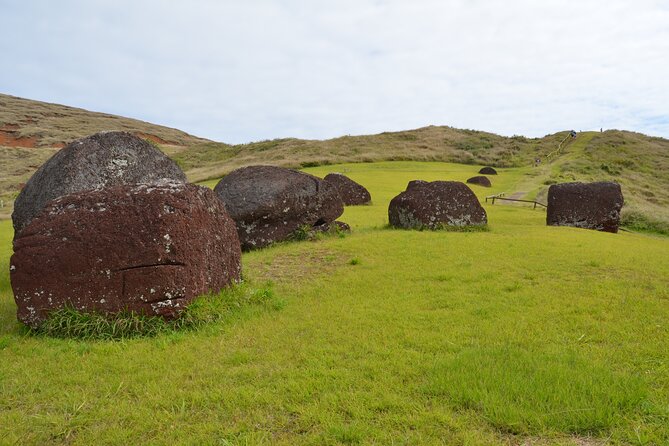
Puna Pau is a quarry with a very specific role. The red volcanic scoria found here was used to make the pukao, the cylindrical topknots placed on some Moai.
This stop gives you a useful lesson in how different parts of a statue came from different places. The main figures were carved from other volcanic stone, while the red crowns came from Puna Pau. That detail helps you picture the scale of planning and effort behind the island’s ceremonial monuments.
You have about 45 minutes. It is not a large collection of upright Moai, so think of it as a workshop and source of materials rather than a statue-viewing stop. The guide’s explanation is what gives the quarry meaning.
Puna Pau is also another reason to book this tour only after checking its exact focus. If you want the place where many of the great Moai were carved, that is Rano Raraku, which is not part of this route. Puna Pau answers a different question: where did the red headpieces come from?
A completely different kind of day out:
- Private Full-Day Easter Island Highlights North and West
★ 5.0 · 84 reviews - From Hanga Roa: Journey from Orongo to Ana Te Pahu
★ 4.3 · 75 reviews - Journey of the Ancestors: Tongariki, Rano Raraku & Anakena Beach
★ 4.5 · 70 reviews - Full Day Private Tour: Factory of the Moai the stone giants
★ 4.5 · 63 reviews
Ahu Vinapu and the debate over precise stonework
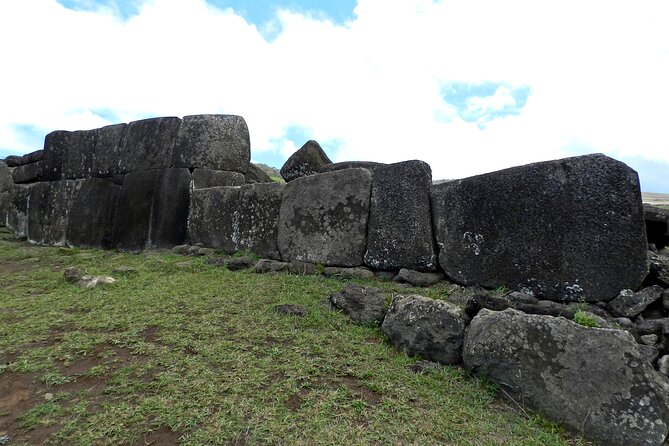
Ahu Vinapu presents a more technical side of Rapa Nui archaeology. The site contains carefully fitted stone blocks, and the construction has often been compared with Inca masonry in South America.
That comparison makes Vinapu a good place to listen closely rather than rush through for photographs. The fit of the stones raises questions about engineering, contact, and independent development. Your guide should help separate established information from speculation, since the visual resemblance alone does not settle the question.
The planned stop lasts about 45 minutes. It may feel quieter and less instantly dramatic than Orongo or Rano Kau, but it adds depth to the day. You begin to see Rapa Nui not only as the island of the Moai, but also as a place of careful building and complex ceremonial practice.
Because Vinapu is another site where the guide’s explanation matters greatly, English quality is important. Some English-speaking customers have praised guides who answered many questions patiently. Others have found that a bilingual group led to repeated explanations and less direct communication.
Rano Kau, where geology takes over
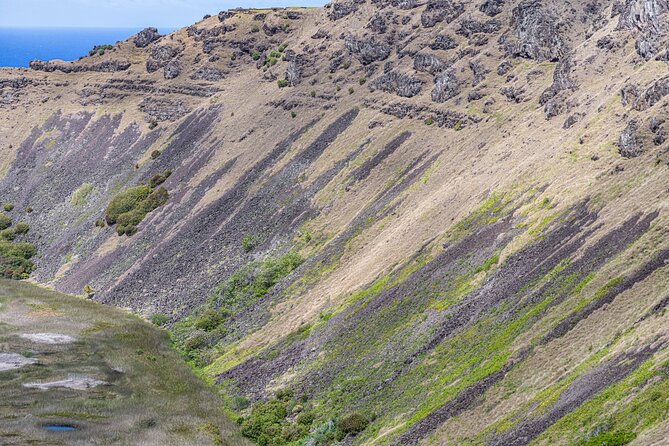
Rano Kau is a huge volcanic crater with a lake and plant-filled inner slopes. The scheduled stop is about 30 minutes, but the view does much of the work for you.
From the rim, you can see the broad bowl of the crater and the contrast between the water below, the green interior, and the open Pacific beyond. It is a welcome change after the close quarters of Ana Te Pahu and the stonework at Vinapu.
The short stop is enough for the main viewpoint and an explanation of the crater’s formation. It is not enough for a long walk around the rim, so keep your camera ready and listen for instructions about how much time you have.
Rano Kau also sets up the next stop. Orongo sits on the crater’s rim, so the two locations make sense together. If landslides or site restrictions affect the walking route, you may have less time outside. One departure had to shorten the Orongo visit because of a recent landslide, with the guide continuing the explanation at the visitor center.
Orongo and the Birdman competition
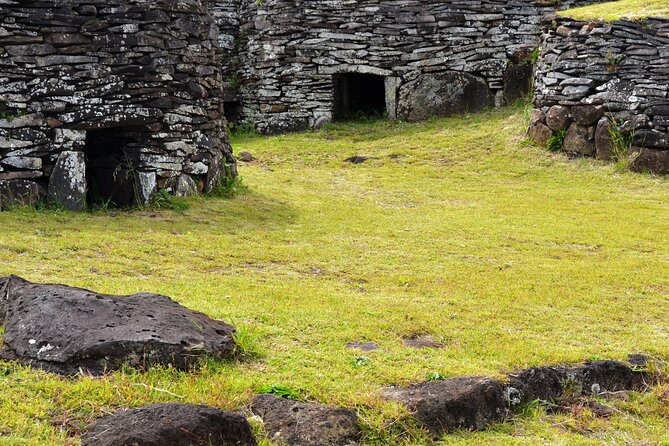
Orongo is the cultural high point of the route for many people. The ceremonial village sits above the crater and looks toward the Pacific, including the small offshore islets tied to the Birdman competition.
The annual contest involved competing representatives seeking the first manutara, or sooty tern egg, from an offshore islet. The winner’s sponsor gained important status for the coming year. You will see stone structures, carved images, and ceremonial features connected with this tradition.
The site has a dramatic setting, but the story is what makes it memorable. A good guide can explain how the Birdman cult became important after the era of major Moai construction. Guides named Frank, Merahi, and Zoe have been praised for explaining the culture clearly and making room for questions.
You should allow about 75 minutes here. That sounds generous, but the route and site conditions can reduce your walking time. Follow instructions carefully, stay on permitted paths, and do not treat the cliff edge as a photo prop. Rapa Nui’s sacred places deserve quiet attention, not just quick snapshots.
What the timing really means
The advertised duration is approximately six hours, beginning at 9:30 a.m. Yet several departures have ended around 2 p.m., or lasted closer to four or five hours. That difference is not minor. It affects lunch plans, afternoon activities, and your sense of value.
Pickup has also been uneven. Some outings began with extra hotel collections, a return to an earlier pickup point, or a stop to buy water. One reported delay totaled about 75 minutes. I would contact the operator, Hotumatur RapaNui, before the day begins and confirm the pickup location, start time, expected return, and whether your booking has been combined with another group.
A bilingual English and Spanish tour can also take longer at each stop because every explanation is repeated. That is not necessarily a problem, but it can reduce time for walking and photographs. If you need a fully English-speaking guide, ask directly and get a clear answer.
The value of $70 per person
At $70, the tour can be good value if you want transportation and a broad introduction without arranging a vehicle yourself. Six sites in one day would be difficult to connect efficiently on your own, especially if you are trying to understand what you are seeing rather than simply pass by it.
The value drops if the day is shortened, the group is larger than expected, or the cave takes up too much time for your interests. You also pay the National Park entrance fee separately, so the true cost is higher than the headline price.
I would judge the price by the guide as much as by the mileage. A strong local guide can turn a pile of stones into a story about ceremony, status, geology, and survival. Several guides have earned warm praise for patience, cultural knowledge, and clear answers. But English fluency and communication have not been consistent across every departure.
No food or drink should be assumed. Some information has suggested snacks, but multiple accounts say none were provided. Carry water, a snack, and lunch money if you want to stop for food. There are reported toilet stops along the way, but do not count on frequent facilities.
Who will enjoy this route most
I would choose this tour if you want a cultural overview with caves and volcanic scenery, especially on your first day in Rapa Nui. It suits people who want a guide to explain the Birdman cult, the purpose of pukao, the layout of ceremonial sites, and the island’s volcanic origins.
It is also a good fit for anyone who prefers a smaller organized outing to arranging several remote sites independently. The advertised limit of 14 people is appealing, though I would verify it because some groups have been larger.
I would hesitate if your top priority is seeing the greatest number of Moai in one place. This route includes only one stop with a group of Moai, Ahu Akivi, and it does not visit Rano Raraku or Ahu Tongariki. In that case, pair this tour with the separate route covering the main quarry and the fifteen Moai.
You should also reconsider if you dislike low, wet cave passages or need a precise schedule. Ana Te Pahu requires care, and pickup or return times may shift.
Seven practical questions before departure
Ask these questions before you pay or set out:
- Is the group limited to 14 people on my date?
- Will the guide speak English fluently?
- Is the tour being combined with another booking?
- What is the exact pickup point and confirmed pickup time?
- Is the National Park ticket already arranged?
- Are snacks or water actually provided?
- Will the cave be visited if the ground is wet?
Those answers will tell you more about the likely day than the six stop names alone.
Should you book this Rapa Nui tour?
Book it if you want a reasonably priced introduction to Rapa Nui’s western and central sites, and if Orongo, Rano Kau, caves, and cultural explanation appeal to you. The best guides can make this a memorable day, and the route covers several subjects that a Moai-only tour misses.
Do not book it expecting the island’s most famous statue lineup. For that, add a second tour to Rano Raraku and Ahu Tongariki. Bring water, food, a flashlight, sturdy shoes, and patience with bilingual timing. Confirm pickup, language, group size, and the real finish time in advance.
The cancellation policy is generous: you can receive a full refund if you cancel at least 24 hours before the local start time. Last-minute changes or cancellations are not accepted for a refund.
FAQ
How long is the Full Day Tour in Rapa Nui?
The tour is advertised as approximately six hours, starting at 9:30 a.m. Some departures have finished around 2 p.m. or lasted closer to four hours, so confirm the expected return time before booking.
What sites does the tour visit?
The route includes Ahu Akivi, Ana Te Pahu, Puna Pau, Ahu Vinapu, Rano Kau, and Orongo.
Is the National Park entrance ticket included?
No. The National Park ticket is not included in the $70 tour price and should be purchased separately.
Does the tour visit Ahu Tongariki or Rano Raraku?
No. This route does not include the fifteen Moai at Ahu Tongariki or the main Moai quarry at Rano Raraku.
Is food or water included?
Do not count on it. The tour includes a guide and transportation, but food and water are not reliably provided. Bring your own water and snacks.
How physically demanding is the tour?
A moderate level of physical fitness is recommended. Ana Te Pahu can involve dark, wet, slippery, and low sections, so sturdy footwear and a flashlight are sensible.
What is the cancellation policy?
You can cancel for a full refund up to 24 hours before the experience starts. Cancellations or changes made less than 24 hours before the start time are not refundable.
Just added in Hanga Roa
- Volcanic Refuges: Excursion to Underground Civilization★ 4.7 · 8 reviews
- Volcanic Wonders and the Kingdom of the Birdman: Half Day★ 5.0 · 6 reviews
- Half Day Private Tour: Caves and Volcanic Refuges★ 4.0 · 14 reviews
- Easter Island Ancestral Dinner and Show with Transport★ 4.5 · 2 reviews
- 2 Day Small Group Tour in Moai Monuments and Historic Pathways★ 5.0 · 22 reviews
- Visit Rapa Nui in 4 days with 3 Tours and Accommodation included★ 4.0 · 2 reviews
- Tour to the Motus: Boat trip and snorkeling in Rapa Nui★ 5.0 · 8 reviews
- The birdman journey in Easter Island★ 5.0 · 1 review
Easter Island Tours, compared.
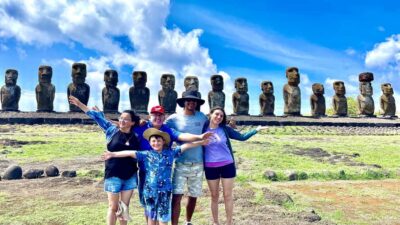
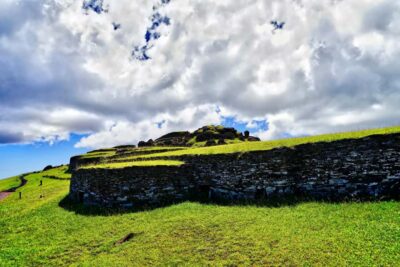
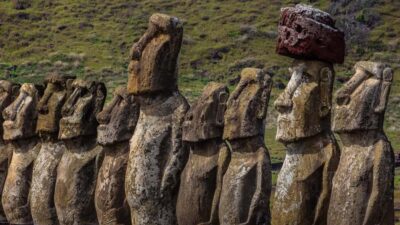
Two days of Full Day Tour of Rapa Nui + Sunrise in Tongariki
Read our review →
2-Day Private Tour Easter Island Highlights Complete Discovery
Read our review →
Private Tour: Full Day Easter Island Highlights
Read our review →
Private Full-Day Easter Island Highlights North and West
Read our review →Browse the lists this tour appears in