
REVIEW · EASTER ISLAND TOURS
2 Day Small Group Tour in Moai Monuments and Historic Pathways
Stone giants, volcanic craters, and stories carved into the earth. This two-day tour gives you a well-planned introduction to Rapa Nui, taking in the island’s best-known moai sites along with caves, ceremonial grounds, and sweeping coastal views. I especially like the small-group limit of 12 and the way the schedule combines major sights with less-restored places that help you picture the island before modern restoration work. The main drawback is that a larger group, or a second vehicle without the guide inside, can make explanations harder to hear.
The tour costs $300 per person, includes pickup and return to your lodging, and starts at 9:30 a.m. Both days are full, with plenty of walking and uneven ground. You should also know that pickup from a cruise port is not available.
In This Review
- Key points to know before booking
- Why two days is the right amount of time
- Day 1: From Anakena’s beach to the quarry at Rano Raraku
- Ahu Nau Nau and the sands of Anakena
- Ahu Te Pito Kura and the magnetic stone
- One Makihi and the value of unrestored ruins
- Ahu Tongariki and the island’s great stone row
- Rano Raraku, where the moai began
- Day 2: Craters, ceremony, stonework, and lava tubes
- Puna Pau and the red scoria topknots
- Ahu Vinapu and carefully fitted stone
- Rano Kau and the view across the crater
- Orongo and the birdman competition
- Ahu Akivi and the seven inland-looking figures
- Ana Te Pahu and life below the ground
- Guides, group size, and the quality of the explanation
- Is $300 a good value?
- Who should book this Rapa Nui tour?
- My advice before you go
- Should you book it?
- FAQ
- How long is the tour?
- What time does the tour begin?
- Is pickup from my lodging included?
- Is cruise port pickup available?
- How many people can join the tour?
- What level of fitness is needed?
- What sites are visited on the first day?
- What sites are visited on the second day?
- What happens if I cancel?
Key points to know before booking
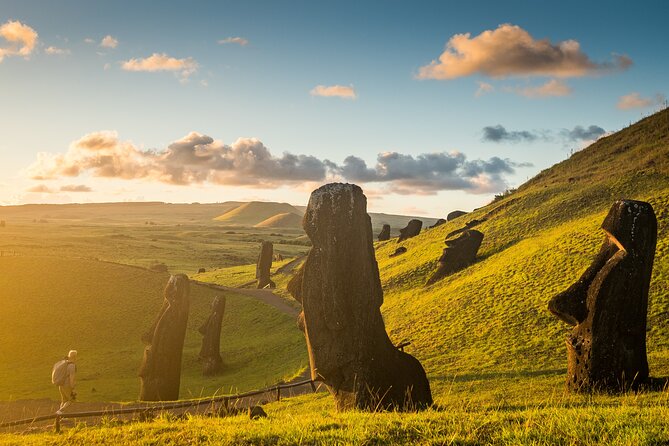
- Fifteen moai at Ahu Tongariki: One of Rapa Nui’s most powerful sights, with a restored row of statues facing inland.
- Rano Raraku in two hours: The volcanic quarry reveals moai still attached to the rock or left unfinished.
- A local guide can change the experience: Guides such as Yoyo, Hekii, and Hekii’s fellow Green Island guides are praised for history, humor, patience, and personal help.
- The tour covers both famous and quieter places: You visit Anakena, Vinapu, Orongo, Ahu Akivi, and Ana Te Pahu, not just the postcard sites.
- Small-group value matters: The advertised maximum is 12, but ask how many people will be in your actual vehicle and where the guide will sit.
- Moderate fitness is required: Expect walking at volcanic sites, open ground, paths, and a cave visit.
Why two days is the right amount of time
Rapa Nui is small enough to cross by road, but the sites are spread around the island and deserve time on foot. Trying to see all of this in one hurried day would turn the moai into a checklist. Two days lets you pause, listen, take photographs, and absorb the connection between the statues, the volcanic terrain, and Rapanui culture.
Day 1 focuses on the great moai centers along the eastern and northern sides of the island. Day 2 shifts toward volcanic craters, ceremonial history, caves, and the unusual sight of moai looking toward the sea.
I like the balance. You get the famous images, including Ahu Tongariki and Rano Raraku, but you also visit toppled and unrestored platforms. Those quieter places matter because they show that Rapa Nui is not only a collection of polished monuments.
The 9:30 a.m. start is practical for most people staying in Hanga Roa. Pickup and return to your lodging remove the need to arrange your own transport. The tour runs for about two days, and the itinerary leaves enough time at each stop for walking and photographs, though you should expect long days.
More history tours in Hanga Roa:
- 2 Day Private Tour: Easter Island’s Cultural Heritage
★ 5.0 · 40 reviews - Easter Island Private Tour: Historical Journey North & West
★ 5.0 · 2 reviews - Santiago: Guided Walking Tour of the Historical Old Town
★ 4.8 · 459 reviews
Day 1: From Anakena’s beach to the quarry at Rano Raraku
Ahu Nau Nau and the sands of Anakena
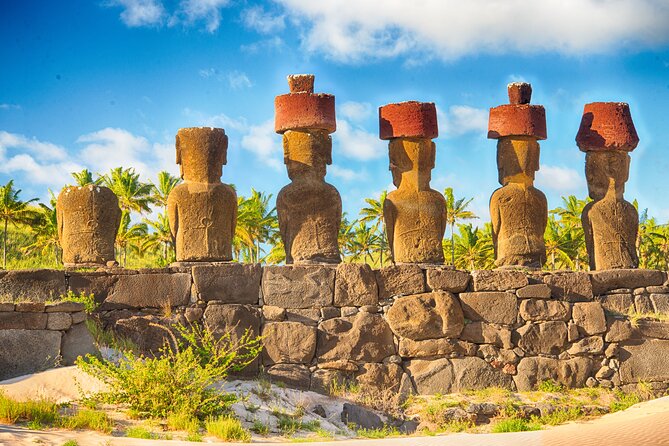
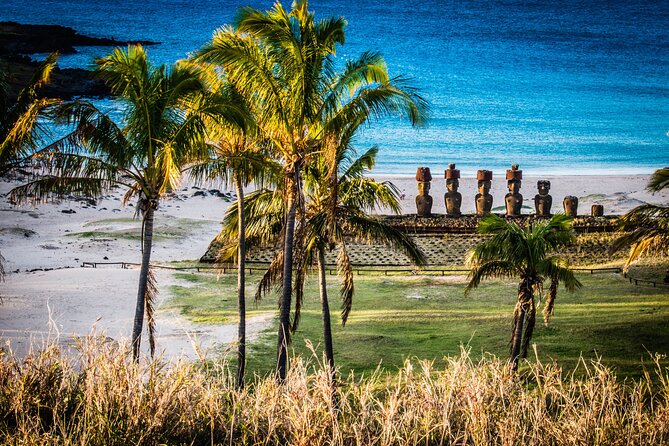
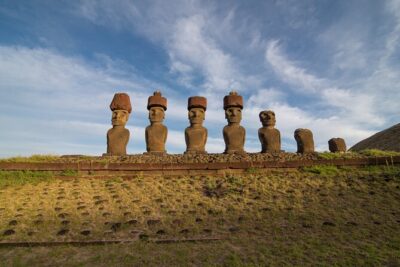
Your first stop is Ahu Nau Nau at Anakena, one of Rapa Nui’s most attractive settings. The platform sits near a sandy beach, and the clear morning light is particularly good for photographs.
The timing makes sense. Early light can soften the stone and add warmth to the beach, while the site is a calm way to begin before moving into the island’s heavier monuments. You get both archaeology and a rare coastal scene with sand, palms, and the Pacific.
Plan on about an hour here. The stop is not simply a photo break. It introduces the idea that ahu, the ceremonial platforms supporting the moai, were part of living community spaces rather than isolated sculptures placed for modern tourists.
Ahu Te Pito Kura and the magnetic stone
Ahu Te Pito Kura gives you a more damaged, haunting view of Rapa Nui’s past. The site once held one of the island’s tallest moai, estimated at 10 meters, but the statue now lies toppled and broken.
Nearby is the circular stone known as the magnetic stone. Local tradition holds that it came from Hiva, the ancestral homeland, with Hotu Matuʻa, the first king of Rapa Nui. The story is important because it connects the physical site with oral tradition and the island’s origin stories.
You have roughly an hour here. The attraction is not a fully restored monument. Instead, it is a place to think about how much has been lost and how much survives in memory, stone, and ceremony.
More things to do on Easter Island:
- From Hanga Roa: Rapa Nui Culture Sightseeing Tour
★ 4.6 · 307 reviews - From Hanga Roa: Easter Island Highlights 2-Day Tour
★ 4.3 · 205 reviews - Full Day Tour in Rapa Nui
★ 4.5 · 122 reviews - 2-Day Private Tour Easter Island Highlights Complete Discovery
★ 5.0 · 110 reviews
One Makihi and the value of unrestored ruins
One Makihi is an unrestored group of ahu platforms. The site has remained much as it was for more than two centuries, after islanders toppled many of the statues associated with earlier religious traditions.
I find places like this especially useful on a tour. A restored row of moai is spectacular, but fallen stones tell a more complicated story. One Makihi helps you see the island as an archaeological site still carrying evidence of social change, conflict, and shifting beliefs.
The stop lasts about an hour. Do not expect a single dramatic statue. The reward is context, and your guide’s explanation will matter more here than at the obvious photo stops.
Ahu Tongariki and the island’s great stone row
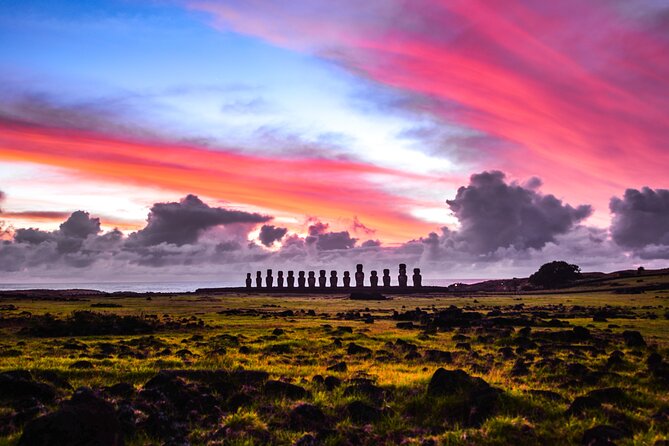
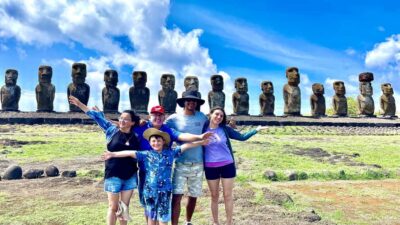
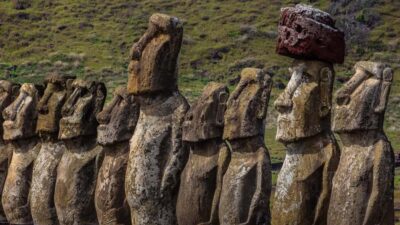
Ahu Tongariki is the visual centerpiece of Day 1. Fifteen large moai line the restored platform, facing inland with their backs toward the ocean.
The scale is hard to grasp in photographs. Standing in front of the row, you can compare the statues with the people around them and see how carefully their positions were arranged. The restoration took place between 1992 and 1996, bringing the platform back from severe damage.
You get about an hour at Tongariki. That is enough for photographs and a close look, though a serious archaeology enthusiast may wish for even more time. The statues are often treated as isolated celebrities, but the guide can help you understand the ahu as a ceremonial and social center.
A practical point: this is one of the busiest and most recognizable places on the island, so your group experience may depend on staying close to the guide. If several vehicles arrive together, the explanations can become harder to hear.
Rano Raraku, where the moai began
The day ends at Rano Raraku, the volcanic quarry where the moai were carved. This is the place that turns the island’s statues from mysterious objects into works in progress.
Hundreds of figures remain in different stages of carving. Some are only partly separated from the volcanic rock. Others sit on the slopes as if abandoned during transport. You can see bodies, faces, and unfinished forms that never reached an ahu.
Two hours is the longest stop of the first day, and it should be. The terrain calls for walking, and the site rewards a slow pace. You will want time to look at the unfinished statues, understand how they were cut from the crater, and consider the huge effort required to move them across the island.
Wear practical footwear and bring water. The tour description calls for moderate physical fitness, and Rano Raraku is one of the places where that advice matters most. The quarry is much more than a quick roadside stop.
Day 2: Craters, ceremony, stonework, and lava tubes
Puna Pau and the red scoria topknots
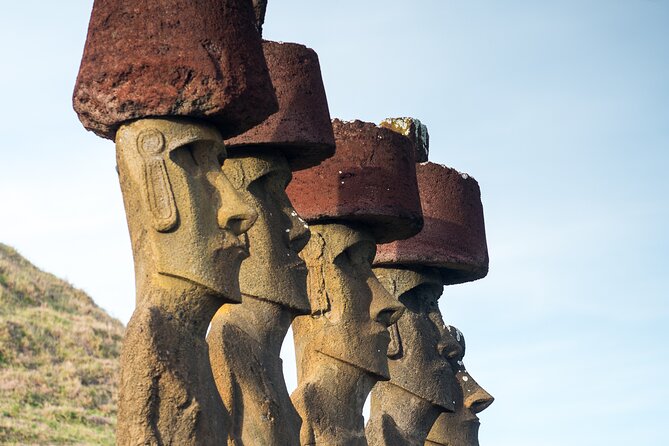
Puna Pau is a smaller volcanic crater where the red scoria topknots, called pukao, were made. These large stone adornments were fitted onto the heads of some moai during the later period of statue building.
The stop lasts about 40 minutes, so it is shorter than most other visits. Still, it answers a useful question: how did the moai get their distinctive red headpieces? Seeing the source material gives you another piece of the engineering puzzle.
This is a good example of why the second day works well. It does not repeat the giant platforms. It fills in the details behind them.
Ahu Vinapu and carefully fitted stone
Ahu Vinapu is known for fine stonework. The large blocks were fitted closely, creating walls that have often been compared with masonry associated with the Inca world of South America.
You should treat the comparison as a point of visual interest, not as proof of a direct connection. The important thing is to look closely at the stone joints and the care taken with the platform.
The visit lasts about 45 minutes. It is a compact stop, but it gives you a chance to appreciate the construction skills behind the statues. Ahu Vinapu also adds variety after the broad drama of Tongariki and Rano Raraku.
Rano Kau and the view across the crater
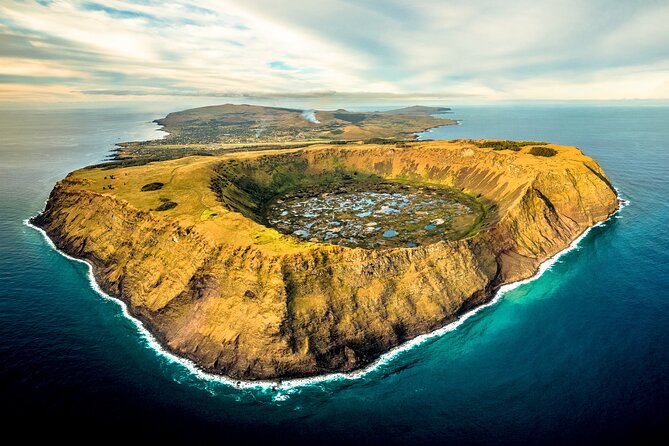
Rano Kau is one of the island’s great natural sights. The volcanic crater drops about 200 meters to a lake below, creating a huge bowl with a striking view toward the coast and across the island.
You have an hour here. The scale is the point. After two days of stone monuments, the crater reminds you that Rapa Nui’s natural setting is just as important as its carved figures.
This is one of the more restful stops, though the itinerary remains active. Take time to look into the crater and across the ocean rather than treating it as another quick photograph. The broad view helps explain why the ceremonial village of Orongo was placed nearby.
Orongo and the birdman competition
Orongo was the setting for an annual political and religious competition during the 18th and 19th centuries. Contestants climbed down steep cliffs, swam to the offshore islets, and competed to recover the first manutara egg.
The winner’s sponsor gained political authority for the coming period. That makes Orongo different from the moai sites. You are not only seeing stonework; you are standing in a place where leadership, ritual, physical courage, and control of resources came together.
The village occupies a dramatic position beside Rano Kau, and the setting is part of the experience. You should stay near your guide here, since the meaning of the competition is not obvious from the stone houses alone.
The visit lasts about an hour. It is one of the most important cultural stops on the itinerary, particularly if you want more than photographs of statues.
Ahu Akivi and the seven inland-looking figures
Ahu Akivi has seven restored moai, traditionally said to represent the first seven explorers who came to Rapa Nui. Unlike most groups, these statues look toward the sea.
That unusual orientation gives the site a different mood. The statues do not simply face inland toward a former community. They seem to watch the horizon, tying the monument to stories of arrival and exploration.
You get about 45 minutes here. It is enough to understand the arrangement and take photographs, though the site may feel less monumental than Tongariki. Its appeal is the story and the unusual direction of the statues.
Ana Te Pahu and life below the ground
Ana Te Pahu is an extensive network of lava tubes. Rapanui people used these caves for shelter, water collection, planting vegetables, and hiding from hostile outsiders during the 18th and 19th centuries.
This visit changes the focus from ceremonial stone to daily survival. The cave network shows how people adapted to an island environment and made use of volcanic formations in practical ways.
You have about an hour here. Expect a more physical stop than a platform viewed from open ground. The stated moderate fitness level is relevant, and anyone uncomfortable with uneven cave surfaces should consider that before booking.
Ana Te Pahu also prevents the tour from becoming a parade of statues. It gives you a closer look at how people lived, protected themselves, and used the island’s natural features.
Guides, group size, and the quality of the explanation
The strongest part of this experience is the human side. Guides named Yoyo, Hekii, Patricio, Bastian, and Hekii are praised for clear explanations, patience, safe driving, humor, and a warm manner.
Yoyo receives especially strong praise for making the island’s stories accessible to adults and children. He is also described as helpful with practical recommendations, including restaurants, surf lessons, cultural shows, and other activities. That kind of local help can be valuable on a small island, where a good suggestion may save you time.
The group maximum is 12. That is small enough to feel personal compared with a large coach, but it is not the same as a private tour. Ask how many people are expected on your date.
One important caution comes from the way some tours have operated. When a group was split between two vehicles, one vehicle had only a driver, and people seated away from the guide could not hear as much. I would ask before departure if the guide will be in your vehicle and how the group will be arranged.
The difference between a good and average experience here is often not the monument. It is whether you can hear the story and ask questions.
Is $300 a good value?
At $300 per person for two days, the price is reasonable if you want transport, a full schedule, and interpretation without arranging a rental vehicle or separate guides. You cover the major moai sites, the quarry, both major volcanic craters, Orongo, a lava tube, and several platforms that many first-time visitors would otherwise miss.
The value is strongest for first-time visitors. You can use the two days to get your bearings fast, learn the basic chronology, and understand which places deserve a return visit for sunrise, sunset, or extra walking.
A private tour may offer more flexibility and more direct time with the guide, but it costs more. A larger group may cost less, yet you risk missing explanations. This option sits in the middle: more personal than a large coach, less flexible than a private vehicle.
The price does not include cruise port pickup. If you are arriving by ship, this is a major planning point, not a footnote. The tour is built around pickup and return to lodging in Hanga Roa.
Who should book this Rapa Nui tour?
I would choose this tour if you want to see the major monuments but also care about what they mean. It suits first-time visitors, couples, families with older children, and solo visitors who prefer company and organized transport.
The itinerary also works well for people who want a broad introduction rather than a single specialty. You get archaeology, oral tradition, volcanic geology, ceremonial history, photography, and a look at practical life in lava caves.
You should think twice if you need a slow schedule, have difficulty walking over uneven ground, or want total control over every stop. Two full days and nine major locations require energy.
The tour has received a five-star rating from 22 listed customers, with 100 percent recommending it. That is a strong record, and the repeated praise focuses on the guides, communication, personal attention, and the amount covered without feeling rushed.
My advice before you go
Wear sturdy shoes and plan for active days. Rano Raraku and Ana Te Pahu are the clearest reasons to take the moderate-fitness note seriously.
Keep your camera ready at Anakena, Tongariki, Rano Kau, and Ahu Akivi. At the same time, do not rush through One Makihi or Vinapu simply because they are less instantly dramatic. Those sites add the difficult, human parts of the story.
Ask who your guide will be and whether everyone will ride in the same vehicle. Yoyo and Hekii have received particularly warm praise, but the company has several guides who are described as friendly and capable.
Free cancellation is available up to 24 hours before the start time. If the minimum number of participants is not met, the company says it will offer another date or experience, or provide a full refund.
Should you book it?
Book this tour if you want an efficient, well-rounded introduction to Rapa Nui with a real guide rather than a drive-by monument count. The strongest reasons are the two-day design, the small-group format, the wide range of sites, and the warm personal service associated with Green Island Tours.
I would not book it blindly if hearing every explanation is essential. Confirm the expected group size and vehicle plan first. If that checks out, $300 buys a solid amount of island time and a useful foundation for exploring Rapa Nui on your own afterward.
FAQ
How long is the tour?
The experience lasts approximately two days, with full-day sightseeing schedules on both days.
What time does the tour begin?
The stated start time is 9:30 a.m.
Is pickup from my lodging included?
Yes. Pickup and drop-off at your lodging are included.
Is cruise port pickup available?
No. Cruise port pickup is not available for this experience.
How many people can join the tour?
The maximum group size is 12 travelers.
What level of fitness is needed?
A moderate level of physical fitness is recommended. The itinerary includes walking at volcanic sites and a visit to the Ana Te Pahu lava-tube network.
What sites are visited on the first day?
Day 1 includes Ahu Nau Nau at Anakena, Ahu Te Pito Kura, One Makihi, Ahu Tongariki, and Rano Raraku.
What sites are visited on the second day?
Day 2 includes Puna Pau, Ahu Vinapu, Rano Kau, Orongo, Ahu Akivi, and Ana Te Pahu.
What happens if I cancel?
You can cancel at least 24 hours before the start time for a full refund. Cancellations or changes made less than 24 hours before the start time are not accepted for a refund.
Just added in Hanga Roa
- Volcanic Refuges: Excursion to Underground Civilization★ 4.7 · 8 reviews
- Volcanic Wonders and the Kingdom of the Birdman: Half Day★ 5.0 · 6 reviews
- Half Day Private Tour: Caves and Volcanic Refuges★ 4.0 · 14 reviews
- Easter Island Ancestral Dinner and Show with Transport★ 4.5 · 2 reviews
- Visit Rapa Nui in 4 days with 3 Tours and Accommodation included★ 4.0 · 2 reviews
- Tour to the Motus: Boat trip and snorkeling in Rapa Nui★ 5.0 · 8 reviews
- The birdman journey in Easter Island★ 5.0 · 1 review
- The Route of Hotu Matua Full-Day Tour from Hanga Roa★ 5.0 · 1 review
Easter Island Tours, compared.
Two days of Full Day Tour of Rapa Nui + Sunrise in Tongariki
Read our review →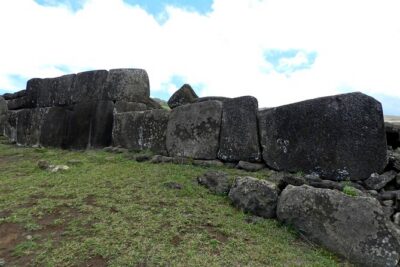
2-Day Private Tour Easter Island Highlights Complete Discovery
Read our review →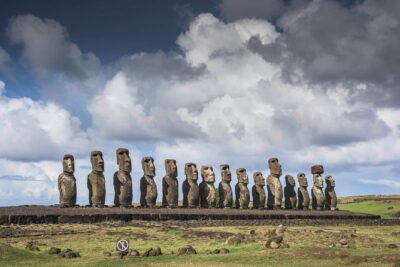
Private Tour: Full Day Easter Island Highlights
Read our review →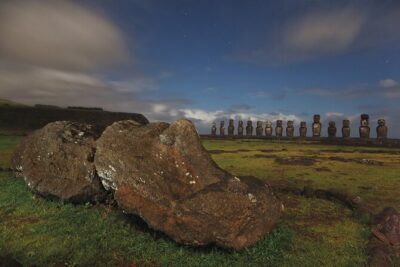
Browse the lists this tour appears in