
REVIEW · EASTER ISLAND TOURS
Volcanic Refuges: Excursion to Underground Civilization
Some of Rapa Nui’s best stories are underground. This three-hour private excursion combines the island’s largest cave with important ceremonial sites, making it a good choice if you want more than a quick moai photo stop. I especially like the chance to see Ana Te Pahu, a cave once used as a home, and the clear attention given to Rapa Nui art, daily life, and ancestral traditions. I also like that hotel pickup and return are included. The main drawback is the price: at $170 per person, park admission, food, and drinks are still extra, so the value depends on how much you want a private guide and a focused cave visit.
You will walk inside the caves with a guide, not simply peer into an opening and move on. That makes the tour more useful for understanding how these spaces served practical and cultural purposes. Still, this is not a soft sightseeing outing. You need comfortable sports shoes, and anyone with claustrophobia should choose another activity.
In This Review
- Key details before you book
- Why the caves matter on Rapa Nui
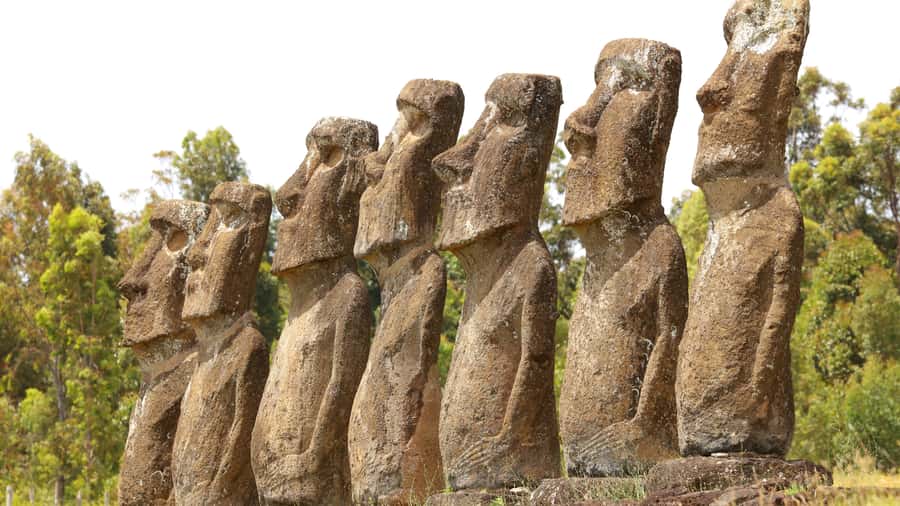
- Ahu Akivi begins the three-hour route
- Ana Te Pahu is the heart of the experience
- Puna Pau adds the island’s red stone story
- What $170 per person really buys
- The practical side of pickup and timing
- Who will get the most from this tour
- Should you book Volcanic Refuges?
- FAQ
- How long does the Rapa Nui cave tour last?
- Where does the tour begin?
- Which places are visited?
- How much time is spent at Ana Te Pahu?
- Is park admission included?
- Are food and drinks included?
- What languages are available?
- Is the cave visit suitable for people with claustrophobia?
Key details before you book
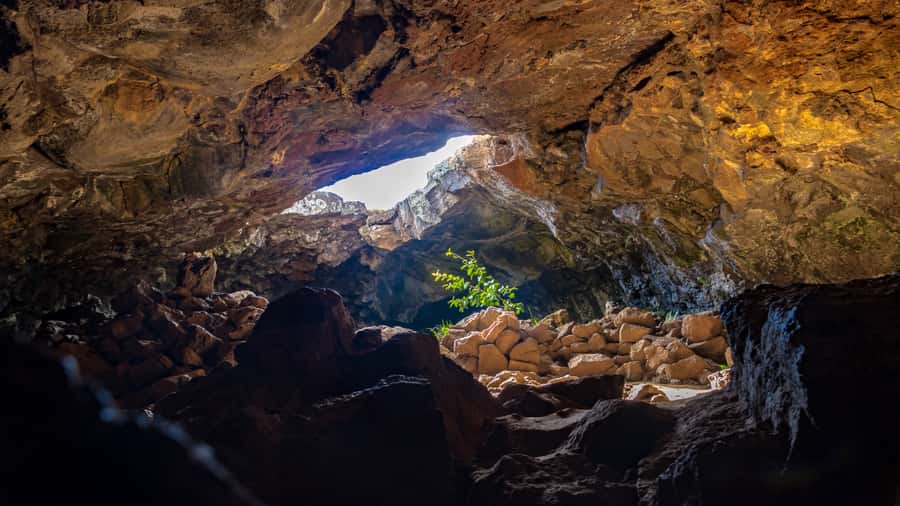
- Ana Te Pahu is the main adventure: You spend about 80 minutes visiting and walking through the largest cave on Rapa Nui.
- The tour links three very different sites: Ahu Akivi brings moai and ceremony, Ana Te Pahu brings underground life, and Puna Pau explains where red scoria topknots came from.
- Private groups make the visit more personal: You can ask questions in English, Spanish, or French without sharing the outing with a large crowd.
- Hotel transportation is included: Pickup and return are provided in Hanga Roa, but you should wait in your hotel lobby 10 minutes before departure.
- The $170 price needs careful thought: Park admission, meals, drinks, and tips are not included.
- The guide is a major part of the value: One verified booking praised the guide’s knowledge, while another specifically appreciated the guide’s friendly manner.
Why the caves matter on Rapa Nui
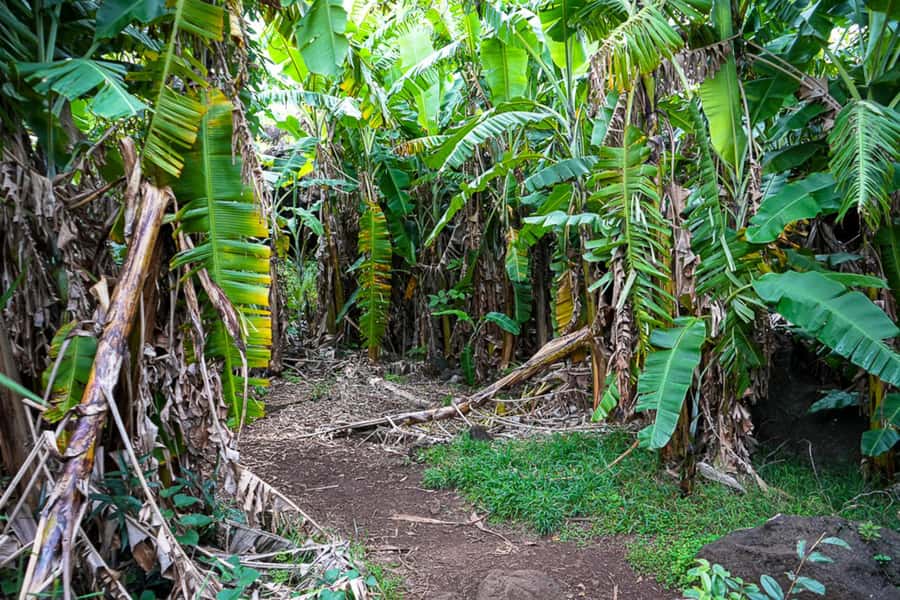
Rapa Nui is often reduced to its moai. Those statues are important, but they tell only part of the island’s story. The cave portion of this tour helps you picture how Rapa Nui people used the island’s volcanic ground for shelter, storage, movement, and daily life.
The caves are not presented as empty geological holes. They are tied to ancestral life and to the art left by earlier inhabitants. You may see petroglyphs and engravings as your guide explains their place in Rapa Nui culture. Since the tour is guided, you do not have to guess which marks are meaningful or how the cave relates to the people who used it.
I like this approach because it gives the underground visit a human scale. Instead of only admiring rock formations, you are asked to think about how people lived in a demanding island environment. The setting may be dark, uneven, and enclosed, but that is exactly what gives the visit its character.
The cave walk also makes the tour more active than a standard road-based island circuit. You should expect walking inside the cave rather than viewing it only from outside. Wear shoes with good support, and avoid arriving in sandals or smooth-soled footwear.
More volcano trips in Hanga Roa:
- Half Day Private Tour: Caves and Volcanic Refuges
★ 4.0 · 14 reviews - Volcanic Wonders and the Kingdom of the Birdman: Half Day
★ 5.0 · 6 reviews - Andes Day Volcano 8K – Cajón del Maipo
★ 5.0 · 602 reviews
Ahu Akivi begins the three-hour route
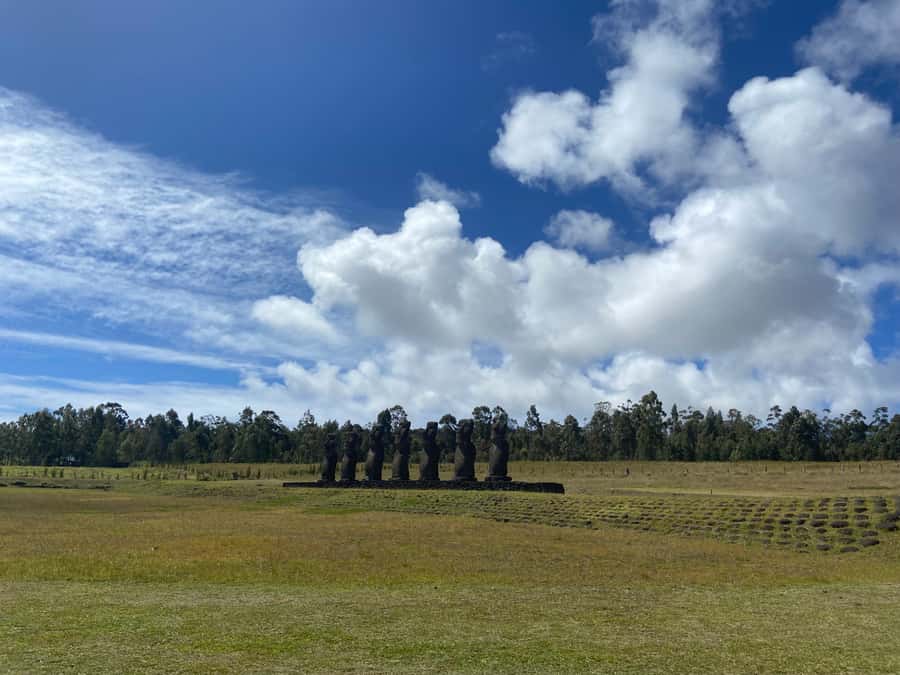
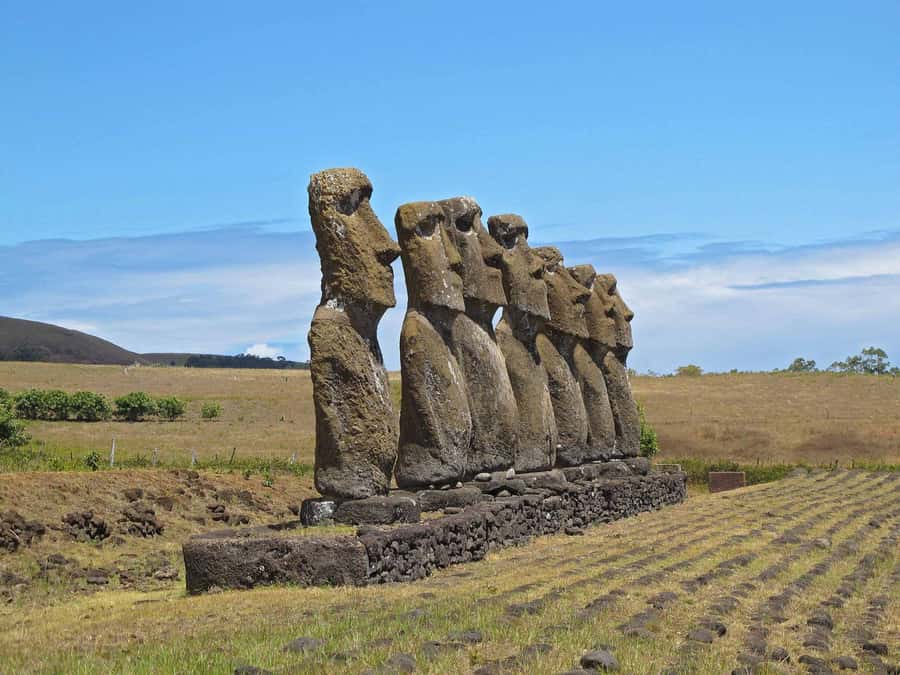
The first major stop is Ahu Akivi, with about one hour set aside for a photo stop, a guided visit, sightseeing, and walking. This gives you time to take in the site rather than making a rushed roadside pause.
Ahu Akivi adds an important outdoor counterpoint to Ana Te Pahu. At the ahu, you are dealing with open space, monumental stone figures, and the visible ceremonial side of Rapa Nui culture. Then, later, the cave shows a more private and practical side of island life.
Your guide can connect these two settings. That connection is one reason the route works well. You are not simply collecting unrelated stops. You begin with the better-known ceremonial world, then move toward the underground spaces used by ordinary people.
The exact viewing conditions and amount of walking can vary, so plan on being active from the start. The tour description does not promise a long break here, and the one-hour timing includes the visit, photos, and walking. If you want a slow photographic session at every angle, three hours may feel tight.
Still, Ahu Akivi is a strong opening stop. It gives you the familiar visual appeal many people expect from Easter Island, while preparing you for a less obvious part of the island’s past.
Ana Te Pahu is the heart of the experience
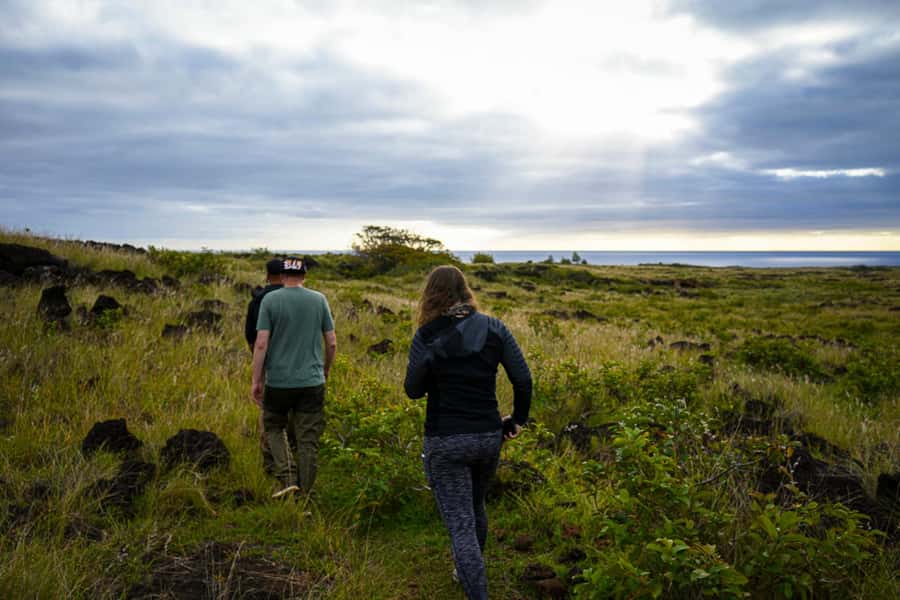
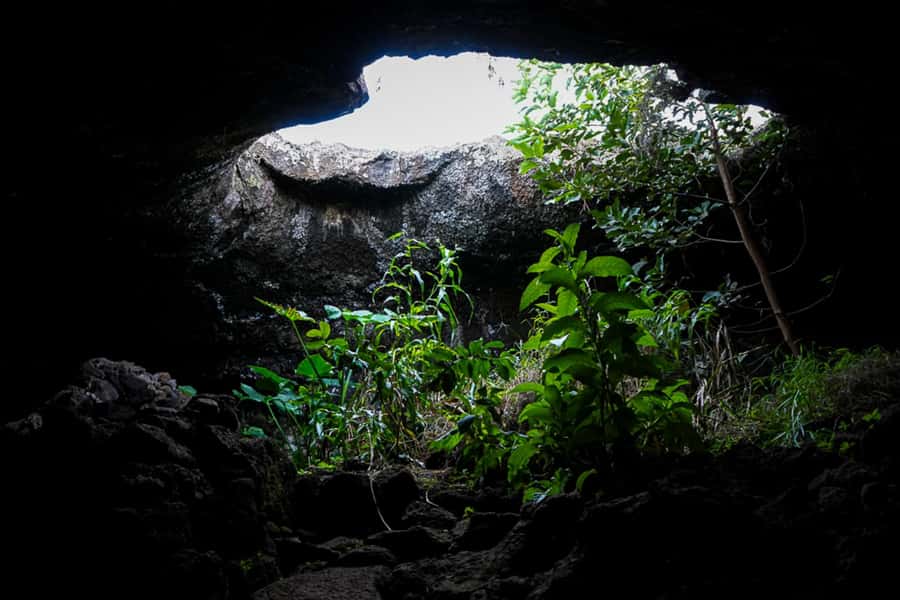
Ana Te Pahu receives the longest visit, about 80 minutes. That tells you where the tour’s focus lies. This is the place for the cave walk, the underground setting, and the strongest connection to the idea of an underground civilization.
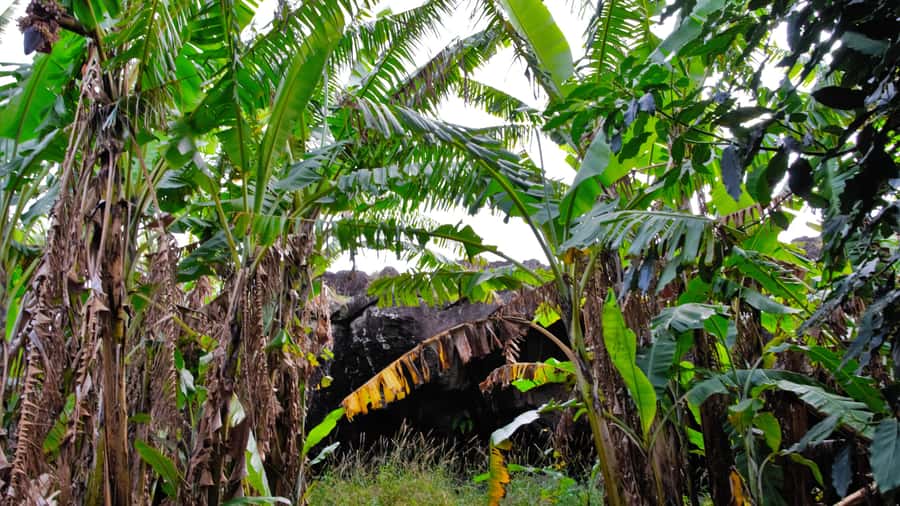
You will enter with a guide and learn how the caves were used as homes by the Rapa Nui. The visit also includes information about ancestral life and rock art. Petroglyphs and engravings give the stop an added layer, since the walls are not only natural surfaces. They also carry marks made by people.
I like that the tour presents Ana Te Pahu as both a natural site and a cultural site. You get the physical challenge of walking underground, but the guide’s explanation is what turns the visit into something more meaningful. The details supplied for the tour promise information about the cave’s history, culture, and art, so be ready to listen as you move.
Do not expect a polished indoor attraction. The information specifically says you will walk inside caves with a guide, and it warns that the experience is not suitable for people with claustrophobia. That is useful advice, not a minor footnote. If enclosed spaces make you uncomfortable, the cave may become stressful rather than exciting.
The 80-minute timing is long enough to make the cave the main event, but it is still not an all-day spelunking trip. You are joining a guided cultural outing, not a technical caving expedition. No special equipment is listed beyond comfortable or sports shoes, so your preparation should focus on steady footwear and ease of movement.
This is also the stop where a private group can matter most. In a smaller setting, you can ask about the rock art, the former homes, and the way the cave was used. The available languages are English, Spanish, and French, which gives you a good chance of receiving the explanations in a language you understand well.
Puna Pau adds the island’s red stone story
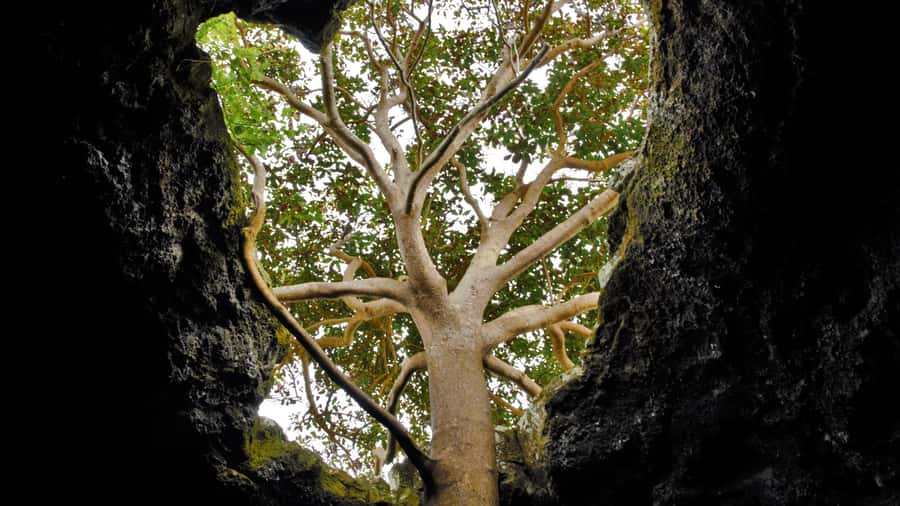
The final stop is Puna Pau, with about 30 minutes for a break, photos, a guided visit, sightseeing, and walking. After the enclosed cave, this stop gives you open air and a change of pace.
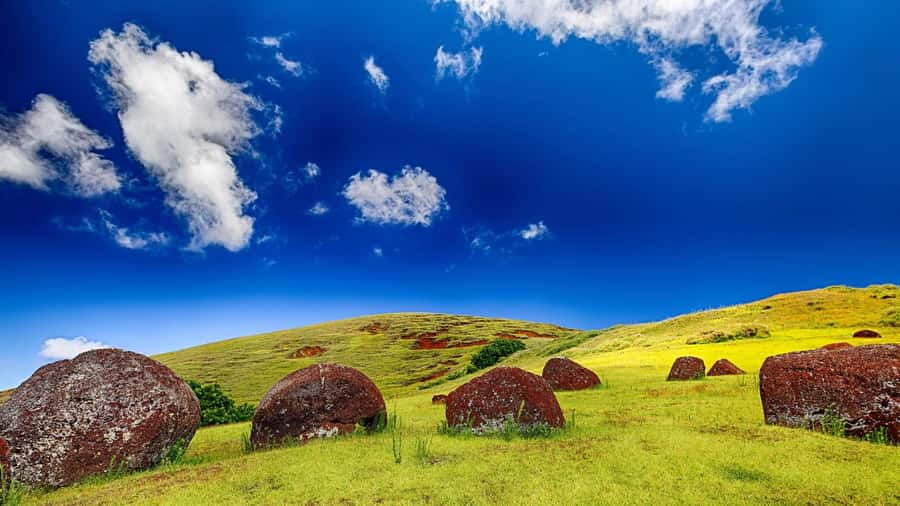
Puna Pau is associated with the red scoria used for the topknots placed on some moai. The supplied route information does not spell out the full interpretation, so your guide’s explanation will be especially useful here. What you can expect is a short visit that adds another piece to the island’s stone-working tradition.
Thirty minutes is enough for a concise stop, but it limits how leisurely you can be. Think of Puna Pau as a final chapter rather than a second major excursion. You will have time for photographs and a guided look, but the tour’s main attention remains with Ahu Akivi and Ana Te Pahu.
This order also works well physically. You begin outdoors, spend the most time underground, then finish with a shorter stop before returning to Hanga Roa. The route gives you variety without asking you to spend all three hours in a cave.
More things to do on Easter Island:
- From Hanga Roa: Rapa Nui Culture Sightseeing Tour
★ 4.6 · 307 reviews - From Hanga Roa: Easter Island Highlights 2-Day Tour
★ 4.3 · 205 reviews - Full Day Tour in Rapa Nui
★ 4.5 · 122 reviews - 2-Day Private Tour Easter Island Highlights Complete Discovery
★ 5.0 · 110 reviews
What $170 per person really buys
At $170 per person, this is not a budget add-on. The price makes the most sense for someone who values a private group, hotel transportation, and a guide who can explain the cultural meaning of the sites.
You are paying for more than admission to a cave. The outing combines transportation from Hanga Roa, a guided visit at Ahu Akivi, an extended cave visit at Ana Te Pahu, and a stop at Puna Pau. The three locations cover ceremony, home life, art, and volcanic stone.
The price is less attractive if you already have reliable transportation and only want to see the cave entrance. It is also important to budget for the national park entrance fee, since that is not included. Food and drinks are not included either, and tips are optional but not covered.
Because the group is private, the per-person cost may feel easier to justify when several people are booking together. If you are traveling alone, the price is harder to swallow. Your decision should come down to how much you value a private setting and a guide-led explanation.
The tour has a 4.7 rating from eight verified bookings, which suggests a strong overall response, but it is still a small sample. The most useful praise focuses on the guide: one booking from the United States called the tour very interesting and appreciated the guide’s knowledge, while a booking from Bolivia highlighted the guide’s friendly manner. Those comments point to the human side of the experience, which matters on a site where interpretation is central.
The practical side of pickup and timing
Pickup and return to your hotel in Hanga Roa are included. You should wait in the hotel lobby 10 minutes before the scheduled pickup time. That small buffer helps avoid a rushed start, especially since the route includes several stops within a three-hour window.
The tour lists flexible starting times based on availability. Since the total duration is short, confirm the departure time that works with the rest of your Easter Island plans. You do not want to place this outing beside another booking with no room for delays.
Transportation details beyond hotel pickup are not provided, so you should not assume a particular vehicle type or level of comfort. The useful certainty is that you will be collected in Hanga Roa and brought back there after Puna Pau.
Bring comfortable shoes, and preferably sports shoes. You will walk at all three stops, including inside the cave. Pack water and any snack you may want, since food and drinks are excluded.
The activity is offered in English, Spanish, and French. That is important because the cave’s meaning depends on the explanation. If you need a particular language, confirm availability when you book rather than assuming every departure will offer all three.
Free cancellation is available up to 24 hours before the activity for a full refund. You can also reserve and pay later, which helps if you are still arranging your Easter Island schedule.
Who will get the most from this tour
I would recommend this excursion to you if you want a compact cultural tour with a real physical element. It suits people who are curious about how Rapa Nui communities used their surroundings, not just people searching for the quickest moai photograph.
It is also a good fit if you prefer private touring. You can ask questions, set the pace within the planned schedule, and hear the guide without the noise of a large group. The English, Spanish, and French options make it practical for a range of visitors.
You should think twice if you dislike enclosed spaces, uneven walking, or short, tightly planned visits. The tour does not appear designed for long pauses at each site. It is efficient and focused.
Families and older visitors should consider their own comfort with cave walking. The available information does not provide accessibility details, so anyone needing specific mobility arrangements should ask the provider before booking. The clear warning about claustrophobia should be taken seriously.
Should you book Volcanic Refuges?
Book this tour if Ana Te Pahu is high on your list and you want its story explained rather than simply photographed. The combination of a private group, hotel transportation, three-language guiding, and an 80-minute cave visit gives the outing a clear purpose.
Skip it if you are mainly looking for a low-cost way to see outdoor monuments, since park admission and refreshments add to the $170 price. You should also skip it if caves make you uneasy.
For the right visitor, this is a worthwhile way to see a less obvious side of Rapa Nui. Ahu Akivi and Puna Pau provide the outdoor setting, but Ana Te Pahu is the reason to book. Bring good shoes, arrive in the lobby early, and let the guide supply the context that turns a dark volcanic passage into a human story.
FAQ
How long does the Rapa Nui cave tour last?
The tour lasts three hours, including hotel pickup and return to Hanga Roa.
Where does the tour begin?
Pickup is provided from hotels in Hanga Roa. You should wait in your hotel lobby 10 minutes before the scheduled pickup time.
Which places are visited?
The route includes Ahu Akivi, Ana Te Pahu, and Puna Pau before returning to Hanga Roa.
How much time is spent at Ana Te Pahu?
About 80 minutes are allocated to visiting, walking through, and learning about Ana Te Pahu.
Is park admission included?
No. The national park entrance fee is not included in the tour price.
Are food and drinks included?
No. Food and drinks are not included, so you should plan for those separately.
What languages are available?
The tour offers live guides in English, Spanish, and French.
Is the cave visit suitable for people with claustrophobia?
No. The activity is not suitable for people with claustrophobia because you walk inside the caves with a guide.
Just added in Hanga Roa
- Volcanic Wonders and the Kingdom of the Birdman: Half Day★ 5.0 · 6 reviews
- Half Day Private Tour: Caves and Volcanic Refuges★ 4.0 · 14 reviews
- Easter Island Ancestral Dinner and Show with Transport★ 4.5 · 2 reviews
- 2 Day Small Group Tour in Moai Monuments and Historic Pathways★ 5.0 · 22 reviews
- Visit Rapa Nui in 4 days with 3 Tours and Accommodation included★ 4.0 · 2 reviews
- Tour to the Motus: Boat trip and snorkeling in Rapa Nui★ 5.0 · 8 reviews
- The birdman journey in Easter Island★ 5.0 · 1 review
- The Route of Hotu Matua Full-Day Tour from Hanga Roa★ 5.0 · 1 review
Easter Island Tours, compared.
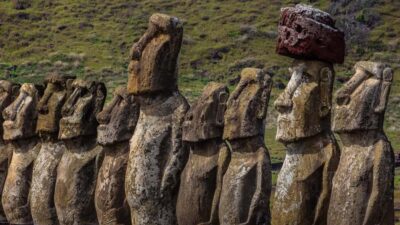
Two days of Full Day Tour of Rapa Nui + Sunrise in Tongariki
Read our review →
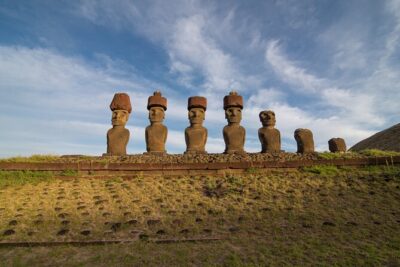
2-Day Private Tour Easter Island Highlights Complete Discovery
Read our review →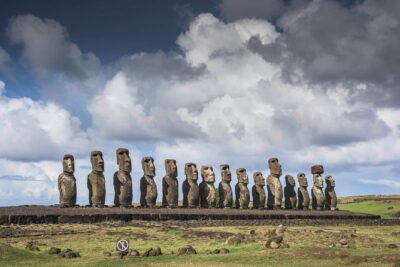
Private Tour: Full Day Easter Island Highlights
Read our review →
Browse the lists this tour appears in