
REVIEW · EASTER ISLAND TOURS
Two days of Full Day Tour of Rapa Nui + Sunrise in Tongariki
Fifteen moai face the rising sun. This Rapa Nui package combines the island’s major archaeological sites with an early morning visit to Ahu Tongariki, making it a strong choice if you want a clear introduction to Easter Island without arranging several separate outings. I especially like the wide-ranging route and the guides’ strong command of Rapa Nui culture. The main catch is the pace: a full circuit in a group of up to 16 can leave little time for lingering, quiet photos, or a long swim at Anakena.
The best part is the human touch. Guides such as Esteban, Nero, Ata, and Alejandro have been praised for clear English, enthusiasm, and personal connections to the island. I also like the practical communication, with WhatsApp updates sent before each day. Still, you need to budget for the national park ticket, bring cash for food, and accept that the sunrise morning is mainly about reaching the viewpoint and returning promptly.
In This Review
- Key things to know before you book
- Why this three-day package works on Rapa Nui
- Day one: the great moai circuit from Te Pito Kura to Anakena
- Day two: Orongo, volcanic views, and four hours underground
- The Tongariki sunrise: worth the early alarm?
- Guides are the main reason to choose this tour
- What the $250 price really includes
- How to prepare for the walking and weather
- Who should book this Rapa Nui experience?
- FAQ
- How long does the Rapa Nui tour last?
- What time does the tour start?
- Is the national park admission included?
- Is food included?
- How large is the group?
- Is the tour physically demanding?
- Should you book it?
Key things to know before you book
- Ahu Tongariki gets two visits: You see the great platform during the main island circuit, then return before dawn for sunrise over the sea.
- Rano Raraku is the major highlight: The moai quarry includes about 400 unfinished figures, with two hours scheduled for the site.
- Ana Te Pahu requires real walking: The four-hour cave section includes uneven ground, narrow access, steps, and several connected caverns.
- The group can reach 16 people: That keeps the price below a private tour, but it can make photo stops and explanations feel less personal.
- Food and entry are extra: Food stops are available at Anakena and Rano Raraku, but purchases require cash. The park fee is $80 for foreign nationals or CLP20,000 for Chilean nationals.
- Weather matters at sunrise: Tongariki can be magical in clear conditions, but cloud, rain, and changing weather can alter the experience.
Why this three-day package works on Rapa Nui
Rapa Nui is compact on a map, but its sites are scattered around the coast and inland volcanic slopes. More important, many places make far more sense when someone explains the moai, ahu platforms, burial customs, village life, and Birdman traditions as you go.
This package gives you two substantial sightseeing days and a third, short sunrise outing. In practice, it is about two and a half days rather than three full days. The first day carries most of the archaeological weight. The second day mixes a dramatic crater, a small set of moai, and an extended cave visit. The last morning is focused almost entirely on Tongariki.
The advertised starting time is 9:30 a.m., though the exact schedule can vary. Some outings have run closer to 10 a.m., with the first day ending around 4 p.m. and the second ending much earlier, around 2 p.m. Ask for the precise pickup time by WhatsApp the day before.
The vans and buses have generally been described as clean and comfortable. The maximum group size is 16, which is manageable but not intimate. If you sit at the back, it may be harder to hear the guide while the vehicle is moving.
More things to do on Easter Island:
- From Hanga Roa: Rapa Nui Culture Sightseeing Tour
★ 4.6 · 307 reviews - From Hanga Roa: Easter Island Highlights 2-Day Tour
★ 4.3 · 205 reviews - From Hanga Roa: Easter Island Sightseeing Full Day Tour
★ 4.5 · 189 reviews
Day one: the great moai circuit from Te Pito Kura to Anakena
The opening stop is Ahu Te Pito Kura, a short visit of about 30 minutes. This is where you find the famous magnetic stone, along with what is described as the longest moai ever moved. It is a quick introduction to the island’s scale and mystery, but do not expect a long walk or extended free time.
The day’s central stop is Rano Raraku, the moai quarry. You have about two hours here, which is useful because this is not a place to rush through. Hundreds of unfinished figures remain in and around the volcanic crater, showing the stages of carving and transport in a way that a museum never could.
I would treat Rano Raraku as the priority site of the entire package. The moai are not arranged as a neat exhibit. Some are partly buried, some remain attached to the rock, and others sit on the slopes in various stages of completion. Your guide’s explanation helps turn scattered stone figures into evidence of how Rapa Nui society worked.
The weather can be a problem here. Rain and thunderstorms may arrive quickly, and an itinerary planned in advance cannot always be rearranged around an unreliable forecast. Bring a rain layer, even if the morning looks fine.
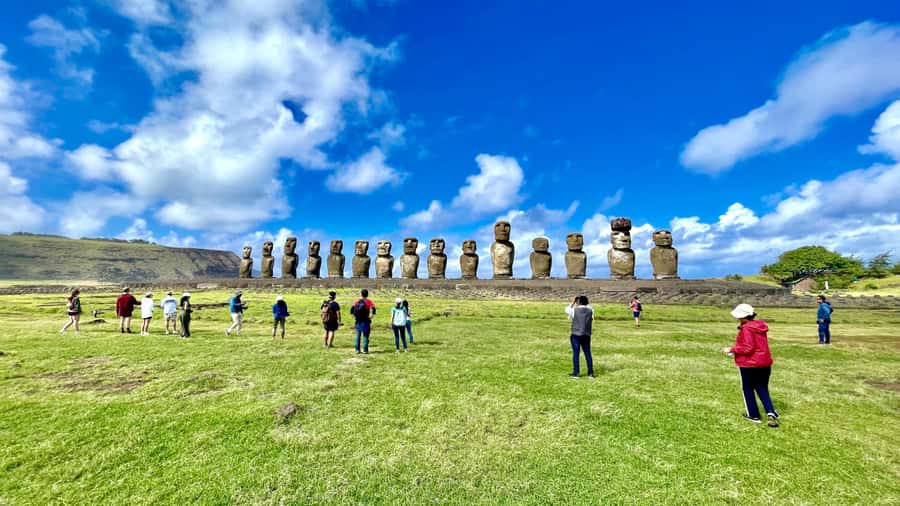
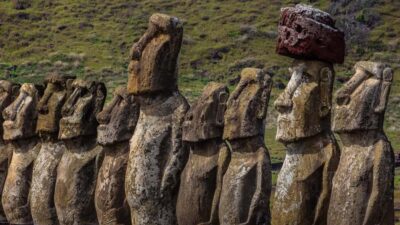
Next comes Ahu Tongariki, the largest ahu platform in Polynesia, with 15 moai restored in a row and facing inland with their backs to the sea. The visit lasts about an hour. This is one of the island’s most powerful views, especially when you first see the full line of figures against the open coast.
You will return to Tongariki on the third morning, so do not worry if the first visit feels short. Use the daylight stop to study the platform, listen to the cultural explanation, and work out where you might want to position yourself at sunrise.
Ahu Vaihu is a smaller and more intimate site. Its eight moai lie near an ancestral fishermen’s bay, and the stop includes discussion of Poko Manu Mea, a representative example connected with Rapa Nui villages and customs. The 40-minute visit gives the guide room to explain daily life, not just monumental stonework.
Ahu Akahanga follows, with about 30 minutes beside the remains of an old village near a small bay. Compared with Tongariki, this place feels quieter and less polished. That is part of its value. You get a sense of abandoned settlement patterns and the connection between ceremonial sites and the coast.
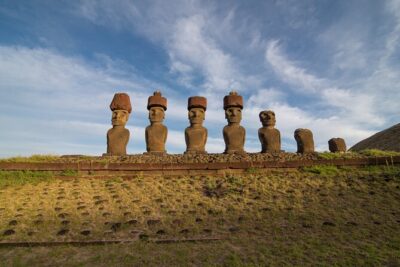
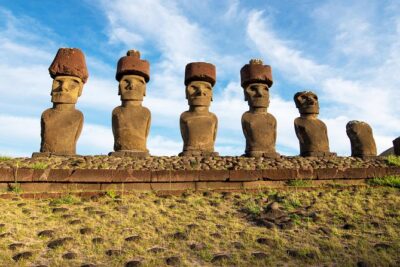
The final archaeological stop is Ahu Nau Nau, a platform with seven moai about 150 meters inland from Anakena Beach. The figures here are especially striking because the setting combines palms, sand, and stone. It is a pleasant contrast after the stark quarry and exposed coastal platforms.
Anakena is the closing stop, with about 30 minutes and no separate admission charge. Its traditional name is Hanga Rau o Te Ariki, and it is tied to the arrival story of King Hotu Matua. The beach is beautiful, but you should set your expectations correctly: this visit is mainly cultural, not a guaranteed swimming break.
If the schedule and weather allow, you may get extra time near the water. In practice, several departures have felt rushed here. If you want a relaxed beach afternoon, plan to return on your own another day rather than relying on this stop.
Day two: Orongo, volcanic views, and four hours underground
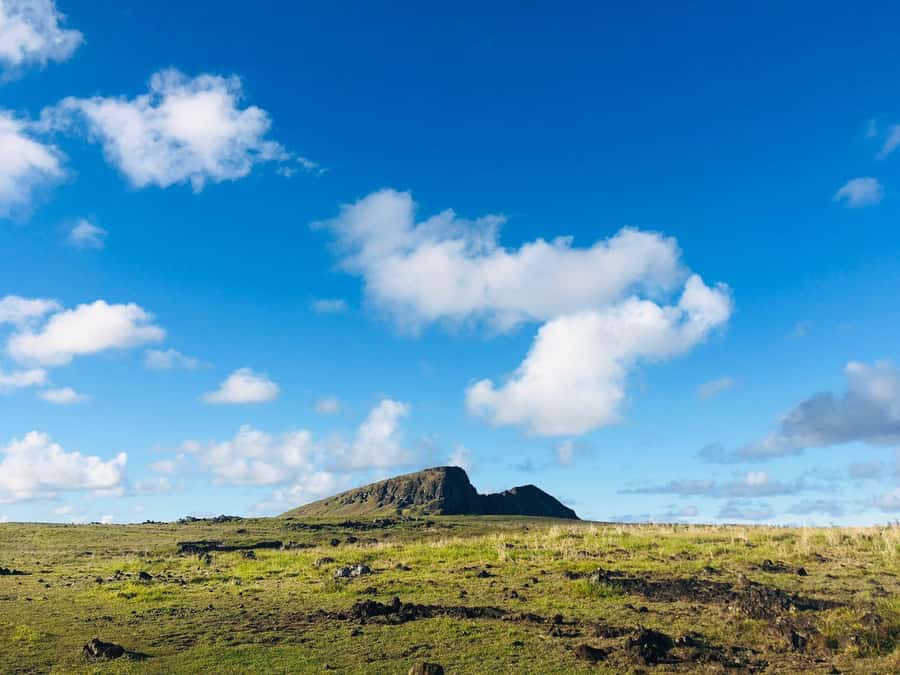
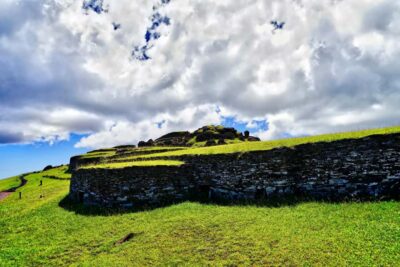
Orongo sits at the top of Rano Kau, and the one-hour visit begins with one of the island’s most dramatic volcanic views. From the rim, you can look into the broad crater and across toward the ceremonial village. The site is closely linked with the Birdman competition, one of the key cultural subjects covered by the guides.
This is a place where interpretation matters. The stone houses and crater setting are visually impressive, but the story of the ceremony gives them meaning. Guides who explain the island through Rapa Nui traditions rather than only through outside theories add real value here.
Ahu Akivi is next, with a 30-minute stop. Its seven moai are unusual because they face toward the sea, unlike the more familiar inland-facing figures. They are associated with the seven explorers in Rapa Nui tradition.
The stop is shorter than the major sites, but it provides a useful comparison. After seeing ceremonial platforms along the coast, you can consider how orientation, location, and oral tradition change the way each group of moai is understood.
The longest portion of day two is Ana Te Pahu, scheduled for four hours. This is not simply a quick cave photo stop. The route includes Ana Vai Teka, known for substantial amounts of water; Ana Tapa Iri, with a very narrow entrance; Ana Ohoka, a modified cavern linked with funerary use; and Ana Te Pahu itself, the largest cave and the cavern of the bananas.
Ana Te Pahu was also used as a refuge. Expect uneven ground, steps, and awkward footing. One review described the tour as physically challenging, and that is useful advice. Moderate fitness is required, and you should wear shoes suitable for walking on rough surfaces.
The cave section is a good reason to choose this package over a simple drive-around sightseeing day. It shows how people used the island’s volcanic geology for water, shelter, food, and ritual purposes. At the same time, four hours can feel long if you prefer short walks and quick explanations.
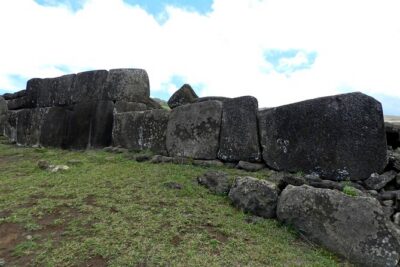
The final stop is Ahu Vinapu, where two ancestral platforms have construction details that attract attention. The 30-minute visit rounds out the day with another example of Rapa Nui stonework.
Day two can feel less full than day one. The cave visit takes time, but the route has fewer headline monuments, and some departures finish in the early afternoon. That can be a benefit if you have several days on the island. You can use the spare time for a dance performance, an independent walk, or a slower visit to a favorite site.
The Tongariki sunrise: worth the early alarm?
The third outing takes you back to Ahu Tongariki before dawn. You have about three hours scheduled, including the trip, waiting time, sunrise, and return. The goal is simple: watch the first light appear over the sea behind the line of moai.
This is a memorable addition because you already know the site from daylight. At sunrise, the changing color and silence alter the mood. The moai become silhouettes first, then gradually take on detail as the sky brightens.
Weather controls the result. Cloud can soften the light or hide the sun altogether. Even on a cloudy morning, the setting remains dramatic, but you should not treat a perfect sunrise as guaranteed.
The sunrise outing is less of a guided history lesson and more of a carefully timed transfer to the viewpoint. You do not need another long explanation of the platform, since it was covered on day one. Some people appreciate the simplicity. Others may wish they could remain longer after the sun clears the horizon.
The schedule may move you back fairly soon after sunrise. Bring a warm layer, water, and perhaps a small snack. Rapa Nui weather changes quickly, so a compact rain covering and extra clothing are sensible even when the forecast looks promising.
A completely different kind of day out:
- Full Day Tour in Rapa Nui
★ 4.5 · 122 reviews - 2-Day Private Tour Easter Island Highlights Complete Discovery
★ 5.0 · 110 reviews - Private Tour: Full Day Easter Island Highlights
★ 5.0 · 106 reviews - Full day tour – DREAM
★ 5.0 · 86 reviews
Guides are the main reason to choose this tour
The strongest part of the experience is the guide service. Esteban has been praised for clear English, strong historical context, and an ability to make difficult subjects easy to follow. Nero brings family connections to Rapa Nui culture and has been singled out for personal insight. Ata and Alejandro have also made a strong impression through detailed answers and local knowledge.
You may have a different guide each day. That can be a plus, since each person may explain the island from a slightly different angle. It can also mean repeated information when new people join the second day.
The amount of explanation varies by guide. Some guides focus heavily on research, origins, DNA, drought, the moai tradition, and the Birdman culture. If you want key facts and lots of quiet viewing, that level of detail may feel like too much. If you enjoy history and ask many questions, it can be the best part of the day.
The clearest advice is to tell your guide what you need. Ask for the meeting time, how long you have at each site, and where the best photo angles are. Guides have also been praised for timing visits to reduce crowds when possible.
What the $250 price really includes
The cost is $250 per person, before the national park fee and food. For that price, you receive transport over two major sightseeing days, the Tongariki sunrise outing, and guide service on the main visits. You also avoid the work of sorting out which archaeological sites require a guide and how to connect distant locations.
The park ticket is a serious extra cost. Foreign nationals pay $80 per person, while Chilean nationals pay CLP20,000. You must have the ticket before day one, and it can be purchased through the Ma’u Henua offices or the Rapa Nui National Park ticket website.
Add meals and drinks to your budget. Food is not included, though you can buy something at Anakena and Rano Raraku. Those purchases require cash, so do not depend on a card.
For a short stay, I think the package offers good value because it covers nearly all the major places in one organized plan. If you have four or more days and enjoy independent wandering, you may prefer a private tour for one day and free time for the rest.
How to prepare for the walking and weather
Pack light for the vehicle, but keep a day bag with water, snacks, sun protection, and a rain layer. A hat, warm clothing, and an umbrella can all be useful because the weather may shift from sun to rain without much warning.
Wear proper walking shoes for Ana Te Pahu and the uneven ground around several archaeological sites. The tour does not require specialist hiking equipment, but sandals or smooth-soled shoes will make the rough sections less comfortable.
Bring cash for food. Keep spare layers in the van if you like, since one practical tip from the experience is to leave extra gear there and adjust clothing during the day.
The group limit of 16 keeps the outing from becoming enormous, but it still affects the rhythm. You may wait while others take photos, and a guide cannot give every person unlimited time at every monument.
Who should book this Rapa Nui experience?
I would choose this tour if you have limited time, want all the major sites explained, or prefer not to organize transport around a remote island. It is especially useful as your first activity because the stories and place names give context to everything else you see afterward.
It also suits people who enjoy cultural interpretation, walking, and a full schedule. The guides have received especially strong praise for their English, enthusiasm, and ability to explain Rapa Nui history in a way that challenges common myths.
I would hesitate if your ideal day means sitting quietly at one moai platform for an hour, taking endless photos, or spending a long afternoon at the beach. A private tour would give you more control over timing and fewer compromises.
Cancellation is flexible until three full days before the start time. After that, the amount paid is not refunded, and late changes are not accepted.
FAQ
How long does the Rapa Nui tour last?
The experience is advertised as approximately three days, but the sightseeing amounts to two full-day routes plus a shorter sunrise outing, or about two and a half days in practical terms.
What time does the tour start?
The stated start time is 9:30 a.m. Exact pickup times can vary, so you receive the following day’s information through WhatsApp.
Is the national park admission included?
No. Foreign nationals pay $80 per person, while Chilean nationals pay CLP20,000 per person. You must have the ticket before the first day.
Is food included?
No. Food can be purchased at Anakena and Rano Raraku, but those points accept cash only.
How large is the group?
The maximum group size is 16 people.
Is the tour physically demanding?
You need a moderate level of fitness. Ana Te Pahu includes several caverns, uneven ground, steps, narrow access, and about four hours of walking.
Should you book it?
Book this package if you want the efficient, well-explained version of Rapa Nui. You will see the quarry, the great platforms, the village remains, Orongo, Akivi, Vinapu, the caves, Anakena, and Tongariki at sunrise without having to piece the route together yourself.
Go in knowing that the schedule is busy, the park fee is extra, and Anakena may receive less beach time than you hope. For most people with only a few days on the island, the combination of strong guides, clean transport, broad coverage, and that early morning Tongariki visit makes the $250 cost worthwhile.
Just added in Easter Island
- Volcanic Refuges: Excursion to Underground Civilization★ 4.7 · 8 reviews
- Volcanic Wonders and the Kingdom of the Birdman: Half Day★ 5.0 · 6 reviews
- Half Day Private Tour: Caves and Volcanic Refuges★ 4.0 · 14 reviews
- Easter Island Ancestral Dinner and Show with Transport★ 4.5 · 2 reviews
- 2 Day Small Group Tour in Moai Monuments and Historic Pathways★ 5.0 · 22 reviews
- Visit Rapa Nui in 4 days with 3 Tours and Accommodation included★ 4.0 · 2 reviews
- Tour to the Motus: Boat trip and snorkeling in Rapa Nui★ 5.0 · 8 reviews
- The birdman journey in Easter Island★ 5.0 · 1 review
Easter Island Tours, compared.
2-Day Private Tour Easter Island Highlights Complete Discovery
Read our review →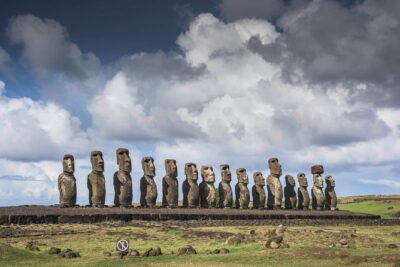
Private Tour: Full Day Easter Island Highlights
Read our review →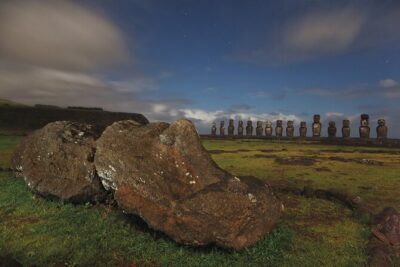
Private Full-Day Easter Island Highlights North and West
Read our review →Browse the lists this tour appears in