
REVIEW · EASTER ISLAND TOURS
Half Day Private Tour: Caves and Volcanic Refuges
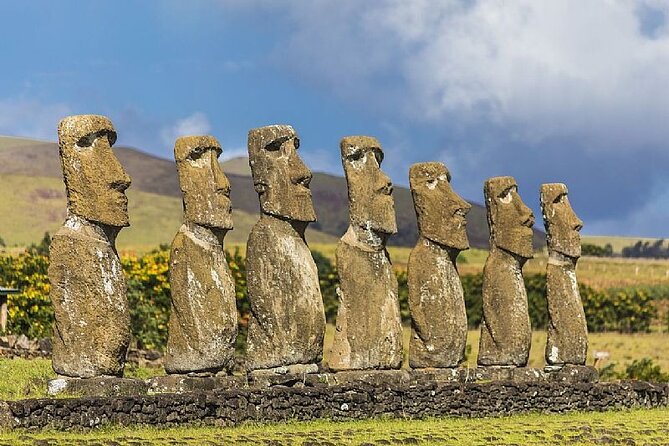
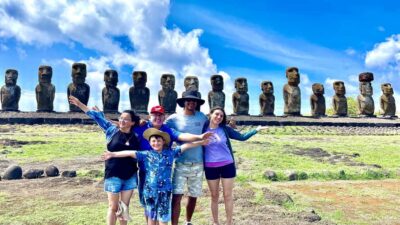
Seven stone faces meet the Pacific. This half-day outing pairs the striking Ahu Akivi with Ana Te Pahu, Easter Island’s largest cave, and Puna Pau, the volcanic source of the red headdresses worn by the moai. I like the mix of archaeology and raw nature, and I like having private transportation with a native, certified guide rather than joining a large bus.
The biggest consideration is consistency. The sights are excellent, but guide quality and communication appear to matter greatly here. One account praised guide Vai for adding insight into Rapa Nui culture, while another described a late guide, rushed stops, and unsafe-feeling driving. Confirm the guide, language, pickup, and exact route before you set out.
In This Review
- Key Points at a Glance
- Why This Short Tour Works on Rapa Nui
- Ahu Akivi and the Seven Pacific-Facing Moai
- Ana Te Pahu, the Cave at the Heart of the Tour
- Puna Pau and the Red Pukao
- What the $150 Price Really Covers
- Private Transportation, Pickup, and Guide Quality
- Who Will Enjoy This Rapa Nui Excursion
- Booking Advice and Weather Planning
- Should You Book It?
- FAQ
- Where does this tour take place?
- How long does the tour last?
- What sites are included?
- Is the National Park entrance fee included?
- What is included in the tour price?
- Is the tour private?
- Is the tour offered in English?
- Is pickup available?
- Can I cancel for a full refund?
Key Points at a Glance
- Ahu Akivi’s seven moai face the Pacific, an unusual orientation linked to the legend of seven explorers and to seasonal sunrises.
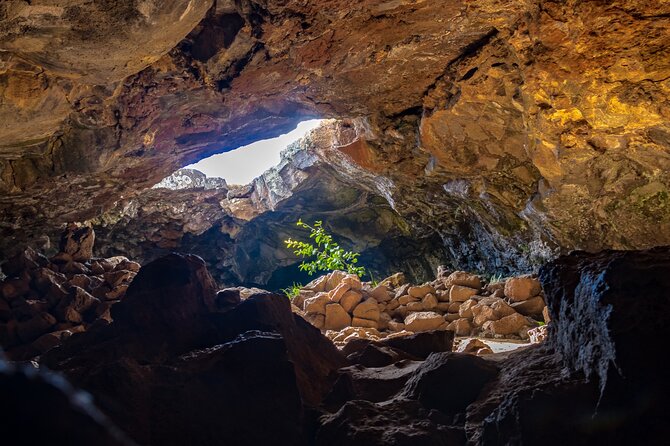
- Ana Te Pahu is the main event for cave fans, with climbing and walking through the island’s largest cave system.
- Puna Pau explains the red pukao, the headdresses that once crowned many Easter Island statues.
- The private format gives your group its own vehicle and guide, with pickup offered 15 minutes before departure.
- The $80 National Park entrance fee is extra, making the total cost $230 per person before any group discount.
- Weather and organization can affect the day, so check details carefully and leave room in your schedule.
Why This Short Tour Works on Rapa Nui
Easter Island, or Rapa Nui, can feel like a place of separate stories. One site tells you about moai construction. Another explains farming or astronomy. A third shows how volcanic stone was shaped. This tour links three very different pieces into one compact outing.
The route also avoids making the whole day about the most famous moai sites. Ahu Akivi has its famous statues, but Ana Te Pahu shifts your attention underground. Puna Pau then brings you back into the open air with wide views and a useful explanation of the red stone pieces perched on many statues.
The advertised duration is about two to four hours. The listed stops add up to roughly two hours and 20 minutes, before driving and pickup time. That makes this a good fit if you have only part of a day free, but you should not expect a slow, all-day archaeological expedition.
The private setup is valuable on a small island. Your group has its own transportation, and you can ask questions without competing with a busload of people. The package includes bottled water, private transportation, and a native, certified guide. English is offered, but you should confirm that your assigned guide will speak it before departure. A mix-up once placed an English-speaking booking with a Spanish-speaking guide, which created a needless language problem.
More volcano trips in Hanga Roa:
- Volcanic Refuges: Excursion to Underground Civilization
★ 4.7 · 8 reviews - Volcanic Wonders and the Kingdom of the Birdman: Half Day
★ 5.0 · 6 reviews - Andes Day Volcano 8K – Cajón del Maipo
★ 5.0 · 602 reviews
Ahu Akivi and the Seven Pacific-Facing Moai
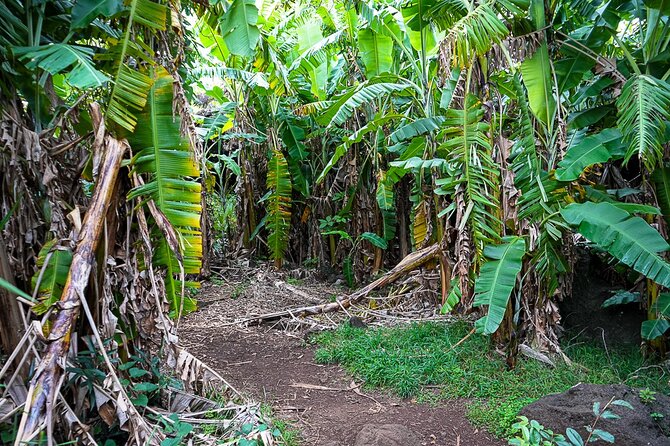
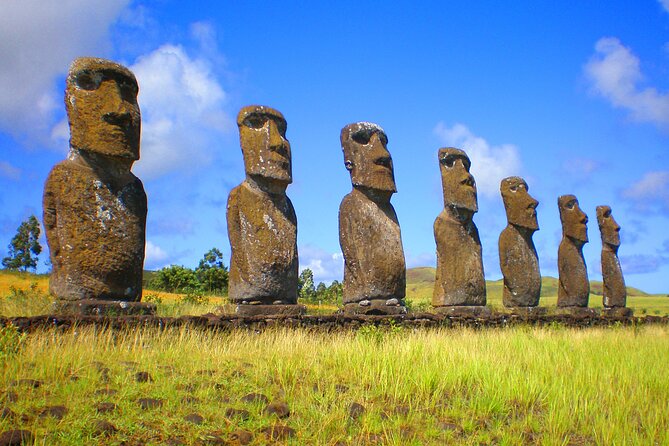
Ahu Akivi is the first stop, with about 40 minutes set aside. Its seven moai face toward the Pacific Ocean, a detail that gives the site a different feel from many statue platforms on Rapa Nui.
The traditional account connects the seven figures with explorers sent by King Hotu to Matua before the colonizing voyage. That story gives the statues a human purpose. They are not simply a row of enormous stone figures. They represent people who came before the wider settlement of the island.
The platform itself is substantial. Ahu Akivi measures about 90 meters in length, with a central platform roughly 38 meters long. The statues were built between 1442 and 1600, then restored in 1960 and 1961. Those dates help you place the site within the long span of Rapa Nui’s statue-building period, while also reminding you that the monument you see today has undergone modern restoration.
The most unusual detail is the alignment. The moai were positioned in relation to the points where the sun rises during the autumn and spring equinoxes. Around September 22 and March 20, day and night are equal in length. For Rapa Nui farmers, the seasonal signal helped mark changes in the climate and prepare the soil for planting.
I would pay close attention here rather than treating Ahu Akivi as a quick photo stop. Ask the guide to explain the alignment in simple terms, and ask how the seven-explorer story fits into Rapa Nui tradition. A good explanation can turn 40 minutes beside a platform into a lesson about astronomy, farming, migration, and belief.
The weakness is the fixed short visit. If your guide gives little context or rushes you, Ahu Akivi can become seven statues, a platform, and a few photographs. That is why the guide matters so much on this outing.
Admission is not included in the tour price. The separate National Park entrance fee is listed as $80 per person, so include it in your budget before booking.
Ana Te Pahu, the Cave at the Heart of the Tour
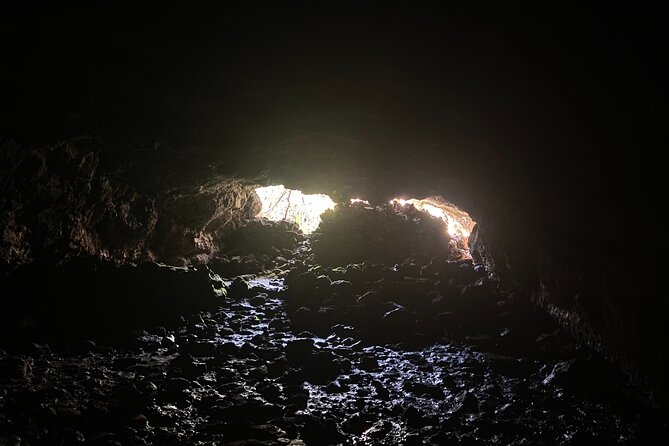
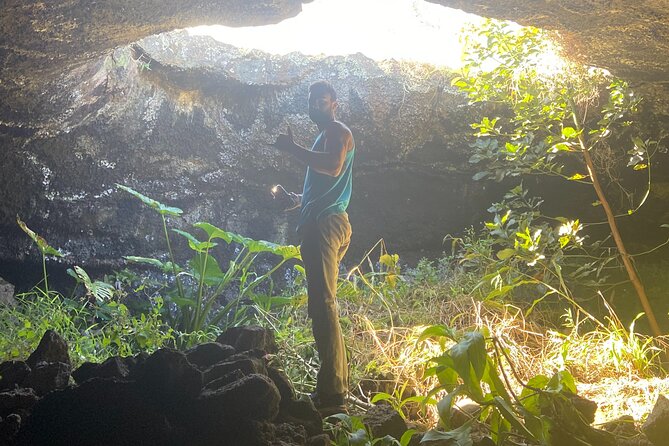
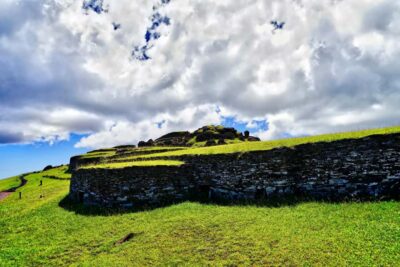
Ana Te Pahu gets about an hour, and this is the part most likely to make the outing feel different from a standard moai circuit. It is described as the largest cave on the island, extending for more than seven kilometers.
You should expect a physical cave visit rather than a simple walk to an entrance. One account describes climbing through the caves as unique and interesting. That wording matters. The attraction is not just looking into a dark opening. You may be moving through uneven underground spaces, so your comfort with climbing and confined terrain will affect how much you enjoy it.
The cave gives Rapa Nui a different scale. Above ground, the island’s monuments are open to the sky. Inside Ana Te Pahu, the volcanic rock creates shelter and a sense of enclosure. The name is often translated as a place connected with a drum or ceremonial shelter, though the supplied tour information does not give a detailed explanation of the name. Your guide is the right person to ask about the cave’s traditional uses and stories.
This is also where a private guide can add real value. A strong guide can explain how the cave relates to the island’s volcanic origin, how people used natural shelters, and how oral traditions fit into the place. Guide Vai received especially strong praise for explaining the caves, island history, culture, and traditions in a way that made the visit more memorable.
The tour description does not specify the lighting, exact route, or amount of walking inside. Ask those questions before you go. It is also worth confirming what happens if the cave is too wet or unsafe on the day. The experience requires good weather, and the operator may move the booking or refund it if poor conditions cause cancellation.
Families should think carefully about the cave stop. Most people can participate, but a separate account described a family traveling with children aged one and four who ended up on a different, much longer outing. That problem involved poor communication rather than a clear cave restriction, yet it is still a useful warning: tell the operator about young children when booking and confirm the route in writing.
Puna Pau and the Red Pukao
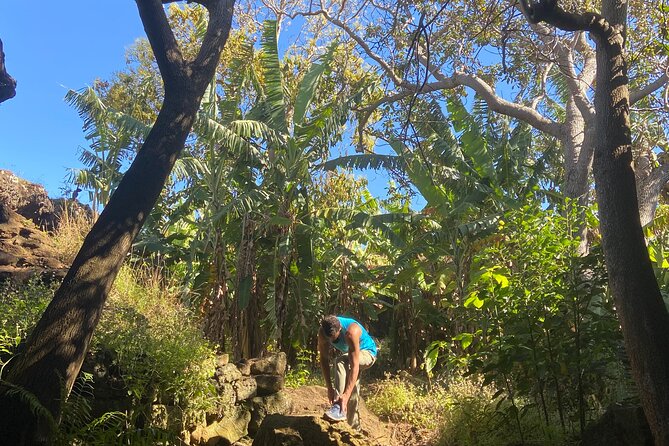
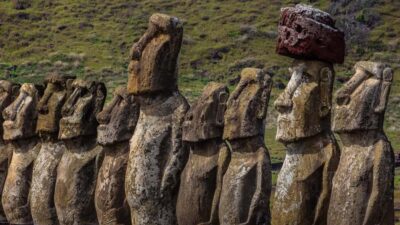
The final listed stop is Puna Pau, a small extinct volcano where the red stone for the pukao was quarried and shaped. A pukao is the red headdress placed on top of some Easter Island statues.
This stop helps solve a puzzle you may have while visiting other moai sites. The moai are usually carved from one kind of volcanic stone, while the large red top pieces came from a separate source. Puna Pau shows where those red forms originated and gives you a better sense of the labor involved in moving them across the island.
The stop lasts about 40 minutes. It is also described as one of the greenest parts of the island, with a 360-degree view from the top. That broad view is a useful contrast to Ana Te Pahu’s enclosed spaces and Ahu Akivi’s focused monument setting.
Take the wind seriously. It can be very strong at the summit. Keep loose items secure and do not assume that a sunny day means calm conditions at the top. The stop is short, so most of your time should go toward the view and the explanation of the pukao rather than a long walk.
Puna Pau may be less instantly famous than Ahu Akivi, but I find it one of the more useful stops for understanding how Rapa Nui monuments were made. It connects raw volcanic material with the finished statues you see elsewhere.
More things to do on Easter Island:
- From Hanga Roa: Rapa Nui Culture Sightseeing Tour
★ 4.6 · 307 reviews - From Hanga Roa: Easter Island Highlights 2-Day Tour
★ 4.3 · 205 reviews - Full Day Tour in Rapa Nui
★ 4.5 · 122 reviews - 2-Day Private Tour Easter Island Highlights Complete Discovery
★ 5.0 · 110 reviews
What the $150 Price Really Covers
The listed price is $150 per person. That includes bottled water, private transportation, and a native, certified guide. It does not include the $80 National Park entrance fee, bringing the known total to $230 per person.
That is not a bargain-priced island transfer. The value depends on using the private format well. If your group asks questions, wants context, and prefers a custom pace, the cost can make sense. You are paying for a guide and dedicated vehicle, not just entry to three sites.
Group discounts may improve the price for larger parties. Since the tour is private, the per-person cost may feel more reasonable when shared across a family or group of friends. Ask for the exact discount before you commit, because the supplied information does not state the reduced price.
The duration also affects value. You are paying a high per-hour rate if you treat this as simple transportation. You get more from it if the guide explains the astronomical alignment, the seven-explorer story, the cave traditions, and the making of the pukao.
The National Park charge is a major budget detail. The tour price can look manageable at first, but adding $80 per person changes the calculation. If you are comparing this with another Rapa Nui excursion, compare the full cost, not just the advertised tour price.
Private Transportation, Pickup, and Guide Quality
Pickup is offered, and the guide is due to arrive 15 minutes before the start time with identification. That should make meeting easy, especially if you are staying in Hanga Roa and do not want to arrange separate transport.
Still, I would confirm the pickup point and exact start time the day before. Two people with the same first name staying at the same hotel were once placed on each other’s tours. The result was the wrong itinerary, a different group, and a non-English guide. That is a basic coordination failure, and it could have been avoided with a quick confirmation of names, hotel, route, and language.
Guide quality is the largest variable in this experience. The strongest account praised Vai for insight into Rapa Nui culture, traditions, caves, and history. Another guide named Martin was described as very good, even though the wrong tour and language mix-up made communication harder.
There is also a serious negative account describing a late guide, an unhappy attitude, little explanation, rushed stops, and erratic driving. I would not ignore that. A private tour should feel calm and personal, not hurried or uncomfortable.
At pickup, confirm three points plainly:
- Your name and the names of everyone in your group
- The three planned stops, Ahu Akivi, Ana Te Pahu, and Puna Pau
- That the guide will conduct the tour in English
If the route or vehicle is different from what you booked, raise it immediately. Do not assume a change is harmless, especially if you have children or limited time.
Who Will Enjoy This Rapa Nui Excursion
I would recommend this outing to you if you want a short, varied introduction to Rapa Nui. It suits someone who wants statues, caves, volcanic geology, and views in one half-day package.
It is also a good match for people who care about stories and explanations. Ahu Akivi rewards interest in astronomy and oral tradition. Ana Te Pahu works best if you enjoy physical exploration. Puna Pau appeals to anyone who wants to understand how the moai and their red headdresses were produced.
The private format suits couples, families, and small groups that prefer their own vehicle. Group discounts may help larger parties, and service animals are allowed. Most people can participate, although the cave portion may be less suitable if you are not comfortable climbing through uneven underground spaces.
I would hesitate if you want a slow, highly polished tour with guaranteed flawless coordination. The short timing leaves little room for delays, and the mixed accounts about driving, language, and route control mean you should verify the details before departure.
Booking Advice and Weather Planning
Confirmation is provided at booking, and free cancellation is available if you cancel at least 24 hours before the local start time. Changes or cancellations inside that 24-hour window are not accepted for a refund.
The experience requires good weather. If poor weather causes the operator to cancel, you are offered another date or a full refund. That policy is helpful, but it still makes scheduling important. If your stay on Rapa Nui is brief, do not place this tour on your final possible morning.
Because the listed stops total more than two hours, allow extra time for driving and pickup. The official range of two to four hours is broad. Ask how long your specific departure is expected to take, particularly if you have a flight, another booking, or a child’s nap schedule to manage.
Bring the information you need for a smooth meeting, including your hotel name and booking details. Confirm that the guide has your correct name. At Puna Pau, watch the strong wind. At Ana Te Pahu, make sure you understand the amount of climbing expected.
Should You Book It?
Book this tour if your priority is a compact private outing with real variety. Ahu Akivi supplies the moai and astronomy, Ana Te Pahu brings the cave adventure, and Puna Pau explains the red pukao. The combination is stronger than a simple statue-viewing circuit.
I would book only after confirming the English-speaking guide, exact pickup, vehicle, and three-stop route. The best version of this tour, with a guide such as Vai who adds cultural context, sounds excellent. The worst version is rushed and poorly coordinated.
For the right group, the $150 price plus the $80 park fee is fair for private transport and a dedicated guide, especially with a group discount. For anyone who wants guaranteed polish or dislikes cave climbing, choose another outing or ask detailed questions first.
FAQ
Where does this tour take place?
The tour operates from Hanga Roa on Easter Island, also called Rapa Nui, in Chile.
How long does the tour last?
The estimated duration is two to four hours. The three listed stops account for about 40 minutes at Ahu Akivi, one hour at Ana Te Pahu, and 40 minutes at Puna Pau, not including travel time.
What sites are included?
The planned stops are Ahu Akivi, Ana Te Pahu, and Puna Pau.
Is the National Park entrance fee included?
No. The National Park entrance fee is listed separately at $80 per person.
What is included in the tour price?
The price includes bottled water, private transportation, and a native, certified guide.
Is the tour private?
Yes. Only your own group participates in the private activity.
Is the tour offered in English?
English is listed as an available language. Because a past booking had a language mix-up, confirm the language of your assigned guide before the tour.
Is pickup available?
Yes. Pickup is offered, and the guide is scheduled to arrive 15 minutes before the start time with identification.
Can I cancel for a full refund?
Yes, if you cancel at least 24 hours before the experience starts. Cancellations or changes made less than 24 hours before the start time are not refunded. If bad weather causes the operator to cancel, you are offered another date or a full refund.
Just added in Hanga Roa
- Volcanic Refuges: Excursion to Underground Civilization★ 4.7 · 8 reviews
- Volcanic Wonders and the Kingdom of the Birdman: Half Day★ 5.0 · 6 reviews
- Easter Island Ancestral Dinner and Show with Transport★ 4.5 · 2 reviews
- 2 Day Small Group Tour in Moai Monuments and Historic Pathways★ 5.0 · 22 reviews
- Visit Rapa Nui in 4 days with 3 Tours and Accommodation included★ 4.0 · 2 reviews
- Tour to the Motus: Boat trip and snorkeling in Rapa Nui★ 5.0 · 8 reviews
- The birdman journey in Easter Island★ 5.0 · 1 review
- The Route of Hotu Matua Full-Day Tour from Hanga Roa★ 5.0 · 1 review
Easter Island Tours, compared.
Two days of Full Day Tour of Rapa Nui + Sunrise in Tongariki
Read our review →
2-Day Private Tour Easter Island Highlights Complete Discovery
Read our review →
Private Tour: Full Day Easter Island Highlights
Read our review →
Browse the lists this tour appears in