
REVIEW · EASTER ISLAND TOURS
From Hanga Roa: Rapa Nui Culture Sightseeing Tour
The moai are only half the story. This eight-hour Rapa Nui culture tour links the island’s major archaeological sites with a local guide who can explain the people, traditions, and ideas behind the statues. I especially like the native island guides and the sensible east-coast route, which takes you from ruined platforms and the moai quarry to Tongariki and Anakena Beach. The main consideration is pace: you cover a lot of ground, with plenty of getting on and off the vehicle.
I also like that transportation, hotel pickup, and drop-off in Hanga Roa are included, making this a practical choice if you have only one full day. The price is $80 per person, before the national park ticket and lunch, so it offers good value for seeing the island’s essential sights in one organized day. Lunch can take time, and one visitor missed the final stop after a slow meal, so I would keep an eye on the clock.
In This Review
- Key points to know before booking
- Why this one-day route works on Rapa Nui
- Vaihu begins with fallen moai and open space
- Akahanga adds legend and a rougher sense of the past
- Rano Raraku is the day’s essential stop
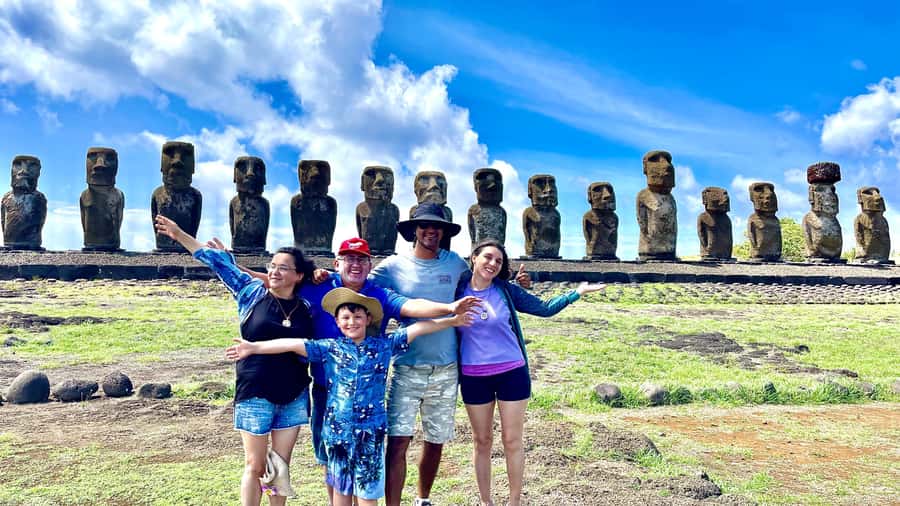
- Tongariki delivers the grand view
- Te Pito Kura brings a smaller, stranger stop
- Anakena finishes with palms, water, and breathing room
- Local guides are the strongest part of the experience
- Is $80 good value for a full day?
- Pace, comfort, and what to pack
- Who should book this Rapa Nui tour?
- Should you book it?
- FAQ
- Where does the tour begin and end?
- How long does the tour last?
- Which places does the tour visit?
- Is lunch included?
- Is the national park ticket included?
- What languages are available?
- Can I swim at Anakena?
Key points to know before booking
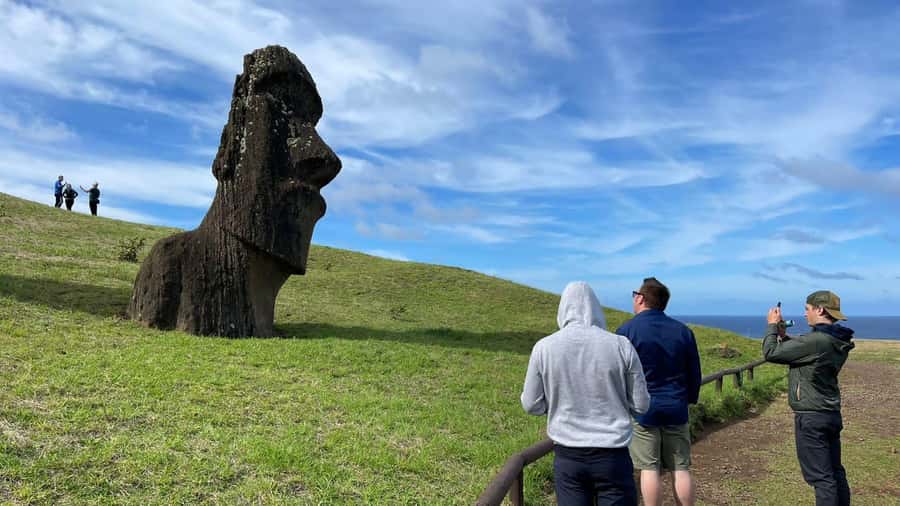
- The east-side route covers the icons: Vaihu, Akahanga, Rano Raraku, Tongariki, Te Pito Kura, and Anakena.
- Local guides add real context: Guides such as Frank, Javiera, Hivi, Habi, Zoe, and Enzo have been praised for explaining Rapa Nui customs and history in clear English.
- Rano Raraku is the big reveal: You see unfinished moai still emerging from the quarry hillside.
- Anakena is more than a final photo stop: You get about 90 minutes of free time at the island’s best-known beach.
- Lunch is not included: A restaurant stop may be offered, but the meal costs extra and can run late.
- Plan for park fees: The national park ticket is separate from the tour price.
Why this one-day route works on Rapa Nui
Rapa Nui is small enough to cross in a day, but its important sites are spread around the coast and inland hills. Without a vehicle, local guidance, and a clear plan, it is easy to spend your limited time on logistics rather than on the moai.
This route is built for the first-time visitor who wants the major eastern and northern sites in one day. You get a useful mix: fallen statues at Vaihu and Akahanga, the quarry at Rano Raraku, the grand platform at Tongariki, a famous ceremonial stone at Te Pito Kura, and a beach finish at Anakena.
The tour lasts eight hours and begins with pickup in Hanga Roa. You should wait in your hotel lobby 10 minutes before the scheduled time. The included bus or coach ride to the first stop takes about 45 minutes, and the vehicle then connects the sites through the day.
I would choose this outing early in your stay if possible. It gives you the basic map of the island and a clear sense of how the archaeological sites relate to one another. You can then return to a favorite place later, if your schedule allows.
More things to do on Easter Island:
- From Hanga Roa: Easter Island Highlights 2-Day Tour
★ 4.3 · 205 reviews - Full Day Tour in Rapa Nui
★ 4.5 · 122 reviews - 2-Day Private Tour Easter Island Highlights Complete Discovery
★ 5.0 · 110 reviews
Vaihu begins with fallen moai and open space
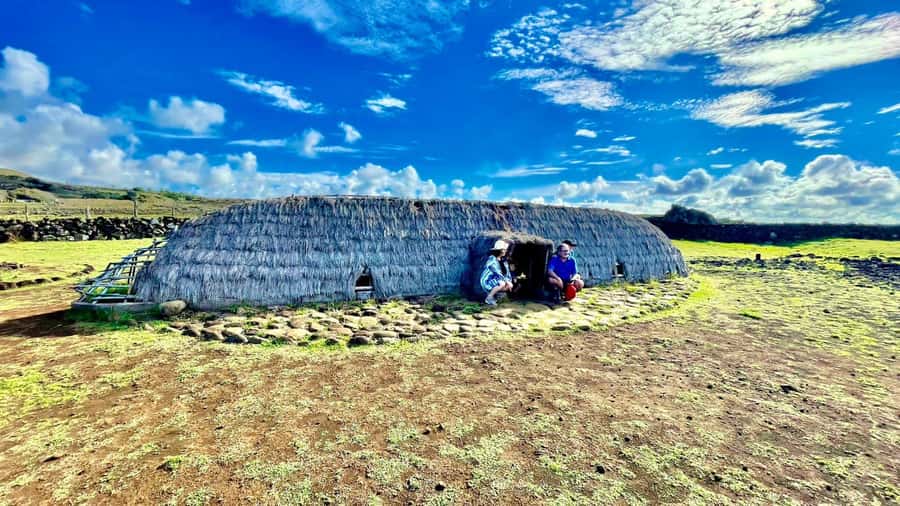
The first cultural stop is listed as a traditional village, with a guided walk of about 45 minutes. The route also takes in Vaihu, where moai lie around an ancient ceremonial platform.
Vaihu is not the polished postcard image many people expect. That is part of its value. The fallen statues and scattered stones show the site in a raw, unsettled state. Your guide can help you understand that these places are not simply collections of giant statues. They were ceremonial centers connected to community life, ancestors, and social power.
The opening stop also gives your guide a chance to introduce local customs and the wider story of Rapa Nui. Several highly rated guides, including Habi and Hivi, have been praised for helping visitors understand the island through local tradition rather than only through dates and archaeological labels.
The drawback is that Vaihu may feel less dramatic than the later stops. If your main goal is to see standing moai, you may find the first part quieter. I would still pay attention here because it provides useful context for what comes next.
Akahanga adds legend and a rougher sense of the past
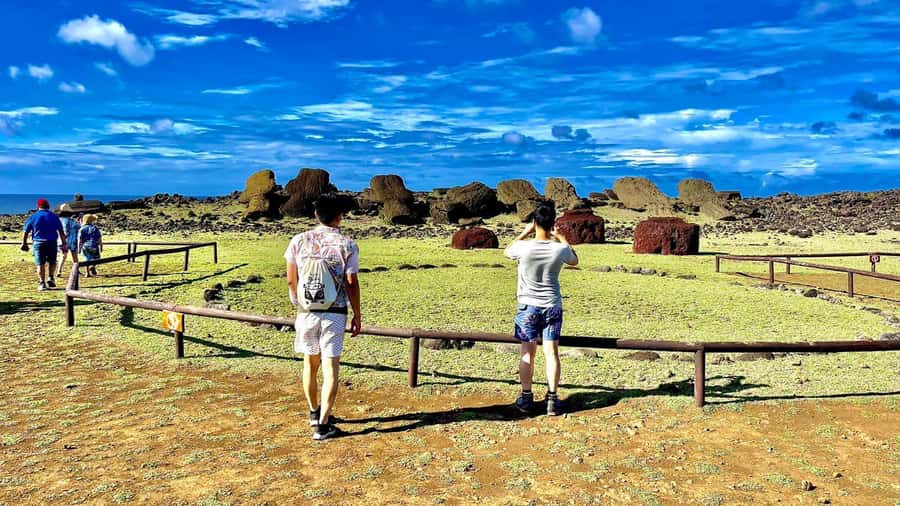
At Ahu Akahanga, you get another 45-minute guided walk. The site is known for its ruined ahu, or ceremonial platform, and fallen moai set against the island’s rugged terrain.
Akahanga works well after Vaihu because it reinforces the difference between ancient ceremonial sites and the tidy display many people imagine. The remains feel exposed and physical. You can see how much effort went into shaping, moving, and placing the statues, even when the platform is no longer intact.
This is also a good place to listen closely to the guide’s local interpretation. The site carries legends and stories tied to the island’s early people. The better guides do more than recite facts. They explain how oral tradition, archaeology, and modern Rapa Nui identity fit together.
You have about 45 minutes here, enough for an explanation, a walk, and photographs. It is not a long hike according to the planned schedule, but you should expect repeated walking on an outdoor route through several archaeological areas. Comfortable shoes and sun protection make sense.
Rano Raraku is the day’s essential stop
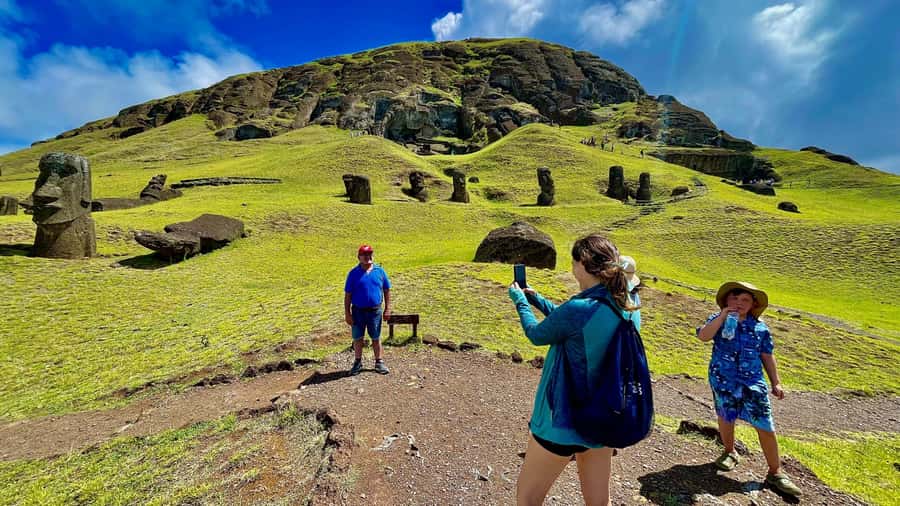
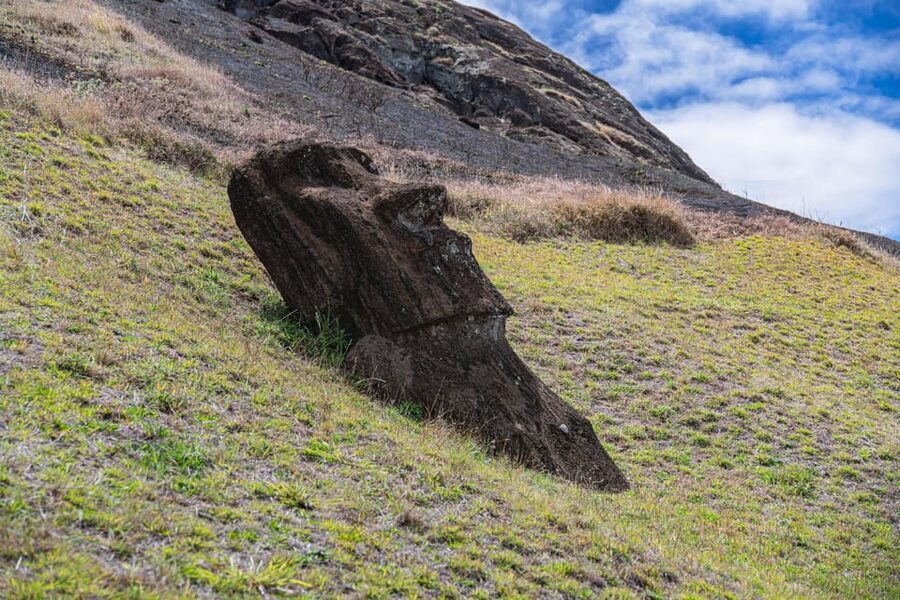
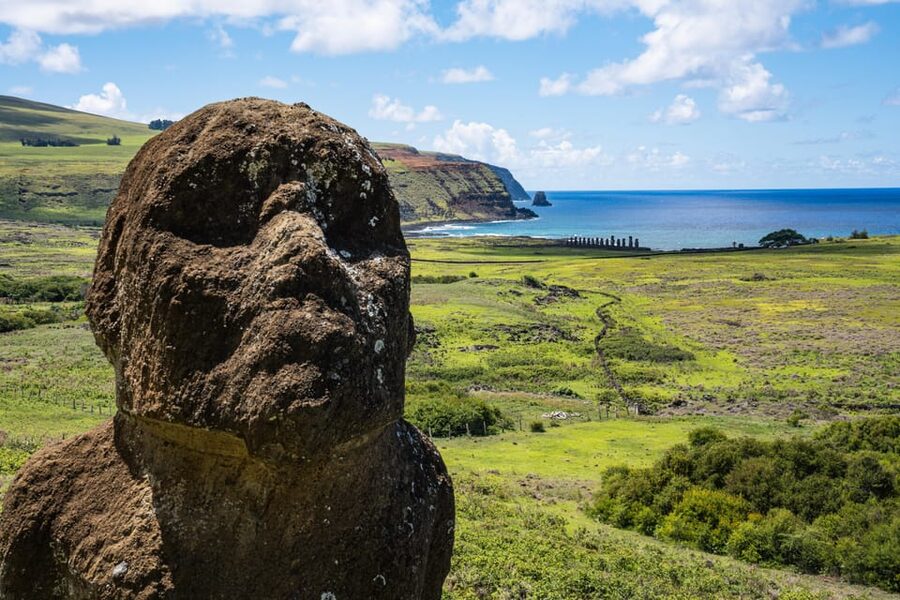
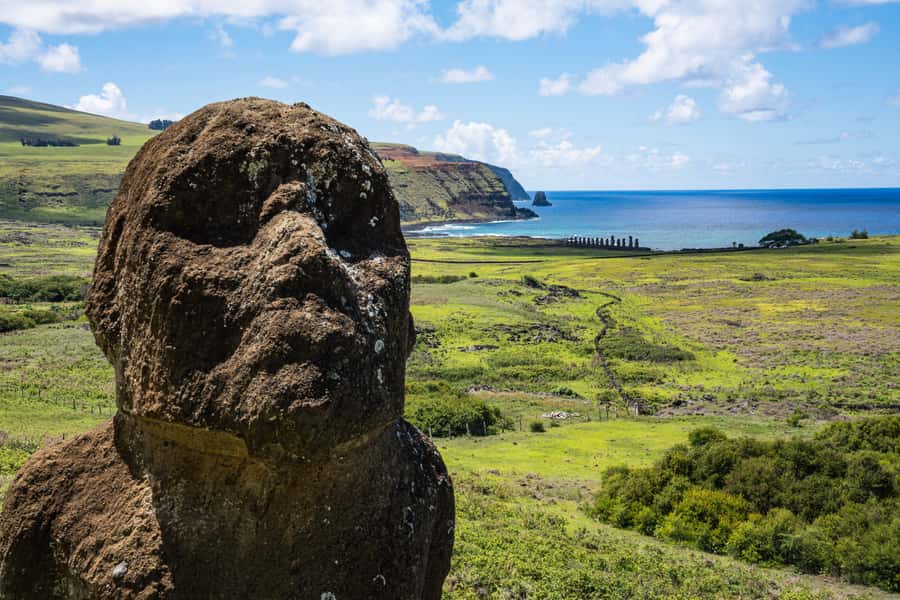
Rano Raraku receives about an hour, and that is the right priority. This is the quarry where the moai were carved, and it is the place where the island’s statue-making process becomes easiest to understand.
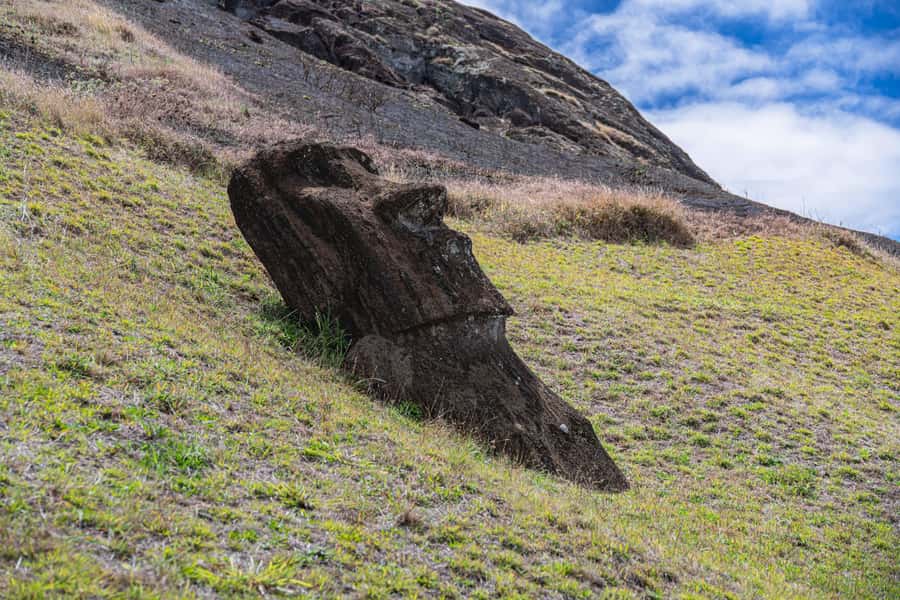
Here, unfinished figures appear from the volcanic rock and hillside. Some are only partly separated from the stone. Others are larger and more complete, but still remain at the quarry rather than being transported to a coastal platform.
I love this stop because it changes the way you see every moai afterward. At the coastal ahu, you see the finished result. At Rano Raraku, you see the work in progress, including the scale of the challenge faced by the people who made these statues centuries ago.
The hour can go quickly. Listen to the guide first, then use your free moments for photos and a closer look at the different stages of carving. Do not treat this as a quick roadside stop. It is the most important place on the route for understanding how the moai were made.
Lunch may happen near the quarry or around this portion of the day, but it is not included. One visitor praised the food and found the prices reasonable, while another found lunch late and costly. The practical lesson is simple: ask your guide how long the meal will take, and do not let lunch erase time at the next sites.
A completely different kind of day out:
- Private Full-Day Easter Island Highlights North and West
★ 5.0 · 84 reviews - From Hanga Roa: Journey from Orongo to Ana Te Pahu
★ 4.3 · 75 reviews - Journey of the Ancestors: Tongariki, Rano Raraku & Anakena Beach
★ 4.5 · 70 reviews - Full Day Private Tour: Factory of the Moai the stone giants
★ 4.5 · 63 reviews
Tongariki delivers the grand view
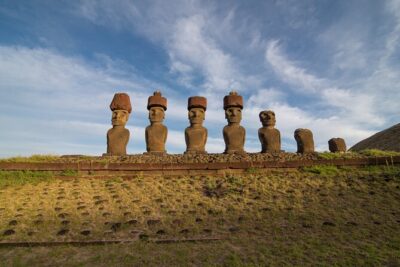
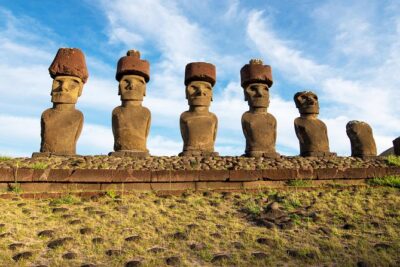
Ahu Tongariki is the visual centerpiece for many people. The stop lasts about 45 minutes and brings you to the largest platform of standing moai on Rapa Nui.
This is the place for the classic broad view: a line of monumental figures facing inland, with the open coast behind them. The scale is hard to grasp in a photograph. You need a little time to walk, look from different angles, and take in the relation between the platform, the statues, and the land.
The schedule gives you enough time for the main view and a guided explanation, though not endless wandering. If Tongariki is your highest priority, stay focused during the guide talk so you can use the remaining minutes well.
The tour’s value becomes clear here. Reaching Tongariki on your own requires arranging transport and knowing how to fit it with the quarry and northern sites. With a vehicle and guide, you can arrive with the larger story already in place.
Te Pito Kura brings a smaller, stranger stop
The next visit is Ahu Te Pito Kura, with about 45 minutes for a guided walk. The site includes a large stone associated with spiritual and magnetic power in Rapa Nui tradition.
Te Pito Kura is a different kind of experience from Tongariki. There is less visual grandeur, but more room for questions about belief, symbolism, and the meaning people attach to particular places. I would not rush through it simply because the stone is smaller than a moai. Its importance comes from the cultural ideas connected to it.
This is also one of the stops some people may consider less essential when time is tight. A few visitors felt that minor attractions received too much time compared with the most unusual moai sites. If you have already spent several days on Rapa Nui, a private itinerary could give you more control. If this is your only day, Te Pito Kura adds variety to an otherwise statue-heavy route.
Anakena finishes with palms, water, and breathing room
Anakena gives you about 90 minutes of free time, making it the longest stop of the day. Its palm-lined beach and clear blue water provide a welcome change after hours of archaeological sites and guided walks.
Bring swim shorts and a towel if you want to enter the water. A past visitor called it the best beach they had seen, and another specifically said swimming here was a must. The tour description allows time to relax, reflect, take photographs, and enjoy the beach rather than simply stepping out for a quick look.
Anakena also has cultural importance, so the beach is not an unrelated add-on. It lets you finish the day with both sides of Rapa Nui in view: the ceremonial world of the moai and the island’s living natural beauty.
Do keep track of departure time. Anakena is the final stop before returning to Hanga Roa, and the vehicle will need to leave on schedule. If lunch ran long, your free time here may be shorter than planned.
Local guides are the strongest part of the experience
The guide can make or break a full-day history tour. On this route, the strongest praise has gone to local islanders who explain Rapa Nui culture with warmth and personal insight.
Frank, also referred to as Franco in one account, was praised for his English, Spanish, and Rapa Nui language skills. Javiera was described as respectful and exceptionally well informed, while Hivi and Habi received praise for being helpful, approachable, and deeply familiar with local customs. Zoe was singled out for making the whole island visit feel worthwhile, and Enzo was praised for patience.
The tour operates in English and Spanish. One guide was noted for handling both language groups smoothly, which matters if your vehicle includes people with different language needs.
I would still keep your expectations sensible. Guide quality can vary, and one account described a guide called Gabriel as giving shallow explanations, offering incorrect information, and making an offensive personal remark. That appears to be an isolated but serious complaint in an otherwise very strong record. If something feels wrong, ask clear questions and rely on the operator’s communication channels rather than accepting poor treatment.
Is $80 good value for a full day?
At $80 per person, the tour is a fair deal for a full day of transportation and guiding on a remote island. You are paying for hotel pickup and return in Hanga Roa, the vehicle, and a local guide who connects six major sites into one route.
The price does not include the national park ticket or lunch. Those extra costs matter, especially because food on Rapa Nui can be expensive. The tour remains useful even after adding them, but you should not mistake the advertised price for the complete cost of the day.
The strongest value comes when you have only one day. A private vehicle might give you more flexibility, but this shared tour lets you see the major sites without arranging every transfer yourself. It is also a practical choice if you prefer historical explanation to simply photographing statues from a distance.
Pace, comfort, and what to pack
The tour is described as comfortable, and one account specifically praised the quality of the minivan. Pickup was reported as punctual, and the route avoids long stretches of unnecessary travel, although you will still spend part of the day riding between sites.
The schedule involves frequent stops and repeated walks. One visitor liked the relaxed rhythm, while others felt the day required too much getting on and off the vehicle. You should choose this tour for coverage, not for a slow, unhurried visit to each site.
Pack:
- Comfortable walking shoes
- Water and sun protection
- Swim shorts and a towel for Anakena
- A camera or phone with spare battery power
- Money for lunch and the park ticket
- Light rain protection, since heavy rain can occur
The tour is wheelchair accessible, but the information provided does not explain the exact ground conditions at every archaeological site. If you use a wheelchair, confirm the practical details before booking, particularly for the outdoor walks.
Free cancellation up to 24 hours before departure and reserve-now, pay-later booking make the plan easier to adjust. The starting time varies, so check availability for your date.
Who should book this Rapa Nui tour?
I would recommend it to a first-time visitor, anyone with one full day on the island, and anyone who wants a local voice alongside the major sights. It is especially useful if you want to understand the moai rather than simply collect photographs of them.
Families and mixed-age groups may also appreciate the vehicle and clear route, although the walking and full-day length still require stamina. English and Spanish speakers are well served, and the combination of archaeology, culture, scenery, and beach time keeps the day from feeling like one long museum visit.
I would hesitate if you have several days and strongly prefer setting your own pace. In that case, the fixed schedule may feel too busy, particularly at the smaller stops. I would also avoid booking it as your only plan if you dislike group timing or want a long, quiet visit at Tongariki or Rano Raraku.
Should you book it?
Yes, if your goal is to see the essential eastern and northern sites in one day with an island guide. Rano Raraku, Tongariki, and Anakena alone make the route worthwhile, while Vaihu, Akahanga, and Te Pito Kura provide cultural and archaeological context.
Book it with three expectations: lunch costs extra, the national park ticket costs extra, and the day moves at a steady pace. Ask about lunch timing, bring swimwear, and stay engaged with the guide. With those details handled, this $80 outing is one of the most efficient ways to meet the moai and begin understanding Rapa Nui on its own terms.
FAQ
Where does the tour begin and end?
Pickup and drop-off are provided at hotels in Hanga Roa. You should wait in your hotel lobby 10 minutes before the scheduled pickup.
How long does the tour last?
The experience lasts eight hours, including transportation between Hanga Roa and the various sites.
Which places does the tour visit?
The route includes a traditional village, Vaihu, Ahu Akahanga, Rano Raraku, Ahu Tongariki, Ahu Te Pito Kura, and Anakena Beach.
Is lunch included?
No. Lunch is not included in the tour price. A restaurant stop may be part of the day, so bring money and allow for the possibility that the meal could take time.
Is the national park ticket included?
No. You must purchase the national park ticket separately.
What languages are available?
The live guide service is offered in English and Spanish.
Can I swim at Anakena?
The tour provides about 1.5 hours of free time at Anakena, and swimming is possible as part of your beach time. Bring swim shorts and a towel if you want to enter the water.
Just added in Hanga Roa
- Volcanic Refuges: Excursion to Underground Civilization★ 4.7 · 8 reviews
- Volcanic Wonders and the Kingdom of the Birdman: Half Day★ 5.0 · 6 reviews
- Half Day Private Tour: Caves and Volcanic Refuges★ 4.0 · 14 reviews
- Easter Island Ancestral Dinner and Show with Transport★ 4.5 · 2 reviews
- 2 Day Small Group Tour in Moai Monuments and Historic Pathways★ 5.0 · 22 reviews
- Visit Rapa Nui in 4 days with 3 Tours and Accommodation included★ 4.0 · 2 reviews
- Tour to the Motus: Boat trip and snorkeling in Rapa Nui★ 5.0 · 8 reviews
- The birdman journey in Easter Island★ 5.0 · 1 review
Easter Island Tours, compared.
Two days of Full Day Tour of Rapa Nui + Sunrise in Tongariki
Read our review →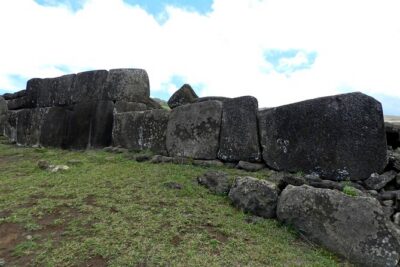
2-Day Private Tour Easter Island Highlights Complete Discovery
Read our review →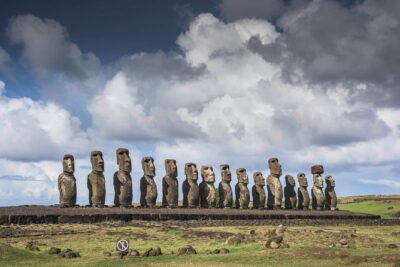
Private Tour: Full Day Easter Island Highlights
Read our review →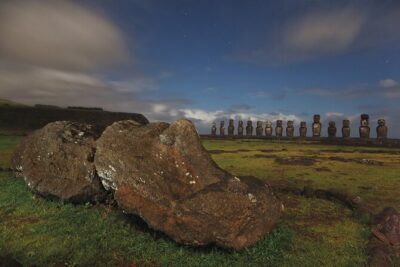
Private Full-Day Easter Island Highlights North and West
Read our review →Browse the lists this tour appears in