
REVIEW · EASTER ISLAND TOURS
Two days of Full Day Tour of Rapa Nui + Sunrise in Tongariki
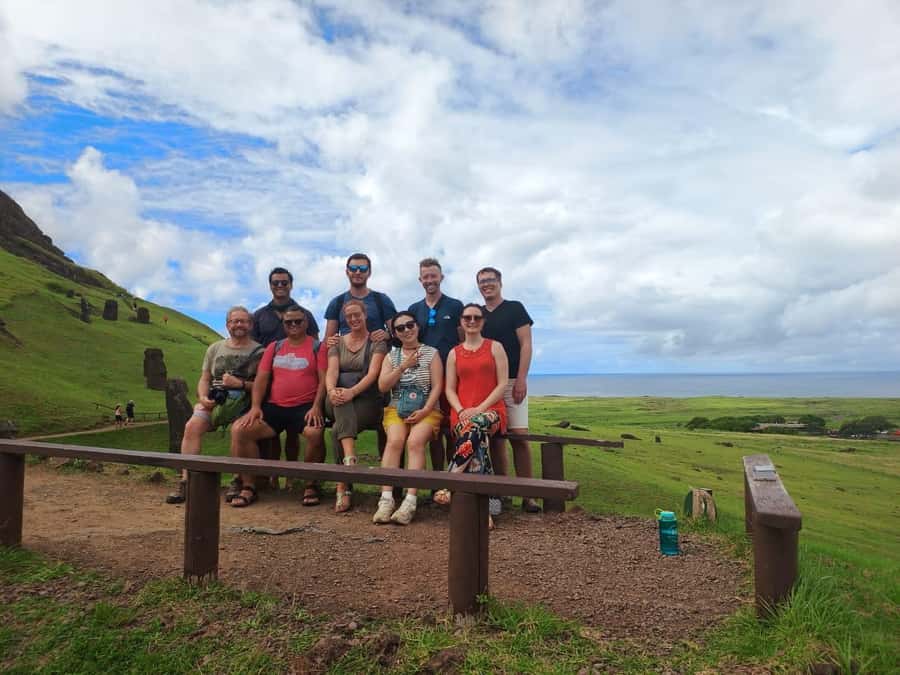
Moai at sunrise is hard to beat. This three-day Rapa Nui program combines two full days of island touring with an early visit to Ahu Tongariki, giving you a useful introduction to the island’s famous statues, volcanic ground, legends, and archaeological sites. I especially like the certified local guides, who bring different views to subjects that have no written answer, and the hotel pickup and drop-off, which saves you from sorting out island transport.
The $250 price per person is fair for two full touring days plus the sunrise outing, particularly with guide service and transport included. You should budget extra for the Rapa Nui National Park ticket and your meals, and the sunrise timing deserves attention: one pickup was around 6 a.m. even though sunrise began closer to 8 a.m., with the guide needing to return for the morning tour.
In This Review
- Key points
- Three days that cover Rapa Nui’s essential sights
- The first full day, Moai and the story of the island
- The second full day, more context and different voices
- Ahu Tongariki at sunrise, the most memorable morning
- What the guides add to the Moai sites
- The National Park ticket changes the real price
- Transport, group size, and keeping the days comfortable
- What to pack for three days on the island
- Who will get the most from this experience
- Should you book Rapa Nui Dream?
- FAQ
- How long does the experience last?
- What is included in the $250 price?
- Is the Rapa Nui National Park ticket included?
- Where can I buy the National Park ticket?
- Are meals included?
- What languages are available?
- Is hotel pickup included?
- Can I cancel for a full refund?
- What should I bring?
Key points
- Three separate outings: Two full-day tours are followed by an early Tongariki sunrise visit.
- Local voices matter: Guides such as Alex, Alejandro, David, and Ariki have provided different approaches to the island’s stories and theories.
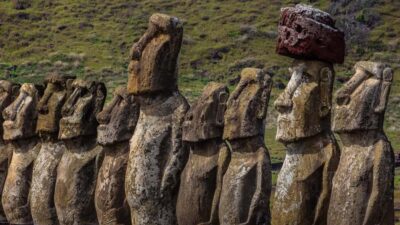
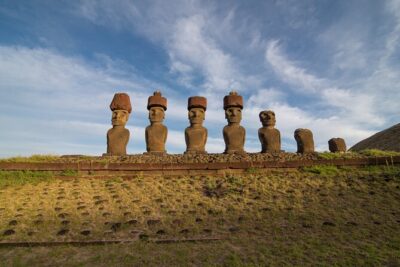
- Ahu Tongariki is the headline view: Fifteen Moai facing the ocean make this the tour’s most memorable setting.
- The park ticket costs extra: The listed price is 20,000 CLP for Chilean nationals and 72,000 CLP for foreign nationals.
- Bring your own snacks and drinks: Food is not included, though the route has places to buy supplies.
- Expect a modest physical challenge: Comfortable shoes and a reasonable level of fitness are important.
Three days that cover Rapa Nui’s essential sights
This experience is built around two full days of sightseeing, followed by a sunrise visit at Ahu Tongariki. That format works well if you have limited time on Rapa Nui and want a guided introduction rather than trying to arrange each site on your own.
You are not simply being driven from statue to statue. The guides explain the ancient civilization, local legends, rituals, and the questions that still surround the Moai. Since some parts of Rapa Nui’s past have no written record, different guides may offer different theories. That can be a benefit, not a flaw, as long as you enjoy hearing where evidence ends and interpretation begins.
The program is available in English, Spanish, and French. Private and small-group options are also offered, so the experience may suit you better if you prefer a quieter vehicle or more personal contact with the guide.
More things to do on Easter Island:
- From Hanga Roa: Rapa Nui Culture Sightseeing Tour
★ 4.6 · 307 reviews - From Hanga Roa: Easter Island Highlights 2-Day Tour
★ 4.3 · 205 reviews - Full Day Tour in Rapa Nui
★ 4.5 · 122 reviews
The first full day, Moai and the story of the island
Your first day begins with pickup at your accommodation. You need to be waiting in the reception or lobby, since the driver does not go to room doors. The pickup time is fixed, and the vehicle cannot wait for late arrivals without affecting everyone else.
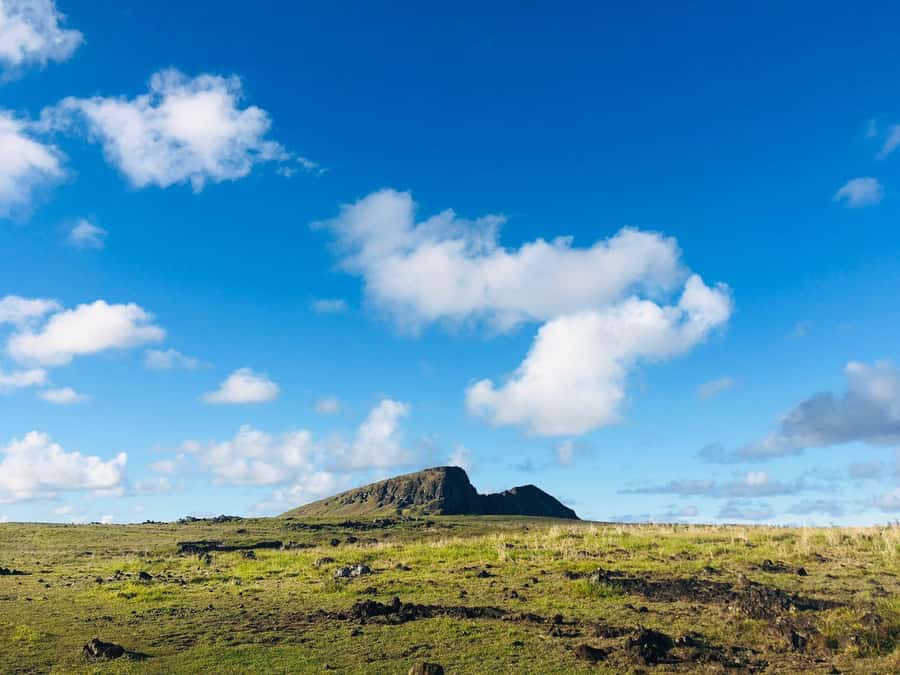
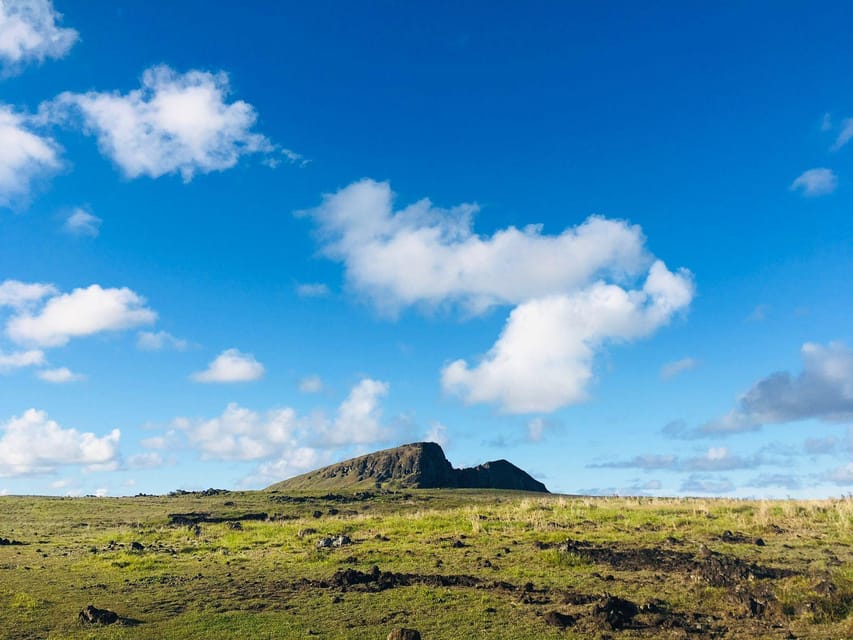
Once the group is together, the day focuses on the best-known archaeological attractions and the natural settings that make Rapa Nui so striking. The supplied description does not provide a fixed list of every stop, so you should confirm the exact route and starting time before departure. You can expect to see major Moai sites, volcanic terrain, and wide island views, with explanations along the way.
This is where a local guide adds real value. A statue is impressive on its own, but the guide helps you understand why it was placed where it was, how it fits into the island’s social and spiritual traditions, and what remains uncertain. The experience becomes less about taking a quick photograph and more about noticing how the statues relate to the ground, the sea, and the communities that built them.
The pace may feel full. Two full-day outings are designed to cover a lot, and the island’s most famous locations can require walking over uneven ground. I would wear shoes with a firm sole and clothes you can move in. High heels are not allowed, and they would be a poor match for the terrain in any case.
Food is not included. There are places where you can buy something, but you should still carry water and snacks. A practical mistake is assuming that a full-day tour automatically includes lunch. It does not, and the day is easier when you have supplies ready.
The second full day, more context and different voices
The second full day continues the survey of Rapa Nui’s main attractions. This gives you a chance to see additional archaeological sites and revisit ideas from the first outing with more context. The island is small compared with many destinations, but the sites do not all feel alike. The volcanic setting, the arrangement of the Moai, and the stories connected to each place can change the mood from one stop to the next.
I like the fact that you may have a different guide on each day. Alex has been praised for his strong grasp of the material, while Alejandro has been described as logical and informative. David has been noted for an inventive and sometimes controversial approach. Those differences can make the experience more interesting, particularly when discussing subjects that remain debated.
Still, guide quality can vary. A strong guide turns a site visit into a clear story, while a less engaging guide may feel more like transport with commentary. That is the main uncertainty in booking a multi-day program with rotating guides. The company’s support team can answer questions before and during your stay, but you cannot guarantee a particular guide unless the provider confirms one.
The second day is also useful for travelers who want more than the standard photograph of a Moai. You can ask about rituals, local traditions, the meaning of ceremonial places, and the relationship between the ancient culture and present-day Rapa Nui life. The company presents the tours as a way to support the local economy and fair trade, which may matter to you if you want your spending to remain connected to the island community.
Ahu Tongariki at sunrise, the most memorable morning
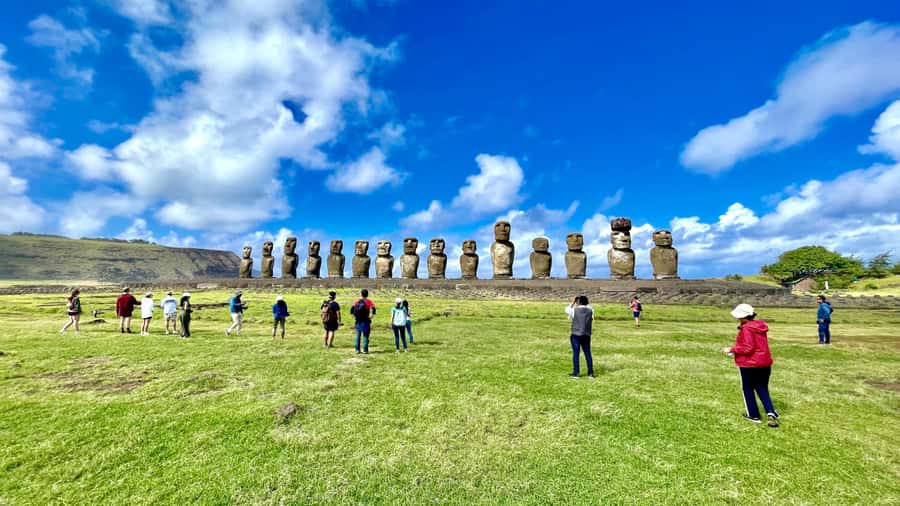
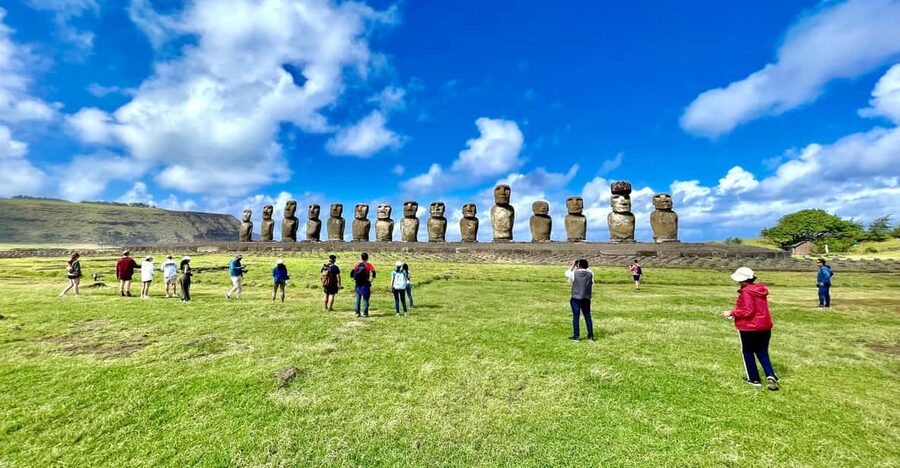
Ahu Tongariki is the centerpiece of the sunrise outing. The site is known for its line of fifteen Moai, and the combination of statues, open sky, and early light gives the visit a special sense of scale. If you have seen photographs of Rapa Nui, this is likely one of the views you already recognize.
The timing needs careful checking. The experience is advertised as a sunrise visit, but the exact pickup and arrival schedule can affect how much time you have before and during sunrise. One reported schedule involved pickup around 6 a.m. even though sunrise began near 8 a.m., followed by a need to return for a full-day tour beginning around 9 a.m.
That schedule could leave you waiting for a long time, or it could shorten the time available at the viewpoint if the vehicle has to leave quickly. Ask the provider for the exact sunrise date, pickup time, expected arrival, and departure time. Also ask where you will be positioned. One visitor found only after sunrise that another viewpoint might have been better.
The sunrise guide may function more as a driver and attendant than as a full cultural guide. Ariki has been identified in this role, and the contrast with the more interpretive full-day guides is worth keeping in mind. If your main goal is photography and atmosphere, that may be perfectly fine. If you want a detailed explanation of Tongariki before sunrise, ask in advance.
Bring a warm layer, comfortable shoes, and patience. The supplied packing advice also includes a towel and comfortable clothing, and rain ponchos are provided if rain arrives. Weather can change quickly enough that a poncho is more useful than a carefully planned outfit.
A completely different kind of day out:
- 2-Day Private Tour Easter Island Highlights Complete Discovery
★ 5.0 · 110 reviews - Private Full-Day Easter Island Highlights North and West
★ 5.0 · 84 reviews - From Hanga Roa: Journey from Orongo to Ana Te Pahu
★ 4.3 · 75 reviews - Journey of the Ancestors: Tongariki, Rano Raraku & Anakena Beach
★ 4.5 · 70 reviews
What the guides add to the Moai sites
The strongest feature of this program is its human side. Certified local guides can explain the island in a way that goes beyond dates and names. You hear about legends, rituals, ancient customs, and the questions that continue to shape modern understanding of Rapa Nui.
A different guide each day can give you several interpretations. Kirsty, one of the customers who gave a rating, particularly appreciated hearing different perspectives about events with no written record. I think that is the right way to approach the island: listen closely, ask questions, and remember that not every explanation has the same level of proof.
The program also promises pre-trip and post-trip support. That includes help with questions about Rapa Nui, suggestions for panoramas and activities beyond the tours, and practical guidance during your stay. This is valuable on a remote island, where a small piece of local advice can save time.
The catch is that communication and guiding are not identical on every departure. One guide may be warm and detailed, while another may be more focused on getting the group from place to place. The high overall score suggests that most visitors find the arrangement successful, but I would book with realistic expectations rather than assuming every day will feel identical.
The National Park ticket changes the real price
The advertised cost is $250 per person. That covers the three-day tour structure, certified guides, accommodation pickup and return, rain ponchos when needed, and support before and after the booking.
The National Park ticket is not included. The listed prices are 20,000 CLP for Chilean nationals and 72,000 CLP for foreign nationals. You must have the ticket before the first excursion, and it can be bought in person at the Ma’u Henua offices or online through the Rapa Nui National Park website.
That extra charge matters when you compare this experience with other island options. The $250 is not your full activity budget, since you also need food and the park admission. Still, transport over two full days, a sunrise outing, and several days of local guiding make the base price reasonable for someone who wants the main sights handled in one booking.
I would not choose this package because it is the cheapest possible way to see Rapa Nui. I would choose it because it reduces planning and gives you local interpretation. The value is strongest if you have only a few days, do not want to arrange transport yourself, or prefer to ask questions as you go.
Transport, group size, and keeping the days comfortable
Pickup and drop-off are included, but the shared transport may not always follow the most direct-looking route. A reported experience described vehicles making circles while collecting passengers. That may simply reflect several accommodation pickups, but it can add time before the main sightseeing begins.
You need to be ready in the lobby at the appointed time. The driver will not knock on your door, and late passengers cannot expect the group to wait. Set an alarm, keep your phone available for the message sent the day before, and confirm the pickup point with your accommodation.
Private or small-group departures are available. If you want more time for questions, dislike waiting for several pickups, or are especially interested in photography at Tongariki, ask about those options. The price and exact arrangements may differ, so get the details before paying.
The physical requirement is moderate. You should be comfortable walking in ordinary outdoor conditions and wearing practical shoes for archaeological areas. You do not need high-heeled footwear, and it is specifically not allowed.
What to pack for three days on the island
Keep your packing simple and useful. I would bring:
- Comfortable walking shoes
- Comfortable clothes suitable for a full day outdoors
- Water and snacks
- A warm layer for the sunrise
- A towel
- A phone or camera
- The National Park ticket confirmation, if purchased online
Rain ponchos are supplied in case of rain, which is a helpful touch. Food is not included, but there are points where you can buy it. Even so, carrying a snack is sensible because your preferred stop may not coincide with the day’s meal break.
The day before your first activity, you should receive a message with instructions for the following day. Read it carefully. It should clarify the next pickup, and it is also your chance to ask about the Tongariki timing if your sunrise outing is scheduled later in the program.
Who will get the most from this experience
I would recommend this tour to a first-time visitor who wants the essential Rapa Nui sights explained by local guides. It is also a good fit if you have three days available and prefer one organized plan rather than negotiating transport and site visits separately.
History-minded visitors will appreciate the mix of established facts, local traditions, and competing theories. Photographers will value Tongariki, but should confirm the viewing position and how long they can stay. Small groups and private options make the program more appealing if you want less time spent collecting other passengers.
I would be more cautious if your only priority is a long, unhurried sunrise session. The schedule may be tight, especially when the full-day outing begins soon after sunrise. I would also think twice if you dislike fixed pickup times or want the same guide for every activity.
The program has a 4.8 rating from 55 reviews, and the praise centers on organization, communication, and passionate guiding. The most repeated positive point is the quality of the information on the full-day tours. The clearest weakness is not the island itself, but the uneven sunrise arrangement and variation between guides.
Should you book Rapa Nui Dream?
Book it if you want a practical three-day introduction to Rapa Nui, with transportation, local guides, the major Moai sites, and Ahu Tongariki included in one plan. At $250 per person before the park ticket and meals, the package offers solid value for a visitor who wants structure and cultural context.
Before booking, confirm three details: the exact full-day routes, the Tongariki arrival and departure times, and the sunrise viewing point. Buy your National Park ticket in advance, bring water and snacks, and be ready in the lobby at pickup time.
With those points settled, this is a strong choice for seeing Rapa Nui’s famous sites without handling every detail yourself. Just remember that the best part is the full-day interpretation, while the sunrise outing may require a little extra planning on your part.
FAQ
How long does the experience last?
The program lasts three days. It includes two full-day tours and a separate sunrise outing at Ahu Tongariki.
What is included in the $250 price?
The price includes certified local guides, pickup and drop-off at your accommodation, rain ponchos in case of rain, and pre-trip and post-trip support.
Is the Rapa Nui National Park ticket included?
No. You must purchase it separately before the first activity. The listed cost is 20,000 CLP for Chilean nationals and 72,000 CLP for foreign nationals.
Where can I buy the National Park ticket?
You can buy it in person at the Ma’u Henua offices or online through the Rapa Nui National Park website.
Are meals included?
No. Food is not included, but there are points during the tours where you can buy food. Bringing drinks and snacks is recommended.
What languages are available?
The tours are available in English, Spanish, and French.
Is hotel pickup included?
Yes. Pickup and drop-off at accommodations are included. You must wait in the reception or lobby, since the driver does not go to room doors.
Can I cancel for a full refund?
Yes. You can cancel up to 24 hours in advance for a full refund.
What should I bring?
Bring comfortable shoes, comfortable clothes, and a towel. Water and snacks are also useful, and high-heeled shoes are not allowed.
Just added in Hanga Roa
- Volcanic Refuges: Excursion to Underground Civilization★ 4.7 · 8 reviews
- Volcanic Wonders and the Kingdom of the Birdman: Half Day★ 5.0 · 6 reviews
- Half Day Private Tour: Caves and Volcanic Refuges★ 4.0 · 14 reviews
- Easter Island Ancestral Dinner and Show with Transport★ 4.5 · 2 reviews
- 2 Day Small Group Tour in Moai Monuments and Historic Pathways★ 5.0 · 22 reviews
- Visit Rapa Nui in 4 days with 3 Tours and Accommodation included★ 4.0 · 2 reviews
- Tour to the Motus: Boat trip and snorkeling in Rapa Nui★ 5.0 · 8 reviews
- The birdman journey in Easter Island★ 5.0 · 1 review
Easter Island Tours, compared.
Two days of Full Day Tour of Rapa Nui + Sunrise in Tongariki
Read our review →
2-Day Private Tour Easter Island Highlights Complete Discovery
Read our review →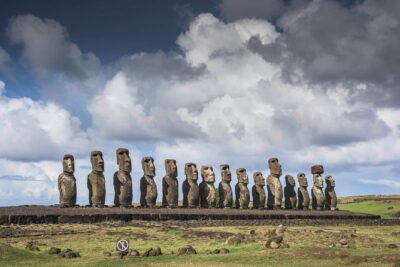
Private Tour: Full Day Easter Island Highlights
Read our review →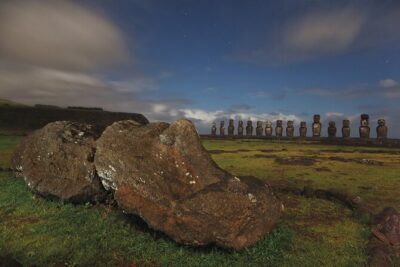
Browse the lists this tour appears in