
REVIEW · EASTER ISLAND TOURS
Super Saver: the best of Easter Island
Ancient statues reward a close look. This three-day program links Easter Island’s major moai sites, volcanic quarries, ceremonial villages, and Anakena Beach without making you arrange separate rides. I especially like the discounted three-tour format and the way it includes both famous sites and less-visited places such as Ahu Vinapu and Puna Pau. Round-trip hotel transport is another real plus. The main drawback is that the $294 price does not include the $100 Rapa Nui National Park entrance fee.
You get a strong overview in a short stay, with a full day at the island’s largest sites and two half-days for Tahai, Orongo, Rano Kau, Ahu Akivi, Puna Pau, and Ahu Vinapu. Guides are generally helpful and the groups can be small enough to hear clearly, though English explanations may be shorter when tours combine English- and Spanish-speaking visitors.
The schedule requires some planning. The Ahu Akivi and Orongo tour runs Monday, Wednesday, and Friday, while the Anakena tour runs Tuesday, Thursday, and Saturday. You must contact the operator to set your dates, so this is best for someone who has at least three workable days on Rapa Nui.
In This Review
- Key points to know before booking
- What the three-day plan gets right
- Day one: Ahu Akivi, Puna Pau, and Tahai
- Day two: Fifteen moai, a volcanic quarry, and Anakena
- Day three: Orongo, Rano Kau, and Ahu Vinapu
- The real price: $394 before extras
- Language, group size, and guide quality
- Scheduling the three excursions
- What to pack for three active days
- Who should book this Easter Island package?
- Should you book it?
- FAQ
- How much does the Super Saver Easter Island tour cost?
- How long does the experience last?
- Is hotel pickup included?
- Is port pickup available?
- Which days does the Ahu Akivi and Orongo tour operate?
- Which days does the Anakena Beach tour operate?
- Is lunch included?
- How many people can join the tour?
Key points to know before booking
- Three days cover nearly every major highlight: You visit the island’s key ahu, the moai quarries, the Birdman sites, and Anakena Beach.
- The full-day Rano Raraku visit is the centerpiece: Three hours here gives you time to see unfinished moai in several stages of carving.
- Anakena adds a welcome change of pace: After two hours among ceremonial sites, you get white sand, palm-lined scenery, and time to relax.
- The $100 national park fee is extra: Add it to the advertised $294 price when working out your real budget.
- Groups can reach 16 people: That is still manageable, but guide quality and language balance may affect how much detail you receive.
- Hotel and airport transfers are included: Port pickup is not available, so cruise passengers should not book this excursion.
What the three-day plan gets right
Easter Island is not a place where you want to depend on casual transport. The main archaeological sites are spread across the island, and a good guide adds much more than directions. The meaning of an ahu, the role of a quarry, and the story behind the Birdman Ceremony make these places far more memorable than a quick photo stop.
This package works because the days have different rhythms. One half-day introduces the western and central sites. The full day heads toward the great eastern quarry and Anakena. The final half-day focuses on the volcanic crater and ceremonial world around Orongo.
You should expect shared transportation in an air-conditioned minivan or bus, with a maximum group size of 16. That is not a private experience, but it is small enough for a better chance of hearing the guide than you would have in a large coach.
The guiding can vary. Some English-speaking guides provide thoughtful explanations about both traditional beliefs and current theories concerning the moai and Birdman era. Christina, in particular, has been praised for being patient and for translating carefully for English-speaking family members in a mostly Spanish-speaking group. Still, one English-language guide was described as more interested in chatting with the driver than explaining the sites. I would book this package for its route and convenience, but I would not expect every half-day to be equally strong.
More things to do on Easter Island:
- From Hanga Roa: Rapa Nui Culture Sightseeing Tour
★ 4.6 · 307 reviews - From Hanga Roa: Easter Island Highlights 2-Day Tour
★ 4.3 · 205 reviews - Full Day Tour in Rapa Nui
★ 4.5 · 122 reviews
Day one: Ahu Akivi, Puna Pau, and Tahai
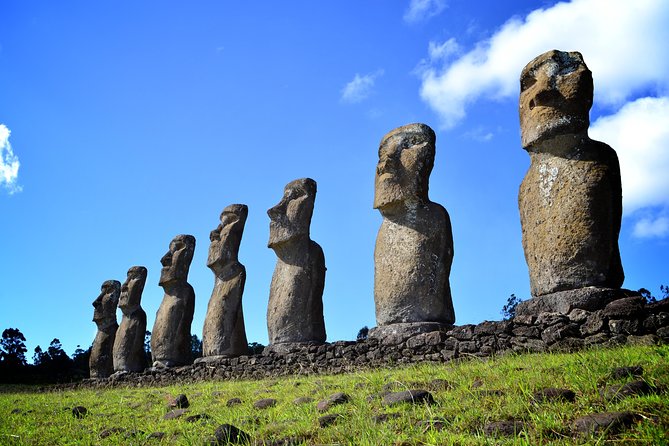
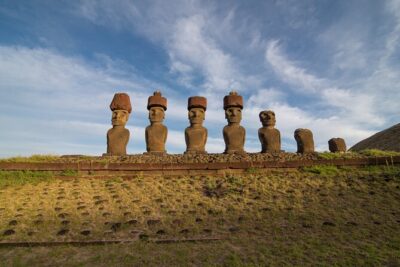
The first half-day begins at Ahu Akivi, one of the island’s most distinctive moai sites. Its seven statues face toward the ocean, unlike the usual arrangement in which moai face inland toward the community they protect.
The visit lasts about 45 minutes. That gives you enough time to take in the row of statues and hear about their role as ancestral guardians, though you will not have unlimited time for a slow archaeological study. Admission is not included in the tour price, so your Rapa Nui National Park pass is essential.
Ahu Akivi is especially useful early in your stay because it introduces a central idea of Rapa Nui culture: the moai were not simply large stone portraits. They represented ancestors and their continuing relationship with the living community. The seven figures make that idea easy to grasp, even if you are new to Easter Island archaeology.
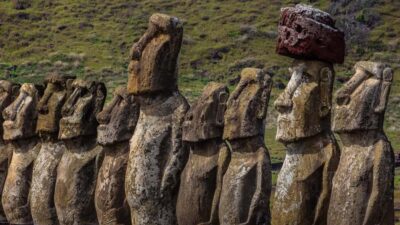
Next comes Puna Pau, a red scoria quarry visited for about 30 minutes. This is where the pukaos, the red stone topknots often called moai hats, were carved. The site helps explain how the finished statues were given another layer of status and ceremony.
Do not expect a huge museum or a long walking route here. Puna Pau is a focused stop, but it is valuable because it shifts your attention from the moai bodies to the red stone pieces placed above them. The quarry also gives you a better sense of the technical work involved in shaping and moving these heavy forms.
The half-day ends at Ahu Tahai, a coastal ceremonial complex with several moai platforms and archaeological remains. The stop lasts about 30 minutes, and admission is free. Tahai is one of the easiest places to appreciate the connection between the ahu, the settlement, and the sea.
The setting makes Tahai particularly good for photographs, especially near sunset if the timing of your tour allows it. Your guide can help tie together the themes introduced earlier in the day: ancestry, community, ceremony, and the natural setting of the island.
The first day is not overloaded. That is a strength. You see three different types of site without spending the entire day in a vehicle or trying to absorb too many statues at once.
Day two: Fifteen moai, a volcanic quarry, and Anakena
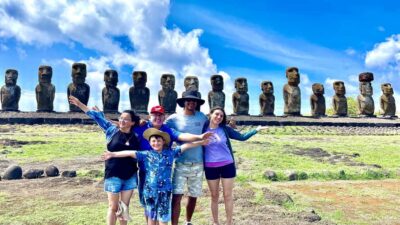
The full-day outing is the busiest and most important part of the package. It begins at Ahu Tongariki, the largest moai complex on Rapa Nui. Fifteen statues line the platform, creating the most dramatic single group of moai on the island.
You have about 45 minutes here. That is enough for photographs and a guided explanation, but the scale of Tongariki may leave you wishing for more quiet time. Pay attention to the different sizes and postures of the figures, rather than treating the platform as one giant photo backdrop.
The next stop, Rano Raraku, receives three hours, and that is exactly where the schedule needs to be generous. This volcanic quarry is where most of the island’s moai were carved. You can see statues that remain attached to the rock, figures partway through production, and others positioned around the slopes.
Rano Raraku is the place that makes the moai feel like a process rather than a finished product. The quarry shows the builders at work, at least through the stone forms they left behind. Your guide can explain the carving methods, the social importance of the statues, and the different ideas about why some figures were never transported.
Wear comfortable shoes and bring water. The tour information specifically recommends carrying water and snacks, and that advice matters here. There are limited chances to buy supplies during the day, and the sun can feel strong around exposed archaeological sites.
Three hours may sound long, but Rano Raraku is the stop where rushing would do the most damage. You need time to walk, look up the slopes, compare unfinished figures, and listen. At the same time, anyone who has already seen several moai may experience what one participant called moai overload on this full-day route. If you prefer a slower trip with long breaks, the schedule may feel intense.
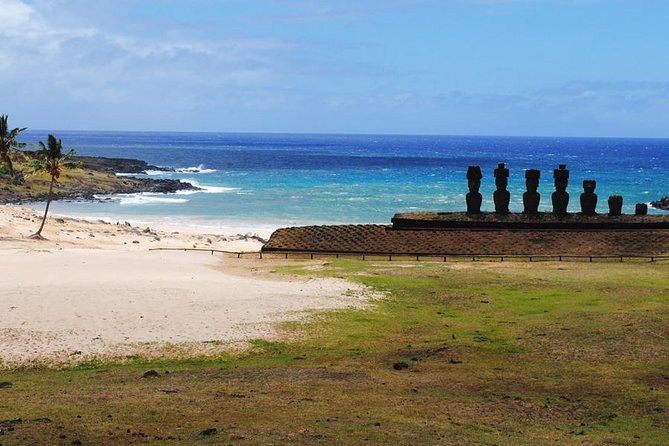
After the quarry, the tour reaches Anakena Beach for about two hours. This is one of the few white sand beaches on Easter Island and a welcome contrast to the dark volcanic rock and grassy archaeological sites.
Anakena is not only a swimming or sunbathing stop. It is linked with the early Polynesian settlement of Rapa Nui and includes important ceremonial sites nearby. Bring a bathing suit, towel, sunglasses, and sunscreen if you want to use the beach. Even if you do not swim, the break lets you rest after the quarry and enjoy a different side of the island.
Lunch is included on this day. Food and drinks are not generally included elsewhere, so do not assume that every meal or snack is covered. Bring extra water and anything you need between stops.
Day three: Orongo, Rano Kau, and Ahu Vinapu
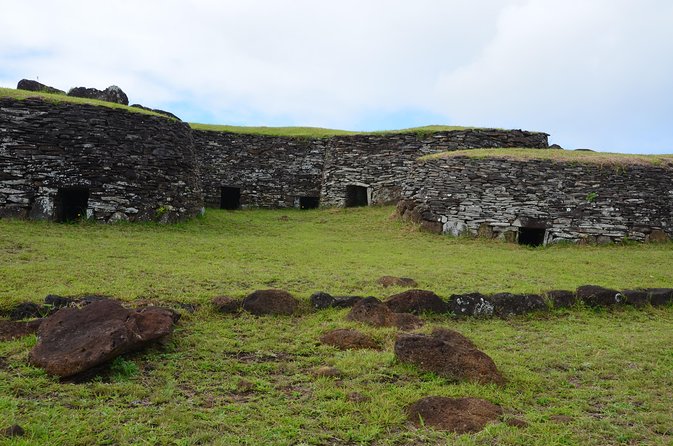
The final half-day explores the southwest of the island, beginning at Orongo, the ceremonial village associated with the Tangata Manu, or Birdman, competition. The stop lasts about 20 minutes, making it brief but important.
The ceremony centered on retrieving the first egg of the manutara bird from Motu Nui. Competitors were linked to rival communities and the contest carried political and spiritual power. You will not spend hours here, but the guide’s explanation can help you understand a later period of Rapa Nui culture, after the great moai-building era had changed.
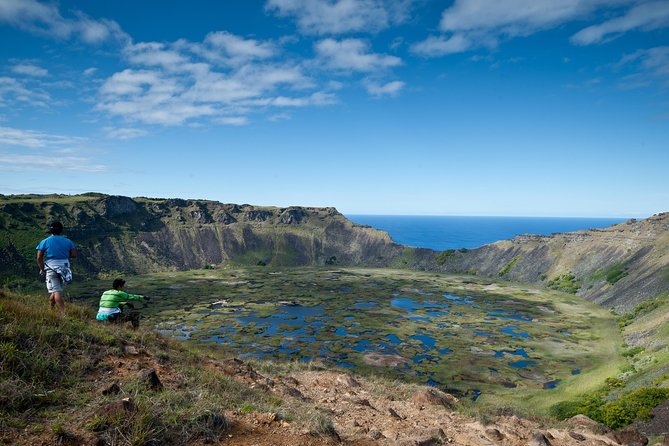
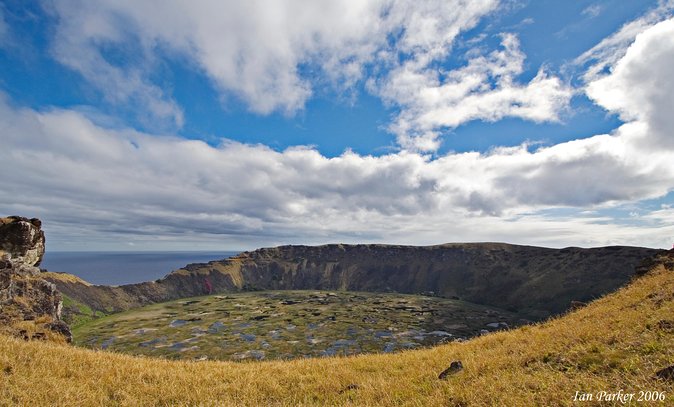
Nearby Rano Kau gives you one of the island’s most striking views. The volcanic crater contains a large lake, and the lookout also reaches toward the ocean and Motu Nui. The visit lasts about 30 minutes.
Rano Kau works well beside Orongo because the scenery and ceremony are connected. The crater and offshore islets were not just attractive views. They formed the setting for a powerful competition tied to leadership, nature, and the sea.
The final stop is Ahu Vinapu, visited for about 20 minutes. The site is known for carefully fitted stonework and building techniques that have led to comparisons with pre-Incan construction in South America.
This is a short stop, so listen closely. Ahu Vinapu is less about a long walk and more about noticing the precision of the masonry. It adds useful variety to the tour by showing architectural skill rather than another large row of standing moai.
The third day is shorter and leaves room for your own plans in Hanga Roa. It also completes the cultural story neatly, moving from ancestor figures and quarries to the later Birdman tradition.
A completely different kind of day out:
- 2-Day Private Tour Easter Island Highlights Complete Discovery
★ 5.0 · 110 reviews - Private Full-Day Easter Island Highlights North and West
★ 5.0 · 84 reviews - From Hanga Roa: Journey from Orongo to Ana Te Pahu
★ 4.3 · 75 reviews - Journey of the Ancestors: Tongariki, Rano Raraku & Anakena Beach
★ 4.5 · 70 reviews
The real price: $394 before extras
The advertised price is $294 per person, but the required Rapa Nui National Park entrance fee adds $100. That makes the practical base cost $394 per person before any additional food or drinks not specified as included.
At that price, the package can be good value if you have only a few days on the island. You receive three guided excursions, hotel pickup and drop-off, air-conditioned transport, professional guiding, lunch on the Anakena day, and round-trip transfers to and from Mataveri Airport.
The value is less clear for a long stay or for someone who prefers to explore independently. You pay for structure and transport, not privacy. The package also groups three tours together, so you give up flexibility compared with hiring a private guide or arranging individual visits.
I would compare the package cost with separate tours only if you already have reliable transport options. The route covers a lot of ground, and the airport transfers are useful if you are staying in Hanga Roa. The discount is most meaningful when you would otherwise book three excursions separately.
Language, group size, and guide quality
The tour is offered in English, but shared groups may include Spanish-speaking participants. This can affect the balance of the commentary. English-speaking participants have found the group size comfortable, while some have felt that Spanish explanations took longer and left less time for English details.
A group of up to 16 is not excessive, but it is large enough for the guide to need to manage two languages, different walking speeds, and varied interests. If you want a private pace or detailed archaeological discussion at every site, this is not the right format.
The strongest practical advice is to confirm the language arrangement before departure. You should also note that the local company operating a tour may differ from the name shown on your voucher. Gray Line Chile is the listed provider, while Aku Aku has operated some services. Confirming the local operator and pickup details can prevent confusion on the island.
Scheduling the three excursions
The calendar is the key booking issue. The Ahu Akivi and Orongo excursion operates on Monday, Wednesday, and Friday. The Anakena Beach excursion operates on Tuesday, Thursday, and Saturday.
You may choose which eligible day to take each tour, but you need to provide those dates to the operator. At checkout, select the date for the Ahu Akivi tour and use the special requirements box to give the preferred dates for the other excursions.
A three-day stay can work, but only if your arrival and departure times fit the schedule. The airport transfers help, but the supplied information does not promise that every flight connection will match a tour departure. Give yourself enough time to handle an arrival delay without losing a prepaid excursion.
This is not suitable for cruise passengers because port pickup is not available. Hotel pickup in Hanga Roa is offered, and airport transfers to and from Mataveri Airport are included.
What to pack for three active days
Bring water every day, not only on the full-day excursion. Snacks are also sensible because there are not many places to buy supplies along the route.
For Anakena, pack:
- Swimsuit
- Towel
- Sunglasses
- Sunscreen
Comfortable walking shoes will help at Rano Raraku and the other archaeological sites. An air-conditioned vehicle makes the drives easier, but you will still spend time outdoors at exposed volcanic and ceremonial sites.
The tour is described as suitable for most people, but no detailed mobility information is provided. If you have specific mobility needs, ask the operator before booking, especially because the quarry and ceremonial sites may involve uneven ground.
Who should book this Easter Island package?
I would choose this experience if you have a short stay, want the major sites arranged for you, and prefer having a guide explain the meaning behind what you see. It is particularly useful for first-time visitors who do not want to spend precious island time arranging transport.
It also suits couples, families, and small groups who value an organized route but do not need a private vehicle. The included airport and hotel transfers remove several practical chores.
I would hesitate if you dislike fixed schedules, want long periods alone at each site, or expect every guide to provide the same level of English commentary. You should also budget carefully for the extra $100 park fee and meals or drinks beyond the included lunch.
Should you book it?
Book it if you have three days on Easter Island and want a solid introduction to the moai, volcanic quarries, Birdman culture, and Anakena Beach. The route is well chosen, the full day at Rano Raraku is worthwhile, and the shared format keeps the price below what a private program would likely cost.
Before paying, confirm all three tour dates, the pickup point, the English-language arrangements, and the local operator. If those details fit your schedule, this is an efficient way to see the island’s essential sites without turning your visit into a transport puzzle.
Free cancellation is available up to 24 hours before the experience start time. Changes or cancellations made less than 24 hours ahead are not accepted for a refund.
FAQ
How much does the Super Saver Easter Island tour cost?
The price is $294 per person. The $100 Rapa Nui National Park entrance fee is not included, so plan on a total of $394 per person before other extra costs.
How long does the experience last?
The program lasts approximately three days. It includes two half-day tours and one full-day tour.
Is hotel pickup included?
Yes. Hotel pickup and drop-off in Hanga Roa are included, along with round-trip transfers to and from Mataveri Airport.
Is port pickup available?
No. Port pickup is not available, so the experience is not suitable for passengers arriving by cruise ship.
Which days does the Ahu Akivi and Orongo tour operate?
The Ahu Akivi and Orongo tour operates on Monday, Wednesday, and Friday.
Which days does the Anakena Beach tour operate?
The Anakena Beach tour operates on Tuesday, Thursday, and Saturday.
Is lunch included?
Lunch is included on the Anakena Beach full-day tour. Food and drinks are not included unless specifically stated.
How many people can join the tour?
The maximum group size is 16 people. This is a shared, not private, tour, and a minimum of two people per booking is required.
Just added in Hanga Roa
- Volcanic Refuges: Excursion to Underground Civilization★ 4.7 · 8 reviews
- Volcanic Wonders and the Kingdom of the Birdman: Half Day★ 5.0 · 6 reviews
- Half Day Private Tour: Caves and Volcanic Refuges★ 4.0 · 14 reviews
- Easter Island Ancestral Dinner and Show with Transport★ 4.5 · 2 reviews
- 2 Day Small Group Tour in Moai Monuments and Historic Pathways★ 5.0 · 22 reviews
- Visit Rapa Nui in 4 days with 3 Tours and Accommodation included★ 4.0 · 2 reviews
- Tour to the Motus: Boat trip and snorkeling in Rapa Nui★ 5.0 · 8 reviews
- The birdman journey in Easter Island★ 5.0 · 1 review
Easter Island Tours, compared.
Two days of Full Day Tour of Rapa Nui + Sunrise in Tongariki
Read our review →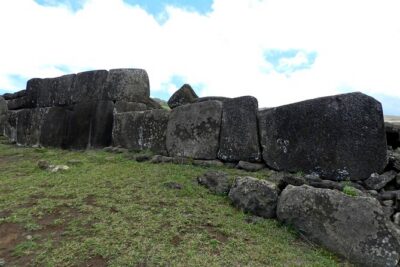
2-Day Private Tour Easter Island Highlights Complete Discovery
Read our review →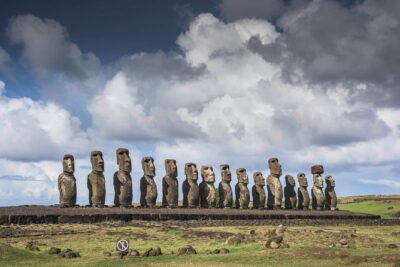
Private Tour: Full Day Easter Island Highlights
Read our review →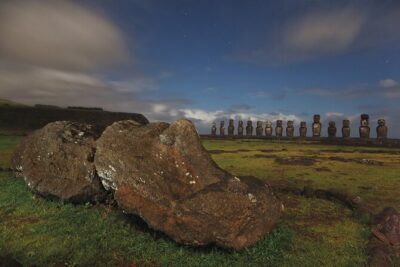
Browse the lists this tour appears in