
REVIEW · EASTER ISLAND TOURS
Sunrise Tongariki
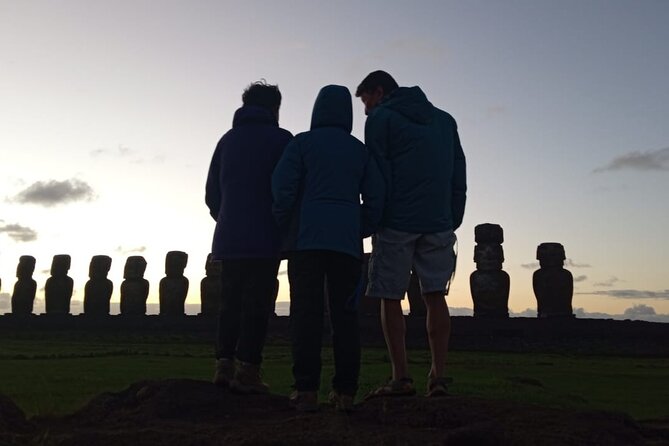
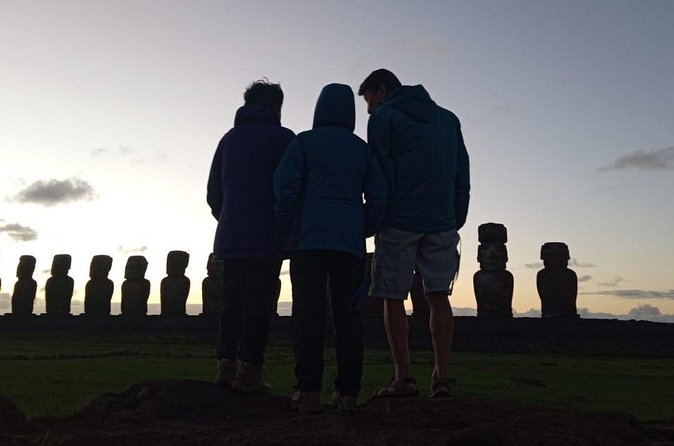
Wake before dawn for Easter Island’s great morning show. Sunrise Tongariki takes you from Hanga Roa to Ahu Tongariki, where 15 moai face inland as the sky brightens behind them. The stars, quiet, and first light make this one of the island’s most memorable outings.
I like the low $45 price and the easy hotel or hostel transport. I also like that the group is limited to 14 people, a manageable size for an early start. The main drawback is that this may be transport with a chaperone rather than a true guided tour, and some departures have lasted closer to two hours than the advertised three and a half.
In This Review
- Key points to know before booking
- Why Ahu Tongariki makes such a strong sunrise stop
- The early ride from Hanga Roa
- What happens at Ahu Tongariki
- Sunrise photographs and the weather gamble
- A $45 tour with an $80 park ticket
- The guide question: tour or transportation?
- How long should you expect to be away?
- Who will enjoy Sunrise Tongariki most?
- Booking advice and cancellation terms
- Should you book Sunrise Tongariki?
- FAQ
- What time does Sunrise Tongariki begin?
- Where does the tour go?
- Is the national park admission included?
- How much does the tour cost?
- How many people can join?
- Is this a fully guided cultural tour?
- What happens if the weather is poor?
Key points to know before booking
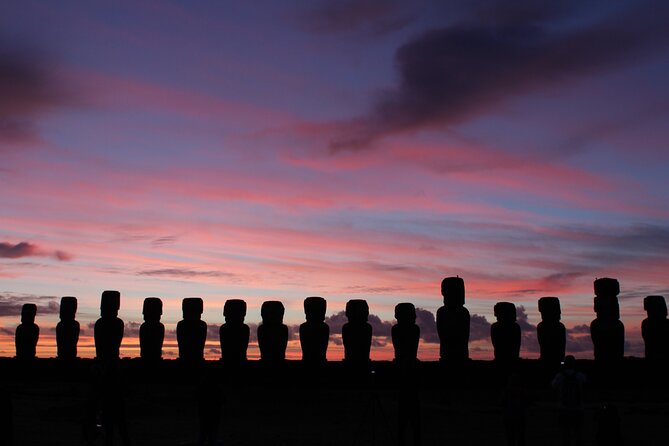
- Sunrise behind 15 moai: Ahu Tongariki is the setting, with the statues framed by the changing morning sky.
- 6:00 am start: The exact pickup process can involve several stops, so be ready early.
- Park admission costs extra: Foreign adults pay $80, while Chilean adults pay $20,000 and children through age 12 receive a 50 percent discount.
- Mostly a transport service: Some departures include little or no explanation at the site.
- Weather controls the show: Clouds or rain can hide the sun, though Tongariki can still feel peaceful and impressive.
- Small shared group: The maximum is 14 people, but a shared van may take longer to collect everyone.
Why Ahu Tongariki makes such a strong sunrise stop
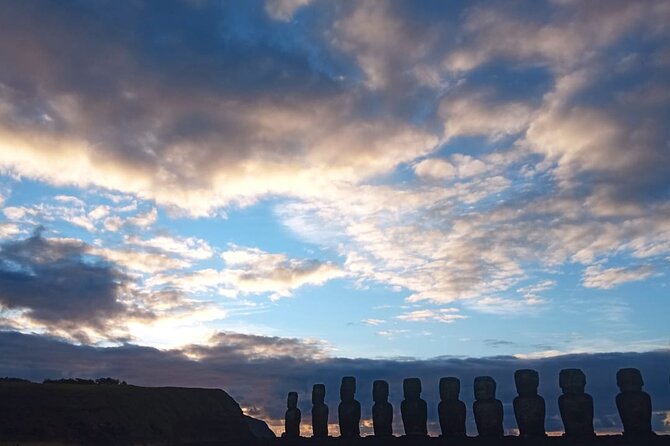
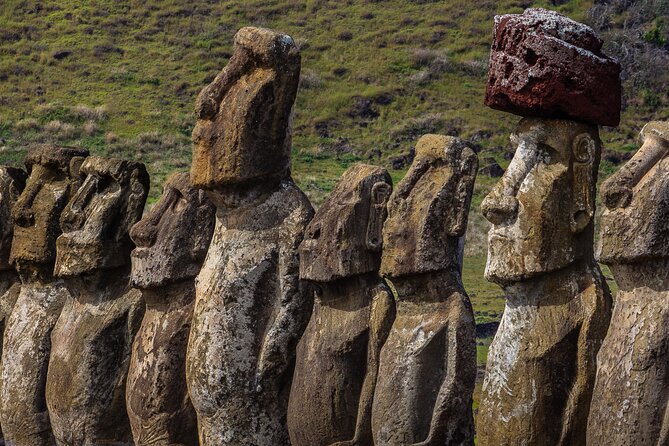
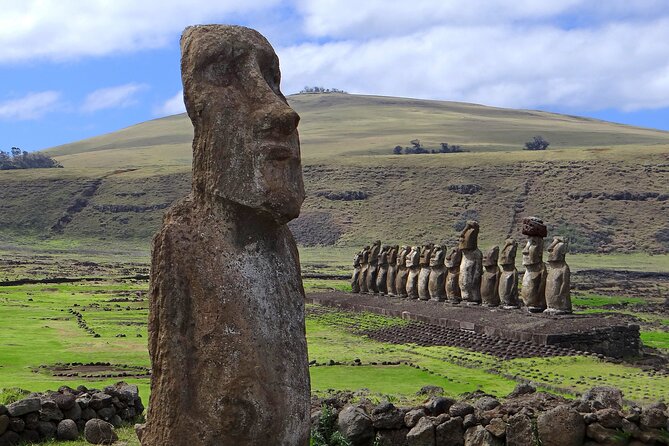
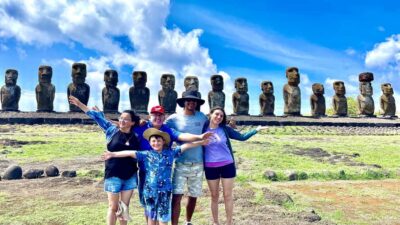
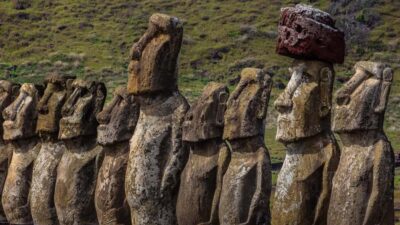
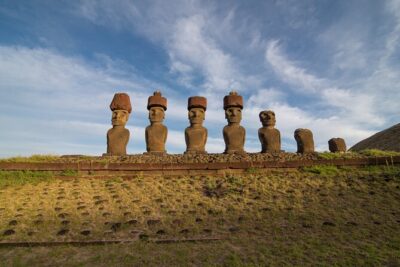
Ahu Tongariki is the largest ceremonial platform on Rapa Nui. Fifteen restored moai line the platform, creating a powerful sight even before the sun appears.
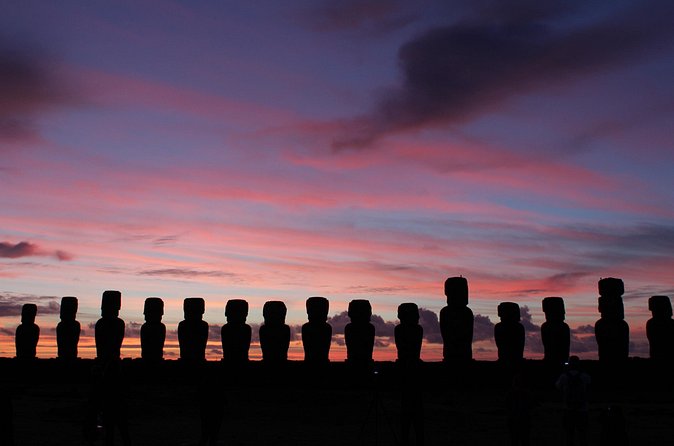
At dawn, the statues are backlit by the eastern sky. The details change minute by minute. First you see the dark outlines of the figures. Then the platform, faces, and stone bodies begin to separate from the shadows. If the sky is clear, the light gives the site a calm, almost unreal quality.
I like this visit because you do not need a complicated schedule once you arrive. Everyone gathers in the same general viewing area, so paying for a high-end private package does not necessarily give you a better position for the sunrise itself. You are mainly paying for the ride, timing, and convenience.
There is also a fine bonus before the sun comes up. On a clear morning, you may see a strong field of stars, and some departures have included views of the Milky Way. That makes the outing more than a quick photo stop. You get a quiet hour in which the site changes from night to morning.
The setting is open and exposed, so weather matters greatly. Cloud can soften the light or hide the actual sunrise. Rain can stop the main show altogether. Still, Ahu Tongariki remains worth seeing in poor conditions, though you should keep your expectations sensible.
More things to do on Easter Island:
- From Hanga Roa: Rapa Nui Culture Sightseeing Tour
★ 4.6 · 307 reviews - From Hanga Roa: Easter Island Highlights 2-Day Tour
★ 4.3 · 205 reviews - Full Day Tour in Rapa Nui
★ 4.5 · 122 reviews
The early ride from Hanga Roa
The listed start time is 6:00 am. In practice, you should be ready before then, especially if you are sharing the vehicle with other people staying in different parts of Hanga Roa.
The drive to Ahu Tongariki takes about 30 minutes according to the most consistent timing reports. The return takes roughly the same. That leaves about an hour at the site on the shorter departures, which is enough to watch the sky change and take photographs, but not enough for a leisurely archaeological visit.
Shared transport is the biggest practical variable. The van may collect several separate pairs or small groups. Pickup estimates can be conservative, so you might wait outside earlier than the stated time. That is not a serious problem if you are prepared, but it matters when every minute before sunrise counts.
I would set out your clothes, phone, camera, and park ticket the night before. You do not want to search for anything in the dark while the driver is waiting. The early hour also means that punctuality is important for everyone in the van.
The maximum group size is 14 people. That is small enough to keep the ride fairly personal, but it does not guarantee a quick departure. A private vehicle may be worth considering if reaching the site at the earliest possible moment is more important to you than saving money.
What happens at Ahu Tongariki
The central event is simple: you arrive, walk to the viewing area, and watch sunrise over the moai. There is no long sequence of stops. The itinerary lists Ahu Tongariki as the only site, with about three hours assigned to the outing, though actual time on the island has sometimes been closer to two hours.
You should expect a scenic visit rather than a full archaeological lesson. The guide or driver may open and close the van, help keep the group moving, and make sure you return to Hanga Roa. On some departures, the person accompanying the group has provided little commentary.
That point is important. If you want an explanation of the platform, the restoration of the moai, Rapa Nui beliefs, and the island’s history, this may not satisfy you by itself. You might receive useful information, but you should not book this expecting the same depth as a dedicated cultural tour.
A practical solution is to visit Tongariki during a longer full-day tour as well, or prepare a little background before you go. Then this sunrise outing does exactly what it does best: it gets you to the right place at the right hour.
The site itself provides the main spectacle. You do not need constant narration to appreciate 15 moai appearing in the dawn light. For some people, silence is part of the appeal. For others, the lack of interpretation will feel like a missed opportunity.
Sunrise photographs and the weather gamble
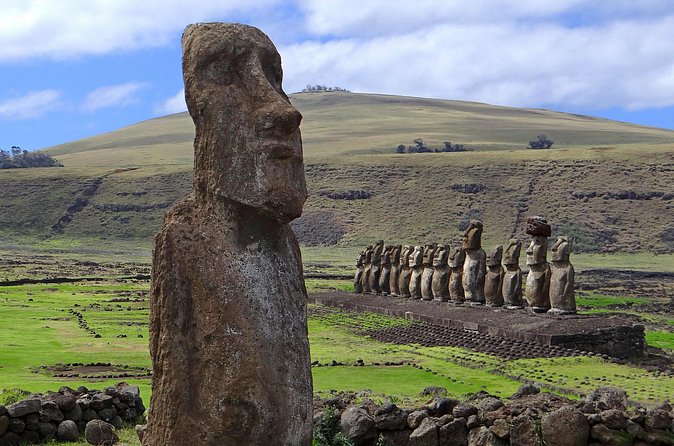
This is one of the easiest places on Rapa Nui to take striking photographs. The moai form a strong horizontal line, while the sky changes from black to blue, pink, orange, or gray. A wide view shows the entire platform. A closer frame can focus on the repeated forms of the statues.
The best conditions are never guaranteed. One departure may have a clear sunrise, while another has cloud and rain. If the sun is hidden, you could still enjoy the quiet and the moai, but the dramatic colors may not appear.
The operator requires good weather for the activity. If poor conditions force a cancellation, you are offered another date or a full refund. If you are leaving the island that same day, as some passengers do, changing dates may not help. In that case, the weather risk is real.
I would book this early in your stay if your schedule allows. That gives you a chance to accept a new date if weather stops the first departure. If this is your final morning before an afternoon flight, the tour can still fit nicely, but there is less room to recover from rain or a delayed pickup.
A completely different kind of day out:
- 2-Day Private Tour Easter Island Highlights Complete Discovery
★ 5.0 · 110 reviews - Private Full-Day Easter Island Highlights North and West
★ 5.0 · 84 reviews - From Hanga Roa: Journey from Orongo to Ana Te Pahu
★ 4.3 · 75 reviews - Journey of the Ancestors: Tongariki, Rano Raraku & Anakena Beach
★ 4.5 · 70 reviews
A $45 tour with an $80 park ticket
The $45 charge is attractive because it covers the part many people find hardest to arrange: getting to Ahu Tongariki before sunrise and returning to Hanga Roa afterward.
The national park admission is not included. Foreign adults pay $80, Chilean adults pay $20,000, and children through age 12 receive a 50 percent discount on the applicable price. You must have the park ticket before the tour starts, so do not treat the $45 price as the full cost of the morning.
The value depends on what you want from the outing. If you already have your park admission and no rental car, $45 is a fair price for early transport. You reach the site without arranging a driver yourself, and you can be back at your hotel before breakfast is over on a shorter, punctual departure.
If you want a detailed guide, the value is less clear. The price remains low, but you may need to learn the background independently or combine the visit with another tour. Paying more for a private option may improve pickup timing and personal attention, though everyone still watches the sunrise from the same general area.
I would not pay for a premium package solely to claim a better sunrise position. I would consider private transport only if you dislike multiple pickups, need strict timing, or want more control over how long you remain at the site.
The guide question: tour or transportation?
The experience is advertised as guided, but the actual level of guiding can vary. Some departures have had a punctual, respectful, communicative escort. Others have felt like a ride to the site with almost no commentary.
That difference explains why the outing can receive both strong praise and sharp criticism. If you see it as an affordable sunrise transfer, it can be excellent. If you expect a three-hour lesson led by an expert, you may be disappointed.
Communication may take place through WhatsApp, and Spanish has been used for some arrangements. You should be prepared for that possibility. Confirmation arrives when you book, and contacting you the day before is part of the better-organized departures.
I would send a clear message before the morning begins. Confirm the pickup point, ask how long you will stay at Tongariki, and check that your park admission is ready. These are small steps, but they matter when you are leaving before daylight.
The group limit of 14 helps, yet a shared service remains a shared service. You might spend more time collecting people than you would with a private vehicle. If the driver is late or drives too fast, the ride can also become stressful. One serious complaint concerned unsafe speeding, so I would speak up if the driving feels dangerous.
How long should you expect to be away?
The official duration is about three and a half hours, with three hours assigned to Ahu Tongariki. Actual timing has varied. Some departures have taken about two hours in total, including the drive, site visit, and return.
That shorter schedule can work well. A 30-minute ride each way and about an hour at Tongariki gives you the main sunrise experience without using your whole morning. You may return in time for breakfast and still have most of the day for another activity.
The risk is arriving late or leaving too quickly. A shared van with several pickup points may reach the site after the best light has started. A cloud-covered morning can make it hard to know if you arrived in time for the technical sunrise but missed the colorful period just after it.
If you want a slow visit, more photography time, or a serious archaeological discussion, this is not the right format. If you mainly want the dawn view and a simple ride, two hours may be plenty.
Who will enjoy Sunrise Tongariki most?
I recommend this for people who value the setting more than narration. Photographers, early risers, solo visitors without transport, and couples looking for one memorable morning should find the format appealing.
It also works well as a final activity before an afternoon flight, provided the weather is favorable and your return timing is confirmed. You get a major Rapa Nui sight without spending the entire day on an excursion.
You may want another option if you dislike early starts, need guaranteed commentary, or have only one morning on the island and cannot accept a weather risk. Families can participate because most people are eligible, but children may find the pre-dawn wait and quiet viewing period tiring.
The outing suits independent visitors who are happy to read about Ahu Tongariki beforehand. You see the same moai no matter how much guiding you receive, but your understanding of the site will be stronger if you bring some context with you.
Booking advice and cancellation terms
Book at least a little ahead if you want this particular morning. The experience is often reserved about 39 days before departure, which suggests that sunrise slots are not something to leave until the last minute.
You receive confirmation at booking. The tour allows free cancellation up to 24 hours before the start time for a full refund. Changes or cancellations inside that 24-hour window are not accepted, and the cutoff follows local time.
Because weather has such a strong effect on the sunrise, check the forecast without treating it as a promise. If the operator cancels for poor weather, you can choose another date or receive a full refund.
Should you book Sunrise Tongariki?
Book it if you want simple, inexpensive transport to one of Rapa Nui’s finest sunrise settings. The moai, stars, and changing light can make the early alarm completely worthwhile, and $45 is reasonable when you do not have your own transport.
Do not book it expecting a guaranteed three-and-a-half-hour guided tour. The strongest value comes from the location and the ride, not from detailed interpretation. Confirm the pickup, prepare for Spanish WhatsApp communication, bring your park ticket, and accept that clouds may replace the sunrise.
For most independent visitors, I would book this shared option and save the extra money for a separate full-day cultural tour. Choose private transport only if timing, comfort, and personal attention matter more than price.
FAQ
What time does Sunrise Tongariki begin?
The listed start time is 6:00 am. You should be ready early because shared pickups may involve several different stops.
Where does the tour go?
The tour visits Ahu Tongariki, the major moai platform on Rapa Nui. It is the only listed stop.
Is the national park admission included?
No. You must have the park admission before the tour begins. Foreign adults pay $80, Chilean adults pay $20,000, and children through age 12 receive a 50 percent discount.
How much does the tour cost?
The transport experience costs $45 per person. The national park ticket is an additional expense.
How many people can join?
The activity has a maximum capacity of 14 people.
Is this a fully guided cultural tour?
Not always. The service may function mainly as transportation to Ahu Tongariki and back, with limited or no explanation at the site.
What happens if the weather is poor?
The experience requires good weather. If the operator cancels because of poor conditions, you are offered a different date or a full refund.
Just added in Hanga Roa
- Volcanic Refuges: Excursion to Underground Civilization★ 4.7 · 8 reviews
- Volcanic Wonders and the Kingdom of the Birdman: Half Day★ 5.0 · 6 reviews
- Easter Island Ancestral Dinner and Show with Transport★ 4.5 · 2 reviews
- Half Day Private Tour: Caves and Volcanic Refuges★ 4.0 · 14 reviews
- 2 Day Small Group Tour in Moai Monuments and Historic Pathways★ 5.0 · 22 reviews
- Visit Rapa Nui in 4 days with 3 Tours and Accommodation included★ 4.0 · 2 reviews
- Tour to the Motus: Boat trip and snorkeling in Rapa Nui★ 5.0 · 8 reviews
- The birdman journey in Easter Island★ 5.0 · 1 review
Easter Island Tours, compared.
Two days of Full Day Tour of Rapa Nui + Sunrise in Tongariki
Read our review →
2-Day Private Tour Easter Island Highlights Complete Discovery
Read our review →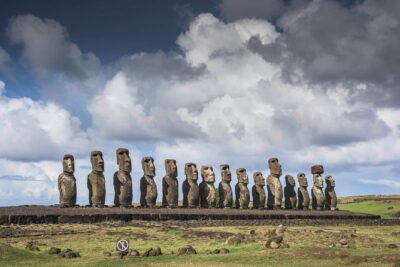
Private Tour: Full Day Easter Island Highlights
Read our review →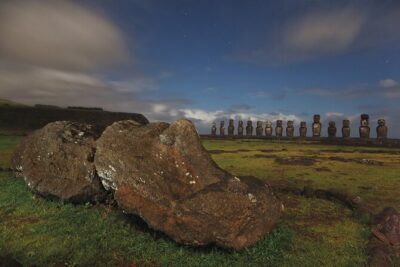
Browse the lists this tour appears in