
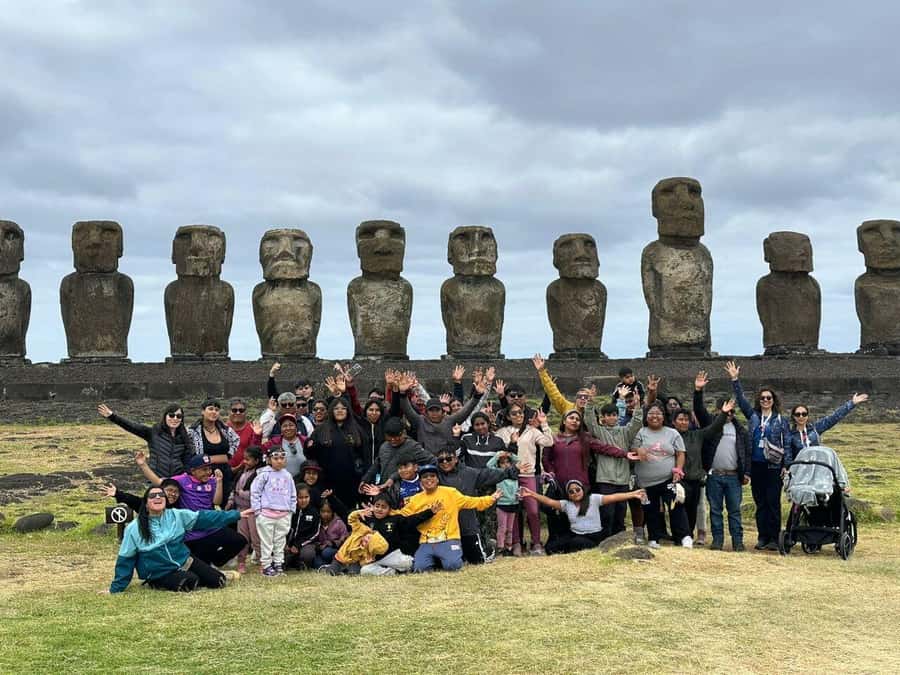
REVIEW · EASTER ISLAND TOURS
Rapa Nui Dreams: Experiencie Pack 3 Days
The moai are only the beginning. This three-day Rapa Nui package combines the island’s major archaeological sites with a sunrise at Ahu Tongariki, local food, dance, and time with certified guides. I like the small group of up to 15 and the way transport, guiding, and cultural activities are bundled together. I also like the chance to see both famous sites and less familiar caves.
The main caution is timing. Pickup can take about an hour, and one visit to Anakena felt too short for some people. The package is listed at $375 per person, but you must add the Rapa Nui National Park entrance fee, roughly 80,000 Chilean pesos, and pay for lunches separately.
In This Review
- Key points at a glance
- A three-day plan that covers most of Rapa Nui
- Day one: moai, quarry stone, and the coast
- Vaihu and Akahanga
- Rano Raraku, the moai quarry
- Ahu Tongariki and Te Pito Kura
- Ahu Nau Nau and Anakena
- Day two: crater views, Orongo, and the cave route
- Rano Kau and Orongo
- Vinapu and Ahu Akivi
- Ana Vai Teka, Ana Tapa Iri, Ana Ohoka, and Ana Te Pahu
- The Tongariki sunrise starts before dawn
- Curanto, prayers, dance, and local food
- Is $375 a good value?
- Guides and communication make a major difference
- Who should choose this package?
- Practical tips before you go
- Should you book Rapa Nui Dreams?
- FAQ
- How long does the Rapa Nui Dreams experience last?
- What is included in the $375 price?
- Is the Rapa Nui National Park entrance fee included?
- Are lunches included?
- Are drinks included with the dinner?
- What languages are available?
- Where is pickup available?
- Is the tour suitable for someone with limited mobility?
- Can I cancel the booking?
Key points at a glance
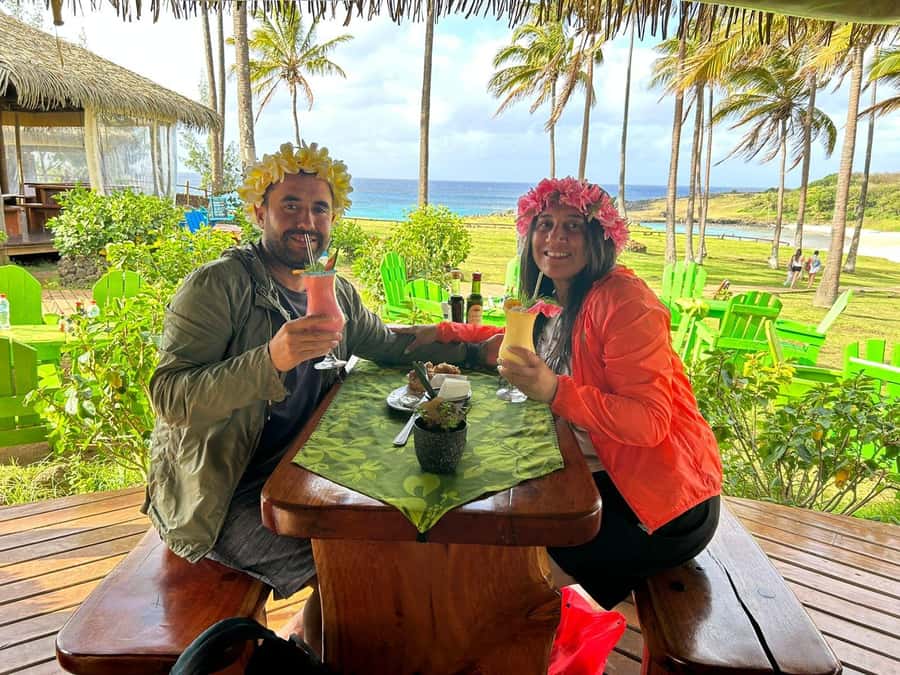
- Ahu Tongariki at sunrise: Watch the sun rise behind 15 moai, with the route dependent on weather.
- Two full sightseeing days: Visit major sites such as Rano Raraku, Anakena, Orongo, and Ahu Akivi.
- A real cultural evening: The ancestral curanto includes local cooking, prayers, Rapa Nui dance, and a buffet dinner.
- Small groups: The maximum group size is 15, a useful limit on narrow trails and busy viewing areas.
- Central Hanga Roa pickup: Activity transport is included only for accommodations in the central sector.
- Good language coverage: Tours are offered in English and Spanish, with certified local guides.
A three-day plan that covers most of Rapa Nui
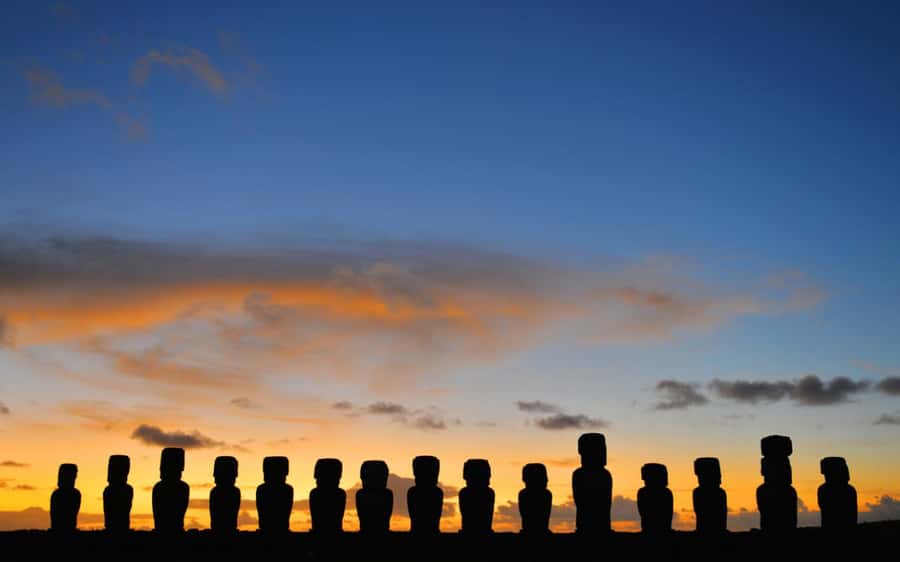
Rapa Nui Dreams is built for you if you want to see a great deal of Easter Island without arranging each transfer, guide, and cultural activity yourself. The program packs two full touring days and an early sunrise outing into three days.
That schedule is efficient, but not lazy. Rapa Nui is not a place where you simply tick off monuments from a bus window. Many stops involve walking on uneven ground, following trail limits, and listening carefully to local explanations. Bring comfortable clothes, sunscreen, a camera, and rain gear. The island has a rainy subtropical climate, so a bright morning can change its mind.
Transport is included for the activities, with pickup from accommodations in central Hanga Roa. The operator sends the exact pickup time by WhatsApp, and you should wait at the entrance 10 minutes early. Allow extra patience at the beginning of the day, since collecting everyone can take close to an hour.
More things to do on Easter Island:
- From Hanga Roa: Rapa Nui Culture Sightseeing Tour
★ 4.6 · 307 reviews - From Hanga Roa: Easter Island Highlights 2-Day Tour
★ 4.3 · 205 reviews - Full Day Tour in Rapa Nui
★ 4.5 · 122 reviews
Day one: moai, quarry stone, and the coast
The first full-day route is the heart of the package. It visits Vaihu, Akahanga, Rano Raraku, Ahu Tongariki, Te Pito Kura, Ahu Nau Nau, and Anakena.
Vaihu and Akahanga
Vaihu gives you an early look at the island’s ceremonial platforms and fallen moai. It is a useful introduction because the monuments are not presented as isolated statues. Their setting, position, and connection to the coast help you understand how much work went into creating and placing them.
Akahanga offers another view of fallen moai and unfinished ceremonial spaces. These sites can feel less polished than Tongariki, but that is part of their value. You see the remains as archaeological places rather than a row of restored postcard images.
Your guide matters here. The strongest part of this tour, based on the available feedback, is the guiding. Esteban was singled out for fluent English and for making the moai understandable beyond their familiar stone faces. That kind of explanation is especially useful at the quieter stops, where a guide helps you notice what you might otherwise walk past.
Rano Raraku, the moai quarry
Rano Raraku is one of the most important stops on Rapa Nui. This volcanic crater served as the main quarry for the moai, and the visit helps explain how the statues were carved from the rock.
The site is not just a photo stop. You can see moai in different stages of completion, which gives the place a rare sense of work interrupted. The scale of the task becomes easier to grasp when you see figures still connected to the stone or resting along the slopes.
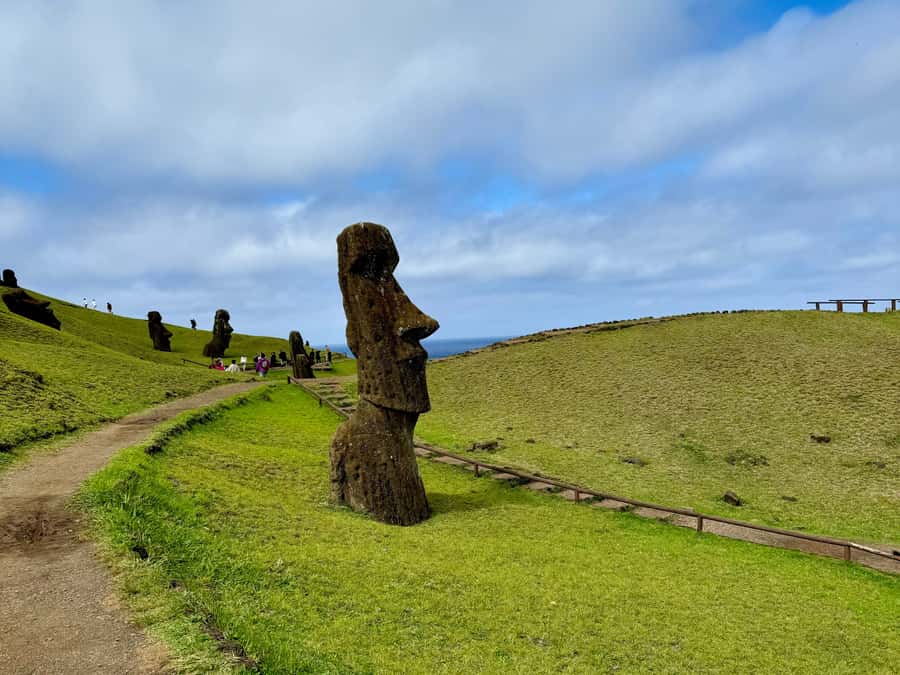
Expect uneven trails and some walking. The tour information specifically asks you to respect trail limits, and that matters here. Do not climb on monuments, step into restricted areas, or treat the quarry as a sculpture park. The setting is powerful partly because it has not been reduced to a single viewing platform.
A completely different kind of day out:
- 2-Day Private Tour Easter Island Highlights Complete Discovery
★ 5.0 · 110 reviews - Private Full-Day Easter Island Highlights North and West
★ 5.0 · 84 reviews - From Hanga Roa: Journey from Orongo to Ana Te Pahu
★ 4.3 · 75 reviews - Journey of the Ancestors: Tongariki, Rano Raraku & Anakena Beach
★ 4.5 · 70 reviews
Ahu Tongariki and Te Pito Kura
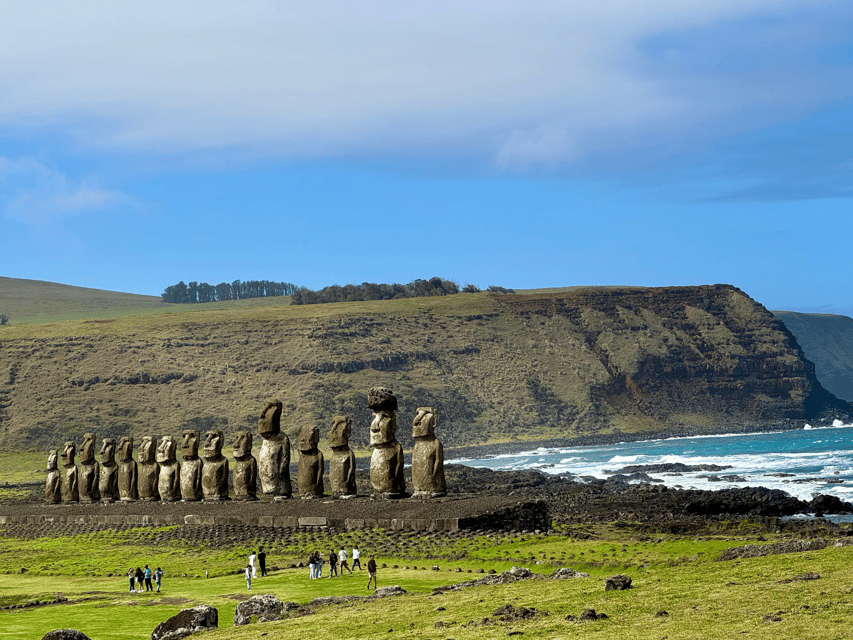
Ahu Tongariki is the most famous platform on the island, with 15 restored moai facing inland. You visit it during this full-day route, then return before dawn on the separate sunrise outing.
Seeing Tongariki in daylight gives you time to study the platform and the arrangement of the figures. The sunrise visit offers a different mood, but it is worth having both perspectives. At Te Pito Kura, you encounter another important ceremonial site and one of the island’s notable moai locations.
The exact order and time at each stop can change with operations and conditions. If you like lingering with one monument for a long time, a packaged route may feel brisk. If you want a broad first look at Rapa Nui, the number of sites covered is a major strength.
Ahu Nau Nau and Anakena
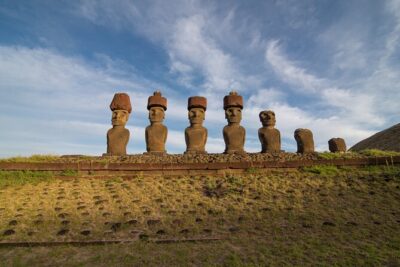
Ahu Nau Nau sits near Anakena, the island’s well-known sandy beach. The combination is appealing because it brings together ceremonial stonework and a coastal setting in one stop.
Anakena is also where the schedule may feel tight. One five-star assessment specifically wished for another 30 minutes there to see both the platform and the beach. That is useful advice: decide ahead of time whether your priority is the moai, the shore, photographs, or simply a short pause.
Do not expect a long beach break. This is an archaeological sightseeing day, not a resort outing. You will get a taste of Anakena and its setting, but the route has many other stops to fit in.
Day two: crater views, Orongo, and the cave route
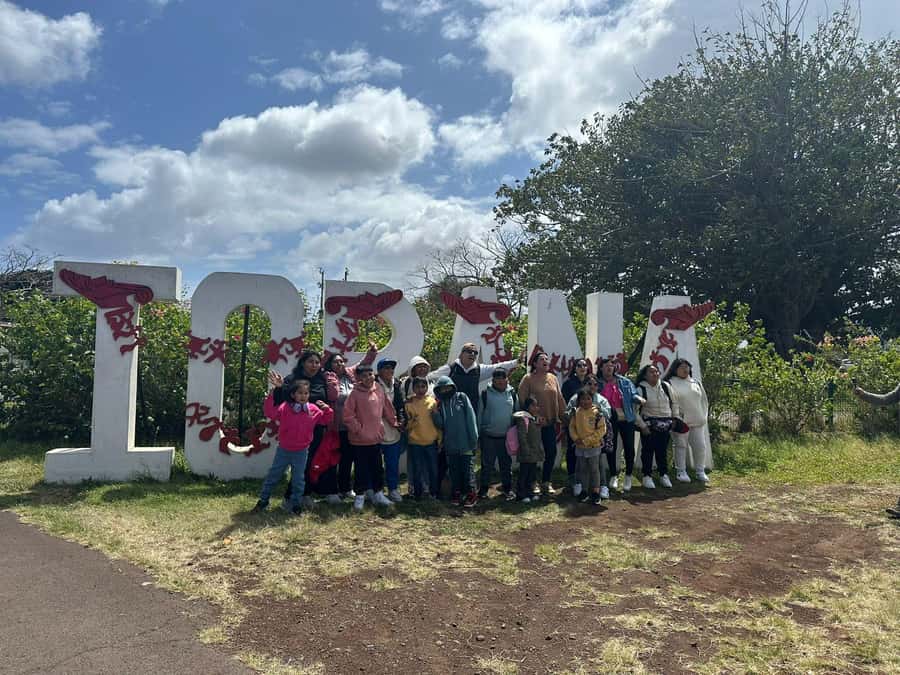
The second full day visits Rano Kau, Orongo, Vinapu, Ahu Akivi, Ana Vai Teka, Ana Tapa Iri, Ana Ohoka, and Ana Te Pahu.
Rano Kau and Orongo
Rano Kau is a volcanic crater with broad views over the island and the Pacific. Its shape and scale provide one of the clearest changes of scene from the coastal platforms.
Nearby Orongo is tied to the island’s birdman ceremony and its ceremonial village. This is one of the places where a good guide can add real value. The stones and cliffs are striking, but the cultural explanation gives them meaning.
You should bring rain gear even if the morning begins clear. Rapa Nui weather can shift, and exposed viewpoints offer little shelter. The package is not aimed at people with mobility impairments, so you should be comfortable walking on uneven trails.
Vinapu and Ahu Akivi
Vinapu is known for its carefully fitted stonework. It offers a different look from the more familiar moai platforms, with attention to masonry and construction rather than sheer statue size.
Ahu Akivi is notable for its inland location and its seven moai. The stop helps break the idea that every ceremonial platform on Rapa Nui sits directly beside the sea. It also gives you another chance to compare different monument layouts and settings.
This variety is one of the better reasons to choose the three-day plan. You are not seeing Tongariki repeated in several forms. You are moving between quarries, platforms, crater country, caves, and the coast.
Ana Vai Teka, Ana Tapa Iri, Ana Ohoka, and Ana Te Pahu
The cave stops are a key part of the second day, at least on paper and when conditions allow. Ana Vai Teka, Ana Tapa Iri, Ana Ohoka, and Ana Te Pahu add a more physical side to the island experience.
Caves change the pace. Instead of looking across a large open site, you pay attention to rock formations, narrow passages, footing, and the way people used these spaces. You should wear comfortable clothing and follow the guide’s directions closely.
There is an important practical warning here. One problematic visit missed all of the advertised caves, even though the operator later offered an additional snorkeling trip. That replacement was appreciated, but it was not the same experience. Before departure, confirm that the cave route is operating and ask how weather or trail conditions could affect it.
The Tongariki sunrise starts before dawn
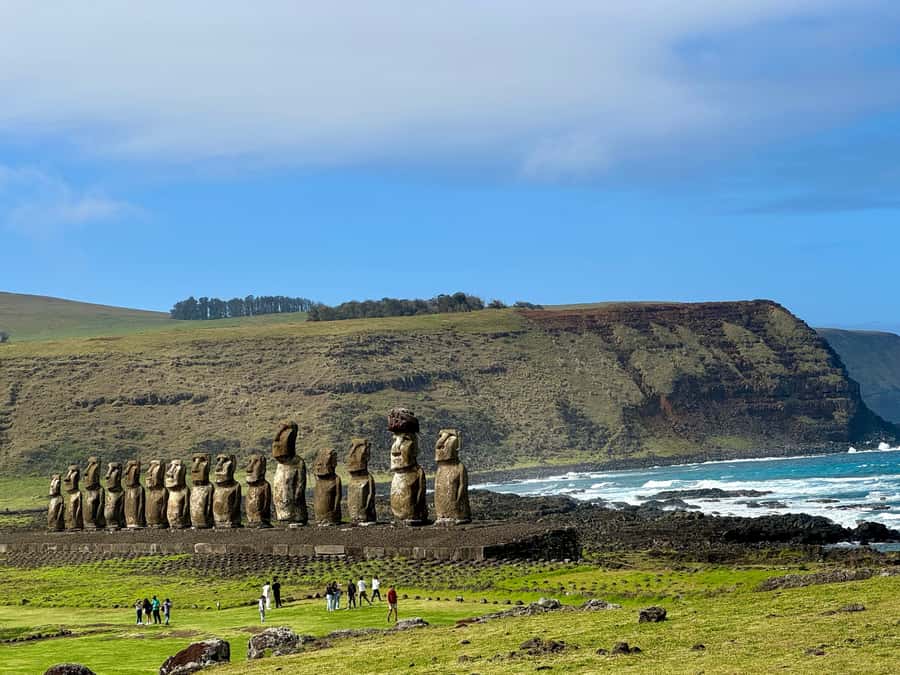
The sunrise route to Ahu Tongariki is the emotional centerpiece of the package. You arrive at dawn to watch the sun rise behind the 15 moai, a scene that combines the island’s spiritual atmosphere with its most recognizable monument.
Weather controls the result. The route is subject to conditions, so clouds or rain may change the view. Even without a perfect sunrise, the early visit lets you see Tongariki in a quieter light than during the daytime route.
The third day can finish around 9 a.m., leaving you much of the rest of the day free. That is a useful design choice. You can rest, explore Hanga Roa independently, or use the time for another activity. One visitor had a dinner and dance program canceled during the Tapati Festival, and the operator quickly substituted another activity. That shows useful flexibility, but you should still confirm the final schedule through WhatsApp.
Bring a light rain layer and warm clothing for the early start, along with your camera. Do not assume the tropical location means every hour will be warm and dry.
Curanto, prayers, dance, and local food
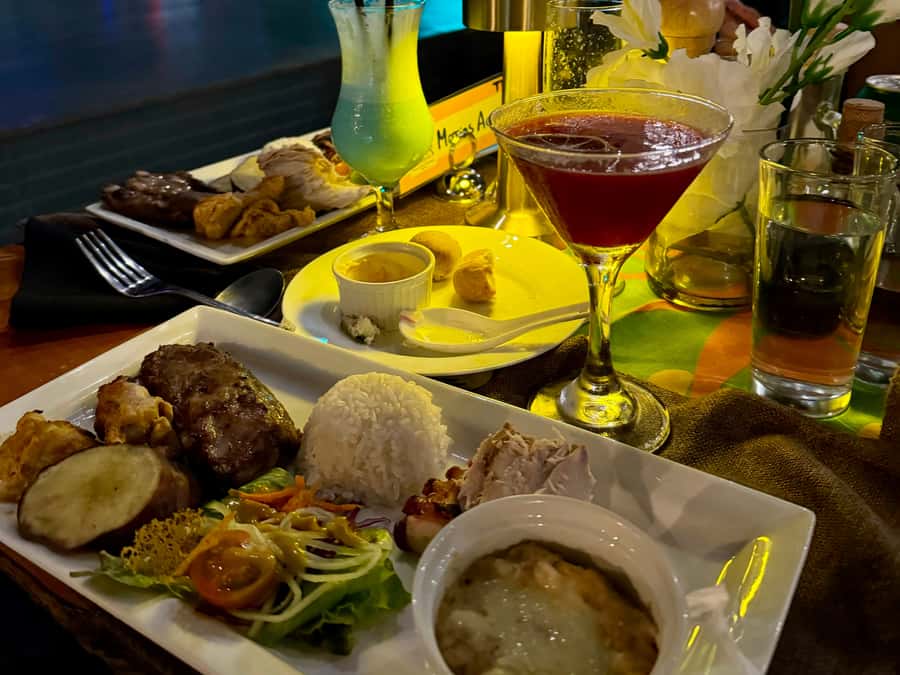
The ancestral curanto is the cultural part of the package. You watch the preparation of local products in a traditional cooking ceremony, then take part in prayers, Rapa Nui dance, and a buffet-style dinner.
This is more valuable than adding another monument to an already full schedule. It gives you a chance to connect the archaeological sites with living community traditions. The food is part of the lesson, not just a meal placed between excursions.
The buffet includes a full meal with choices such as chicken and ribs. Drinks are not included, so plan to pay separately for them. Lunches are also not included, which matters when you calculate the real cost of the package.
The program may be affected by island events such as the Tapati Festival. That festival period can change evening programming, as happened when the planned dinner and show was canceled and another activity was offered instead. The operator’s response was praised for being quick and helpful, but cultural schedules on Rapa Nui can shift.
Is $375 a good value?
At $375 per person, the package is not the cheapest way to see Easter Island. You also need to budget for the Rapa Nui National Park entrance fee, approximately 80,000 Chilean pesos, plus lunches and drinks.
Still, the price includes a lot: two full sightseeing days, the Tongariki sunrise, activity transportation, a certified local guide, the curanto ceremony, dance, prayers, and dinner. You are paying for coordination as much as for admission to individual places.
I see the value most clearly if you have only three days and want the major sites organized for you. Hiring transport and arranging guides separately can take time on an island where schedules and weather may change. The small group size also makes the price easier to justify than a large coach outing.
The value is weaker if you prefer slow visits, long beach time, or independent planning. Anakena may feel rushed, and the pickup process can take up to an hour while the vehicle collects the group. You should also treat the published route as a plan that can change, not a promise that every stop will receive equal time.
Guides and communication make a major difference
The best feedback centers on organization, transport, and guides. Esteban received particular praise for his fluent English and clear explanations. Several assessments also describe the guides as prompt, friendly, entertaining, and well prepared.
That praise comes with an important counterpoint. On one first day, transport arrived two hours late without an explanation, and a last-minute guide did not speak English. The guide, Eduardo, tried his best, but the language gap reduced the value of the sightseeing.
This is why I would confirm your language, pickup time, and guide arrangements before each outing. The company uses WhatsApp for updates and offers 24-hour contact with a travel agent. That support is useful, especially when you are dealing with early starts, changing weather, or a replacement activity.
Who should choose this package?

I would choose Rapa Nui Dreams if you want:
- The major moai sites covered in a short stay
- English or Spanish guiding
- Transport arranged for you
- A small group rather than a large tour
- A cultural meal and performance included
- A sunrise visit followed by free time later that day
I would think twice if you:
- Need easy, level walking
- Want long, unhurried stops
- Care most about a full beach day
- Prefer to arrange a cheaper two-day tour and choose your own cultural show
- Are uncomfortable with possible schedule changes
The program is not suitable for people with mobility impairments or altitude sickness. Rapa Nui is not a high-altitude destination in the usual sense, but that restriction is part of the operator’s stated conditions, so take it seriously.
Practical tips before you go
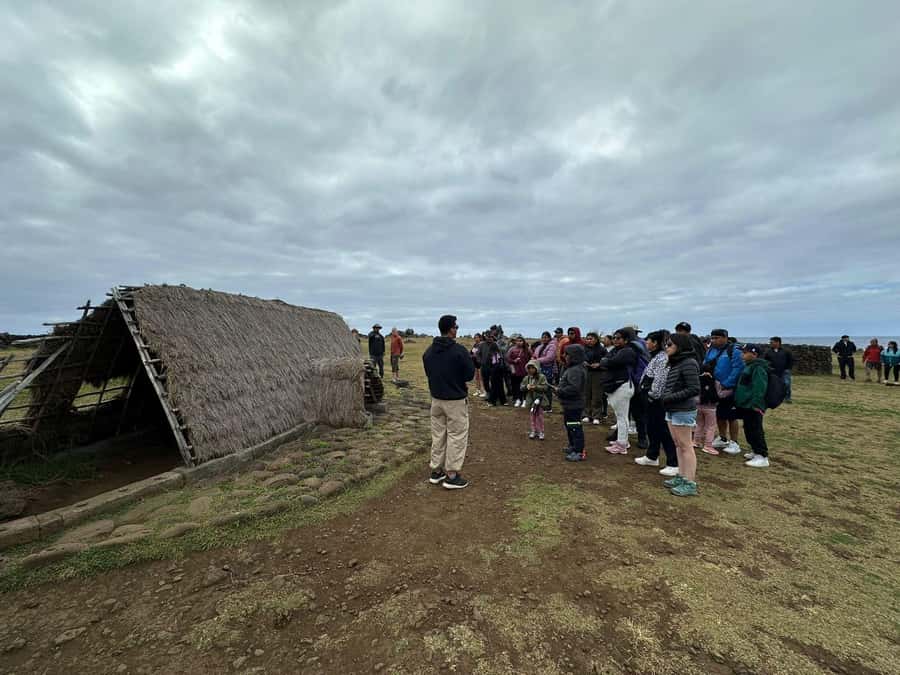
Give the operator a valid WhatsApp number or email address. Pickup times are sent directly, and the collection process may take about an hour.
Wait at your accommodation entrance 10 minutes before pickup. If your lodging is outside central Hanga Roa, confirm transport before booking, since included activity transfers apply only to the central sector.
Carry sunscreen, rain gear, comfortable clothes, and a camera. Do not feed animals or leave litter, and respect cultural sites, marked trails, and local limits.
The park entrance fee is not included. Lunch is not included either, so the advertised price is not your full trip budget.
Should you book Rapa Nui Dreams?
Book it if your aim is to see most of Rapa Nui’s major sites in three days with transport, guides, a sunrise, and a local cultural evening already arranged. The program offers strong value for a short stay, especially when a good guide such as Esteban is leading the group.
Before paying, confirm the pickup area, language, cave route, and cultural dinner schedule. If the company can give you clear answers, this is a sensible choice for an active first visit. If you want a slower, cheaper trip, a two-day sightseeing option plus your own cultural show may suit you better.
FAQ
How long does the Rapa Nui Dreams experience last?
The package lasts three days. The Tongariki sunrise outing may finish around 9 a.m. on the third day, leaving free time afterward.
What is included in the $375 price?
The price includes the two full-day sightseeing routes, the Tongariki sunrise route, the ancestral curanto, buffet dinner, Rapa Nui dance, ancestral prayers, activity transportation from central Hanga Roa accommodations, and a certified local guide.
Is the Rapa Nui National Park entrance fee included?
No. The entrance fee is separate and costs approximately 80,000 Chilean pesos.
Are lunches included?
No. Lunch is not included in the package.
Are drinks included with the dinner?
No. The buffet dinner includes food, such as chicken and ribs, but drinks are separate.
What languages are available?
The live tour guide service is available in English and Spanish.
Where is pickup available?
Transportation for activities is included for accommodations in the central sector of Hanga Roa. You should confirm the pickup details with the operator.
Is the tour suitable for someone with limited mobility?
No. The experience is listed as unsuitable for people with mobility impairments. The routes include uneven trails and cave visits.
Can I cancel the booking?
Yes. You can cancel up to 24 hours in advance for a full refund. You can also reserve now and pay later.
Just added in Hanga Roa
- Volcanic Refuges: Excursion to Underground Civilization★ 4.7 · 8 reviews
- Volcanic Wonders and the Kingdom of the Birdman: Half Day★ 5.0 · 6 reviews
- Half Day Private Tour: Caves and Volcanic Refuges★ 4.0 · 14 reviews
- Easter Island Ancestral Dinner and Show with Transport★ 4.5 · 2 reviews
- 2 Day Small Group Tour in Moai Monuments and Historic Pathways★ 5.0 · 22 reviews
- Visit Rapa Nui in 4 days with 3 Tours and Accommodation included★ 4.0 · 2 reviews
- Tour to the Motus: Boat trip and snorkeling in Rapa Nui★ 5.0 · 8 reviews
- The birdman journey in Easter Island★ 5.0 · 1 review
Easter Island Tours, compared.
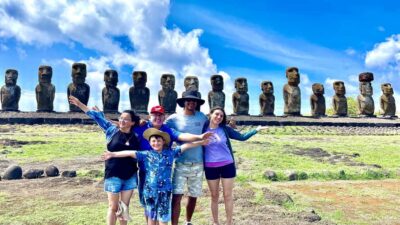
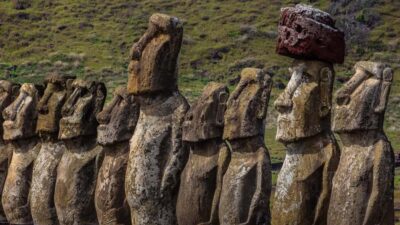
Two days of Full Day Tour of Rapa Nui + Sunrise in Tongariki
Read our review →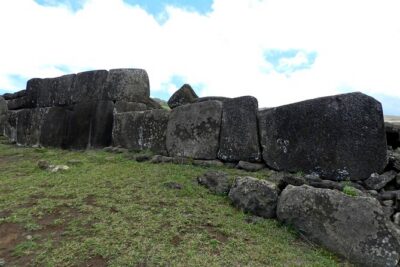
2-Day Private Tour Easter Island Highlights Complete Discovery
Read our review →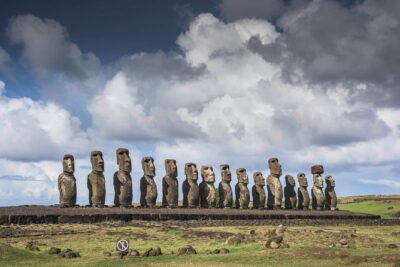
Private Tour: Full Day Easter Island Highlights
Read our review →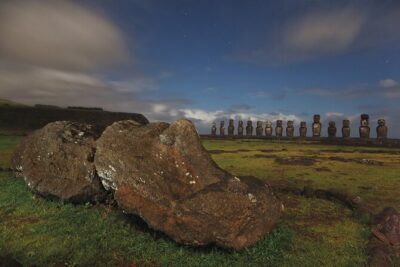
Browse the lists this tour appears in