
REVIEW · EASTER ISLAND TOURS
Hanga Roa: Full Day Moai and Mistery
Rapa Nui keeps its biggest secrets in stone. This seven-hour outing brings you to the island’s major Moai sites, from the fallen statues at Akahanga to the fifteen figures at Tongariki, with a local guide explaining what you are seeing. I especially like the wide range of stops and the chance to hear the island’s story from a Rapa Nui guide. The final hour at Anakena Beach adds warm sand and sea to a day otherwise shaped by archaeology.
I also like that the tour includes transportation, a driver, and a live guide in English or Spanish. That makes a big difference on an island where the important sites are spread out. The main caution is time: with six major stops packed into seven hours, some visits may feel brief. One low-rated account specifically said too much time was spent at less interesting places and too little at Tongariki, so the guide’s pacing can matter a lot.
The tour costs $100 per person, not including the National Park ticket. That is a fair price if you want one organized day covering the southern and eastern parts of Rapa Nui, but less appealing if you prefer long, quiet visits at each site.
In This Review
- Key points at a glance
- What this seven-hour Rapa Nui tour is really trying to do
- Vaihu: a first look at fallen Moai
- Akahanga: stone remains and the island’s troubled past
- Rano Raraku: where the Moai began
- Tongariki: fifteen Moai and the Pacific beyond
- Pito Kura: a smaller stop with ceremonial meaning
- Anakena Beach: ending with sand, palms, and sea
- Guide quality can shape the entire day
- Is $100 a fair price?
- Who should book this Rapa Nui outing?
- Should you book the Full Day Moai and Mystery tour?
- FAQ
- How long does the tour last?
- Where does pickup take place?
- Which sites are included?
- Is the National Park ticket included?
- What is included in the $100 price?
- Which languages are available?
- Is the experience wheelchair accessible?
- Can I reserve now and pay later?
- Can I cancel for a full refund?
Key points at a glance
- Six major Rapa Nui stops: Visit Vaihu, Akahanga, Rano Raraku, Tongariki, Pito Kura, and Anakena Beach in one day.
- Rano Raraku is the centerpiece: See unfinished Moai still attached to the volcanic rock where they were made.
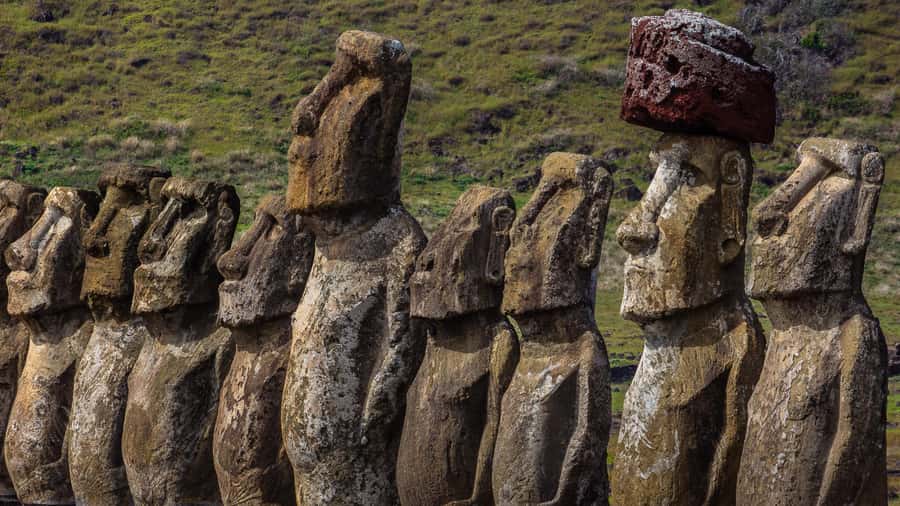
- Tongariki delivers the big visual moment: Fifteen restored Moai face inland with the Pacific behind them.
- Local guiding adds meaning: Guides speak English or Spanish, and one praised guide, Ene, was described as an archaeologist.
- Anakena changes the mood: The tour ends with turquoise water, golden sand, and coconut palms.
- Budget for the park ticket: Transportation, driver, and local guide are included, but entry to the National Park is separate.
What this seven-hour Rapa Nui tour is really trying to do
This is not a slow archaeological walk. It is a broad introduction to Easter Island, designed to show you the main pieces in one full day. You move between ceremonial sites, statue quarries, restored platforms, and a beach tied to Rapa Nui tradition.
That broad coverage is the chief reason to choose it. If you have limited time in Hanga Roa, you can see the island’s most important Moai locations without arranging separate transport for every stop. The tour also gives each place a role in the larger story: Vaihu and Akahanga show fallen statues, Rano Raraku reveals how the figures were made, Tongariki shows a major restored platform, and Anakena offers a more relaxed ending.
The tradeoff is built into the schedule. Seven hours sounds generous, but six stops, driving, explanations, and photo breaks add up quickly. You should expect a full day with regular movement, not an unhurried day spent sitting beside one platform.
Pickup is available from Hanga Roa, and transportation is included. The exact group size and vehicle details are not provided, so you should ask the operator if that matters to you. The experience is listed as wheelchair accessible, which is useful information for planning, though the practical ease of each archaeological site can vary.
More things to do on Easter Island:
- From Hanga Roa: Rapa Nui Culture Sightseeing Tour
★ 4.6 · 307 reviews - From Hanga Roa: Easter Island Highlights 2-Day Tour
★ 4.3 · 205 reviews - Full Day Tour in Rapa Nui
★ 4.5 · 122 reviews
Vaihu: a first look at fallen Moai
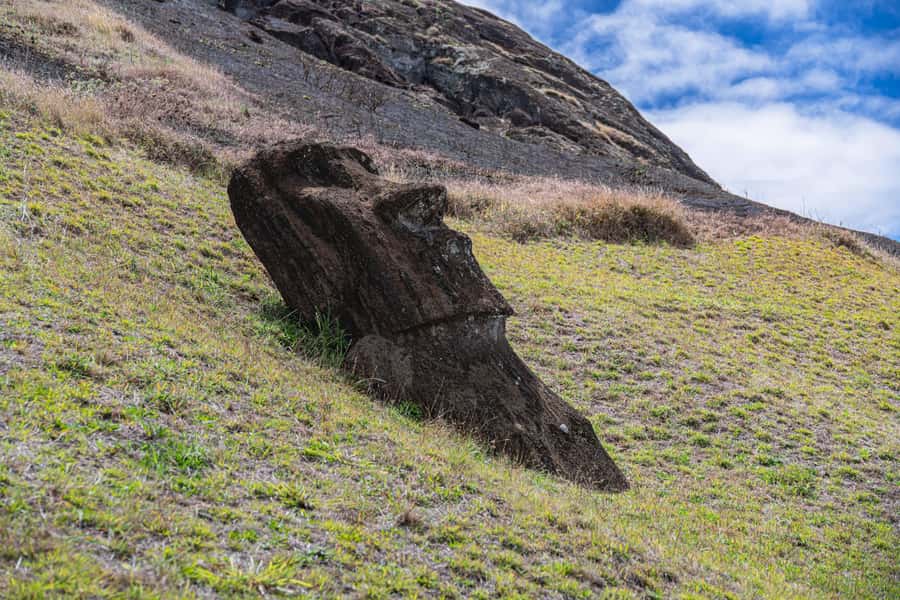
Vaihu introduces you to the island’s statues in a quiet, powerful way. The Moai here are not presented as a perfect row on a restored platform. Instead, the site evokes the disorder of a changed and difficult past, with ancient stone figures connected to the ceremonial places of the Rapa Nui people.
Your guide is expected to explain how the statues were made and why they mattered. That context helps because a Moai is more than a large carved figure. Its placement, platform, and connection to the community are part of the story.
Vaihu works well near the beginning of the day because it gives you time to adjust your eye. At first, you may simply see enormous stone faces. After a few stops, you begin to notice the different stages of carving, the topknots, the platforms, and the way each site relates to the surrounding land.
Do not expect a long independent walk here based on the information available. The tour moves through several locations, so listen closely when the guide explains the site. A good guide can turn a short visit into a useful foundation for the rest of the day.
Akahanga: stone remains and the island’s troubled past
Akahanga adds another view of Moai culture. Fallen statues and scattered topknots give the site a more unfinished, unsettled appearance than the grand restored platforms. The remains help you picture how much changed over time, even if the exact meaning of every collapse is not simple.
This is where a clear guide matters. The tour promises explanations of the craftsmanship and cultural role of the figures, not just a quick stop for photographs. I would pay attention to the details about the red topknots, which were placed on some Moai after the main body had been carved and moved.
Akahanga may not deliver the instant visual drama of Tongariki. That does not make it expendable. It gives you a useful contrast between a ceremonial complex in ruins and one later restored for visitors to understand.
If you enjoy archaeology, you may find this stop especially worthwhile. If your priority is scenery and iconic photographs, you may wish the schedule gave more time at the largest platforms. That is one reason to check the day’s pacing early and make your interests clear to the guide.
Rano Raraku: where the Moai began
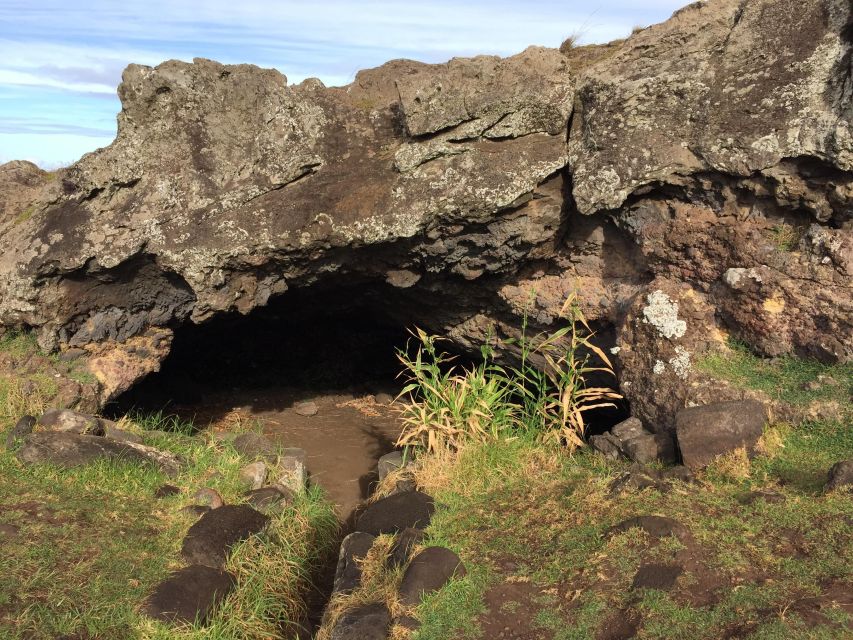
Rano Raraku is the most important stop for understanding the island’s statues. This volcanic quarry is where the Moai were carved, and you can see figures in different stages of completion. Some remain partly embedded in the rock, while others appear to look out over the surrounding area.
Here, the unfinished statues make the carving process visible. A completed Moai can seem almost magical when seen on a platform. At Rano Raraku, you are reminded that each one began as a rough shape cut from volcanic stone, requiring skill, labor, planning, and a strong cultural reason to continue the work.
The crater setting adds drama without needing much decoration. The stone figures and volcanic form create a place that feels different from the coastal platforms. Your guide can connect the quarry to the wider system of moving, raising, and placing Moai, while also explaining the spiritual beliefs tied to them.
This is the stop where I would want enough time for both the main explanation and a careful look around. The tour description gives it a central role, and rightly so. Still, the total schedule is tight. Ask how long you have here, and keep your focus on the quarry itself rather than trying to photograph every statue.
One guide named Ene received especially strong praise for being an archaeologist and for explaining the Moai in great detail. You cannot assume every departure will have the same guide, but that comment shows the difference a specialist can make at Rano Raraku.
A completely different kind of day out:
- 2-Day Private Tour Easter Island Highlights Complete Discovery
★ 5.0 · 110 reviews - Private Full-Day Easter Island Highlights North and West
★ 5.0 · 84 reviews - From Hanga Roa: Journey from Orongo to Ana Te Pahu
★ 4.3 · 75 reviews - Journey of the Ancestors: Tongariki, Rano Raraku & Anakena Beach
★ 4.5 · 70 reviews
Tongariki: fifteen Moai and the Pacific beyond
Tongariki is the visual showpiece of the day. Fifteen Moai line the restored ceremonial platform, with the Pacific Ocean behind them. The scale is impressive, but the site also carries a modern story of recovery and restoration.
The statues were not simply placed there for decoration. Their return to the platform reflects the effort to preserve and present an important part of Rapa Nui culture. A good explanation here should cover both the original purpose of the site and the restoration work that made the current view possible.
Bring your camera, but do not let the photo stop replace the explanation. Look at the differences between the figures, the shape of their heads, and the way the platform controls the view. Then turn around and take in the sea. Tongariki works because it combines human achievement, cultural meaning, and a huge Pacific setting.
This is also the stop most vulnerable to rushed pacing. One dissatisfied participant said the group moved quickly through Tongariki after spending too much time at less compelling locations. That is a serious point, since Tongariki is probably the site many people most want to study.
If you have a strong preference, tell the guide politely that Tongariki matters to you. The tour operator is Hotumatur Rapa Nui, and guide quality appears to be an important part of the experience. Most of the available feedback is positive, including high praise for hospitality, but one poor account described an unmotivated guide who slept during the drive. That complaint is sharply different from the praise for Ene and Zoe, so expectations should remain sensible.
Pito Kura: a smaller stop with ceremonial meaning
Pito Kura offers a change of scale. It is described as a ceremonial village with distinctive features and a role in the island’s spiritual life. Compared with Rano Raraku and Tongariki, it may feel less immediately dramatic, but it helps fill out the story beyond the most famous statues.
This stop is valuable if you want to understand how Moai sites fit into community life. Rituals and ceremonies took place in these sacred spaces, and the guide’s explanation can help you read the site as more than scattered stones.
At the same time, Pito Kura is the kind of place that depends heavily on interpretation. Without a clear explanation, you might spend only a few minutes looking around and wonder why it was included. With the right context, it becomes a useful bridge between the island’s monumental statues and its everyday ceremonial traditions.
The tour does not provide exact visit lengths, so you should expect the stops to vary. The largest sites need more time, while smaller locations may be handled more briskly.
Anakena Beach: ending with sand, palms, and sea
Anakena is a smart final stop because it changes the rhythm of the day. After hours of stone platforms and archaeological remains, you reach a beach with turquoise water, golden sand, and coconut palms.
The beach gives you space to reflect on what you have seen. It also reminds you that Rapa Nui is not only an archaeological destination. The island has coastal beauty, and Anakena lets you experience that side without adding another separate outing.
The information provided does not promise swimming time, a meal, or beach equipment, so do not book the tour assuming those extras are included. Think of Anakena as a scenic conclusion and a chance to unwind. Depending on the schedule, you might have enough time to enjoy the shore, but the tour’s main purpose remains cultural sightseeing.
I like this ending better than finishing at another statue platform. It gives the day a natural pause and prevents the sites from blending together in your memory.
Guide quality can shape the entire day
The strongest praise goes to the human side of the tour. Hospitality is one of the listed highlights, and several comments praise the service. A Spanish-speaking participant singled out Zoe as perfect, while another praised the overall hospitality. The mention of Ene as an archaeologist is particularly useful for anyone who wants serious context rather than simple directions and photo stops.
The guide speaks English or Spanish, and a driver is included separately in the service description. That division can be helpful on a long day, since the person explaining the sites does not have to handle every driving task.
Still, the experience is not automatically identical on every departure. One poor account described an impolite and disengaged guide, while saying the driver did a good job. That contrast suggests you should judge the tour mainly by the guide assigned that day and by how well the schedule is managed.
I would ask at pickup who will be guiding the group and whether the plan allows meaningful time at Rano Raraku and Tongariki. You cannot control every detail, but a clear question may help set expectations.
Is $100 a fair price?
At $100 per person, this is a midrange way to see much of Rapa Nui in one day. The price includes transportation from Hanga Roa, a driver, and a local guide. Those inclusions matter because the sites are spread around the island and independent transport may require more planning.
The National Park ticket is not included, so add that expense to your budget. The total cost is therefore higher than the advertised tour price, but the value can still be good if you want six major locations in a single outing.
You are paying for coverage and convenience more than privacy or a leisurely pace. If you want to spend an hour studying one platform, a private arrangement may suit you better. If you want a structured overview and have limited time, $100 can be sensible.
The 4.4 rating from 22 reviews suggests a generally positive experience, though not a flawless one. The split between enthusiastic praise and one detailed complaint tells you exactly what to watch: guide engagement and time allocation.
Who should book this Rapa Nui outing?
I would recommend it to you if this is your first visit to Easter Island, you want to understand the Moai sites in context, or you have only one full day available. It is also a good fit if you prefer an organized day with transportation from Hanga Roa and a guide working in English or Spanish.
You may want another option if your main goal is slow photography, long beach time, or extended walks at each archaeological site. The schedule covers a lot, and that means you may need to accept shorter visits.
The tour is listed as wheelchair accessible, which makes it worth considering if accessibility is important to you. Ask the provider for current site-specific details before booking, since the information supplied does not describe the surfaces or access at each stop.
Free cancellation is available up to 24 hours in advance, and you can reserve now and pay later. Those terms help if your island plans are still shifting.
Should you book the Full Day Moai and Mystery tour?
Book it if you want a big-picture day on Rapa Nui with the island’s major Moai sites, local interpretation, and a peaceful finish at Anakena. The route is well chosen, and Rano Raraku plus Tongariki alone make the day worthwhile for many first-time visitors.
Go in with realistic expectations. This is a seven-hour overview, not a private archaeological study. Ask about the guide, confirm the National Park ticket cost, and make sure the schedule gives proper attention to Rano Raraku and Tongariki. If those details line up, Hotumatur Rapa Nui offers a practical way to see the island’s most important places in one organized outing.
FAQ
How long does the tour last?
The tour lasts seven hours.
Where does pickup take place?
Pickup transportation is available from Hanga Roa.
Which sites are included?
The route includes Vaihu, Akahanga, Rano Raraku, Tongariki, Pito Kura, and Anakena Beach.
Is the National Park ticket included?
No. The National Park ticket is not included in the tour price.
What is included in the $100 price?
Transportation, a driver, and a local guide are included.
Which languages are available?
The live guide service is available in English and Spanish.
Is the experience wheelchair accessible?
Yes, the activity is listed as wheelchair accessible.
Can I reserve now and pay later?
Yes. The booking terms allow you to reserve your place and pay later.
Can I cancel for a full refund?
Yes. You can cancel up to 24 hours in advance for a full refund.
Just added in Hanga Roa
- Volcanic Refuges: Excursion to Underground Civilization★ 4.7 · 8 reviews
- Volcanic Wonders and the Kingdom of the Birdman: Half Day★ 5.0 · 6 reviews
- Half Day Private Tour: Caves and Volcanic Refuges★ 4.0 · 14 reviews
- Easter Island Ancestral Dinner and Show with Transport★ 4.5 · 2 reviews
- 2 Day Small Group Tour in Moai Monuments and Historic Pathways★ 5.0 · 22 reviews
- Visit Rapa Nui in 4 days with 3 Tours and Accommodation included★ 4.0 · 2 reviews
- Tour to the Motus: Boat trip and snorkeling in Rapa Nui★ 5.0 · 8 reviews
- The birdman journey in Easter Island★ 5.0 · 1 review
Easter Island Tours, compared.
Two days of Full Day Tour of Rapa Nui + Sunrise in Tongariki
Read our review →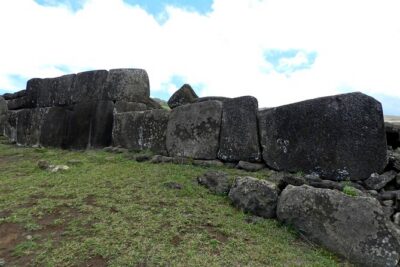
2-Day Private Tour Easter Island Highlights Complete Discovery
Read our review →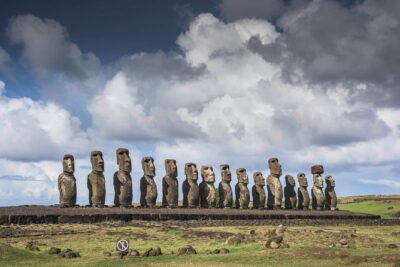
Private Tour: Full Day Easter Island Highlights
Read our review →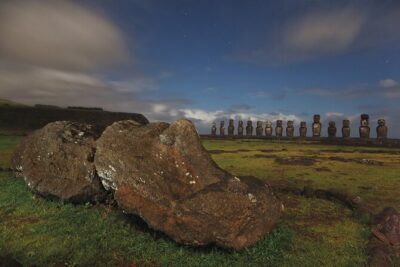
Browse the lists this tour appears in