
REVIEW · EASTER ISLAND TOURS
Full Day Tour – The Land of Hotu Matu´a
Easter Island’s greatest sites fit into one memorable day. This seven-hour outing from Hanga Roa takes you from ruined coastal platforms to Rano Raraku, the volcanic quarry where the moai were carved, then finishes at Anakena Beach. I like the small group of up to nine people and the way the route covers the island’s main archaeological sights without repeating the same type of stop. I also like that pickup is offered from different accommodations, with some flexibility around the schedule.
The main drawback is that the Rapa Nui National Park entrance ticket and lunch cost extra, so the advertised price is not the final amount for the day. You should also be ready for a moderate amount of walking and outdoor time. Guides Hannah and Hagita receive especially warm praise for bringing the island’s past to life and answering questions clearly.
In This Review
- Key points to know before booking
- Why this route works for a first day on Easter Island
- Ahu Vaihu, where a village became visible again
- Ahu Akahanga and the evidence of an old village
- Rano Raraku, the volcanic workshop of the moai
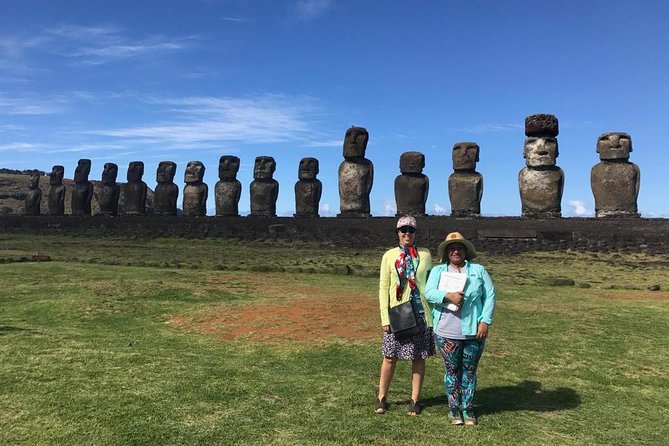
- Ahu Tongariki and its row of 15 moai
- Ahu Te Pito Kura and the famous magnetic stone
- Anakena Beach, archaeology beside the coast
- What the $177.09 price really covers
- Pickup, pace, and physical demands
- Who will get the most from this tour?
- Should you book The Land of Hotu Matu’a?
- FAQ
- How long is The Land of Hotu Matu’a tour?
- Where does the tour take place?
- Is pickup available from my accommodation?
- What language is the tour offered in?
- How many people can join the tour?
- Is lunch included?
- Is the Rapa Nui National Park entrance ticket included?
- What happens if bad weather cancels the tour?
Key points to know before booking
- Rano Raraku gets two hours: This is the day’s most important stop, with time to see the volcanic quarry and its unfinished moai.
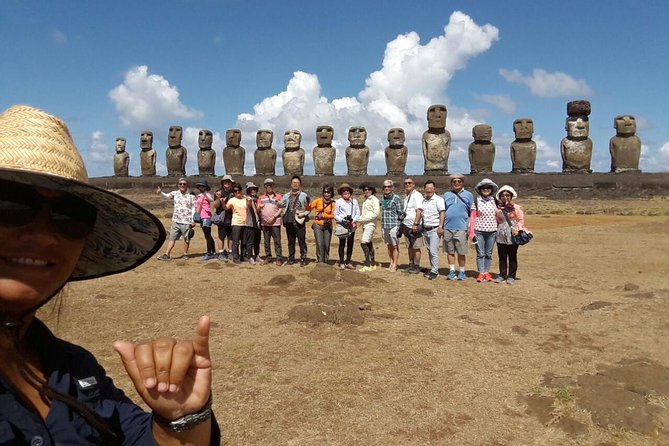
- Ahu Tongariki has 15 moai: The restored platform is the largest on Rapa Nui and one of the tour’s main photo stops.
- Six major locations in seven hours: You see ruined villages, fallen statues, restored platforms, a famous stone, and Anakena Beach.
- Small vehicle, maximum nine people: This is more personal than a large coach outing, though the schedule can depend on everyone arriving on time.
- Pickup is available: The operator collects people from different accommodations and can be flexible with timing.
- Budget for extras: Lunch and the Rapa Nui National Park entrance ticket are not included in the $177.09 price.
Why this route works for a first day on Easter Island
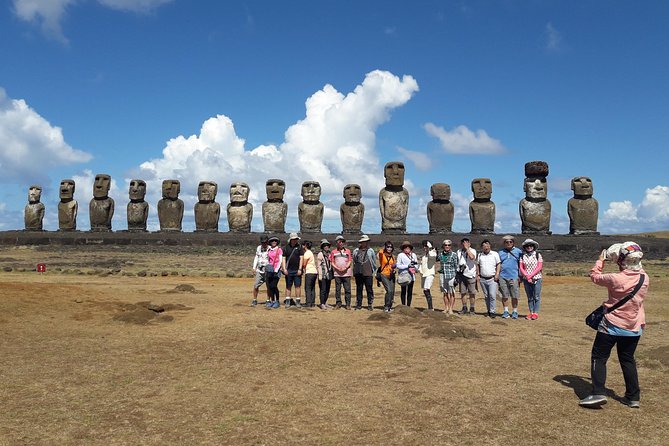
Rapa Nui can feel difficult to understand if you only see isolated moai. This route gives you a useful sequence. You begin with abandoned platforms and fallen statues, then visit the quarry that explains where the statues came from, and finish with restored sites where the ceremonial platforms are easier to read.
That order matters. At Rano Raraku, you see the production side of moai carving. At Ahu Tongariki and Anakena, you see how the finished statues were placed. At Vaihu and Akahanga, the ruined platforms show that the island’s story includes collapse, change, and rebuilding, not just impressive standing figures.
The tour is also efficient. Six stops in about seven hours means the day stays active. You are not spending most of your time in the vehicle, but you also are not committing to a long, demanding trek. For a first full day, I think this is a sensible way to get your bearings and learn which places deserve a slower return visit.
The English-language guiding is a major part of the value. The most enthusiastic praise goes to Hannah and Hagita, with both described as passionate about island culture and able to make the history easier to follow. That matters here because a moai can look like a stone figure until someone explains its setting, purpose, and connection to the surrounding platform.
More things to do on Easter Island:
- From Hanga Roa: Rapa Nui Culture Sightseeing Tour
★ 4.6 · 307 reviews - From Hanga Roa: Easter Island Highlights 2-Day Tour
★ 4.3 · 205 reviews - Full Day Tour in Rapa Nui
★ 4.5 · 122 reviews
Ahu Vaihu, where a village became visible again
The first stop is Ahu Vaihu, with about 40 minutes to explore. Here you see a replica of a village, a ruined platform, and moai lying where they were demolished.
The replica helps you picture daily life around the ceremonial sites. It gives the visit a human scale before the day moves on to larger monuments. The fallen moai and damaged platform are also important because they show the site as an archaeological record, not simply a collection of statues arranged for visitors.
Forty minutes is enough for an introduction, photographs, and a guide’s explanation. It is not long enough for a slow, detailed examination of every feature, so listen closely while the guide is speaking. This is a place where context does much of the work.
Admission to the national park is not included in the tour price. Since several stops are within the park, make sure you understand the ticket requirement before the day begins.
Ahu Akahanga and the evidence of an old village
Ahu Akahanga follows, with another 40-minute visit. The site contains ruined platforms, the remains of an old village, and moai lying on the ground.
I find this stop valuable because it puts the statues alongside traces of settlement. You are not looking only at monumental stonework. You are also seeing a place connected to homes, community life, and the older pattern of activity around an ahu, or ceremonial platform.
The fallen figures can be less instantly dramatic than the restored line at Tongariki, but they are part of what makes the island’s archaeology so compelling. Akahanga helps you understand that many sites are preserved in a damaged state. That is not a flaw in the visit. It is the story you came to see.
The schedule gives you enough time to walk around without making this a long stop. If you prefer restored monuments and big photographs, Tongariki will likely be your favorite. If you want to see the island’s earlier layers, Akahanga earns its place.
Rano Raraku, the volcanic workshop of the moai
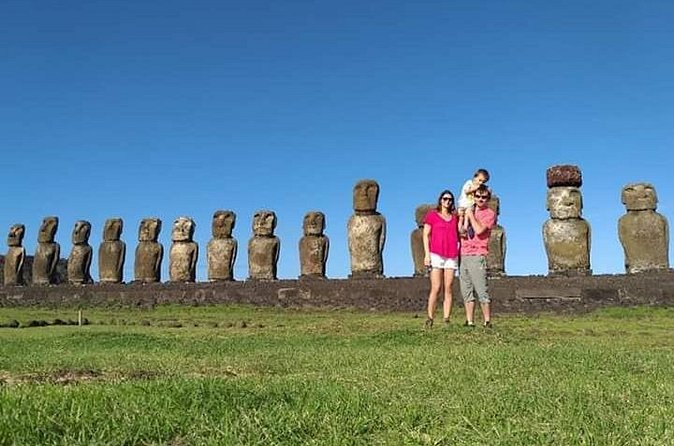
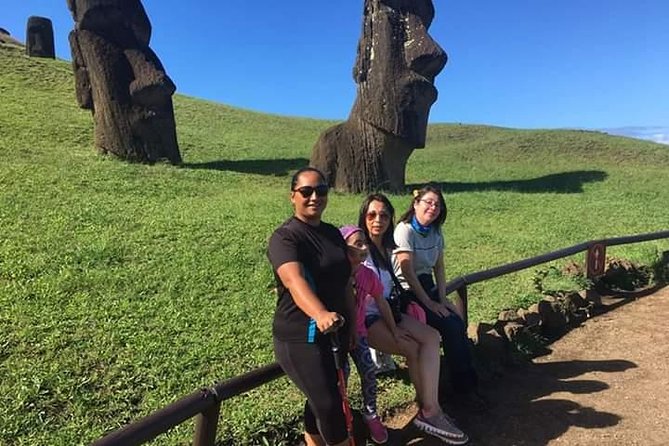
Rano Raraku is the heart of the day, with two hours set aside for the volcano and quarry where the moai were carved. This is the one stop where the generous time allocation really matters.
Here, the central question becomes easier to picture: how were these enormous figures made before modern machinery? The volcanic setting and unfinished statues help you see that carving was a long process carried out directly from the stone. The unfinished figures are especially useful because they show the work before transport and placement on a platform.
Two hours gives you room to listen, walk, and take in the site without rushing from one viewpoint to another. You will want practical footwear and a moderate level of fitness, since the tour specifically asks participants to be prepared for moderate physical activity. The information provided does not promise a particular walking distance, so you should not treat this as a completely vehicle-based sightseeing day.
Rano Raraku is also where a guide can make the biggest difference. A good explanation connects the quarry to the finished moai you see later at Tongariki and Anakena. Hannah’s passion for island stories and Hagita’s strong command of local history are exactly the sort of guiding qualities that suit this stop.
If you have only one day for archaeological sites, do not underestimate the value of the two-hour visit here. The quarry is not a quick roadside photo stop. It is the place that gives the rest of the route its meaning.
A completely different kind of day out:
- 2-Day Private Tour Easter Island Highlights Complete Discovery
★ 5.0 · 110 reviews - Private Full-Day Easter Island Highlights North and West
★ 5.0 · 84 reviews - From Hanga Roa: Journey from Orongo to Ana Te Pahu
★ 4.3 · 75 reviews - Journey of the Ancestors: Tongariki, Rano Raraku & Anakena Beach
★ 4.5 · 70 reviews
Ahu Tongariki and its row of 15 moai
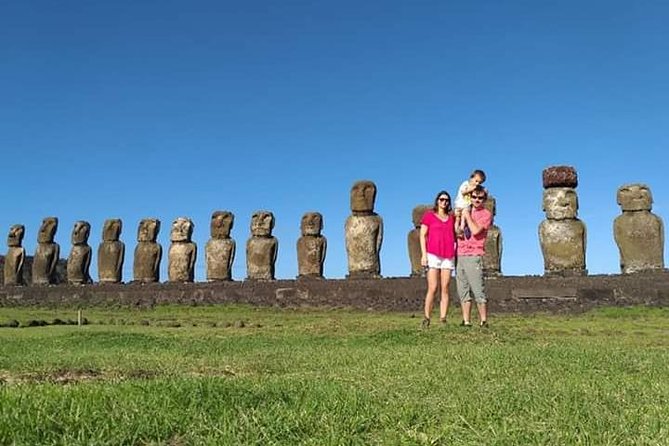
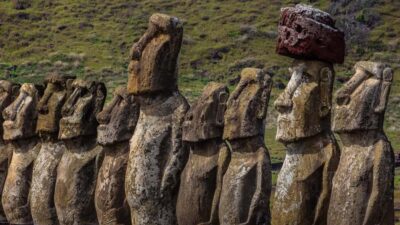
Ahu Tongariki receives about 40 minutes. It is the largest restored platform on the island and carries 15 moai, making it one of the day’s clearest examples of a completed ceremonial arrangement.
After seeing fallen statues at Vaihu and Akahanga, this restored row creates a sharp contrast. You can compare damaged sites with a platform that has been put back into a readable form. The result is visually powerful, but the archaeological value is just as important. The arrangement lets you see the scale of the ahu and the relationship between the platform and its figures.
Forty minutes should allow time to appreciate the full row, hear the explanation, and take photographs. It may feel short if you want to stand quietly for a long time, especially if the group arrives late or needs to gather before moving on. One piece of practical feedback describes Hana and her driver keeping the group exploring while other passengers arrived, which suggests some flexibility, but it also shows why a shared schedule can shift.
Tongariki is likely to be one of your favorite stops if you want the classic Rapa Nui image. Still, do not let the famous view overshadow Rano Raraku. Tongariki shows the finished result. Rano Raraku shows where the work began.
Ahu Te Pito Kura and the famous magnetic stone
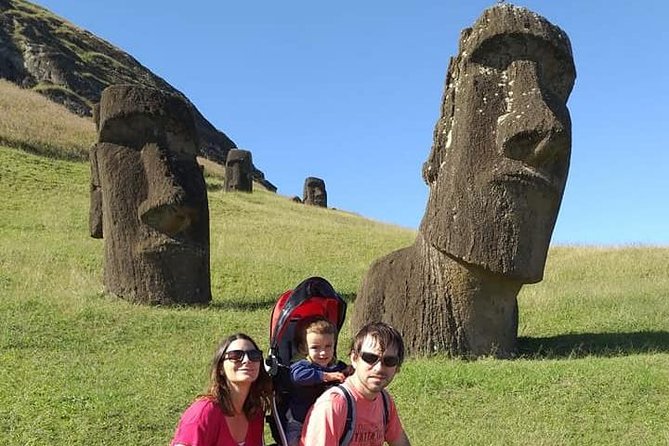
The next stop is Ahu Te Pito Kura, planned for about 30 minutes. You see a moai lying on its old platform and the well-known magnetic stone.
This is a shorter visit, but it adds variety. The fallen moai continues the day’s look at abandoned and damaged platforms, while the stone gives the stop a distinct local point of interest. It breaks up the sequence of larger archaeological sites and gives your guide another chance to explain the traditions and stories connected with the place.
Do not expect a long walk or a full standalone visit here. Thirty minutes is designed for a focused stop. The value comes from seeing another type of site and hearing the explanation, not from spending half a day at the location.
As with every stop on this route, the national park admission is separate. That is worth remembering when comparing this tour with other options, since the entrance fee applies to the places you are visiting rather than to the vehicle itself.
Anakena Beach, archaeology beside the coast
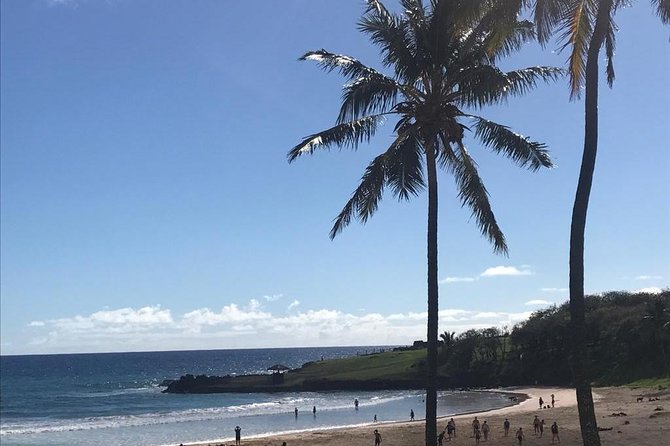
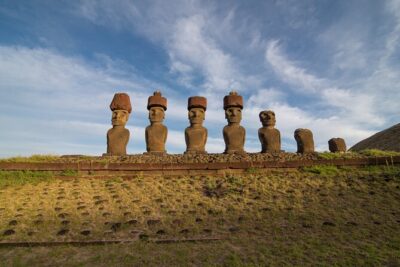
The final stop is Anakena Beach, with about one hour devoted mainly to its restored moai platforms. The setting gives the day a different mood after the quarry and the ruined inland sites.
The tour description emphasizes archaeology rather than a beach day, so you should approach Anakena as a cultural stop with a coastal backdrop. You will visit the restored platforms in place and see how the ceremonial sites fit into a wider island setting. The hour gives you time to absorb the site without the hurried feel of a brief photo stop.
Ending here works well. The route closes with restored monuments rather than another ruined platform, leaving you with a clearer sense of how the island’s ceremonial spaces looked when in use. It also gives the day some visual change after the volcanic quarry and stone platforms.
The information does not include lunch, swimming time, or beach equipment, so do not book this expecting a catered seaside break. Bring your own plan for food, and treat the stop as the final archaeological visit.
What the $177.09 price really covers
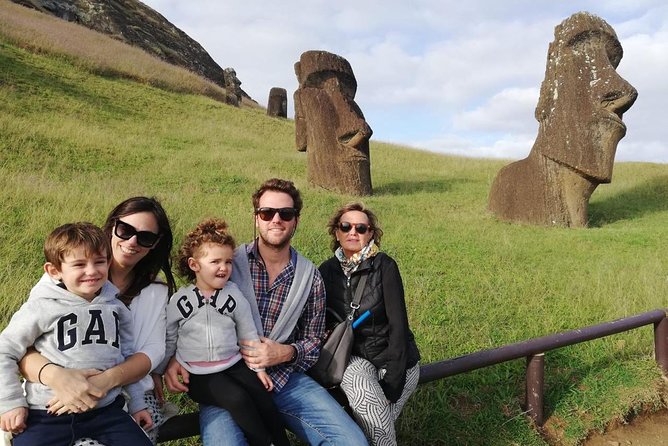
At $177.09 per person, this tour is not the cheapest way to see Easter Island. But value depends on what you need. The price buys a full seven-hour route, an air-conditioned vehicle, accommodation pickup, English-language guiding, and a group capped at nine people.
That small maximum is important. A group of nine can still move efficiently, and you have a better chance to ask questions than you would on a large bus. It also gives the guide room to explain details at Rano Raraku and Tongariki. The tradeoff is that you are sharing the day, and delays from different pickup times can affect the schedule.
You must add lunch and the Rapa Nui National Park entrance ticket. Those costs are not minor details, because almost the entire route centers on protected archaeological sites. Compare the full day’s likely cost, not just the headline tour price.
For someone staying in Hanga Roa who wants the main sites handled in one outing, the price can be reasonable. It is less appealing if you already have a rental vehicle, prefer to set your own pace, or want to spend most of the day at one location. The tour earns its value through transportation, interpretation, and route planning.
Pickup, pace, and physical demands
Pickup is offered from different accommodations, and the operator says it can be flexible with the schedule. That is useful in Hanga Roa, particularly if you do not want to arrange separate transport to a meeting point.
The tour is offered in English and confirmation is sent within 48 hours of booking, subject to availability. It is booked well ahead on average, around 79 days before the date, so I would not leave this until the last moment if your island schedule is fixed.
The itinerary moves through six sites in one day. You should expect regular stops, time outside, and walking at archaeological areas. A moderate fitness level is requested. The vehicle is air-conditioned, which is welcome between visits, but this is not a sit-back-and-see-it-all-through-the-window excursion.
The group schedule deserves a little patience. If people arrive at different times, the guide and driver may need to wait or adjust the order of activities. One account describes Hana continuing exploration while late passengers gathered, a sensible approach that protects sightseeing time, but some timing changes are still possible.
Who will get the most from this tour?
I would recommend this outing to you if it is your first visit to Rapa Nui and you want a strong overview in one day. It suits people who care about archaeology, want an English-speaking guide, and prefer not to organize transport between widely separated sites.
It is also a good fit if you value explanation over simply collecting photographs. The best part of this route is the link between the quarry, the fallen moai, the restored platforms, and the old villages. Guides such as Hannah and Hagita appear to add real value through stories, cultural background, and clear answers to questions.
You may want another plan if you dislike fixed schedules, need extensive mobility accommodations, or want a long, unhurried visit at every stop. The tour asks for moderate fitness and does not promise private transport. It is a shared experience with a compact group, not a custom itinerary.
The free cancellation policy is useful: you can cancel up to 24 hours before the start for a full refund. Cancellations or changes made inside that 24-hour window are not accepted for a refund. Poor weather or failure to meet the minimum number of participants can also lead to a changed date, another experience, or a full refund.
Should you book The Land of Hotu Matu’a?
I would book it if you want to see the essential archaeological sites of Easter Island without handling the driving and planning yourself. The two hours at Rano Raraku, the 15 moai at Tongariki, and the restored platforms at Anakena give you a strong first-day route.
Before paying, confirm the separate national park entrance cost and make a lunch plan. If those extras fit your budget and you are comfortable with moderate walking and a shared timetable, this is a well-shaped introduction to Rapa Nui. If you already know the island or prefer complete control over your time, a private or self-directed option may suit you better.
FAQ
How long is The Land of Hotu Matu’a tour?
The tour lasts approximately seven hours.
Where does the tour take place?
It operates from Hanga Roa on Easter Island, Chile.
Is pickup available from my accommodation?
Pickup is offered from different accommodations, and the operator says it can be flexible with the schedule.
What language is the tour offered in?
The tour is offered in English.
How many people can join the tour?
The maximum group size is nine people.
Is lunch included?
No. Lunch is not included in the tour price.
Is the Rapa Nui National Park entrance ticket included?
No. The entrance ticket to Rapa Nui National Park is not included.
What happens if bad weather cancels the tour?
If poor weather causes cancellation, you will be offered a different date or a full refund.
Just added in Hanga Roa
- Volcanic Refuges: Excursion to Underground Civilization★ 4.7 · 8 reviews
- Volcanic Wonders and the Kingdom of the Birdman: Half Day★ 5.0 · 6 reviews
- Half Day Private Tour: Caves and Volcanic Refuges★ 4.0 · 14 reviews
- Easter Island Ancestral Dinner and Show with Transport★ 4.5 · 2 reviews
- 2 Day Small Group Tour in Moai Monuments and Historic Pathways★ 5.0 · 22 reviews
- Visit Rapa Nui in 4 days with 3 Tours and Accommodation included★ 4.0 · 2 reviews
- Tour to the Motus: Boat trip and snorkeling in Rapa Nui★ 5.0 · 8 reviews
- The birdman journey in Easter Island★ 5.0 · 1 review
Easter Island Tours, compared.
Two days of Full Day Tour of Rapa Nui + Sunrise in Tongariki
Read our review →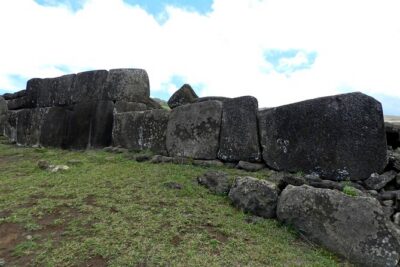
2-Day Private Tour Easter Island Highlights Complete Discovery
Read our review →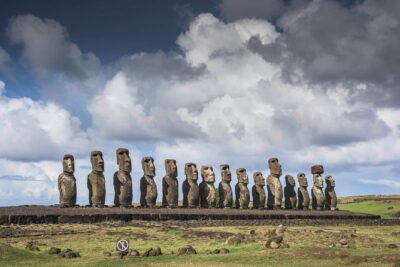
Private Tour: Full Day Easter Island Highlights
Read our review →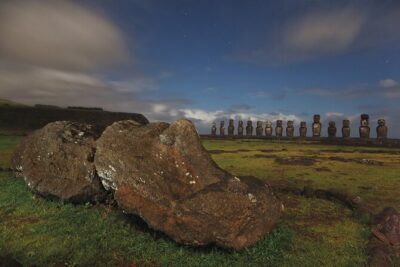
Browse the lists this tour appears in