
REVIEW · EASTER ISLAND TOURS
The Rapa Nui Stargazing Experience
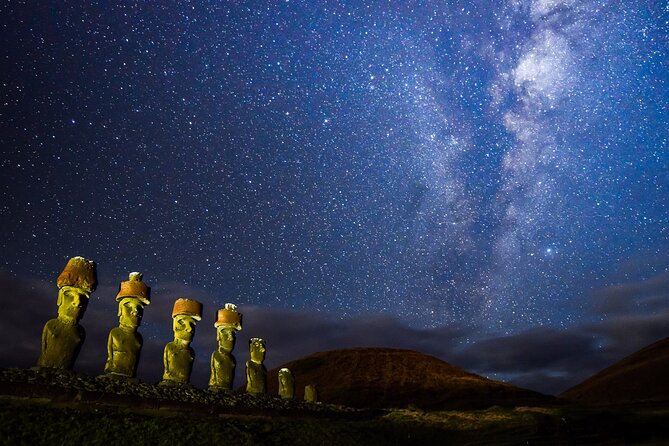
The stars here share the stage with moai. The Rapa Nui Stargazing Experience combines a clear-sky astronomy session, Polynesian navigation stories, telescopes, and a nighttime visit to Anakena Beach. I especially like the small maximum of 12 people and the personal touches, including hot chocolate, local cake, blankets, and a photo sent after the tour. The main catch is simple: this is an outdoor experience, so clouds and strong wind can cancel the evening.
I also like the way the tour connects the sky to Rapa Nui culture rather than treating astronomy as a technical lecture. Guides including Mark, Yoyo, and Toke have been praised for their humor and warmth. Still, you should keep one evening flexible if possible, since weather decisions may be made hours before departure even when Hanga Roa looks clear.
In This Review
- Key points before you book
- Why stargazing on Rapa Nui feels different
- Meeting in Hanga Roa and heading toward Anakena
- The astronomy session and Polynesian navigation
- Hot chocolate, cake, and time for your eyes to adjust
- Ahu Nau and Anakena Beach after dark
- Is $125 a fair price?
- Weather rules and the risk of cancellation
- Who will enjoy this Rapa Nui evening?
- Should you book the Rapa Nui Stargazing Experience?
- FAQ
- Where does the Rapa Nui Stargazing Experience begin?
- What time does the tour start?
- How long does the experience last?
- How many people can join?
- What is included in the tour?
- What happens if bad weather cancels the tour?
- Can I cancel for a refund?
Key points before you book
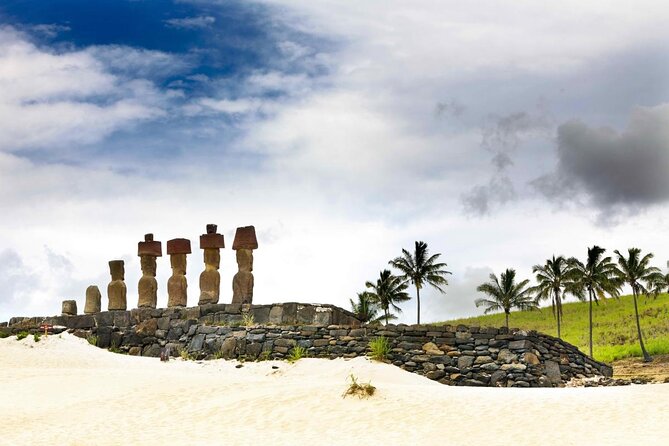
- Ahu Nau after dark: You receive special nighttime access to the moai at Ahu Nau near Anakena, a rare setting for photographs and quiet reflection.
- Southern Hemisphere astronomy: The guide explains the night sky, Polynesian navigation, the solar system, and Earth’s movement around the Sun.
- Telescopes reveal more than stars: Depending on conditions, you may see the Moon, planets, nebulae, and even Saturn’s rings.
- Small group, about three hours: The experience is capped at 12 people and includes transportation back to your lodging.
- Warm local hospitality: Hot chocolate, another hot beverage, local cake, and sometimes blankets make the cold night easier.
- Weather controls the evening: Poor weather can lead to a free rescheduled outing or a full refund, but last-minute disappointment is still possible.
Why stargazing on Rapa Nui feels different
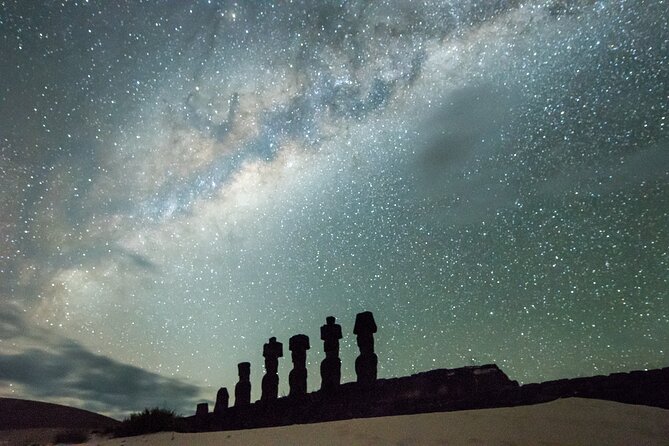
Easter Island is far from the city glow that washes out much of the night sky in urban areas. That distance gives this tour its basic appeal. You are not simply looking at stars through a telescope. You are standing on a remote Pacific island, with the ocean nearby and moai waiting in the darkness.
The setting adds emotional weight to the astronomy. A planet or star can feel abstract when you see it from a city balcony. At Anakena, the sky becomes part of the place itself. The giant stone figures, the shore, and the southern stars create a much stronger sense of scale.
I like that the tour does not rush straight to the equipment. The opening talk gives your eyes time to adjust to the dark. It also gives the guide a chance to explain how Polynesian navigators used stars to read direction and distance across the Pacific. That cultural link makes the astronomy easier to remember.
This is still a weather-dependent night outside, not a guaranteed planetarium show. Clouds may cover the sky for part of the session, and wind can make telescope viewing uncomfortable. The operator has canceled when wind reached about 35 kilometers per hour, even when the town appeared fairly clear. That may frustrate you, but it reflects a sensible concern for comfort and safety.
More stargazing nights in Easter Island:
- Easter Island: Rapa Nui Stargazing Tour
★ 4.8 · 16 reviews - Astronomical Tour on Easter Island
★ 3.5 · 3 reviews - Rapa Nui Astrophotography and Stargazing Night Tour Combination
★ 5.0 · 3 reviews
Meeting in Hanga Roa and heading toward Anakena
The evening begins in front of the Katipare library, also called Centro Lector Katipare, in Hanga Roa. The listed meeting time is generally 7:00 p.m., but the seasonal instructions are more specific: from September to April, departure is listed as 8:30 p.m., while winter timing is around 7:30 to 8:00 p.m.
Because those times appear in more than one form, you should check the exact pickup time in your confirmation. Meet at the library rather than assuming pickup will happen at your accommodation. Transportation is included, and the tour returns you to your lodging at the end.
The drive is part of the practical value. You do not need to arrange a late-night taxi or find a dark viewing site on your own. The group heads toward the Anakena area, while the guides prepare the telescopes at a remote observation site.
The group limit of 12 matters here. A small group makes it easier to hear the talk, ask questions, and take a turn at the telescope without feeling like you are in a crowd. It also helps preserve the quiet mood that makes nighttime on Rapa Nui special.
The astronomy session and Polynesian navigation
The main stargazing portion takes place near Anakena Beach, with the telescopes set up away from the brighter lights of town. The guide begins with an explanation of the southern sky and the basic layout of what you are seeing.
You may hear about stars, planets, nebulae, the solar system, and Earth’s rotation around the Sun. The exact viewing list depends on the date and weather, so nobody can promise a particular planet or deep-sky object. On good nights, the equipment has shown the Moon, planets, several nebulae, and Saturn’s rings.
That last detail is worth noting. Looking at a photograph of Saturn is one thing. Seeing its rings through a telescope, even as a small image, gives the evening a memorable payoff. Clear skies have also allowed people to see the Milky Way in much greater detail than they are used to at home.
The discussion of Polynesian navigation gives the session a strong local connection. Rapa Nui is part of a wider Polynesian world shaped by ocean travel and close attention to the natural world. The guide explains how the stars helped navigators orient themselves, rather than presenting astronomy as a list of names to memorize.
The teaching style appears informal and lively. Mark has been singled out for his passion and comic timing, while Yoyo and Toke have also been praised for warmth and good humor. That is useful if you worry that a telescope tour might feel stiff or overly academic. You can expect storytelling and conversation alongside the technical material.
Clouds do not necessarily end the learning. During cloudy periods, the guides have continued with explanations about astronomy and mythology. You may lose some viewing time, but the evening can still have value if the guide uses the pause well.
Hot chocolate, cake, and time for your eyes to adjust
A warm drink and local cake are included. Some outings also include blankets, which can make a real difference during a long night outdoors. The food is a small feature, but it helps turn the stop into a relaxed social experience rather than a cold wait beside a telescope.
The break also has a practical purpose. Your eyes need time to adjust before faint stars become easier to see. Moving straight from a brightly lit vehicle to a dark sky can make the first few minutes underwhelming. A warm drink and a short talk give you time to settle in.
The guides have received repeated praise for these personal touches, including hot chocolate associated with Marc’s wife, Tuhii. I would not book the tour for the snack alone, but it adds to the sense that the outing is hosted by people who care about the whole evening.
Bring patience. Telescope viewing is usually a shared activity, and each person needs time at the eyepiece. A group of up to 12 is manageable, but the pace will not be as quick as looking at a display in a museum.
More things to do on Easter Island:
- From Hanga Roa: Rapa Nui Culture Sightseeing Tour
★ 4.6 · 307 reviews - From Hanga Roa: Easter Island Highlights 2-Day Tour
★ 4.3 · 205 reviews - From Hanga Roa: Easter Island Sightseeing Full Day Tour
★ 4.5 · 189 reviews - Two days of Full Day Tour of Rapa Nui + Sunrise in Tongariki
★ 4.5 · 132 reviews
Ahu Nau and Anakena Beach after dark
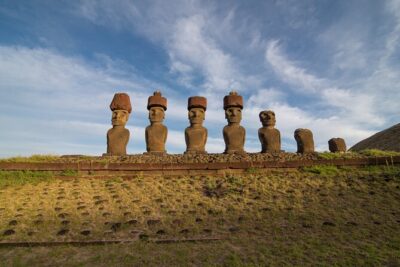
The Anakena portion gives the tour its most distinctive visual moment. After the astronomy session, you go to the beach area for photographs and special nighttime access to Ahu Nau.
Seeing moai in daylight is already one of the central reasons to visit Rapa Nui. Seeing them after dark is a different experience. Artificial light is reduced, the shore is nearby, and the figures take on a more imposing shape. The setting can feel quiet and almost theatrical without needing elaborate staging.
The guides take nighttime photos with the moai and send your image by email in about five days. Internet service on the island can be slow, so do not expect the photograph immediately. This is a useful souvenir because it captures both parts of the evening: the island’s stone guardians and the night sky.
Photo quality and exact composition will depend on the conditions. Clouds may create a dramatic background, but they can also limit the stars. The timing of the photography also means you should treat it as a bonus, not a guaranteed perfect Milky Way portrait.
Still, I think the photo adds real value. Many astronomy tours finish when the telescope session ends. Here, you leave with a visual reminder of the location, not just a memory of an object seen through an eyepiece.
Is $125 a fair price?
At $125 per person, this is not a cheap night out. The value depends on what you want from your Rapa Nui visit.
You are paying for roughly three hours, transportation to and from the site, a small group capped at 12, guide-led astronomy, telescope access, refreshments, and nighttime photography. You also receive access to Ahu Nau after dark, which makes the experience more than a standard beach visit.
I consider the price reasonable if you value expert interpretation and do not have the time or confidence to plan independent stargazing. You would need a way to reach a dark site, understand the southern sky, organize equipment, and arrange your return after the tour. The included transport and guide remove those hassles.
The value is less certain if you only want a quick look at the stars. A partly cloudy evening may provide fewer telescope views, even though the guides can continue with stories and explanations. Since weather shapes the result, booking early in your stay gives you a better chance of moving to another night if needed.
The tour is often booked about 64 days ahead. That suggests you should not leave it until the final day of a short Easter Island visit, especially if your schedule has no spare evening.
Weather rules and the risk of cancellation
This is the part to take seriously. The experience requires favorable weather, and the operator checks more than the view from central Hanga Roa. Cloud cover near the observation point and wind speed both matter.
If the tour is canceled completely because of poor weather, you can choose another date or receive a full refund. If conditions change while you are already out, the operator may try to take you again on another night at no extra charge, subject to availability.
There is also a minimum group requirement. If too few people book, the outing may be canceled, with the choice of another date, another experience, or a full refund.
You can cancel for a full refund up to 24 hours before the start time. Cancellations or changes made less than 24 hours before departure are not refunded. Once the tour has started, there are no refunds.
The practical lesson is easy: book this for an earlier night rather than your final night on the island. Also, do not assume a clear sky in town guarantees a departure. The viewing site may have clouds or uncomfortable wind.
Who will enjoy this Rapa Nui evening?
I would recommend it to anyone who enjoys looking at the sky but wants help understanding what they see. You do not need an astronomy background. The explanations cover basic ideas as well as Polynesian navigation, and the guides appear comfortable keeping the mood friendly.
It suits families, couples, solo visitors, and small groups. The reviews include strong experiences from all of these types of participants. The humor and storytelling may be especially helpful for children or adults who might lose interest during a technical lecture.
It is also a good choice if you want a cultural experience after the archaeological sites close for the day. The moai at Anakena, the navigation talk, local food, and southern sky all belong to the same larger story of life on a remote Pacific island.
I would hesitate to recommend it to someone who dislikes cold, darkness, waiting, or uncertain weather. You should also avoid booking it as the only highlight of your final evening, since a cancellation or cloud cover could leave you without a second chance.
Should you book the Rapa Nui Stargazing Experience?
Yes, if your schedule allows a flexible evening and you want more than a basic telescope session. The combination of southern-hemisphere astronomy, Polynesian navigation, hot chocolate, and moai at Anakena gives this outing a clear sense of place.
The strongest reason to book is not any single planet or nebula. It is the way the parts fit together: a dark remote site, enthusiastic guides such as Mark and Yoyo, a warm drink, and Ahu Nau after sunset. Just leave room for nature to have the final word.
Book at least a few weeks ahead if your dates are fixed, and choose an early night during your stay. Confirm the seasonal meeting time, dress for an outdoor evening, and accept that a cloudy night may become more about stories and photography than stars. For most visitors who want a memorable night on Rapa Nui, $125 is a fair price for that mix.
FAQ
Where does the Rapa Nui Stargazing Experience begin?
The meeting point is in front of Katipare library, also called Centro Lector Katipare, in Hanga Roa, Easter Island.
What time does the tour start?
The general start time is listed as 7:00 p.m. Seasonal instructions list 8:30 p.m. from September to April and around 7:30 to 8:00 p.m. in winter. Check your booking confirmation for the exact time.
How long does the experience last?
The full experience lasts approximately three hours, including transportation back to your lodging.
How many people can join?
The maximum group size is 12 people.
What is included in the tour?
The experience includes transportation, telescope observation, the astronomy and navigation talk, a hot beverage, local cake, and nighttime photography near the moai.
What happens if bad weather cancels the tour?
You can choose an alternative date or receive a full refund if the experience is canceled completely because of poor weather. If conditions change during the outing, the operator may offer another evening free of charge, subject to availability.
Can I cancel for a refund?
Yes. You can cancel at least 24 hours before the local start time for a full refund. Cancellations or changes made less than 24 hours before the start time are not accepted for a refund.
Just added in Easter Island
- Volcanic Refuges: Excursion to Underground Civilization★ 4.7 · 8 reviews
- Volcanic Wonders and the Kingdom of the Birdman: Half Day★ 5.0 · 6 reviews
- Half Day Private Tour: Caves and Volcanic Refuges★ 4.0 · 14 reviews
- Easter Island Ancestral Dinner and Show with Transport★ 4.5 · 2 reviews
- 2 Day Small Group Tour in Moai Monuments and Historic Pathways★ 5.0 · 22 reviews
- Visit Rapa Nui in 4 days with 3 Tours and Accommodation included★ 4.0 · 2 reviews
- Tour to the Motus: Boat trip and snorkeling in Rapa Nui★ 5.0 · 8 reviews
- The birdman journey in Easter Island★ 5.0 · 1 review
Easter Island Tours, compared.
Two days of Full Day Tour of Rapa Nui + Sunrise in Tongariki
Read our review →
2-Day Private Tour Easter Island Highlights Complete Discovery
Read our review →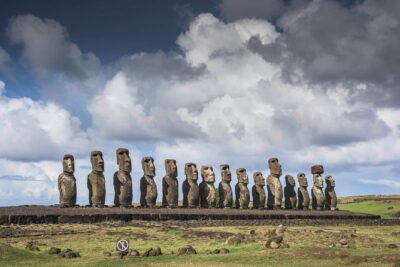
Private Tour: Full Day Easter Island Highlights
Read our review →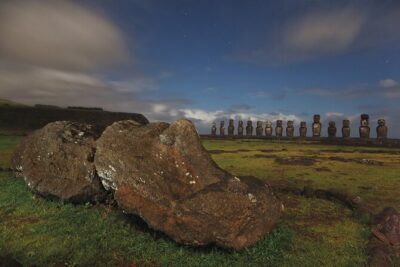
Browse the lists this tour appears in