
REVIEW · EASTER ISLAND TOURS
Private tour: where the history of the Moai was born
The statues tell their own story. This seven-hour Rapa Nui outing links the island’s key moai sites, from the toppled figures at Vaihu and Akahanga to the quarry at Rano Raraku. I especially like the small group of up to four people and the chance to travel with a native guide who can connect ancient monuments with life on the island today.
The warm, personal guiding is the other strong point. Guides such as Tete, Sophia, and Hella have been praised for kindness, humor, flexibility, and good English. My main caution is simple: confirm the start time and expected pace before you go. One guest received a much shorter day than the advertised seven hours, while others had ample time at every stop.
In This Review
- Key points to know before booking
- Why this route is a smart first day on Rapa Nui
- Vaihu: toppled moai and the first look at collapse
- Akahanga: a quieter stop with more clues
- Rano Raraku: the quarry that explains the moai
- Tongariki: the grandest row of standing statues
- Te Pito Kura: a giant moai and a powerful stone
- Anakena: finishing beside the Pacific
- The guides make or break the day
- Seven hours, small group, and the question of pace
- Who will get the most from this tour
- Should you book the Moai birthplace tour?
- FAQ
- How long does the tour last?
- How much does the tour cost?
- Which sites are included?
- Is transportation included?
- How many people can join?
- Which languages are available?
- Can I cancel for a full refund?
- Can I reserve now and pay later?
Key points to know before booking
- Rano Raraku is the central event: This volcanic quarry is where most moai were carved, and unfinished statues remain in the rock.
- Tongariki is the classic sunrise-facing view: Fifteen standing moai form the most dramatic group on the route.
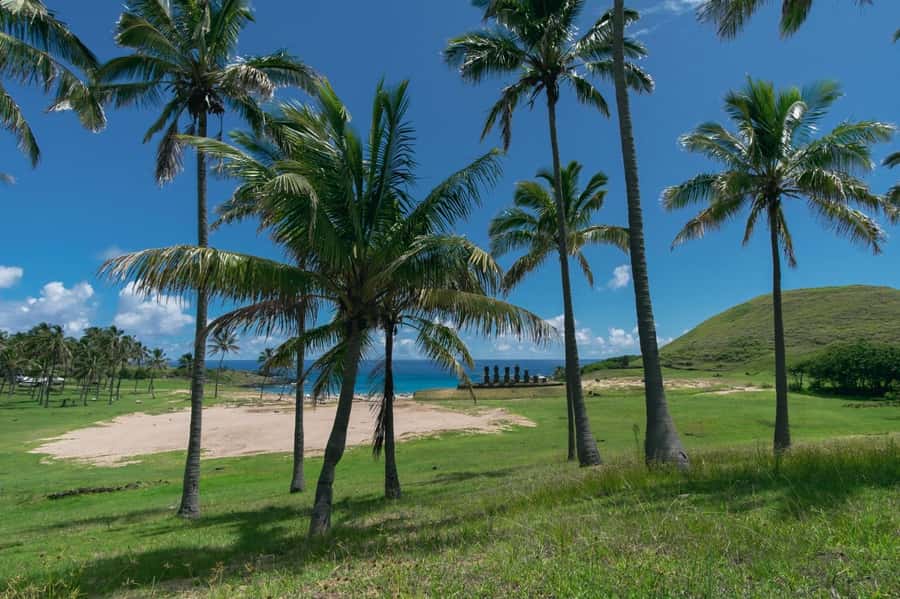
- Anakena adds a beach finish: You can end among palms, white sand, standing moai, and Pacific water.
- The private format matters: With no more than four participants, your guide can adjust the pace and, in some cases, tailor the day.
- Guiding is a major strength: Tete, Sophia, and Hella have each received praise for warmth, humor, language ability, and personal attention.
- The national park ticket costs extra: Include that additional expense when comparing the $150 per-person price.
Why this route is a smart first day on Rapa Nui
Rapa Nui is not a place where you simply check off statues. The meaning of the moai becomes clearer when you see the whole process: the stone source, the ceremonial platforms, the fallen figures, the unfinished work, and the places where people lived and gathered.
This route gives you that broad picture in one day. You visit six major places, but they do not all offer the same kind of experience. Vaihu and Akahanga show the moai in collapse. Rano Raraku explains their creation. Tongariki offers the most polished grand view. Te Pito Kura adds legend and scale. Anakena gives the day a softer ending by the sea.
The private setup is useful here. A large coach can make a sacred site feel like a parade stop. With a maximum of four people, you have a better chance to ask questions, pause for photographs, or request a little more time at a favorite place.
The listed price is $150 per person. That is not a bargain-basement outing, but it can be fair value if you want transportation, pickup and drop-off, and a dedicated guide without joining a large group. The national park ticket is not included, so check that cost before booking.
More history tours in Easter Island:
- 2 Day Private Tour: Easter Island’s Cultural Heritage
★ 5.0 · 40 reviews - 2 Day Small Group Tour in Moai Monuments and Historic Pathways
★ 5.0 · 22 reviews - Easter Island: Private Full Day History Of The Moai
★ 4.6 · 12 reviews
Vaihu: toppled moai and the first look at collapse
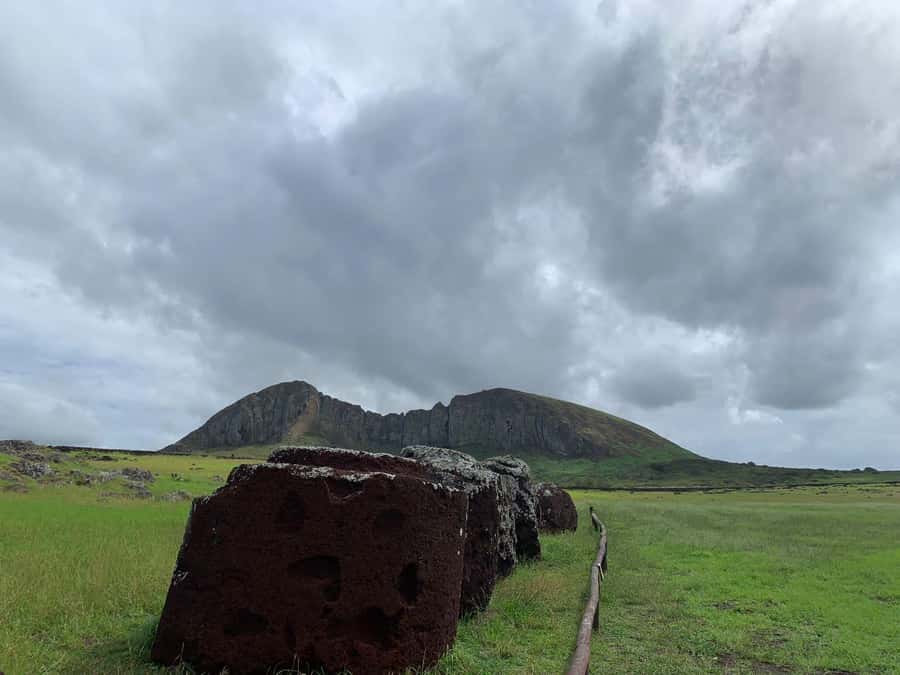
Vaihu begins the day with a scene that can feel strange to first-time visitors. Instead of a neat row of upright statues, you see ancient moai scattered across the ground.
That disorder is part of the lesson. The fallen figures show that the island’s ceremonial platforms did not remain untouched. Your guide explains the stories connected with the site and helps you look beyond the sheer size of the stones.
I would pay attention to the contrast between the statues and the broad open setting. At first, the toppled moai may appear less impressive than the famous standing figures. Give the place time. The scattered stones encourage questions about how the platforms changed and why the statues ended up where they lie.
This is also a good early stop for asking your guide how the route fits together. A native guide can add local perspective that a written description cannot provide, especially when discussing traditions, family connections, and modern life on Rapa Nui.
Akahanga: a quieter stop with more clues
Akahanga continues the story of broken platforms and fallen statues. You will see remnants of old settlements, ceremonial structures, and moai lying in different states of completion or collapse.
The site is valuable because it does not present Rapa Nui as a collection of perfect monuments. You see evidence of work, change, and abandonment. That makes the island’s past feel human rather than polished for display.
Your guide is expected to explain possible reasons behind the statues and the changes that affected the island. This is where the quality of the commentary matters most. A good guide helps you understand what you are looking at without turning every mystery into a certain answer.
One point to keep in mind is that not every guide may offer the same level of historical detail. The strongest personal feedback praises entertaining storytelling and local insight, but one guest wanted more background on the people who settled Rapa Nui, where they came from, and how island society developed. If those subjects matter to you, ask for that context early in the day.
Rano Raraku: the quarry that explains the moai
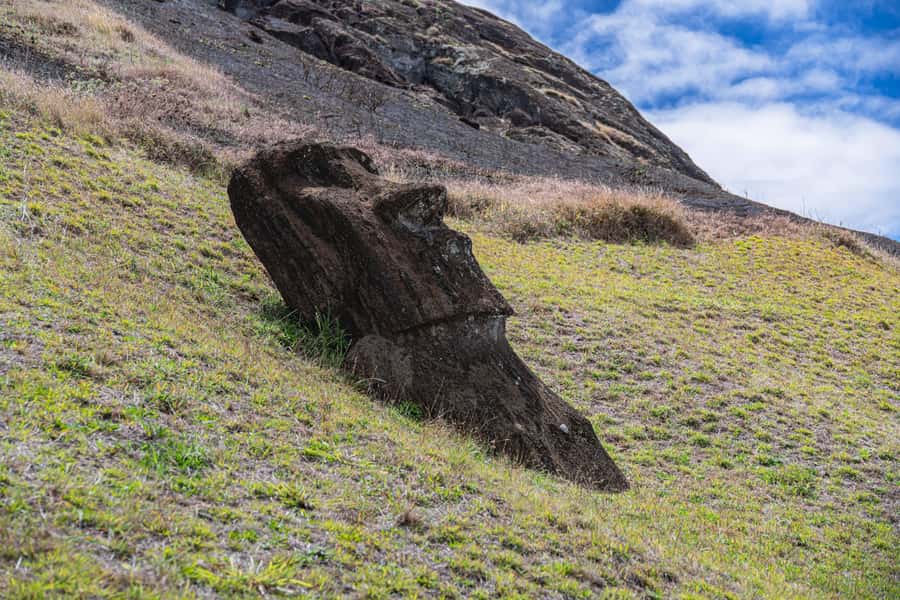
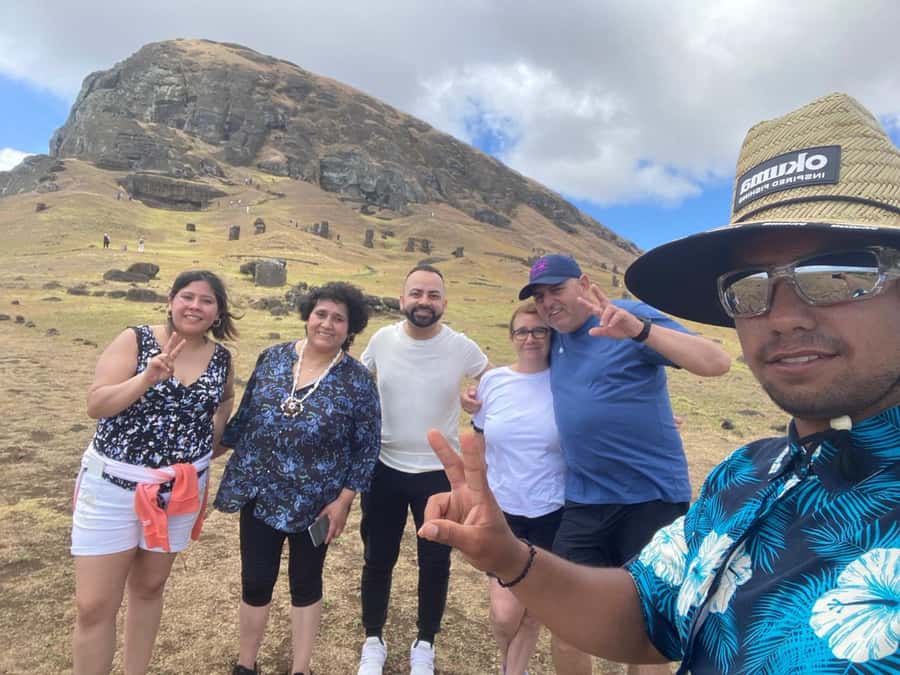
Rano Raraku is the heart of this tour. This volcanic crater served as the main quarry for the moai, and the unfinished figures make the carving process easier to imagine.
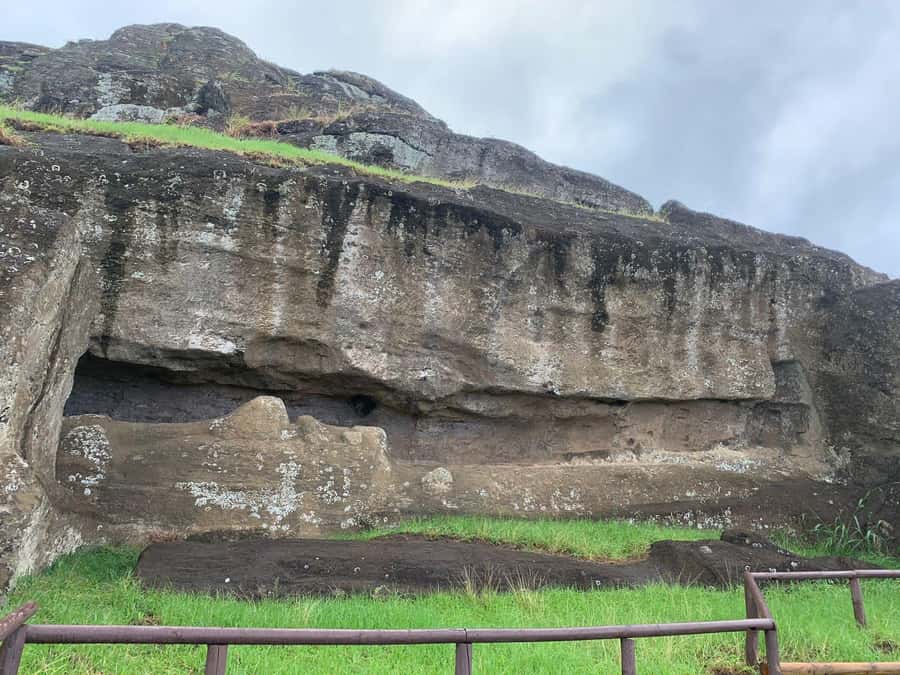
Here, you can see statues at several stages of production. Some look like rough blocks emerging from the volcanic stone. Others are close to finished, with their forms still attached to the rock or left near the quarry. The site gives you a direct sense of the labor involved before a moai ever reached a coastal platform.
This is the stop where I would resist a rushed schedule. Rano Raraku rewards close attention. Look at the differences in size and finish. Notice how some figures remain part of the hillside. Let your guide explain how the quarry functioned and why unfinished work was left behind.
The scale is impressive, but the unanswered questions are just as interesting. The quarry shows what the islanders could create, while the abandoned figures leave room for debate about changing customs, resources, and social conditions.
Because this is one of the most important stops, ask how much time is planned here. The tour description promises seven hours, and several guests had enough time at every location. Still, one guest reported being moved through the sites quickly and finishing after only a little more than three hours. That is a serious difference. Confirm the schedule before departure, especially if Rano Raraku is your main reason for booking.
More things to do on Easter Island:
- From Hanga Roa: Rapa Nui Culture Sightseeing Tour
★ 4.6 · 307 reviews - From Hanga Roa: Easter Island Highlights 2-Day Tour
★ 4.3 · 205 reviews - From Hanga Roa: Easter Island Sightseeing Full Day Tour
★ 4.5 · 189 reviews - Two days of Full Day Tour of Rapa Nui + Sunrise in Tongariki
★ 4.5 · 132 reviews
Tongariki: the grandest row of standing statues
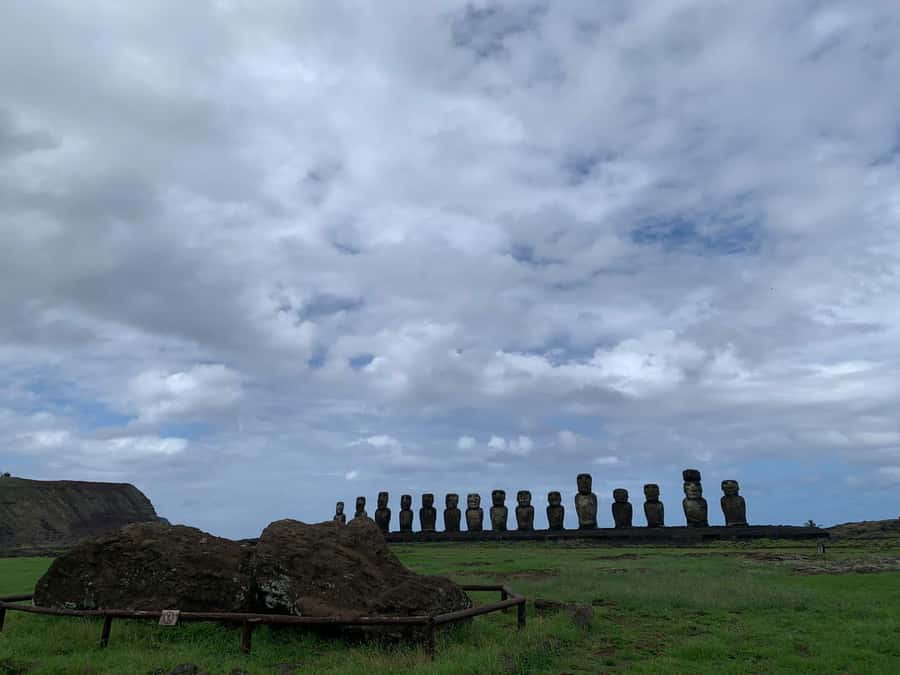
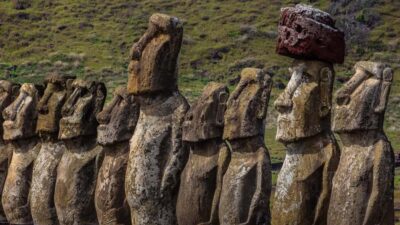
Tongariki offers the postcard view many people picture before arriving on Rapa Nui. Fifteen moai are arranged on a broad ceremonial platform, facing inland with the Pacific behind them.
The statues create a strong visual rhythm. Each figure has its own shape and expression, yet the group works as one powerful composition. The setting is particularly striking when morning light reaches the stone and brings out warm golden tones.
The itinerary describes Tongariki as a sunrise-facing site. That does not necessarily mean this tour begins at sunrise, so check the actual departure time and lighting conditions. The tour has several possible starting times, depending on availability.
Your guide can help you notice details that photographs often miss. The platform, the line of statues, and the surrounding setting all matter. I would take a few wide photographs, then put the camera down for a moment. Tongariki is one of those places where a quick picture does not quite explain the scale.
This is also a likely favorite for people who want the famous view without giving up personal attention. In a group of four, you can ask your guide to explain the arrangement and the site’s place in the wider story rather than simply stopping for a photograph.
Te Pito Kura: a giant moai and a powerful stone
Te Pito Kura brings a different mood. The site is linked with a very large moai and a distinctive spherical stone that carries special meaning in local legend.
The combination of enormous carved stone and rounded natural form makes this stop visually unusual. It also gives your guide a chance to explain stories that do not fit neatly into a simple archaeological account.
I would treat the legends as part of the cultural experience, not as facts that can be proved in the same way as the existence of the statues. That distinction makes the visit more interesting, not less. Rapa Nui is full of stories that connect places, people, power, and the natural world.
Te Pito Kura may not take as long as Rano Raraku or Anakena, but it earns its place on the route because it changes the pace. After the large quarry and the formal row at Tongariki, this stop feels more focused and mysterious.
Anakena: finishing beside the Pacific
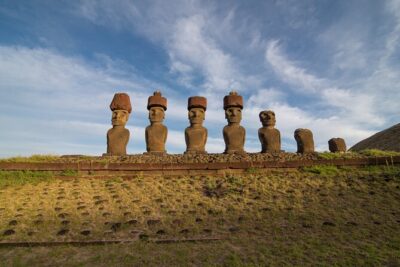
Anakena is the most relaxed ending on the itinerary. White sand, palm trees, clear water, and standing moai create a setting that feels very different from the inland quarry.
The beach gives you room to breathe after a day of stone monuments. You can relax, swim, and think over what you have seen. The presence of moai beside a beach is also a useful reminder that Rapa Nui is not only about archaeology. The island has places for ordinary life, recreation, and connection with the sea.
One particularly appealing detail is the possibility of ending the day with food by the beach. Hella received praise for a well-paced outing that finished with lobster at one of the island’s beaches. That meal is not listed as an included part of the tour, so treat it as a possible personal addition rather than a guaranteed feature.
Anakena is also where the tour can feel most flexible. One solo guest had a guide, Sophia, who adjusted the outing and added different places based on personal interests. That kind of adaptation is one of the clearest benefits of a private or very small group.
The guides make or break the day
The guide is the most important variable in this experience. The strongest feedback points to friendly, generous hosts who make the day feel personal rather than mechanical.
Tete has been praised for moving between sites without rushing and for telling stories with humor. Sophia impressed one solo guest with her history and cultural context, her perfect English, and her willingness to teach some Chilean Spanish. Hella was praised for punctual pickup, a well-managed agenda, and a pleasant beach finish.
The tour offers live guiding in English and Spanish. That makes it suitable for visitors who want more than a silent drive between monuments. If you prefer a particular language, request it clearly when booking.
There is one caution about guide arrangements. On one occasion, Tete was sent as an emergency replacement, and the vehicle was described as dirty. The guide’s personality still made the day enjoyable, but the situation suggests you should confirm who will lead the tour and ask about the vehicle if presentation matters to you.
I would also ask for the historical focus you want. The commentary may be strongest on the sites and their stories, while broader settlement history and social background may receive less attention unless you bring it up.
Seven hours, small group, and the question of pace
The advertised duration is seven hours. That should be enough for the six principal stops if the day follows a sensible order and each visit receives reasonable time.
The small group limit of four is a real advantage. You spend less time waiting for strangers, and the guide can respond to the interests of the people in the vehicle. A solo visitor may receive an especially flexible outing, though that depends on the guide and the day’s arrangements.
Still, duration needs checking. One guest booked a 10 a.m. start and reported finishing at 1:10 p.m., far short of seven hours, with little sense of a planned schedule. By contrast, another guest specifically praised having enough time at all the stops.
That mixed pacing record is the main practical concern. Before you set out, confirm:
- The exact pickup and finish times
- The planned time at Rano Raraku and Anakena
- Whether the route includes all six listed sites
- Which guide will lead the day
- Whether any beach meal or extra stop costs more
Those questions take little time and can prevent a disappointing mismatch.
Transportation, pickup, and drop-off are included. Since the tour covers much of the island, that saves you from arranging your own vehicle and route. The national park ticket is extra, and the tour price should be compared after adding that fee.
Who will get the most from this tour
I would recommend this outing to first-time visitors who want to see the major moai sites in one day without joining a large group. It also suits solo visitors and couples who value conversation, local stories, and a little flexibility.
It is a good match for you if:
- You want English or Spanish live guiding
- You prefer a maximum of four participants
- You want both major archaeological sites and Anakena Beach
- You appreciate a guide who can adjust the day
- You want pickup and drop-off included
- You are comfortable paying extra for the national park ticket
You may want another arrangement if you need a tightly guaranteed schedule, a spotless luxury vehicle, or an especially academic account of Rapa Nui settlement and social history. The tour can provide excellent personal guiding, but the exact quality depends on the assigned guide and how the day is managed.
The free cancellation policy allows cancellation up to 24 hours before departure for a full refund. You can also reserve now and pay later, which helps if your island plans are still shifting.
Should you book the Moai birthplace tour?
Book it if you want the essential Rapa Nui sites in a compact, personal outing and you care about the guide as much as the monuments. The route is well chosen, with Rano Raraku providing the historical center, Tongariki delivering the grand visual moment, and Anakena giving the day a welcome change of pace.
The rating is 4.7 from 13 reviews, and the most consistent praise goes to the guides’ warmth, humor, language skills, and personal attention. I would book with one request in writing: confirm the full seven-hour schedule, the guide’s name, and the planned time at Rano Raraku.
At $150 per person, the tour is best value for people who would otherwise need to arrange transport, park access, and site explanations separately. Add the national park ticket, then decide if the convenience and small-group attention fit your budget. For most first visits to Rapa Nui, this is a strong way to understand how the moai were made, displayed, toppled, and remembered.
FAQ
How long does the tour last?
The advertised duration is seven hours. Starting times vary, so you should check availability when booking and confirm the planned finish time with the provider.
How much does the tour cost?
The listed price is $150 per person. The national park ticket is not included.
Which sites are included?
The route includes Vaihu, Akahanga, Rano Raraku, Tongariki, Te Pito Kura, and Anakena Beach.
Is transportation included?
Yes. Transportation, pickup, and drop-off are included.
How many people can join?
This is a small-group experience limited to four participants.
Which languages are available?
Live guiding is available in English and Spanish.
Can I cancel for a full refund?
Yes. You can cancel up to 24 hours in advance for a full refund.
Can I reserve now and pay later?
Yes. The tour allows you to reserve your place and pay later, keeping your travel plans flexible.
Just added in Easter Island
- Volcanic Refuges: Excursion to Underground Civilization★ 4.7 · 8 reviews
- Volcanic Wonders and the Kingdom of the Birdman: Half Day★ 5.0 · 6 reviews
- Half Day Private Tour: Caves and Volcanic Refuges★ 4.0 · 14 reviews
- Easter Island Ancestral Dinner and Show with Transport★ 4.5 · 2 reviews
- 2 Day Small Group Tour in Moai Monuments and Historic Pathways★ 5.0 · 22 reviews
- Visit Rapa Nui in 4 days with 3 Tours and Accommodation included★ 4.0 · 2 reviews
- The birdman journey in Easter Island★ 5.0 · 1 review
- The Route of Hotu Matua Full-Day Tour from Hanga Roa★ 5.0 · 1 review
Easter Island Tours, compared.
Two days of Full Day Tour of Rapa Nui + Sunrise in Tongariki
Read our review →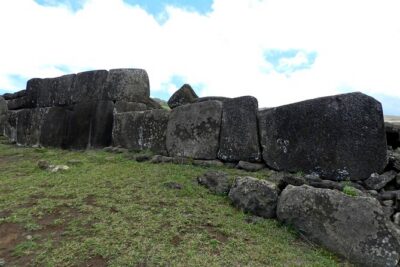
2-Day Private Tour Easter Island Highlights Complete Discovery
Read our review →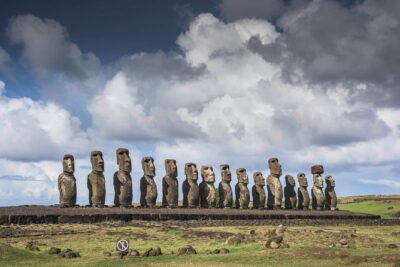
Private Tour: Full Day Easter Island Highlights
Read our review →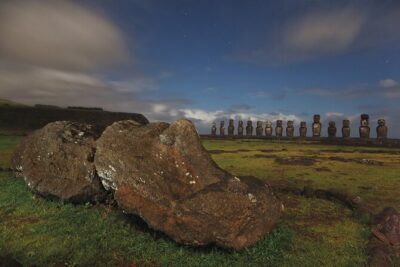
Browse the lists this tour appears in