
REVIEW · EASTER ISLAND TOURS
Easter Island: Private Full Day History Of The Moai
The Moai reveal their secrets slowly. This private seven-hour outing gives you a strong first look at Rapa Nui, linking ceremonial platforms, the quarry at Rano Raraku, remote coastal sites, and Anakena Beach in one long day. I especially like the route’s mix of major sights and quieter stops, plus the chance to have an English, Spanish, or French-speaking guide explain what you are seeing.
I also like the private format. You can ask questions, set the pace within reason, and avoid being tied to a large group. The main caution is communication: some guests had excellent guides, including Simon and Flora, while others found the English difficult and had trouble getting answers. Pickup coordination also caused problems for some people, especially those arriving by tender.
In This Review
- Key points to know before booking
- Why this route works for a first day on Rapa Nui
- Starting near Hanga Roa and heading into the island’s past
- Ahu Akahanga and the meaning of a ceremonial platform
- One Makihi, a quieter stop with an unusual Moai
- Rano Raraku, the two-hour Moai factory visit
- Ahu Tongariki and its line of 15 Moai
- Te Pito Kura and the sacred stone story
- Ovahe Beach and the rose-colored sand
- Anakena Beach, a gentler final chapter
- The guide can make or break the day
- What the $219 price really buys you
- Who should book this private Moai tour
- FAQ
- How long does the tour last?
- What languages are available?
- Is this a private tour?
- Does the price include hotel pickup and return?
- Are food and park entrance fees included?
- What are the main places visited?
- Should you book it?
Key points to know before booking
- Rano Raraku gets two hours: You have time to walk among unfinished Moai at the quarry, rather than simply stopping for a quick photograph.
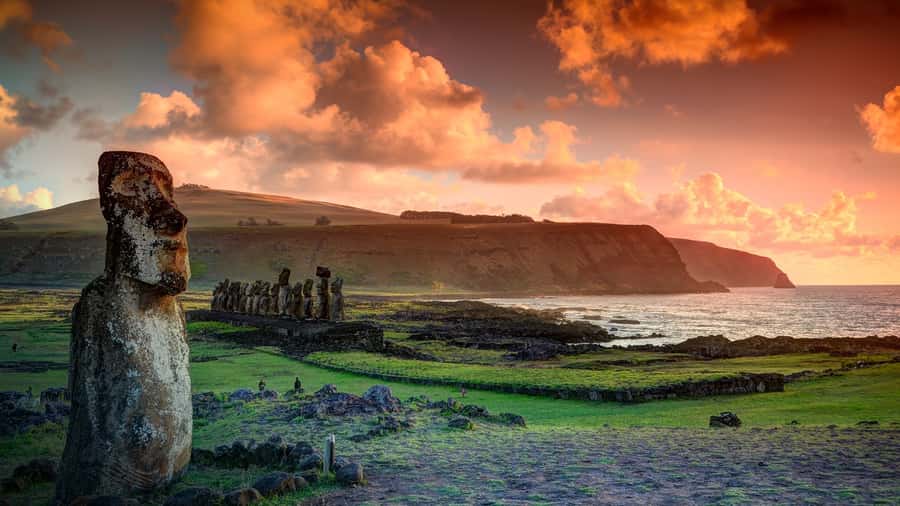
- Tongariki features 15 Moai: This is the grand visual moment of the day, with the statues lined up on one ceremonial platform.
- The route includes lesser-seen places: Ahu One Makihi, Ahu Ahahanga, Ovahe, and Te Pito Kura add more than the usual headline stops.
- Anakena provides a slower finish: You get time for the beach, scenic views, free time, and a possible picnic break.
- Food and park admission cost extra: The $219 price includes hotel pickup, return transport, and an individual bottle of water, but not meals or entrance fees.
- Guide quality matters: The best reports praise the guides’ warmth and cultural explanations, but communication has not been consistent for everyone.
Why this route works for a first day on Rapa Nui
The great strength of this tour is coverage. In one day, you visit ceremonial platforms on the coast, the main Moai quarry, a sacred stone site, two beaches, and the largest Moai gathering on the island. That gives you a useful framework for understanding Rapa Nui rather than seeing each statue as an isolated object.
I like the order because the day builds toward Tongariki and Rano Raraku, then eases toward the beaches. The route is not just a string of photo stops. At several places, you walk and receive an explanation of the statues’ role in Rapa Nui culture, their size, their placement, and the meaning of the ahu, or ceremonial platforms.
The private setting should help if you are curious and like to ask questions. You can request clarification, spend more time at an important site, or keep a shorter stop brief. Still, seven hours is a tight window for this many places. You should expect a full day with frequent stops, walking, and a fair amount of time in the vehicle.
More history tours in Easter Island:
- 2 Day Private Tour: Easter Island’s Cultural Heritage
★ 5.0 · 40 reviews - 2 Day Small Group Tour in Moai Monuments and Historic Pathways
★ 5.0 · 22 reviews - Private tour: where the history of the Moai was born
★ 4.7 · 13 reviews
Starting near Hanga Roa and heading into the island’s past
Pickup is provided from your Easter Island hotel. You are asked to wait in the lobby ten minutes before the scheduled time, which is sensible because the route covers distant sites and cannot easily absorb a late start.
The first listed stop near Hanga Roa lasts about 20 minutes. This opening visit gives your guide a chance to set the scene before you head farther around the island. I would use this time to ask how the day is organized, which stops involve walking, and how park admission will be handled.
Pickup deserves special attention if you arrive by cruise tender. One person reported that the guide waited when the tender arrived late, which was excellent service. Another had a one-hour delay and needed help from local people near the port to connect with the tour. If you are coming from a ship, confirm the meeting point and timing before the day begins.
Ahu Akahanga and the meaning of a ceremonial platform
Ahu Akahanga is scheduled for roughly 30 minutes, with a guided visit, photography, and a walk. Here, you can see Moai connected to a ceremonial platform and get a sense of how these monuments were arranged in their original setting.
The stop is useful because it broadens the story beyond the perfectly restored rows. Rapa Nui has many sites in different conditions, and Akahanga helps you think about how the statues once related to community life, ceremony, and the people who built them.
This is also a place where a good guide can make a major difference. A simple explanation of height and weight is not enough. You want context about why the statues were placed on ahu and what their position meant to the Rapa Nui people. Because the stop is short, listen closely and ask direct questions while you have the chance.
One Makihi, a quieter stop with an unusual Moai
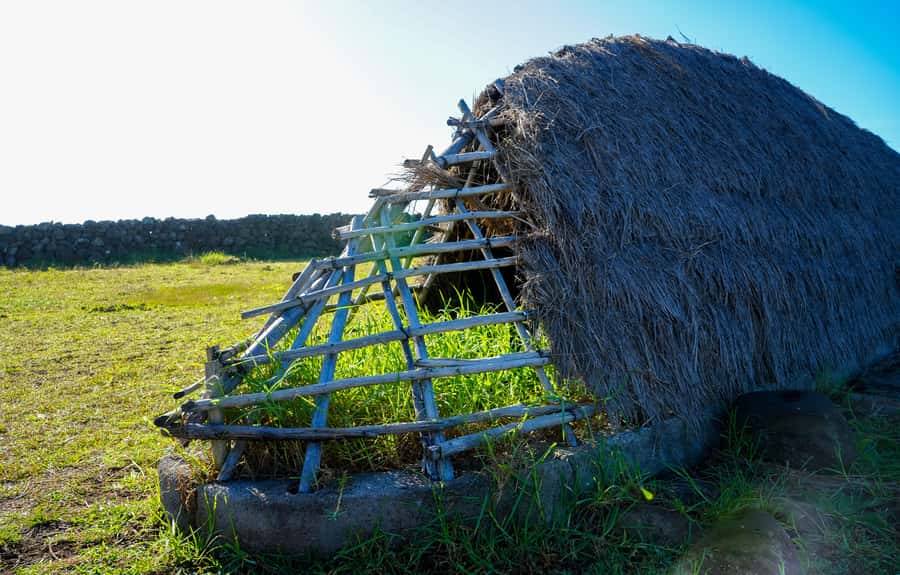
The visit to Ahu One Makihi takes about 30 minutes. It is described as a supine, or reclining, finely carved Moai. That detail makes this stop different from the upright figures most people picture when they think of Easter Island.
One Makihi is the sort of stop I value on a private route. It is less about checking off a famous name and more about seeing how varied the island’s stonework and ceremonial sites can be. You get time for photographs and sightseeing, though the schedule may change if the guide needs to keep the full route moving.
One French-speaking guest enjoyed the guide but noted that two of the shorter photo stops were skipped. That is a useful warning. The main sites are the priority, and short stops such as this one may be the first to change if timing slips.
More things to do on Easter Island:
- From Hanga Roa: Rapa Nui Culture Sightseeing Tour
★ 4.6 · 307 reviews - From Hanga Roa: Easter Island Highlights 2-Day Tour
★ 4.3 · 205 reviews - From Hanga Roa: Easter Island Sightseeing Full Day Tour
★ 4.5 · 189 reviews - Two days of Full Day Tour of Rapa Nui + Sunrise in Tongariki
★ 4.5 · 132 reviews
Rano Raraku, the two-hour Moai factory visit
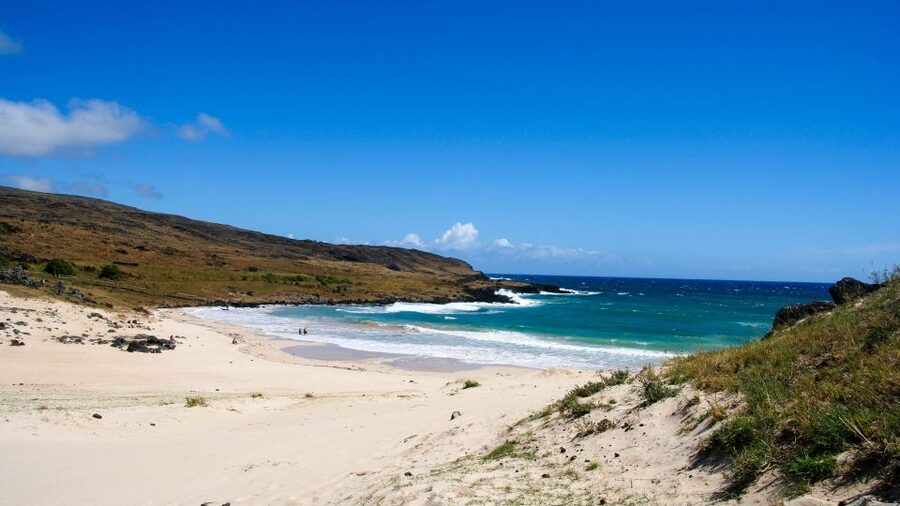
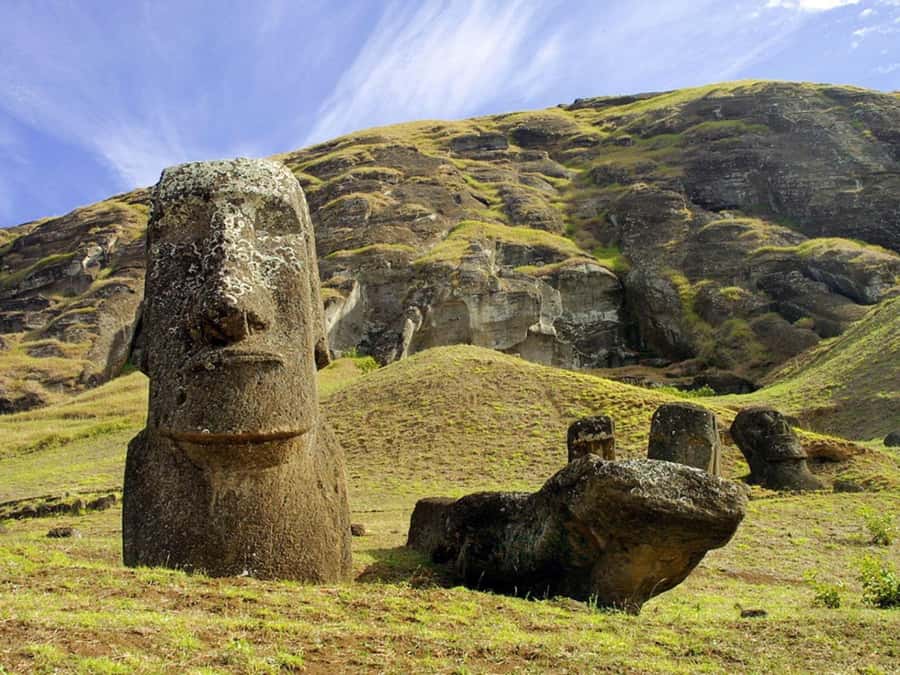
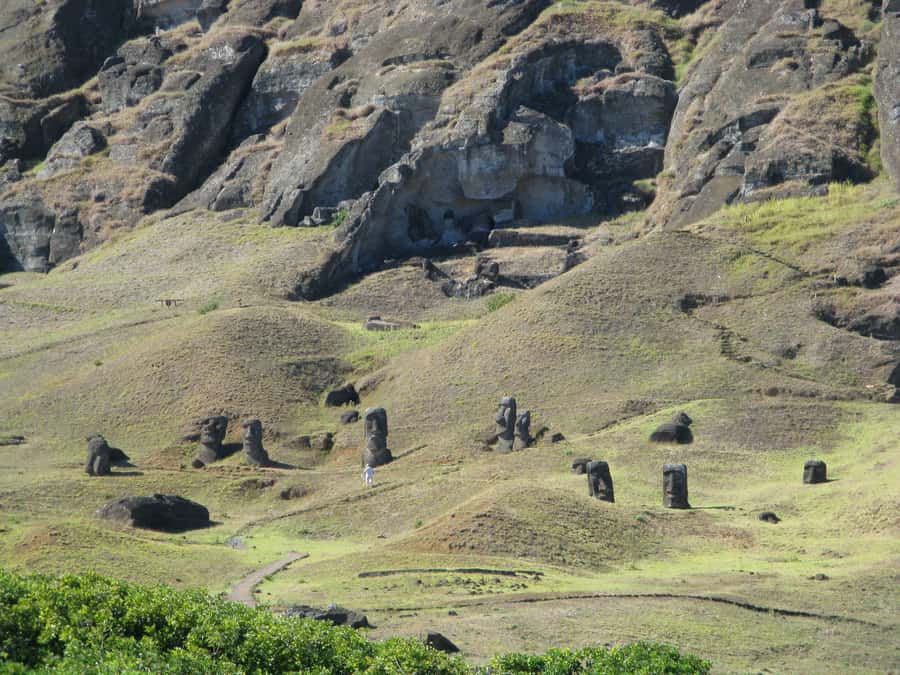
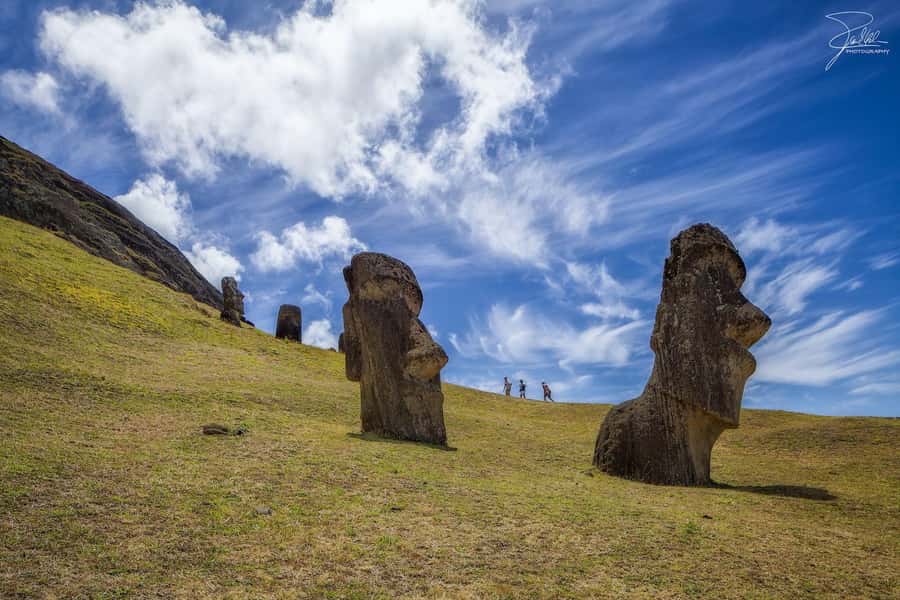
Rano Raraku is the heart of the tour. You have about two hours here for a guided visit, walking, sightseeing, and photographs. The volcanic site is known as the Moai factory because the statues were carved from its stone.
This is where the scale of the work becomes clearest. Instead of seeing only finished figures on platforms, you can walk among Moai still in various stages of production. Some are partly carved from the rock, while others appear to wait on the slopes. The unfinished forms make the process feel immediate and raise the questions that give Easter Island much of its mystery.
I would not rush this stop. Look closely at the stone surfaces and the way the figures emerge from the volcanic material. Ask your guide how the carving process worked, how the statues were moved, and why some were left unfinished. The supplied schedule gives you more time here than at almost any other location, so this is the best place to seek a fuller explanation.
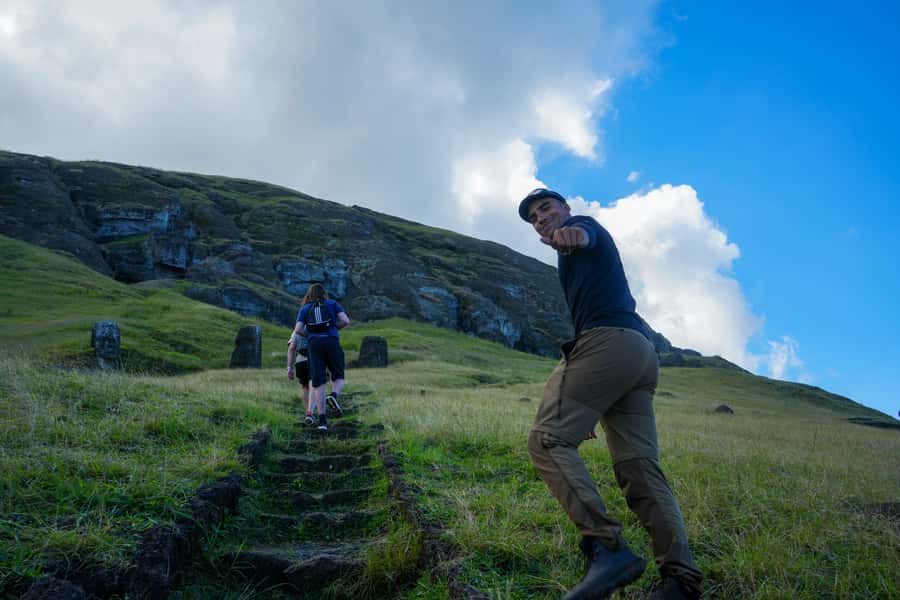
The walking matters. You should be prepared to move around the site rather than view it all from the vehicle. The route is rewarding for anyone interested in archaeology, sculpture, or the practical challenge of moving enormous stone figures. If you dislike walking or need a slow pace, tell your guide early.
Ahu Tongariki and its line of 15 Moai
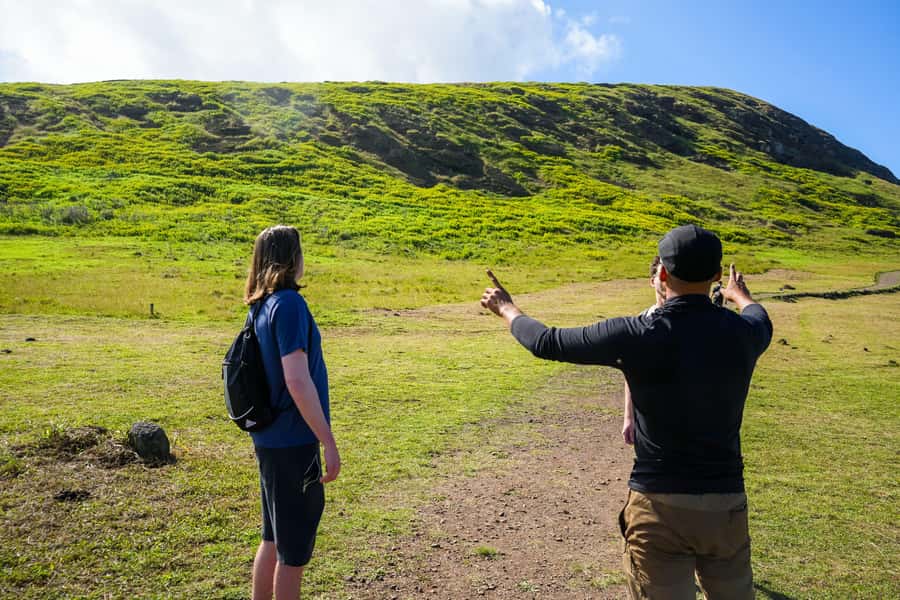
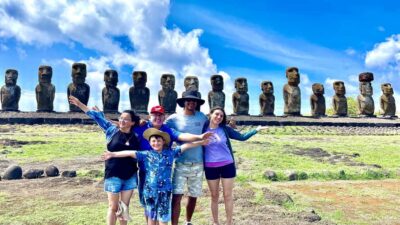
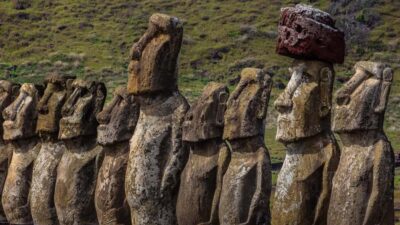
After Rano Raraku, the route continues to Ahu Tongariki for about 80 minutes. This is the largest group of Moai on the island, with 15 statues arranged on one ceremonial platform. It is the grandest visual stop of the day.
Tongariki rewards patience. Take a moment to view the whole line, then look at each figure separately. Their different sizes, shapes, and states of preservation help you see that the group is not a row of identical decorations. It is a place where scale and setting do much of the talking, while your guide adds the cultural and historical explanation.
The tour description promises detailed help with the meaning and history of the statues. That is exactly what you should expect from the guide. If the explanation becomes repetitive, ask about the platform, the community that built it, and the relationship between Tongariki and nearby Rano Raraku. Those questions should move the conversation beyond memorized measurements.
With 80 minutes allotted, you have time to walk, take photographs, and simply look. This is one of the stops where a private group feels worthwhile. You do not have to fight a large crowd for a quick picture or leave just as you begin to understand the scene.
Te Pito Kura and the sacred stone story
Ahu Te Pito Kura receives about 20 minutes. The site is associated with a sacred place and one of the largest Moai on Easter Island. Your guide explains why these stones mattered to Rapa Nui culture and how the statue fits into the island’s wider story.
The short timing means this is primarily a focused visit. You will have time for a guided explanation, photographs, and a walk, but not the long wandering possible at Rano Raraku or Anakena. I would listen for the cultural details here, since the point is not simply to measure the statue.
Te Pito Kura also helps connect the inland quarry with the coastal platforms. By this point in the day, you have seen where many Moai were carved and how they were displayed. This stop adds another piece to that sequence.
Ovahe Beach and the rose-colored sand
Ovahe is a 20-minute coastal stop with a guided visit, sightseeing, walking, and photographs. Its rose-colored sand gives you a visual change after the heavy stone monuments.
Do not expect a long beach session here. The schedule allows a short look, so treat Ovahe as a scenic pause rather than the place to swim or settle in for the afternoon. It is useful because the tour is not only about statues. The coast, volcanic material, and beaches are part of the island experience too.
Bring your camera, but keep your attention on the setting. The best value of a short stop like this is the contrast it provides before the longer break at Anakena.
Anakena Beach, a gentler final chapter
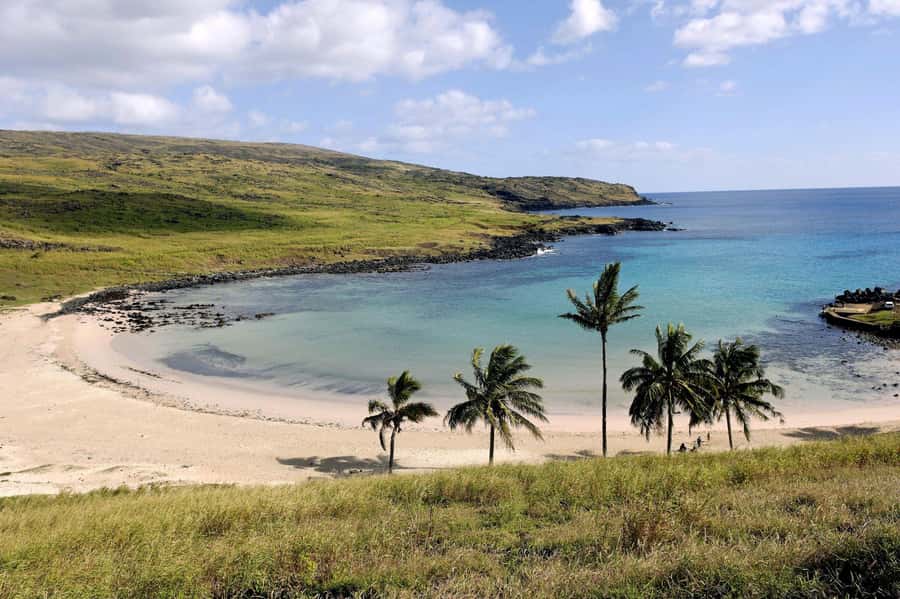
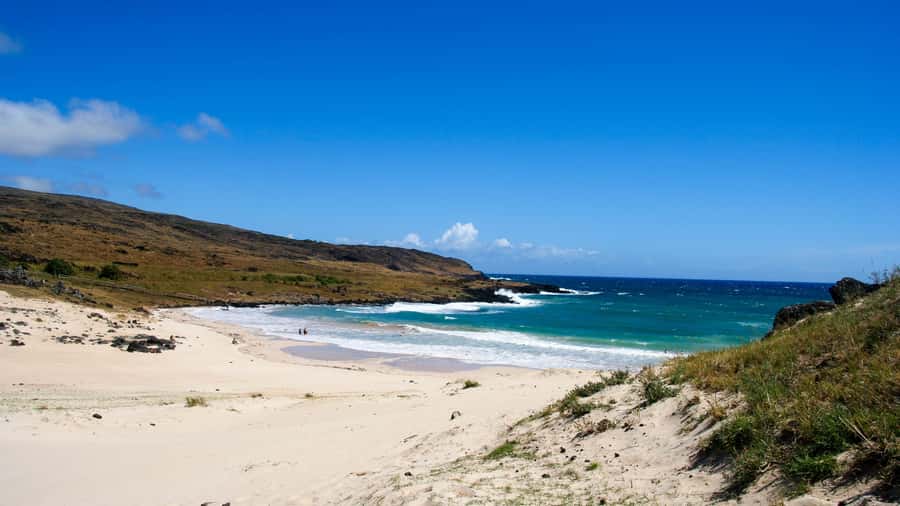
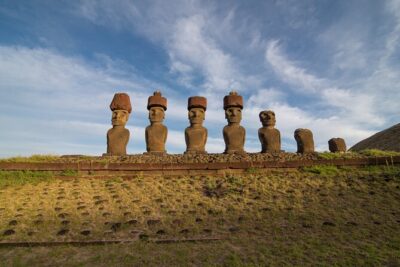
The route finishes at Anakena, with about 100 minutes for a guided visit, sightseeing, walking, and photographs, followed by another 30-minute break with free time, shopping, scenic views, and a possible picnic pause. This gives you roughly two hours at the beach area, making it the most relaxed part of the day.
Anakena is described as having clear water and opportunities for activities such as snorkeling. The tour does not include food, so you need to bring or arrange your own meal if you want a picnic. Do not assume lunch is supplied simply because there is a break.
I like ending here. After several hours of platforms, quarry walls, and stone figures, the beach gives you room to slow down and absorb the day. You can take photographs, enjoy the views, and use the free time according to your own interests. The beach is also a practical place to plan your energy. If you want to walk, swim, or snorkel, you may prefer to save some strength for this final stop.
The schedule separates the main Anakena visit from the later break. That suggests the guide may first explain the site and then give you personal time. Ask how the two periods will work when you arrive, especially if your group wants to eat or spend more time near the water.
The guide can make or break the day
The strongest part of the experience, when it works well, is the guide. Simon received praise for waiting through a late tender arrival and for explaining the island’s history, culture, and language. Flora was described as kind and very good at guiding visitors through the island’s major sights.
The tour offers live guiding in English, Spanish, and French. That is valuable on a site where the meaning behind the statues matters as much as their appearance. A good explanation can turn a large stone figure into part of a cultural system rather than a simple photo subject.
But guide quality has not been uniform. One German-speaking guest found the English difficult and felt the explanations repeated basic facts about height, weight, and the number of statues at each site. Questions were not always understood. If cultural detail is your main reason for booking, language ability should be confirmed before you pay.
I would also prepare a few questions in simple wording. Ask about the ahu, the carving process, the meaning of the Moai, and the connection between Rano Raraku and Tongariki. Clear questions may help keep the commentary focused and useful.
What the $219 price really buys you
At $219 per person, this is not a budget sightseeing loop. You are paying for a private group, hotel pickup and return, a seven-hour route, a live guide, and transport across a wide set of Easter Island sites. For a couple or small group that values privacy and wants to cover the main sites in one day, the price can be reasonable.
The value is strongest if you would otherwise need to arrange separate transport and guiding. The route reaches Rano Raraku, Tongariki, Te Pito Kura, Ovahe, Anakena, Akahanga, and One Makihi. Seeing those places independently would require careful planning, and the cultural explanations are a central part of the experience.
Budget for two extra costs. Food is not included, and entrance to the parks is not included. You also receive one individual bottle of water, but I would still carry extra water for a full day that includes walking and time outdoors.
The 4.6 rating from 12 bookings suggests a generally positive experience, but the smaller sample and mixed comments make it wise to set realistic expectations. You may receive a warm, flexible guide who gives detailed explanations. You may also face a late pickup, a language problem, or the loss of one or two short photo stops.
Who should book this private Moai tour
I would choose this outing if you have one full day on Easter Island and want the main archaeological sites covered without managing transport yourself. It suits couples, families, and small groups who prefer their own vehicle and the chance to ask questions.
It is also a good fit if Rano Raraku and Tongariki are your priorities. The two-hour quarry visit and 80-minute Tongariki stop give those major places proper attention, while the beaches keep the day from becoming one long sequence of stone platforms.
I would hesitate if you need flawless port pickup, highly polished English, or a slow, flexible schedule. The day is packed, and short stops may be dropped if the timing goes wrong. Cruise passengers should confirm the pickup details before arrival, and anyone with a specific language requirement should verify the guide assignment.
Cancellation is free up to 24 hours before the start, and you can reserve now while paying later. Those terms help if your Easter Island plans are still shifting, but they do not remove the need to confirm the pickup arrangement.
FAQ
How long does the tour last?
The experience lasts seven hours. The route includes guided visits, walks, photo stops, sightseeing, and free time at Anakena.
What languages are available?
Live guiding is available in English, Spanish, and French.
Is this a private tour?
Yes. It is offered for a private group rather than a shared group.
Does the price include hotel pickup and return?
Yes. Pickup and return to your Easter Island hotel are included. You should wait in the hotel lobby ten minutes before the scheduled pickup time.
Are food and park entrance fees included?
No. Food and entrance to the parks are not included. An individual bottle of water is included.
What are the main places visited?
The route includes the Hanga Roa area, Ahu Akahanga, Ahu One Makihi, Rano Raraku, Ahu Tongariki, Ovahe, Ahu Te Pito Kura, and Anakena Beach.
Should you book it?
Book this tour if you want a private, full-day sweep of Easter Island’s major Moai sites, with special attention to Rano Raraku and Tongariki. The mix of famous monuments, quieter stops, and beach time gives you a solid picture of Rapa Nui in a single day.
Before booking, confirm the pickup point, your preferred guide language, park entry costs, and whether food is needed during the Anakena break. If those details are clear, the tour offers a practical way to see a remarkable number of sites without arranging the day yourself.
Just added in Easter Island
- Volcanic Refuges: Excursion to Underground Civilization★ 4.7 · 8 reviews
- Volcanic Wonders and the Kingdom of the Birdman: Half Day★ 5.0 · 6 reviews
- Half Day Private Tour: Caves and Volcanic Refuges★ 4.0 · 14 reviews
- Easter Island Ancestral Dinner and Show with Transport★ 4.5 · 2 reviews
- 2 Day Small Group Tour in Moai Monuments and Historic Pathways★ 5.0 · 22 reviews
- Visit Rapa Nui in 4 days with 3 Tours and Accommodation included★ 4.0 · 2 reviews
- Tour to the Motus: Boat trip and snorkeling in Rapa Nui★ 5.0 · 8 reviews
- The birdman journey in Easter Island★ 5.0 · 1 review
Easter Island Tours, compared.
Two days of Full Day Tour of Rapa Nui + Sunrise in Tongariki
Read our review →
2-Day Private Tour Easter Island Highlights Complete Discovery
Read our review →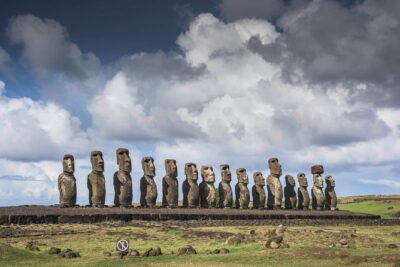
Private Tour: Full Day Easter Island Highlights
Read our review →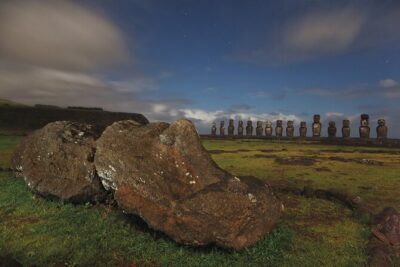
Browse the lists this tour appears in