
REVIEW · EASTER ISLAND TOURS
Private 5 Days Tour in Easter Island
Rapa Nui rewards a well-planned route. This private five-day tour takes you from volcanic craters and lava caves to the island’s greatest moai sites, with private transport, hotel pickup, two included lunches, and a guide dedicated only to your group. I especially like the broad coverage and the chance to visit major sites at a sensible pace rather than trying to piece everything together alone.
I also like the personal service. Josefina, the guide named in the feedback, handled both the driving and guiding and received the strongest praise for her explanations and care. The main drawback is cost: at $1,397 per person, before the mandatory $100 National Park fee, this is a serious investment, and several entrance fees are not included.
In This Review
- Five details that shape the experience
- Why this private Easter Island plan works
- Day 1: Rano Kau, Orongo, Vinapu, and Tahai
- Day 2: The island’s greatest moai route
- Day 3: Lava caves, toppled moai, and red stone
- Day 4: Maunga Terevaka and Motu Nui
- Day 5: Sunrise at Ahu Tongariki
- What the $1,397 price really covers
- The guide can make or break the schedule
- Who should book this tour
- FAQ
- How long is the Easter Island tour?
- What is the price per person?
- Is the National Park entrance fee included?
- Is this a private tour?
- Are hotel pickup and drop-off included?
- Are meals included?
- Can cruise ship passengers join?
- How fit do I need to be?
- Should you book it?
Five details that shape the experience
- Private guiding with Josefina praised by name: The strongest commendation goes to her driving, organization, and ability to explain the island.
- Ahu Tongariki appears twice: You visit the fifteen-moai platform during the main route, then return for a sunrise with coffee on Day 5.
- The schedule covers more than statues: You see volcanic craters, ceremonial sites, caves, a beach, a red-stone quarry, and the island’s highest volcano.
- Two full days carry much of the sightseeing: Days 2 and 3 are packed, so expect a full touring schedule and plenty of walking.
- The $100 National Park fee is extra: This mandatory charge applies to every person and should be added to the advertised price.
- A private group means flexible attention: You are not sharing the activity with strangers, which helps when you want explanations or a slower look at a site.
Why this private Easter Island plan works
Easter Island, or Rapa Nui, is not a place where the moai are gathered in one compact archaeological park. Important sites circle the island, and the natural stops matter just as much as the statues. This tour works because it links the major areas in a logical five-day plan.
You begin with two shorter outings, move into two full days of serious sightseeing, and finish with a sunrise at Ahu Tongariki. The result is a good mix of orientation, major archaeological sites, outdoor scenery, and time to see the island’s most famous platform under different light.
I value the private format here. A guide can explain why one ahu was restored while another remains toppled, point out the connection between a quarry and the finished moai, and adjust the pace to your group. The tour includes private transportation and hotel pickup and drop-off, so you are not responsible for finding each remote site yourself.
The plan is not a lazy holiday. The listed stops add up to long touring days, especially on Days 2 and 3. You should be comfortable walking over uneven ground and entering caves. A moderate level of physical fitness is required.
More things to do on Easter Island:
- From Hanga Roa: Rapa Nui Culture Sightseeing Tour
★ 4.6 · 307 reviews - From Hanga Roa: Easter Island Highlights 2-Day Tour
★ 4.3 · 205 reviews - Full Day Tour in Rapa Nui
★ 4.5 · 122 reviews
Day 1: Rano Kau, Orongo, Vinapu, and Tahai
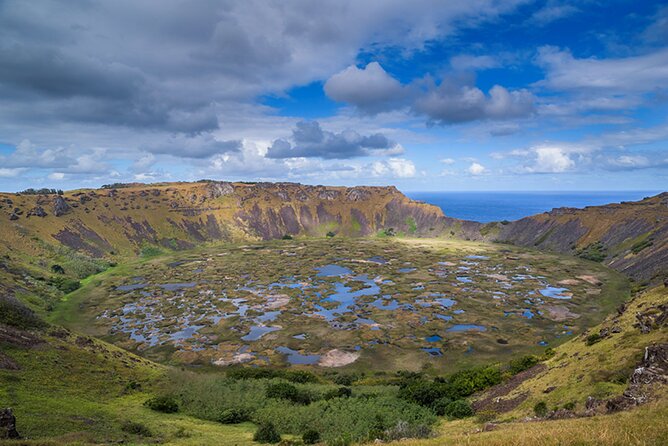
The first day begins at Rano Kau, a huge volcanic crater on the southwest side of the island. Its crater measures about 1.5 kilometers across and contains a reserve of native plant life. The stop is scheduled for 20 minutes, which gives you time to take in the view, but not a long hike around the rim.
From Rano Kau, you continue to Orongo, a ceremonial village perched beside the crater. This is one of the most important cultural sites on Rapa Nui because of its dramatic setting and its connection to the island’s birdman tradition. The village’s stone houses and cliffside position make it feel very different from the moai platforms along the coast.
You have 40 minutes at Orongo. That is enough for a focused visit with a guide, though anyone who likes to linger over archaeological details may wish the stop were longer. The National Park entrance fee is not included, so remember that the $100 charge covers access to these sites as well as the other national park locations.
Ahu Vinapu follows. This platform is noted for the careful stonework of its ancient builders. Its large, tightly fitted stones have prompted theories about possible outside influence, though the site is best appreciated first on its own terms as evidence of Rapa Nui engineering.
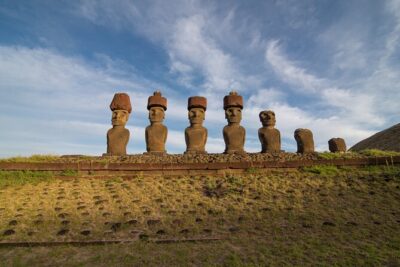
The day ends at Ahu Tahai, a ceremonial complex restored in 1974 by American archaeologist William Mulloy. Tahai includes three main ahu: Ko Te Riku, Tahai, and Vai Ure. Ko Te Riku is especially memorable because its moai has restored eyes.
Tahai is scheduled for 30 minutes. Its position near Hanga Roa makes it a useful first-day stop, since you get an early look at how an ahu relates to a settlement and ceremonial area. I like this opening day because it gives you three different ways to read Rapa Nui: through nature at Rano Kau, ceremony at Orongo, and stone construction at Vinapu and Tahai.
Day 2: The island’s greatest moai route
Day 2 is the main event for many people. It starts at Ahu Akahanga on the southeast coast, an unrestored ceremonial complex that helps show how a traditional village was arranged around an ahu. You have an hour here, which allows time to look beyond the fallen statues and consider the site as part of a larger community.
Next comes Rano Raraku, the volcanic tuff quarry where the moai were carved. This is one of the most important stops on the island because it changes the way you understand the statues. Instead of seeing isolated figures on distant platforms, you see the place where many began their lives as unfinished forms in the rock.
One hour is scheduled at Rano Raraku. That is useful time, though the stop involves walking and uneven ground. Wear sturdy shoes and do not plan to treat this as a quick photo stop. The quarry gives the guide room to explain how the moai were shaped and moved across the island.
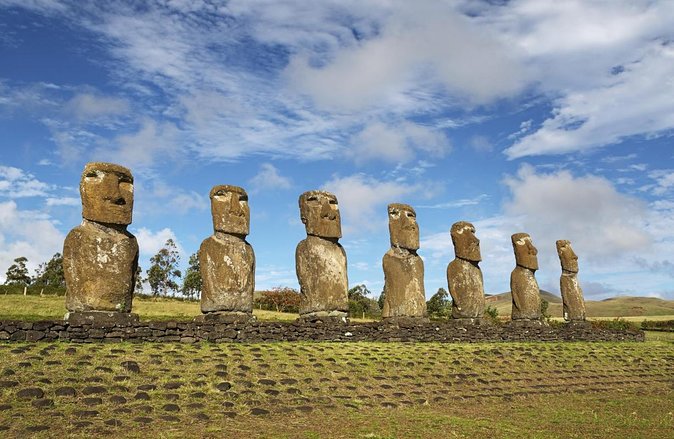
Ahu Tongariki is opposite Rano Raraku and is the largest reconstructed ahu on Rapa Nui. Fifteen moai face inland from the long ceremonial platform, creating the tour’s most powerful group view. The platform was reconstructed, so it also raises useful questions about preservation, restoration, and how much of an ancient site can be brought back after damage.
You have 45 minutes at Tongariki on this day. That is a sensible first visit because it lets you see the scale of the platform without using the entire morning. You return on Day 5 for sunrise, when the experience has a different mood and softer light.
Ahu Te Pito Kura follows. Here you see Ahu o Paro, described as the largest moai transported from Rano Raraku, measuring about 11 meters long and weighing around 90 tons. Nearby is the rounded stone known as Te Pito o te Henua, surrounded by traditional stories and interpretations.
The final stop is Anakena Beach, the island’s main beach. Warm turquoise water and coral sand make it a welcome change after the archaeological sites. Anakena also carries cultural importance as the ancestral home of the Miru Araki royal family, and Ahu Nau Nau adds another ceremonial site beside the beach.
I like the balance of this day. You see where moai were made, where they were placed, how large they could become, and how the ceremonial world connected with royal settlement and the coast. The drawback is the pace. Five stops, plus driving between them, make this a full day. Keep lunch and water in mind, and take advantage of the included lunch rather than assuming you will have plenty of spare time.
Day 3: Lava caves, toppled moai, and red stone
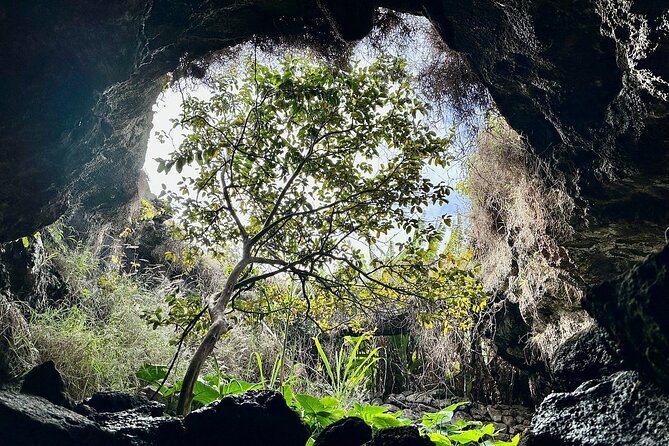
Day 3 moves away from the largest platforms and into the island’s volcanic interior and western side. The first stop is Ana Te Pahu, the largest cave on Rapa Nui. Lava channels form several connected underground chambers, and the space was used in earlier times for shelter and cooking areas known as umu.
You have an hour at Ana Te Pahu. This is a more physical visit than simply walking up to a moai. Cave surfaces can be irregular, and the tour requires moderate fitness, so choose shoes with a firm sole and be ready for a darker, less polished type of sightseeing.
Ahu Te Peu is an unrestored archaeological site. The fallen moai remain where they were left after internal conflicts, giving you a less tidied view of the island’s past. That lack of restoration is the point. It lets you see the site as an abandoned ceremonial area rather than a carefully reconstructed monument.
The next stop is Ana Te Pora, a volcanic cave whose entrance is about 100 meters from the parking area. It served as both a shelter and a ceremonial place. The scheduled visit is 30 minutes, making it a shorter cave stop than Ana Te Pahu.
Ana Kakenga is another lava cave, formed when molten rock flowed toward the sea and left two openings facing the cliff. It is about 50 meters long and was once used as a kionga, or shelter. The 45-minute visit should give you time to see the unusual openings and understand how lava shaped the island’s living spaces.
After the caves, Ahu Akivi offers a striking contrast. Its seven moai are inland rather than beside the coast, making it unusual among the island’s ceremonial platforms. The statues were restored to upright positions through the work of archaeologists, including William Mulloy.
The last stop is Puna Pau, the quarry for the red volcanic stone used to make the cylindrical topknots, or pukao, placed on some moai. Twenty-three partly carved cylinders remain here. Seeing the source of the red stone helps complete the story that began at Rano Raraku.
Day 3 may be the most rewarding for anyone who wants more than the famous viewpoints. The caves show how people used the island’s geology in practical ways, while Te Peu and Puna Pau add detail to the archaeological picture. It is also the day most likely to feel tiring. Six stops and substantial walking leave little room for a slow, unplanned afternoon.
A few more options to weigh up in Hanga Roa
- 2-Day Private Tour Easter Island Highlights Complete Discovery
★ 5.0 · 110 reviews - Private Full-Day Easter Island Highlights North and West
★ 5.0 · 84 reviews - Full Day Private Tour: Factory of the Moai the stone giants
★ 4.5 · 63 reviews - Private Easter Island Full-Day Tour
★ 5.0 · 61 reviews
Day 4: Maunga Terevaka and Motu Nui
Day 4 shifts from archaeology to open-air adventure. The first activity is a three-hour horseback ride toward the top of Maunga Terevaka, the highest volcano on Rapa Nui. You meet the horseback riding guide and tour guide before setting out.
This is a good choice if you want to see the island from a higher point rather than from the road. The ocean surrounds Rapa Nui in every direction, and the round horizon gives the island its strong sense of isolation. The horseback format also changes the pace after two days of site visits.
The tour data does not state the riding skill required, so ask the provider for details if you have little or no horseback experience. It does state that the overall activity calls for moderate physical fitness. The riding portion is not included in the National Park fee, and admission is listed as not included.
The second Day 4 stop is Motu Nui, with three hours scheduled and no admission charge listed. The island’s connection with the ocean is central to its culture, and this stop gives the schedule a broader view of Rapa Nui beyond the moai.
The information provided does not describe the exact transport or activity format for Motu Nui, so confirm those details before booking. That is one place where a direct question to Kava Kava Tours will help you prepare properly.
Day 5: Sunrise at Ahu Tongariki
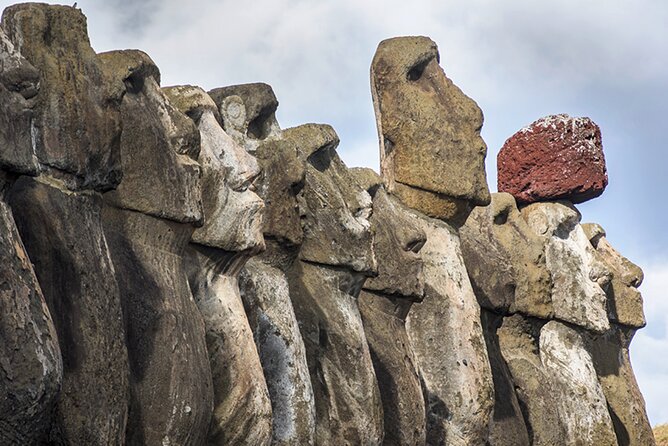
The final morning returns to Ahu Tongariki for sunrise. Three hours are scheduled, and coffee is served at the site. This repeat visit is not wasted time. The fifteen moai look different at dawn than they do during the daytime route, and the quiet setting gives you time to absorb the scale of the platform.
I like this ending because the tour does not simply rush you through Tongariki once and move on. You first see it as part of the eastern archaeological route, then return when the changing light becomes part of the experience. Coffee is a small touch, but it matters on an early morning outing.
The entrance fee is still not included, so budget for the mandatory $100 National Park ticket before you arrive. Since the final outing lasts three hours, confirm the pickup time with the operator and dress for an early start.
What the $1,397 price really covers
The listed price is $1,397 per person. That is expensive, especially once you add the required $100 National Park fee per person and any admission charges marked separately as not included.
Still, the price buys more than transportation from one sight to another. You receive private transportation, a professional guide, hotel pickup and drop-off, a private group, and two lunches. The route covers most of the island’s major archaeological and natural sites, including places that would be difficult to connect efficiently without a vehicle.
The value depends on how much you care about personal attention. If you are traveling as a couple, family, or small group and want direct explanations from one guide, the price may make sense. If you prefer independent exploration or are watching every peso, a shared tour or separate day trips may be better.
Group discounts are offered, which could improve the value for a larger party. Ask how the discount is calculated and exactly which entrance charges remain outside the price.
The guide can make or break the schedule
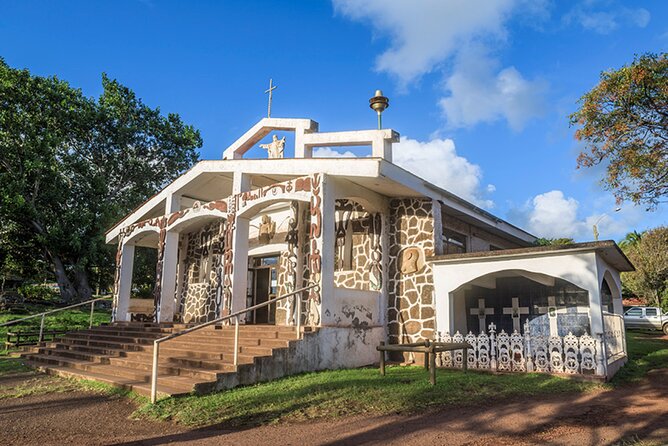
The strongest praise goes to Josefina. She drove and guided the tour, and her explanations helped one visitor learn a great deal about the island. That matters here because the sites are not self-explanatory. A fallen moai, a quarry, and a cave can blur together without clear context.
A private guide also gives you a chance to ask the same question twice, spend longer at a favorite site, or move along when a stop is not holding your interest. The itinerary is fixed enough to cover a lot, but private touring should feel less rigid than a large group coach.
The tour provider is Kava Kava Tours. Confirmation is provided at booking, and hotel pickup and drop-off are included. Cruise ship passengers cannot join this program, so it is intended for people staying on the island rather than making a short port call.
Who should book this tour
I would consider this tour a strong fit if you:
- Want to see the major moai platforms in one organized plan
- Prefer a private guide instead of a large group
- Like combining archaeology with caves, beaches, volcanoes, and horseback riding
- Have moderate physical fitness
- Value hotel pickup and private transport
- Are willing to pay more for convenience and personal attention
I would think twice if you want long free periods, dislike packed sightseeing days, or mainly want a beach break. Days 2 and 3 are demanding, and many admission fees are not included in the headline price.
Before booking, confirm the details of the Motu Nui activity, the horseback riding requirements, and the exact timing of the sunrise outing. You can cancel for a full refund up to 24 hours before the start time. Changes or cancellations inside that window are not accepted for a refund.
FAQ
How long is the Easter Island tour?
The program lasts approximately five days and includes two half-day outings, two full days of touring, and a final sunrise visit.
What is the price per person?
The listed price is $1,397 per person. The mandatory National Park entrance fee of $100 per person is extra.
Is the National Park entrance fee included?
No. Every person must pay the $100 National Park entrance fee separately.
Is this a private tour?
Yes. Only your group participates, and private transportation and a professional guide are included.
Are hotel pickup and drop-off included?
Yes. Hotel pickup and drop-off are included in the tour.
Are meals included?
Two lunches are included. Other meals are not specified as included.
Can cruise ship passengers join?
No. The tour is not available for cruise ship passengers.
How fit do I need to be?
A moderate level of physical fitness is required. The schedule includes several archaeological sites, lava caves, walking, and a three-hour horseback outing.
Should you book it?
Book this tour if you want a well-organized, private look at nearly every major side of Rapa Nui and you value having one guide explain the connections between the sites. The combination of Rano Raraku, Tongariki, Anakena, the caves, Maunga Terevaka, and the Tongariki sunrise gives you a fuller picture than a short two-day visit.
The price is the main question. Add the $100 park fee and the separate admission charges, then compare the total with your budget. If that cost is acceptable, the private format and the personal attention praised in Josefina’s guiding make this a strong choice. If not, select fewer touring days and focus on Rano Raraku, Ahu Tongariki, Orongo, and Tahai first.
Just added in Hanga Roa
- Volcanic Refuges: Excursion to Underground Civilization★ 4.7 · 8 reviews
- Volcanic Wonders and the Kingdom of the Birdman: Half Day★ 5.0 · 6 reviews
- Half Day Private Tour: Caves and Volcanic Refuges★ 4.0 · 14 reviews
- Easter Island Ancestral Dinner and Show with Transport★ 4.5 · 2 reviews
- 2 Day Small Group Tour in Moai Monuments and Historic Pathways★ 5.0 · 22 reviews
- Visit Rapa Nui in 4 days with 3 Tours and Accommodation included★ 4.0 · 2 reviews
- Tour to the Motus: Boat trip and snorkeling in Rapa Nui★ 5.0 · 8 reviews
- The birdman journey in Easter Island★ 5.0 · 1 review
Easter Island Tours, compared.
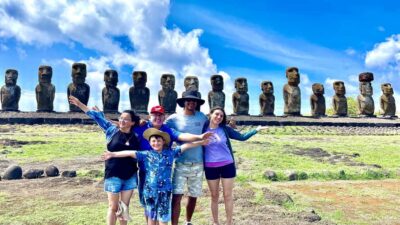
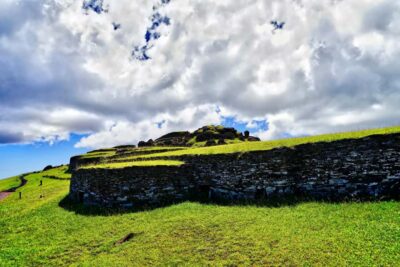
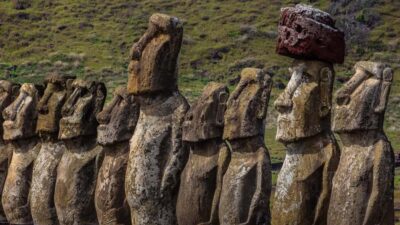
Two days of Full Day Tour of Rapa Nui + Sunrise in Tongariki
Read our review →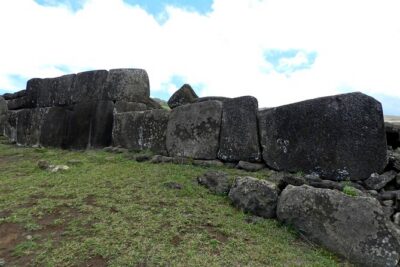
2-Day Private Tour Easter Island Highlights Complete Discovery
Read our review →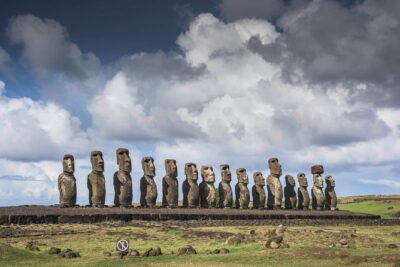
Private Tour: Full Day Easter Island Highlights
Read our review →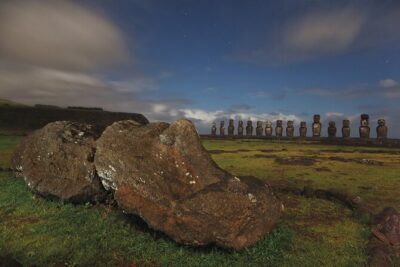
Browse the lists this tour appears in