
REVIEW · EASTER ISLAND TOURS
Easter Island: The Moai Trail Private Archeological Tour
The moai tell a bigger story. This private Rapa Nui tour links the island’s key archaeological sites, from fallen statues at Ahu Akahanga to the 15 upright figures at Ahu Tongariki and the quarry where hundreds were carved. I especially like the private vehicle and hotel pickup, which keep the day simple, and the chance to spend serious time at Rano Raraku rather than treating it as a quick photo stop. The main caution is practical: the listed stop times add up to about eight hours, while the tour is advertised as six, so confirm the day’s timing before you book.
I also like the mix of archaeology and scenery. You will see ceremonial platforms, boat-shaped house foundations, volcanic slopes, a huge spherical stone linked to Rapa Nui legend, and the white sand of Anakena Beach. Guides named Sol, Hugo, Miguel, Yoyo, and Isa have been praised for clear explanations, humor, cultural context, and thoughtful storytelling. The $80 entrance fee is extra, making the actual cost $280 per person, a fair but not bargain-level price.
In This Review
- Five details that shape the day
- Why this private Rapa Nui tour works
- Ahu Akahanga and the remains of an old ceremonial center
- Rano Raraku, where the moai began
- Ahu Tongariki and the island’s most imposing platform
- Ahu Te Pito Kura and Paro, the largest moai
- Anakena Beach and Ahu Nau Nau
- What the guide adds to the experience
- Price, entrance fee, and what you receive
- Timing, weather, and what to bring
- Who should book this experience
- Should you book the Moai Trail Private Archeological Tour?
- FAQ
- Where does the tour begin and end?
- How long does the tour last?
- What sites are included?
- Is the entrance fee included?
- Is transportation included?
- Is the tour private?
- What languages are available?
- Can cruise ship passengers join the tour?
Five details that shape the day
- Rano Raraku is the main event: You can walk among roughly 400 moai in different stages of carving.
- Ahu Tongariki holds 15 moai: This is the island’s largest and most imposing ahu platform.
- The tour is genuinely private: You travel by private vehicle with an English- or Spanish-speaking guide.
- Anakena adds a welcome change of pace: Archaeology gives way to white sand, coastal views, and Ahu Nau Nau.
- The day is physically demanding: Comfortable shoes and warm clothing matter, and the tour is not suitable for wheelchair users or people with mobility impairments.
Why this private Rapa Nui tour works
Easter Island, also called Rapa Nui, is not a place where you want to rush from one famous statue to the next. The island’s monuments make more sense when you see how they relate to one another. The ahu were ceremonial platforms, the moai were carved from volcanic stone, and the quarry at Rano Raraku explains how these giant figures began their journey across the island.
This tour gives you that full chain in one day. You start in Hanga Roa, visit an abandoned ceremonial center, see the island’s grandest restored platform, walk through the moai quarry, stop at a site connected with the largest statue, and finish at Anakena, one of Rapa Nui’s most attractive coastal areas.
I like the private format because the subject needs room for questions. The guide can adjust explanations to your interests instead of delivering a fixed speech to a large group. Japanese visitor Shunichiro specifically praised Hugo for linking Rapa Nui with wider cultural studies, modern island life, and the relationship between Rapa Nui and Japan. That kind of context is far more useful than memorizing dates and statue counts.
The tour has a very strong rating of 4.9 from 12 ratings. The praise centers on the guides, not just the scenery. Sol is described as engaging and punctual, Miguel as professional and easy to understand, and Yoyo as friendly, funny, and full of useful facts. One person enjoyed the day even in pouring rain, which says something about how much the experience depends on the sites and guide rather than perfect weather.
More things to do on Easter Island:
- From Hanga Roa: Rapa Nui Culture Sightseeing Tour
★ 4.6 · 307 reviews - From Hanga Roa: Easter Island Highlights 2-Day Tour
★ 4.3 · 205 reviews - Full Day Tour in Rapa Nui
★ 4.5 · 122 reviews
Ahu Akahanga and the remains of an old ceremonial center
Your first stop is near Akahanga, once an important ceremonial center. Here, you see moai that were knocked down during the tribal conflicts that affected the island.
This is a useful opening because it shows Rapa Nui as a lived-in society, not a collection of mysterious statues placed for modern visitors. The fallen moai and damaged ahu help your guide explain conflict, changing social conditions, and the later abandonment of many ceremonial sites.
You also see the remains of hare paenga, stone foundations shaped like boats. Ancient inhabitants built houses above these foundations, creating a form that makes more sense once you see its outline on the ground.
The guided visit is listed at about 30 minutes. That is enough for an introduction, but not enough for a slow archaeological study. If you enjoy stopping for close looks and questions, use the private setting early and tell your guide what interests you.
Rano Raraku, where the moai began
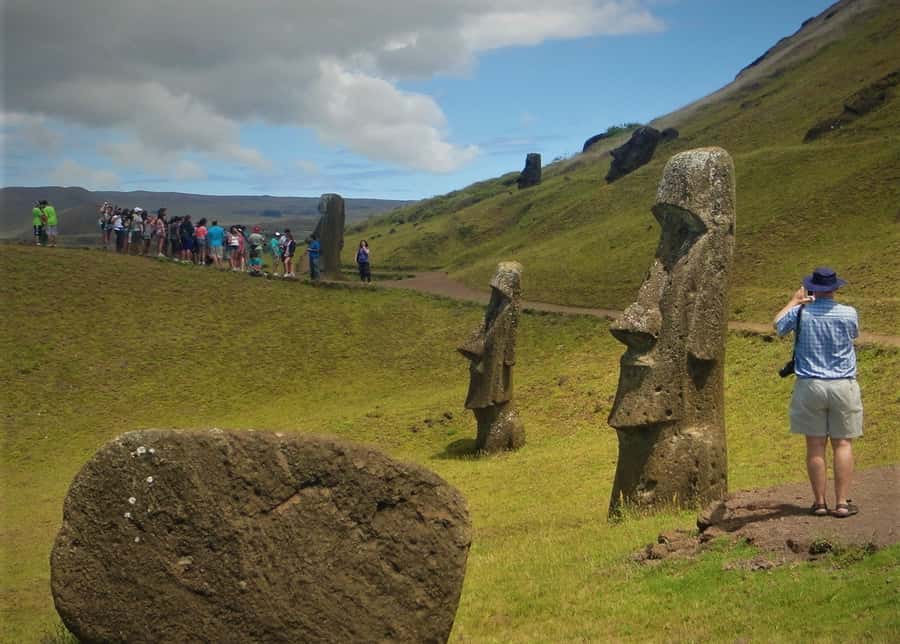
Rano Raraku is the heart of the tour. This volcanic quarry supplied the stone used for most of the island’s moai, and you can see about 400 statues in different stages of carving.
That range is what makes the site so powerful. Some figures appear nearly complete. Others remain partly attached to the rock. Instead of seeing only finished statues on ceremonial platforms, you see the production area itself, including the unfinished work that reveals how the stone was shaped.
I would give this stop your full attention. The planned time is three and a half hours, longer than any other part of the day. That tells you how important it is, although it also creates the timing problem mentioned earlier. The tour is sold as six hours, yet the stated guided visits total about eight hours: 30 minutes at Akahanga, three and a half hours at Rano Raraku, two hours at Tongariki, 30 minutes at Te Pito Kura, and 1.5 hours at Anakena.
That may simply reflect approximate times or an itinerary that normally runs longer. Still, you should ask Kava Kava Tours to confirm the expected return time to Hanga Roa. You do not want to plan a flight, meal, or other activity too tightly around the advertised six-hour duration.
Rano Raraku also rewards comfortable shoes. The information provided does not describe the exact walking surface, but the tour specifically advises comfortable footwear and excludes people with mobility impairments. Treat this as a walking site, not a drive-up viewpoint.
Ahu Tongariki and the island’s most imposing platform
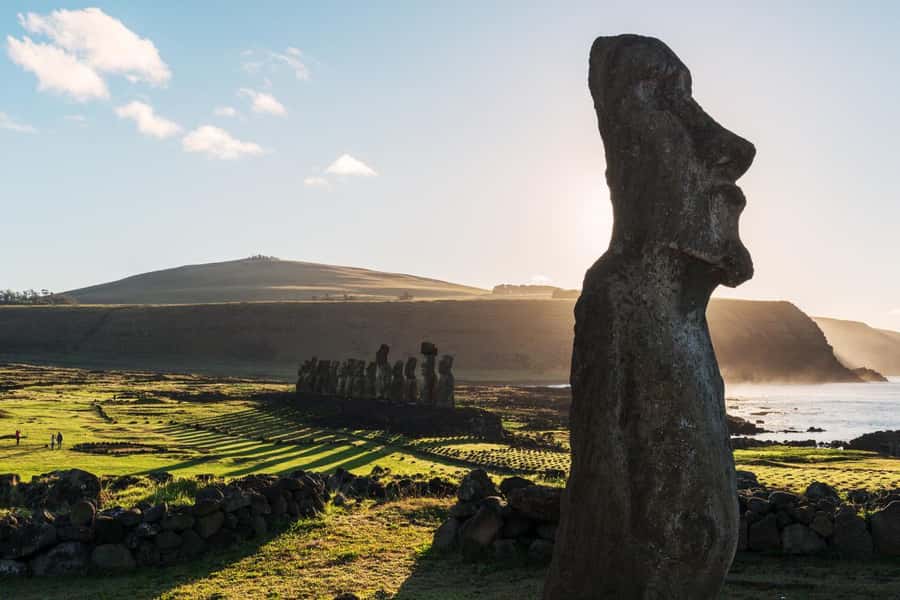
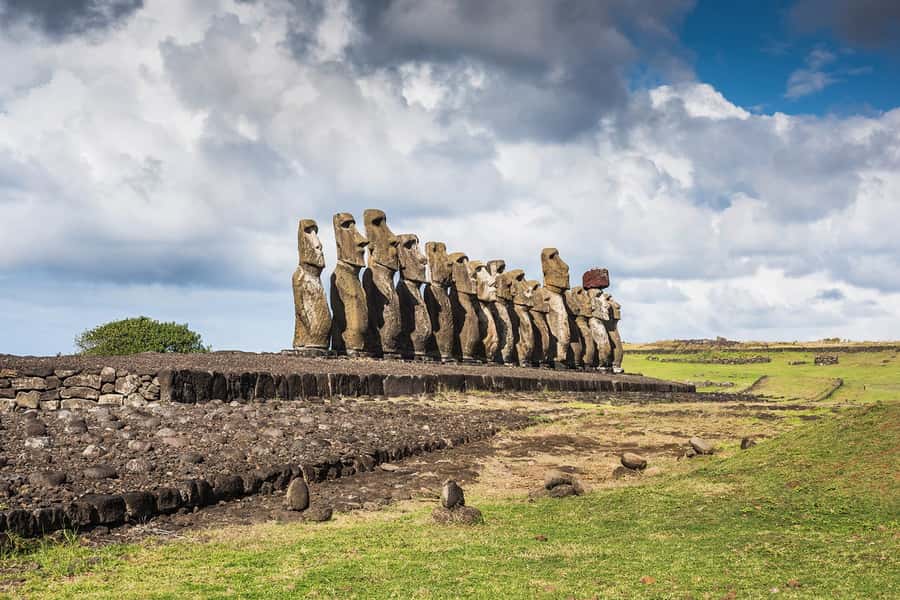
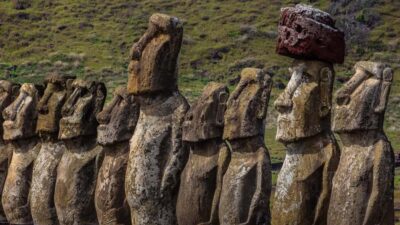
Ahu Tongariki is the tour’s big visual moment. Fifteen moai line the restored platform, making it the largest ahu on Rapa Nui and one of the island’s most memorable sights.
After seeing the unfinished figures at the quarry, Tongariki gives you the finished result. The contrast is important. At Rano Raraku, the moai are tied to the mountain. At Tongariki, they form a powerful group on a ceremonial platform, giving you a clearer sense of their public and spiritual role.
The listed guided time is two hours, which is generous for a platform visit. That should leave room for your guide to explain the ahu, the statues, and the forces that damaged and later restored the site. A private tour also lets you spend a little longer looking at individual figures instead of moving along with a large group.
The scale can be hard to grasp from photographs. You are not simply checking off another moai stop. Tongariki is where the island’s stone tradition feels most concentrated, with fifteen figures presented together rather than scattered across a hillside.
A few more options to weigh up in Hanga Roa
- 2-Day Private Tour Easter Island Highlights Complete Discovery
★ 5.0 · 110 reviews - Private Full-Day Easter Island Highlights North and West
★ 5.0 · 84 reviews - Full Day Private Tour: Factory of the Moai the stone giants
★ 4.5 · 63 reviews - Private Easter Island Full-Day Tour
★ 5.0 · 61 reviews
Ahu Te Pito Kura and Paro, the largest moai
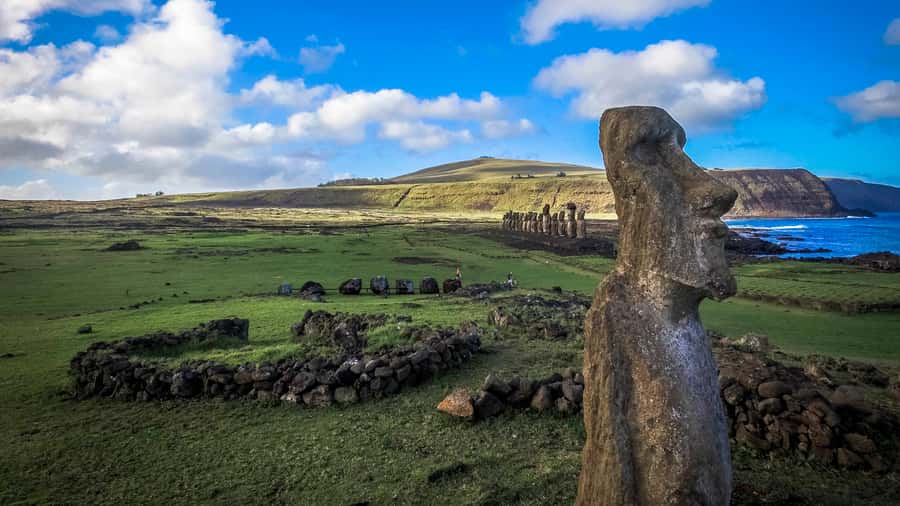
Next comes Ahu Te Pito Kura, associated with Paro, described as the highest statue on the island. The figure was never raised into its final position, but its size helps explain the ambition behind Rapa Nui’s statue-building tradition.
Nearby is a large spherical stone known as Te Pito or Te Henua, translated as the navel of the world. According to legend, it arrived with Hotu Matua’s boat. You should treat this as cultural tradition rather than a proven archaeological account, but it remains an important part of the island’s story.
This is a short stop, listed at about 30 minutes. It works well as a pause between the long visits to Rano Raraku and Tongariki. You get another view of a major statue and a chance to hear how legend and archaeology sit alongside one another in Rapa Nui interpretation.
Anakena Beach and Ahu Nau Nau
Anakena changes the mood of the day. After volcanic stone and fallen monuments, you reach a white sand beach linked with the arrival of Ariki Hotu Matua and his sister Avareipua.
The beach is not just a scenic add-on. It is tied to the island’s origin traditions, and the visit gives your guide another way to explain how Rapa Nui people understand place, ancestry, and arrival.
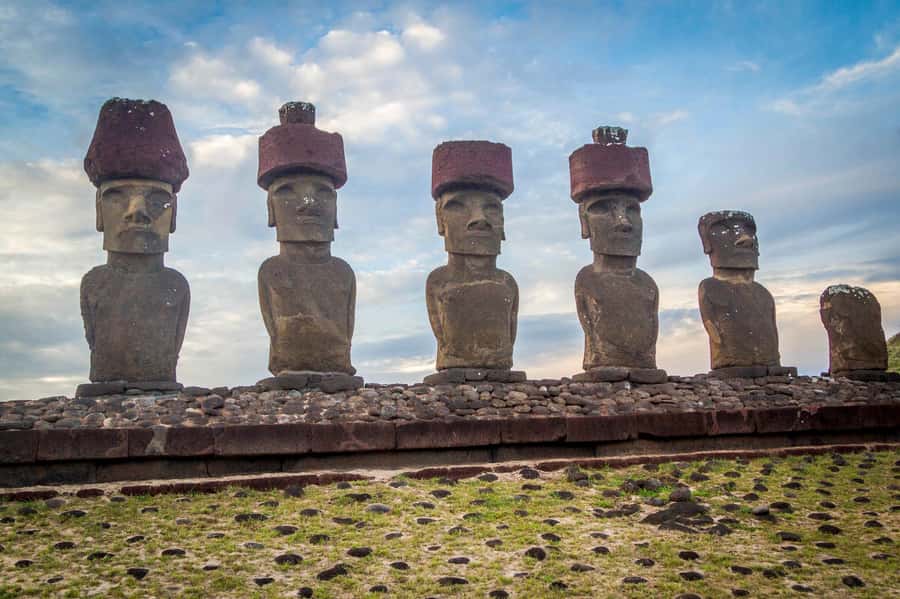
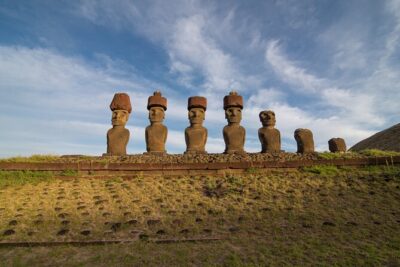
At Ahu Nau Nau, you see an ancient complex with five moai wearing pukao, the red stone topknots associated with some statues. Petroglyphs appear on the backs of the figures, adding detail that is easy to miss if you only stop for a quick photograph.
The planned visit lasts 1.5 hours. That should give you time to see the ahu and take in the beach setting. The supplied information does not say whether swimming time is included, so do not assume this is a beach break. Think of Anakena primarily as an archaeological and cultural stop with a beautiful setting.
What the guide adds to the experience
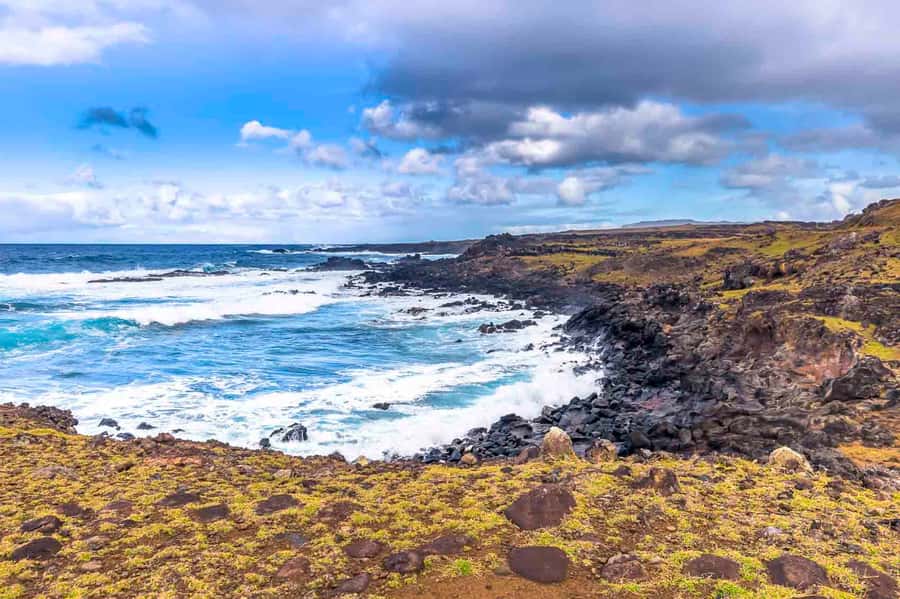
A guide is especially valuable on Rapa Nui because many sites can look simple at first glance. A stone platform, a fallen statue, or a line of foundations needs explanation before its meaning becomes clear.
The strongest praise for this tour goes to the guides. Sol is described as punctual and engaging. Hugo received particular praise for adding humor, explaining cultural values, discussing modern relevance, and offering a broader view rather than a one-sided story. Miguel is praised for making a large amount of information accessible, while Yoyo is described as warm, funny, and highly involved in the tour.
The guide names also suggest that your exact experience may depend on who is assigned that day. That is not a flaw, but it is worth recognizing. You are booking the route and private service, not a guaranteed specific guide unless the company confirms one.
I would ask questions as you go. Ask about the difference between an ahu and a moai, how the quarry relates to the finished platforms, and how traditional accounts fit with archaeological interpretation. The private format gives you a better chance to have that kind of conversation.
Price, entrance fee, and what you receive
The listed price is $200 per person. The $80 entrance fee is not included, so your direct cost is $280 per person before food and drinks.
That is a significant amount for a six-hour tour, but the comparison is not simply with a cheap shared bus. You receive hotel pickup and drop-off in Hanga Roa, private transportation, a professional guide, and a private group. On an island where the main archaeological sites are spread out, having transport arranged saves time and removes the stress of organizing the route yourself.
The value is strongest for couples, families, or small groups who want to ask questions and keep the day focused. If you are alone or watching every peso, a shared option may cost less, though it may not provide the same flexibility or guide attention.
The extra entrance fee should be part of your budget from the start. Food and drinks are also excluded, so bring what you need for the day. The supplied information does not specify meal stops.
Timing, weather, and what to bring
The tour includes pickup and return to your hotel in Hanga Roa. It is offered in English and Spanish, with a live guide and a private group.
Warm clothing is a sensible choice. Rapa Nui’s weather can change, and one person specifically enjoyed the experience despite heavy rain. That does not mean poor weather is ideal, only that the tour can still be worthwhile when conditions are less than perfect.
Wear shoes you can walk in comfortably. Rano Raraku is the longest stop and the tour is not suitable for people with mobility impairments or wheelchair users. The provided details do not give a precise walking distance or describe the surfaces, so ask the operator for current advice if you have knee, balance, or stamina concerns.
The timing needs checking. The duration is advertised as six hours, but the individual guided visits total about eight hours. That is the most important practical issue in the description. Confirm the start and finish times, and leave space around the tour for delays or a longer visit at the quarry.
Who should book this experience
I would choose this tour if you want the main archaeological sites covered in one private day and you care about interpretation, not only photographs. It suits visitors staying in Hanga Roa who want door-to-door transport and a guide who can explain Rapa Nui culture in English or Spanish.
It is also a good choice if you are fascinated by how the moai were made. Rano Raraku and Tongariki complement each other, one showing the quarry and unfinished figures, the other showing a grand group of completed statues.
I would think twice if you want a relaxed beach day, have limited mobility, or need a strict six-hour schedule. Anakena is included, but the focus remains archaeology. And because the stated stop times do not match the advertised duration, you should get a clear schedule before paying.
The tour is not available to cruise ship passengers. Pickup is limited to hotels in Hanga Roa, according to the supplied details.
Should you book the Moai Trail Private Archeological Tour?
Book it if the moai are the reason you came to Rapa Nui and you want the island’s major sites explained in one private outing. The route is strong, the guide feedback is unusually positive, and the combination of Akahanga, Rano Raraku, Tongariki, Te Pito Kura, and Anakena gives you both archaeological depth and coastal scenery.
At $280 per person once the entrance fee is added, it is not the cheapest way to see Easter Island. But private transport, hotel service, a live bilingual guide, and substantial time at Rano Raraku make the price easier to justify, especially for a small group.
Before booking, confirm the actual duration and ask who will guide you if a particular person is important to you. If the schedule works and you can manage the walking, this is a well-focused way to meet the moai on their own ground.
FAQ
Where does the tour begin and end?
Pickup and drop-off are provided at your hotel in Hanga Roa.
How long does the tour last?
The advertised duration is six hours. The listed guided stop times add up to about eight hours, so confirm the expected schedule with Kava Kava Tours before booking.
What sites are included?
The tour visits Ahu Akahanga, Rano Raraku, Ahu Tongariki, Ahu Te Pito Kura, and Anakena, including Ahu Nau Nau.
Is the entrance fee included?
No. The entrance fee is listed as $80 per person and must be paid separately.
Is transportation included?
Yes. Hotel pickup and drop-off, plus transportation in a private vehicle, are included.
Is the tour private?
Yes. It is offered for a private group with a professional guide.
What languages are available?
Live guides are available in English and Spanish.
Can cruise ship passengers join the tour?
No. The tour is not available for cruise ship passengers. It is also not suitable for wheelchair users or people with mobility impairments.
Just added in Hanga Roa
- Volcanic Refuges: Excursion to Underground Civilization★ 4.7 · 8 reviews
- Volcanic Wonders and the Kingdom of the Birdman: Half Day★ 5.0 · 6 reviews
- Half Day Private Tour: Caves and Volcanic Refuges★ 4.0 · 14 reviews
- Easter Island Ancestral Dinner and Show with Transport★ 4.5 · 2 reviews
- 2 Day Small Group Tour in Moai Monuments and Historic Pathways★ 5.0 · 22 reviews
- Visit Rapa Nui in 4 days with 3 Tours and Accommodation included★ 4.0 · 2 reviews
- Tour to the Motus: Boat trip and snorkeling in Rapa Nui★ 5.0 · 8 reviews
- The birdman journey in Easter Island★ 5.0 · 1 review
Easter Island Tours, compared.
Two days of Full Day Tour of Rapa Nui + Sunrise in Tongariki
Read our review →
2-Day Private Tour Easter Island Highlights Complete Discovery
Read our review →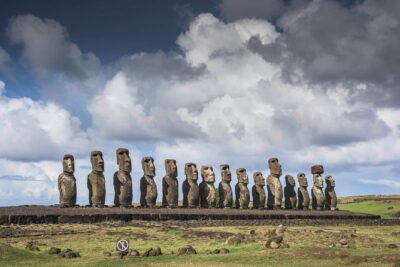
Private Tour: Full Day Easter Island Highlights
Read our review →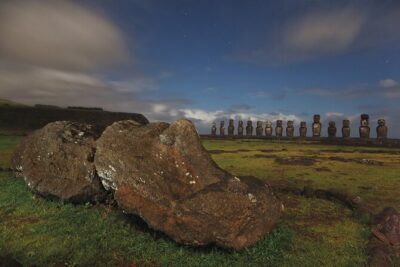
Browse the lists this tour appears in