
REVIEW · EASTER ISLAND TOURS
Easter Island Private Tour: Historical Journey North & West
Easter Island rewards a full day of seeing. This private 390-minute tour links the island’s major archaeological stories, from the beach capital at Anakena to the birdman village of Orongo. I like the clear sense of time travel: you see where moai were raised, where their red topknots were made, and how island society later changed. I also like the photography-minded schedule, which aims for better light and fewer crowds at each site.
The main drawback is the pace. Seven important stops, transfers, and a 90-minute lunch break fill roughly six and a half hours, so you will not have much time for relaxed wandering or swimming at Anakena. The tour also costs $205 per person before the national park ticket and lunch, making it a better value for people who want a private guide and efficient coverage than for visitors seeking a slow beach day.
In This Review
- Key Points At A Glance
- Why This Route Works For Easter Island
- Anakena: The Island’s Beach Capital
- Te Pito Kura And The Largest Moai Attempt
- Puna Pau: Where Every Pukao Began
- Ahu Akivi And The Moai Facing The Sea
- Tahai: A Compact Village With Several Platforms
- Lunch In Hanga Roa: A Useful Pause, At Your Cost
- Rano Kau: A Crater With A Drinking-Water Story
- Orongo And The Dangerous Birdman Contest
- What The $205 Price Really Buys
- Timing, Comfort, And Site Rules
- Who Should Book This Tour?
- Should You Book It?
- FAQ
- How long does the Easter Island private tour last?
- What sites are included?
- Is lunch included?
- Is the national park ticket included?
- Is hotel pickup provided?
- What languages are available?
- Is the tour private?
- Can children under eight join?
- What should I bring?
Key Points At A Glance
- Anakena connects beach beauty with royal history: See restored moai at the island’s most scenic beach, but plan a separate visit if swimming matters to you.
- Ahu Akivi has a rare orientation: Its seven moai are the only statues on the tour that look toward the sea.
- Rano Kau and Orongo make a strong final pairing: One gives you a vast volcanic crater and lake, while the other explains the dangerous birdman contests.
- The route covers several types of archaeological site: You visit a former capital, a giant unfinished moai, a quarry, village platforms, a crater, and a ceremonial settlement.
- Private transport keeps the day practical: Hotel pickup, hotel drop-off, bottled water, and an English or Spanish guide are included.
- Budget at least $80 extra for the park ticket: The ticket is valid for your whole Easter Island stay, not just this tour, while lunch costs about 5,000 to 25,000 Chilean pesos.
Why This Route Works For Easter Island
Easter Island can look compact on a map, but its archaeological sites are spread across the island. This route handles a lot of ground without asking you to arrange separate transport or piece together the history yourself.
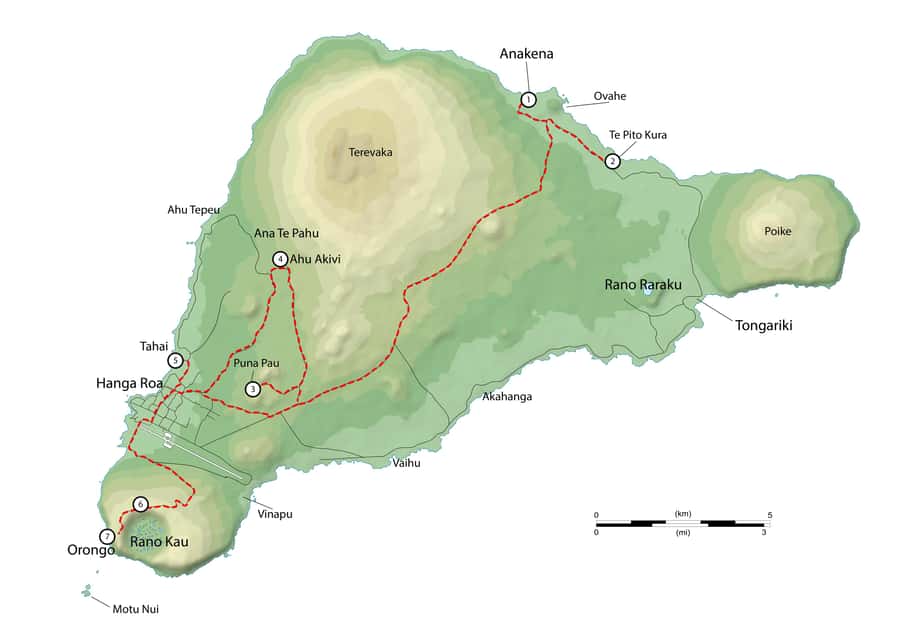
The order also has a sensible arc. You begin at Anakena in the north, move through Te Pito Kura, Puna Pau, Ahu Akivi, and Tahai, then stop in Hanga Roa for lunch before finishing at Rano Kau and Orongo in the southwest. You get the early settlement story, the great moai-building period, and the later birdman culture in one day.
I especially like that the route is not just a parade of similar statues. Each stop answers a different question. Where did the first settlers build their political center? What was the largest moai moved to a platform? Where did the red stone headpieces come from? How did island society change after the moai-carving era?
Your guide is central to making this worthwhile. The strongest praise attached to the experience focuses on a friendly guide who made the island easy to understand. Éliane, Georges, Martine, and Paul specifically appreciated that personal guidance. No guide name is provided, but the warm response suggests that the human side of the tour is one of its main strengths.
More history tours in Hanga Roa:
- 2 Day Private Tour: Easter Island’s Cultural Heritage
★ 5.0 · 40 reviews - 2 Day Small Group Tour in Moai Monuments and Historic Pathways
★ 5.0 · 22 reviews - Santiago: Guided Walking Tour of the Historical Old Town
★ 4.8 · 459 reviews
Anakena: The Island’s Beach Capital
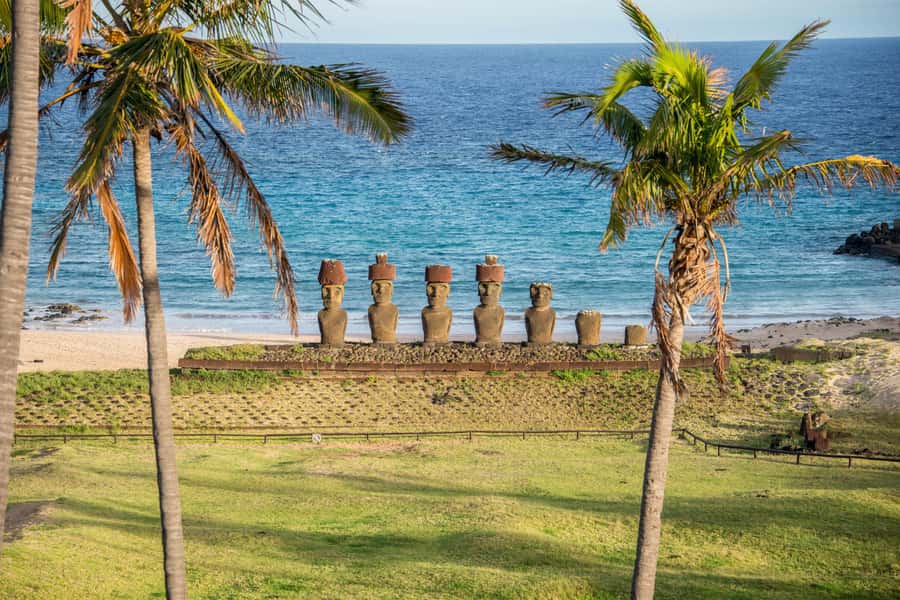
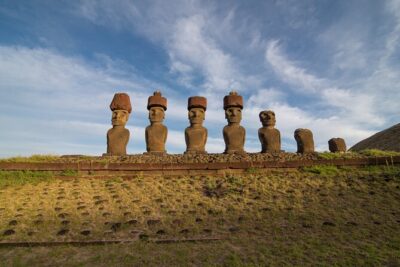
After about 25 minutes of driving from pickup, you reach Anakena for a 40-minute guided visit. This is the island’s most famous beach, and it is also an important archaeological setting. Ancient society’s capital was located here, so the palm-lined sand is more than a pretty backdrop.
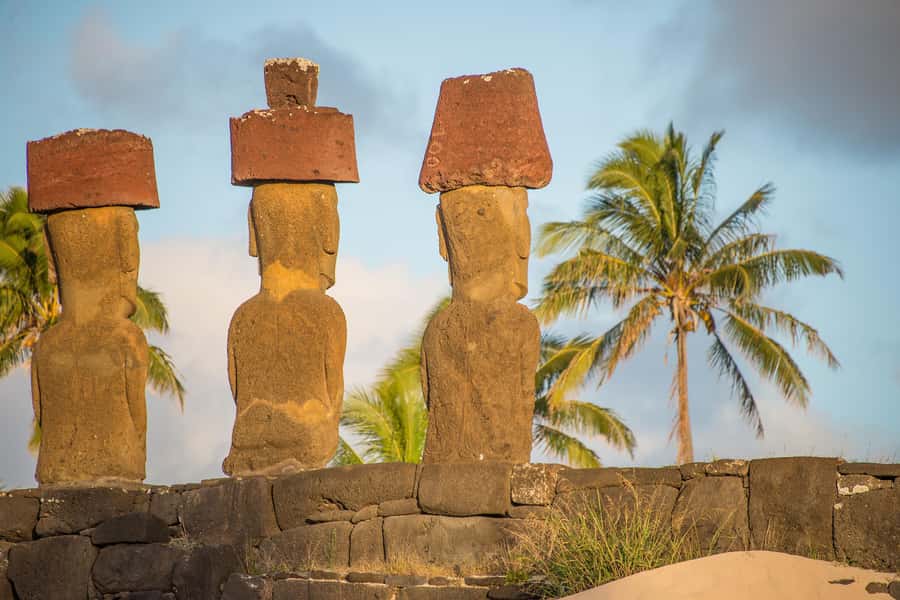
The main monument includes some of the best-preserved restored moai on Easter Island. The statues had been buried in sand for centuries before being dug up and restored. That detail gives the site an unusual character: you are looking at monumental figures that survived partly because the sand covered them.
I would pay close attention to the historical explanation here rather than treating Anakena as a quick photo stop. The beach makes the site feel inviting, but the focus of this tour is archaeology, not recreation. If you want to swim, sit on the sand, or enjoy a longer beach break, return independently on another visit.
That is an important planning point. Forty minutes is enough for a guided introduction and photographs, but it is not a full beach afternoon. Wear shoes that can handle uneven ground, and bring sun protection. The tour provides a 50-centiliter bottle of water, but you should still prepare for exposure to sun and changing weather.
Te Pito Kura And The Largest Moai Attempt
A short five-minute transfer brings you to Ahu Te Pito Kura. The guided visit lasts about 25 minutes.
The key attraction is the largest statue known to have reached an ahu platform. It was nearly 10 meters tall. Even in a damaged or fallen state, the scale helps you understand the ambition behind the island’s moai tradition. This is not simply another statue stop. It shows how far the builders pushed size and transport before the old system ended.
Nearby, you will see a round stone associated with magnetic properties. The combination of the enormous moai and the unusual stone makes this a useful stop for variety. You are not spending the whole morning looking at identical platforms.
The short visit means you should listen closely. This is a place where the guide’s explanation adds much of the value, especially if you want to understand why the statue matters even though it is no longer upright on its platform.
Puna Pau: Where Every Pukao Began
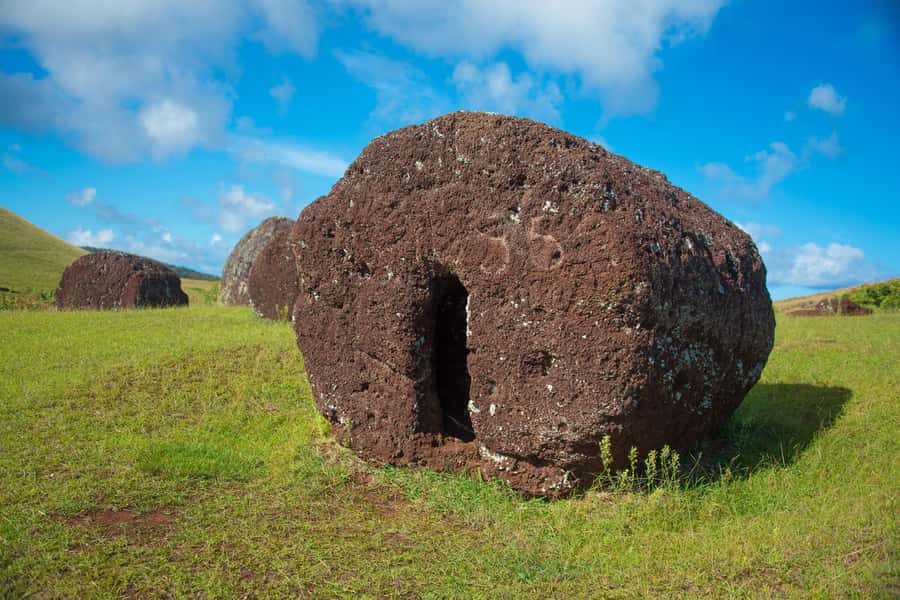
The drive to Puna Pau takes about 20 minutes, followed by a 20-minute guided visit. This small volcanic site supplied the red scoria used for the moai topknots, known as pukao.
The most useful fact here is simple: the pukao across the island came from this one place. Seeing the quarry helps you separate the statue itself from the red headpiece that was made elsewhere and later placed on top.
Puna Pau also breaks up the route with a different kind of archaeological setting. Instead of a completed ahu, you see the source area for a distinctive part of the statues. I like that the tour includes this stop because it shows the scale of the island’s working system. Moai were not made and finished at one single point.
The visit is only 20 minutes, so it is best for travelers who prefer a guided overview rather than a long hike or extended independent inspection. Comfortable shoes still matter, since the ground around these sites can be uneven.
More things to do on Easter Island:
- From Hanga Roa: Rapa Nui Culture Sightseeing Tour
★ 4.6 · 307 reviews - From Hanga Roa: Easter Island Highlights 2-Day Tour
★ 4.3 · 205 reviews - Full Day Tour in Rapa Nui
★ 4.5 · 122 reviews - 2-Day Private Tour Easter Island Highlights Complete Discovery
★ 5.0 · 110 reviews
Ahu Akivi And The Moai Facing The Sea
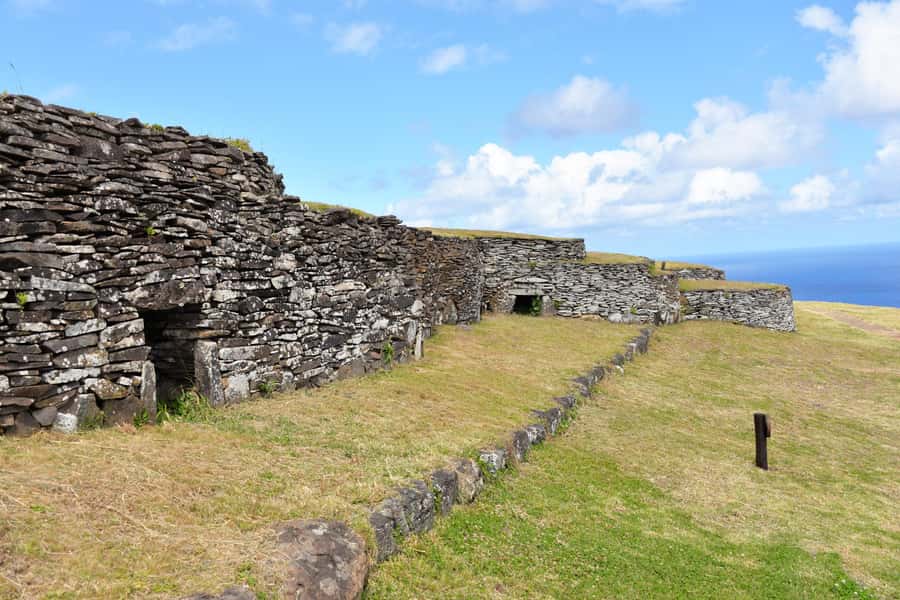
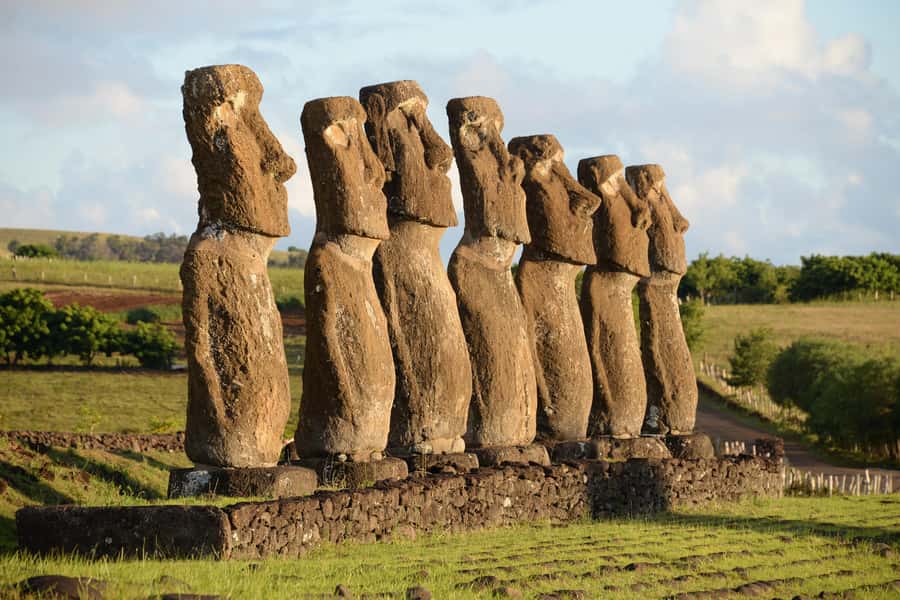
A 10-minute transfer takes you to Ahu Akivi, where you spend about 20 minutes with the guide. This is one of the most memorable stops because its seven moai are the only ones on this route that look out toward the sea.
That orientation gives the site a different feel from many other ahu. The statues are not simply presented as figures facing inland. Their position invites questions about how the monument related to the surrounding land, community, and ocean.
Ahu Akivi is also a good place to compare what you have seen at Anakena, Te Pito Kura, and Puna Pau. At Anakena, you saw restored statues tied to a former center of power. At Te Pito Kura, you saw the ambition of scale. At Puna Pau, you saw the source of the red pukao. Here, you get one of the island’s most distinctive arrangements.
Photography is a major reason to appreciate the planned route. The operator says the schedule is designed around favorable light and lighter crowds. Exact conditions depend on the day, but a private vehicle gives the guide more control than a large coach group. Flash photography is not allowed, so bring a camera that works well in natural light.
Tahai: A Compact Village With Several Platforms
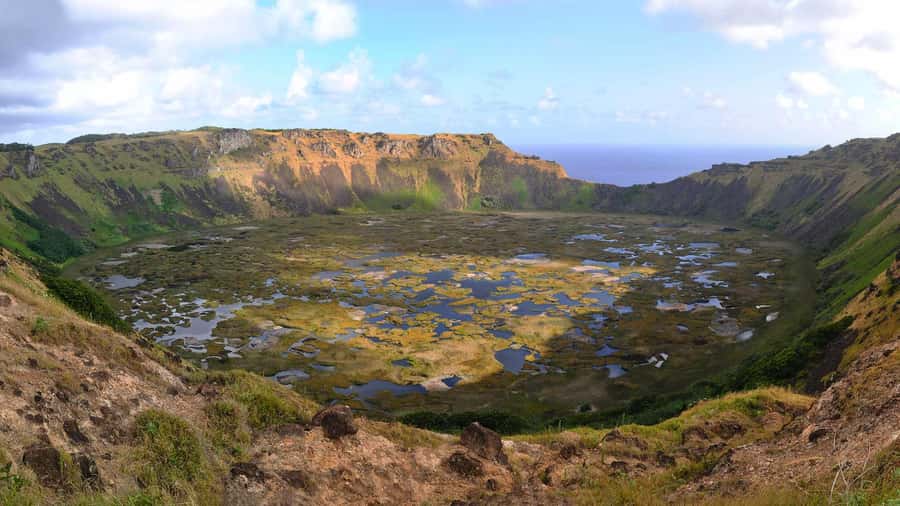
After about 15 minutes on the road, you reach Ahu Tahai for a 25-minute guided visit. The site includes three ahu platforms, which makes it especially useful for seeing how a village could organize several monuments in one area.
The ancient community here was ambitious and hard-working, and one feature makes the place feel more connected to daily life: a ramp was built to reach the ocean from within the area. That detail helps you picture Tahai as a lived-in community rather than an isolated collection of statues.
Tahai is also a practical stop before lunch because it gives you another chance to compare platforms and statue arrangements. The visit remains fairly short, but the site’s compact layout makes the time useful.
You should follow the site rules carefully. Smoking and eating or drinking are not allowed at the archaeological sites. Keep snacks for the lunch stop or the vehicle, and do not use flash photography.
Lunch In Hanga Roa: A Useful Pause, At Your Cost
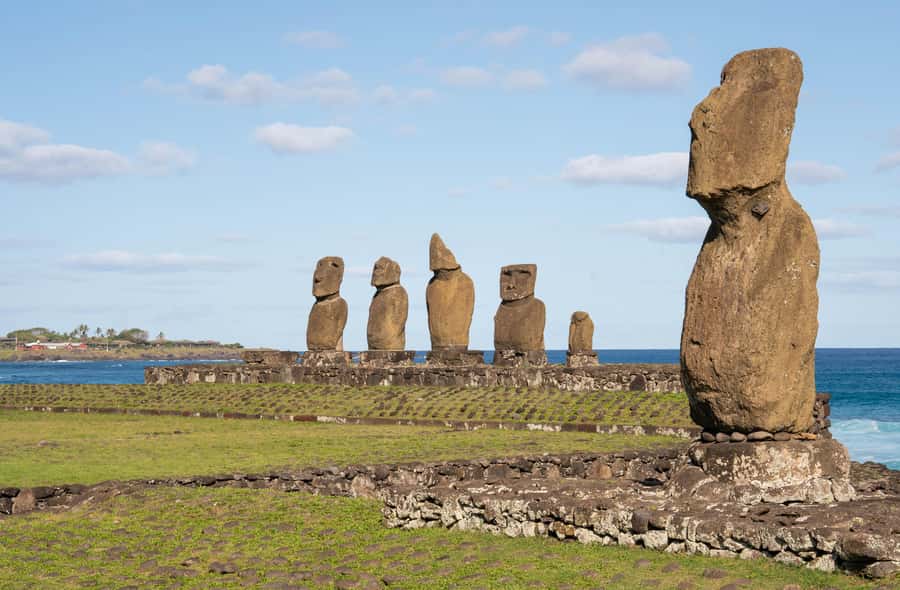
A five-minute transfer brings you back to Hanga Roa for a 90-minute lunch break. Lunch is not included, and you should budget about 5,000 to 25,000 Chilean pesos per person depending on what you choose. You can also bring your own snack.
The long pause is welcome after the morning’s stops and driving. It gives you a chance to eat properly instead of rushing through a short roadside break. At the same time, lunch adds to the total cost, so remember that the advertised $205 price is not the final amount you will spend.
The break also makes the day easier physically. By this point, you have visited four archaeological areas, and a proper pause helps before the final two sites. Still, do not treat the lunch hour as extra sightseeing time unless your specific arrangements allow it. The schedule lists lunch in Hanga Roa, not another guided attraction.
Rano Kau: A Crater With A Drinking-Water Story
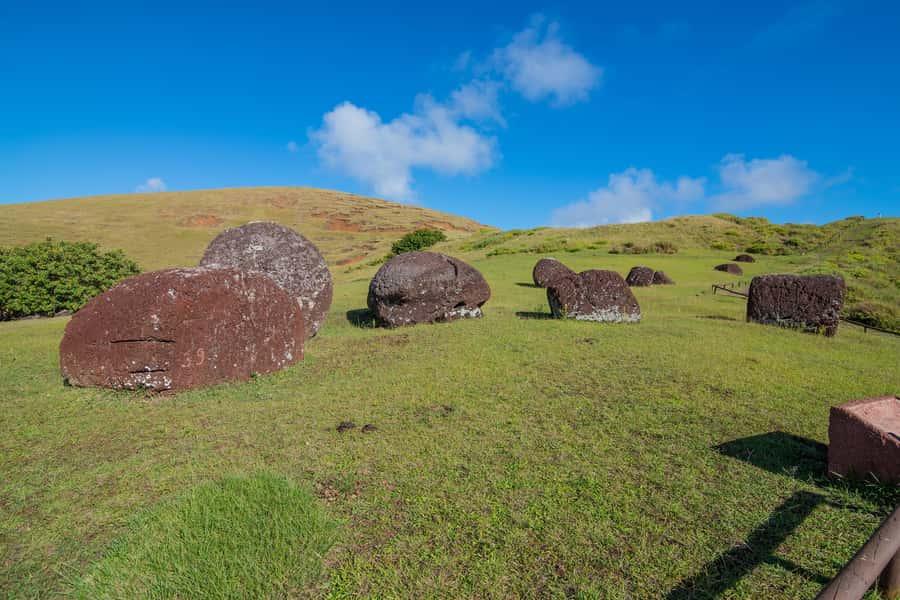
After lunch, the tour drives for about 15 minutes to Rano Kau. The guided visit at the crater lasts roughly 15 minutes, followed by a five-minute transfer to Orongo.
Rano Kau provides one of the island’s broadest views. The crater contains a lake that served as one of the most important ancient sources of drinking water. That practical detail keeps the view tied to human life. You are not looking only at a volcanic formation. You are seeing a resource that helped support settlement.
The crater is also a strong photography stop, particularly if the light is clear. Weather can change quickly, so bring sunglasses, a hat, sunscreen, and rain gear. The tour specifically advises dressing for both sun and rain, which is sensible on an exposed volcanic site.
Fifteen minutes is enough for a guided look and photographs, but not a long walk around the crater. If you want extensive time at the rim, this schedule may feel tight. For a first visit, though, the guide can point out the main features and connect Rano Kau directly to Orongo.
Orongo And The Dangerous Birdman Contest
The final major stop is Orongo, with about 40 minutes of guided time. This ceremonial stone village sits along the ridge of Rano Kau and gives you a strong view back into the crater.
Orongo explains the later phase of Easter Island’s society. After the period of large-scale moai carving, the islanders developed the deadly birdman, or tangata manu, competitions. The site was dedicated to this ritual contest, so it helps you understand that Easter Island’s story did not end with the moai.
The setting makes the explanation more powerful. You have the crater and its lake behind you, the ceremonial village underfoot, and the memory of a competition built around danger and status. This is a fitting final stop because it shifts your attention from stone statues to changing belief, power, and social order.
Forty minutes is the longest guided visit of the afternoon, and that feels appropriate. Orongo needs context. Without a guide, you might see stone buildings and a fine crater view but miss why this place mattered.
What The $205 Price Really Buys
At $205 per person, this is not a budget sightseeing outing. You also pay for the national park ticket, which costs around $80 per person and covers your whole stay, plus lunch at roughly 5,000 to 25,000 Chilean pesos.
The value comes from the private format and the amount of ground covered. Transport, hotel pickup, hotel drop-off, bottled water, and a certified local guide are included. You avoid the work of hiring a car, locating each site, and building a route that works with light and crowd conditions.
For two people, the price may feel high compared with a self-guided drive. For a private group that wants historical explanation and an efficient day, the cost is easier to justify. You are paying for interpretation and organization, not just a vehicle.
The experience provider suggests combining this tour with a second day focused on the island’s megaliths. That plan makes sense if you want to see all the easily accessible highlights without forcing every major site into one exhausting day. On its own, this route gives you a broad historical foundation. With a second day, you can give the moai-focused sites more time.
Timing, Comfort, And Site Rules
The listed duration is 390 minutes, or six and a half hours. Transfers take about two hours in total, while guided visits add a little over three hours and lunch takes 90 minutes. The schedule is full, but the private format should make the transport side straightforward.
Starting times vary, so check availability before booking. The route is designed for better photography conditions and lighter crowds, but no schedule can control weather. Bring comfortable walking shoes, sunglasses, a hat, sunscreen, and rain gear.
The tour is offered in English and Spanish. It is a private group experience, which is useful if you want to ask questions or move through the sites without being tied to a large group.
There is conflicting information about mobility access. One part of the activity details marks it as wheelchair accessible, while the restrictions say it is not suitable for wheelchair users or people with mobility impairments. The uneven terrain is the more useful warning. If you use a wheelchair or have limited mobility, confirm the exact vehicle and site access directly before booking.
Children under eight are not considered suitable for this tour. That makes sense given the long day, uneven surfaces, archaeological rules, and amount of historical explanation.
Free cancellation is available up to 24 hours before the tour for a full refund, and you can reserve now and pay later. Those policies help if your Easter Island plans are still shifting, but they do not remove the need to buy the park ticket and plan for lunch.
Who Should Book This Tour?
I would choose this tour if you want a well-organized first look at Easter Island and care about the story behind the sites. It suits adults and older children who can manage walking on uneven terrain and stay engaged through a full day of stops.
It is especially good for you if:
- You want a private guide rather than a large group.
- You prefer historical context at each site.
- You want to cover north, central, and southwest areas in one day.
- You care about photo conditions and avoiding the busiest periods.
- You plan to add a second day for more megalithic sites.
I would choose something else if your top priority is swimming at Anakena, spending long periods at each monument, or keeping the day inexpensive. The schedule is efficient, not leisurely. You will see a lot, but the short guided visits leave little room for wandering off the main route.
Should You Book It?
Book this private Easter Island tour if you want the island’s major historical chapters explained in one carefully planned day. Anakena, Ahu Akivi, Rano Kau, and Orongo give you memorable contrasts, while Te Pito Kura, Puna Pau, and Tahai fill in the details that make the larger story make sense.
The price is fair for private transport and a local guide, but only if you plan to use the guide’s expertise. Add the park ticket and lunch to your budget, wear proper shoes, and do not expect a beach holiday pace.
For a compact introduction, I think it is a strong choice. Pair it with a second day if you want time to slow down and see Easter Island beyond the highlights.
FAQ
How long does the Easter Island private tour last?
The tour lasts 390 minutes, or about six and a half hours, including transfers and a 90-minute lunch break in Hanga Roa.
What sites are included?
The route includes Anakena, Ahu Te Pito Kura, Puna Pau, Ahu Akivi, Ahu Tahai, Rano Kau crater, and Orongo.
Is lunch included?
No. Lunch is taken in Hanga Roa and costs approximately 5,000 to 25,000 Chilean pesos per person, depending on your choice. You may also bring a snack.
Is the national park ticket included?
No. The national park ticket costs around $80 per person and covers your whole Easter Island stay. It must be purchased separately.
Is hotel pickup provided?
Yes. Hotel pickup and hotel drop-off are included.
What languages are available?
The live guide is available in English or Spanish.
Is the tour private?
Yes. This is a private group experience.
Can children under eight join?
No. The activity is not suitable for children under eight.
What should I bring?
Bring comfortable walking shoes, sunglasses, a hat, sunscreen, and rain gear. Flash photography, smoking, and eating or drinking at archaeological sites are not allowed.
Just added in Hanga Roa
- Volcanic Refuges: Excursion to Underground Civilization★ 4.7 · 8 reviews
- Volcanic Wonders and the Kingdom of the Birdman: Half Day★ 5.0 · 6 reviews
- Half Day Private Tour: Caves and Volcanic Refuges★ 4.0 · 14 reviews
- Easter Island Ancestral Dinner and Show with Transport★ 4.5 · 2 reviews
- 2 Day Small Group Tour in Moai Monuments and Historic Pathways★ 5.0 · 22 reviews
- Visit Rapa Nui in 4 days with 3 Tours and Accommodation included★ 4.0 · 2 reviews
- Tour to the Motus: Boat trip and snorkeling in Rapa Nui★ 5.0 · 8 reviews
- The birdman journey in Easter Island★ 5.0 · 1 review
Easter Island Tours, compared.
Two days of Full Day Tour of Rapa Nui + Sunrise in Tongariki
Read our review →
2-Day Private Tour Easter Island Highlights Complete Discovery
Read our review →
Private Tour: Full Day Easter Island Highlights
Read our review →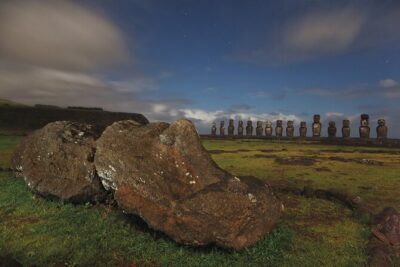
Browse the lists this tour appears in