
REVIEW · EASTER ISLAND TOURS
2 Half Days & 2 Full Days Private Tours | OPTION B
Fifteen moai face the Pacific at sunrise. This four-day private program gives you a strong introduction to Rapa Nui, with major ceremonial sites, volcanic craters, a quarry, beaches, and time for trekking. I like the private vehicle and guide, which make long island days easier and more personal. I also like the smart use of arrival and departure days, since the first afternoon and final morning are not wasted.
The main consideration is cost. At $810 per person, you still pay the $80 National Park ticket separately, and lunch is included only on day two. The schedule is full, with early starts and moderate walking, so this suits you best if you want to see a lot rather than move at a slow pace.
In This Review
- Key points to know before booking
- Why this four-day plan works well on Easter Island
- Day one: Orongo, Rano Kau, Vinapu, and Tahai
- Day two: the moai heartland and Anakena Beach
- Day three: trekking, Ahu Akivi, and Puna Pau
- Day four: Tongariki before sunrise
- What the private format adds
- Is $810 per person a fair price?
- Practical advice for a smoother visit
- Who should book this Easter Island tour?
- Should you book Option B?
- FAQ
- How long is the tour?
- Is hotel pickup included?
- Is the National Park ticket included?
- Is lunch included every day?
- What languages are available for the guide?
- Can cruise ship passengers join this tour?
Key points to know before booking
- Tongariki sunrise at 6:00: The final morning begins early, with coffee and tea served beside Easter Island’s most famous platform.
- Private touring for four days: Your guide and vehicle remain focused on your group, with English, Spanish, or French available.
- Day two covers the classic eastern circuit: Tongariki, Rano Raraku, Te Pito Kura, Ahu Aka Hanga, and Anakena fit into one long day.
- A choice of trekking styles: Day three offers Terevaka or a Rapa Nui Underground tour, along with Ahu Akivi and Puna Pau.
- The $80 park ticket is extra: You must have the National Park ticket to take part in the visits.
- Lunch is included only once: Day two includes chicken or ribs, salads, rice, fruit, juice, and water or soda.
Why this four-day plan works well on Easter Island
Easter Island is not a place where you want to spend your whole stay figuring out transport. The notable sites are spread across the island, and several require a planned route. This program handles the driving while giving you a private guide who can explain what you are seeing.
The timing is especially useful if you arrive around midday. You check in, have some time to settle, then meet your guide at 3:00 p.m. for a half-day visit. On the other end, the last morning begins at 6:00 a.m., depending on the season, so you see Tongariki before heading back to your hotel.
That design gives you two half-days and two full days. It is efficient, but not relaxed in the resort sense. You will have early mornings, long drives, open-air sites, and moderate walking. Bring comfortable shoes and clothing for changing weather. The tour runs in rain or shine.
More things to do on Easter Island:
- From Hanga Roa: Rapa Nui Culture Sightseeing Tour
★ 4.6 · 307 reviews - From Hanga Roa: Easter Island Highlights 2-Day Tour
★ 4.3 · 205 reviews - Full Day Tour in Rapa Nui
★ 4.5 · 122 reviews
Day one: Orongo, Rano Kau, Vinapu, and Tahai
Your first afternoon introduces several different sides of Rapa Nui. The 3:00 p.m. pickup leaves enough time to see important sites without turning your arrival day into a race.
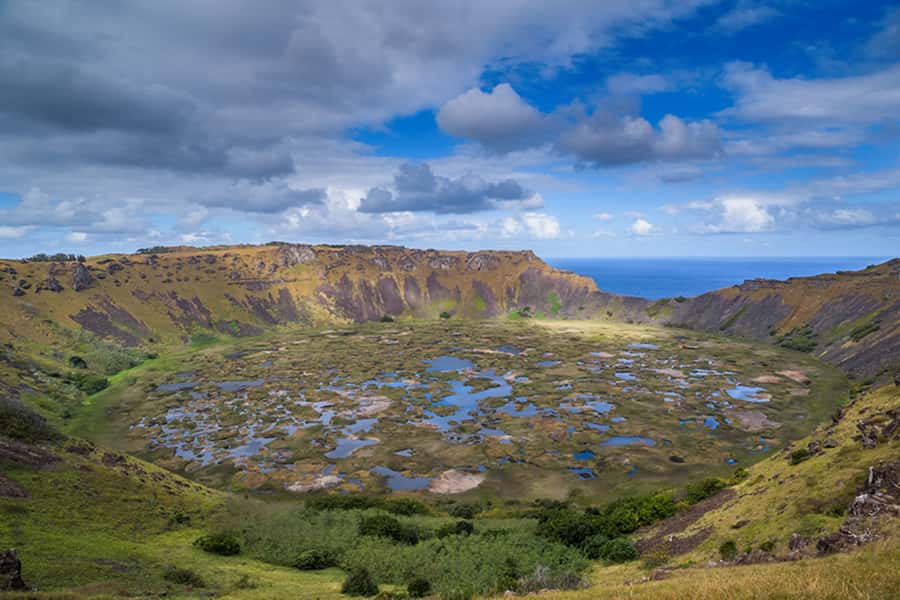
At Orongo, you visit the ceremonial village near the rim of Rano Kau. The location matters as much as the stonework. From this high point, you can see the volcanic crater and the sea, giving you an immediate sense of how dramatic the island’s setting is.
Rano Kau is one of the island’s major volcanic features. Its crater contains water and supports plant life, so the visit is not simply about a scenic view. It also helps explain why this part of the island mattered to the Rapa Nui people.
Vinapu adds a different kind of interest. Here, the focus is on stone construction and ceremonial platforms. Your guide can help you compare the workmanship at Vinapu with other ahu, or ceremonial platforms, seen during the next few days.
The route then moves to the cemetery and Catholic Church. This is one of the more useful stops for understanding the meeting of Rapa Nui traditions and Christianity. The cemetery contains crosses and moai-related forms, creating a visual blend that feels specific to the island rather than imported from somewhere else.
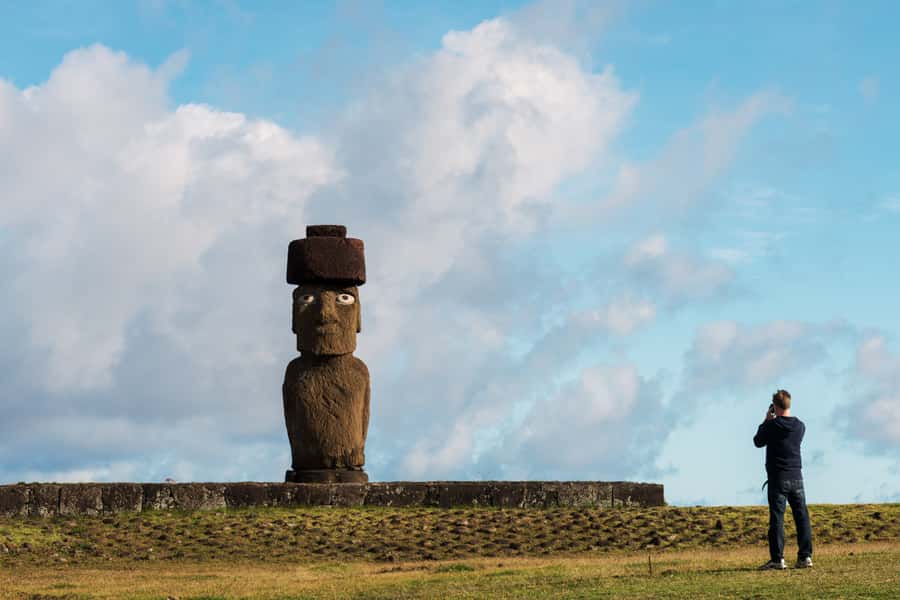
You finish at Tahai, a ceremonial complex near Hanga Roa. Sunset gives the stones softer light and makes this a good first chance for photographs. The site is also convenient for getting your bearings, since you return to a central part of the island after visiting more remote places.
Lunch is not included on day one. Plan to eat before pickup or after you return. The timing gives you a useful practical choice: keep the afternoon moving, then have dinner in Hanga Roa rather than trying to fit a full meal into the sightseeing route.
Day two: the moai heartland and Anakena Beach
The second day begins at 9:00 a.m. and covers the classic moai circuit. This is the longest sightseeing day, but it also includes the tour’s only provided lunch.
Ahu Aka Hanga is one of the early stops. The site helps show that not every ceremonial platform looks like the polished image you may have seen in photographs. You get a chance to see the remains in a more open setting before reaching the grand scale of Tongariki.
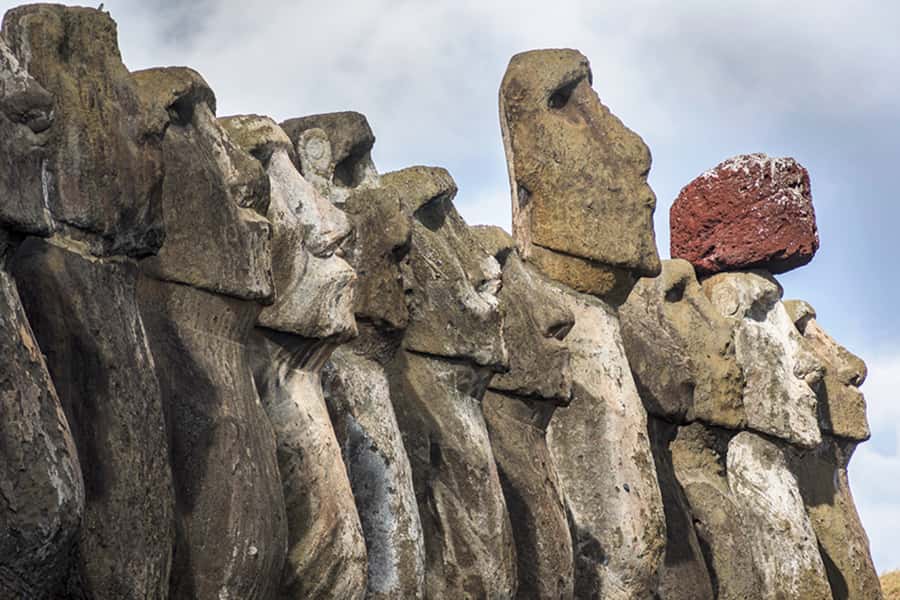
Ahu Tongariki is the great visual centerpiece of the day. Fifteen moai line the restored platform with the Pacific behind them. Seeing the site in daylight lets you study the different figures, their positions, and the scale of the platform without the pressure of the sunrise visit.
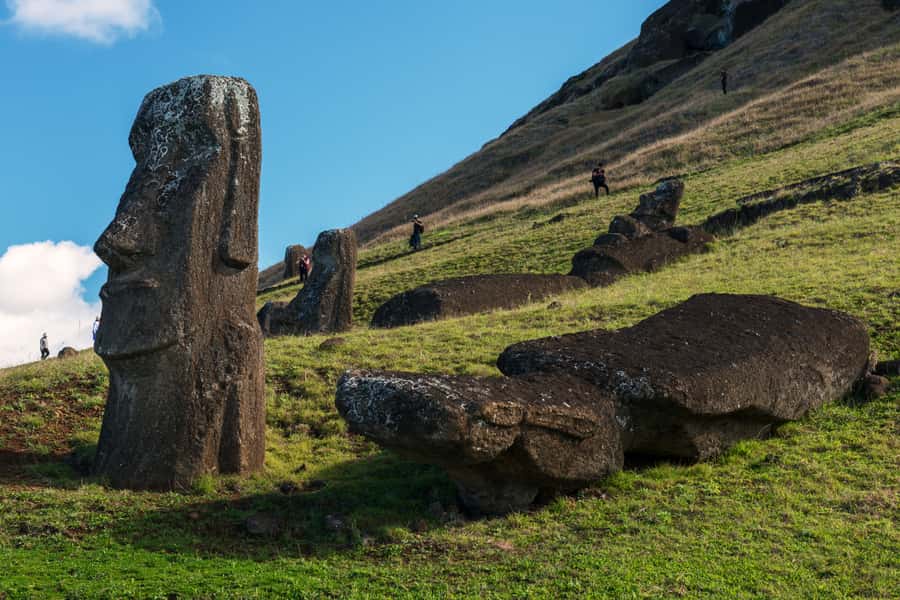
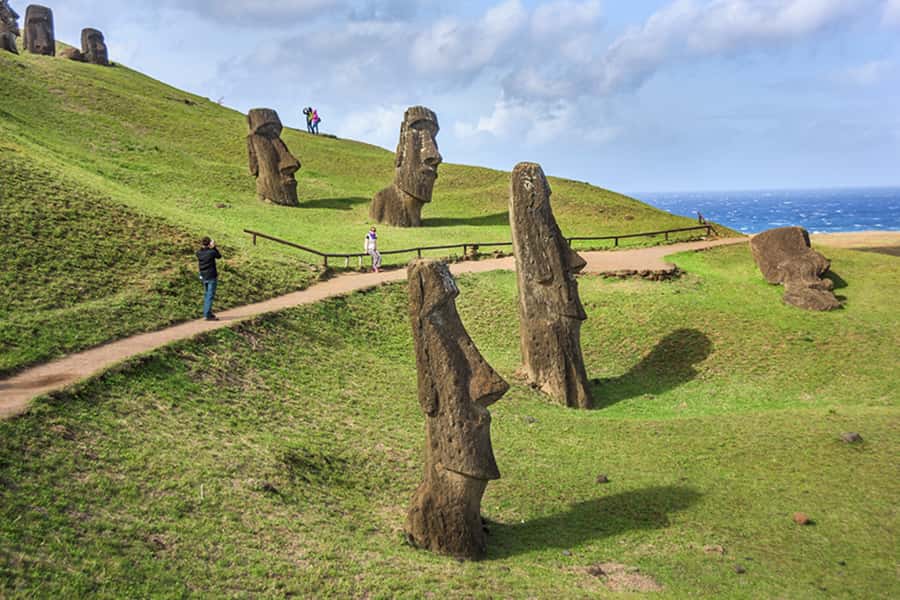
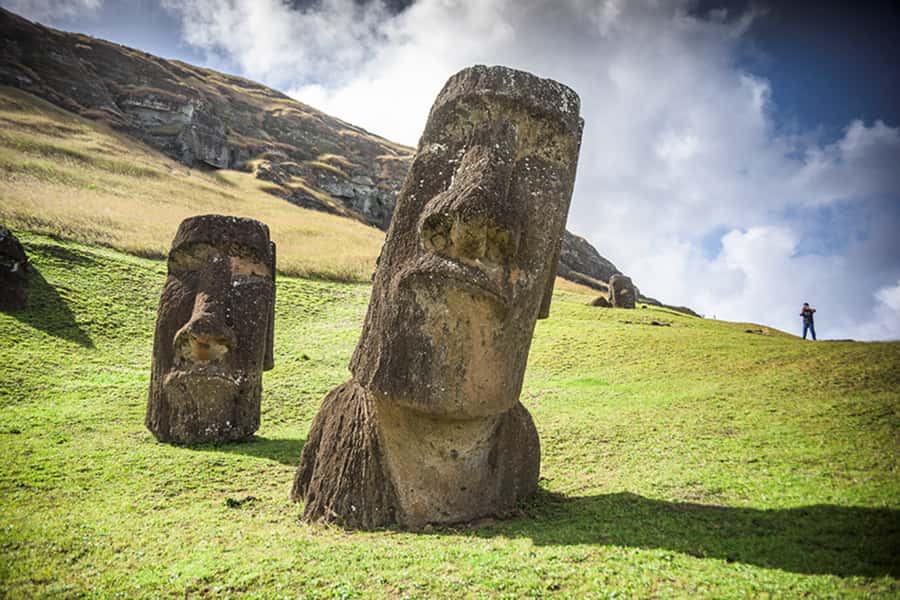
Rano Raraku is essential. This volcanic cone is the island’s main quarry for the soft volcanic tuff used to carve many moai. Figures remain at different stages around the quarry, which makes the place unusually good for understanding how the statues were made.
I would give Rano Raraku plenty of attention. It is easy to focus only on the famous statues, but the unfinished figures and the quarry slopes tell the larger story. You can see the work area, the stone source, and the point where production stopped. Comfortable shoes matter here because the visit involves walking over uneven ground.
Te Pito Kura adds another stop connected with moai culture. It is part of the eastern route and helps fill out the story between the quarry and the ceremonial platforms.
At Anakena, you get a change of mood. This sandy beach was associated with the Miru Araki royal family, and it offers a coastal setting very different from the volcanic interior. The beach stop is not just a break for photographs. It gives you a chance to connect the island’s ceremonial life with places used for residence and daily life.
Lunch is served in the Anakena area, at a Rano Raraku shelter, or at a similar location. The meal includes a choice of chicken or ribs, fresh salads, rice, fresh fruit, juice, mineral water, or soda. If rain or another problem affects the plan, lunch may be served elsewhere.
This is helpful, but keep your expectations sensible. It is a practical tour lunch, not a separate restaurant experience. You also may spend much of the day outside, so bring sun and rain protection even if the morning looks clear.
Day three: trekking, Ahu Akivi, and Puna Pau
Day three begins at 9:00 a.m. and is described as a full-day trekking day. You choose between the Terevaka route and a Rapa Nui Underground tour.
That choice matters. Terevaka gives you a way to see the island’s high ground and broad scenery, while the underground option focuses on the island’s volcanic spaces. The exact feel of your day will depend on which route you select, so confirm the choice and walking demands before you book.
The day information also includes Rano Kau, Ahu Akivi, and Puna Pau. Since Rano Kau appears on day one as well, ask your guide how the day three route will be arranged. It may be part of the chosen trekking program, but the published schedule is not completely clear on this point.
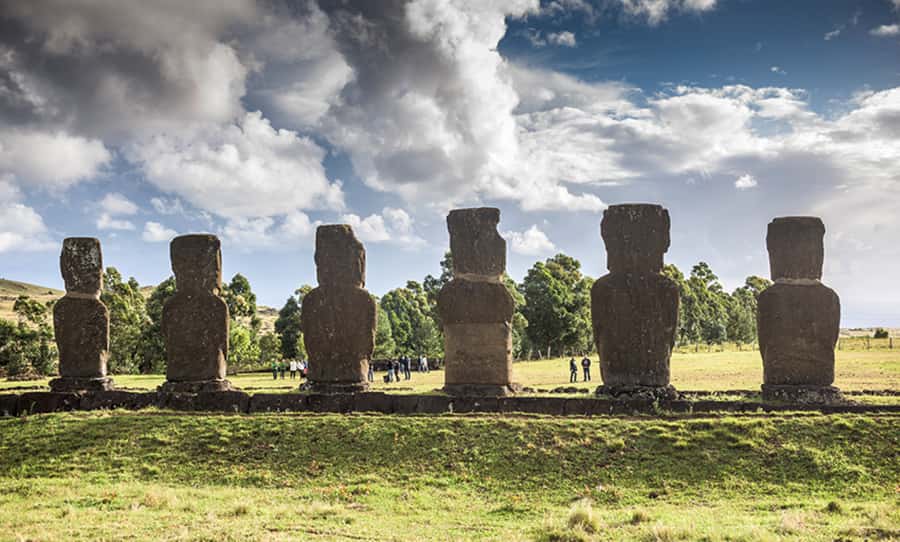
Ahu Akivi is special because its restored moai are inland rather than placed beside the coast. The seven figures are also linked with astronomical guidance, giving the site a different meaning from the platforms you see at Tongariki or Tahai.
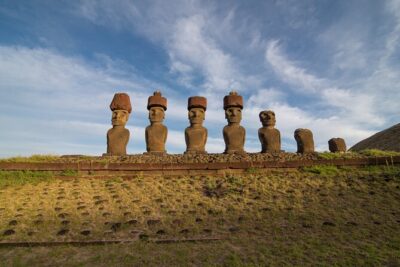
Puna Pau is the source of the red volcanic stone used for the moai topknots, or hair pieces. This stop helps you notice a detail that is easy to miss in photographs. The red stone is not part of the main body of the statues, and its separate quarry shows that the construction process involved more than simply carving one piece of rock.
The day also includes a high view toward Hanga Roa. This is useful after several days of remote sites. You see how the village fits into the island and get a clearer sense of distances between the places you have visited.
Lunch is not included on day three. Carry food or arrange a meal before leaving, since the full-day route may not leave much time for an unplanned stop. The private format gives you a chance to discuss this with your guide, but do not assume a meal is part of the price.
A few more options to weigh up in Hanga Roa
- 2-Day Private Tour Easter Island Highlights Complete Discovery
★ 5.0 · 110 reviews - Private Full-Day Easter Island Highlights North and West
★ 5.0 · 84 reviews - Full Day Private Tour: Factory of the Moai the stone giants
★ 4.5 · 63 reviews - Private Easter Island Full-Day Tour
★ 5.0 · 61 reviews
Day four: Tongariki before sunrise
The final morning starts at 6:00 a.m., with the exact pickup time confirmed according to the season. That early start is the price of admission for one of Easter Island’s most memorable views.
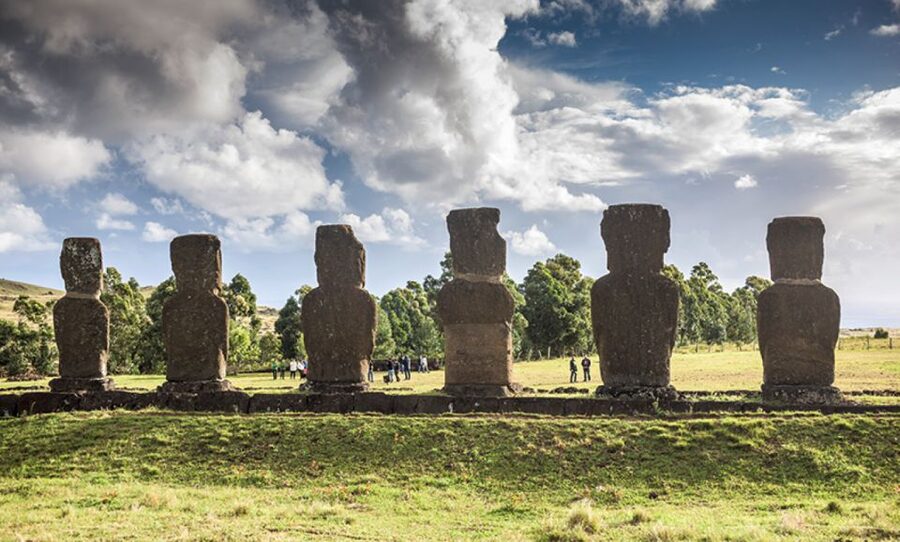
At Tongariki, fifteen moai face inland from the large ceremonial platform, with the Pacific behind them. As the light changes, the figures become easier to distinguish, and the setting feels quiet in a way that is hard to match later in the day.
Coffee and tea are served at the site. It is a small touch, but a useful one. You do not have to wait until returning to Hanga Roa for your first warm drink, and the pause gives you time to take in the scene instead of rushing from the vehicle to a photo and back.
The sunrise visit is also a good reason to choose a private tour. You can ask your guide about the site as the light improves, and after returning to your hotel you still have the rest of your departure day available. The schedule does not include airport or port pickup, so arrange your onward transfer separately.
What the private format adds
A private group changes the rhythm of the trip. You are not following strangers with different interests, and you can ask for explanations at the sites that matter most to you. The vehicle also removes the need to work out island transport for long out-and-back routes.
Pickup and drop-off are available at most hotels in Hanga Roa. At the end of each day, you can return to your hotel or choose a central location, which gives you the option of eating or walking around town on your own.
The guide languages are English, Spanish, and French. No individual guide names are provided, so you should confirm the language and guide arrangement when booking if that is important to you.
The private setup does not mean the days are slow. You still follow a planned route, and the major sites require walking. The tour is not suitable for wheelchair users, people with mobility impairments, or cruise ship passengers. Port pickup is not included, and the program is built for people staying in Hanga Roa.
Is $810 per person a fair price?
The price is $810 per person, before the $80 National Park ticket. That makes the total entry cost at least $890 per person, not counting meals on days one and three or any airport transfer.
The value depends on how many people are in your private group and how much you value time. You are paying for four days of private transport, a professional guide, hotel pickup and drop-off, bottled water, one full lunch, and a schedule that links sites across the island.
For a solo visitor or a small group, the price may feel high. For a larger private group, the cost can make more sense because the vehicle and guide are shared among fewer people than on a standard large-group outing.
I would compare the price with three questions:
- Do you want private guiding rather than basic transport?
- Will you make good use of the first afternoon and final sunrise?
- Are you comfortable paying extra for the required park ticket and most meals?
If the answer is yes, the plan offers strong coverage in four days. If you prefer free time, independent meals, or a slower pace, you may find the schedule too packed for the price.
Practical advice for a smoother visit
Wear shoes that can handle moderate walking and uneven volcanic ground. Bring weather-appropriate layers because the tour operates in all conditions.
Pack food or make a plan for lunch on days one and three. Only day two includes a full meal. Bottled water is included, but it is still sensible to carry what you need for a long day outside.
Reserve the National Park ticket before the tour begins. It is mandatory, costs $80, and is not included in the tour price.
Ask about the day three choice before finalizing your plans. Terevaka and the underground tour offer different types of walking, and the schedule also refers to Rano Kau, Ahu Akivi, Puna Pau, and a view of Hanga Roa. A quick confirmation will help you understand exactly how those visits fit together.
Free cancellation is available up to 24 hours before the activity for a full refund, and you can reserve now and pay later. These terms are useful if your island plans may shift, but they do not remove the need to arrange your own port or airport transport.
Who should book this Easter Island tour?
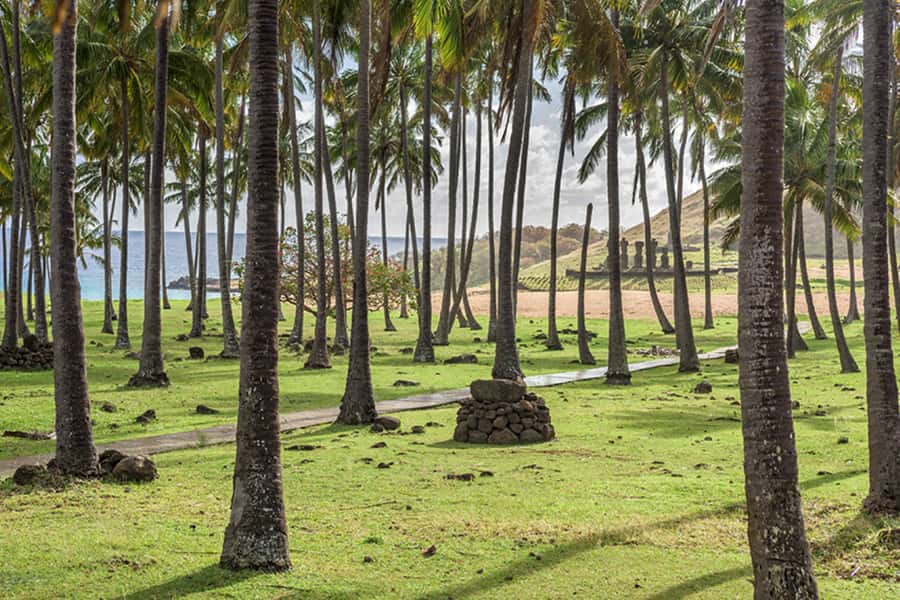
I would choose this program if you have four days on Rapa Nui, want the major moai sites, and prefer a guide and private vehicle. It is especially useful for an arrival around midday because day one begins with a meaningful half-day rather than a wasted check-in afternoon.
It also suits you if Tongariki sunrise is high on your list. The final morning is short, focused, and includes coffee at the site.
I would hesitate if you dislike early mornings, want long unplanned breaks, or have limited mobility. The National Park ticket and extra meals also need to fit your budget.
Should you book Option B?
Book it if your priority is seeing the major sites efficiently with private support. The combination of Orongo, Rano Kau, Vinapu, Tahai, Rano Raraku, Tongariki, Anakena, Ahu Akivi, Puna Pau, and a trekking choice gives you a broad picture of Rapa Nui in only four days.
Before paying, confirm the day three route, the guide language, and your hotel pickup. If those details work for you, this is a well-planned choice for a focused Easter Island visit. Just budget for the separate park ticket, bring good shoes, and remember that the island rewards patience even when the schedule moves at a brisk pace.
FAQ
How long is the tour?
The experience lasts four days and includes two half-day programs and two full-day programs.
Is hotel pickup included?
Yes. Pickup and drop-off are available at most hotels in Hanga Roa.
Is the National Park ticket included?
No. The mandatory National Park ticket costs $80 USD and must be purchased separately.
Is lunch included every day?
No. Lunch is included only on day two. Lunch is not included on days one and three.
What languages are available for the guide?
The tour offers live guiding in English, Spanish, and French.
Can cruise ship passengers join this tour?
No. The experience is not suitable for cruise ship guests, and port pickup is not included.
Just added in Hanga Roa
- Volcanic Refuges: Excursion to Underground Civilization★ 4.7 · 8 reviews
- Volcanic Wonders and the Kingdom of the Birdman: Half Day★ 5.0 · 6 reviews
- Half Day Private Tour: Caves and Volcanic Refuges★ 4.0 · 14 reviews
- Easter Island Ancestral Dinner and Show with Transport★ 4.5 · 2 reviews
- Visit Rapa Nui in 4 days with 3 Tours and Accommodation included★ 4.0 · 2 reviews
- 2 Day Small Group Tour in Moai Monuments and Historic Pathways★ 5.0 · 22 reviews
- Tour to the Motus: Boat trip and snorkeling in Rapa Nui★ 5.0 · 8 reviews
- The birdman journey in Easter Island★ 5.0 · 1 review
Easter Island Tours, compared.
Two days of Full Day Tour of Rapa Nui + Sunrise in Tongariki
Read our review →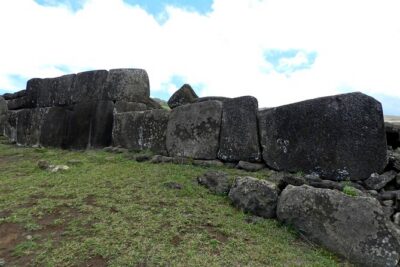
2-Day Private Tour Easter Island Highlights Complete Discovery
Read our review →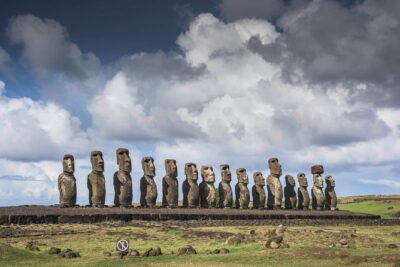
Private Tour: Full Day Easter Island Highlights
Read our review →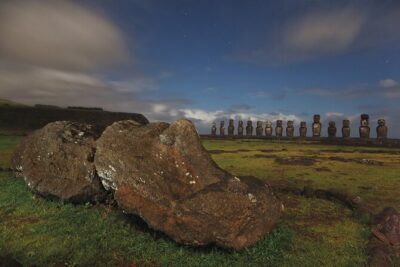
Browse the lists this tour appears in