
REVIEW · EASTER ISLAND TOURS
Easter Island: Full Day Ancestral Caves and Orongo Village
Rapa Nui’s past is written in stone. This six-hour private tour brings you to Orongo, the ceremonial village linked to the Birdman competition, then continues to ancestral caves, petroglyphs, and several important ahu platforms. I like the mix of major archaeological sites and places where you can see how island residents once used the rock itself for shelter. I also like the private jeep or SUV transport, which keeps the day simple and personal.
The main point to consider is the extra cost of the Rapa Nui National Ticket. At $219 per person before that admission, this is not a budget outing. Still, the price includes private transportation, a certified guide, hotel pickup and drop-off, and six hours on the island’s historic sites. Guide Melinka has been praised for giving clear, professional explanations, which matters when the stones and caves need context.
In This Review
- Key points to know before booking
- Why this six-hour route works well
- Rano Kau: starting with a volcanic view
- Orongo and the Tangata Manu tradition
- Ahu Vinapu and the island’s stonework
- Ahu Akivi and the first seven explorers
- Puna Pau, where the red stone was shaped
- Ana Te Pahu and the ancestral caves
- What the $219 price includes
- Who will get the most from this tour
- My recommendation for booking
- FAQ
- How long does the Easter Island caves and Orongo tour last?
- Where does the tour begin and end?
- What sites are included?
- Is transportation included?
- Is this a private tour?
- Which languages are available?
- Is the Rapa Nui National Ticket included?
- Is the tour suitable for wheelchair users?
- Can I cancel the tour for a refund?
Key points to know before booking
- Orongo links the tour to the Birdman competition: You visit the last ceremonial village near Rano Kau and see petroglyphs connected with Tangata Manu.
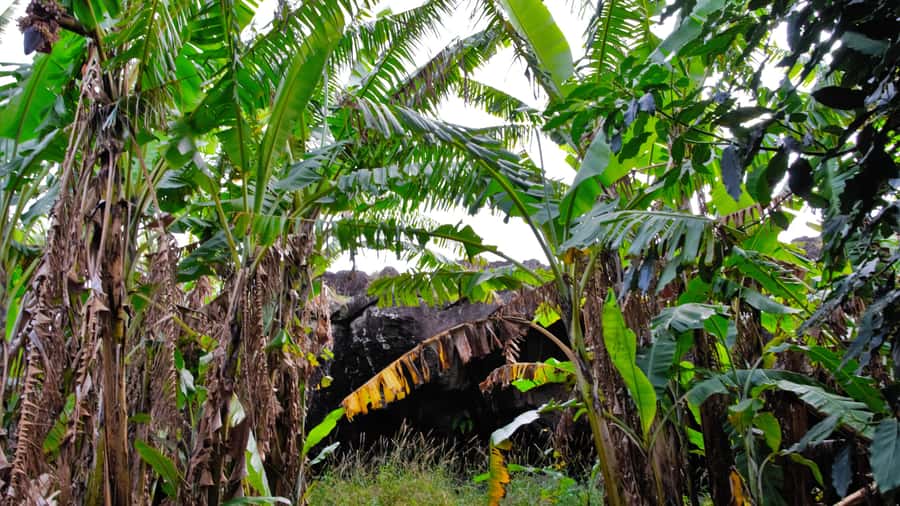
- Ana Te Pahu gives the day a hands-on feel: The ancestral cave visit lets you enter spaces once used by native inhabitants.
- Ahu Akivi represents the first seven explorers: This is one of the tour’s most meaningful moai platforms, not just a quick photo stop.
- Private transport makes six hours manageable: You move between sites by jeep or SUV, with hotel pickup and return in Hanga Roa.
- The tour visits more than the headline sites: Rano Kau, Vinapu, Puna Pau, Ahu Akivi, Orongo, and Ana Te Pahu all fit into one route.
- The national park ticket is extra: You must purchase the Rapa Nui National Ticket before the tour begins.
Why this six-hour route works well
Easter Island can feel confusing at first. The famous moai are spread across a large island, and the meaning of each site is easy to miss if you simply drive from one stone platform to another. This private route helps connect the pieces: volcanic geography, ceremonial life, stone carving, shelter, and the island’s first settlement traditions.
You begin in Hanga Roa, the island’s main town, with a short 15-minute drive to Rano Kau. From there, the route moves in compact stages. The longest listed drive is 20 minutes, and several transfers take only five to ten minutes. That means less time sitting in a vehicle and more time at the sites.
I also appreciate the private-group format. You are not being moved through the stops with a large crowd, and you can ask questions directly. The guide is certified by Mauhenua and Sernatur, and the experience is offered in English, French, or Spanish. If you want explanations instead of a quick series of photo stops, that is a useful advantage.
The listed visit times add up to about five hours, with transportation, pickup, and transitions filling out the six-hour experience. You should still expect a full half-day rather than a rushed two-hour excursion. The pace is active, but the route gives each main stop a defined block of time.
More things to do on Easter Island:
- From Hanga Roa: Rapa Nui Culture Sightseeing Tour
★ 4.6 · 307 reviews - From Hanga Roa: Easter Island Highlights 2-Day Tour
★ 4.3 · 205 reviews - From Hanga Roa: Easter Island Sightseeing Full Day Tour
★ 4.5 · 189 reviews
Rano Kau: starting with a volcanic view
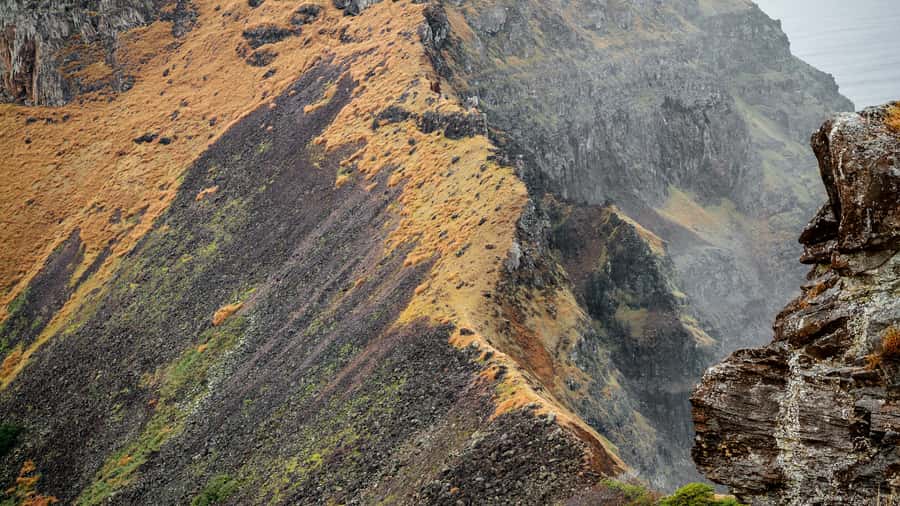
The first major stop is Rano Kau, reached after about 15 minutes in the jeep or SUV. The guided visit lasts 20 minutes, so this is an introduction rather than a long walk around the volcano.
Rano Kau matters because it sets the scene for Orongo. The crater and its broad views help you understand why the ceremonial village was placed where it was. From this high point, the connection between volcanic terrain and island ceremony becomes easier to picture than it would from a museum display.
The short visit is practical for a route that includes six major locations. Still, 20 minutes will feel brief if you enjoy taking photographs or want a slower look at the volcanic features. I would keep your camera ready and listen closely while the guide explains the setting, because the next stop depends on this context.
Orongo and the Tangata Manu tradition
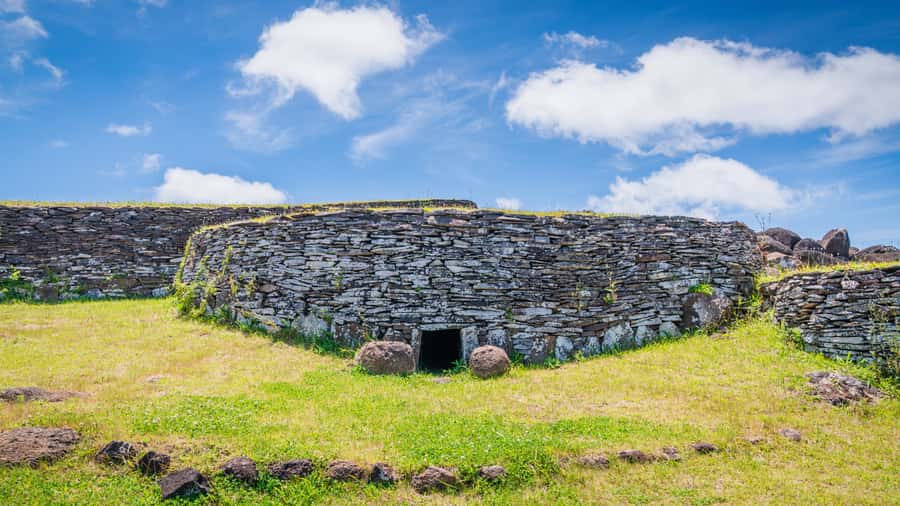
A five-minute drive brings you to Orongo for a guided visit and photo stop lasting about one hour. This is the tour’s historical center, and it deserves the longest scheduled visit apart from Ana Te Pahu.
Orongo is described as the last village and the place where the Birdman, or Tangata Manu, competition was held. You see the ceremonial village and petroglyphs tied to ancestral beliefs. The site also offers striking views around the volcanic setting, a point specifically praised for its grandeur.
I like Orongo because it adds a different layer to Easter Island. The moai are powerful, but the island’s story did not end with their construction. Orongo shows a later ceremonial tradition, with competition and religious symbolism shaping political life.
This is a place where a guide makes a real difference. The stone structures and carvings do not explain themselves, and a quick walk can leave you with little more than attractive photographs. Melinka was praised for giving detailed, professional information, and that is exactly the sort of help you want here.
Plan on spending your full hour at Orongo. The site is one of the tour’s strongest reasons to book, especially if you want more than a basic moai circuit.
Ahu Vinapu and the island’s stonework
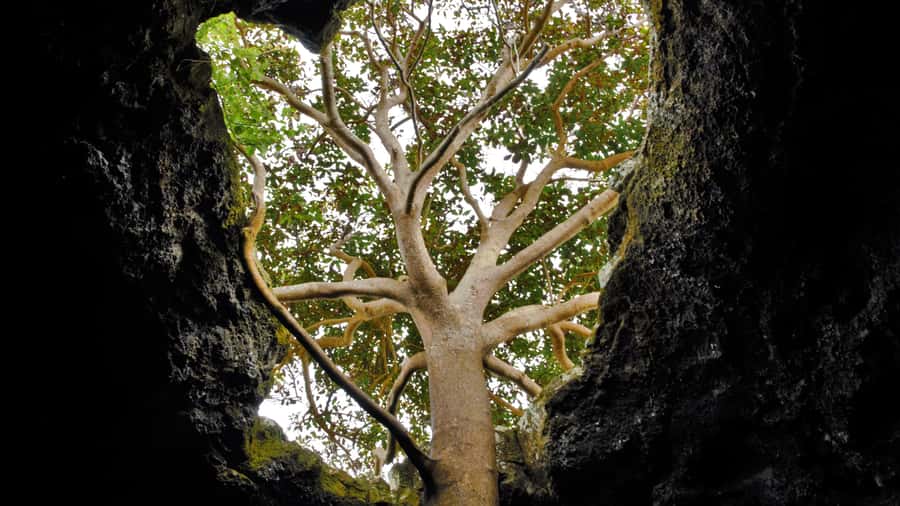
After Orongo, you drive for about 10 minutes to Ahu Vinapu. The stop lasts 30 minutes and includes both a photo opportunity and a guided explanation.
Ahu Vinapu adds variety to the day. Instead of focusing on a village or cave, you look at an ahu platform and the construction skills behind it. The tour’s descriptions emphasize the impressive stonework, and this is a useful stop for comparing different kinds of ceremonial remains across the island.
Thirty minutes is enough for an introduction and photographs, though it may not satisfy anyone who wants a long archaeological discussion. The private format helps here because you can use your time more efficiently than with a large group. Ask the guide to explain what makes Vinapu different from the other platforms on the route.
A completely different kind of day out:
- Two days of Full Day Tour of Rapa Nui + Sunrise in Tongariki
★ 4.5 · 132 reviews - Full Day Tour in Rapa Nui
★ 4.5 · 122 reviews - 2-Day Private Tour Easter Island Highlights Complete Discovery
★ 5.0 · 110 reviews - Private Tour: Full Day Easter Island Highlights
★ 5.0 · 106 reviews
Ahu Akivi and the first seven explorers
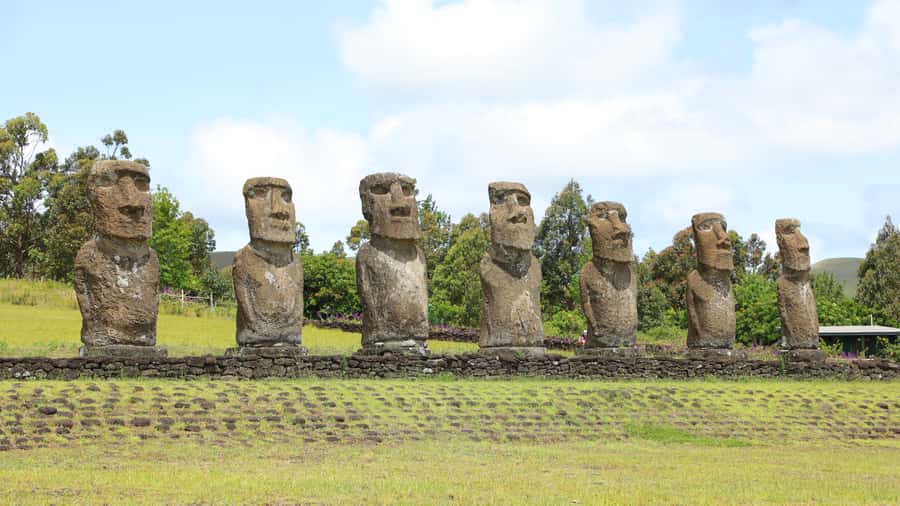
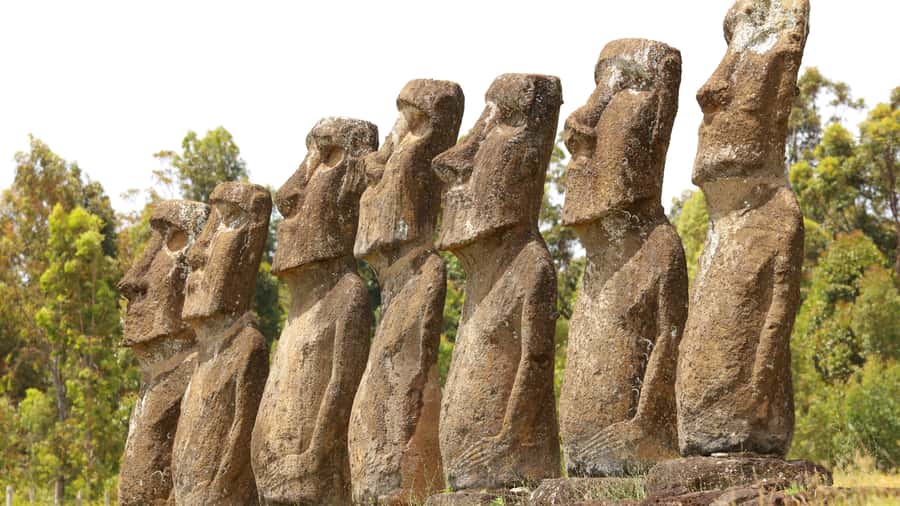
A 20-minute transfer takes you to Ahu Akivi, where you have about 30 minutes for a guided stop and photographs. This platform is singled out as representing the first seven explorers, giving it a particular place in Rapa Nui tradition.
Ahu Akivi helps broaden the tour beyond Orongo’s volcanic setting. Here, the focus returns to the moai and the ceremonial platforms associated with them. The story of the seven explorers gives the site a strong connection to the island’s beginnings and identity.
I would pay attention to the guide’s explanation rather than treating Ahu Akivi as another row of statues. The tour includes several archaeological locations, and it is easy for the details to blur together. Knowing why this platform represents the first seven explorers gives it a clear identity within the day.
The 30-minute stop is well judged for a route with so many locations. You have time to look, listen, and take photos without losing the rest of the afternoon.
Puna Pau, where the red stone was shaped
From Ahu Akivi, the drive takes about five minutes to Puna Pau. The scheduled visit is 40 minutes, longer than the time at Vinapu or Ahu Akivi.
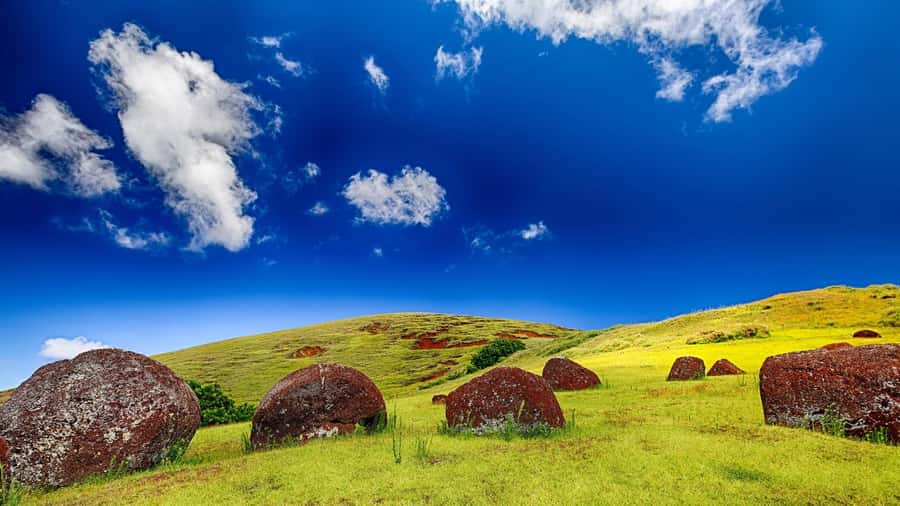
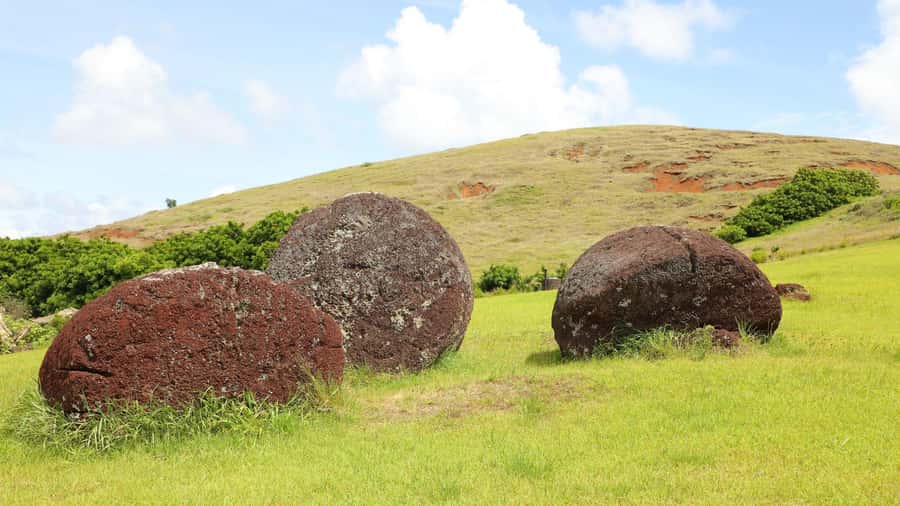
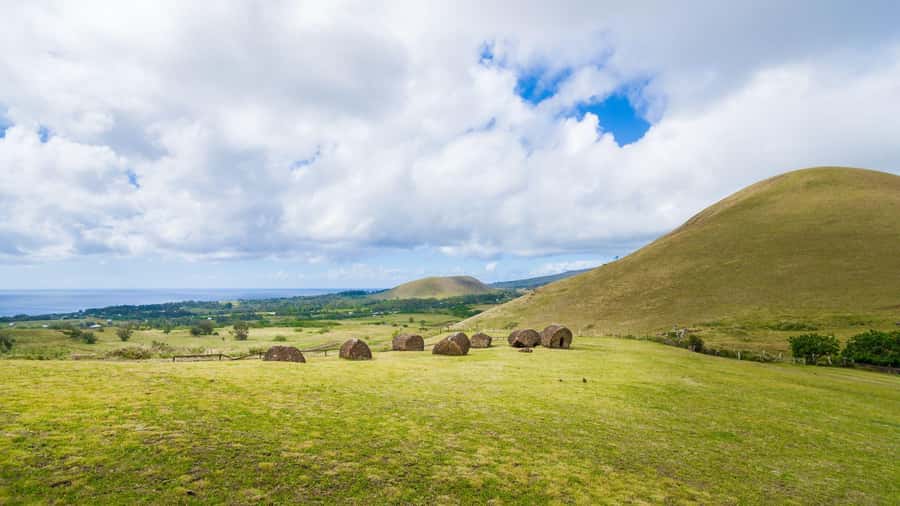
Puna Pau is included as a photo stop and guided visit, and its importance comes from the stone-carving story that it adds to the route. After seeing ceremonial platforms and moai sites, you get another view of how the island’s builders worked with local stone.
The extra time here is useful. A quick photograph would not explain why the site belongs in a tour about ancestral life and carving. With a guide, you can place Puna Pau within the larger sequence of stonework, ceremony, and community organization.
This is also a good point in the day to slow down. The route has already covered Orongo, Vinapu, and Ahu Akivi, so a 40-minute stop gives you a little breathing room before the final cave visit.
Ana Te Pahu and the ancestral caves
The final major stop is Ana Te Pahu, reached after a 10-minute drive from Puna Pau. The guided cave visit lasts about one hour, making it the other main feature of the tour alongside Orongo.
Ana Te Pahu is described as one of the island’s most impressive caves, with a history of use by native inhabitants. You enter an ancestral space rather than viewing ruins from the outside. The cave setting also offers the chance to see rock art, petroglyphs, and engravings connected with the island’s earlier residents.
I like this part of the tour because it changes the scale of the experience. At Orongo and the ahu platforms, you are looking at ceremonial places and large stone remains. Inside Ana Te Pahu, you are considering daily shelter and the way people adapted to the island’s volcanic rock.
The one-hour visit gives the guide time to explain the cave’s role and point out details you might otherwise pass. It also makes the tour more active than a standard drive-and-photo outing. The tradeoff is accessibility: the experience is not suitable for wheelchair users, and anyone who dislikes entering caves should choose a different route.
After Ana Te Pahu, you return to Hanga Roa. The included hotel transportation means you do not need to arrange a separate ride back after the cave visit.
What the $219 price includes
At $219 per person, this is a premium half-day experience. The price covers transportation, a certified guide, and a private group. You also receive hotel pickup and return service in Hanga Roa, which removes the need to organize transport between scattered archaeological sites.
The value depends on how you prefer to see Easter Island. If you only want to visit one or two major sites, you can probably find a simpler and less expensive option. If you want Orongo, caves, three ahu-related sites, and Puna Pau in one carefully arranged outing, the private setup makes the price easier to justify.
The national park admission is not included. You must buy the Rapa Nui National Ticket before the tour, so add that expense to your planning budget. This is the most important cost detail to remember because the advertised price is not the final amount for the day.
Reserve now and pay later is available, and you can cancel up to 24 hours in advance for a full refund. Alcohol and drugs are not allowed. The experience is not suitable for anyone over 95 years old, in addition to the wheelchair restriction.
Who will get the most from this tour
I would recommend this route if you want a private introduction to Easter Island’s major archaeological themes without spending a full day on the road. It suits you especially well if you value explanations, want hotel transportation, and like mixing outdoor views with a cave visit.
The tour also works for a couple, family, or small private group that wants the freedom to ask questions. The available languages are English, French, and Spanish, so you can select the language that lets you follow the cultural details most easily.
You should think twice if your priority is a slow visit at every location. Six stops plus transport require a steady pace, and the scheduled time at Rano Kau, Vinapu, and Ahu Akivi is limited to 20 or 30 minutes. You should also reconsider if entering a cave is uncomfortable for you or if wheelchair access is essential.
The route is best for people who want breadth and context. You see volcanic views, a ceremonial village, stone platforms, a carving site, and an ancestral cave in a single outing.
My recommendation for booking
I would book this tour if you have only one free half-day on Easter Island and want a private route with strong historical coverage. Orongo and Ana Te Pahu are the main reasons to choose it, while Ahu Akivi, Vinapu, and Puna Pau add useful variety.
The price is fair for private transportation and a certified multilingual guide, but only after you account for the required national park ticket. Choose it for structure, personal guiding, and a broad look at Rapa Nui culture. Skip it if you want a low-cost visit, need wheelchair access, or prefer to spend most of your time at one site.
FAQ
How long does the Easter Island caves and Orongo tour last?
The experience lasts six hours, including transportation between sites, guided visits, and the return to Hanga Roa.
Where does the tour begin and end?
Pickup is in Hanga Roa, and the tour returns to Hanga Roa after the visit to Ana Te Pahu.
What sites are included?
The route includes Rano Kau, Orongo, Ahu Vinapu, Ahu Akivi, Puna Pau, and Ana Te Pahu.
Is transportation included?
Yes. Transportation by jeep or SUV is included, along with pickup from your hotel and return transportation.
Is this a private tour?
Yes. The experience is offered for a private group.
Which languages are available?
The live guide service is available in English, French, and Spanish.
Is the Rapa Nui National Ticket included?
No. You must purchase the Rapa Nui National Ticket before the tour.
Is the tour suitable for wheelchair users?
No. The experience is not suitable for wheelchair users.
Can I cancel the tour for a refund?
Yes. You can cancel up to 24 hours in advance for a full refund.
Just added in Easter Island
- Volcanic Refuges: Excursion to Underground Civilization★ 4.7 · 8 reviews
- Volcanic Wonders and the Kingdom of the Birdman: Half Day★ 5.0 · 6 reviews
- Half Day Private Tour: Caves and Volcanic Refuges★ 4.0 · 14 reviews
- Easter Island Ancestral Dinner and Show with Transport★ 4.5 · 2 reviews
- 2 Day Small Group Tour in Moai Monuments and Historic Pathways★ 5.0 · 22 reviews
- Visit Rapa Nui in 4 days with 3 Tours and Accommodation included★ 4.0 · 2 reviews
- Tour to the Motus: Boat trip and snorkeling in Rapa Nui★ 5.0 · 8 reviews
- The birdman journey in Easter Island★ 5.0 · 1 review
Easter Island Tours, compared.
Two days of Full Day Tour of Rapa Nui + Sunrise in Tongariki
Read our review →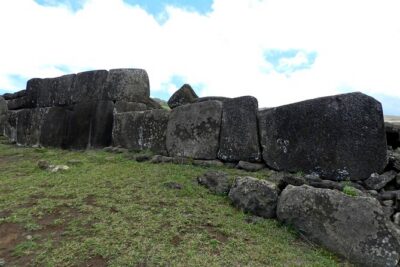
2-Day Private Tour Easter Island Highlights Complete Discovery
Read our review →
Private Tour: Full Day Easter Island Highlights
Read our review →
Browse the lists this tour appears in