
REVIEW · EASTER ISLAND TOURS
4-Day Easter Island Experience with Hotel, Tours & Dinner show
Moai are only the beginning. This four-day Easter Island package combines three nights of lodging, guided visits to the island’s major archaeological sites, airport transfers, and a traditional dinner show. I like the practical setup: you arrive to a flower necklace, settle into your hotel, and have the main touring arranged before you have time to wonder how to get around this remote island. I also like the small-group limit of 15 people, which should give you more room for questions than a large coach tour.
The main drawback is the price, $1,890 per person before airfare. Easter Island is costly, and the national park entrance fee alone is listed at about $80 per person in one account, but you still need to decide if the bundled hotel, meals, transfers, and guide service justify the premium. The schedule is also full, with two four-hour touring blocks on Day 3.
In This Review
- Key points to know before booking
- What the $1,890 package really buys you
- Day 1: A flower necklace and an underground feast
- Day 2: Fallen moai, the quarry, and 15 statues at Tongariki
- Ahu Akahanga
- Rano Raraku
- Ahu Tongariki
- Te Pito Kura
- Anakena Beach and Ahu Nau Nau
- Day 3: Orongo, Rano Kau, and the island’s celestial side
- Vinapu and Orongo
- Puna Pau and Ahu Akivi
- Guides, vehicles, and the small-group setup
- Meals, hotel time, and what is not included
- Who should book this Easter Island experience?
- Should you book it?
- FAQ
- How long does the Easter Island experience last?
- Is airfare included?
- What is the price per person?
- What accommodation is included?
- Are meals included?
- Is the Rapa Nui National Park entrance fee included?
- How many people can join the group?
- What language is the tour offered in?
- Are airport transfers included?
Key points to know before booking
- The package covers the island’s essential moai sites, including Rano Raraku, Ahu Tongariki, Anakena, Ahu Akivi, and Tahai.
- Your welcome begins at Mataveri Airport with a traditional flower necklace and a transfer to your selected hotel.
- Te Ra’ai dinner is more than a meal, with underground cooking, body painting traditions, music, dance, and a glass of Chilean wine.
- The group is capped at 15 people, and the guide may speak more than one language.
- The $1,890 price includes park entrance fees, three nights of accommodation, lunch, dinner, tours, and ground transport, but not your flight to Easter Island.
- The tour is fast but sensible for a short stay, covering the major archaeological areas in two full days.
What the $1,890 package really buys you
Easter Island, also called Rapa Nui, is far from mainland Chile. That distance affects nearly everything, from food supplies to transport and park operations. You are not paying only for sightseeing here. You are paying for a ready-made plan in a place where independent arrangements can take more effort and cost more than expected.
The package includes three nights at a selected hotel, airport reception, transfers, a professional guide, entrance fees, lunch, and dinner. It also includes the evening at Te Ra’ai, which gives the trip a cultural element beyond a series of photo stops.
Airfare is not included, so your total cost will be higher. The package is best judged as a short, organized island stay rather than as a cheap tour. If you want to see the major moai sites without arranging each transfer, park ticket, meal, and hotel separately, the price may be reasonable. If you already have accommodation and transport arranged, paying for the full package makes less sense.
One point needs checking before you pay: the arrival description says the airport transfer is shared, while the included services list private pickup and drop-off. Ask the operator exactly what applies to your booking. The departure transfer is also arranged at an agreed time, so you will not need to find your own ride to Mataveri Airport.
More places to eat in Easter Island:
- Easter Island Dinner Show with Transport
★ 4.0 · 13 reviews - Easter Island Ancestral Dinner and Show with Transport
★ 4.5 · 2 reviews - Exclusive wineries in Casablanca Valley & Tanino Restaurant
★ 5.0 · 568 reviews
Day 1: A flower necklace and an underground feast
Your arrival begins at Mataveri International Airport. The airport welcome includes a traditional flower necklace, a small but meaningful gesture that immediately introduces you to Rapa Nui hospitality. From there, you transfer to your selected hotel and have time to rest.
The arrival transfer is listed as about 30 minutes. That is useful after a long flight, especially because you do not need to negotiate transport on arrival. The island is known for its quiet pace, and the first afternoon is intentionally light.
The evening begins with pickup at your hotel for Te Ra’ai Restaurant. The experience lasts about three hours and is designed to introduce you to Rapa Nui traditions through food, storytelling, music, and dance.
You start with a local drink and an introduction to Takona, an old body-painting practice in which symbols and colors express stories. This is a worthwhile detail because it gives the evening some cultural context instead of treating the dinner show as a generic Polynesian performance.
The main meal is an Umu Hatu, a traditional Rapa Nui curanto cooked underground with hot stones. The buffet includes local dishes, meats, root vegetables, salads, tropical fruit, and a glass of Chilean wine. The food is served in a social, informal setting, which suits the communal nature of the meal.
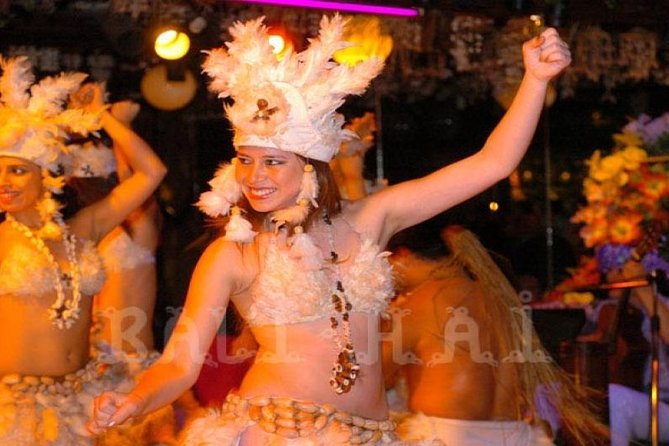
The night ends with Haha Varua, a live performance of music and dance based on Rapa Nui legends and the idea of Mana, or sacred energy. It is a lively start to the trip, though you should remember that a dinner show is a staged cultural presentation. It can be enjoyable and informative, but it is not the same as seeing daily life in Hanga Roa.
Day 2: Fallen moai, the quarry, and 15 statues at Tongariki
Day 2 is the major moai circuit. It visits the island’s eastern and northern sites, with enough time at each stop to make the day more than a quick drive-by.
Ahu Akahanga
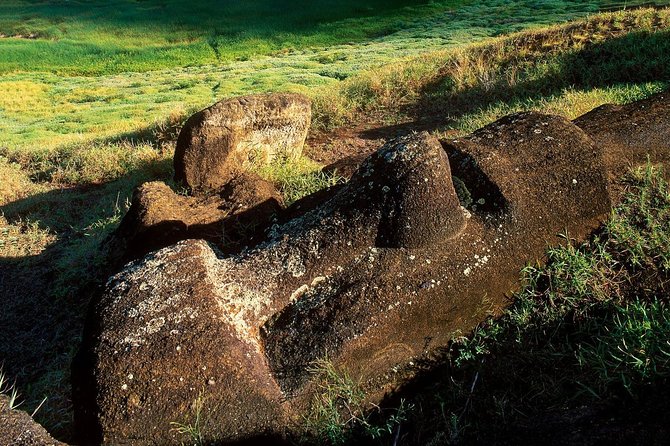
At Ahu Akahanga, you see fallen moai near the Pacific. Local tradition connects the site with Hotu Matu’a, regarded as the island’s first king. The stop also helps explain the role of ceremonial platforms and the clan structures that shaped early Rapa Nui society.
Allow about an hour here. Fallen statues can be less immediately impressive than a restored row of moai, but that is part of the value. Ahu Akahanga gives you a clearer sense of how the island’s sites changed over time and how much of what you see today has required archaeological care.
More shows in Easter Island:
- Traditional Dinner Show in Santiago
★ 4.5 · 41 reviews - Dinner Show in Bali Hai with Wine refill and transportation
★ 4.4 · 21 reviews - Santiago: Bali Hai Dinner & Show, Transport and Wine refill
★ 4.5 · 17 reviews - Santiago: Private Dinner & Chilean Folk Show with Transfers
★ 4.7 · 17 reviews
Rano Raraku
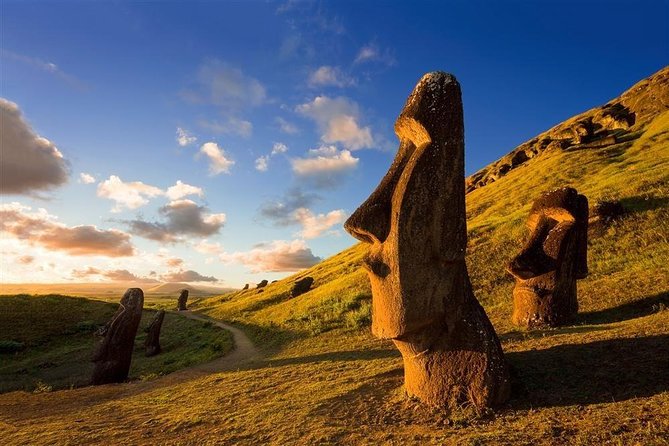
Rano Raraku is the volcanic quarry where most of the island’s moai were carved. The sight of unfinished statues still attached to the volcanic rock is one of the most affecting moments of the trip.
You have about an hour at the quarry. Wear practical shoes and expect walking on uneven ground. The site raises the questions that make Easter Island so compelling: how were these huge figures shaped, moved, and placed? Your guide’s explanation will matter here, since the statues are more interesting when you understand the work and beliefs behind them.
An hour is useful, but it may feel short if you enjoy archaeology or photography. The tour covers many sites in limited time, so this is one place where you may wish for a longer stop.
Ahu Tongariki
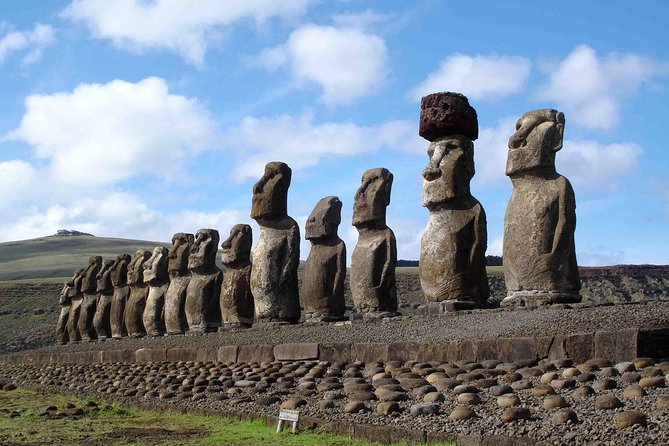
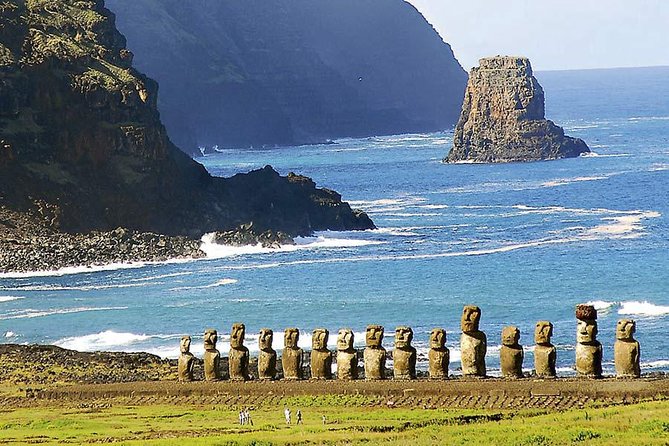
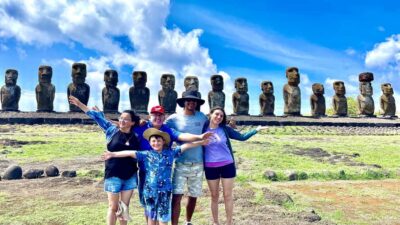
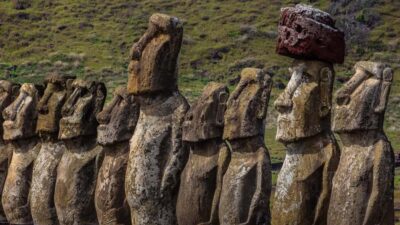
Ahu Tongariki is the visual centerpiece of Day 2. Fifteen restored moai face inland from a broad ceremonial platform, with the Pacific behind them. The scale of the site is hard to grasp from a photograph.
The schedule allows two hours, which is generous compared with the other stops. Use that time to look closely at the differences between the statues, listen to the guide, and take in the setting rather than rushing through a few pictures.
Tongariki is also a useful reminder that Easter Island’s archaeological story includes destruction and restoration. The restored platform represents the cultural recovery of Rapa Nui as much as it represents the ancient civilization.
Te Pito Kura
At Te Pito Kura, you see the remains associated with the largest moai ever erected on the island. The site is also linked with the Navel of the World, a stone regarded as spiritually powerful.
The planned two-hour visit gives the guide room to explain the site’s beliefs and symbols. Some travelers may find the spiritual stories more interesting than the physical remains, while others may feel the stop is less visually dramatic than Tongariki or Rano Raraku.
Anakena Beach and Ahu Nau Nau
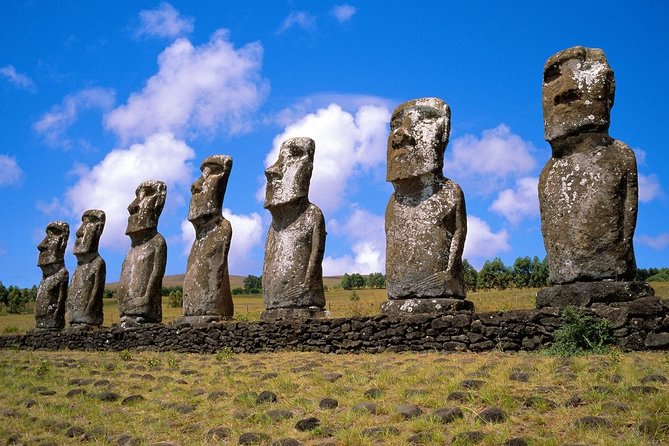
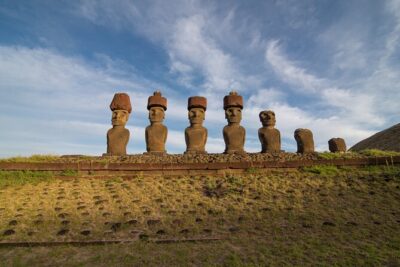
The day ends at Anakena Beach, one of the few places on the itinerary that feels made for slowing down. White coral sand, turquoise water, palm trees, and the restored moai of Ahu Nau Nau create a very different mood from the volcanic quarry and fallen platforms.
You have about two hours here for a walk, a swim, or a quiet look at the statues. Bring swimwear if you want to use the beach, but do not let the beach setting make you forget the archaeology. Ahu Nau Nau is an important ceremonial site, and the combination of restored moai and shoreline makes it one of the most memorable stops.
Day 2 is long, but the order works well. You move from older and damaged sites toward the dramatic restored platform at Tongariki, then finish with the softer setting of Anakena.
Day 3: Orongo, Rano Kau, and the island’s celestial side
Day 3 is split into two four-hour tours. It is the busiest day, but also the day that gives you the broadest view of Rapa Nui beliefs, stonework, astronomy, and political traditions.
Vinapu and Orongo
The morning begins with Vinapu, an archaeological site known for carefully fitted stonework. The construction is often compared with Incan masonry because of its precise joints. You also see toppled moai, reminders of conflicts between clans and the changes that affected the island’s ceremonial sites.
From Vinapu, the tour continues to Orongo Ceremonial Village at the edge of Rano Kau volcano. Orongo was the center of the Tangata Manu, or Birdman, competition. This ritual helped determine which clan would rule for a year, making the site important not only as an archaeological location but also as a record of political power.
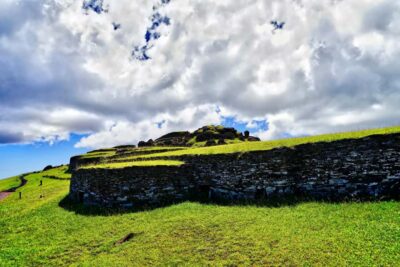
The views from Orongo are a major part of the experience. Rano Kau’s crater contains a green interior and a lagoon that looks almost still from the lookout. The setting is dramatic, but the guide’s explanation of the Birdman competition gives the place its real meaning.
The morning visit lasts about four hours. Take care with the timing if you want a relaxed pace, since Vinapu, Orongo, and the crater lookout each deserve attention.
Puna Pau and Ahu Akivi
After a short rest, you visit Puna Pau, the quarry used to carve the red pukao, or topknots, placed on some moai. It is easy to focus only on the statues themselves, but Puna Pau shows that the red headpieces required their own source of volcanic stone and their own production process.
Next comes Ahu Akivi, home to seven moai facing the ocean. The arrangement is unusual because many platforms face inland, toward the communities they once watched over. The seven statues are also linked with the sun during the spring equinox and autumn sunrise, giving the site a strong connection to the island’s celestial traditions.
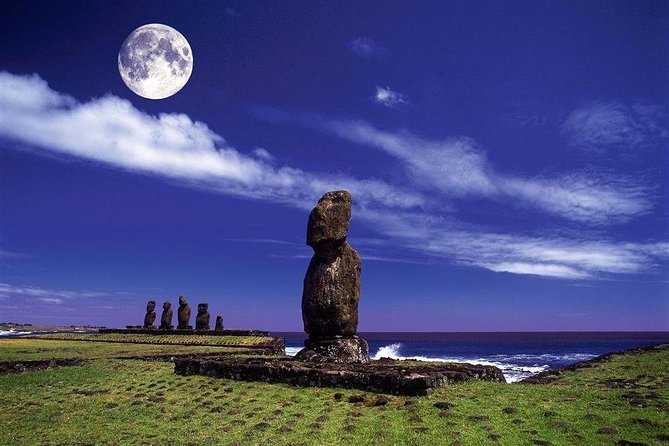
The final stop is the Tahai Ceremonial Complex. It includes Ahu Tahai, Ahu Vai Uri, and Ahu Ko Te Riku. The last is recognizable by its restored coral eyes, which help you picture how some moai may have looked when their ceremonial features were complete.
Tahai is close to Hanga Roa and is a fitting end to the afternoon. It brings together platforms, restored statues, and the island’s relationship with the sun and sea. The second four-hour tour is not as physically demanding as the quarry visit, but it is full of names and ideas. A good guide will help you keep the sites separate.
Guides, vehicles, and the small-group setup
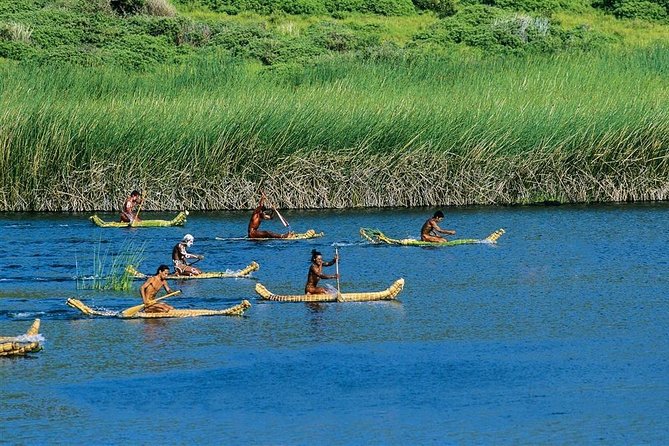
The tour is limited to 15 people and may operate with a multilingual guide. That is small enough to make questions practical, though it is not a private tour. You should expect a shared experience with other people, not a custom schedule.
The included guide is described as professional, and the service includes certified guides and good vehicles. The strongest practical benefit is coordination. Pickup times, park access, and the long route between sites are handled for you.
The operation also offers tips about nightlife and other tours on the island. That can help if you have extra time before your flight or want to add an activity outside this four-day plan.
The schedule is described as punctual, serious, and safe. Those qualities matter on Easter Island, where a missed pickup can affect an entire day. Still, I would confirm the hotel name, vehicle type, guide language, and airport transfer arrangement before booking.
Meals, hotel time, and what is not included
Three nights of accommodation are included, but the hotel name and room category are not specified in the information provided. Your selected hotel is described as beautiful, with helpful staff, but you should ask for the exact property before committing to the package.
Lunch and dinner are included. The clearest meal detail is the Te Ra’ai buffet on the first evening. Breakfast is described on Day 4 at the hotel, but the package details do not clearly state whether every breakfast is included, so ask about that point.
The plan leaves little open time on Days 2 and 3. Day 1 gives you time to rest after arrival, and Day 4 may allow a morning walk around Hanga Roa, a visit to craft markets, or a final look at the ocean if your flight is later in the day.
Airfare is not included. The experience is also non-refundable and cannot be changed for any reason. That is a serious condition, so book only after your flight and dates are firm.
Who should book this Easter Island experience?
I would choose this package if you have four days, want to see the major sites, and prefer a guide and prearranged transport. It suits first-time visitors who do not want to rent a vehicle or build a plan around separate park entries and transfers.
It also suits you if cultural programming matters. Te Ra’ai adds food, music, body painting traditions, and local stories, while Orongo and Ahu Akivi show that Rapa Nui culture involves much more than famous stone figures.
I would hesitate if you want long, unstructured time at each site. One hour at Rano Raraku may not satisfy a serious photographer or archaeology fan. The two-part schedule on Day 3 can also feel packed.
I would also compare prices if you already have a hotel or intend to arrange transport yourself. The package’s value comes from its all-in-one design, not from a low headline price.
Should you book it?
Book it if convenience, coverage, and cultural context are your priorities. The package reaches the major moai sites, includes the national park entrance fees, provides airport assistance, and adds one memorable evening at Te Ra’ai.
Before paying, confirm the exact hotel, meal schedule, guide language, and whether airport transfers are shared or private. If those details suit you, the package offers a sensible way to see the essential Rapa Nui sites in a short stay. If you want more freedom or a slower archaeological visit, plan extra days rather than trying to stretch this four-day schedule.
FAQ
How long does the Easter Island experience last?
The experience lasts approximately four days and includes three nights of accommodation.
Is airfare included?
No. The price does not include the air ticket to or from Easter Island.
What is the price per person?
The listed price is $1,890 per person.
What accommodation is included?
Three nights of accommodation at your selected hotel are included. The specific hotel should be confirmed before booking.
Are meals included?
Lunch and dinner are included. Day 1 includes a buffet dinner at Te Ra’ai, with local dishes, meats, root vegetables, salads, tropical fruit, and a glass of Chilean wine.
Is the Rapa Nui National Park entrance fee included?
Yes. Entrance fees are included in the package.
How many people can join the group?
The tour has a maximum of 15 travelers.
What language is the tour offered in?
The experience is offered in English, and it may also operate with a multilingual guide.
Are airport transfers included?
Yes. Airport reception and pickup and drop-off are included. The arrival description specifies shared transfer service, while the included-services section says private pickup and drop-off, so confirm the arrangement for your booking.
Just added in Easter Island
- Volcanic Refuges: Excursion to Underground Civilization★ 4.7 · 8 reviews
- Volcanic Wonders and the Kingdom of the Birdman: Half Day★ 5.0 · 6 reviews
- Half Day Private Tour: Caves and Volcanic Refuges★ 4.0 · 14 reviews
- Easter Island Ancestral Dinner and Show with Transport★ 4.5 · 2 reviews
- 2 Day Small Group Tour in Moai Monuments and Historic Pathways★ 5.0 · 22 reviews
- Visit Rapa Nui in 4 days with 3 Tours and Accommodation included★ 4.0 · 2 reviews
- Tour to the Motus: Boat trip and snorkeling in Rapa Nui★ 5.0 · 8 reviews
- The birdman journey in Easter Island★ 5.0 · 1 review
Easter Island Tours, compared.
Two days of Full Day Tour of Rapa Nui + Sunrise in Tongariki
Read our review →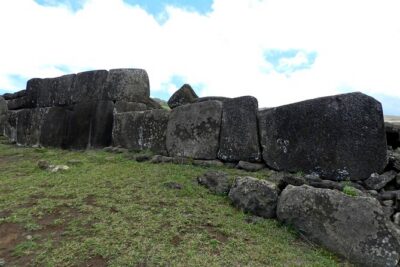
2-Day Private Tour Easter Island Highlights Complete Discovery
Read our review →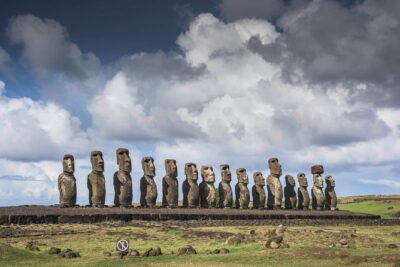
Private Tour: Full Day Easter Island Highlights
Read our review →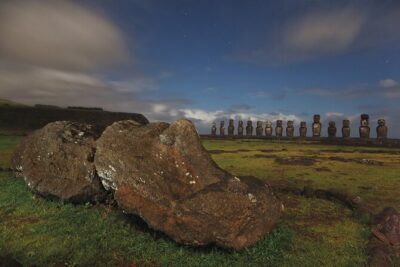
Browse the lists this tour appears in