
REVIEW · EASTER ISLAND TOURS
2 Days touring Rapa Nui Highlights in small groups
Moai, volcanoes, and one long day await. This experience packs the island’s key archaeological sites into a small-group outing, giving you a broad look at Rapa Nui culture without the strain of arranging separate transport. I especially like the maximum group size of eight and the range of places covered, from the beach at Anakena to the bird-man village of Orongo. I also like that pickup is offered from your accommodation and that the guide, Joaquin, brings energy and historical context to the day.
The main concern is the price: $1,000 per person is a major outlay, and admission to many sites is not included. The schedule also needs clarification. It is described as a two-day experience, but the listed stops add up to roughly seven hours and read like one very full day. Ask RAPA NUI DREAM to confirm the exact structure before paying.
In This Review
- Five things to know before you book
- A full sweep of Rapa Nui in one outing
- Anakena and Ahu Nau Nau: moai beside the beach
- Te Pito Kura and the fallen Moai Paro
- Rano Raraku, where most moai began
- Ahu Tongariki and the island’s grandest platform
- Vaihu and Vinapu: conflict, ruins, and unusual stonework
- Puna Pau and the red stone crowns
- Tahai and Akivi, two very different ahu
- Rano Kau and Orongo, the strongest final chapter
- Is $1,000 per person good value?
- Who will enjoy this Rapa Nui tour?
- Should you book it?
- FAQ
- Where does this tour take place?
- What time does the tour start?
- Where is pickup provided?
- How many people can join the group?
- Is the tour offered in English?
- How long does the tour last?
- Is the national park ticket included?
- Which sites are included?
- Is a high level of fitness required?
- Can I cancel for a full refund?
Five things to know before you book
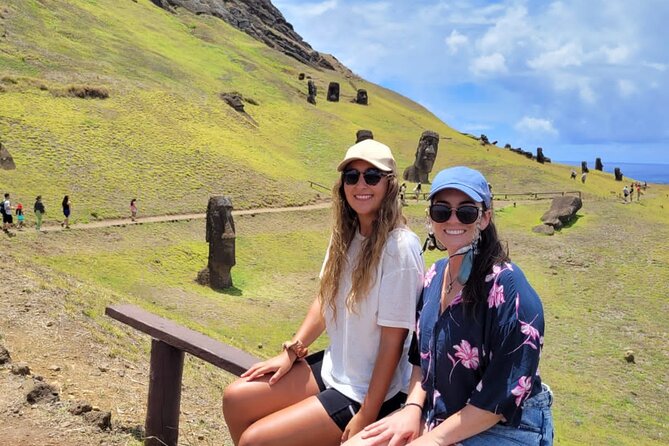
- Eleven major sites are included: You visit Anakena, Te Pito Kura, Rano Raraku, Tongariki, Vaihu, Vinapu, Puna Pau, Tahai, Akivi, Rano Kau, and Orongo.
- The group is capped at eight people: That is a useful middle ground between a private tour and a crowded coach outing.
- The listed start time is 9:30 am: Pickup is normally arranged at your accommodation entrance or reception, with details sent the day before.
- National park admission is extra: You must have your park ticket before the first day, purchased through the Ma’u Henua offices or the official park website.
- The route mixes famous moai with quieter context: You see restored statues, toppled platforms, quarry sites, volcanic scenery, and ceremonial buildings.
- A moderate fitness level is expected: You will walk around archaeological sites and volcanic viewpoints, and the pace may not suit anyone who needs frequent assistance.
A full sweep of Rapa Nui in one outing
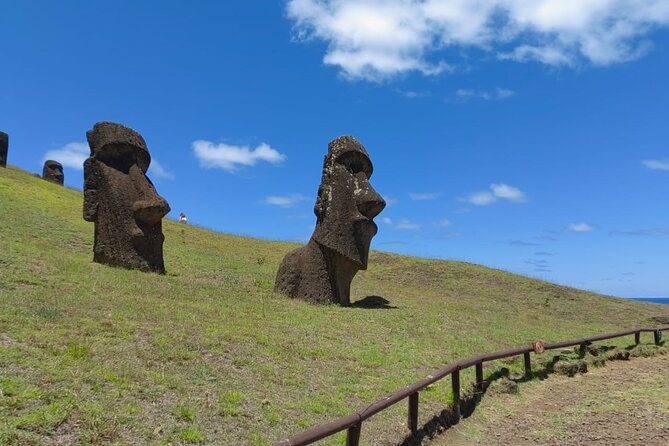
The great strength of this tour is its range. Rapa Nui is not simply a collection of giant stone figures. The island’s story includes quarry work, clan conflict, ceremonial life, water sources, seafaring traditions, and the later bird-man ceremony. This route touches each part.
At nearly seven hours of stated touring time, it is a serious day out. You will spend much of the day moving between sites, listening to explanations, walking over uneven ground, and taking photographs. The small group should make stops easier to manage, but it does not turn the outing into a slow, relaxed stroll.
Joaquin received praise for being animated and for explaining the island and its people. That matters here because many sites are made up of stones, platforms, and partial ruins. Without context, it is easy to see a moai, take a picture, and move on without understanding why the place matters.
One practical point deserves attention. Joaquin sometimes began speaking before the entire group had caught up. If you walk carefully or need more time on uneven paths, tell the guide early. Stay close when an explanation begins, and do not hesitate to ask for a repeat.
More things to do on Easter Island:
- From Hanga Roa: Rapa Nui Culture Sightseeing Tour
★ 4.6 · 307 reviews - From Hanga Roa: Easter Island Highlights 2-Day Tour
★ 4.3 · 205 reviews - From Hanga Roa: Easter Island Sightseeing Full Day Tour
★ 4.5 · 189 reviews
Anakena and Ahu Nau Nau: moai beside the beach
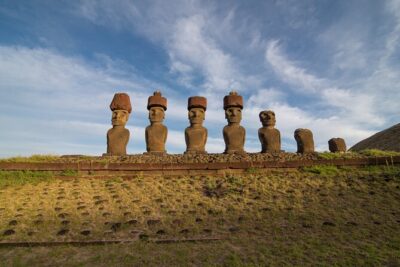
The tour begins at Ahu Nau Nau on the beach of Hanga Rau o te Ariki, better known as Anakena. This was the location of the old society’s capital, and its setting gives you an immediate sense that Rapa Nui ceremonial sites were part of a lived world, not isolated museum pieces.
Ahu Nau Nau has seven moai on its platform. They are described as the best-preserved restored moai on the island, so this is an excellent opening stop for seeing details in the stone. You also visit Ahu Ature Huki, which the Rapa Nui community restored in the 1950s.
The stop lasts about 35 minutes. That is enough for an introduction and photographs, though you should not expect a long, unhurried visit. Admission is listed as free here, but your national park ticket still needs to be arranged before the tour begins.
Te Pito Kura and the fallen Moai Paro
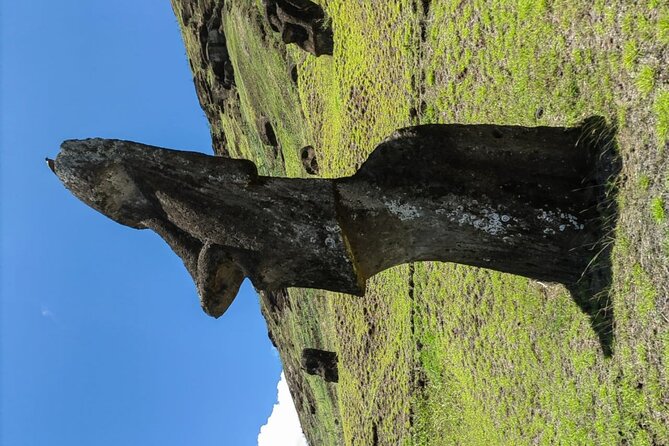
At Ahu Te Pito Kura, the focus shifts from restoration to loss. The site contains Moai Paro, the largest statue successfully moved from the Rano Raraku quarry to an ahu. It measures about 9.9 meters and is estimated to weigh more than 80 tons.
Moai Paro was pulled down nearly two centuries ago and has not been restored. That fallen position changes the way you read the site. Instead of seeing only the finished achievement, you also see the damage left by conflict and the passing of time.
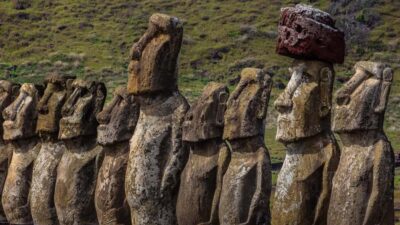
Look for the huge pukao in front of the moai. This red stone headdress is nearly two meters high and weighs about ten tons. It came from the Puna Pau quarry, which you visit later.
The stop lasts around 25 minutes. Admission is not included, so budget for the required park ticket rather than assuming the tour price covers every entry.
Rano Raraku, where most moai began
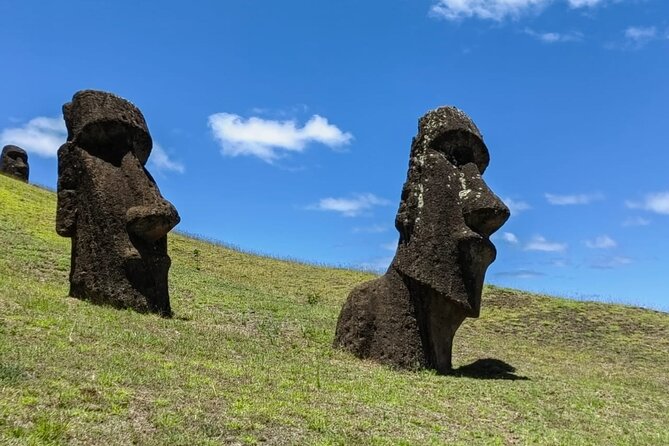
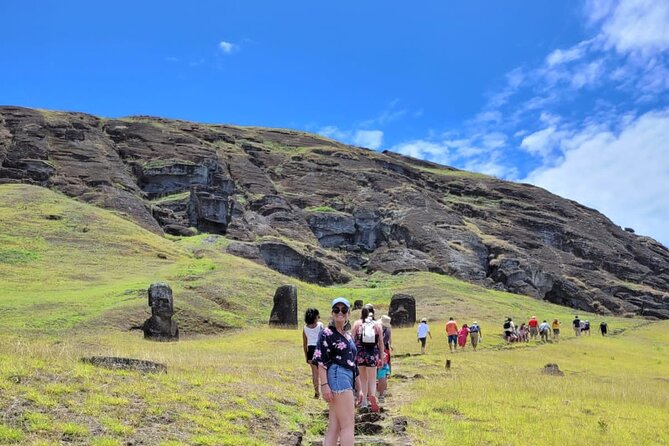
Rano Raraku is likely to be one of the most memorable stops. This volcanic quarry contains about 400 moai, including statues still embedded in the rock and others scattered around the parking area.
Here you can see the carving process in an unfinished state. That is the real value of the site. At a completed ahu, you see the final public face of Rapa Nui sculpture. At Rano Raraku, you see the worksite, the half-finished forms, and the scale of the production.
The tour allows about 90 minutes here, the longest stop of the day. That is welcome, since the quarry deserves more than a quick photograph. You will need moderate physical fitness, and careful walking is sensible around uneven surfaces.
The wording about the statues is important: many were never moved from the quarry. That gives the site a strange, powerful quality. The mountain seems to contain an entire population of waiting figures.
A completely different kind of day out:
- Two days of Full Day Tour of Rapa Nui + Sunrise in Tongariki
★ 4.5 · 132 reviews - Full Day Tour in Rapa Nui
★ 4.5 · 122 reviews - 2-Day Private Tour Easter Island Highlights Complete Discovery
★ 5.0 · 110 reviews - Private Tour: Full Day Easter Island Highlights
★ 5.0 · 106 reviews
Ahu Tongariki and the island’s grandest platform
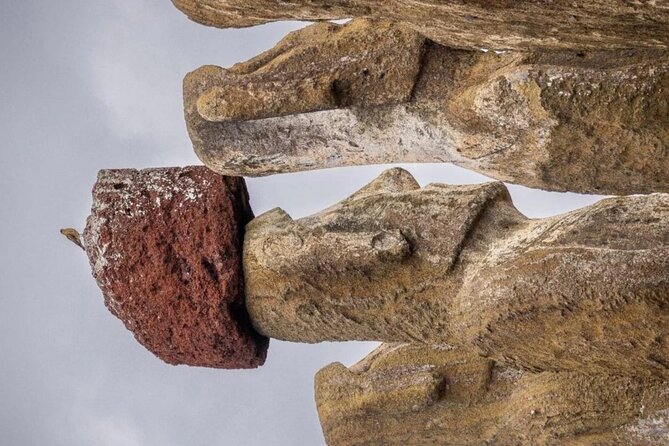
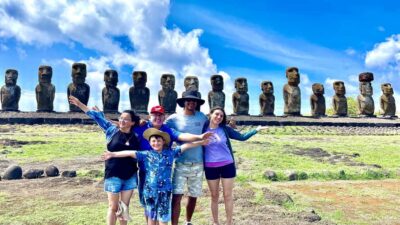
Ahu Tongariki has 15 upright moai with their backs to the ocean. It is the largest ahu in Polynesia and one of the places most closely linked with the popular image of Easter Island.
The stop lasts about 45 minutes, enough time to take in the line of statues and hear how the platform fits into the wider story of Rapa Nui. The setting rewards patience. Do not simply photograph the statues from one angle. Look along the platform, compare their size, and notice how the group changes as you move around it.
Because Tongariki is one of the best-known places on the island, it may be the point where you most appreciate having a guide. A good explanation can turn a famous view into a meaningful one.
Vaihu and Vinapu: conflict, ruins, and unusual stonework
Ahu Vaihu brings a different kind of evidence. Its interpretation center explains what settlements were like, and you can enter the buildings. The site also shows the effects of clan conflict, when statues were toppled.
This is useful context after seeing restored platforms at Anakena and Tongariki. Rapa Nui’s past was not only about monument building. It also included social tension and the destruction of ceremonial sites.
Allow about 30 minutes at Vaihu. The site’s value lies as much in the interpretation as in the ruins, so stay with the guide’s explanation rather than treating it as a quick photo stop.
At Ahu Vinapu, large basalt slabs form a ceremonial platform. The careful stonework has led to suggestions of a possible connection with the Inca empire. That idea is presented as a possibility, not a settled conclusion, and it is best approached with curiosity rather than certainty.
Vinapu includes Ahu Tahira and Ahu Vinapū, along with the remains of an older ahu. Some structures were damaged during 18th-century conflicts. You have about 40 minutes here, giving the guide time to explain both the construction and the site’s damaged condition.
Puna Pau and the red stone crowns
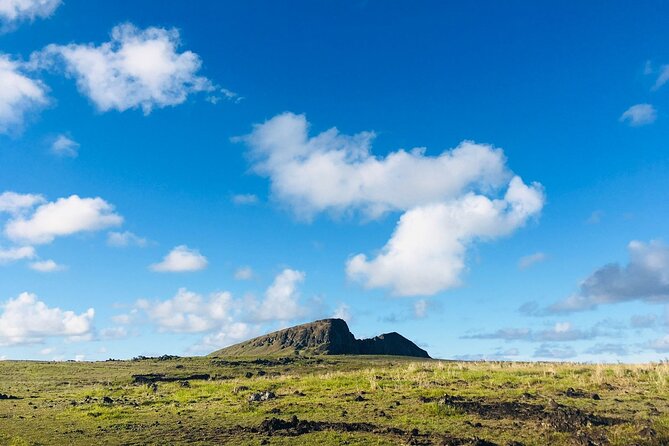
Puna Pau is a red slag quarry used mainly to make pukao, the stone crowns or headdresses placed on some moai. After seeing the large pukao at Te Pito Kura, this stop helps connect the finished object with its source.
The visit lasts about 25 minutes. It is shorter than Rano Raraku, but it adds an important piece to the production story. The island’s statues and their headdresses came from different places, which makes the labor and movement involved even more striking.
This is a good example of why the tour works as a complete route. Individual sites answer different questions. Rano Raraku explains the moai bodies, while Puna Pau explains the red crowns.
Tahai and Akivi, two very different ahu
Ahu Tahai has three ceremonial platforms: Ko Te Riku, Tahai, and Vai Uri. It is one of the oldest inhabited areas and remains important for contemporary ceremonies.
The site is also tied to William Mulloy, the American archaeologist whose tomb is at Tahai. The setting is especially appealing for photographs, with the sound of the sea and an open view. Admission is listed as free, and the visit takes about 30 minutes.
Tahai is a calmer stop after the quarry and larger platforms. I would save a little attention for the atmosphere here, not just the statues. The combination of ceremonial stonework and the sea makes it one of the easiest places to appreciate Rapa Nui as a living place.
Ahu Akivi is smaller in scale but unusual in orientation. Its seven moai face the ocean, and the ahu was originally called Ahu Atiu. It is more than 500 years old. The stop lasts about 20 minutes, so expect a focused visit rather than a long walk around the area.
Rano Kau and Orongo, the strongest final chapter
Rano Kau is the largest volcano on Rapa Nui and one of the island’s most impressive natural settings. Its crater was an important source of drinking water in ancient times.
The sense of size and silence here is a major part of the experience. The listed visit is only 20 minutes, so you should be ready to make the most of the viewpoint. This is one place where the natural setting may stay with you as much as the archaeology.
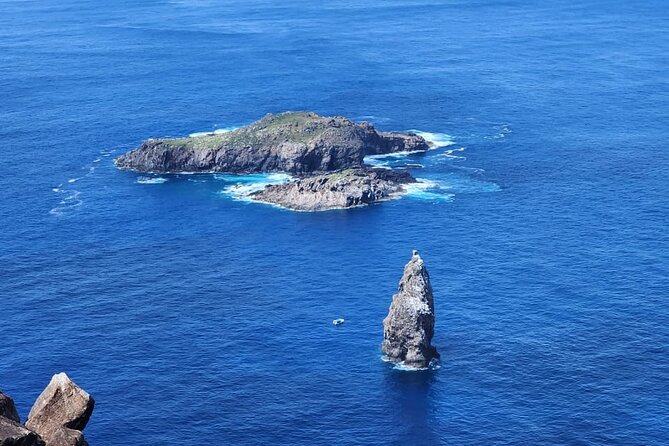
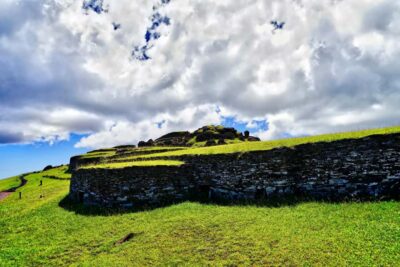
The final stop is Orongo, a ceremonial village on top of Rano Kau. Its stone houses have a style found nowhere else on the island, and its petroglyphs connect the site to the bird-man cult.
Orongo also gives you wide views across the Pacific and toward the motu, or offshore islets. The visit lasts about 45 minutes, making it one of the better stops for combining scenery with cultural explanation. Admission is not included.
Ending at Orongo makes sense. The day begins with restored moai beside a beach and closes with a ceremonial village tied to a later religious tradition. You leave with a wider picture of Rapa Nui than a tour focused only on the famous statues could provide.
Is $1,000 per person good value?
At $1,000 per person, this is expensive. The small group, hotel pickup, English-language guiding, and broad route add value, but the price is still difficult to justify for every budget. National park admission is extra, and the listed tour details do not explain whether meals, drinks, or any other costs are included.
The strongest case for booking is convenience. You get a planned route through 11 important places, rather than arranging transport and timing yourself. A group of no more than eight should also feel more personal than a large bus excursion.
The weak point is the unclear two-day wording. The stop durations total about 6 hours and 45 minutes, close to the stated 6 to 7 hours. That suggests one packed touring day, not two full days. Before booking, ask exactly how the tour is divided and what transport and inclusions are covered by the price.
Who will enjoy this Rapa Nui tour?
I would recommend it most to someone visiting Rapa Nui for a short stay who wants to see the major archaeological sites in an organized way. It also suits anyone who values an English-speaking guide and prefers not to manage island transport.
It may be less suitable if you want long walks, quiet time at each site, or a slow photographic tour. The schedule is tight, and a participant who walks cautiously may fall behind during explanations. Moderate physical fitness is requested, so be realistic about uneven ground and the amount of movement involved.
The free cancellation policy gives you some protection if your plans change, provided you cancel at least 24 hours before the local start time. Changes or cancellations inside that window are not accepted for a refund.
Should you book it?
Book this experience if you want a small group, broad coverage, and a guide-led introduction to Rapa Nui’s moai, volcanoes, quarries, and ceremonial sites. Joaquin’s lively approach is a plus, especially if you stay close enough to hear every explanation.
Pause before booking if $1,000 feels high or if you expect two relaxed days. Confirm the schedule, inclusions, and park ticket costs first. For a short visit with limited time, the route is impressively complete. For a slower and less expensive experience, you may prefer to compare other options.
FAQ
Where does this tour take place?
The experience takes place on Easter Island, also called Rapa Nui, in Chile.
What time does the tour start?
The listed start time is 9:30 am.
Where is pickup provided?
Pickup is offered at your accommodation. You are asked to wait at the entrance or reception, and the pickup details are communicated the day before.
How many people can join the group?
The group has a maximum of eight travelers.
Is the tour offered in English?
Yes. The experience is offered in English.
How long does the tour last?
The listed duration is approximately 6 to 7 hours. The stop times add up to about 6 hours and 45 minutes.
Is the national park ticket included?
No. You must have your national park ticket before the first day of the excursion. It can be purchased in person at Ma’u Henua offices or through the Rapa Nui National Park website.
Which sites are included?
The route includes Ahu Nau Nau, Ahu Ature Huki, Ahu Te Pito Kura, Rano Raraku, Ahu Tongariki, Ahu Vaihu, Ahu Vinapu, Puna Pau, Ahu Tahai, Ahu Akivi, Rano Kau, and Orongo.
Is a high level of fitness required?
No high level is specified, but a moderate physical fitness level is required. The tour includes walking around archaeological and volcanic sites.
Can I cancel for a full refund?
Yes, if you cancel at least 24 hours before the experience starts. Cancellations made less than 24 hours before the start time are not refunded.
Just added in Easter Island
- Volcanic Refuges: Excursion to Underground Civilization★ 4.7 · 8 reviews
- Volcanic Wonders and the Kingdom of the Birdman: Half Day★ 5.0 · 6 reviews
- Half Day Private Tour: Caves and Volcanic Refuges★ 4.0 · 14 reviews
- Easter Island Ancestral Dinner and Show with Transport★ 4.5 · 2 reviews
- 2 Day Small Group Tour in Moai Monuments and Historic Pathways★ 5.0 · 22 reviews
- Visit Rapa Nui in 4 days with 3 Tours and Accommodation included★ 4.0 · 2 reviews
- Tour to the Motus: Boat trip and snorkeling in Rapa Nui★ 5.0 · 8 reviews
- The birdman journey in Easter Island★ 5.0 · 1 review
Easter Island Tours, compared.
Two days of Full Day Tour of Rapa Nui + Sunrise in Tongariki
Read our review →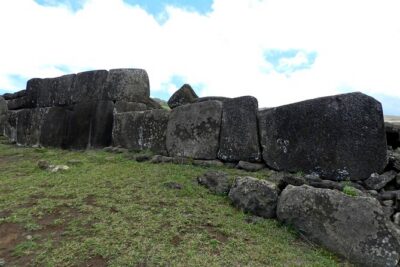
2-Day Private Tour Easter Island Highlights Complete Discovery
Read our review →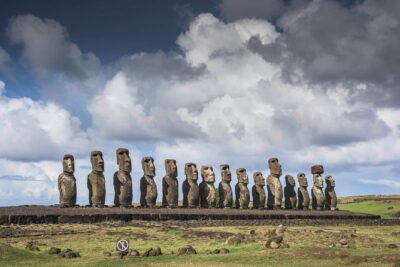
Private Tour: Full Day Easter Island Highlights
Read our review →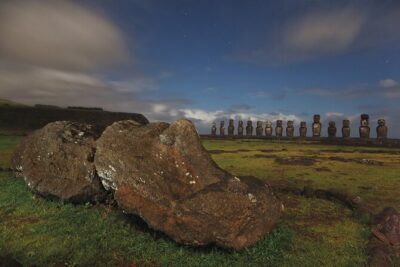
Browse the lists this tour appears in