REVIEW · TICKETS
Santiago: Hop-on Hop-off Bus Day Ticket with Audio Guide
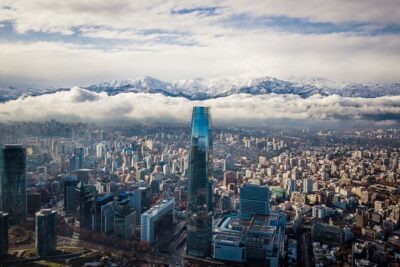
Santiago opens up from the top deck. This one-day bus pass gives you a practical way to connect the city’s polished eastern districts, historic center, riverside parks, and Cerro San Cristóbal without arranging separate rides between them. I especially like the freedom to leave the bus at Plaza de Armas or Santa Lucía Hill, then continue later at your own pace. The included access connected with the cable car and funicular also adds real value, since Cerro San Cristóbal is one of Santiago’s best places for wide city views.
The main drawback is the weekday schedule. Buses run from 9:30 AM to 6:00 PM, and you need to board before 4:00 PM to complete the full circuit. That makes this a useful orientation day, but not a relaxed way to explore every stop in depth.
In This Review
- Key points to know before you go
- What this Santiago bus tour actually gives you
- Parque Arauco starts you in modern Santiago
- Bicentenario Park offers a slower stop
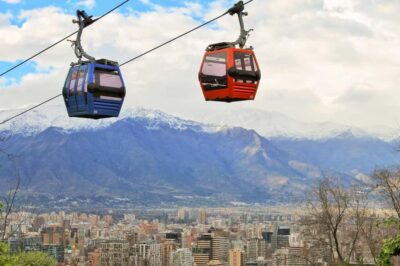
- Reach Cerro San Cristóbal by cable car
- The historic funicular adds character at Pío Nono
- Plaza de Armas puts colonial Santiago within reach
- La Moneda explains the city’s civic center
- Santa Lucía Hill rewards a short climb
- Aviation Plaza follows the Mapocho River
- Costanera Center shows Santiago’s modern scale
- Las Condes adds food and interactive culture
- How to plan one useful day
- Is $50 a fair price?
- Who should book this bus pass?
- Should you book it?
- FAQ
- How long is the Santiago hop-on hop-off ticket valid?
- What are the operating hours?
- How many stops are included?
- Which languages are available for the audio guide?
- Is the cable car or funicular ticket included?
- Can I cancel the booking?
Key points to know before you go

- Ten stops cover two very different Santiagos: You move from luxury malls and modern business districts to colonial-era squares and government buildings.
- Cerro San Cristóbal is the highlight: The cable car and historic funicular give you two memorable ways to reach the hill and its 360-degree views.
- Start early for the best value: The full route needs to begin before 4:00 PM, while a later start leaves little time for getting off the bus.
- The bus is most useful for first-time visitors: It helps you understand how the eastern districts, Bellavista, downtown, and the Mapocho River area fit together.
- Audio commentary comes in six languages: English, Spanish, Portuguese, French, German, and Chinese are available.
- Staff assistance has been praised by name: Nathaly and Carlos are noted for explaining the bus system and schedules clearly, a helpful touch if you are unsure where to board.
What this Santiago bus tour actually gives you
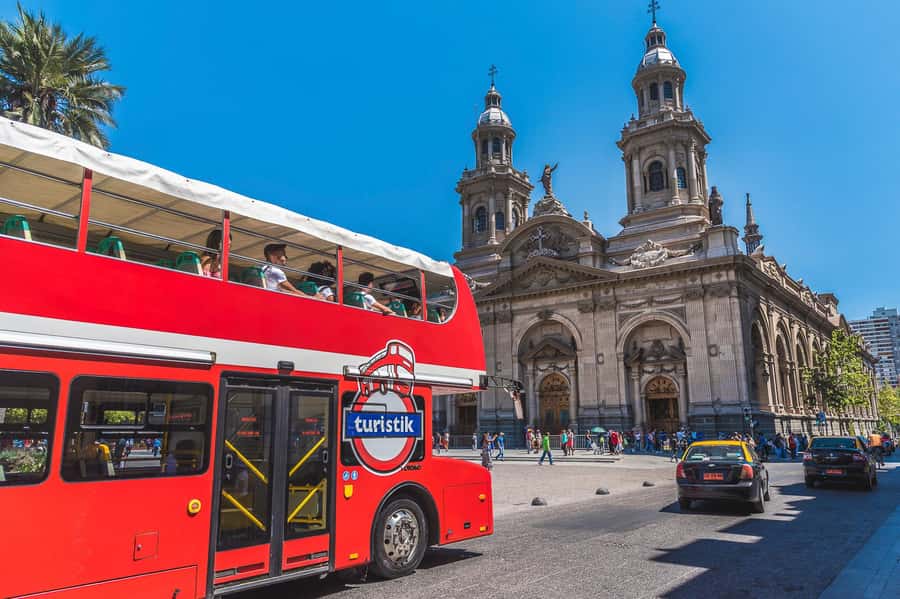
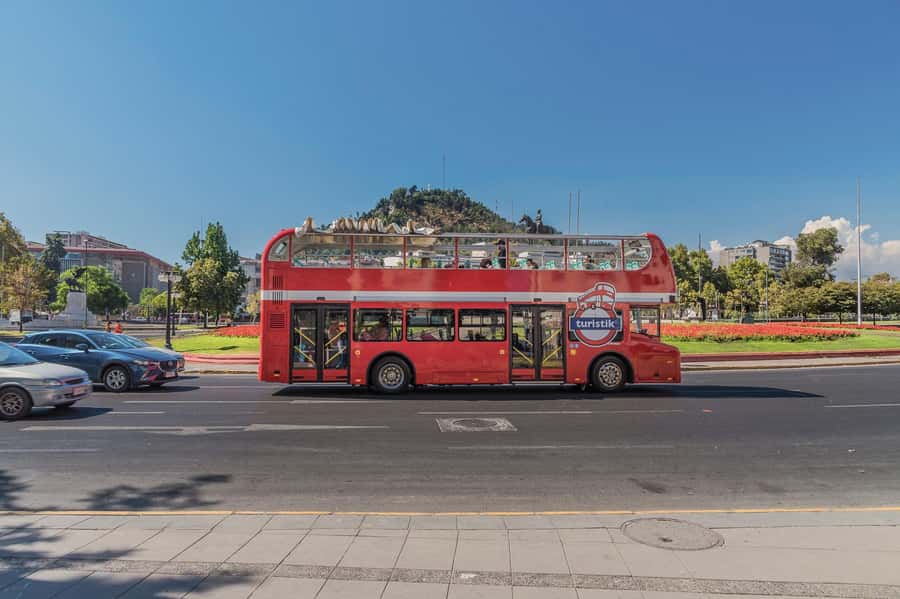
For $50 per person, you receive unlimited hop-on hop-off use for one day. The value depends on how actively you use it. If you stay on board for a single circuit, the price is harder to justify. If you get off several times, use the hill transport, and treat the bus as both sightseeing and city transport, the day ticket becomes more appealing.
The route has ten strategic stops. It links places that are spread across Santiago, so you can avoid piecing together several taxi rides or trying to understand the city’s public transport on your first day. You also get an audio guide in six languages, with English, Spanish, Portuguese, French, German, and Chinese available.
A live guide is listed in English, Spanish, and Portuguese. The supplied details do not specify how much live commentary is offered on every departure, so I would treat the audio guide as the main source of information and the staff as your best help for schedules and boarding.
The operating window matters. The service runs Monday through Friday from 9:30 AM to 6:00 PM. To finish the complete route, board no later than 4:00 PM. You can hop off as often as you like during the day, but there is no advantage in saving every stop for late afternoon.
More self-guided tours in Santiago:
- 4-Day Self Guided W Express Trekking – Torres Del Paine
★ 3.0 · 1 review
Parque Arauco starts you in modern Santiago
Parque Arauco is a sensible starting point if you want food, shopping, and a comfortable introduction to Santiago. It is one of Chile’s major shopping centers, with international brands and an open-air dining area.
This is not the most traditional first look at the city, but it shows you the polished eastern side of Santiago. The stop works well if you are staying in Las Condes or want to combine the bus with lunch. I would not spend a full morning here unless shopping is part of your plan. Use it as a convenient starting point, meal stop, or place to return after sightseeing.
The service also describes Mall Casa Costanera as an eastern starting area, though the detailed ten-stop list identifies Parque Arauco as stop one. Check the exact boarding point before you set out, especially if you plan to begin at Casa Costanera.
Bicentenario Park offers a slower stop
Parque Bicentenario is a large modern park in Vitacura, near Isabel Montt and Avenida Bicentenario. Its lagoons, wildlife, open paths, and photo-friendly setting provide a useful change from shopping centers and traffic.
I like this stop for a short walk. It gives you room to stretch your legs early in the day, which matters on a bus route where you may otherwise spend long periods sitting. It is also a good choice if you want a gentler view of Santiago rather than another indoor attraction.
The trade-off is time. The park is spread out, so a quick hop off gives you only a taste. If you want a proper walk and photographs, allow more time here and accept that you may not visit every other stop.
Reach Cerro San Cristóbal by cable car
The Santiago Cable Car stop is near Los Conquistadores and Pedro de Valdivia Norte, about a five-minute walk from the bus stop. This is one of the most useful parts of the route because Cerro San Cristóbal gives you a broad view over Santiago.
The cable car adds movement and height to the day. From above, you get a clearer sense of the city’s scale than you do from street level. The stop information says the service includes a ticket for the trip to San Cristóbal Hill, with 360-degree views from above. Since the general inclusions also say other tickets and entry fees are not included, confirm exactly which cable car service is covered when you board.
Give this stop priority. It is more than a quick photo opportunity, and the cable car can turn a routine city loop into a memorable outing. Wear comfortable shoes and bring water, sunglasses, and weather-appropriate clothing. The hill is exposed compared with the bus, so conditions may feel different at the top.
More things to do in Santiago:
- Valparaiso Port and Viña del Mar with Casablanca Wine Tasting
★ 5.0 · 6,110 reviews - Santiago: Cajon del Maipo/Embalse del Yeso Tour with Picnic
★ 4.3 · 3,789 reviews - Santiago: Vina Del Mar, Valparaiso, Casablanca & Reñaca Tour
★ 4.2 · 2,838 reviews - Cable Car, Funicular and Sightseeing Bus in Santiago one day
★ 5.0 · 2,325 reviews
The historic funicular adds character at Pío Nono
The Santiago Funicular stop is at Pío Nono 445 in Bellavista. This historic lift connects the Bellavista area with Cerro San Cristóbal, giving you another route to the hill.
The funicular is especially useful if you prefer a more traditional ride or want to experience the hill from a different side. Bellavista also gives the route a more local urban feel than the shopping districts farther east. You can use this stop instead of, or alongside, the cable car depending on the time available and the ticket conditions.
Do not assume you can complete both hill attractions quickly. The bus stop, the five-minute walk to the cable car, the funicular ride, and time at the summit all add up. If Cerro San Cristóbal is your main reason for booking, plan your day around it rather than treating it as a spare stop.
Plaza de Armas puts colonial Santiago within reach
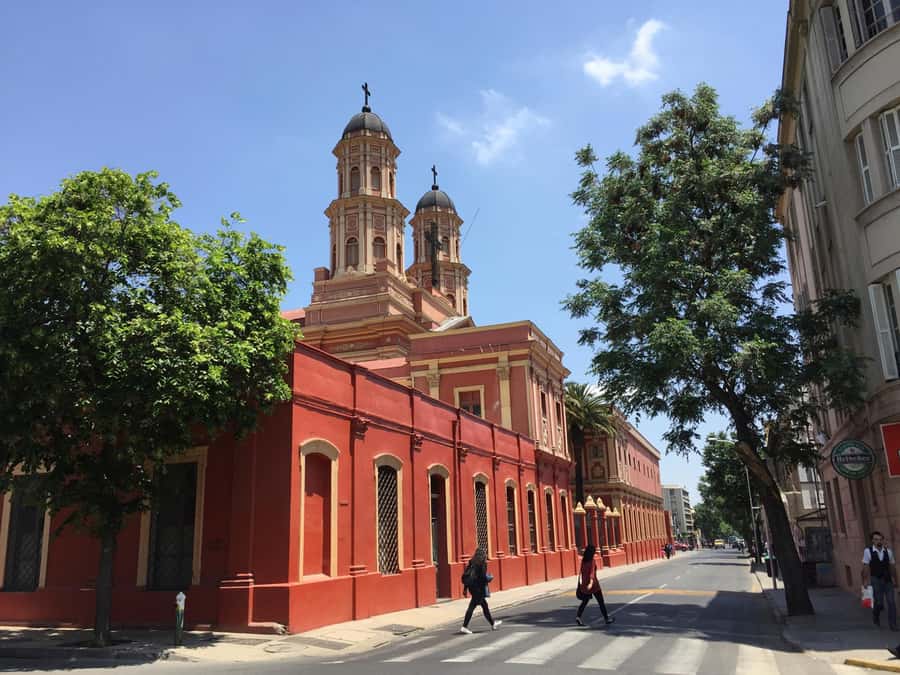
Plaza de Armas is the historic heart of Santiago. The stop at Plaza de Armas 2 places you near colonial landmarks and the city’s central public square.
This is where I would get off for the clearest sense of old Santiago. The contrast with Las Condes and Vitacura is sharp. You move from modern malls and towers into a district shaped by the city’s earlier civic and religious life.
The square is a good place to pause, use the audio guide, and walk without trying to cover too much ground. Since the route also visits La Moneda and Santa Lucía Hill, you do not need to force every downtown sight into one short stop. Pick the places that interest you most, then rejoin the bus when convenient.
La Moneda explains the city’s civic center
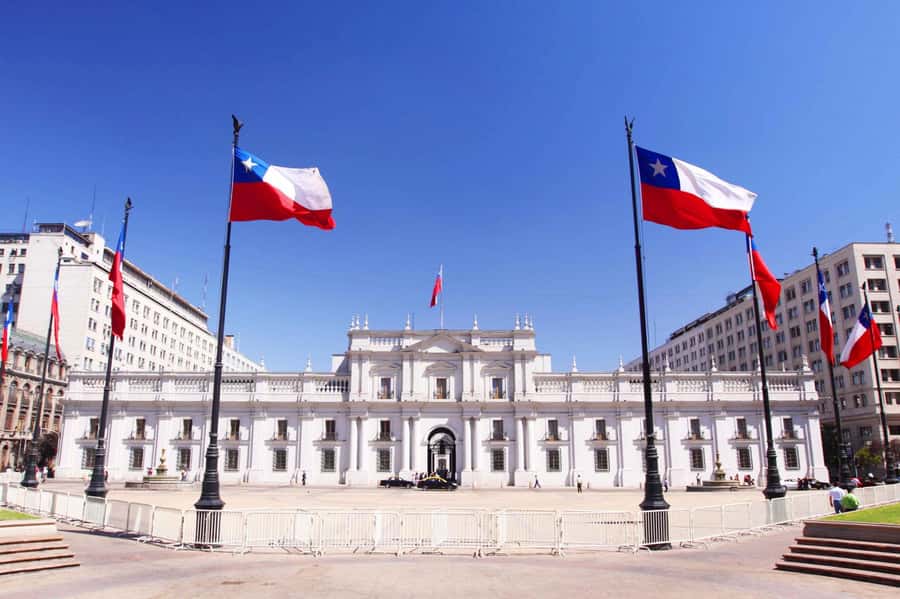
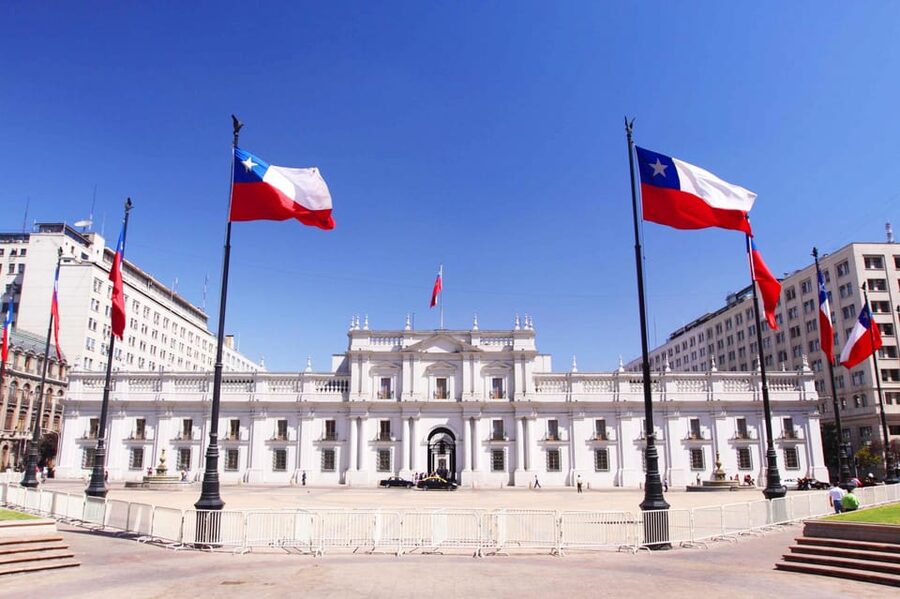
The La Moneda Palace stop is on Teatinos, in front of Chile’s government headquarters. This is a strong stop for architecture, public space, and national politics.
La Moneda is not simply another building on a bus route. Its location helps you understand how Santiago’s civic center is arranged, and the nearby Plaza de la Constitución adds context to the visit. I would combine this stop with Plaza de Armas if you want a fuller downtown walk.
Allow enough time to orient yourself before boarding again. The attraction here is the setting and the public buildings, not a long indoor visit. Entry fees and other tickets are not included, so do not expect the bus pass to cover separate attractions.
Santa Lucía Hill rewards a short climb
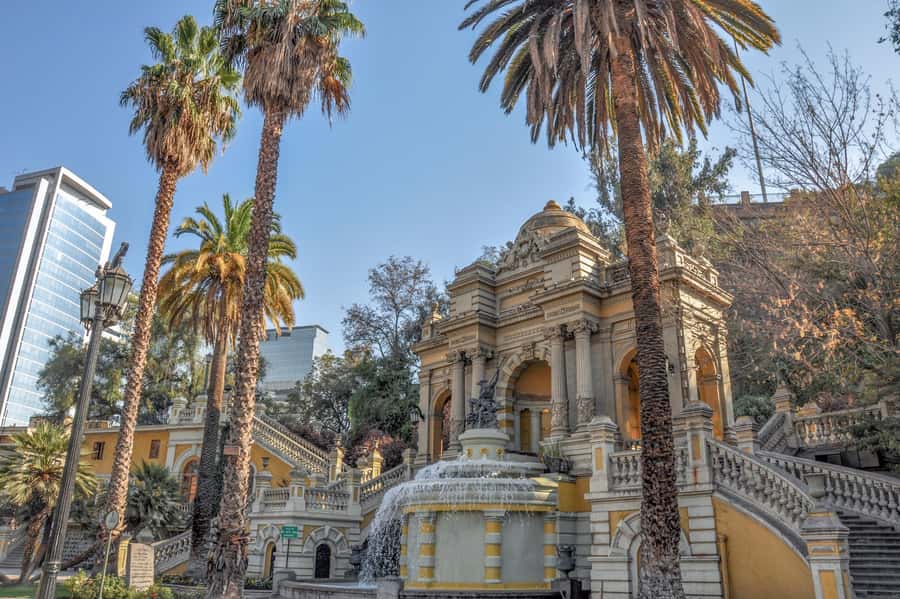
Santa Lucía Hill, at Avenida Alameda 390, is one of the route’s most appealing central stops. The hill is known for terraces, viewpoints, and neoclassical architecture. It is also close to the Lastarria district.
This stop gives you a smaller hill experience after the larger scale of San Cristóbal. The paths and terraces offer city views without requiring the full cable car and funicular plan. If you have limited time, Santa Lucía can be easier to fit into a downtown afternoon.
You should still wear comfortable shoes. The stop includes walking and some uphill movement, and the best views come from exploring rather than stepping off the bus for five minutes. Lastarria’s nearby location makes this a useful point for combining sightseeing with a meal or a walk, though the ticket does not include food or separate entry fees.
Aviation Plaza follows the Mapocho River

Plaza de la Aviación is at Avenida Providencia 969, beside the Mapocho River. It is known for its fountain and green areas, offering another open-air break between the historic center and the eastern districts.
This is a lighter stop than Plaza de Armas or Cerro San Cristóbal. I would choose it if you want a brief walk, photographs, or a quieter pause beside the river. It also helps show how Santiago’s major districts connect along the Mapocho corridor.
Do not expect a major museum or landmark visit here. Its value is the setting and the chance to break up the bus ride. If your day is short, you may prefer to give this stop less time than the historic center or San Cristóbal.
Costanera Center shows Santiago’s modern scale
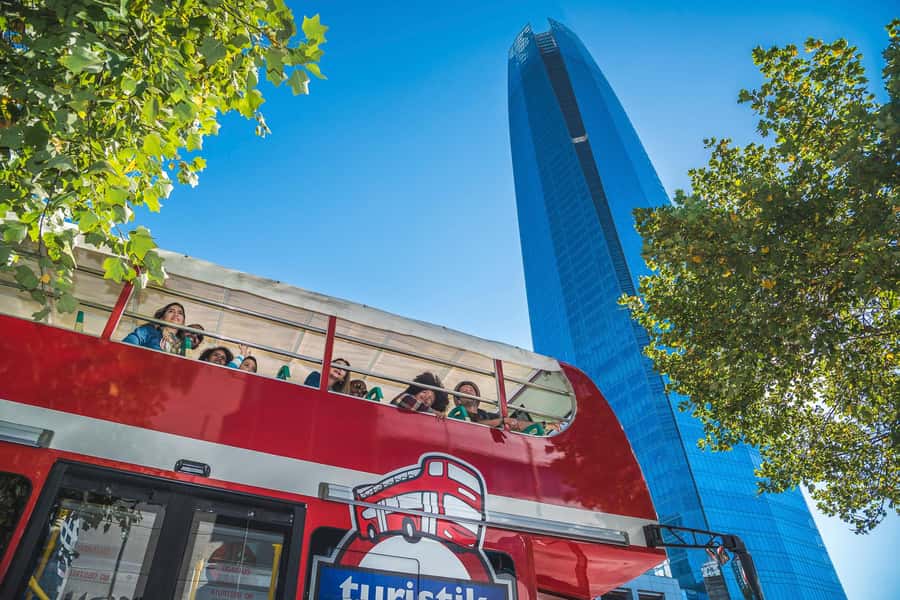
The Costanera Center stop takes you to one of the city’s major shopping and entertainment areas. The center is next to Sky Costanera, an observatory in the tallest building in South America.
This is one of the clearest contrasts on the route. After Plaza de Armas, La Moneda, and Santa Lucía, you arrive in a district defined by height, offices, retail, and modern city life. The mall is also described as the largest in South America, making it useful for dining, shopping, or a break from the sun.
Sky Costanera is an additional attraction, and entry is not included in the general bus ticket. If you want to visit the observatory, allow time for it rather than assuming you can fit it into a quick hop off. The stop works well near the end of the day, but remember the final operating time and the need to board before 4:00 PM for the complete circuit.
Las Condes adds food and interactive culture
The final listed stop is the Las Condes Interactive Museum on Isidora Goyenechea 3365. The area is known for restaurants and modern urban surroundings, while the museum offers interactive experiences.
This stop is a good match for families or anyone who wants an indoor cultural option after several outdoor viewpoints. The surrounding El Golf area also gives you a look at one of Santiago’s more modern business and dining districts.
The museum entry is not included in the bus pass. Check the opening arrangements and ticket cost before building your schedule around it, since the supplied tour details do not provide those specifics.
How to plan one useful day
I would start as close to 9:30 AM as possible. Begin with the eastern route, then choose one major hill visit, one downtown walk, and one modern district stop. That gives you variety without turning the day into a race.
A practical plan could look like this:
- Start at Parque Arauco or confirm the appropriate eastern boarding location.
- Stop briefly at Bicentenario Park.
- Give Cerro San Cristóbal the largest block of time, using the cable car or funicular.
- Continue to Plaza de Armas, La Moneda, or Santa Lucía Hill.
- Finish with Costanera Center or Las Condes for food and modern Santiago.
You do not have to follow that order exactly. The benefit of the pass is the freedom to change plans. Still, the limited operating hours mean you should avoid lengthy stops at every location.
Staff help can make the day easier. Nathaly and Carlos are specifically praised for explaining how the buses and schedules work, and that kind of guidance is useful when you are deciding whether to wait for the next bus or move on foot.
Is $50 a fair price?
At $50, this is not the cheapest way to move around Santiago. Its value rests on convenience and coverage, not bargain transport.
I see the price working best for a first day in the city, especially if you want an overview before choosing where to return later. The route joins shopping districts, parks, viewpoints, Bellavista, downtown, and the Mapocho River area in one ticket. The hill transport connection adds another reason to consider it.
The value drops if you plan to remain on board, visit only one or two free public spaces, or spend most of the day inside a mall. Santiago can also be explored by arranging individual transport, but that requires more planning and separate costs.
The 4.3 rating from 137 bookings suggests a generally strong experience, while the most positive praise focuses on clear staff help and professional handling of the bus system. I would book it for structure and flexibility, not for a slow, deeply detailed tour at every attraction.
Who should book this bus pass?
I recommend it for first-time visitors, short stays, families, and anyone who wants to see how Santiago fits together before exploring on foot. It also suits you if you prefer to avoid arranging transport between Las Condes, Bellavista, downtown, and Cerro San Cristóbal.
It is less suitable if you want a specialist history tour, a late evening activity, or a full day inside museums and monuments. The service is weekday-only, and the audio guide cannot replace spending time at the places themselves.
Bring your passport or ID, comfortable shoes, sunglasses, water, a camera, and clothing suited to the weather. Keep personal items with you, since the operator is not responsible for objects left inside the vehicles. For any outside service operated by another company, ask that provider about operating conditions and accept the separate risks involved.
Should you book it?
Book this tour if you want a structured first look at Santiago and will get off the bus several times. Make Cerro San Cristóbal your priority, start early, and use the downtown stops for short walks rather than trying to see everything.
Skip it if your plans fall on a weekend, if you prefer slow neighborhood exploration, or if $50 feels too high for transport and a recorded commentary. For the right schedule, though, the combination of ten stops, flexible hopping, multilingual audio, and hill access makes this a useful introduction to a sprawling city.
FAQ
How long is the Santiago hop-on hop-off ticket valid?
The ticket is valid for one day, with unlimited hop-on hop-off use on the day of booking.
What are the operating hours?
The buses operate Monday through Friday from 9:30 AM to 6:00 PM. You should board before 4:00 PM if you want to complete the full route.
How many stops are included?
The route includes ten stops, covering Parque Arauco, Bicentenario Park, Cerro San Cristóbal access points, Plaza de Armas, La Moneda, Santa Lucía Hill, Aviation Plaza, Costanera Center, and Las Condes.
Which languages are available for the audio guide?
The audio guide is available in English, Spanish, Portuguese, French, German, and Chinese.
Is the cable car or funicular ticket included?
The Santiago Cable Car stop is described as including a ticket to San Cristóbal Hill with 360-degree views. Since other entry fees are not included generally, confirm the exact included service before using the cable car or funicular.
Can I cancel the booking?
Yes. You can cancel up to 24 hours in advance for a full refund. A reserve-now-and-pay-later option is also available.
Just added in Santiago
- Walking City Tour with Funicular, Cable Car and Tasting★ 4.3 · 6 reviews
- VIÑA DEL MAR AND VALPARAISO TOUR★ 4.8 · 20 reviews
- Tour VIÑA CONCHA Y TORO + CASA MARQUES – Chile, from Santiago.★ 5.0 · 2 reviews
- Undurraga + Isla Negra + San Afonso del Mar —– Full day★ 4.1 · 8 reviews
- Undurraga Wine tour★ 4.2 · 15 reviews
- Southcoast – Private Full-Day tour★ 5.0 · 6 reviews
- Santiago Private walking tour with Lunch★ 5.0 · 5 reviews
- Zapallar : nature, sea and local flavours★ 5.0 · 6 reviews
Tickets, compared.


Tour Parque Farellones Ticket+Transportation, optional Snowwear
Read our review →
Museo Chileno de Arte Precolombino Admission Ticket
Read our review →

Skiing in Farellones Park: Ski Tickets, Lessons, Transportation and More
Read our review →