REVIEW · TICKETS
Museo Chileno de Arte Precolombino Admission Ticket
Ancient art gives Santiago a longer memory. The Museo Chileno de Arte Precolombino offers a self-guided look at Indigenous art and identity in a handsome 1805 colonial building, right in the city center. I especially like the clear Spanish and English explanations and the calm, well-planned flow through the galleries. The $17 admission is fair for an easy cultural stop, though some exhibition space may be closed and the downstairs gallery can be dark, with signs that are harder to read.
You should allow about two hours if you like to read labels and take your time, though the main permanent exhibition can be seen more quickly. This is not a guided tour or a large all-day museum. It is a focused stop that works well between Santiago’s central sights, with a cafe and gift shop for a pleasant finish.
In This Review
- Key points to know before you go
- A museum in Santiago’s old Royal Customs House
- What you see in Chile before Chile
- How the displays work for an independent visit
- The collection’s strongest appeal
- Why the $17 ticket can be worthwhile
- A good family stop in central Santiago
- Planning your timing and arrival
- What the visit does not include
- Small details that improve the experience
- Should you book the Museo Chileno de Arte Precolombino?
- FAQ
- Where is the Museo Chileno de Arte Precolombino?
- How long does a visit take?
- What exhibition is included?
- What kind of art can I see?
- Is the museum open every day?
- Is the visit guided?
- Is transportation included?
- Are discounted tickets available?
- Can I cancel for a refund?
Key points to know before you go
- The 1805 Royal Customs House gives your museum visit an architectural setting as interesting as many of the objects inside.
- Chile before Chile traces human settlement in present-day Chile from more than 14,000 years ago.
- Spanish and English explanations make the self-guided visit easier for international visitors.
- The collection covers South and Central America, helping you compare artistic traditions across regions.
- A cafe and gift shop make this a comfortable family stop in central Santiago.
- The museum is limited to 15 people for this activity, although the visit itself is self-guided.
A museum in Santiago’s old Royal Customs House
The building is part of the appeal. The museum occupies a distinguished neoclassical structure built in 1805, originally used as the colonial government’s Royal Customs House. You enter a place with its own role in Chilean history before reaching the older cultures represented in the galleries.
That contrast works well. The building belongs to the colonial period, while the objects inside reach much further back. You get a quick lesson in how Chile’s story has several layers, and the museum makes those layers easy to encounter in one central stop.
The museum sits in central Santiago and is close to public transportation. It is also within walking distance of some central hotels and sights. You do not need to arrange a separate transfer, and transportation to and from the museum is not included in the admission price.
The visit is best treated as a flexible city stop rather than a formal tour. You arrive during opening hours, show your admission, and explore at your own pace. No guide is named or assigned, so you should expect to read, look, and set your own rhythm.
More things to do in Santiago:
- Valparaiso Port and Viña del Mar with Casablanca Wine Tasting
★ 5.0 · 6,110 reviews - Santiago: Cajon del Maipo/Embalse del Yeso Tour with Picnic
★ 4.3 · 3,789 reviews - Santiago: Vina Del Mar, Valparaiso, Casablanca & Reñaca Tour
★ 4.2 · 2,838 reviews
What you see in Chile before Chile
The permanent exhibition, Chile before Chile, begins with a broad question: who lived in the territory that is now Chile, and how have those people shaped the country’s identity?
Humans first reached this territory more than 14,000 years ago. Since then, many different peoples have lived across its varied geography. The exhibition uses ancient objects, artistic expression, and historical stories to introduce some of these communities and connect them with present-day Indigenous people in Chile.
That connection matters. The displays are not simply a collection of old objects removed from their setting. They help you consider how genes, creative traditions, and long-held stories remain part of Chilean identity today. You leave with a better sense that pre-Columbian art is not an isolated subject from a distant past. It is part of the country’s continuing story.
The collection also reaches beyond Chile. You see art from ancient peoples across South and Central America, which gives the visit a wider frame. Regional similarities become easier to spot, as do differences in craft and culture. For anyone who has visited several museums in Latin America, this comparative view can be especially useful.
You might spend only 30 minutes in the main exhibition if you read lightly. I would allow closer to two hours if you want to study the objects, compare regions, and pause over the English explanations. The advertised visit length is approximate, so the museum suits both a quick cultural break and a slower afternoon.
How the displays work for an independent visit
The museum is designed for a self-guided visit. You do not have to keep pace with a group or wait for a scheduled explanation. That freedom is valuable in a museum like this because some pieces reward a quick glance, while others need a few minutes of quiet attention.
Labels are available in Spanish and English, which is a major help if you do not read Spanish. The explanations allow you to understand what you are seeing instead of relying only on the shape and color of an object.
The layout is described as easy to follow, with a natural flow from one area to the next. That makes the museum approachable for families and for visitors who are not regular museum-goers. You can move steadily without feeling that you have missed a required sequence.
One practical caution: the lower level can be quite dark, and some signage may be difficult to read. If labels are important to you, give yourself extra time there and do not rush. The lighting may suit the objects, but it is less comfortable for everyone, especially if your eyes need a moment to adjust.
There has also been a period when one exhibition was unavailable, leaving only part of the museum open. The permanent exhibition and the downstairs displays can still make the visit worthwhile, but you should be prepared for the possibility that not every gallery is operating on the day you go.
The collection’s strongest appeal
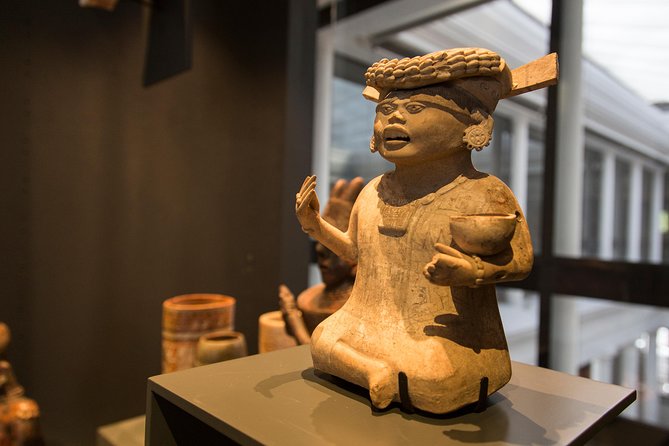
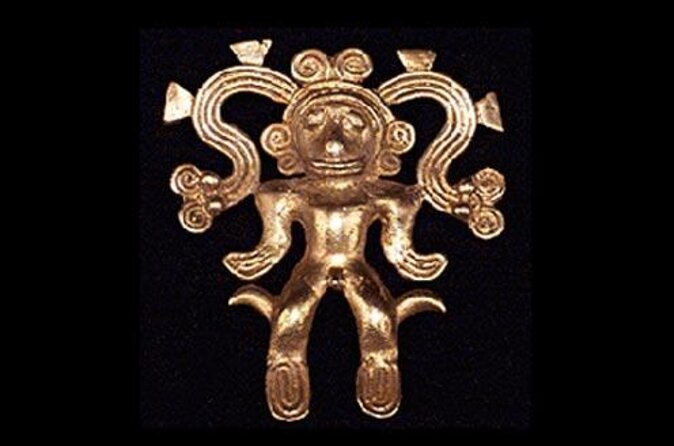
The museum’s most praised quality is its presentation. The objects are described as beautiful, intricate, and carefully arranged. This is not a room where pieces feel scattered without context. The placement helps you move from one section to the next and notice links between different cultures.
I like that the museum offers both detail and scale. You can admire the skill in a single crafted object, then step back and think about the wider culture that produced it. The collection encourages curiosity without demanding that you arrive with a degree in archaeology.
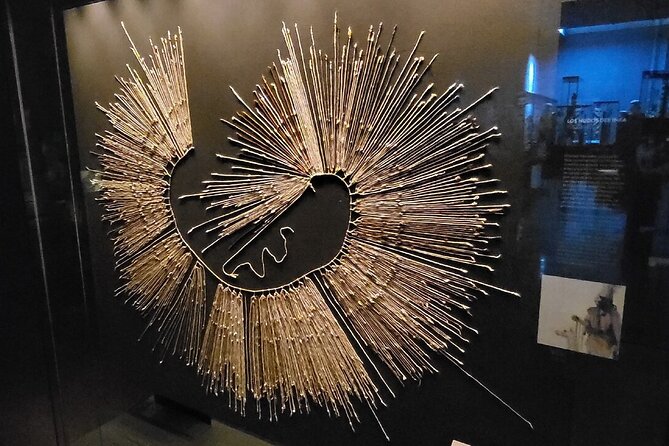
Its range is another strength. The museum includes ancient, older, and contemporary elements, allowing you to see connections between past artistic traditions and living Indigenous identity. The focus is not only on Inca history, despite the interest many visitors have in Inca artifacts. The South and Central American scope gives the visit more balance.
If you have already visited large institutions such as the Quai Branly in Paris, this museum will feel smaller. That is a drawback if you want a vast collection or several hours of galleries. It is also a benefit if your Santiago schedule is tight and you want one manageable, well-presented introduction.
A few more options to weigh up in Santiago
- Santiago: 1-Day Hop-On Hop-Off Bus and Cable Car Ticket
★ 4.3 · 332 reviews - Tour Parque Farellones Ticket+Transportation, optional Snowwear
★ 4.5 · 248 reviews - Santiago: Sky Costanera Observatory Admission Ticket
★ 4.3 · 208 reviews - Santiago: 2-Day Hop-On Hop-Off Bus Ticket and Cable Car
★ 4.3 · 162 reviews
Why the $17 ticket can be worthwhile
At $17 per person, admission is not the cheapest possible museum stop, but it is a reasonable price for a central cultural experience. You are paying for access to a specialized collection, the permanent exhibition, and a historic building in one visit.
The value is strongest if you care about Chilean history, Indigenous art, or the wider cultures of the Americas. The museum gives you context that a casual walk through Santiago’s center cannot provide. It also makes a good rainy-day plan or a quiet break from busier sightseeing.
The value is less clear if you plan to spend only a few minutes inside or if you expect a large national museum with many separate wings. The museum is smaller than some visitors imagine, and an exhibition closure can reduce the amount available to see.
The cafe and gift shop add a little comfort, though food and drinks are not included in the ticket. You can finish with coffee inside instead of searching for a nearby place, and the shop gives you a chance to browse for a museum-related souvenir.
A good family stop in central Santiago
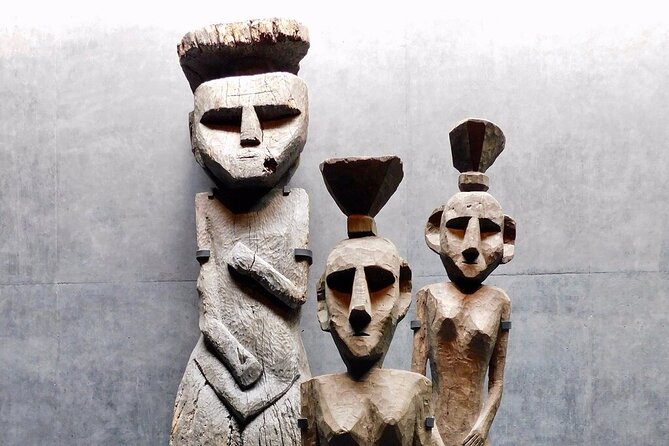
Children must be accompanied by an adult, but the visit is suitable for most people. The manageable size helps families avoid the fatigue that often comes with a huge museum. You can choose how long to stay, and the clear layout makes it easier to keep children moving without turning the visit into a forced march.
The art itself can hold a child’s attention because many pieces are detailed and visually distinctive. Younger children may not read every label, but adults can point out shapes, materials, and repeated artistic ideas. Older children and teenagers may get more from the historical links and the discussion of present-day Indigenous communities.
The cafe is useful after the galleries, especially if your group needs a pause. The museum has also been described as an easy family stop in the city, which fits its scale and simple layout.
For adults, the museum works well as a calmer contrast to Santiago’s main squares and streets. You can spend time with the displays, then step back into the city with a stronger understanding of the country’s cultural roots.
Planning your timing and arrival
The museum is open Tuesday through Sunday from 10:00 a.m. to 5:00 p.m. It is closed on Mondays based on the stated schedule, so check your day before making plans. The same hours are listed for 2025 and 2026.
A morning visit gives you the most flexibility for adding other central Santiago sights afterward. An afternoon visit can work too, but do not arrive near closing if you want to read the displays carefully. The approximate two-hour duration is a useful planning guide, even though a quick visit may take around 30 minutes.
The activity has a maximum of 15 people. Since the experience is self-guided, that limit should help keep the visit from feeling like a large organized group. It does not mean you will receive a personal guide or a private tour.
Your confirmation is provided at booking. If the ticket app gives you trouble, take your reservation details to the desk. A staff member has been able to check in a visitor and print the reservation when the digital ticket would not load. That makes a paper backup unnecessary in many cases, but keeping your booking information easy to find is still sensible.
Chilean nationals, foreign residents in Chile, and students can purchase discounted admission directly at the museum entrance by showing identification. If you qualify, compare that option with the $17 advance ticket before booking.
What the visit does not include
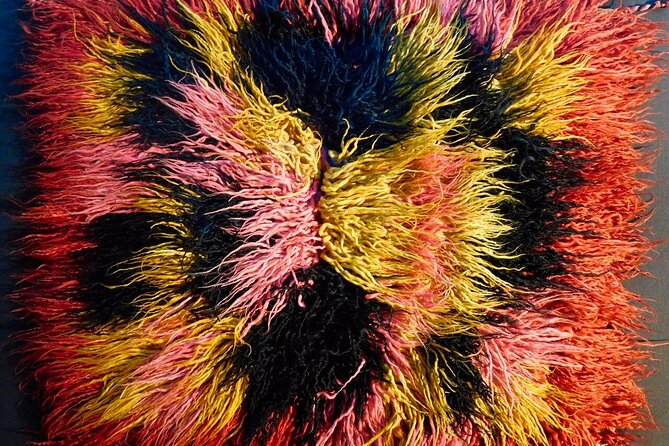
Admission covers the museum ticket only. You pay separately for food and drinks, and you arrange your own transportation to and from the building.
That is not a serious drawback because the museum is near public transportation and sits in central Santiago. Still, you should allow time to reach it from your hotel, especially if you are staying outside the center.
This is also not a tour with transportation, a guide, or a scheduled lecture. If you want someone to explain every display as you go, this may feel too independent. If you prefer to pause, skip sections, and set your own pace, the format is a better match.
Most people can participate, and children need an adult with them. The supplied information does not give detailed accessibility specifications, so you should contact the museum directly if you have particular mobility or access needs.
Small details that improve the experience
Give the museum more than a rushed half-hour if this is your main cultural stop in central Santiago. The displays are easy to walk through, but the value comes from reading enough to understand the links between ancient communities and modern Chilean identity.
Bring patience for the lower level. The dark lighting and harder-to-read signs are the clearest practical complaint, so plan to slow down there rather than treating it as a quick pass-through.
Use the English labels if needed, and do not assume that the Inca material is the whole point. The strength of this museum is its wider view of South and Central America, along with its attention to Chile’s own Indigenous communities.
Leave a little time for the cafe and gift shop. A spontaneous musical moment has even occurred in the hallway outside, with an opera singer entertaining people as they left. That is not a scheduled part of the museum visit, but it captures the pleasant surprises that can happen in a central Santiago cultural district.
The museum has an overall rating of 4.4 from 118 reviews, which fits my assessment: it is a well-liked, focused museum with strong presentation, but it is smaller than some people expect and may have limited galleries at times.
Should you book the Museo Chileno de Arte Precolombino?
I would book it if you want a thoughtful, easy-to-manage introduction to Chilean Indigenous culture and ancient American art. It is especially suitable for families, first-time visitors to Santiago, museum fans, and anyone looking for a central activity that does not require a full day.
I would hesitate only if you expect a huge collection, a guided experience, or every exhibition to be open. Check the current gallery situation if the museum is a major priority, and consider buying directly at the entrance if you qualify for a resident, Chilean national, or student discount.
The $17 ticket makes sense when you give the museum time to explain its objects and their place in Chilean identity. If your schedule changes, free cancellation is available up to 24 hours before the start time for a full refund. Changes or cancellations made less than 24 hours in advance are not accepted for a refund.
FAQ
Where is the Museo Chileno de Arte Precolombino?
It is located in central Santiago, Chile, in a historic neoclassical building that was built in 1805 and originally served as the colonial government’s Royal Customs House.
How long does a visit take?
The approximate duration is two hours. The main permanent exhibition can be visited in about 30 minutes, but you may need longer if you read the labels and spend time with the collection.
What exhibition is included?
The permanent exhibition is called Chile before Chile. It covers people who lived in the territory now known as Chile, beginning more than 14,000 years ago, and connects their artistic and historical legacy with present-day Indigenous people.
What kind of art can I see?
You can see art from ancient peoples of South and Central America, including material connected with the cultural history of Chile and the wider region.
Is the museum open every day?
No. The stated opening hours are Tuesday through Sunday, from 10:00 a.m. to 5:00 p.m., for both 2025 and 2026.
Is the visit guided?
No guide is included. The visit is self-guided, with explanations available in Spanish and English.
Is transportation included?
No. The ticket includes museum admission only. You arrange transportation to and from the museum, which is near public transportation.
Are discounted tickets available?
Chilean nationals, foreign residents in Chile, and students can purchase discounted tickets directly at the museum entrance by showing identification.
Can I cancel for a refund?
Yes. You can cancel at least 24 hours before the experience start time for a full refund. Cancellations or changes made less than 24 hours before the start time are not accepted for a refund.
Just added in Santiago
- Walking City Tour with Funicular, Cable Car and Tasting★ 4.3 · 6 reviews
- VIÑA DEL MAR AND VALPARAISO TOUR★ 4.8 · 20 reviews
- Tour VIÑA CONCHA Y TORO + CASA MARQUES – Chile, from Santiago.★ 5.0 · 2 reviews
- Undurraga + Isla Negra + San Afonso del Mar —– Full day★ 4.1 · 8 reviews
- Undurraga Wine tour★ 4.2 · 15 reviews
- Southcoast – Private Full-Day tour★ 5.0 · 6 reviews
- Santiago Private walking tour with Lunch★ 5.0 · 5 reviews
- Zapallar : nature, sea and local flavours★ 5.0 · 6 reviews
Tickets, compared.


Tour Parque Farellones Ticket+Transportation, optional Snowwear
Read our review →


Skiing in Farellones Park: Ski Tickets, Lessons, Transportation and More
Read our review →