
REVIEW · CHILEAN WINE TOURS
Undurraga Sibaris Tour Ticket
Wine starts underground here. Viña Undurraga gives you a compact, well-organized look at Chilean winemaking, with a professional guide, vineyard visit, modern production cellar, historic underground rooms, and a reserve wine tasting. I especially like the mix of wine production and Mapuche culture, plus the small maximum group of 15 people.
The $37 price is fair for a 75-minute visit that includes the tour, guide, and alcoholic tasting. The main drawback is access: the winery sits well outside central Santiago, and the historic cellar includes stairs, so it is not a good match for anyone who has trouble going down steps.
In This Review
- Key points to know before you go
- Why Viña Undurraga makes sense as a Santiago wine trip
- Entering the centennial family park and vineyards
- Seeing modern winemaking in the production cellar
- Going below ground in the Santa Ana cellars
- The Mapuche exhibition adds more than wine
- Finishing with a reserve wine tasting
- Getting from Santiago to Camino a Melipilla km 34
- How the timing affects the experience
- Who will enjoy this winery visit most
- My verdict on the $37 ticket
- FAQ
- How long does the Viña Undurraga Sibaris Tour last?
- What does the $37 ticket include?
- Is the tour offered in English?
- Is hotel pickup and drop-off included?
- How can I reach the winery by public transportation?
- Is there a minimum drinking age?
- Is the tour suitable for people who have trouble with stairs?
- Can I cancel for a full refund?
Key points to know before you go
- The tour reaches Talagante, about 34 kilometers from Santiago, so allow extra time for the trip beyond the 75-minute winery visit.
- The underground Santa Ana cellars are the most distinctive stop, giving the tour a sense of age and place beyond a standard tasting-room visit.
- A Mapuche exhibition adds cultural context to the wine program and makes this more than a production tour.
- The tasting features reserve wines, and wine is included in the ticket price.
- English and Spanish tours are available, with guides praised for clear explanations and friendly service.
- Public transport is possible, but the bus from Terminal San Borja takes roughly 40 to 50 minutes.
Why Viña Undurraga makes sense as a Santiago wine trip
Santiago gives you several ways to taste Chilean wine, but Viña Undurraga offers a useful balance of access, history, and structure. You are not simply seated at a counter with a few glasses. The visit leads you through the estate, vineyards, production area, historic cellars, and cultural display before ending with wine.
The winery is in Talagante, southwest of Santiago, at Camino a Melipilla km 34. That location matters. You get a rural winery setting rather than a city tasting room, but you also need to plan the journey carefully. The winery visit lasts about one hour and 15 minutes, while the trip from central Santiago can take much longer.
I see this as a good choice if you want a first introduction to Chilean wine without committing to a full-day wine route. It is also useful for people who want a guided experience in English or Spanish and prefer a set program over arranging transport between several wineries.
The experience has earned a 4.7 out of 5 rating from 95 ratings, with 92 percent of customers recommending it. The praise centers on the guides, clear explanations, pleasant setting, and tasting. That lines up with the design of the tour: it keeps moving, gives you several types of information, and finishes with the most enjoyable part for many people.
More Wine Tours in Santiago:
- Valparaiso Port and Viña del Mar with Casablanca Wine Tasting
★ 5.0 · 6,110 reviews - Santiago: Vina Del Mar, Valparaiso, Casablanca & Reñaca Tour
★ 4.2 · 2,838 reviews - Tour to Valparaíso, Viña del Mar, Pablo Neruda Museum and Vineyard
★ 5.0 · 2,273 reviews
Entering the centennial family park and vineyards
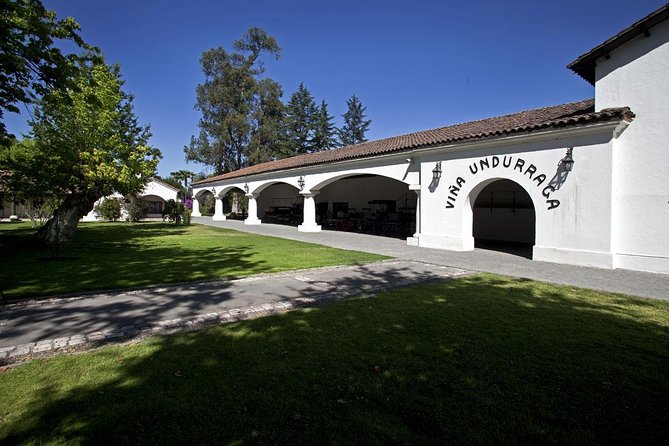
The first part of the visit takes place in the centennial Undurraga family park. This gives you a gentler beginning than starting immediately with machinery or wine terminology. The setting helps explain that Viña Undurraga is an established estate with a long connection to winemaking.
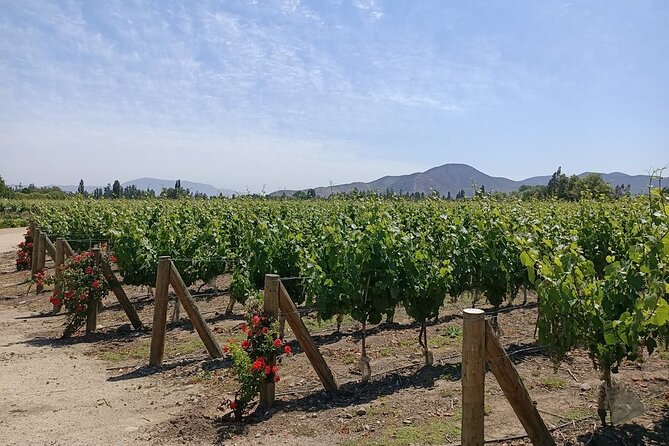
From there, you visit the vineyards. This is an important stop because it connects the finished bottle with the place where the grapes grow. Your guide can explain the process of making wine in a way that makes the later cellar visit easier to understand.
Do not expect a long vineyard walk during this short tour. The full visit lasts only about 75 minutes, so the vineyard portion is part of a carefully timed circuit. That is a benefit if you want an efficient introduction, but a limitation if you hoped to spend a relaxed afternoon among the vines.
The setting received strong praise for its beauty and calm atmosphere. One Portuguese-language account described the winery as traditional and located in a wonderful place. Another called the visit pleasant and interesting, with no large crowds. The group limit of 15 supports that quieter feel and should make it easier to hear the guide.
Seeing modern winemaking in the production cellar
The next stage takes you into the modern wine-making cellar. Here, the guide explains how the winery produces its wine, linking the vineyard to the technical work that follows harvest.
For you, the value is in seeing the process rather than only hearing tasting notes. Wine can feel mysterious when it is described only with words such as aging, fermentation, or reserve. A production visit gives those terms a physical setting and helps you understand why equipment, cellar space, and storage all matter.
The guide is central to this part of the experience. Clear explanations were one of the most repeated positive points in the feedback. A guide named Mathias was specifically praised for being friendly and for explaining the entire wine-making process well. That is useful to know if you are concerned that the tour might be too technical or difficult for a beginner.
The visit is not presented as an advanced course. You do not need a strong background in wine to follow it. If you already know a great deal about Chilean wine, you may find the introduction fairly basic, but the historic cellar and tasting add interest beyond the production talk.
Going below ground in the Santa Ana cellars
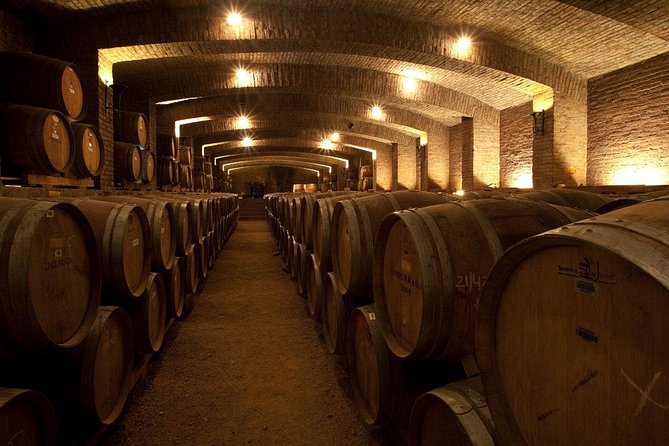
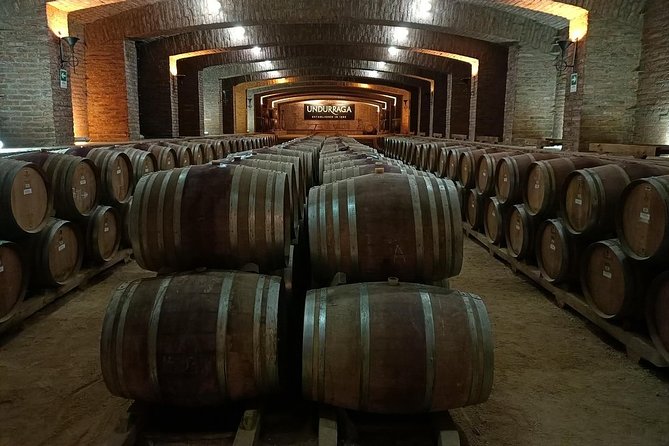
The most unusual part of the route is the voyage through the centennial underground cellars at the Santa Ana estate. This is where Viña Undurraga feels different from a quick modern tasting room.
The cellars give the tour a physical connection to the past. You are not simply being told that the winery has been around for generations. You are taken into an older part of the estate and shown the setting where wine was stored and handled.
You should take the stair warning seriously. The information for the experience says it is not recommended for people who have trouble going down stairs. The tour also requires a moderate level of physical fitness. Casual clothing is fine, but comfortable shoes make sense for walking through the estate and cellar areas.
This part may be especially appealing if you enjoy old buildings and working places rather than polished visitor centers. At the same time, the cellar visit is not a good fit for anyone who needs step-free access. Service animals are allowed, and the winery is near public transportation, but those points do not remove the stair issue.
More things to do in Santiago:
- Santiago: Cajon del Maipo/Embalse del Yeso Tour with Picnic
★ 4.3 · 3,789 reviews - Cable Car, Funicular and Sightseeing Bus in Santiago one day
★ 5.0 · 2,325 reviews - Small-Group Cajón del Maipo Full-Day Tour and Picnic
★ 4.5 · 2,277 reviews - Maipo Valley Wine Tour with 4 vineyards from Santiago.
★ 5.0 · 1,983 reviews
The Mapuche exhibition adds more than wine
After the cellar, the tour includes a complete exhibition about the Mapuche people. This is one of the strongest features of the route because it broadens the visit beyond grapes, barrels, and bottles.
The Mapuche are one of Chile’s Indigenous peoples, and their presence in the tour offers a cultural element that many winery visits leave out. The exhibition gives you a chance to consider Chile through more than its agricultural exports. It also breaks up the wine-production sequence and adds another reason to visit even if someone in your group is only mildly interested in wine.
The available information does not specify the exact objects or displays in the exhibition, so I would not plan the visit around a particular artifact. Still, its inclusion makes the hour-long route feel more varied. You move from family estate and vineyards to modern production, historic cellars, and Indigenous culture before finishing with a tasting.
For me, that combination is a good reason to choose this tour over a bare tasting appointment. You get a clearer sense of the place, not just the drink.
Finishing with a reserve wine tasting
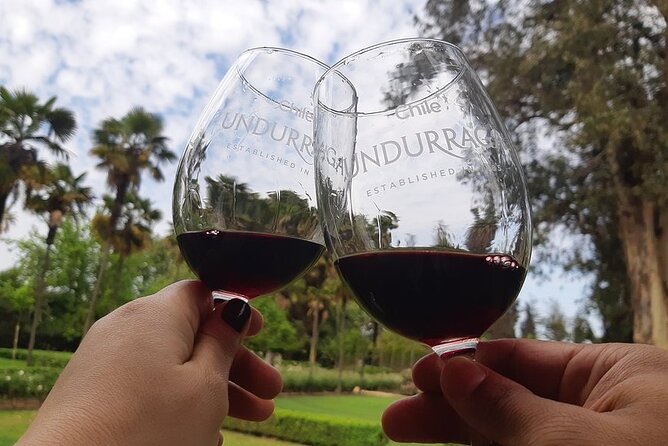
The final stage is a complete tasting flight of reserve wines. Wine tasting is included in the $37 ticket, as are the alcoholic beverages and professional guide.
The tasting works well at the end because you have already seen where the wine begins and how it is made. You can approach the glasses with more context. If you are new to Chilean wine, listen for the guide’s explanation of what you are tasting rather than worrying about finding the perfect words yourself.
The tasting is also where the price starts to make practical sense. You are paying for more than several pours. The fee covers the estate visit, production cellar, underground cellars, Mapuche exhibition, guide, and wine flight. Food is not included, and neither are other drinks unless specifically stated, so do not expect a meal or a full winery lunch.
The wine shop may be tempting if you find a bottle you like. One positive account praised both the wines and the prices available at the winery. That does not guarantee that every bottle will suit your taste or budget, but it suggests the visit can also work well for people who want to buy Chilean wine after learning how it is produced.
Remember that the minimum drinking age is 18. If someone in your party does not drink, the cultural and production parts still give them something to see, but the tasting is naturally the tour’s closing reward.
Getting from Santiago to Camino a Melipilla km 34
You can reach Viña Undurraga by public transport, but this is not a quick metro ride from central Santiago. Take Metro Line 1 to Estación Central, then go to Terminal San Borja. The bus for Talagante leaves from platforms 79 to 81. Ask the driver to let you off at Viña Undurraga.
The bus ride takes approximately 40 to 50 minutes. Add time for getting from the metro station to the terminal and for waiting for the bus. I would not schedule this tour with a tight connection afterward, especially if you are unfamiliar with Santiago’s transport system.
Driving is more direct. Take Autopista del Sol, Route 78, toward San Antonio. Exit at the fourth toll, marked Malloco or Calera de Tango. After leaving the toll, take the first right. At the traffic light, turn left toward the winery. The winery is about four kilometers from that intersection and should appear on the right side of the road.
For GPS use, the listed coordinates are:
- 70º53’12” west longitude
- 33º38’35” south latitude
The winery address is Camino a Melipilla km 34 s/n, Talagante. Because the tour does not include hotel pickup or drop-off, you are responsible for reaching the estate and returning to Santiago. A car gives you more control, but anyone planning to taste should think carefully about driving afterward.
How the timing affects the experience
The 75-minute schedule is efficient. You see several parts of the estate, receive an explanation of production, visit the old cellars, view the Mapuche exhibition, and taste reserve wines without giving up an entire day.
That short format is ideal if you have limited time in Santiago or want to combine the winery with another activity. It also reduces the chance that the tour will become tiring for people who are new to wine visits.
The trade-off is that you will not have much time to linger. You may want more time in the vineyards, a longer cellar discussion, or a slower tasting. This tour gives you an overview, not a relaxed half-day estate experience.
The maximum group size is 15 people. That is small enough for a more personal visit than a large bus group, though the exact atmosphere can still depend on the day and guide. English and Spanish availability makes the tour easier to fit into an international Santiago itinerary.
Confirmation is provided at booking. Free cancellation is available if you cancel at least 24 hours before the local start time. Cancellations made within 24 hours are not refunded, and changes within that period are not accepted.
Who will enjoy this winery visit most
I would recommend Viña Undurraga to you if you want:
- A short and structured winery visit near Santiago
- A first look at Chilean wine production
- A tour available in English or Spanish
- Historic underground cellars rather than only modern facilities
- A cultural element through the Mapuche exhibition
- A reserve wine tasting included in the ticket
- A small group rather than a large coach outing
Families can enjoy the estate and exhibition, and one account described a pleasant visit with a spouse and two daughters. Still, anyone under 18 cannot take part in the alcoholic tasting, since the minimum drinking age is 18.
I would be more cautious if you want a long, slow tasting, a meal, hotel transport, or a fully accessible route. The trip to Talagante takes planning, food is not included, and the cellar route involves stairs.
My verdict on the $37 ticket
At $37 per person, this is a solid-value winery visit for Santiago. The price covers the guide, estate tour, modern cellar, old underground cellars, Mapuche exhibition, and reserve wine tasting. You get a full introduction rather than paying only for a few glasses.
The best parts are the friendly explanations, the mix of old and modern winery spaces, and the cultural display. The main weaknesses are the distance from central Santiago, the lack of hotel pickup, the short schedule, and the stairs below ground.
Book it if you want a manageable introduction to Chilean wine with a little history and culture built in. Skip it if you need step-free access or want a slow, food-centered wine day. For most people with half a day to spare and a sensible plan for getting to Talagante, Viña Undurraga is an enjoyable and useful choice.
FAQ
How long does the Viña Undurraga Sibaris Tour last?
The winery visit lasts approximately one hour and 15 minutes.
What does the $37 ticket include?
The ticket includes the winery tour, professional guide, wine tasting, and alcoholic beverages included as part of the tasting.
Is the tour offered in English?
Yes. Tours are available in English and Spanish.
Is hotel pickup and drop-off included?
No. You must arrange your own transportation to and from Viña Undurraga.
How can I reach the winery by public transportation?
Take Metro Line 1 to Estación Central, go to Terminal San Borja, and use the Talagante bus fleet from platforms 79 to 81. Ask the driver to stop at Viña Undurraga. The bus ride takes about 40 to 50 minutes.
Is there a minimum drinking age?
Yes. The minimum drinking age is 18.
Is the tour suitable for people who have trouble with stairs?
No. The experience is not recommended for people who have difficulty going down stairs because the route includes historic underground cellars.
Can I cancel for a full refund?
Yes, if you cancel at least 24 hours before the experience start time. Cancellations made less than 24 hours before the start time are not refunded.
Just added in Santiago
- Walking City Tour with Funicular, Cable Car and Tasting★ 4.3 · 6 reviews
- VIÑA DEL MAR AND VALPARAISO TOUR★ 4.8 · 20 reviews
- Tour VIÑA CONCHA Y TORO + CASA MARQUES – Chile, from Santiago.★ 5.0 · 2 reviews
- Undurraga + Isla Negra + San Afonso del Mar —– Full day★ 4.1 · 8 reviews
- Undurraga Wine tour★ 4.2 · 15 reviews
- Southcoast – Private Full-Day tour★ 5.0 · 6 reviews
- Santiago Private walking tour with Lunch★ 5.0 · 5 reviews
- Zapallar : nature, sea and local flavours★ 5.0 · 6 reviews
Chilean Wine Tours, compared.
Valparaiso Port and Viña del Mar with Casablanca Wine Tasting
Read our review →
Vina Del Mar, Valparaiso, Casablanca & Reñaca Tour
Read our review →
Tour to Valparaíso, Viña del Mar, Pablo Neruda Museum and Vineyard
Read our review →
Maipo Valley Wine Tour with 4 vineyards from Santiago.
Read our review →
Inca Lagoon in Andes Mountain Range – Visit Local Vineyard with Tasting included
Read our review →
Valparaiso -Casablanca -Reñaca-Oceanic Rock-Concon
Read our review →
Valparaiso, Viña del Mar, & Casablanca Valley Tour
Read our review →
Marquis de Casa Concha: Wine tasting in Concha y Toro
Read our review →Browse the lists this tour appears in