
REVIEW · STARGAZING AND OBSERVATORY TOURS
San Pedro de Atacama: Astronomical Tour
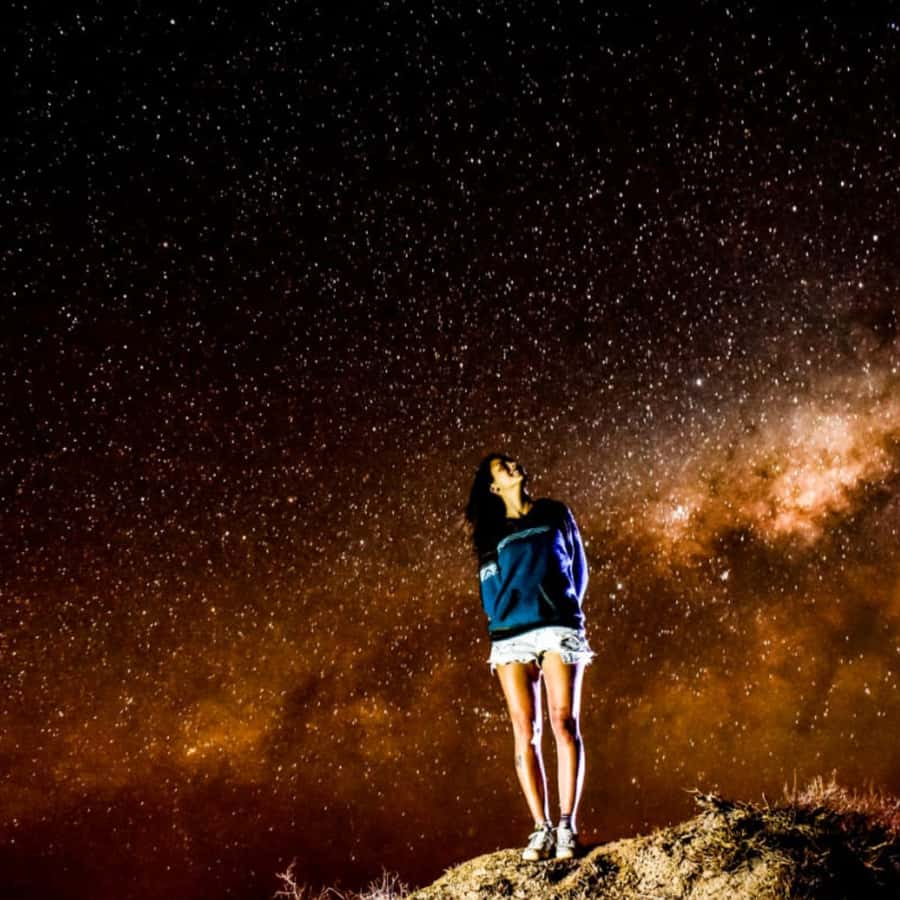
The desert sky does the heavy lifting. This two-hour evening outing takes you from San Pedro de Atacama into one of the driest places on Earth, far from city lights and built for looking up. I like the small group of no more than 10 people, and I like that the tour combines telescopes with an explanation of Andean views of the stars. The main drawback is a recent service complaint about promised photographs and poor follow-up, so I would not book this tour expecting a reliable photo package.
The price is $65 per person, including transport, a bilingual guide, telescopic equipment, local guidance, hot drinks, and the ride back to San Pedro. That is a fair package if you value a guided astronomy session rather than simply standing outside and looking at the sky. Still, the tour lasts only two hours, and the exact starting time depends on availability.
In This Review
- At a glance: what makes this night special
- Leaving San Pedro after dark
- Why Atacama is a serious stargazing destination
- The observation site and the night sky
- Andean interpretations of the stars
- Hot drinks, rules, and desert comfort
- What the $65 price really buys you
- Guide languages and group size
- The two-hour itinerary, step by step
- Meeting at Plaza Turistour
- Transfer into the desert
- Introduction to the night sky
- Telescope observation
- Hot drinks and return
- Who will get the most from this tour
- Booking, cancellation, and one service warning
- Should you book the Atacama Astronomical Tour?
- FAQ
- Where does the astronomical tour begin?
- How long does the tour last?
- What is included in the price?
- Are telescopes provided?
- What languages are available?
- How many people are in the group?
- Is the tour wheelchair accessible?
- Can I cancel for a full refund?
- Can I reserve now and pay later?
At a glance: what makes this night special
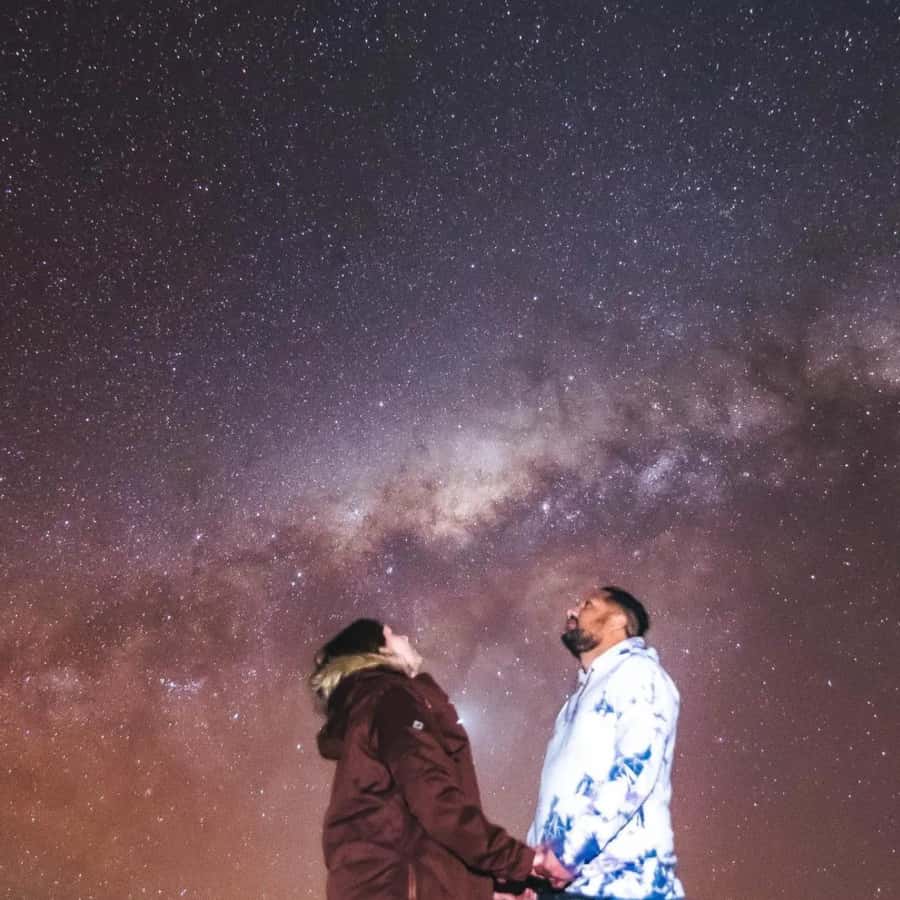
- Atacama’s famously dry skies: The region is described as receiving about 300 days without rain, creating unusually favorable conditions for stargazing.
- A small group capped at 10 people: This should make it easier to hear the guide and get time near the telescopes.
- Telescopes included: You do not need to bring your own equipment to take part in the observation.
- Andean sky knowledge: The tour connects stars and constellations with local cultural interpretations, not only modern astronomy.
- Hot drinks in the desert: A warm beverage adds comfort during an outdoor night session.
- Simple two-hour format: You leave from Plaza Turistour, visit an observation site outside San Pedro, and return to town.
Leaving San Pedro after dark
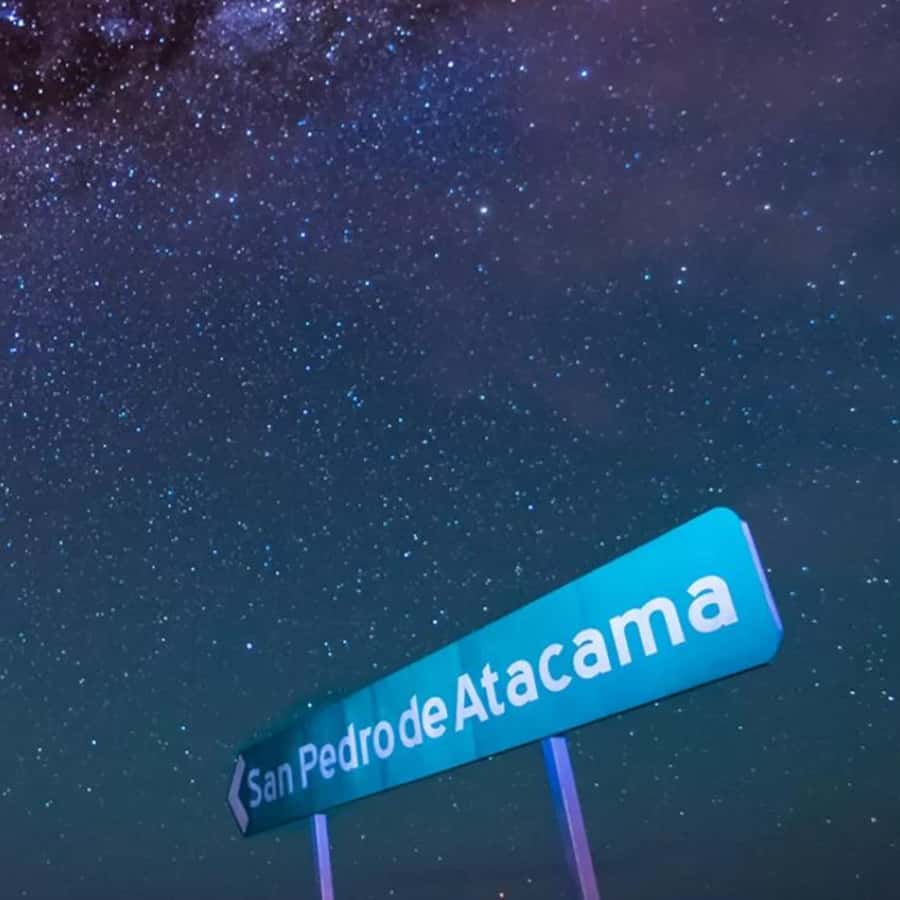
The tour begins at Plaza Turistour in San Pedro de Atacama. From there, you transfer out toward a site in the desert. The supplied details do not give a precise driving time or the exact name of the observation site, so you should treat the transfer as part of the two-hour outing rather than expect a long night away from town.
That short format is useful if you are fitting astronomy between other Atacama activities. You can make room for it without giving up a full evening. It also means the schedule is tight. The tour has enough time for travel, an introduction, telescope use, cultural interpretation, drinks, and the return journey, but it is not designed as an all-night observing session.
The meeting point matters. San Pedro is a compact town, and Plaza Turistour is the stated departure location. I would arrive early enough to find the meeting point without rushing. The tour includes both the outbound and return transfers, which saves you from arranging transport into the desert at night.
More stargazing nights in San Pedro De Atacama:
- San Pedro de Atacama: Etno-Stargazing Tour with Transfer
★ 4.8 · 629 reviews - The Roofless Experience San Pedro de Atacama Stargazing Tour
★ 5.0 · 522 reviews - San Pedro de Atacama: Stargazing Experience
★ 4.7 · 489 reviews
Why Atacama is a serious stargazing destination
Atacama’s appeal is simple: dry air, little rain, and distance from major urban light. The tour description points to roughly 300 rain-free days each year and presents the desert as one of the best places in the world for watching stars. Those conditions do not guarantee a perfect view on every night, but they explain why astronomy is such a popular evening activity in San Pedro.
You do not need a telescope to appreciate the setting. Even before the equipment is used, the attraction is the open night sky away from town lighting. The included telescopes then add detail that your eyes cannot provide on their own.
The value here is not just the number of stars. It is the change in scale. San Pedro is a practical base for desert excursions, but this outing shifts your attention from salt flats and volcanic scenery to the sky above the Andes. The experience works best if you allow yourself to slow down and listen rather than treat it as a quick photo stop.
The observation site and the night sky
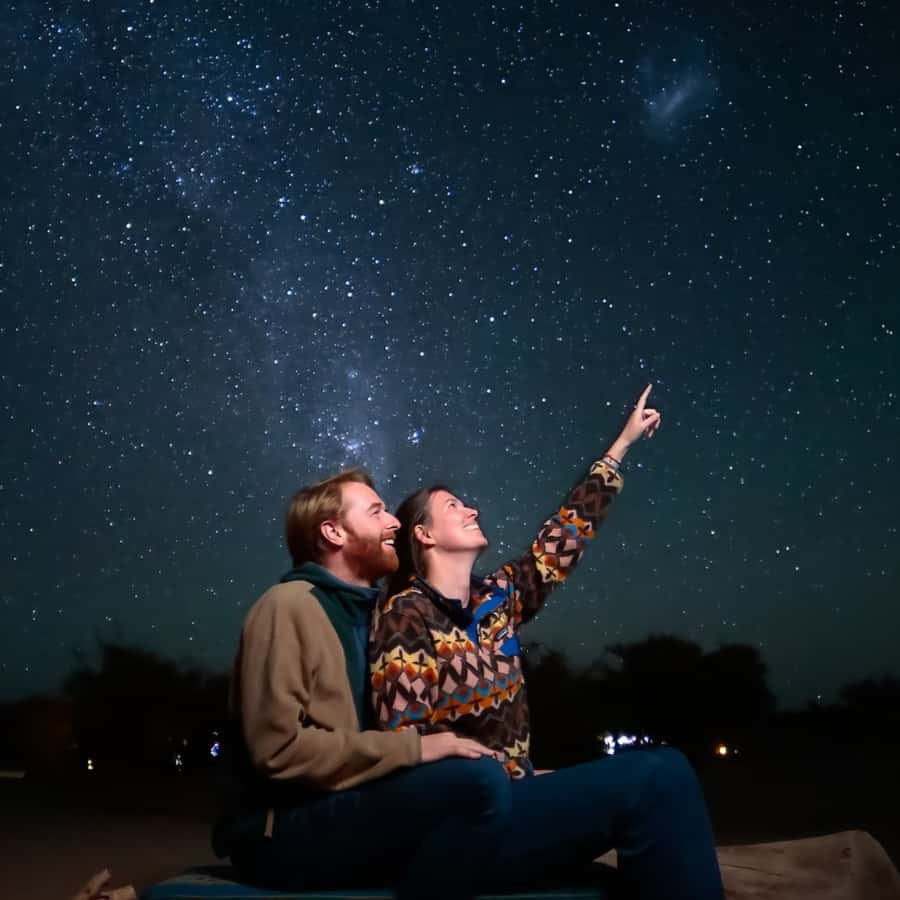
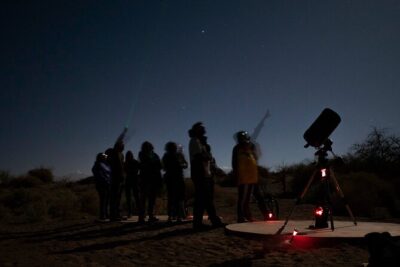
Once you reach the desert site, the main part of the tour is night observation. The format is guided, so you are not left to guess what you are seeing. Telescopic equipment is supplied, and the guide helps bring distant objects closer.
The available information does not specify the telescope models, the exact objects shown, or how many viewing stations are used. That means I would avoid booking this with a fixed checklist of planets, galaxies, or constellations in mind. The sky changes with the season and conditions, and the tour presents a general astronomical experience rather than a guaranteed list of targets.
That flexibility can be a strength. You are likely to get a more natural session than one built around a rigid script. The important point is that the telescopes are part of the price, so you do not have to buy or carry special equipment.
The small group size is another practical benefit. With a limit of 10 participants, the session should feel more manageable than a large coach outing. You still may need to share viewing time, but a group this size gives the guide a better chance to explain what you are seeing and answer questions.
Andean interpretations of the stars
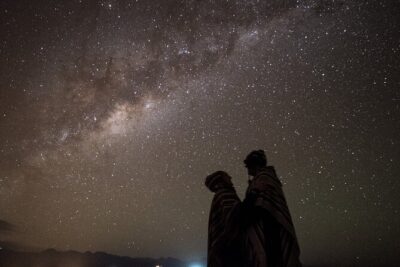
The cultural part gives the tour more substance. You learn how local Andean cultures interpreted the night sky over generations, including traditional meanings connected with stars and constellations.
This is different from a purely technical astronomy lecture. Scientific explanations can tell you what an object is and how far away it may be. Andean sky traditions add another way of understanding the heavens, showing how the night sky can guide cultural stories and beliefs.
The supplied details do not name a particular local guide or identify the specific Andean communities discussed. You should therefore expect a broad cultural introduction rather than a specialist anthropology lesson. Even so, this portion is important because it links the sky to the region you are visiting instead of treating the desert as an anonymous viewing platform.
I particularly like this balance. The telescope gives you something to see, while the cultural explanation gives the sky a human context. If you are interested only in technical astronomy, the storytelling may feel less central. If you want a stronger connection to northern Chile, it adds value.
More things to do in San Pedro de Atacama:
- San Pedro de Atacama: El Tatio Geysers Tour
★ 4.7 · 943 reviews - Tour to the Hidden Lagoons of Baltinache
★ 5.0 · 694 reviews - Piedras Rojas, Altiplanics Lagoons & Salar Full-Day Tour
★ 4.7 · 592 reviews - Half Day Tour to Geysers del Tatio
★ 5.0 · 499 reviews
Hot drinks, rules, and desert comfort
Hot drinks are included and served under the stars. In a dry desert setting at night, that small comfort can make the outdoor session more pleasant. The supplied details do not say which drinks are served, so do not book this expecting a particular beverage.
Alcohol is not permitted. The additional rules also say drinks are not allowed, which appears to refer to bringing drinks yourself and sits awkwardly beside the promise of included hot beverages. I would follow the practical reading: do not bring alcohol or outside drinks, and rely on the hot beverage provided by the tour.
The information does not specify temperatures, seating, blankets, or clothing recommendations. You should plan for an outdoor night and dress in layers, based on your own comfort needs. That is sensible advice for any evening in the desert, but I would not claim that special gear is supplied because it is not listed.
What the $65 price really buys you
At $65 per person, this is not the cheapest possible way to look at the stars. You can look up from town at no cost. The price pays for the parts that make the session more organized: transport into the desert, a bilingual guide, a local guide, telescopes, hot drinks, and a return transfer.
The value is strongest if you would otherwise need to arrange your own ride and equipment. Driving into an unfamiliar desert at night is not the point of a guided outing, and most people do not carry suitable telescopes. A small group and a structured explanation also make the fee easier to justify.
The value is weaker if your main goal is taking professional photographs. One verified booking from June 28, 2024, reported that photos had not been delivered four days after the tour and that the agency had not provided useful support or a delivery estimate. That is one complaint, not proof that every booking will have the same problem, but it is a clear reason to confirm the photo policy before paying.
I would judge this tour by the live experience, not by promised images. Treat any photographs as an extra unless the provider clearly confirms what is included, when images are delivered, and how support works if they do not arrive.
Guide languages and group size
The tour offers live guidance in English, Portuguese, and Esperanto. It is also described as using a bilingual guide and a local guide. The information does not say which language combinations are guaranteed on every departure, so you should check that your preferred language is available when you select a time.
Language matters more here than on a simple transfer. The tour depends on explanations about astronomy and Andean interpretations, and those details can be lost if communication is rushed or unclear. A small group helps, but it does not replace a language match.
The 10-person limit is one of the better features for this kind of outing. You should have a more personal setting than on a large bus tour, with less waiting around the telescope. The details do not promise private viewing time, so expect a shared session rather than individual instruction.
The two-hour itinerary, step by step
Meeting at Plaza Turistour
You start at Plaza Turistour in San Pedro de Atacama. The guide receives the group there and organizes the transfer. Since no exact departure time is provided, check availability for the evening you want.
Transfer into the desert
The group leaves San Pedro and heads to an observation site away from town. This removes you from local light and sets up the main purpose of the tour. The exact route and travel time are not stated.
Introduction to the night sky
At the site, the guide introduces the stars and constellations visible during the session. The talk includes Andean interpretations, giving you cultural context along with astronomical information.
Telescope observation
The telescopes bring selected parts of the sky closer. You share the equipment with the group and use the guide’s direction to understand what you are looking at.
Hot drinks and return
Hot beverages are served during the evening, then the group returns to San Pedro. The complete outing lasts two hours, so the end of the session is likely kept fairly focused.
Who will get the most from this tour
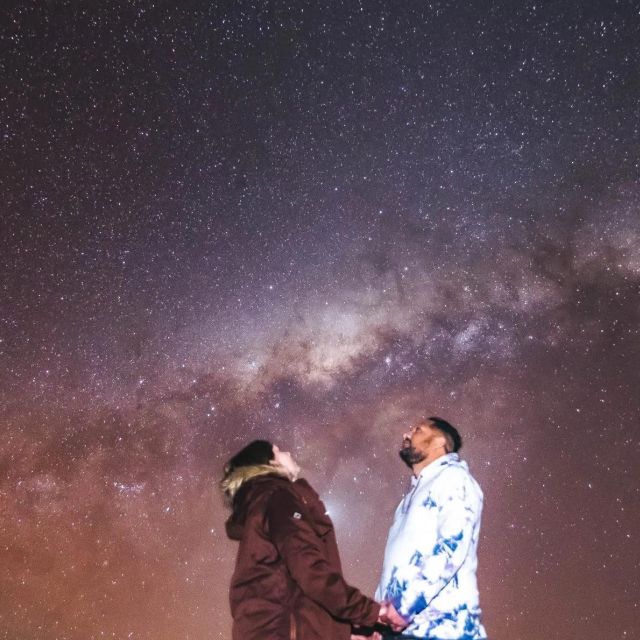
I would recommend it to you if you want an easy introduction to astronomy, prefer a small group, or are curious about Andean ideas about the stars. It also suits anyone who wants a guided desert outing without committing to a long nighttime program.
Families and first-time telescope users may appreciate the simple structure. The guide, equipment, transport, and short duration remove much of the effort. The experience is also a good fit if you have a busy San Pedro schedule and want one evening activity that does not occupy the entire night.
You may want to look elsewhere if you need a specialist astronomy program, a guaranteed list of celestial objects, or dependable professional photographs. The available information does not promise advanced instruction, named equipment, or a fixed photography service.
The tour is listed as wheelchair accessible, which makes it worth considering if access is important to you. Still, the information does not describe the desert site’s paths, surfaces, or telescope setup, so confirm the practical details before booking if you have specific mobility needs.
Booking, cancellation, and one service warning
You can reserve now and pay later, which helps if your San Pedro schedule is still changing. Free cancellation is available up to 24 hours in advance for a full refund.
The tour has a rating of 3.9 from three reviews, a small sample that should not be treated as a final verdict. The only detailed feedback supplied is negative and concerns missing photographs and poor agency communication after the tour. I would save the provider’s contact details, ask about photographs before booking, and keep expectations centered on the stargazing itself.
Should you book the Atacama Astronomical Tour?
Book it if you want a short, organized night under Atacama’s dry skies, with transport, telescopes, local cultural context, and a warm drink included. The $65 price is reasonable for a small group of up to 10 people, especially if you do not have your own way to reach a dark desert site.
I would book with two conditions. First, confirm the language offered on your date. Second, ask directly about photographs and support, since one recent booking had a serious problem in that area.
For a first look at the southern night sky, this tour offers a practical balance of science, Andean tradition, and simple desert atmosphere. Just make the sky your main reason for going. The stars are the dependable part of the evening, while the photo service deserves caution.
FAQ
Where does the astronomical tour begin?
The tour begins at Plaza Turistour in San Pedro de Atacama.
How long does the tour last?
The full experience lasts two hours, including the transfer out from San Pedro and the return.
What is included in the price?
The $65 price includes transfer, a bilingual guide, a local guide, hot beverages, telescopic equipment, departure from San Pedro, and return to San Pedro.
Are telescopes provided?
Yes. Telescopic equipment is included in the tour.
What languages are available?
Live guidance is listed in English, Portuguese, and Esperanto.
How many people are in the group?
The tour is a small-group experience limited to 10 participants.
Is the tour wheelchair accessible?
Yes. The activity is listed as wheelchair accessible.
Can I cancel for a full refund?
Yes. You can cancel up to 24 hours in advance for a full refund.
Can I reserve now and pay later?
Yes. The tour allows you to reserve your place and pay later.
Just added in San Pedro De Atacama
- Vallecito★ 4.7 · 13 reviews
- Atacama Desert and Magic Bus Visit★ 4.8 · 15 reviews
- San Pedro de Atacama: Valle de la luna★ 3.0 · 3 reviews
- Valle de la Luna: A Moon-Like Escape in Atacama★ 5.0 · 3 reviews
- Triple Tour: Piedras Rojas + Altiplanic Lagoons + Chaxa Lagoon★ 5.0 · 1 review
- Red Stones + Altiplánica Lagoons★ 5.0 · 1 review
- Atacama Stargazing Tour Under One of the World’s Clearest Skies★ 4.0 · 3 reviews
- Tour to Laguna Cejar and Tibenquinche★ 4.5 · 7 reviews
Stargazing and Observatory Tours, compared.
The Roofless Experience San Pedro de Atacama Stargazing Tour
Read our review →
Astronomical Tour with Guide and Pick Up San Pedro de Atacama
Read our review →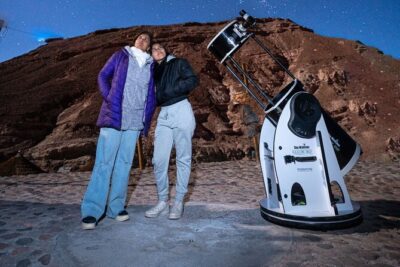
“Astronomical Adventure in San Pedro de Atacama”
Read our review →Browse the lists this tour appears in