
REVIEW · STARGAZING AND OBSERVATORY TOURS
Observatory Stargazing Tour from Santiago
Stars appear before sunset here. This private observatory outing combines solar viewing in daylight with several hours of telescope work after dark. I like the host’s clear passion for astronomy, and I like that wine, cheese, snacks, and round-trip transport are included. The main caution is weather: clouds or smoke can reduce the best part of the evening, and the $446.90 price is high for a five-hour tour.
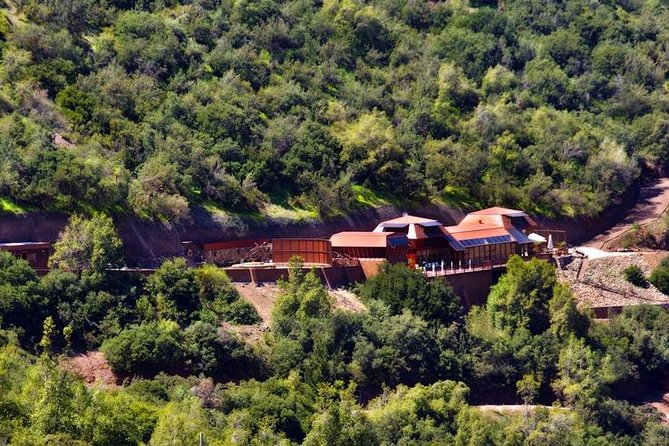
You leave Santiago in the late afternoon and head toward the hills, generally about 30 to 45 minutes outside the city depending on traffic. This is not a grand public observatory on a remote mountaintop. It is a private home observatory with a surprising collection of telescopes, a personal setting, and a small-group feel. The tour is capped at 20 people, though the intimate hosting is one of its biggest strengths.
In This Review
- Key things to know before booking
- Leaving Santiago for the Andes foothills
- Starting with wine and the map of the universe
- Seeing the sun, flares, and daylight stars
- Moving from binoculars to serious telescopes
- Three hours of observation, food, and conversation
- What the $446.90 price really includes
- The weather question you should take seriously
- Who will enjoy this observatory most
- Practical advice for a smoother evening
- Should you book this private Santiago stargazing tour?
- FAQ
- How long does the stargazing tour last?
- Where does the tour take place?
- Is hotel pickup included?
- What can I see through the telescopes?
- Can I see stars before it is completely dark?
- Are food and drinks included?
- Is the tour suitable for children?
- How many people can join the tour?
- What happens if the weather is poor?
Key things to know before booking
- Daylight astronomy comes first: You may see solar flares and even stars before the sun has fully set.
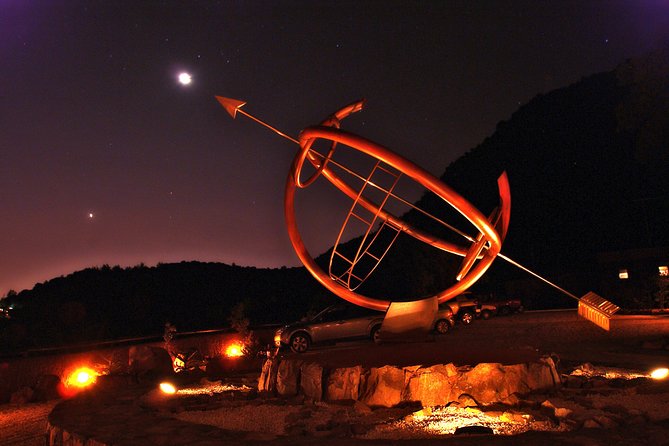
- A private home observatory: Expect a personal collection of telescopes rather than a formal science-center facility.
- Dámaso is the central personality: His enthusiasm for the sky is a major part of the evening.
- Wine and small bites are included: The hospitality helps turn a technical outing into a relaxed social evening.
- Transport is built in: Private round-trip transport is offered from selected Santiago hotels.
- Clouds matter: The operator may continue in uncertain conditions, so ask about the forecast before departure.
Leaving Santiago for the Andes foothills
The evening begins with pickup from selected hotels in Santiago. Private transport removes one of the tour’s biggest practical headaches, especially when you are returning after dark from the hills. The drive can take around 30 minutes in light traffic or closer to 45 minutes when Santiago is busy.
The driver is part of the experience, not just a person behind the wheel. Guides such as Felipe and Janine have been praised for being attentive, cheerful, and willing to answer questions about Chile along the way. That makes the ride useful rather than dead time, particularly if you want local conversation before the astronomy begins.
The destination may surprise you. If you picture a giant research complex high in the Andes, reset your expectations. You arrive at a private residence with an observatory area and many telescopes. Several people have found this more charming than a polished public facility because the host can spend real time with the group.
That setting also explains some of the tour’s appeal. You are not being moved through a fixed series of displays with a stopwatch running. The evening feels closer to being welcomed into an enthusiast’s home, with the owner sharing a lifelong interest in the night sky.
More stargazing nights in Santiago:
- Santiago: Sky Costanera Observatory Admission Ticket
★ 4.3 · 208 reviews - Santiago: Sky Costanera Observatory Skip-the-Line Entry Ticket
★ 4.0 · 27 reviews - Sky Costanera Observatory & Las Condes Financial District Tour
★ 5.0 · 14 reviews
Starting with wine and the map of the universe
On arrival, you receive a glass of wine or another refreshment. Boutique appetizers, cheese, and other snacks are included, though this is not dinner. If you need a full meal, eat before pickup or plan food afterward.
The host begins with a short astronomy presentation. It covers where Earth sits in the universe, along with basic facts about planets, stars, and galaxies. This introduction matters because it gives you a framework for what comes next. Looking at a bright point through a telescope is more meaningful when you understand what you are seeing and how far away it is.
Dámaso receives especially warm praise for his energy and love of astronomy. His role is not simply to point a telescope and name an object. He explains, answers questions, and adjusts the discussion to the group’s interest. If you enjoy learning from an enthusiastic amateur astronomer, this personal approach is likely to be the heart of your evening.
The technical level can vary with your questions. You do not need a science background, and most people can take part. Still, this is not a silent scenic outing. You will get more from it if you are willing to listen, ask questions, and spend time looking carefully through the eyepieces.
Seeing the sun, flares, and daylight stars
One of the tour’s unusual features is that observation can begin before sunset. With the right conditions, you may view the sun and solar flares while sipping chilled wine. That gives the early part of the evening a real purpose instead of making you wait in the dark.
The daylight phase also helps explain how much the sky changes in a short time. You begin with the sun, then move toward the first visible stars and planets as the light fades. Several accounts describe this transition as an unexpected highlight, especially for people who assumed all the viewing would happen after nightfall.
The operator also describes the site as one of the few places where stars can be observed in broad daylight. You should treat that as a special possibility rather than a guarantee. Clear conditions and the right equipment are essential, and the exact objects visible will depend on the date and sky.
This is a good reason to avoid booking the tour only because you want one particular planet or constellation. The program is guided by what can be seen that evening. The reward is a changing sky and a host who can make the most of it.
Moving from binoculars to serious telescopes
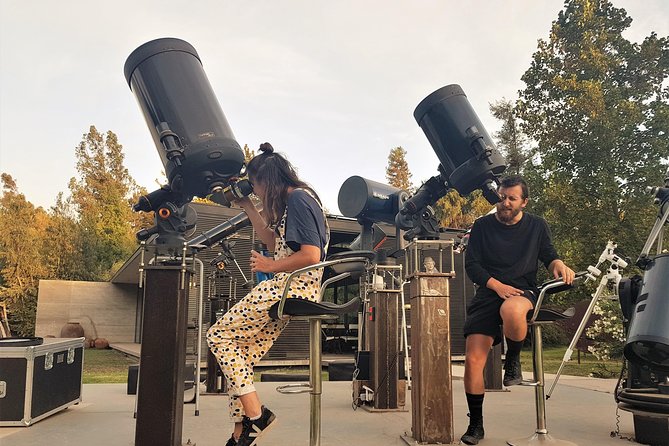
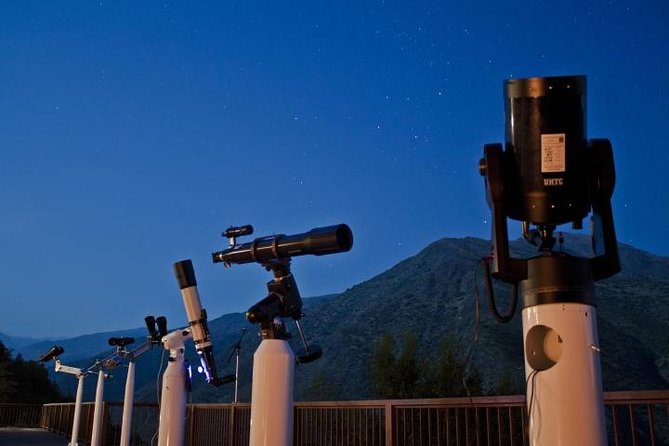
The observation progresses in stages. First, you look at the sky with your own eyes while the astronomer explains what to find. You then use simple binoculars before moving to larger and more advanced telescopes.
That progression is well judged. Your eyes learn the broad pattern first, binoculars add detail, and the larger instruments bring distant objects closer. It also keeps the evening from becoming a parade of isolated telescope stops. You understand how each tool changes your view.
Depending on the season and conditions, you might see the moon, planets, star clusters, or nebulae. Specific objects named in accounts of the outing include Jupiter with its four moons, Venus, the moon, and nebulae from another galaxy. These sightings are not promised for every departure, so the value lies in the guidance and equipment as much as in any single object.
The private collection of telescopes is a major attraction. You may see several different instruments rather than using one large telescope for the entire group. That variety gives the host more ways to show the sky, although it can also mean that the evening feels informal rather than highly choreographed.
Bring patience. Telescope viewing is not like looking at a bright photograph. Some objects appear small, faint, or gray, and you may need a moment to focus your eye. The astronomer’s explanation helps you notice details that you could easily miss.
More things to do in Santiago:
- Valparaiso Port and Viña del Mar with Casablanca Wine Tasting
★ 5.0 · 6,110 reviews - Santiago: Cajon del Maipo/Embalse del Yeso Tour with Picnic
★ 4.3 · 3,789 reviews - Santiago: Vina Del Mar, Valparaiso, Casablanca & Reñaca Tour
★ 4.2 · 2,838 reviews - Cable Car, Funicular and Sightseeing Bus in Santiago one day
★ 5.0 · 2,325 reviews
Three hours of observation, food, and conversation
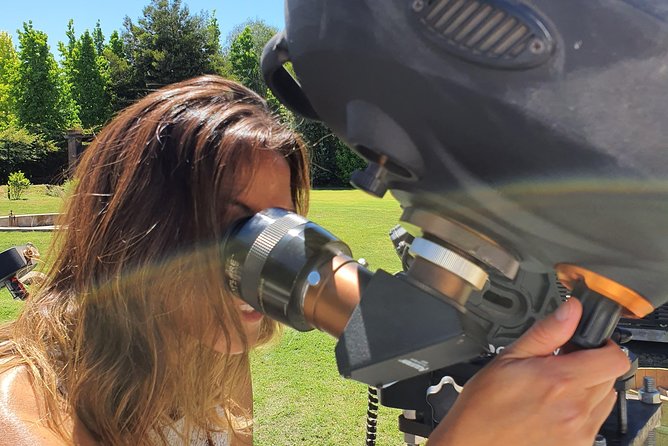
The observatory portion lasts about three hours, while the full outing runs roughly five hours with transport. That is enough time for the presentation, changing light, telescope viewing, snacks, and questions without making the visit feel rushed.
The food and wine are not the main reason to book, but they improve the rhythm of the evening. A glass of wine and small savory bites give you something to do between observations and make the setting feel social. One especially memorable touch is the warm family atmosphere described during the visit, with the host’s wife and daughter stopping by to greet people and offer food.
This personal welcome is also the reason the tour may feel different from a standard commercial excursion. You are visiting a private observatory run by people who clearly care about the subject. That can make the evening feel generous and relaxed.
It may not suit you if you want a formal lecture, a large professional facility, or a highly predictable schedule. The charm comes from the host’s personality and flexibility. If that sounds appealing, the informal format is a strength. If you prefer a polished science museum, it may feel less substantial than expected.
What the $446.90 price really includes
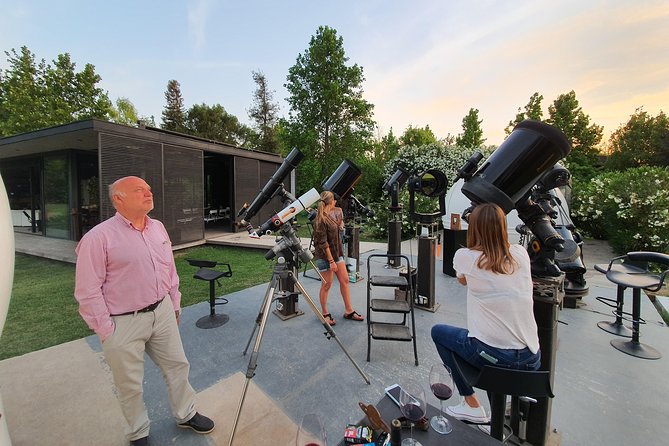
At $446.90 per person, this is an expensive half-day outing. You are paying more than an ordinary Santiago evening tour, so the question is not simply whether the telescopes work. It is whether the complete package feels worthwhile to you.
The price includes private transport, a bilingual guide, the astronomer’s presentation, the observatory visit, a welcome glass of wine, and boutique appetizers with wine. You also receive a personal setting and several hours with the host, rather than a short public viewing session.
That package can offer good value for couples, families, or small groups who want a special final evening in Santiago. It is particularly appealing if you value private transportation and personal instruction. Group discounts may help reduce the cost, though the available discount details are not provided.
The value drops sharply if the sky is cloudy or smoky. Smoke from brush fires has affected visibility on at least one outing, though telescope viewing still remained worthwhile for some people. In poor conditions, you may receive the hospitality and astronomy discussion but not the clear celestial views that justify the price.
For that reason, I would contact the operator before departure if the forecast looks doubtful. The official policy says the tour requires good weather. If the company cancels because of poor conditions, you are offered another date or a full refund. The less clear point is what happens when conditions are merely uncertain and the tour goes ahead.
The weather question you should take seriously
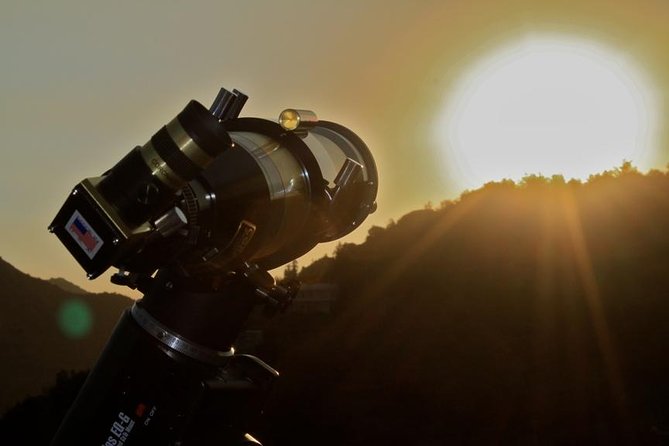
Chile is famous for excellent stargazing, but no tour can control clouds, smoke, or changing conditions. The most serious criticism of this outing concerns a departure that continued despite unfavorable skies. If the tour operates in bad weather, your main observation time may not match the price you paid.
The company says conditions can change, which is true, but you should still ask direct questions. Is the forecast suitable for telescope viewing? Is smoke affecting the site? Will the company make the final call, or will you be asked to decide at pickup?
Good conditions can produce an exceptional evening. Poor conditions can leave you with an expensive visit to a private observatory and limited viewing. That is not a reason to reject the tour, but it is a reason to check the forecast and understand the cancellation terms before you go.
The policy allows free cancellation up to 24 hours before the start time. Cancellations or changes made within 24 hours are not refunded, unless the operator cancels because of poor weather.
Who will enjoy this observatory most
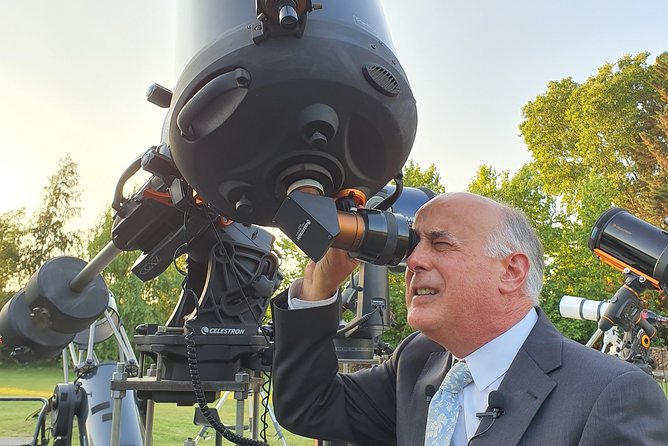
I would recommend this outing to you if you want more than a quick look through a telescope. The host’s enthusiasm, the step-by-step use of different instruments, and the long visit give the evening a personal learning element.
It suits:
- Couples seeking a memorable evening outside central Santiago
- Families with children who are comfortable staying with an adult
- Amateur astronomy fans who enjoy asking detailed questions
- First-time sky watchers who want help understanding what they see
- People who value private transport and included refreshments
- Small groups who may benefit from group pricing
Children must be accompanied by an adult, and most people can participate. Service animals are allowed. A minimum of two people is required per booking, and the maximum group size is 20.
I would hesitate if you dislike informal home-based activities, need a full meal included, or are unwilling to risk weather-related changes. I would also think twice if your budget is tight and you can visit a less expensive public astronomy attraction instead.
Practical advice for a smoother evening
Book well ahead. The tour is booked on average 34 days in advance, which suggests that availability can matter, especially during popular travel periods.
Wear something suitable for an evening in the hills. The supplied information does not specify temperatures or clothing requirements, so check the forecast before you leave. Comfortable shoes are sensible because you will move between viewing points and telescopes.
Keep your schedule flexible. The tour lasts about five hours, and traffic affects the drive from Santiago. Do not place a tightly timed dinner reservation immediately after the stated end time.
Eat beforehand if you want a proper meal. Wine and snacks are provided, but dinner is not included. Gratuities, personal purchases, and travel insurance are also your responsibility.
Finally, go with curiosity rather than a fixed checklist. The best evening may feature the sun and solar flares before sunset, then Venus or Jupiter, then the moon or a faint nebula. The sky decides the program, and the host’s skill is making that changing program interesting.
Should you book this private Santiago stargazing tour?
I would book it if astronomy appeals to you, you value a warm host, and you can accept some weather risk. The strongest parts are the private setting, the number of telescopes, the daylight solar viewing, and Dámaso’s obvious love for the subject. Felipe and Janine also add value when they handle transport and conversation with care.
I would not book it blindly at $446.90. Check the forecast, confirm pickup details, and ask how uncertain conditions are handled. If the sky looks clear, this can be one of Santiago’s most memorable evenings. If clouds or smoke threaten the view, the price becomes much harder to defend.
The overall score is strong at 4.7 out of 5, with 91 percent recommending it. That matches the central truth of the outing: the astronomy and hospitality can be extraordinary, but the sky remains in charge.
FAQ
How long does the stargazing tour last?
The full tour lasts approximately five hours. The observatory visit itself is described as lasting about three hours, with the remaining time used for transport.
Where does the tour take place?
It takes place at a privately held observatory in the Andes Mountains area outside Santiago. The site is also described as a private home observatory, generally around 30 to 45 minutes from Santiago depending on traffic.
Is hotel pickup included?
Round-trip private transport is included from selected Santiago hotels. Pickup is not stated as available from every hotel, so you should confirm that your accommodation is within the service area.
What can I see through the telescopes?
Possible sights include stars, planets, the moon, solar flares, Jupiter and its four moons, Venus, and nebulae. Exact objects depend on the date and viewing conditions.
Can I see stars before it is completely dark?
Yes. The experience may include daylight star viewing, and the program can begin with solar observation and solar flares before sunset.
Are food and drinks included?
A welcome glass of wine or another refreshment is included. Boutique appetizers, wine, cheese, and snacks are also provided, but dinner is not included.
Is the tour suitable for children?
Most people can participate, and children are allowed when accompanied by an adult.
How many people can join the tour?
The maximum group size is 20 people. A minimum of two people is required for each booking, and group discounts may be available.
What happens if the weather is poor?
The experience requires good weather. If the operator cancels because of poor conditions, you are offered a different date or a full refund. You can also cancel up to 24 hours before the start time for a full refund.
Just added in Santiago
- Walking City Tour with Funicular, Cable Car and Tasting★ 4.3 · 6 reviews
- VIÑA DEL MAR AND VALPARAISO TOUR★ 4.8 · 20 reviews
- Tour VIÑA CONCHA Y TORO + CASA MARQUES – Chile, from Santiago.★ 5.0 · 2 reviews
- Undurraga + Isla Negra + San Afonso del Mar —– Full day★ 4.1 · 8 reviews
- Undurraga Wine tour★ 4.2 · 15 reviews
- Southcoast – Private Full-Day tour★ 5.0 · 6 reviews
- Santiago Private walking tour with Lunch★ 5.0 · 5 reviews
- Zapallar : nature, sea and local flavours★ 5.0 · 6 reviews
Stargazing and Observatory Tours, compared.
The Roofless Experience San Pedro de Atacama Stargazing Tour
Read our review →
Astronomical Tour with Guide and Pick Up San Pedro de Atacama
Read our review →
“Astronomical Adventure in San Pedro de Atacama”
Read our review →Browse the lists this tour appears in