
REVIEW · STARGAZING AND OBSERVATORY TOURS
Milky Way Sanctuary Stargazing Tour at Pangue Observatory
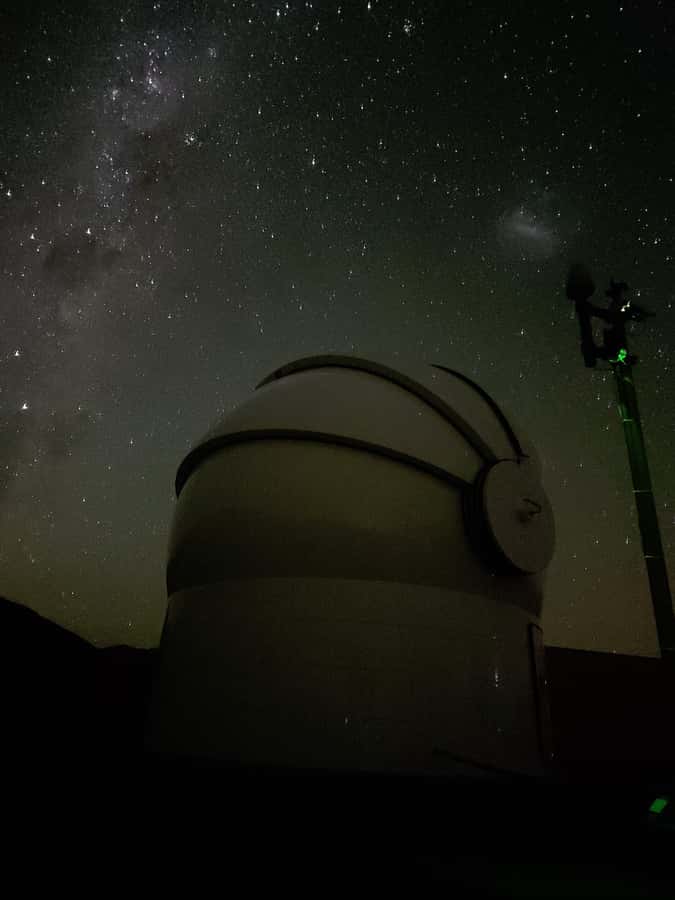
Look up, and Chile gets much bigger. This six-hour trip from La Serena reaches Pangue Observatory in the Elqui Valley, where dry, clear skies and a high mountain setting create excellent conditions for viewing the southern night sky. I especially like the small groups of no more than eight and the chance to use serious 16-inch or 25-inch telescopes rather than simply looking at stars with the naked eye.
I also like that the outing includes more than a quick telescope stop. You pass through Vicuña, watch the sun go down near one of the world’s major astronomy centers, and receive coffee, tea, or water at the observatory. The main consideration is timing: this tour is not offered close to the full moon, and same-day spaces may be scarce. You also need warm, comfortable clothing for several hours at altitude.
In This Review
- Key points before you book
- Why Pangue is a serious place for stargazing
- The La Serena pickup keeps the evening simple
- A short stop in Vicuña
- The climb to Pangue Observatory
- What you can see through the telescopes
- Why the small group changes the evening
- A simple coffee area helps after sunset
- Returning through Vicuña to La Serena
- Is $225 a fair price?
- Timing, moonlight, and what to pack
- Who should choose this Pangue tour?
- Should you book the Pangue Observatory experience?
- FAQ
- Where does the Pangue Observatory tour begin?
- How long does the tour last?
- How many people can join the tour?
- Which languages are available?
- What kind of telescopes are used?
- What might I see at the observatory?
- Is the tour offered near the full moon?
- What should I bring?
Key points before you book
- Pangue sits at about 1,500 meters: Its position in the pre-Andean mountains gives you dry, transparent skies and wide views toward Chile’s major observatories.
- The group is limited to eight people: That matters when you are sharing only one or two large telescopes and want time to ask questions.
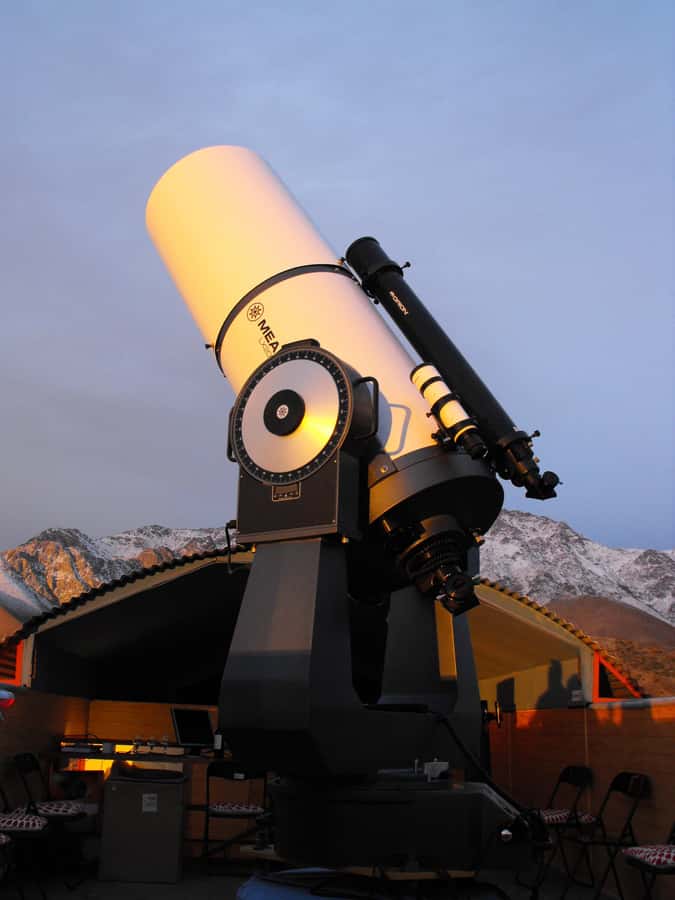
- The telescopes are the main attraction: The 16-inch and 25-inch instruments, paired with advanced eyepieces, are built for serious views of planets, nebulae, clusters, galaxies, and stellar remnants.
- You can see more than ten objects: The exact list depends on the season and conditions, but the program may include planets, the Milky Way’s center, blue stars, red dwarfs, and dying stars.
- Vicuña breaks up the drive: The 15-minute stop gives you a quick look at the attractive Elqui Valley town before the mountain road continues.
- Moon phase matters: A bright moon can wash out faint stars, so the schedule avoids nights near the full moon.
Why Pangue is a serious place for stargazing
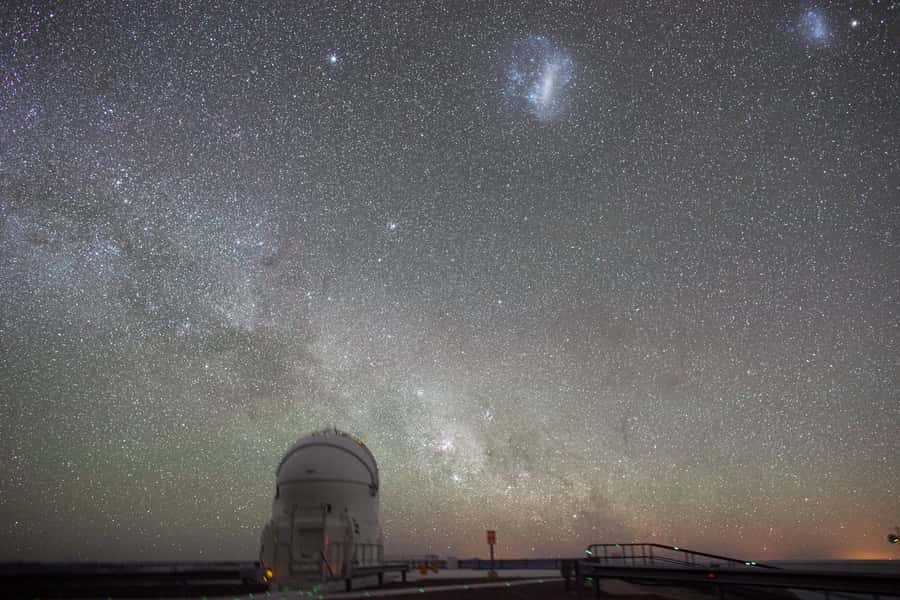
Chile’s Elqui Valley is famous for astronomy for good reason. Pangue Observatory is located in a high, dry part of the valley under the Gabriela Mistral dark skies sanctuary. The air is described as especially transparent, dry, and clear, all of which help you see faint objects that disappear in brighter or damper skies.
From Pangue, you look toward a region containing several major astronomical installations, including Tololo, SOAR, Gemini, and the Vera Rubin Observatory. The Vera Rubin facility is known for its extremely powerful digital camera. You are not visiting those large research sites on this tour, but their presence helps explain why this part of Chile is so valuable to astronomers.
That setting gives Pangue more weight than an ordinary after-dinner star show. You are visiting one of the places where the southern sky is studied at the highest level, then using large amateur or visitor-focused telescopes to examine it yourself.
I would keep expectations sensible. A telescope does not turn every object into a colorful space photograph. What it can do is show you the shape, brightness, and structure of distant objects in a direct way. Seeing Saturn’s form, a cluster of stars, or a faint stellar remnant with your own eyes is often more memorable than looking at a polished image on a screen.
More stargazing nights in La Serena:
- Pisco Elqui: Mountaintop Stargazing and Night Portrait
★ 4.6 · 20 reviews - Astronomical Observation Milky Way Sanctuary Pangue Observatory
★ 3.5 · 7 reviews - San Pedro de Atacama: Etno-Stargazing Tour with Transfer
★ 4.8 · 629 reviews
The La Serena pickup keeps the evening simple
The tour begins with pickup at your accommodation in La Serena or nearby. You need to be waiting at the reception area, which is a small but important detail. Do not assume the driver will search for you inside a large hotel or call you from the street.
From La Serena, the drive toward the Elqui Valley takes about an hour. This is not dead time. It moves you away from city lights and into the broad mountain country that makes the valley famous for clear skies and astronomy.
The total outing is advertised as six hours. The listed driving and stop times add up to a little less than that, so I would treat the schedule as approximate. Road conditions, the length of the observatory visit, sunset timing, and the evening’s viewing program can all affect the exact return time.
Pickup by vehicle is included, and alcoholic drinks are not permitted in the vehicle. That rule is easy to follow, but it is worth knowing before you pack for the evening.
A short stop in Vicuña
After roughly an hour on the road, the group pauses in Vicuña for about 15 minutes. This is a short visit, not a full town tour, so you should see it as a useful break rather than the main destination.
Vicuña is an appealing town in the Elqui Valley, and even a brief stop lets you stretch your legs and get a sense of the local setting. One recent booking described the town as especially charming, which fits the role it plays here: a pleasant introduction to the valley before the tour heads higher into the mountains.
With only 15 minutes, you will not have time for a long walk, a museum visit, or a relaxed meal. Keep your expectations in check and stay aware of the departure time. The real focus of the evening is Pangue.
The climb to Pangue Observatory
The route from Vicuña continues toward Pangue, with about two and a half hours allocated to the observatory visit and the scenery along the way. This part combines the drive, guided activities, sunset, and views from the mountain setting.
Pangue is about 1,500 meters above sea level. That elevation is not extreme, but it can feel cooler than La Serena, especially after sunset. A long-sleeved shirt is specifically recommended, and I would add a warm outer layer if you tend to get cold. Comfortable clothes are more useful than anything formal.
The sunset adds a welcome visual chapter before the darkness takes over. You get to see the valley and mountains in daylight, then watch the setting sun change the mood of the site. By the time the sky darkens, you have a better sense of the open space around the observatory.
The high point is not a decorative building or a short lecture. It is the location itself. Pangue faces a group of major astronomy facilities and sits under protected dark skies, giving you both a strong setting and a clear reason for being there.
More things to do in La Serena:
- Elqui Valley Tour: History and Flavors (NOT FOR CRUISES)
★ 5.0 · 139 reviews - Elqui Valley and Vicuna Private Tour Including Lunch
★ 4.5 · 18 reviews - Classic Elqui Valley (Between vineyards and fruit trees)
★ 5.0 · 16 reviews - Sailing and Hiking Isla Damas : Humboldt Penguin Reserve
★ 4.0 · 13 reviews
What you can see through the telescopes
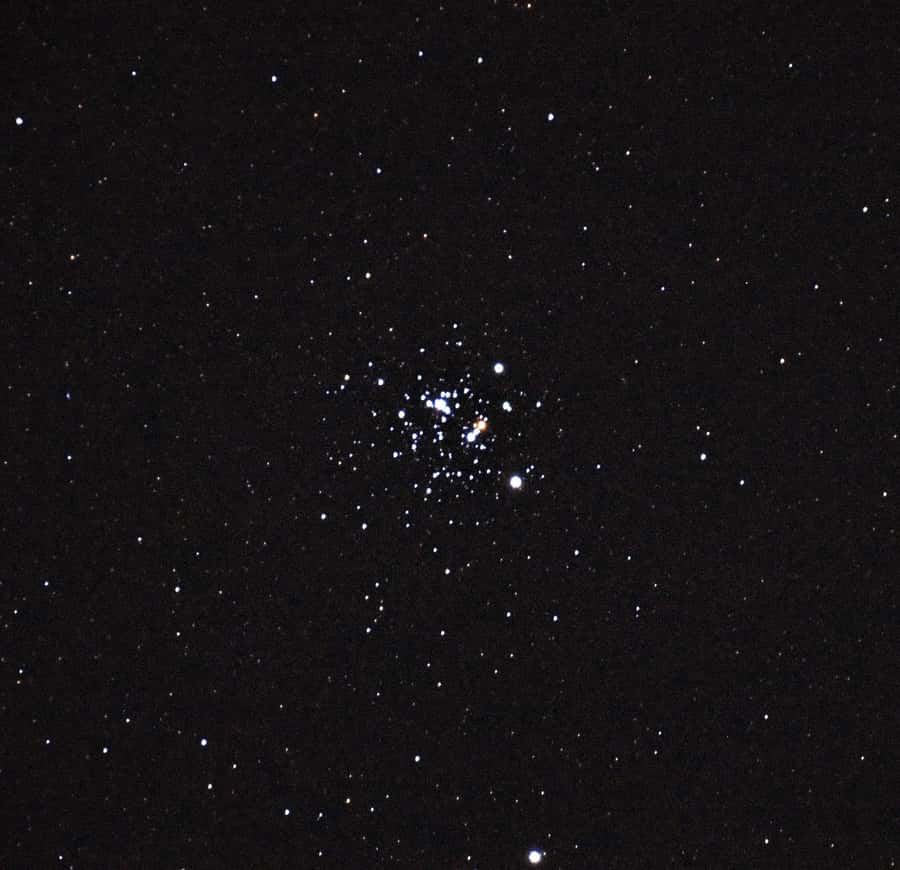
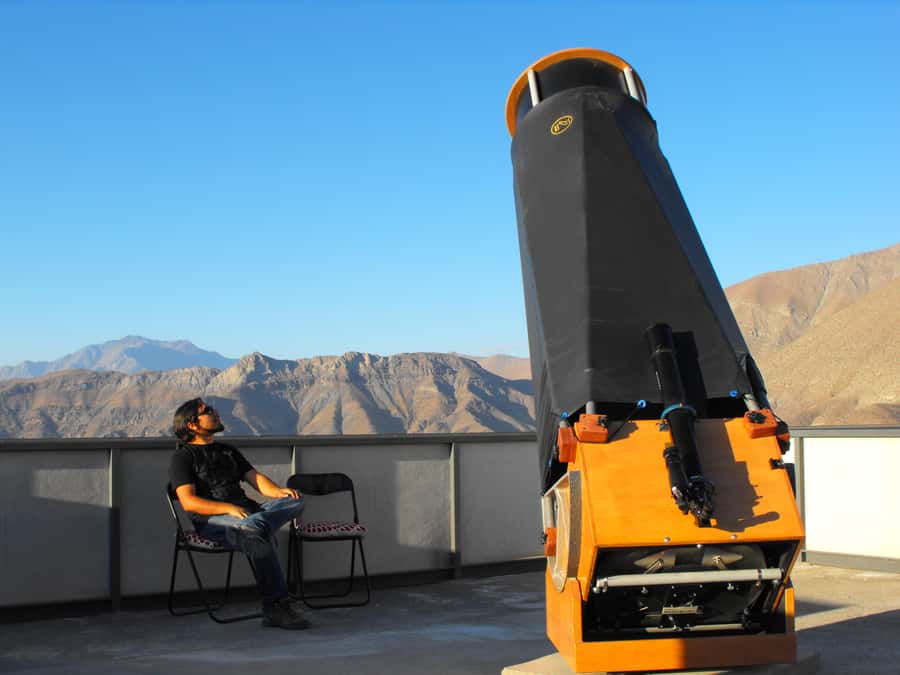
The observatory uses 16-inch and 25-inch telescopes with advanced eyepieces. These are large instruments for a visitor program, and the size matters because larger mirrors can gather more light. That gives the guide a better chance of showing you faint or distant objects when the night is suitable.
The program aims to show more than ten stellar objects. The list changes with the season, the time of night, and the weather, but the stated range includes:
- Planets such as Mars, Saturn, and Jupiter
- Nebulae, where gas and dust form large glowing or shadowed regions
- Star clusters, including groups of stars held together by gravity
- Galaxies beyond our own
- Supernova remnants and other remains of massive stars
- Massive blue stars and small red dwarfs
- The central region of the Milky Way
A recent visitor had particularly clear views of Mars, Saturn, and Jupiter, along with a supernova and a dying star. That gives you a useful idea of the program’s scope. You are not limited to bright planets, but you should also understand that no guide can promise every named object on every night.
Cloud, haze, moonlight, and seasonal position all matter. The moon is the most predictable issue, which is why the tour does not operate on nights close to the full moon. Its brightness can overpower the faint light from nebulae and galaxies.
The viewing is also not a simple point and move on routine. With a maximum of eight people, each person has a better chance to take a turn at the eyepiece, adjust their position, and ask a question. One booking with a six-person group found that everyone had enough time to use the telescope and ask questions. That is a strong reason to choose this outing over a large bus-based astronomy show.
Why the small group changes the evening
Eight people is still a group, but it is small enough to feel personal. You are less likely to spend the entire evening waiting behind a crowd, and the guide can explain what you are seeing in more than one sentence.
The available languages are English, French, and Spanish. That is especially useful during astronomy presentations, where a small misunderstanding can make a faint object seem confusing. If Cristobal is leading your trip, you can expect a guide who has been praised for being accommodating and for handling the driving well. Observatory guides also provide the explanations at the telescopes.
I like this format because astronomy rewards patience. You may need a moment to find the right position at the eyepiece. You may want the object explained again. You may have a basic question about how far away it is or why it has a certain color. A small group gives those questions room.
The tour is described as exclusive and personalized, but that does not mean private. Up to eight people can join, so ask about the group size when you book if that detail matters to you.
A simple coffee area helps after sunset
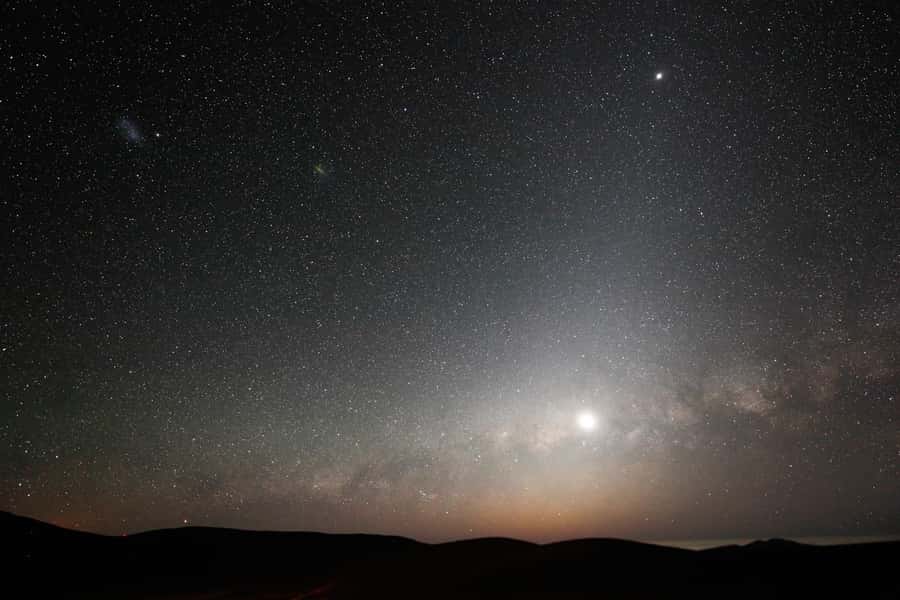
Pangue has a small coffee area with comfortable seats. Coffee, tea, and water are provided free for visitors.
This is a modest feature, but it makes practical sense. Stargazing involves standing, waiting for your turn, adjusting your eyes to darkness, and spending time outdoors in cool air. A warm drink and a place to sit give the evening a better rhythm.
Do not treat the coffee area as a restaurant. The information provided describes drinks, not a full meal, so eat beforehand or make your own dinner plans in La Serena or Vicuña.
Returning through Vicuña to La Serena
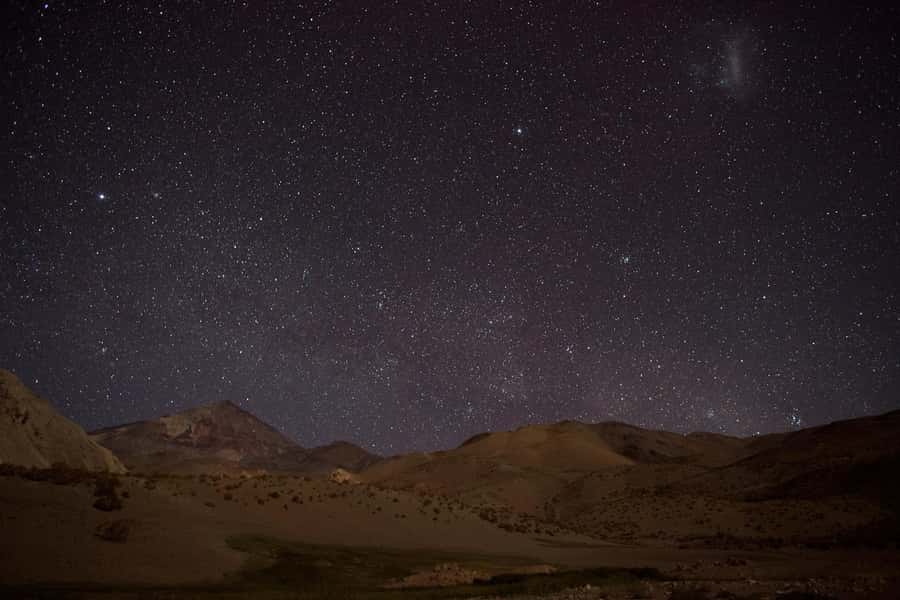
After the observatory visit, the vehicle returns through Vicuña, with about 30 minutes listed for that part of the route, followed by roughly one hour back to La Serena. You should expect to arrive late in the evening compared with the pickup time, although the exact schedule changes with sunset and the length of the astronomy session.
The return is straightforward, but the six-hour duration is long enough that you should avoid booking another evening activity afterward. Leave yourself breathing room for delays and for the possibility that the telescope session runs at a relaxed pace.
Because pickup and return are handled by the tour, you do not need to arrange a separate night drive into the mountains. That is one of the strongest practical advantages of the $225 price.
Is $225 a fair price?
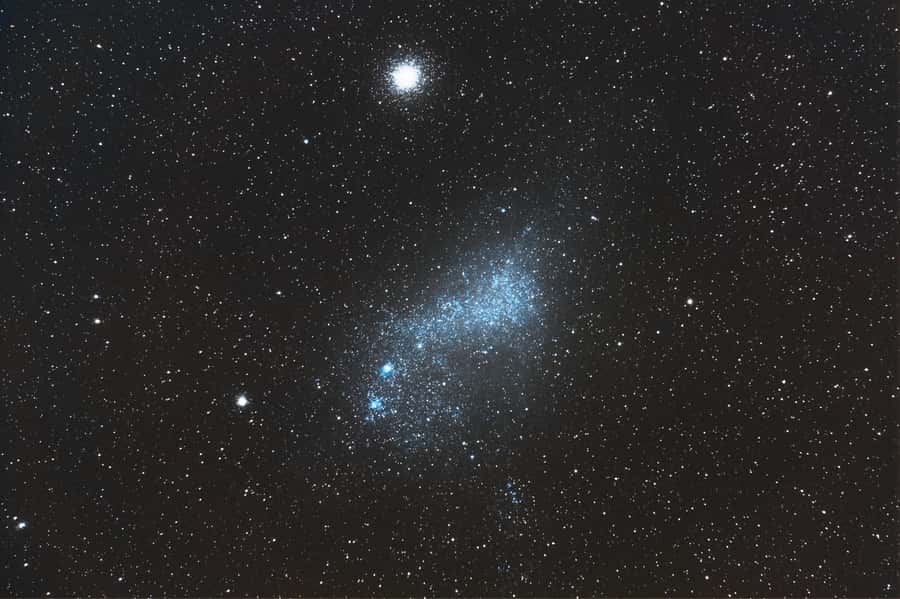
At $225 per person, this is not a budget excursion. The value depends on what you want from the night.
You are paying for transportation from La Serena, a six-hour outing, a small group of no more than eight, multilingual guidance, access to large telescopes, and a visit to a highly regarded astronomical area. You also avoid the complications of driving mountain roads after dark and trying to identify a reputable observatory on your own.
I think the price is easier to justify if you care about astronomy, want detailed telescope viewing, or value a quiet small-group format. It is less attractive if you only want to see the Milky Way with your eyes and take a few night photographs. For that simpler goal, a shorter and cheaper stargazing outing might be enough.
The strongest value comes from the instruments and the group size. A 25-inch telescope can show objects that a casual naked-eye session cannot, while eight people or fewer gives the guides time to explain what is happening. You are buying access and attention, not just a ride to a dark mountain.
Timing, moonlight, and what to pack
Book at least 24 hours ahead whenever possible. Same-day bookings may have very few available spaces, especially because the group is capped at eight and the tour runs only on suitable moon conditions.
The full moon warning is not a minor technical point. If you want nebulae, galaxies, and faint star clusters, moonlight can reduce the quality of the view. A darker night usually gives the telescopes more to show.
Bring:
- Comfortable clothes
- A long-sleeved shirt
- A warmer layer for the mountain evening
- Patience for several telescope stops
Wheelchair users should note that this tour is not suitable for them. The available information does not provide further mobility details, so anyone with other access needs should ask the provider before booking.
Free cancellation is available up to 24 hours before the tour for a full refund. You can also reserve now and pay later, which helps if your La Serena schedule is not fixed.
Who should choose this Pangue tour?
I would recommend it most strongly to people who want more than a pretty sky. You will get the most from it if you enjoy science, want to compare different kinds of celestial objects, or have always wanted to see the southern sky through a large telescope.
It also suits couples, families with older children, and small groups of friends who prefer a calm evening to a crowded attraction. The guides speak English, French, and Spanish, and the small format gives you a good chance to ask questions.
This is not the best choice for anyone who needs a short activity, dislikes late returns, or wants guaranteed views of a particular planet. Astronomy always depends on conditions. The program can offer a strong range of objects, but the final lineup belongs to the sky.
Should you book the Pangue Observatory experience?
Book it if the night sky is one of your main reasons for visiting northern Chile. The combination of Pangue’s high, dry location, large telescopes, dark-sky setting, and eight-person limit gives this outing real substance.
I would book early, choose a date well away from the full moon, and plan warm clothing. If you want a serious introduction to southern-sky astronomy without arranging transport yourself, the $225 cost is defensible. If you only want a quick look at the stars, it may be more tour than you need.
FAQ
Where does the Pangue Observatory tour begin?
Pickup is provided from your accommodation in La Serena or nearby surroundings. You should wait at the reception area of your accommodation.
How long does the tour last?
The advertised duration is six hours, including transportation between La Serena, Vicuña, and Pangue Observatory.
How many people can join the tour?
The group is limited to no more than eight participants.
Which languages are available?
The tour is offered in English, French, and Spanish.
What kind of telescopes are used?
The observation uses advanced telescopes measuring 16 inches or 25 inches, along with advanced eyepieces.
What might I see at the observatory?
The program can include more than ten stellar objects, such as planets, nebulae, clusters, galaxies, massive blue stars, red dwarfs, and supernova remnants.
Is the tour offered near the full moon?
No. The stargazing tour is not operated on nights close to the full moon because moonlight can reduce visibility.
What should I bring?
Wear comfortable clothes and bring a long-sleeved shirt. A warm extra layer is sensible for the cool mountain evening. Alcoholic drinks are not allowed in the vehicle.
Just added in La Serena
- Fray Jorge ice-age relict forest UNESCO National Park★ 5.0 · 2 reviews
- Sailing and Hiking Isla Damas : Humboldt Penguin Reserve★ 4.0 · 13 reviews
- Astronomical Observation Milky Way Sanctuary Pangue Observatory★ 3.5 · 7 reviews
- Charm Valley Archaeological Tour, Shamanism and Petroglyphs★ 5.0 · 1 review
- La Serena and Coquimbo Private City Tour Including Lunch, Shore Excursion★ 5.0 · 5 reviews
- La Serena & Elqui Valley : Ancestral & Avant Garde Wines & Piscos★ 5.0 · 2 reviews
- Grand Tour Elqui Valley Heavenly Paradise of Sacred Mountains★ 4.5 · 10 reviews
- Costa DE Desierto Atacama : La Serena-Llanos del Challe-Pan de Azucar★ 4.5 · 3 reviews
Stargazing and Observatory Tours, compared.
The Roofless Experience San Pedro de Atacama Stargazing Tour
Read our review →
Astronomical Tour with Guide and Pick Up San Pedro de Atacama
Read our review →
“Astronomical Adventure in San Pedro de Atacama”
Read our review →Browse the lists this tour appears in