
REVIEW · STARGAZING AND OBSERVATORY TOURS
Astronomical Tour: San Pedro de Atacama – Chile
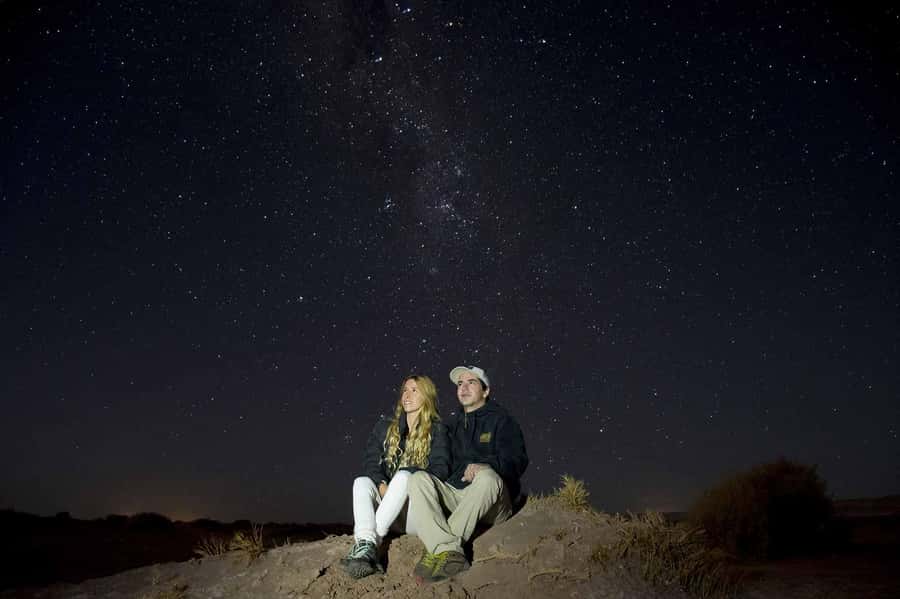
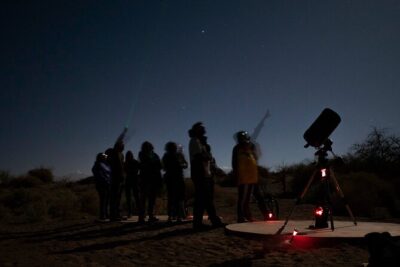
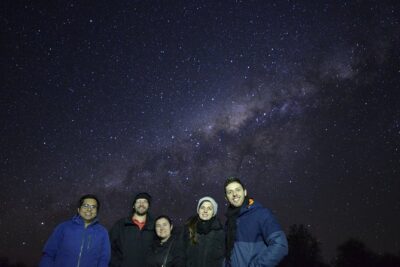
The desert sky puts on a serious show. This four-hour astronomical tour takes you beyond San Pedro de Atacama’s town lights, where dry air and low light pollution create excellent conditions for looking at planets, stars, nebulae, and distant galaxies. I like the combination of expert guidance and powerful telescopes, especially if you want more than a quick look at the Southern Hemisphere sky. I also like that transportation, snacks, drinks, information material, extra observation equipment, and photography are included.
The main caution is timing. The tour is advertised as four hours, but one verified booking dated December 21, 2024 returned to San Pedro after about two and a half hours. That same report found the telescope experience less impressive than expected, with little visible beyond what the naked eye could show. So I would book this for the setting and guided skywatching, but keep expectations sensible about equipment and exact tour length.
In This Review
- Key points at a glance
- Why San Pedro is a strong place for stargazing
- Leaving San Pedro for the observation site
- Getting oriented under the Southern Hemisphere sky
- What you may see through the telescopes
- Snacks, drinks, and photography
- How the four-hour schedule affects the value
- Who will get the most from this experience
- Price, flexibility, and cancellation
- A practical way to prepare
- Should you book this San Pedro astronomy tour?
- FAQ
- Where does the astronomical tour take place?
- How long does the tour last?
- What can I see during the tour?
- Is transportation included?
- Is an astronomy guide included?
- What languages are available?
- Are snacks and drinks included?
- Is photography included?
- Can I cancel for a refund?
Key points at a glance
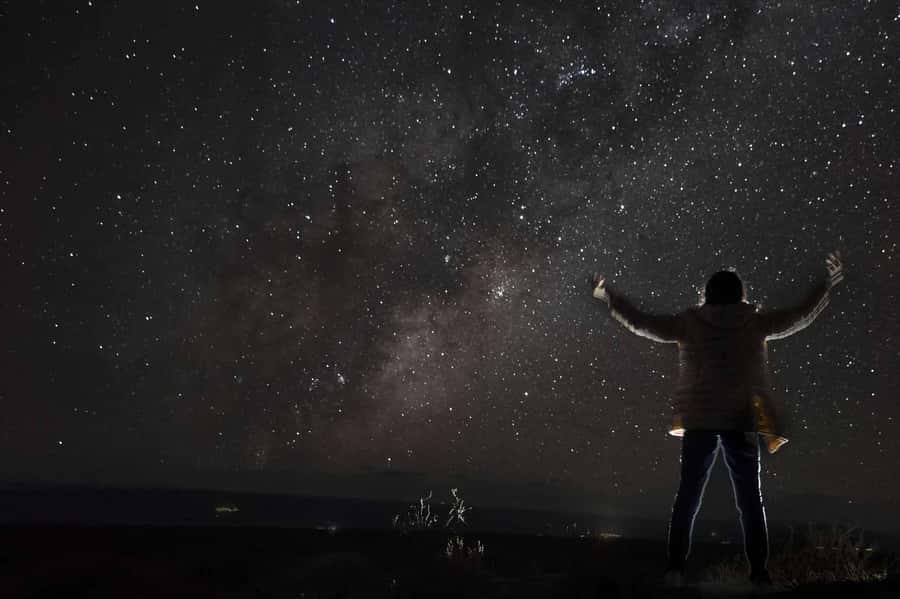
- San Pedro’s dark desert sky: The tour takes advantage of clear conditions and low light pollution in northern Chile.
- Planets, stars, nebulae, and galaxies: The viewing program can include objects at very different distances and scales.
- English and Spanish guidance: A live guide leads the experience in either language.
- Transport beyond town: You do not need to arrange your own way to the observation site.
- Snacks, drinks, and photography included: These extras make a late-night outing easier and give you a record of the experience.
- Four hours advertised, but allow for variation: One dated booking returned after about two and a half hours.
Why San Pedro is a strong place for stargazing
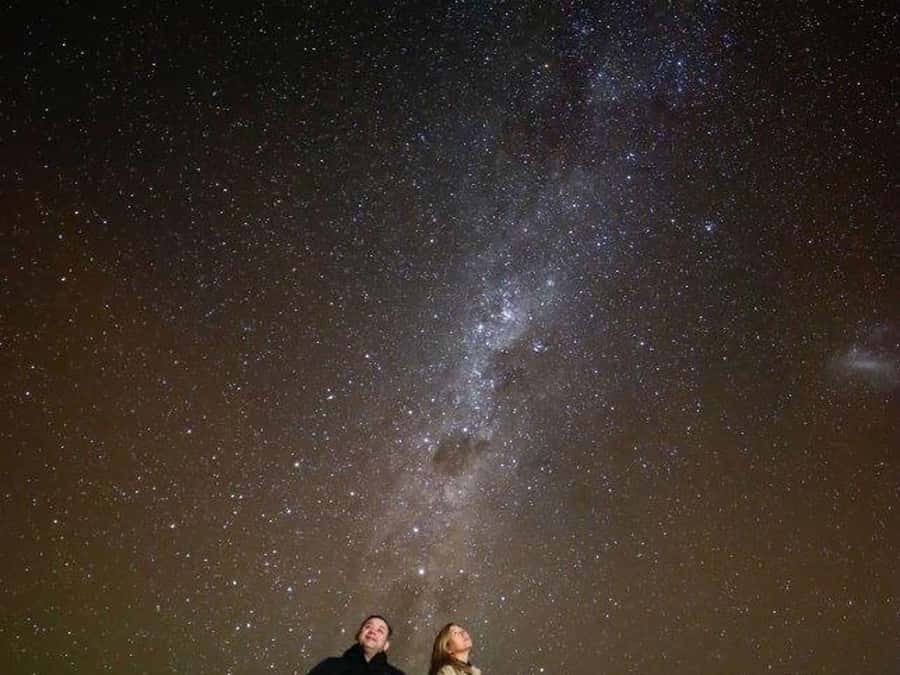
San Pedro de Atacama is in northern Chile, in the Atacama Desert. For this tour, the important features are not only the desert scenery you see by day. The area is promoted for its clear sky and low light pollution, two things that matter greatly after sunset.
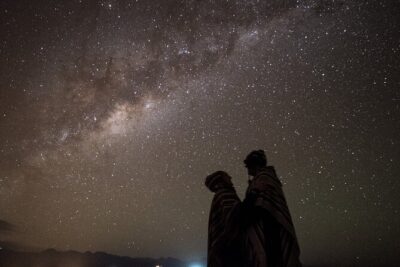
A dark sky gives you more than a few bright stars. It can reveal fainter points of light and larger patterns that disappear near city illumination. That makes the setting useful even before you look through a telescope. I like this kind of tour because it gives you two experiences at once: the naked-eye sky overhead and a closer look at selected objects through optical equipment.
The tour does not provide a fixed list of planets or galaxies. That is normal for astronomy. What you see depends on the night, the position of celestial objects, and the guide’s program. The description specifically identifies planets, stars, nebulae, and distant galaxies, so you should expect the focus to shift rather than follow a rigid sightseeing route.
More stargazing nights in San Pedro De Atacama:
- San Pedro de Atacama: Etno-Stargazing Tour with Transfer
★ 4.8 · 629 reviews - The Roofless Experience San Pedro de Atacama Stargazing Tour
★ 5.0 · 522 reviews - San Pedro de Atacama: Stargazing Experience
★ 4.7 · 489 reviews
Leaving San Pedro for the observation site
Transportation to the observation site is included. That matters because the experience is built around darker skies than you can usually get in a town center. You do not need to solve the practical problem of reaching the viewing area yourself.
The available information does not give a meeting point, driving time, group size, or exact distance from San Pedro. Check those details when you choose a departure time. The tour lasts four hours as advertised, and starting times vary by date, so your evening plans should leave room before and after the stated duration.
The ride itself is not presented as a sightseeing stop. Think of it as the link between town and the astronomy portion. Once you reach the observation site, the central activity is guided viewing with telescopes and other equipment.
A useful tip is to treat the schedule as an estimate rather than a guarantee. One booking returned after approximately two and a half hours, much earlier than the advertised four. That may suit you if you want a shorter evening, but it could disappoint you if you are paying mainly for extended telescope time.
Getting oriented under the Southern Hemisphere sky
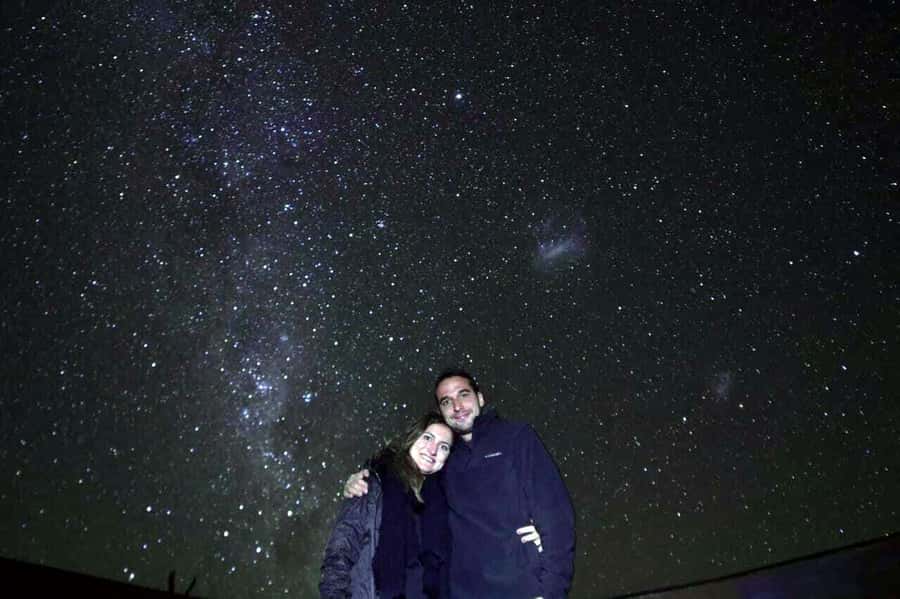
The tour is led by a live astronomy guide in English or Spanish. This is important because a dark sky can be hard to read at first. Without help, you may see thousands of points and have no idea which ones are planets, which form constellations, or where to direct your attention.
The guide’s role is to explain what you are seeing and help you use the observation equipment. The tour description promises expert guidance, information material, and additional observation equipment. Those features are most useful for first-time skywatchers, families, and anyone who wants clear explanations rather than a silent telescope queue.
I would especially value the information material if you want to remember what you saw later. Astronomy can become a blur of names and bright points in the moment. Written support gives you something to refer to after the tour.
The experience is suitable for different levels of interest, from beginners to experienced amateur astronomers. Still, the details do not establish that it is designed for professional research or advanced technical observation. If you already use sophisticated astronomy equipment, you may want to confirm exactly which telescopes and accessories are available before booking.
What you may see through the telescopes
The tour highlights four broad categories of objects: planets, stars, nebulae, and distant galaxies. Each offers a different kind of reward.
Planets are often the easiest objects to appreciate through a telescope because they can appear as distinct disks rather than simple points of light. The tour does not promise particular planets on a specific night, so the available targets will change.
Stars can be interesting through equipment, but the main pleasure may come from learning how individual stars fit into larger patterns. The clear desert sky also gives you a strong naked-eye experience, which is important because not every object looks dramatically different through a telescope.
Nebulae are clouds of gas and dust spread across space. Their appearance through a telescope can vary with conditions and equipment. The tour includes the chance to observe them, but it does not specify which nebulae or how detailed the views will be.
Distant galaxies give the evening its biggest sense of scale. These objects are far beyond our own galaxy, and even a small visible patch can make the universe feel much larger than a list of sightseeing stops ever could. Again, the practical result depends on the equipment and night conditions.
One report raised a clear concern: the modern telescope promised in the tour did not show more than the unaided eye. That is a serious point for anyone booking mainly for high-powered viewing. Equipment quality, setup, and the objects selected all matter. I would regard the telescope portion as an opportunity rather than a guaranteed close-up spectacle.
More things to do in San Pedro de Atacama:
- San Pedro de Atacama: El Tatio Geysers Tour
★ 4.7 · 943 reviews - Tour to the Hidden Lagoons of Baltinache
★ 5.0 · 694 reviews - Piedras Rojas, Altiplanics Lagoons & Salar Full-Day Tour
★ 4.7 · 592 reviews - Half Day Tour to Geysers del Tatio
★ 5.0 · 499 reviews
Snacks, drinks, and photography
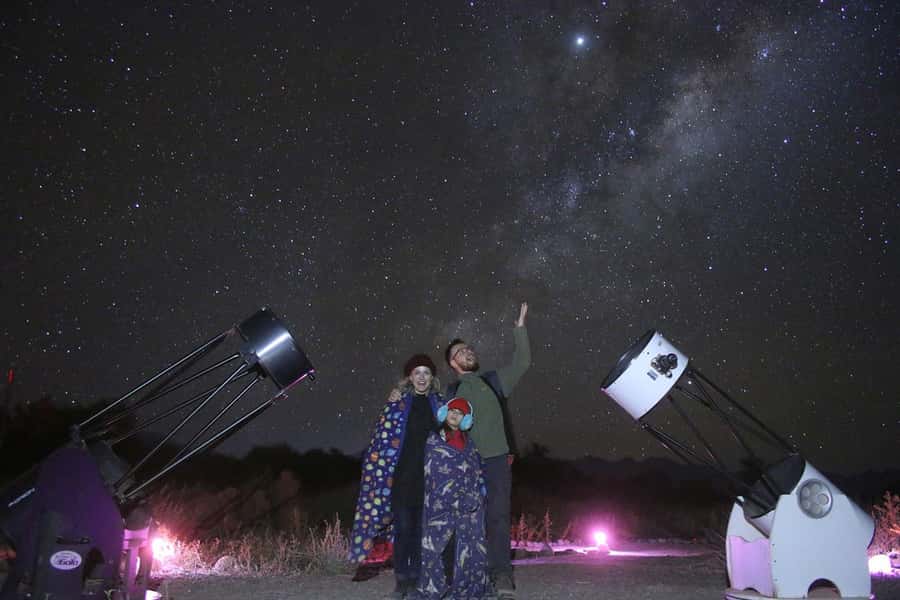
Snacks and drinks are included. That is a modest detail, but a useful one during a late-night outing. You do not need to plan your own refreshments for the observation period, although the available information does not describe the menu or quantity.
Photography of the experience is also included. This can mean a useful record of the evening, especially if you want a picture connected to the tour itself. Do not assume it means detailed telescope images of every planet or galaxy. The description promises photography of the experience, not a specific type of astrophotography.
Additional observation equipment comes with the tour as well. The exact items are not listed, so you should ask if you have a particular tool in mind. The phrase could cover equipment used during the guided session, but it does not tell you the model, power, or technical quality of the telescopes.
These inclusions help the $63 price feel more reasonable than a basic transfer to a dark location. You are paying for transport, a guide, viewing equipment, refreshments, information material, and photography. The value becomes less certain if the tour finishes early or the telescope views do not improve on what you can see with your eyes.
How the four-hour schedule affects the value
Four hours is a useful length for an evening astronomy program. It allows time for transport, an introduction, guided viewing, and a pause for snacks or questions. It also gives the guide room to discuss more than one kind of celestial object.
But the advertised duration needs a footnote. One verified booking came back after around two and a half hours. That is roughly 90 minutes shorter than expected. If you have dinner plans, an early morning excursion, or a strict bedtime for children, an earlier finish may be welcome. If you want a full night under the stars, it is a drawback.
The tour does not provide a detailed, minute-by-minute schedule. I would therefore avoid booking another activity immediately after it. Check availability for the actual starting time, allow flexibility for the return, and ask the provider how long the group normally spends at the observation site.
The lack of a fixed viewing list also means you cannot judge the evening by counting telescope targets. A good session may focus on a small number of objects with clear explanations. A weaker session may move quickly between equipment and leave you feeling you saw less than expected.
Who will get the most from this experience
I think this tour suits you best if you are already staying in San Pedro and want a structured introduction to the night sky. It is especially practical for people who do not have a car, do not own astronomy equipment, or would rather have an English or Spanish guide point out what matters.
Families may appreciate the broad appeal. Children and adults can look at planets and stars, ask questions, and share the sense of scale that comes from seeing distant objects. The four-hour schedule may be tiring for younger children, though the actual evening can be shorter depending on the operator’s timing.
It also works for casual astronomy fans who want a memorable desert night without buying equipment. The included transport and guide reduce the planning required.
I would be more cautious if you are an experienced astronomer expecting advanced equipment or detailed astrophotography. The available information does not identify telescope brands, magnification, camera systems, or technical specifications. The $63 price is easier to justify for a guided experience than for specialist observation.
Price, flexibility, and cancellation
At $63 per person, the tour sits in a reasonable range for a four-hour activity that includes transport, a live guide, snacks, drinks, information material, photography, and extra observation equipment. The value depends heavily on how much of the advertised time you receive and how well the telescope session is run.
Free cancellation up to 24 hours before the activity gives you useful protection if the weather or your plans change. You can also reserve now and pay later, which helps if you are arranging several activities in San Pedro and want to keep your schedule flexible.
The rating shown for the experience is 4.5 from three reviews, but the individual feedback is not uniformly positive. The two out of five account from December 21, 2024 raises specific concerns about the shorter duration and telescope performance. I would not ignore those details simply because the overall score is high.
A practical way to prepare
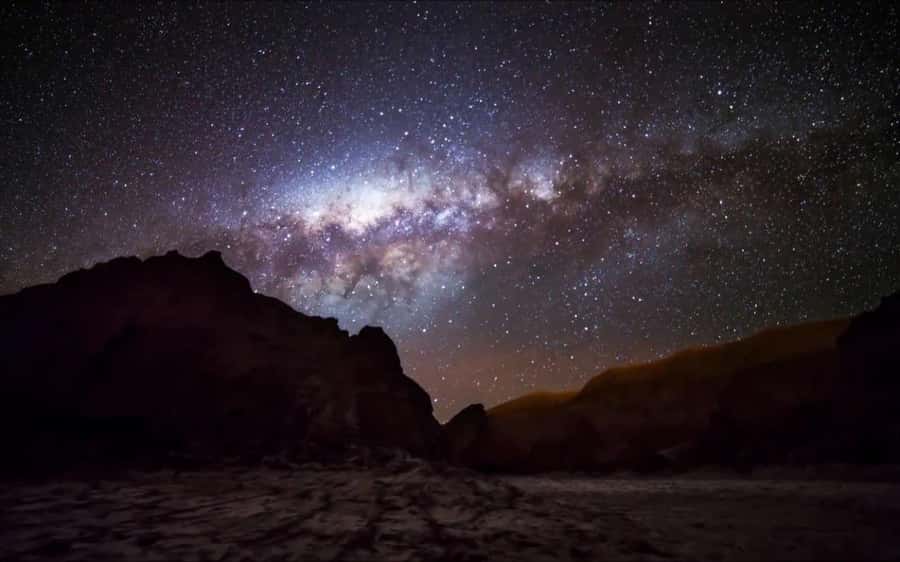
You do not need prior astronomy experience. The guide is there to explain the sky and operate or assist with the observation equipment.
Before booking, I would confirm three points:
- The exact meeting point and departure time
- The expected time at the observation site
- What telescopes and additional equipment will be available
Those questions matter because the published details do not identify the group size, telescope specifications, observation site distance, snack selection, or photography format.
Bring realistic expectations. The desert setting and dark sky may be the highlight, even if a particular telescope view is faint. Look up first, listen to the guide, and treat the equipment as one part of the experience rather than the entire reason to go.
Should you book this San Pedro astronomy tour?
Book it if you want a convenient, guided night under one of northern Chile’s clearest skies. The English and Spanish guidance, transportation, refreshments, and included equipment make it a simple choice for first-time skywatchers and visitors without their own plans.
Think twice if you require a full four-hour program or advanced telescope viewing. The early return recorded on December 21, 2024 and the report of limited telescope improvement are real reasons to ask questions before paying. For $63, I would book this as a relaxed introduction to the stars, not as a specialist observatory session.
FAQ
Where does the astronomical tour take place?
The tour is based in San Pedro de Atacama in northern Chile and includes transportation to an observation site.
How long does the tour last?
The advertised duration is four hours. One booking returned to San Pedro after approximately two and a half hours, so the actual timing may vary.
What can I see during the tour?
The experience focuses on planets, stars, nebulae, and distant galaxies. The exact objects available are not specified.
Is transportation included?
Yes. Transportation to the observation site is included in the price.
Is an astronomy guide included?
Yes. A live expert astronomy guide leads the tour.
What languages are available?
The guide is available in Spanish and English.
Are snacks and drinks included?
Yes. Snacks and drinks are included, though the specific items are not listed.
Is photography included?
Yes. Photography of the experience is included.
Can I cancel for a refund?
You can cancel up to 24 hours in advance for a full refund. You can also reserve now and pay later.
Just added in San Pedro De Atacama
- Atacama Desert and Magic Bus Visit★ 4.8 · 15 reviews
- Vallecito★ 4.7 · 13 reviews
- San Pedro de Atacama: Valle de la luna★ 3.0 · 3 reviews
- Valle de la Luna: A Moon-Like Escape in Atacama★ 5.0 · 3 reviews
- Triple Tour: Piedras Rojas + Altiplanic Lagoons + Chaxa Lagoon★ 5.0 · 1 review
- Red Stones + Altiplánica Lagoons★ 5.0 · 1 review
- Atacama Stargazing Tour Under One of the World’s Clearest Skies★ 4.0 · 3 reviews
- Tour to Laguna Cejar and Tibenquinche★ 4.5 · 7 reviews
Stargazing and Observatory Tours, compared.
The Roofless Experience San Pedro de Atacama Stargazing Tour
Read our review →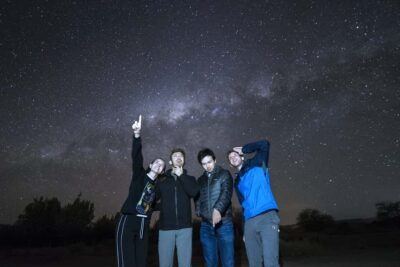
Astronomical Tour with Guide and Pick Up San Pedro de Atacama
Read our review →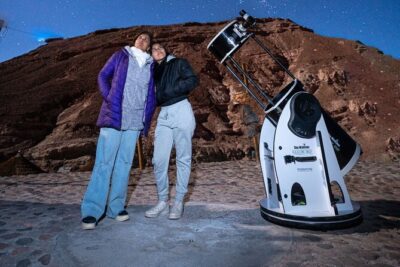
“Astronomical Adventure in San Pedro de Atacama”
Read our review →Browse the lists this tour appears in