
REVIEW · 3-DAY EXPERIENCES
UYUNI SALT FLAT 3DAYS/2NIGHTS-CLASSIC TOUR FROM UYUN-BOLIVIA
Salt, volcanoes, flamingos, and a desert of stone. This three-day trip from Uyuni packs Bolivia’s most dramatic sights into one long, rugged circuit, from the old Train Cemetery to Laguna Verde beneath Licancabur Volcano. I especially like the combination of Incahuasi Island and its giant cacti with the remote lagoons and geysers of the Eduardo Abaroa Reserve. I also like the choice of finishing in San Pedro de Atacama or returning to Uyuni. The main consideration is comfort: two nights are spent in basic accommodation, and much of the route runs at high altitude.
The tour costs $280 per person, including transport, a guide, meals, and two nights of accommodation. You must add the national park fee of 217 Bolivian bolivianos per person, plus 150 Bs, or $20, for the border transfer if you finish in Chile. A five-star assessment from Sophie of Germany, dated January 18, 2026, praised the trip as well organized and full of sights, which fits the appeal here: you see a great deal in a short time, but you need to be ready for early starts, cold conditions, and long drives.
In This Review
- Key points at a glance
- Why this three-day route works
- Day 1: From rusting trains to the white Salar de Uyuni
- Day 2: Volcano smoke, flamingo lagoons, and the Stone Tree
- Day 3: Geysers at 4,964 meters and a Chile border finish
- What the $280 price really covers
- Who will enjoy this tour most
- A few practical ways to prepare
- Should you book the Uyuni classic tour?
- FAQ
- How long is the Uyuni classic tour?
- Where does the tour start?
- What languages are available for the guide?
- Is food included?
- Are national park tickets included?
- Can the tour finish in San Pedro de Atacama?
Key points at a glance
- Uyuni’s Train Cemetery begins the trip: Rusting 19th-century machinery makes a striking opening stop close to town.
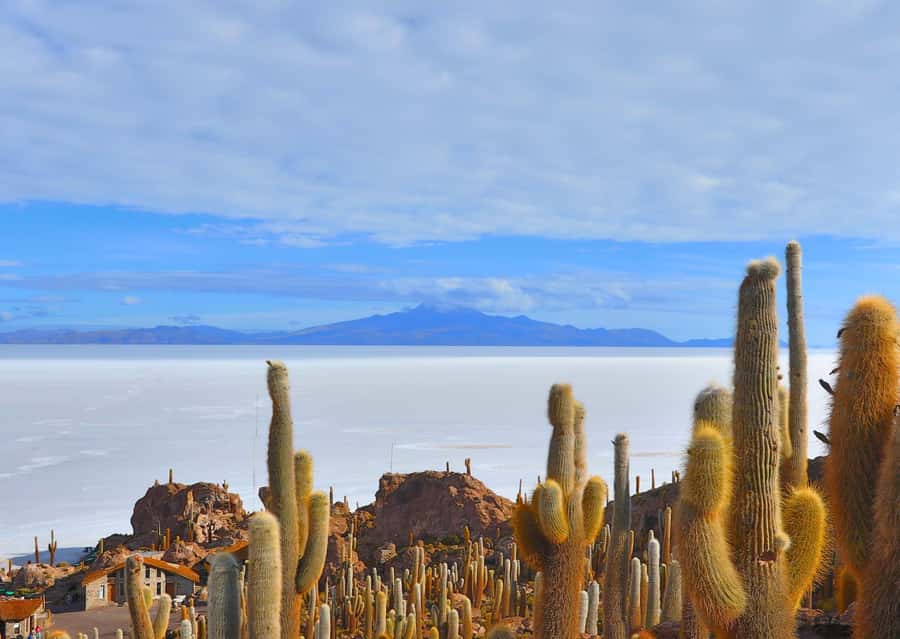
- Incahuasi Island breaks up the salt flats: Giant cacti and broad views give you a better sense of the Salar’s enormous scale.
- Five high-altitude lagoons fill Day 2: Cañapa, Hedionda, Honda, Chiarcota, and Ramaditas are used by flamingos.
- The Siloli Desert has its famous Stone Tree: This naturally shaped rock is one of the route’s most recognizable sights.
- Day 3 reaches 4,964 meters: Geysers, Polques Hot Springs, Laguna Blanca, and Laguna Verde make for a powerful final morning.
- Two endings make the route useful: Continue to San Pedro de Atacama, or return to Uyuni through Alota and San Cristóbal.
Why this three-day route works

The classic circuit succeeds because it keeps moving. You do not spend three days looking at only one salt flat. Instead, the scenery changes from industrial ruins to white salt, cactus-covered island, volcanic rock, colored lagoons, hot springs, and high mountain desert.
That variety matters. The Salar de Uyuni is the headline attraction, but the second and third days often provide the most surprising sights. The salt flat is visually enormous and almost abstract. Then the route heads into places where flamingos feed near lagoons and smoke rises from an active volcano. You get contrast rather than repetition.
The group is limited to 15 people, which is a useful middle ground. You are not booking a private trip, but the group is still small enough for a guide to manage the day without the feel of a large coach excursion. English and Spanish are offered, so check that your preferred language is available for your departure.
The schedule is demanding. Day 1 begins at 10:00 a.m., Day 2 at 8:00 a.m., and Day 3 at 5:00 a.m. Those early hours are not filler. The geysers are a central part of the final morning, and the route is designed to reach them before the day progresses.
Other trips worth a look in Chile:
- Valparaiso Port and Viña del Mar with Casablanca Wine Tasting
★ 5.0 · 6,110 reviews - Santiago: Cajon del Maipo/Embalse del Yeso Tour with Picnic
★ 4.3 · 3,789 reviews - Santiago: Vina Del Mar, Valparaiso, Casablanca & Reñaca Tour
★ 4.2 · 2,838 reviews
Day 1: From rusting trains to the white Salar de Uyuni
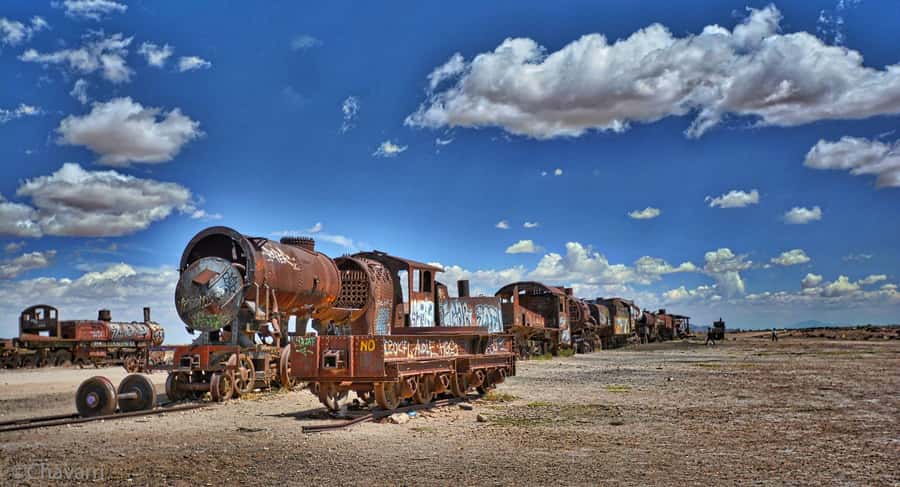
The first stop is the Train Cemetery, where old 19th-century machinery sits outside Uyuni. Rust, open sky, and skeletal train cars make this a memorable introduction to the area. It is a short visit, but it gives you a glimpse of Uyuni’s industrial past before the salt and volcanoes take over.
Next comes Colchani, a town linked to the local salt trade. You can learn about the salt process and look at crafts made from salt, along with llama and alpaca textiles. This stop gives the salt flat a human connection. You are not just seeing a huge white surface; you are also seeing how nearby communities work with the mineral and sell handmade goods.
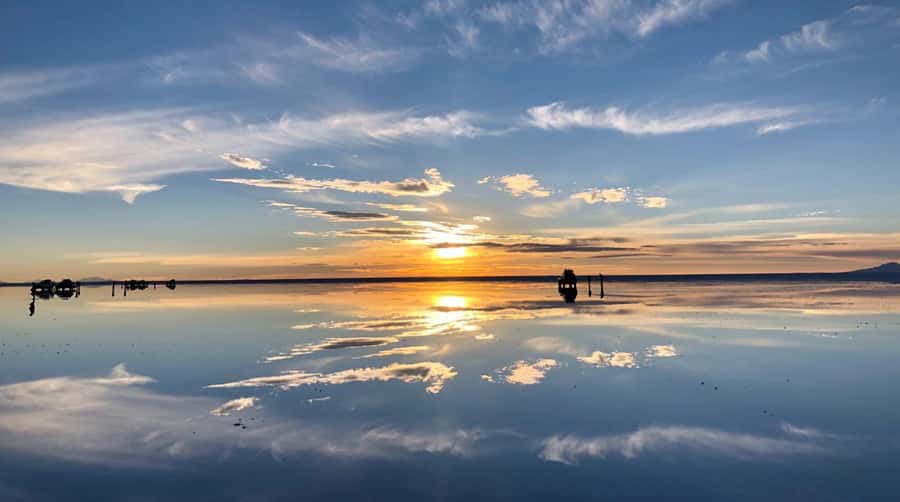
The main event is the Salar de Uyuni. The route includes Salt Piles and the Ojos del Salar, or salt eyes, where water can appear through the crust. These features help you read the flat as a natural place rather than a blank white field.
The tour also visits the Salt Hotel, described here as the only Salt Hotel and now used as a museum. Salt has been used in the building, making it a fitting place to pause during a day centered on the mineral. You should not expect a conventional hotel visit. Think of it as a themed museum stop tied closely to the setting.
Incahuasi Island brings a sharp change in scenery. Giant cacti rise from the island, while the surrounding salt gives you wide views in every direction. The contrast is the point: a dark, rocky island covered in tall plants sits inside one of the world’s most striking salt environments.
Lunch is served in this unusual setting. The included meals add real value because the tour takes you far from ordinary restaurants. At the end of the day, you continue to Puerto Chuvica and spend the night in a salt hostel.
That accommodation is part of the experience, but you should keep your expectations practical. The description confirms a salt hostel, not hotel-style comfort. Bring warm layers and be ready for a basic overnight stop after a full day on the road.
Day 2: Volcano smoke, flamingo lagoons, and the Stone Tree
Day 2 starts at 8:00 a.m. at the Ollague Volcano viewpoint. Ollague is active, and you can observe smoke from the volcano. The viewpoint offers an important reminder that the region is not simply dry and empty. Heat, rock, salt, and volcanic activity continue to shape the area.
The route then visits five lagoons: Cañapa, Hedionda, Honda, Chiarcota, and Ramaditas. Flamingos use these waters, making the lagoons a high point for wildlife as well as scenery. The exact number of birds can vary, so you should enjoy the setting without expecting a guaranteed close encounter or a particular species count.
This is also the day when the trip becomes more remote. You spend long stretches moving between lagoons, volcanic formations, and open desert. That can feel slow if you want constant activity, but it is exactly what makes the route feel far removed from town.
In the Siloli Desert, the Stone Tree is the signature stop. Wind erosion shaped the rock into a form that resembles a tree, and it has become one of the area’s best-known natural features. The stop is brief compared with the drive, but the rock is an excellent example of how the desert creates its own monuments.
The day ends at Laguna Colorada, the gateway to the Eduardo Abaroa Reserve. Its colored water can make it one of the most memorable stops of the circuit. The tour then spends the night in Huayllajara, a mountain refuge near the lagoon.
Again, this is a basic overnight setting rather than a comfort-focused hotel stay. The altitude and cold are part of the challenge. I would pack gloves, a hat, warm socks, and layers you can add or remove. The supplied details do not promise heating, private facilities, or a particular room arrangement, so it is best to prepare for simple conditions.
Day 3: Geysers at 4,964 meters and a Chile border finish
The third day starts at 5:00 a.m. That early departure takes you to the geysers at 4,964 meters above sea level. This is the highest point listed on the route, so altitude is not a minor detail. Move slowly, drink water, and pay attention to how you feel. The schedule gives you little room for a late start.
The geysers bring steam, heat, and volcanic activity into the cold morning. Afterward, you visit the Polques Hot Springs and have a hot breakfast. That order makes sense. The springs provide a warm pause after the pre-dawn start, while breakfast helps you recover before the next set of stops.
You then cross the Salvador Dalí Desert. The name points to the strange, isolated rock shapes scattered through the area, though the supplied tour details do not specify a separate stop or viewing time. Your guide will direct you through this section as the route continues toward the lagoons.
Laguna Blanca and Laguna Verde come next, below Licancabur Volcano. The two lagoons provide a strong final pair. Licancabur gives the scene a dramatic mountain backdrop, while the lagoon colors add contrast to the dry volcanic setting.
At this point, you have two possible endings. The first takes you to San Pedro de Atacama, with a transfer to the Bolivia-Chile border at Hito Cajones and onward transfer. This option is useful if you are continuing through northern Chile. The border transfer ticket costs 150 Bs or $20 and is not included in the tour price.
The second option returns to Uyuni. On this route, you explore the Valley of Rocks in Alota and visit the town of San Cristóbal before arriving in Uyuni at about 6:00 p.m. This is the better choice if your next plans begin in Bolivia or you want the trip to finish where it started.
A completely different kind of day out:
- Cable Car, Funicular and Sightseeing Bus in Santiago one day
★ 5.0 · 2,325 reviews - Small-Group Cajón del Maipo Full-Day Tour and Picnic
★ 4.5 · 2,277 reviews - Tour to Valparaíso, Viña del Mar, Pablo Neruda Museum and Vineyard
★ 5.0 · 2,273 reviews - Maipo Valley Wine Tour with 4 vineyards from Santiago.
★ 5.0 · 1,983 reviews
What the $280 price really covers
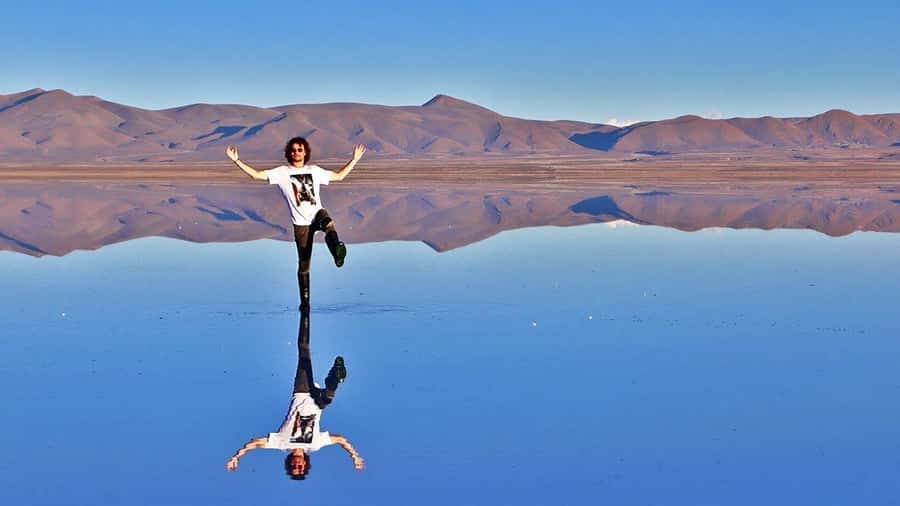
At $280 per person, the price is reasonable for a three-day route that includes transportation, a guide, food, and two nights of accommodation. The value comes from the distance covered and the number of major stops, not from luxury.
You are paying for a coordinated route through places that are difficult to connect independently in such a short time. The trip includes the salt flat, Incahuasi Island, the Ollague viewpoint, five lagoons, Siloli Desert, Laguna Colorada, geysers, hot springs, Laguna Blanca, and Laguna Verde.
The extra costs need to be part of your calculation. The national parks fee is 217 Bs per person. If you finish in Chile, add the 150 Bs or $20 border transfer ticket. These charges bring your true trip cost above the advertised $280, so budget for them before booking.
Meals are included, which is especially useful once the route leaves Uyuni. Accommodation is also included, but the salt hostel and mountain refuge indicate a simple trip. If you want private rooms, upgraded meals, or hotel comfort, you should ask for those details before paying.
Free cancellation up to 24 hours in advance and the option to reserve now and pay later make the booking less rigid. Those terms are helpful when your wider Bolivia or Chile plans are still changing, but they do not alter the basic demands of the trip: high altitude, cold nights, and a packed schedule.
Who will enjoy this tour most
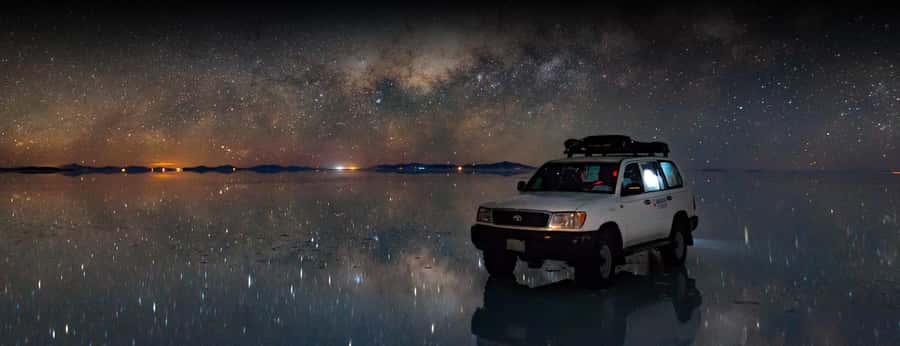
I would recommend this trip to you if you want the major Uyuni sights in a single organized route and do not want to arrange remote transport yourself. It suits people who value scenery, geological features, wildlife, and variety more than comfort.
The trip is also a good match if you are connecting Bolivia with northern Chile. The San Pedro de Atacama ending saves you from returning to Uyuni, while the return option works well for a Bolivia-focused itinerary.
You should think twice if you dislike basic accommodation or long hours in a vehicle. The tour covers a large area in three days, and the 5:00 a.m. start on Day 3 is a serious one. The altitude may also be difficult, especially at the geysers, which sit nearly 5,000 meters above sea level.
Because the group can reach 15 people, you will have less control over timing than on a private tour. That is the tradeoff for the lower price. The guide, food, and transport are bundled together, but your day follows the group schedule.
A few practical ways to prepare
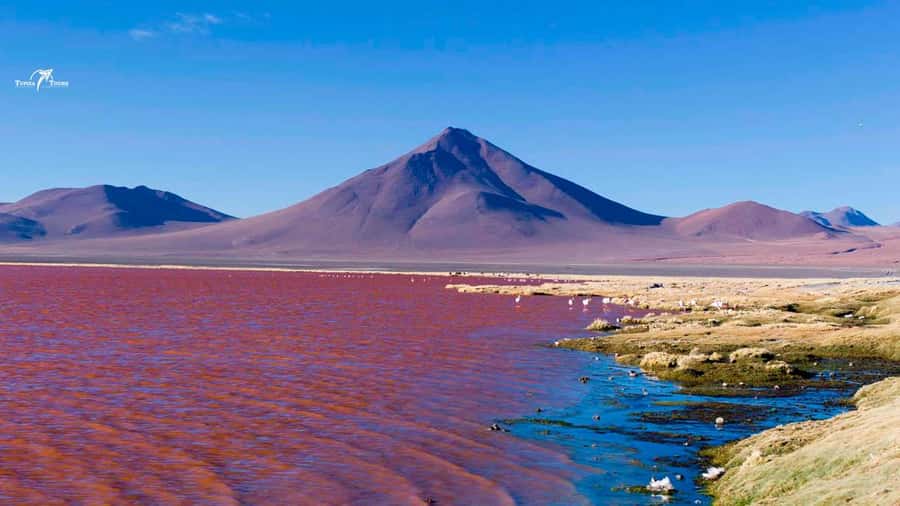
- Pack warm clothing for both nights, especially for Huayllajara near Laguna Colorada.
- Bring enough layers for the 5:00 a.m. geyser visit and the high point at 4,964 meters.
- Set aside 217 Bs for national park tickets.
- Add 150 Bs or $20 if you choose the border transfer to San Pedro de Atacama.
- Decide before departure if you want the Chile ending or the return to Uyuni.
- Keep small funds available for crafts at Colchani, including salt products and llama or alpaca textiles.
- Use the early starts to your advantage. The geysers and morning light are key parts of the final day.
Should you book the Uyuni classic tour?
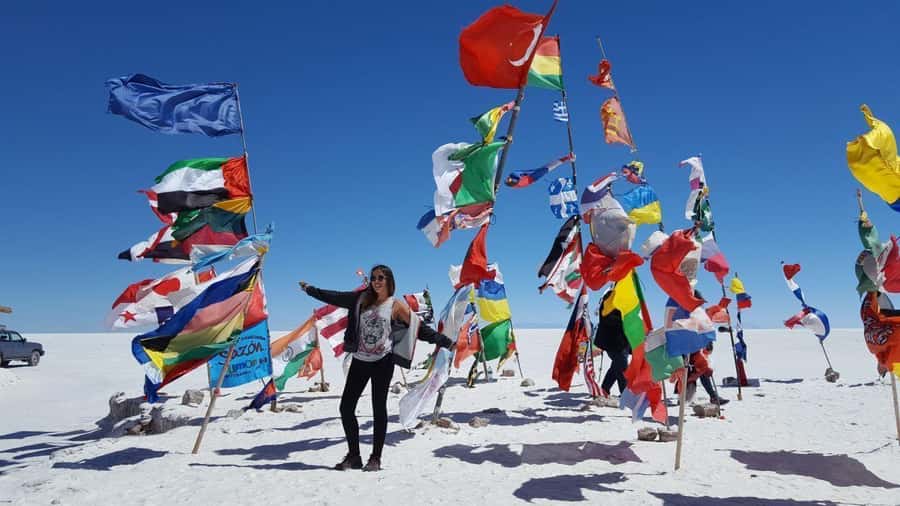
Book it if you want a broad, value-focused introduction to Uyuni and the surrounding high desert. The route offers much more than the salt flat itself, and the two ending options make it practical for both Bolivia and Chile itineraries.
Skip it if your priority is comfort, private transport, or a relaxed pace. This is a full route with simple accommodation and demanding altitude. For the right person, though, the combination of salt, cactus, flamingos, volcanic smoke, hot springs, and colored lagoons makes the $280 starting price a strong deal, provided you budget for the park and border fees.
FAQ
How long is the Uyuni classic tour?
The tour lasts three days and includes two nights of accommodation.
Where does the tour start?
The tour starts from a meeting point in Uyuni, Bolivia, at 10:00 a.m. on Day 1.
What languages are available for the guide?
The tour offers a live guide in Spanish and English.
Is food included?
Yes. Food is included in the tour price, including a hot breakfast after the Polques Hot Springs visit on Day 3.
Are national park tickets included?
No. National park tickets cost 217 Bolivian bolivianos per person and must be paid separately.
Can the tour finish in San Pedro de Atacama?
Yes. You can finish in San Pedro de Atacama with a transfer to the Bolivia-Chile border at Hito Cajones and onward transfer. The border transfer ticket costs 150 Bs or $20.
Just added in Chile
- Ascent to Villarrica volcano 2,847masl, from Pucón★ 4.8 · 36 reviews
- Volcanic Refuges: Excursion to Underground Civilization★ 4.7 · 8 reviews
- Walking City Tour with Funicular, Cable Car and Tasting★ 4.3 · 6 reviews
- Viña del Mar and Reñaca 4-Hour Pacific Coast Tour★ 4.7 · 14 reviews
- Viña del Mar and Valparaiso: guided day tour★ 4.2 · 8 reviews
- Viña del Mar y Valparaíso – Full Day★ 5.0 · 1 review
- Private: Viña del Mar and Valparaiso Day Tour★ 5.0 · 5 reviews
- VIÑA DEL MAR AND VALPARAISO TOUR★ 4.8 · 20 reviews
3-Day Experiences, compared.

5 Fantastic Tours in the Atacama Desert in 3 Days
Read our review →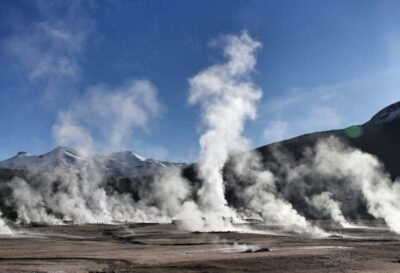
Browse the lists this tour appears in