
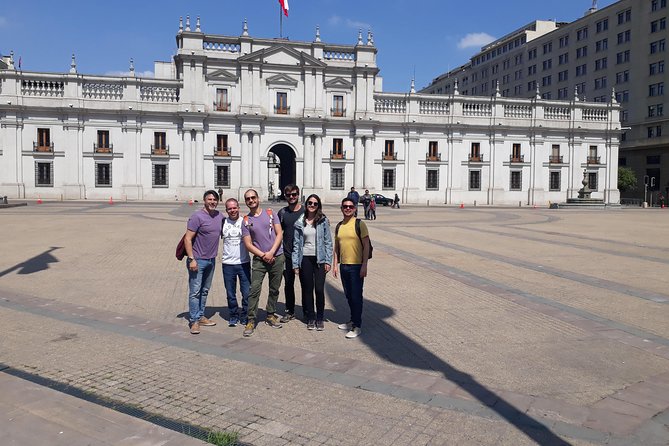
REVIEW · WALKING TOURS
Santiago Walking Tour: Heart of Santiago, Queer History & Culture
Santiago’s center tells more than one story. This walking tour links Chile’s political past with the often-overlooked history of LGBTQ+ life, moving from La Moneda to Plaza de Armas, Santa Lucía Hill, and Lastarria. I like the honest look at the 1973 breakdown of democracy, and I like that the tour connects public places with personal stories of identity, protest, and belonging. The main consideration is the walking: the route can last two to four hours, with Santa Lucía Hill adding slopes and steps.
Freddy is the guide most often associated with this experience, and his warm, flexible approach is a major part of its appeal. He has helped solo visitors use the metro, adjust meeting plans after flight delays, and choose places to eat or go out. The maximum group size of 10 keeps the walk reasonably personal, though the amount covered may feel brisk if you want long visits inside the cathedral or museums.
In This Review
- Key points to know before you book
- Why this Santiago walk is different
- La Moneda and the memory of political change
- Plaza de la Constitución and the 1973 turning point
- The Court Palace and Santiago’s visual clues
- Plaza de Armas, where the city’s official story gets tested
- Santa Lucía Hill, history with a city view
- Ending in Lastarria with food and local orientation
- What $65 buys you
- Guide style and the personal touch
- Who should book this walk
- My booking advice for Santiago
- Should you book the Heart of Santiago walk?
- FAQ
- Where does the tour begin?
- Where does the tour finish?
- How long does the tour last?
- How much does the tour cost?
- What places does the route include?
- Is the tour focused on LGBTQ+ history?
- How large can the group be?
- Are admission tickets included?
- Can I cancel for a full refund?
- What happens if weather or minimum participation cancels the tour?
Key points to know before you book
- Political history meets queer history: The route explains La Moneda, the 1973 coup and democracy’s development alongside Chile’s LGBTQ+ story.
- A central Santiago route: You walk from La Moneda through Plaza de Armas and Santa Lucía Hill, ending in Lastarria.
- Plaza de Armas gets the most time: This is the main place for city origins, official myths, historic buildings, and the site of Chile’s first LGBTQ+ protest.
- Freddy adds practical help: He has assisted with metro orientation, restaurant ideas, nightlife suggestions, and safety advice.
- Small groups matter: The tour accepts no more than 10 people, and some departures may feel almost private.
- Budget $65 for two to four hours: That is fair if you want a personal guide and social context, less so if you only need a quick highlights walk.
Why this Santiago walk is different
Many central Santiago walks stay with grand buildings, colonial dates, and standard city milestones. This one asks who was included in the official story and who was left out. That changes the way you look at familiar places.
La Moneda is not just a photogenic government palace. Plaza de Armas is not just a convenient meeting point. Santa Lucía Hill is not only a lookout. Each place becomes a setting for political change, social memory, and the lives of people who did not always have a public voice.
I especially like the pairing of Chilean democracy and LGBTQ+ culture. The two subjects are not treated as separate chapters. The tour explains how political repression affected cultural and LGBT development, then follows that story into protest, acceptance, and public life.
This is a good choice if you want more than dates and façades. It is also useful early in a Santiago stay because the guide can help you get oriented. Freddy has met solo visitors at hotels, introduced them to the metro, and shared suggestions for sights, restaurants, nightlife, and safety. Those details can save you time later.
More Walking Tours in Santiago
- The best walking tour in Santiago de Chile
★ 5.0 · 629 reviews - Santiago Half-Day Walking Tour with Hotel Pick up & Food Sample
★ 4.5 · 467 reviews - A Fabulous Walking tour by the Old Santiago of Chile –
★ 5.0 · 466 reviews
La Moneda and the memory of political change
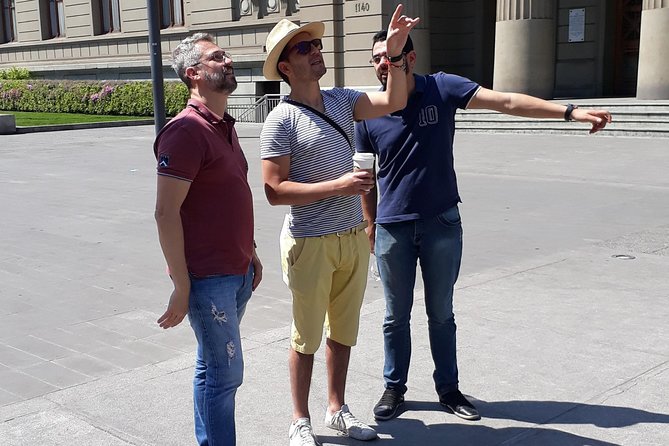
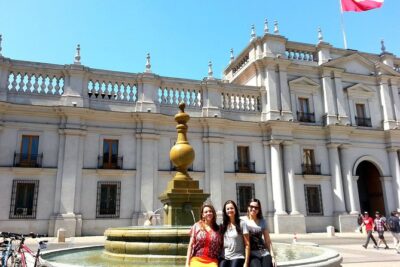
The tour begins at La Moneda Palace, one of Santiago’s key civic landmarks. You spend about 15 minutes here, hearing about the building and the development of democracy in Chile since the 1970s.
The stop is brief, but its position at the beginning makes sense. La Moneda gives the tour a clear political starting point. You are looking at a working symbol of national power before moving into the harder questions surrounding the collapse of democracy in 1973.
It is also a good place for photographs. The open setting gives you time to take pictures without turning the whole stop into a photo session. If architecture is your main interest, 15 minutes will feel short. If you want context before walking onward, it is enough to set up the story.
The guide’s role matters here. Political history can become a list of names and dates, but Freddy’s style, as described by past participants, combines national history with personal perspective. That makes the material easier to connect with, especially if you know little about Chile before arriving.
Plaza de la Constitución and the 1973 turning point
Across from La Moneda, Plaza de la Constitución continues the political story. The stop lasts roughly 15 minutes and focuses on the breakdown of democracy in 1973, including its effects on culture and LGBTQ+ development in Chile.
This is one of the most valuable parts of the walk because it gives social context to the buildings around you. You are not only hearing what happened to government institutions. You are also considering how political conditions shaped public expression, minority rights, and the ability of LGBT people to organize or be visible.
The subject deserves attention. This is not a lightweight sightseeing route dressed up with a few colorful details. Political repression and social acceptance are treated as connected issues. If you want a tour that avoids difficult subjects, this may not be your best pick. If you want to understand why modern Santiago contains both public celebration and memories of fear, this stop gives the route purpose.
I would pay close attention to the guide’s pacing here. Fifteen minutes is enough for a clear introduction, but not for a full lecture on Chilean politics. You can ask questions, and a small group should make that easier. Still, visitors who want a detailed political tour may need to continue learning at a museum or through independent reading.
The Court Palace and Santiago’s visual clues
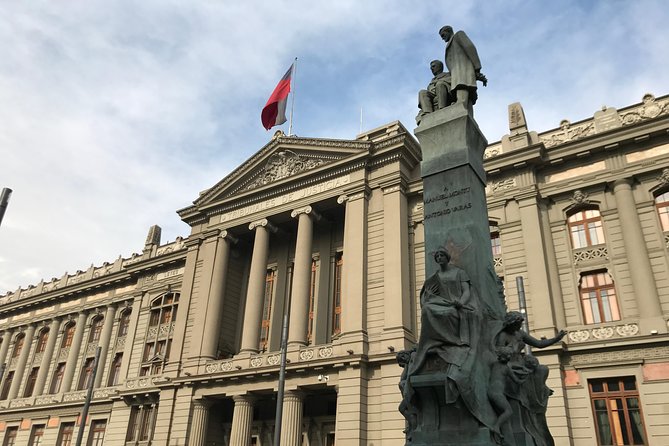
The Palacio de Tribunales de Justicia receives a quick stop of about five minutes. The focus is the architecture around the Court Palace and the hidden messages built into the structures.
Five minutes does not leave room for a long architectural study. Think of this as a sharp pause that helps you notice details you might otherwise walk past. The phrase hidden messages points to symbolism in the construction, though the supplied details do not specify exactly what you will see.
That uncertainty is worth keeping in mind. You should expect interpretation rather than a formal architectural tour. The stop works best for curious walkers who enjoy being shown something small and easy to miss. It may feel too brief if courts, civic buildings, or design are your main reason for booking.
More history tours in Santiago:
- Santiago: Guided Walking Tour of the Historical Old Town
★ 4.8 · 459 reviews - Tour Viña Santa Rita: History, Wine and Picnic Outdoors
★ 4.5 · 141 reviews - Viña Del Mar and Valparaiso world heritage site.
★ 4.5 · 89 reviews - Essence of Santiago : History, Flavors and Panoramic Views
★ 5.0 · 45 reviews
Plaza de Armas, where the city’s official story gets tested
Plaza de Armas is the heart of the route, and the tour spends about 30 minutes here. Before entering the main square, you stop to learn how LGBT people once met in Santiago. That detail shifts the square from a public monument to a place of private networks and coded social life.
The discussion then widens to the origins of the city and the difference between official history and the truths that official history can leave out. I like this approach because historic centers often present a polished story. Here, you are encouraged to ask who created the record, who benefited from it, and whose experiences were harder to document.
You have time to look at several important buildings, including the cathedral and the National Museum. The tour does not promise lengthy interior visits, so treat these as opportunities to see and discuss the buildings rather than guaranteed guided museum tours. If you want to spend an hour inside either one, plan a separate visit.
The square also contains the site associated with Chile’s first LGBT protest. That is a powerful stop because it connects the earlier discussion of hidden meetings with public activism. The story moves from private survival to visible demands for diversity and acceptance.
With only 30 minutes, you will need to choose your questions. I would ask the guide to explain how the square changed over time and how the protest site fits into Chile’s wider LGBT movement. Freddy’s personal and welcoming style appears well suited to that kind of conversation.
Plaza de Armas is also where the tour can feel most crowded and distracting, depending on conditions. The group size is capped at 10, which helps, but you will still be in a busy central public space. Keep your attention on the guide and your belongings close.
Santa Lucía Hill, history with a city view
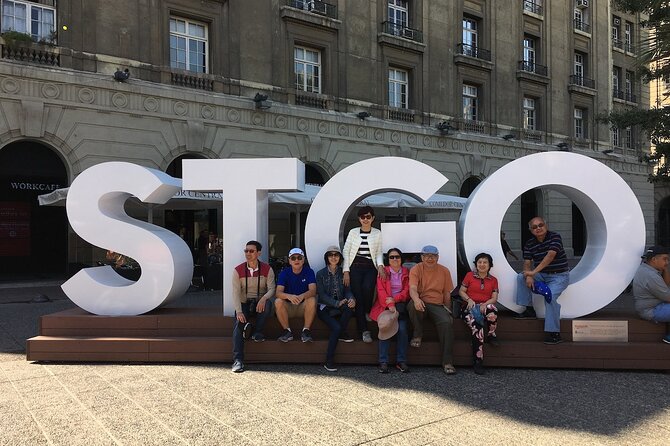
Santa Lucía Hill is the longest named stop, at about 40 minutes. You walk through its parks and discuss its importance to the first inhabitants of Chile, the Spanish conquerors, and the LGBTQ+ community.
This section gives the tour a change of pace. After government buildings and urban squares, you get greenery, elevation, and views across Santiago. It is a natural place for photographs, and the city outlook helps you understand the scale of the central neighborhoods you have just crossed.
The hill also adds physical effort. The route includes walking through the parks, and visitors should be ready for slopes or steps. The information provided says most people can participate, but it does not promise a step-free route. If mobility is a concern, ask Pride Tours about the exact path before booking.
The historical layering is the point. The hill is tied to Indigenous life, Spanish conquest, later city development, and LGBTQ+ connections. You are asked to see the same site through several periods rather than treating conquest as the only beginning of Santiago’s story.
Forty minutes is a useful amount of time for the hill. You can walk, listen, pause for views, and take photographs without feeling rushed. Still, the total tour may extend beyond two hours once you include transitions and questions. Wear comfortable shoes and bring water, especially if you choose a longer departure.
Ending in Lastarria with food and local orientation
The walk ends around José Victorino Lastarria in the Lastarria District. This is a smart finish. After the formal center, you arrive in an area known for restaurants and can continue your evening without retracing your steps.
The tour’s end is practical as well as scenic. Freddy has given restaurant, café, nightlife, and safety suggestions based on what visitors were looking for. That can be especially useful if you are traveling alone or arriving in Santiago without a plan for the evening.
One past experience included a Pisco Sour near the end, described as a memorable final touch. Because the tour details do not promise a drink for every departure, I would treat that as a possible addition rather than part of the guaranteed price. The same applies to lunch or extra café stops, which have occurred during more personalized versions of the day.
Lastarria is also a good place to ask for follow-up advice. You may want to return to the cathedral, visit a museum, find a restaurant, or learn more about LGBTQ+ nightlife. A guide who has already heard what interests you can offer more useful suggestions than a generic list.
What $65 buys you
At $65 per person, this is not the cheapest way to see central Santiago. You can walk past La Moneda, Plaza de Armas, and Santa Lucía Hill without paying anything. The value comes from the interpretation, the personal attention, and the link between political events and LGBTQ+ history.
The price makes more sense for a small group. With no more than 10 people, the guide can answer questions and adjust the conversation. Some departures have been much smaller, even one-on-one. That can make the experience feel more like exploring with a well-prepared local companion than joining a standard group circuit.
The duration also affects the value. A two-hour version gives you the main story and landmarks. A three-hour walk allows more conversation and a little room for food or café stops. A four-hour version should suit you if you want neighborhood advice along with the historic route.
I would not book this solely for entering major attractions. The stops at the cathedral and National Museum are opportunities to explore, not a promise of extended interior touring. If your priority is museum time, use this walk to orient yourself, then return independently.
The strongest value is for first-time visitors, solo visitors, LGBTQ+ travelers, and anyone who wants Santiago explained through more than official monuments. The price is harder to justify if you only want quick photographs or a rapid list of sights.
Guide style and the personal touch
Freddy receives the clearest praise for warmth, communication, and flexibility. He has sent meeting details in advance, shared a photo for identification, and responded quickly when a flight delay disrupted plans. That kind of practical communication matters when you are arriving in a new city.
He also seems comfortable adjusting the day to the person in front of him. One solo visitor received help with the metro before the walk, while another group changed the meeting time and location after travel trouble. These are not guaranteed services, but they show the value of a guide who treats the route as adaptable.
Other guides connected with Pride Tours include Mauricio and Ivan. Ivan was praised for taking care with an older mother, using stories, facts, and traditional food to make the day manageable and enjoyable. That suggests the company can offer a considerate style for different ages and travel needs.
The word to keep in mind is personal. The experience may be most successful when you ask questions and explain your interests. Tell the guide if you want more politics, more LGBTQ+ history, more architecture, restaurant suggestions, or help getting around. A fixed script may give you less than an open conversation.
Who should book this walk
I would recommend it to you if you want:
- A central Santiago introduction with clear historical context
- LGBTQ+ stories included as a central subject, not a footnote
- Help getting oriented with neighborhoods and public transport
- A small group and the chance to ask questions
- A guide who can suggest food, nightlife, and later sightseeing
- A route with both city landmarks and a hilltop view
You should think twice if you dislike walking, need a fully step-free route, or want long guided visits inside museums and historic buildings. The tour also requires good weather and a minimum number of participants. If poor weather cancels it, you can choose another date or receive a full refund. If the minimum is not met, Pride Tours offers a different date or experience, or a full refund.
Free cancellation is available until 24 hours before the start time. Changes or cancellations inside that window are not accepted for a refund. Service animals are allowed, public transport is nearby, and most people can take part.
My booking advice for Santiago
I would book this near the start of your stay, not on your final afternoon, unless your schedule leaves no choice. The route gives you bearings for central Santiago, and Freddy’s recommendations may help shape the rest of your visit.
Allow at least three hours if you want to ask questions and enjoy the stops. The stated range is two to four hours, and the actual pace can change with group size, walking speed, and conversation. Leave extra time if you have a flight afterward.
The experience is often booked about 19 days ahead, so reserving early is sensible if your dates are fixed. Contact the operator before booking if you need to confirm the hill route, interior access at the cathedral or museum, or whether a food or drink stop is included.
Should you book the Heart of Santiago walk?
Book it if you want a thoughtful introduction to Santiago that puts democracy, political memory, and queer culture in the same frame. The strongest reasons are the well-planned central route, the first LGBT protest site at Plaza de Armas, the view from Santa Lucía Hill, and Freddy’s friendly practical guidance.
Skip it if you want a cheap landmarks-only walk, extensive museum time, or a route with no hills. At $65, you are paying for the guide and the conversation, not admission tickets. For the right person, that is the point. You finish not only knowing where Santiago’s main center is, but also having better questions about whose stories the city chooses to remember.
FAQ
Where does the tour begin?
It begins at La Moneda in Santiago, in the Santiago Metropolitan Region.
Where does the tour finish?
The walk ends around José Victorino Lastarria in the Lastarria District.
How long does the tour last?
The experience lasts approximately two to four hours.
How much does the tour cost?
The listed price is $65 per person.
What places does the route include?
The route includes La Moneda, Plaza de la Constitución, the Palacio de Tribunales de Justicia, Plaza de Armas, Santa Lucía Hill, and the Lastarria District.
Is the tour focused on LGBTQ+ history?
Yes. It covers LGBTQ+ meeting places, Chile’s first LGBT protest, diversity, acceptance, and the connection between political change and LGBT development.
How large can the group be?
The experience has a maximum of 10 participants.
Are admission tickets included?
The listed stops have free admission. The experience does not promise extended interior visits or paid attractions.
Can I cancel for a full refund?
Yes, if you cancel at least 24 hours before the experience start time. Cancellations or changes made less than 24 hours in advance are not refunded.
What happens if weather or minimum participation cancels the tour?
If poor weather cancels the experience, you can choose another date or receive a full refund. If the minimum number of participants is not reached, you can choose a different date or experience, or receive a full refund.
Just added in Santiago
- Walking City Tour with Funicular, Cable Car and Tasting★ 4.3 · 6 reviews
- VIÑA DEL MAR AND VALPARAISO TOUR★ 4.8 · 20 reviews
- Tour VIÑA CONCHA Y TORO + CASA MARQUES – Chile, from Santiago.★ 5.0 · 2 reviews
- Undurraga + Isla Negra + San Afonso del Mar —– Full day★ 4.1 · 8 reviews
- Undurraga Wine tour★ 4.2 · 15 reviews
- Southcoast – Private Full-Day tour★ 5.0 · 6 reviews
- Santiago Private walking tour with Lunch★ 5.0 · 5 reviews
- Zapallar : nature, sea and local flavours★ 5.0 · 6 reviews
Walking Tours, compared.

Walk with Penguins on Magdalena & Marta Island
Read our review →
Santiago Half-Day Walking Tour with Hotel Pick up & Food Sample
Read our review →
A Fabulous Walking tour by the Old Santiago of Chile –
Read our review →
Santiago Half-Day Walking Tour with Hotel Pick up & Brunch
Read our review →
Santiago Skyline: Cable Car & San Cristobal Walking Tour
Read our review →Browse the lists this tour appears in