
REVIEW · WALKING TOURS
A Fabulous Walking tour by the Old Santiago of Chile –
Santiago comes alive on foot. This three-hour morning walk gives first-time visitors a useful introduction to the city, moving from the central Plaza de Armas toward Bellavista with stories about Chilean history, politics, architecture, and daily life. I especially like the small group limit of 10 people and the way guide Eugenio, also called Eugene, mixes major sights with practical restaurant and neighborhood advice.
The $25 price is fair for a guided introduction, bottled water, and a personal group setting. I also like the 9:00 AM start, which leaves your afternoon open for more sightseeing. The main consideration is the amount of walking. You should have moderate physical fitness, and some descriptions of the route suggest the total walk may feel closer to four hours once pauses and breaks are counted.
In This Review
- Key points to know before booking
- Why this is a smart first morning in Santiago
- Starting at Plaza de Armas
- Reading Santiago through earthquakes and architecture
- From the old center toward Bellavista
- What the guide adds to the experience
- What is included for $25
- Who will enjoy this walk most
- A few practical ways to make the morning better
- Should you book this Santiago walking tour?
- FAQ
- How long does the walking tour last?
- Where does the tour begin?
- Where does the tour finish?
- What sights are included?
- Are Pablo Neruda’s house and San Cristobal Hill included?
- How large is the group?
- What happens if the weather is poor or the tour is canceled?
Key points to know before booking
- Plaza de Armas begins the story: You see Santiago’s cathedral, the post office building, and the Museum of Natural History in the city’s central historic square.
- Eugenio gives more than directions: His strongest qualities are enthusiasm, local knowledge, historical explanation, and useful recommendations for meals and evening plans.
- The route ends in Bellavista: Finishing at Patio Bellavista puts you near restaurants, nightlife, and the starting point for more city exploring.
- The group is capped at 10 people: That makes it easier to ask questions and hear the guide in busy streets.
- Water is supplied: It is a small touch, but useful during a long urban walk.
- Plan for a real walking morning: The route includes central Santiago and continues toward Providencia, with coffee, gelato, or rest stops sometimes worked into the outing.
Why this is a smart first morning in Santiago
I like walking tours on the first full day in a new city because they help you understand distance, direction, and neighborhood character before you start using taxis or the metro. This Santiago route serves that purpose well. It gives you an early look at the old center, then helps connect that area with Bellavista and nearby parts of Providencia.
The morning timing is practical. You meet at 9:00 AM and finish around noon, so you still have time for lunch, a museum, San Cristobal Hill, or an afternoon visit to one of Santiago’s other districts. If you have just arrived, the steady pace can also help shake off jet lag without asking you to spend an entire day on your feet.
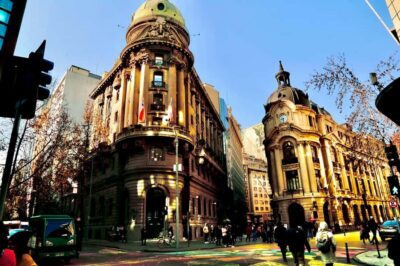
The tour is particularly useful if you want context instead of a quick photo stop. Eugenio explains how earthquakes affected Santiago’s buildings, talks about Chilean political life, and connects individual sights to the country’s customs, culture, and traditions. You may notice buildings you would otherwise pass without a second glance.
There is one fair warning. This is primarily a historic city walk, not a tour of Santiago’s major viewpoints or full museum interiors. If you want San Cristobal Hill, Pablo Neruda’s house, or a broad panorama of the Andes, you will need to arrange those separately.
More Walking Tours in Santiago
- The best walking tour in Santiago de Chile
★ 5.0 · 629 reviews - Santiago Half-Day Walking Tour with Hotel Pick up & Food Sample
★ 4.5 · 467 reviews - Santiago: Guided Walking Tour of the Historical Old Town
★ 4.8 · 459 reviews
Starting at Plaza de Armas
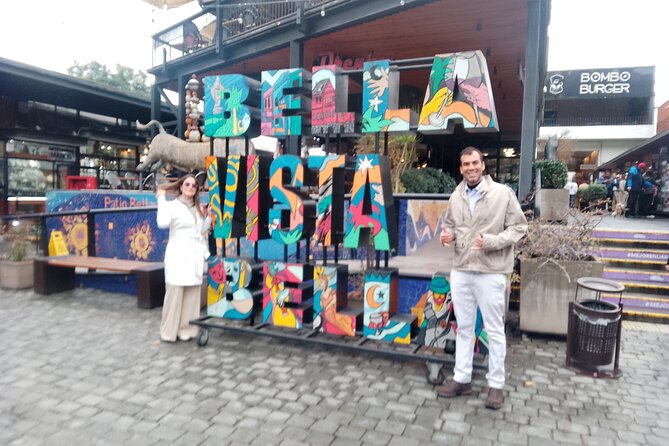
The meeting point is at the monument to President Salvador Allende on Morandé, near the center of Santiago. Because the meeting location can be busy and the tour company may not always be obvious, I would arrive early and check your confirmation carefully. One useful practical improvement would be a clear sign identifying the group. Finding the guide has been difficult for at least one participant, even after reaching the correct location.
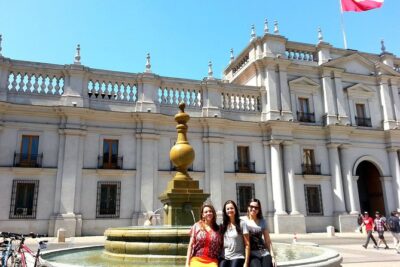
From there, the walk focuses on Santiago’s central core. Plaza de Armas is the natural opening chapter. It is the city’s main historic square and a good place to learn how Santiago developed around civic, religious, and government buildings.
The Catedral Metropolitana is one of the key stops. Your guide can help you look beyond the facade and understand why the cathedral matters to the city’s public life and architecture. This is also the kind of building where a guide adds real value, pointing out details that are easy to overlook when you are simply taking photographs.
The nearby post office building adds a different angle. It represents the practical, working side of the city center rather than only its grand religious and civic structures. Seeing these buildings together helps you read Plaza de Armas as a functioning urban center, not just a pretty square.
The Museum of Natural History is also part of the opening section. The information provided confirms it as a stop and notes that admission is included, though you should not assume that every museum or attraction later in the route is covered. The tour’s main purpose is to explain the places you see, not to provide long, independent visits inside each attraction.
Reading Santiago through earthquakes and architecture
Earthquakes are an important part of the architectural story here. Eugenio often points out cracks, repairs, construction methods, and changes in building design. For some people, this is an excellent way to understand why Santiago looks the way it does. For others, the repeated earthquake explanation may feel too basic.
That difference matters. The strongest parts of this tour depend on how much you enjoy listening to a guide explain buildings and events as you walk. I would choose it if you like connecting architecture with politics and social change. I would skip it if you prefer a fast-paced route filled with dramatic viewpoints, major interiors, or unusual activities.
Most of the praise centers on Eugenio’s enthusiasm and ability to make Santiago feel approachable. He answers questions, shares personal perspectives, and keeps the group moving without rushing every stop. His English is clear enough for many people, but one comment suggests that language ability can vary depending on the subject and the listener. If you need highly polished English explanations, that is worth keeping in mind.
From the old center toward Bellavista
The route does not simply stop after Plaza de Armas. It works back toward Providencia and finishes at Patio Bellavista on Constitución 50. That gives you a helpful change of scene during the morning.
The central area presents Santiago through its major institutions and older buildings. Bellavista feels more like a place to continue your day, with restaurants and evening options nearby. Several tour participants appreciated receiving suggestions for where to eat after the walk, and this is one of the tour’s practical strengths. You finish with a better sense of where to spend the rest of your day instead of being left at an isolated monument.
The exact route can vary in feel depending on the pace of the group and the stops made along the way. Some outings include a coffee break or gelato stop, giving you a chance to rest and ask questions. Those pauses are useful, but they also explain why the experience may take more effort than the advertised three hours suggests.
One participant estimated about four hours of walking in total. That may include the full movement between stops, breaks, and time spent exploring. I would wear comfortable shoes, bring sun protection, and avoid scheduling a demanding afternoon excursion immediately afterward if you are not used to long city walks.
A completely different kind of day out:
- Valparaiso Port and Viña del Mar with Casablanca Wine Tasting
★ 5.0 · 6,110 reviews - Santiago: Cajon del Maipo/Embalse del Yeso Tour with Picnic
★ 4.3 · 3,789 reviews - Santiago: Vina Del Mar, Valparaiso, Casablanca & Reñaca Tour
★ 4.2 · 2,838 reviews - Cable Car, Funicular and Sightseeing Bus in Santiago one day
★ 5.0 · 2,325 reviews
What the guide adds to the experience
A good city guide does more than name buildings. Eugenio’s value comes from linking the sights with Chilean politics, customs, and modern city life. He has been praised for explaining the political system, sharing historical background, and giving suggestions for restaurants and nightlife.
That makes the tour useful beyond its three-hour route. You can ask where to concentrate your evening, which neighborhoods suit sightseeing, and what to do next. A first-day tour should help you make better choices for the rest of your stay, and this one appears designed for that.
I also like the small-group format. With a maximum of 10 people, you are less likely to be tucked behind a large flag or left unable to ask a question. A small group also lets the guide adjust the pace, stop for a short break, and respond to the interests of the people present.
The tradeoff is that a personal guide’s style matters a great deal. Many people find Eugenio warm, patient, and full of energy. One less positive assessment found the explanations repetitive and felt that online research would have been more useful. That is a fair reminder that no guide suits every learning style.
What is included for $25
At $25 per person, I see this as a reasonably priced orientation rather than a full-day sightseeing package. You are paying for about three hours with a guide, a small group, bottled water, and admission listed for the included itinerary. You are not paying for lunch, Pablo Neruda’s house, or San Cristobal Hill.
The value is strongest if you are new to Santiago and want someone to organize the city for you. Instead of spending your first morning figuring out how the central buildings relate to one another, you get a planned route and a local point of view.
The value is weaker if you already know the center or are comfortable researching architecture and political history yourself. The tour does not replace separate visits to Santiago’s major paid attractions. Think of it as a foundation for the rest of your trip.
The experience is often booked about 17 days ahead. That suggests you should reserve before your visit if your dates are fixed, especially if you want a small group. The high satisfaction level also means popular dates may fill first, though availability can change.
Who will enjoy this walk most
I would recommend the tour to first-time visitors, couples, solo visitors, and families with older children who can manage a long walk. It is also a good choice if you have only a few days in Santiago and want to use one morning efficiently.
You will get the most from it if you enjoy:
- Architecture and city history
- Political and cultural background
- Local food and neighborhood suggestions
- A steady walking pace
- Small groups and time for questions
I would be more cautious if you have limited mobility, dislike extended walks, or want a tour built around interiors and formal museum visits. The activity requires moderate physical fitness, and the route may feel longer than the three-hour schedule suggests.
Service animals are allowed, and the meeting and ending points are near public transportation. The tour needs good weather and a minimum number of participants. If poor weather or low enrollment causes a cancellation, you are offered another date or a full refund.
A few practical ways to make the morning better
I would confirm the meeting point the night before and arrive early at the Salvador Allende monument. Since locating the guide may not be obvious, check for direct communication from the provider and ask how the guide will be identified.
Bring comfortable walking shoes. Bottled water is provided, but you may still want sunscreen and a small snack if you tend to get hungry during a long morning outside. The tour sometimes includes a cafe or gelato break, but that should not be treated as a guaranteed meal.
Keep your afternoon flexible. The tour ends at Patio Bellavista, so you can eat nearby or continue exploring. Pablo Neruda’s house and San Cristobal Hill are not included, and you should plan those as separate activities rather than expecting the walking tour to cover them.
Finally, ask questions. Eugenio’s strongest quality is his willingness to explain and recommend. If you are curious about Chilean politics, the earthquake damage, restaurant areas, or evening neighborhoods, the walking time gives you a natural chance to ask.
Should you book this Santiago walking tour?
I would book it as an opening introduction to Santiago, especially for a first morning. The $25 cost, small group limit, bottled water, central sights, and useful local advice make it a sensible way to get oriented.
I would not book it expecting a grand panoramic tour or a deep visit inside every attraction. The route is mainly about walking, listening, and learning how the city fits together. You may find the historical explanations engaging and lively, or you may find them too focused on buildings and earthquakes.
For most first-time visitors who want a friendly guide, a practical route, and a better plan for the rest of their stay, this is a strong choice. Just confirm the meeting point, allow for plenty of walking, and remember that the best value comes from treating it as your Santiago foundation, not your entire Santiago sightseeing program.
FAQ
How long does the walking tour last?
The scheduled duration is approximately three hours, from 9:00 AM until 12:00 PM. The amount of walking may feel longer because the route includes several areas and can include rest or coffee stops.
Where does the tour begin?
The tour begins at the monument to President Salvador Allende, listed as S/N Morandé, Santiago, Región Metropolitana, Chile.
Where does the tour finish?
The tour ends at Patio Bellavista, Constitución 50, in the Bellavista neighborhood near Providencia.
What sights are included?
The route includes Plaza de Armas, the Catedral, the post office building, and the Museum of Natural History. Admission is listed as included for the itinerary.
Are Pablo Neruda’s house and San Cristobal Hill included?
No. Lunch, entrance to Pablo Neruda’s house, and San Cristobal Hill are not included in the tour.
How large is the group?
The activity has a maximum of 10 participants, allowing for a smaller group setting and more personal attention from the guide.
What happens if the weather is poor or the tour is canceled?
The experience requires good weather and a minimum number of participants. If it is canceled for either reason, you are offered another date or experience, or a full refund. You can cancel for a full refund if you do so at least 24 hours before the start time.
Just added in Santiago
- Walking City Tour with Funicular, Cable Car and Tasting★ 4.3 · 6 reviews
- VIÑA DEL MAR AND VALPARAISO TOUR★ 4.8 · 20 reviews
- Tour VIÑA CONCHA Y TORO + CASA MARQUES – Chile, from Santiago.★ 5.0 · 2 reviews
- Undurraga + Isla Negra + San Afonso del Mar —– Full day★ 4.1 · 8 reviews
- Undurraga Wine tour★ 4.2 · 15 reviews
- Southcoast – Private Full-Day tour★ 5.0 · 6 reviews
- Santiago Private walking tour with Lunch★ 5.0 · 5 reviews
- Zapallar : nature, sea and local flavours★ 5.0 · 6 reviews
Walking Tours, compared.

Walk with Penguins on Magdalena & Marta Island
Read our review →
Santiago Half-Day Walking Tour with Hotel Pick up & Food Sample
Read our review →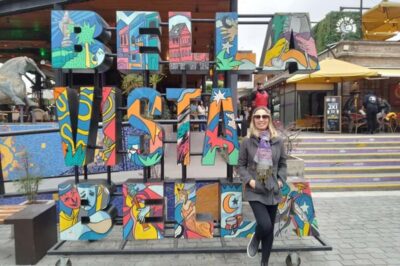
Santiago Half-Day Walking Tour with Hotel Pick up & Brunch
Read our review →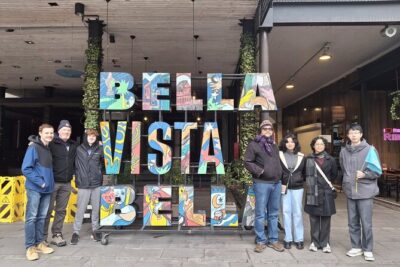
Santiago Skyline: Cable Car & San Cristobal Walking Tour
Read our review →
Walk alongside Penguins on Magdalene Island and navigate Marta Island
Read our review →Browse the lists this tour appears in