
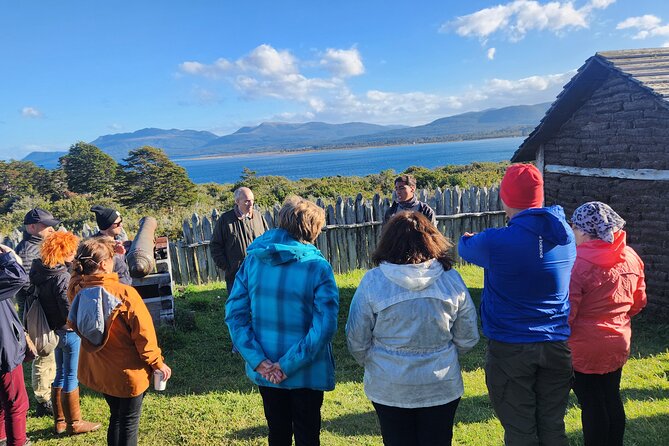
REVIEW · GUIDED
Guided Tour of Punta Arenas and Fort Bulnes
History meets open-air adventure here. This 6 to 7-hour tour links Punta Arenas viewpoints, Fort Bulnes, maritime museums, and the famous municipal cemetery in one well-planned day. I especially like the trip to Fort Bulnes, the clear explanation of Patagonia’s natural setting from Cerro de la Cruz, and the chance to see local birds along the Strait of Magellan.
I also like that the tour includes transportation, admission tickets, WiFi, and a sparkling mineral water, so you are not sorting out several separate visits. The main drawback is the price: at $300 per person, it is a serious purchase, especially for solo visitors, and much of the day takes place outdoors in strong Patagonian wind.
In This Review
- Five details that shape the experience
- Starting above the city at Cerro de la Cruz
- Following the Strait south to Fort Bulnes
- Reading Punta Arenas through its maritime past
- A quiet walk through Punta Arenas Cemetery
- Walking aboard the Nao Victoria replicas
- Ending at Plaza de Armas
- What the $300 price really covers
- The guide can change the day
- Weather, walking, and what to bring
- Who should book this Punta Arenas tour?
- Should you book it?
- FAQ
- How long does the Punta Arenas and Fort Bulnes tour last?
- Where do cruise passengers meet the tour?
- What admissions are included?
- Is food included?
- How large is the group?
- What happens if I need to cancel?
Five details that shape the experience
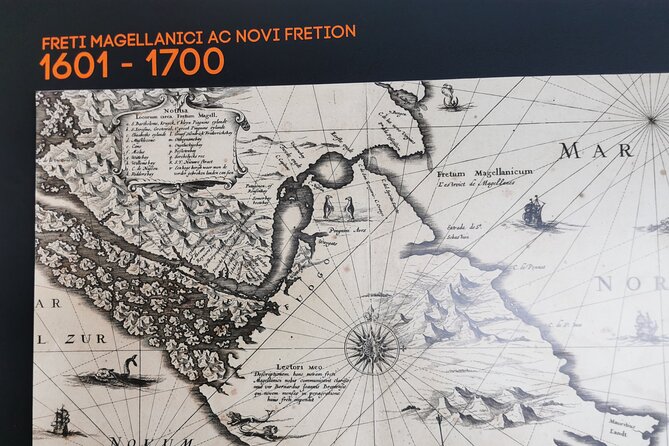
- Fort Bulnes is the main event: You spend about three hours at Parque del Estrecho de Magallanes, including the fort, native vegetation, scenery, and possible bird watching.
- Six major stops fit into one day: The route covers Cerro de la Cruz, Fort Bulnes, Museo del Estrecho, Cementerio Municipal, Museo Nao Victoria, and Plaza de Armas.
- The tour is capped at 15 people: That keeps the shared vehicle small enough for questions and easier pickup.
- Maritime history gets a hands-on treatment: At Nao Victoria, you walk through life-size replicas of historic vessels rather than only viewing objects behind glass.
- Weather matters: Strong, cold wind was a factor during an April visit, and several stops involve walking outdoors.
- The price includes the important admissions: Fort Bulnes, Punta Arenas Cemetery, and Nao Victoria Museum are covered, along with an air-conditioned vehicle and guide service.
Starting above the city at Cerro de la Cruz
The tour begins at 9:00 a.m., with pickup available. Cruise passengers meet in the disembarkation room, which is useful if you are visiting Punta Arenas as a port stop and do not want to find a separate meeting point in town.
Your first stop is Mirador Cerro de la Cruz, a short visit of about 30 minutes. This is less about spending a long time at the viewpoint and more about getting your bearings. From here, your guide explains where Punta Arenas sits geographically and how ancient ice sheets helped form the scenery you see today.
That opening talk gives the rest of the day a useful frame. The Strait of Magellan is not just a blue strip on a map. It shaped settlement, shipping, exploration, and the city’s fortunes. I appreciate starting with the physical setting before moving into the human story.
The stop is free, but it is exposed. Bring a warm layer even if the morning in town feels mild. The weather can shift quickly, and wind is a much bigger concern than rain on this route.
More things to do in Punta Arenas:
- Punta Arenas: Walk with Penguins on Magdalena & Marta Island
★ 4.6 · 611 reviews - Punta Arenas: Full-Day Whales, Penguins, and Glaciers Tour
★ 4.9 · 325 reviews - Whale and Glacier Watching from Punta Arenas Francisco Coloane Park
★ 5.0 · 254 reviews
Following the Strait south to Fort Bulnes
The drive to Parque del Estrecho de Magallanes takes about an hour from Punta Arenas. This is one of the most rewarding parts of the tour because the road gradually takes you away from the city and into broad views of the Strait, Tierra del Fuego, and Dawson Island.
You also pass small settlements and homes that began as weekend retreats for Punta Arenas families. Some owners stayed longer because of the setting. That detail helps you notice the area as a lived-in part of southern Chile, not simply a scenic stop on a bus route.
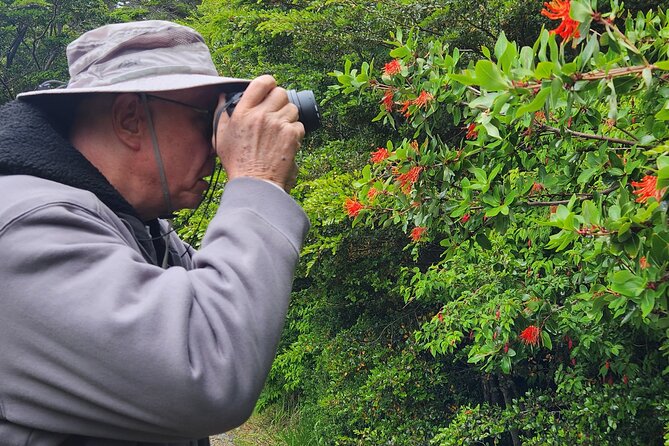
The full visit to Strait Park takes about three hours. That time includes the historical tour of Fort Bulnes and a walk toward a viewpoint through native vegetation. You may also have opportunities to watch birds along the way, and guide Maritza made a point of helping identify local bird species for visitors interested in photography.
This flexibility is a real strength. If you enjoy taking pictures, tell your guide early. Maritza was praised for watching the roadside and making time for good bird photographs. That kind of attention can turn an ordinary transfer into one of the day’s best moments.
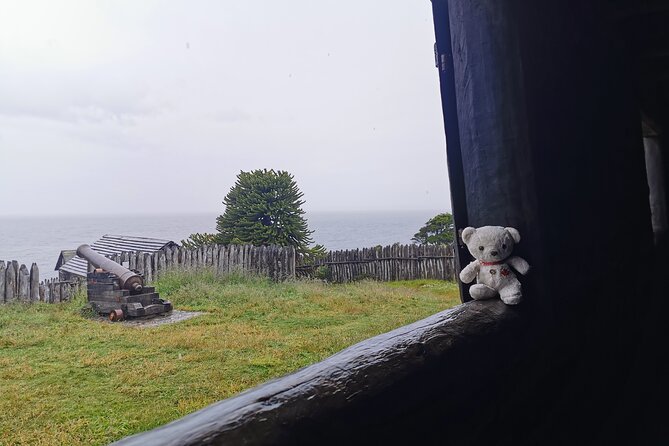
Fort Bulnes itself is the emotional center of the excursion. The original settlement was founded in 1843, when the Chilean government took a strong interest in controlling and occupying the Strait of Magellan. The fort represents an early attempt to hold this remote passage, far from the country’s central cities and exposed to a hard climate.
The site is valuable because it makes the challenges of early settlement easier to understand. You are not only hearing about a date or a government decision. You are seeing the remote setting where people had to build, work, and survive.
The trade-off is time outdoors. The tour involves walking through the fort and toward a viewpoint, so comfortable shoes and warm clothing matter. The physical requirement is moderate, but this is not a purely vehicle-based sightseeing trip.
Reading Punta Arenas through its maritime past
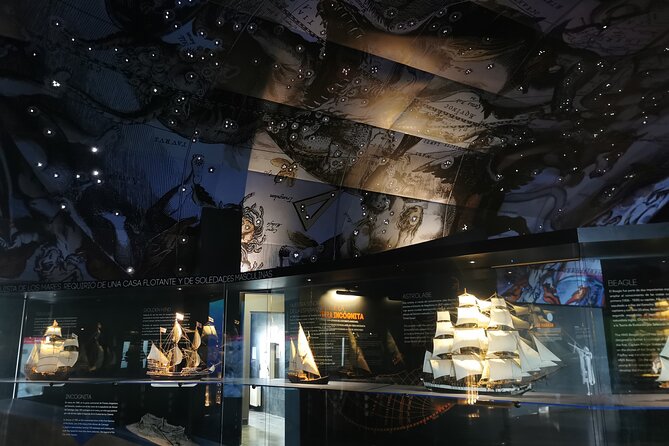
After Fort Bulnes, the Museo del Estrecho adds another hour of context. The museum presents the maritime story of the region, including the explorers who used the Strait before the Panama Canal opened.
Before that canal existed, ships sailing between the Atlantic and Pacific faced the long and dangerous route around Cape Horn. The cape earned a grim reputation as a graveyard for ships because of severe weather. The museum helps explain why the Strait of Magellan became such a valuable passage.
This portion should appeal to anyone interested in exploration, navigation, or old sea routes. It also gives meaning to the monuments and stories you encounter later in the day. The area was shaped by ships, settlers, competing national interests, and the risks of moving through southern waters.
The museum visit lasts about an hour, which is long enough for a proper look without taking over the whole day. If maritime subjects are not your main interest, your guide’s explanations are especially useful because they connect the exhibits to the places you have already seen.
A quiet walk through Punta Arenas Cemetery
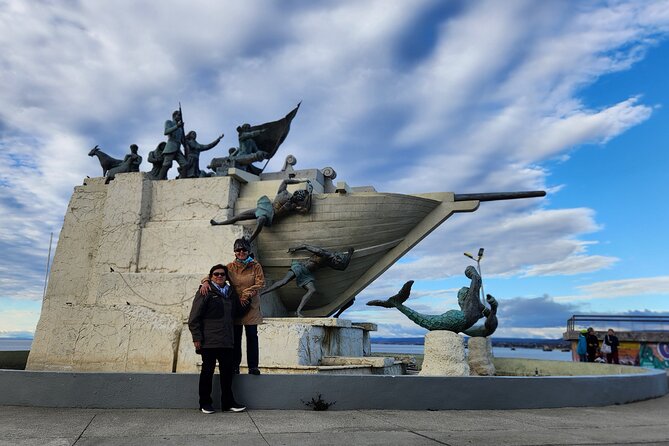
Cementerio Municipal is one of the city’s most distinctive stops. The cemetery is recognized as a National Monument, with cypress-lined avenues, mausoleums, and carefully arranged paths.
You spend about 30 minutes here. That may sound brief, but it works well as a focused walk rather than a long museum-style visit. The setting is visually striking, and the combination of trees, stonework, and family tombs makes it one of the best places for photographs in Punta Arenas.
The cemetery also tells the story of the city’s international beginnings. Punta Arenas grew into a cosmopolitan port with residents from many countries. In the early 1900s, newspapers appeared in several languages for the different communities living here.
Look beyond the decorative details and you will see a record of migration. The cemetery shows how a remote settlement became a city connected to people from across Europe and beyond. It is a calm, thoughtful stop after the open scenery around Fort Bulnes.
Because the paths can be uneven or involve steady walking, visitors should have a moderate level of fitness. The tour does allow service animals, and the vehicle has air conditioning for the longer rides.
A few more options to weigh up in Punta Arenas
- Private Multi-day Guided Tour Torres del Paine
★ 5.0 · 1 review - Santiago: Guided Walking Tour of the Historical Old Town
★ 4.8 · 459 reviews - San Pedro de Atacama: Valle de la Luna Guided Tour
★ 4.4 · 312 reviews - Guided Ascent to the Villarrica Volcano from Pucón
★ 5.0 · 220 reviews
Walking aboard the Nao Victoria replicas
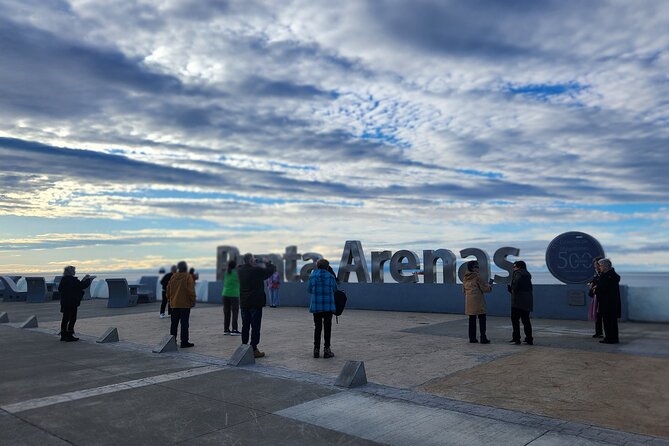
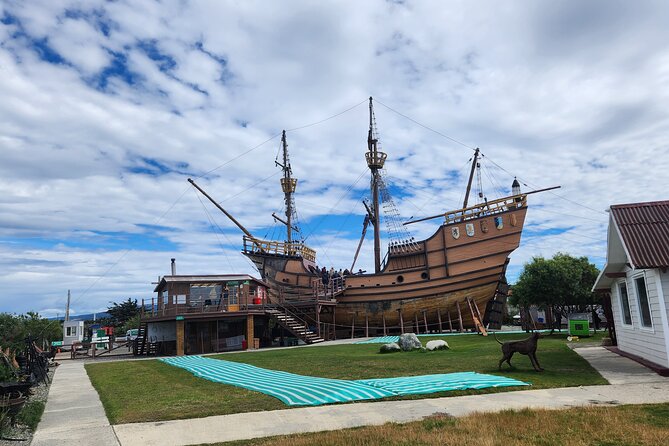
Museo Nao Victoria is another one-hour stop, and it is likely to be a favorite for anyone who likes ships, exploration, or practical history. The museum features full-size replicas of several important vessels.
The Nao Victoria represents one of the five ships in Hernando de Magellan’s expedition. The Beagle replica recalls the surveying and scientific work carried out in Patagonia, including the study of flora, fauna, geology, and Indigenous peoples.
You also see the James Caird, linked to Ernest Shackleton’s crew, and the Goleta Ancud. The Ancud was built in Chile and used in the 1843 effort to take possession of the Strait of Magellan.
The value here is scale. You can walk through the vessels and get a better sense of how little space sailors had, how demanding long voyages were, and how much work was packed into a wooden ship. A written label can explain a vessel’s purpose, but walking inside gives you a more direct sense of life at sea.
Guide explanations add a great deal. One guide, Maritza, was especially praised for connecting the ships to the wider story of settlement and exploration. Cristian was also noted for clear explanations of both local culture and the natural setting, while Oliver provided an entertaining and detailed tour in German for a small party.
The museum is included in the price. That matters because the admission fees would otherwise add up across three paid attractions.
Ending at Plaza de Armas
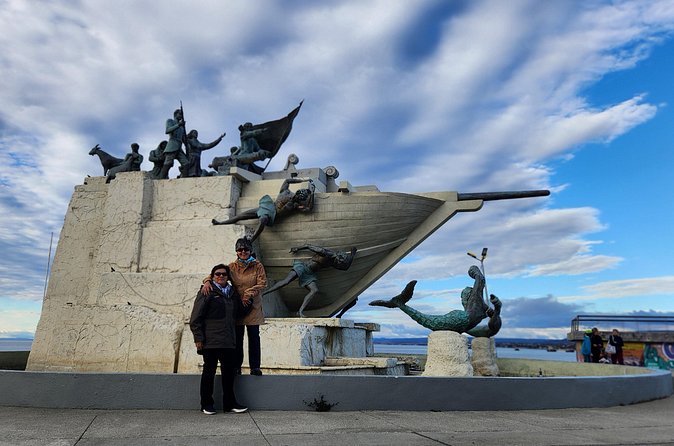
The final stop is Plaza de Armas, made convenient by its position on the return toward the pier. You spend about 30 minutes walking around the square and its central monument to Hernando de Magallanes.
The statue commemorates the explorer associated with the passage later named the Strait of Magellan. Your guide also points out the architectural style around the plaza, including neoclassical buildings designed by French architects for wealthy regional families.
The Braun Palace occupies one corner of the square. Montes Palace now houses the municipality. These buildings offer a quick look at the money that once flowed through Punta Arenas and the ambitions of families who built substantial homes at the edge of the known world.
This is a good final stop because it brings the day back to the city. You have seen the remote fort, the maritime exhibits, the cemetery, and the Strait. At the plaza, those pieces come together in the streets and buildings of modern Punta Arenas.
What the $300 price really covers
At $300 per person, this tour costs more than a simple city walk or a basic transfer to Fort Bulnes. The value depends on how much you want handled for you.
The fee includes:
- Air-conditioned transportation
- WiFi on board
- Face-to-face guiding
- Fort Bulnes admission
- Punta Arenas Cemetery admission
- Nao Victoria Museum admission
- One sparkling mineral water per person
Meals and snacks are not included. Plan to bring something to eat or ask the operator about timing before departure. The supplied information does not promise a restaurant stop, so you should not count on buying lunch during the route.
For a group that wants a private vehicle, an independent driver, museum admissions, and a guide, the price may make sense. The tour is shared, but the group size is limited to a maximum of 15 people. If you are traveling alone, the cost is harder to justify unless you place a high value on convenience and expert interpretation.
The tour is often booked about six days ahead. That suggests you should not leave it until the last moment, especially if your visit is tied to a cruise schedule. Free cancellation is available if you cancel at least 24 hours before the local start time. Changes or cancellations inside that window are not accepted for a refund.
The guide can change the day
This tour covers a lot of ground, so the guide matters. The strongest praise went to guides who explained more than dates and names. Cristian was recognized for his love of Punta Arenas and for clear coverage of local history and nature.
Maritza brought a personal touch to the day. In one case, after learning that visitors wanted to cook Patagonian lamb, she found a local recipe, recommended a butcher shop, and helped them buy ingredients. That goes beyond the scheduled stops, but it shows the kind of practical local help a good guide can provide.
Oliver led a detailed German-language outing for a small group. The tour is offered in English, and shared departures are arranged according to the service language. If language is important to you, confirm the requested language at booking.
The day works best when you ask questions and explain your interests. Mention photography, birds, architecture, ships, or local food. The route has enough variety for a guide to tailor the conversation, even when the stops themselves are fixed.
Weather, walking, and what to bring
Southern Patagonia rewards preparation. One April visit brought strong, cold wind, and several portions of the tour were outdoors. You should bring warm layers, a wind-resistant outer shell, and shoes suitable for walking.
The tour requires a moderate level of physical fitness. You will walk at Cerro de la Cruz, Fort Bulnes, the cemetery, the ship museum, and Plaza de Armas. The vehicle reduces the strain of covering long distances, but you are still on your feet at several stops.
A small snack is wise because food is not included. Water is partly covered by the supplied sparkling mineral water, but you may want more for a full day out.
Photography is well suited to this route. The Strait, islands, cypress avenues, historic buildings, replica ships, and local birds all offer different subjects. Keep your camera protected from wind and moisture, and leave enough time to listen rather than viewing every stop only through a screen.
Who should book this Punta Arenas tour?
I would recommend this experience to first-time visitors who want a strong introduction to Punta Arenas and the Strait of Magellan without arranging six separate visits. It also suits cruise passengers because pickup and drop-off are designed around the port, though you should still confirm the timing against your ship’s schedule.
History fans will appreciate the link between Fort Bulnes, maritime exploration, settlement, and the city’s grand buildings. Nature lovers will enjoy the Strait views and possible bird watching, but this is not a dedicated wildlife outing. Bird sightings are an added benefit, not the central purpose.
Photography fans should tell the guide about their interests. Families and older visitors can manage the day if they are comfortable with moderate walking, but the cold wind and outdoor sections may be tiring.
I would hesitate if you want a slow, unstructured day or if $300 feels too high for a shared excursion. The schedule is full, and the tour moves from one subject to another. You gain range and convenience, but you give up the freedom to linger.
Should you book it?
Book this tour if you want Fort Bulnes plus the essential historic sights of Punta Arenas in one organized day. The fort, Nao Victoria ships, cemetery, and Strait views give you a far fuller picture of the region than a city-only excursion.
The strongest reasons to book are the included admissions, small maximum group, port pickup, and guides such as Cristian and Maritza who add useful local detail. Pack for cold wind, bring a snack, and treat the $300 price as payment for transportation, access, interpretation, and time saved.
If Fort Bulnes is your priority and you prefer a cheaper, shorter outing, search for a fort-only option. If you want the full story of Punta Arenas in a single day, this is one of the more efficient choices.
FAQ
How long does the Punta Arenas and Fort Bulnes tour last?
The experience lasts approximately 6 to 7 hours. It begins at 9:00 a.m.
Where do cruise passengers meet the tour?
Cruise passengers meet in the ship disembarkation room. Pickup is offered.
What admissions are included?
Admission to Fort Bulnes, Punta Arenas Municipal Cemetery, and Museo Nao Victoria is included.
Is food included?
No. Meals and snacks are not included, so plan to bring or purchase your own food.
How large is the group?
The shared tour has a maximum of 15 participants. The tour is arranged according to the language of service and is offered in English.
What happens if I need to cancel?
You can receive a full refund if you cancel at least 24 hours before the experience start time. Cancellations or changes made less than 24 hours before the start are not accepted for a refund.
Just added in Punta Arenas
- Whales, Penguins & Glaciers Navigation From Punta Arenas★ 4.5 · 12 reviews
- Punta Arenas : Typical Chilean Cooking Class + Chilean Wine★ 5.0 · 16 reviews
- Torres del Paine & Tierra del Fuego ( king penguis)★ 4.0 · 4 reviews
- Trekking to the Southernmost Lighthouse of San Isidro★ 5.0 · 1 review
- Torres del Paine & Glacier Grey Navigation Private Tour★ 5.0 · 6 reviews
- Strait Park – Fort Bulnes★ 4.0 · 34 reviews
- Punta Arenas Highlights – Cruises shore Excursions★ 4.0 · 30 reviews
- Punta Arenas to Punta Arenas Airport (PUQ) – Departure Transfer★ 5.0 · 2 reviews
Guided, compared.



Guided Ascent to the Villarrica Volcano from Pucón
Read our review →
Astronomical Tour with Guide and Pick Up San Pedro de Atacama
Read our review →

Half-Day Sightseeing City Tour with Chauffeur and Guide
Read our review →
Valparaiso and Viña del Mar Full-Day Private Guided Tour
Read our review →
Browse the lists this tour appears in