
REVIEW · 4-DAY EXPERIENCES
From Atacama | Uyuni salt flat 4 days the largest salt flat
The high desert saves its best views for the road. This four-day trip from San Pedro de Atacama crosses into Bolivia by minibus and 4×4, linking flamingo-filled lagoons, hot springs, geysers, canyons, and the enormous Salar de Uyuni. I especially like the daily departures all year and the small group limit of 10 people, which make this a practical choice when your dates are fixed. I also like the route itself: it reaches the remote Bolivian altiplano rather than treating Uyuni as a quick photo stop.
The main catch is comfort. You spend long hours on rough roads, sleep in basic shared hostels, and may face cold showers on two nights. You also need to budget for border charges, park fees, toilets, water, and optional hot water, so the $430 price is not the full cost.
The strongest praise attached to this experience comes from Holger of Germany, who gave it five stars and described the days as almost impossible to improve. That enthusiasm makes sense if you value remarkable scenery over polished hotels. This is an expedition-style trip, not a luxury coach tour.
In This Review
- Key details before you book
- Why the $430 price can make sense
- Day 1: From San Pedro to Laguna Colorada
- Day 2: Canyons, caves, and remote lagoons
- Day 3: Sunrise on the Salar de Uyuni
- Day 4: Returning across the border
- The 4×4 ride and group size
- Lodging, meals, and what to pack
- Who should choose this trip?
- Should you book the Uyuni route from San Pedro?
- FAQ
- Where does the tour start and finish?
- Is transportation included?
- What language is the tour conducted in?
- What type of accommodation is provided?
- Are meals included?
- What entrance fees must I pay separately?
- Should I book onward transport from San Pedro on Day 4?
Key details before you book
- The first day packs in major sights: Laguna Blanca, Laguna Verde, Salvador Dalí Desert, Polques hot springs, Sol de Mañana geysers, and Laguna Colorada.
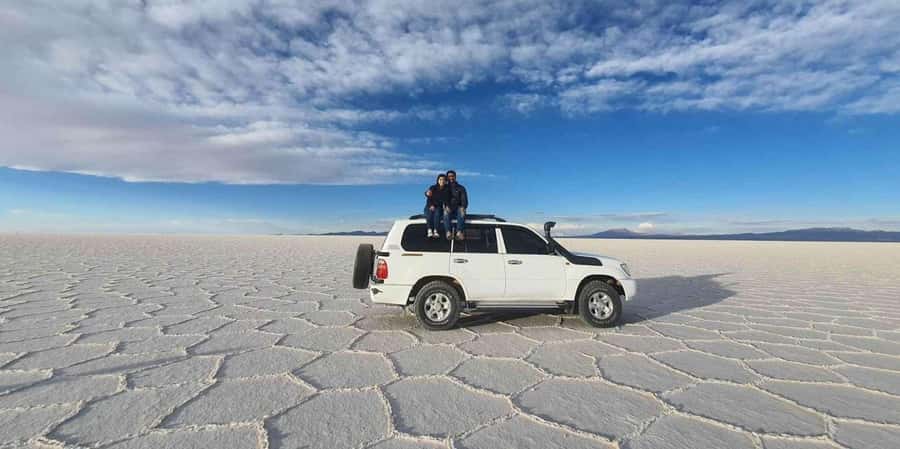
- A six-person 4×4 handles the Bolivian route: the small vehicle suits rough tracks, but space for luggage and personal comfort will be limited.
- The Uyuni salt flat arrives on Day 3: sunrise, Incahuasi Island, the Salt Museum, Colchani, and the train cemetery fill the morning and early afternoon.
- Basic lodging is part of the deal: shared double, triple, or quadruple rooms are assigned according to availability.
- Spanish is the tour language: the driver-guide speaks Spanish, so useful Spanish phrases will make the trip easier.
- The return is weather-sensitive: the advertised Day 4 arrival is 13:00, but you should leave San Pedro the following day before booking onward transport.
Why the $430 price can make sense
At $430 per person, this trip includes hotel pickup in San Pedro de Atacama, shared transport, three nights of basic lodging, breakfast, lunch, dinner, and the return to central San Pedro or its bus terminal. That is a considerable amount of transport and food for four days in a remote region.
The price looks better when you consider the route. You are not simply visiting the salt flat and returning. The journey crosses the Bolivian high plateau, reaches the Eduardo Avaroa area, visits thermal springs and geysers, and includes several stops that require a capable 4×4.
Still, prepare for added costs. The listed charges include a border tax of Bs. 17, park-related fees of Bs. 186, entry to Eduardo Avaroa Andean Fauna National Reserve at Bs. 150, Polques hot springs at Bs. 6, and Incahuasi Island at Bs. 30. These listed charges total Bs. 389 per person before toilet stops, water, or rubber boots.
Restroom access on the route costs about Bs. 6 each time. Water is not included, and rubber boots cost Bs. 20 if rain makes them necessary. Hot showers also cost extra on the first and third nights, at Bs. 10 per person. Bring enough Bolivian currency for these small payments. The supplied details do not give an exchange rate, so check the current value before departure.
Other trips worth a look in Chile:
- Valparaiso Port and Viña del Mar with Casablanca Wine Tasting
★ 5.0 · 6,110 reviews - Santiago: Cajon del Maipo/Embalse del Yeso Tour with Picnic
★ 4.3 · 3,789 reviews - Santiago: Vina Del Mar, Valparaiso, Casablanca & Reñaca Tour
★ 4.2 · 2,838 reviews
Day 1: From San Pedro to Laguna Colorada
Pickup begins at your hotel in San Pedro at 07:00. The first part of the trip uses a minibus from Chile toward the Chilean and Bolivian border offices. Border formalities then lead to the main vehicle change of the tour: you move into a Bolivian 4×4 shared by up to six people.
That change matters. The roads ahead are rocky and remote, and a 4×4 is the sensible tool for the job. It also means the comfort level changes quickly. You should expect a full day in a smaller vehicle, with limited room and plenty of rough road.
The first stops are Laguna Blanca and Laguna Verde, both near the Licancabur volcano. Their appeal comes from the contrast between volcanic peaks, open high-altitude terrain, and colored water. These are scenic stops rather than places built around facilities, so keep your camera ready and your expectations practical.
The route continues through the Salvador Dalí Desert. The name points to strange, isolated rock formations that can look like something from a surreal painting. Here, the attraction is the shape and emptiness of the terrain, not a museum or formal attraction.
At Polques hot springs, you have time to bathe. This is one of the few stops where you can trade the cold, dry altiplano air for warm water. Entry costs Bs. 6 and is not included. A towel and a change of clothes would be useful, though the supplied tour details do not specify what facilities are available.
The Sol de Mañana geysers come next. The intermittent springs send water up at temperatures of about 90 degrees Celsius. Keep a careful distance and follow the driver-guide’s instructions. This is a raw geothermal area, not a fenced theme park, and the heat is serious.
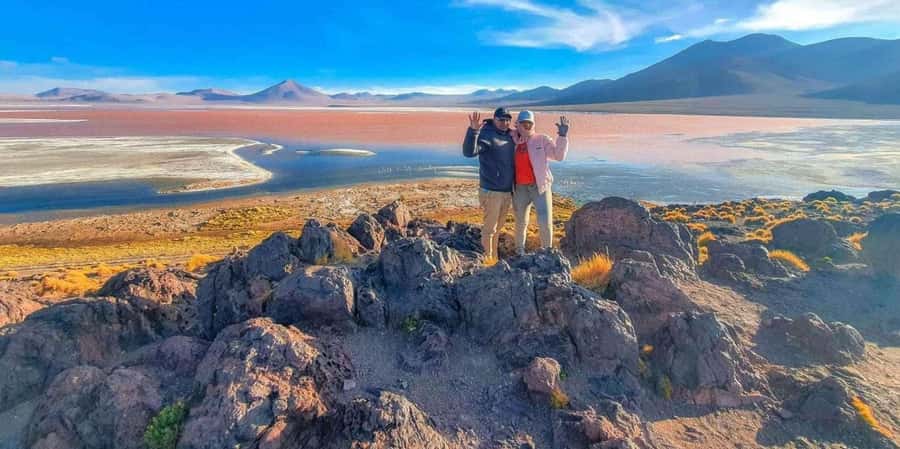
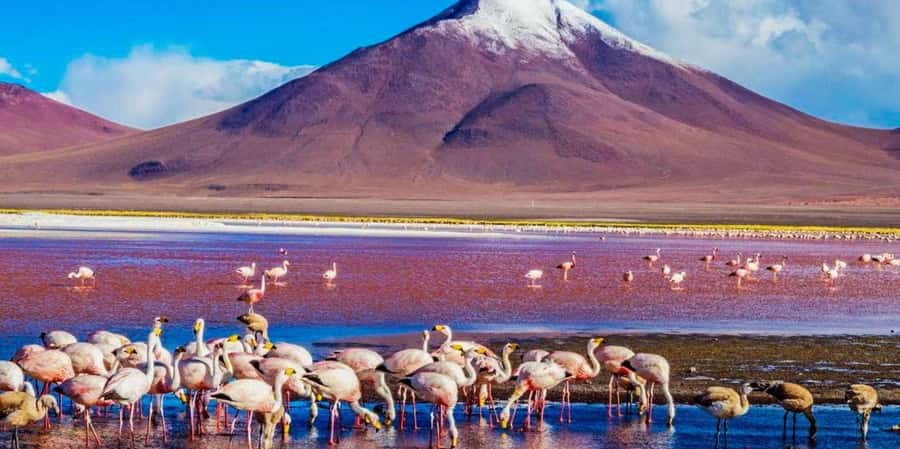
The day ends at Laguna Colorada, a red-tinted lagoon known as a nesting center for more than 30,000 flamingos. The color comes from the lagoon’s natural conditions, while the birds add movement to an otherwise stark setting. It is an excellent final stop, but the long day means you may be tired by the time you arrive.
Your first night is at a hostel in Villamar. Rooms may be shared by two, three, or four people, depending on availability. The bathroom is shared, and the shower has cold water unless you pay Bs. 10 for hot water. This is the point where the tour’s basic nature becomes real.
Day 2: Canyons, caves, and remote lagoons
After breakfast, the route turns toward Tomás Lakha, where you can see pre-Inca cave paintings. This stop adds cultural interest to a trip otherwise dominated by geology and wildlife. The information provided does not specify the age or exact content of the paintings, so think of this as a short archaeological visit rather than a full guided history lesson.
Italia Perdida follows. Volcanic rock formations here resemble an abandoned city. It is an imaginative stop, and you will get more from it if you take time to look at the shapes rather than rushing from one photo point to the next.
The day then moves through Vinto Lagoon and Catal Lagoon. You can walk in the area and look for typical Bolivian altiplano fauna. These stops give you a break from the 4×4 and a closer view of the living side of the high plateau. Wear shoes that can handle uneven ground and bring sun protection, since the tour details provide no promise of shaded facilities.
The Anaconda Canyon and Sora Canyon add another change of scale. After broad lagoons and open salt flats, the rock walls bring the scenery into tighter focus. The canyons are reached by the same rough-road transport, so the day remains active even though the stops themselves are mainly for walking and viewing.
The final major stop is the Chiguana salt flat, a useful preview of the larger Salar de Uyuni to come. The second night is in Colcha K, again in a shared double, triple, or quadruple room. This hostel has a shared bathroom with hot water, a small but welcome improvement after the first night.
Day 3: Sunrise on the Salar de Uyuni
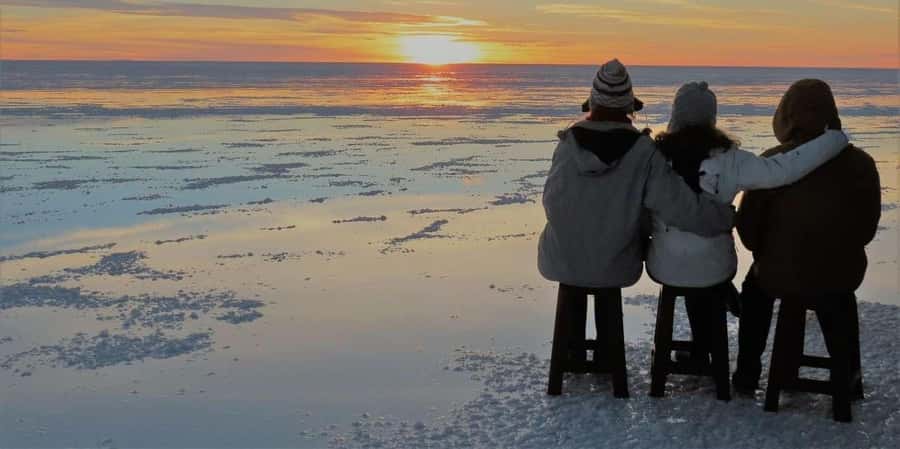
Day 3 begins very early for sunrise at the Salar de Uyuni. The timing is demanding, but it gives you the best chance of seeing the salt flat in cool morning light. You should also expect the return journey to begin early the next morning, so this is not a trip built around long sleep-ins.
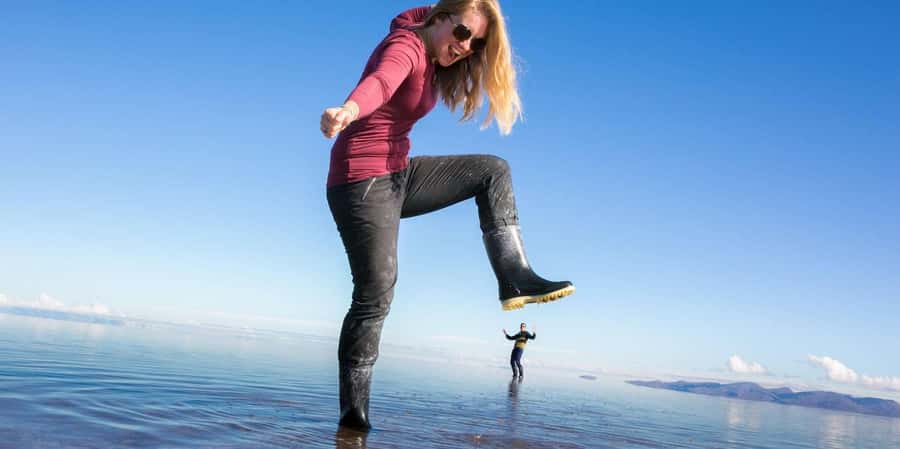
The Salar de Uyuni is the central reason most people choose this route. Its enormous white surface can make distance and direction feel strange, especially when there are few visual reference points. The scale is the attraction. You are seeing the world’s largest salt flat, not merely a small salt pan near a town.
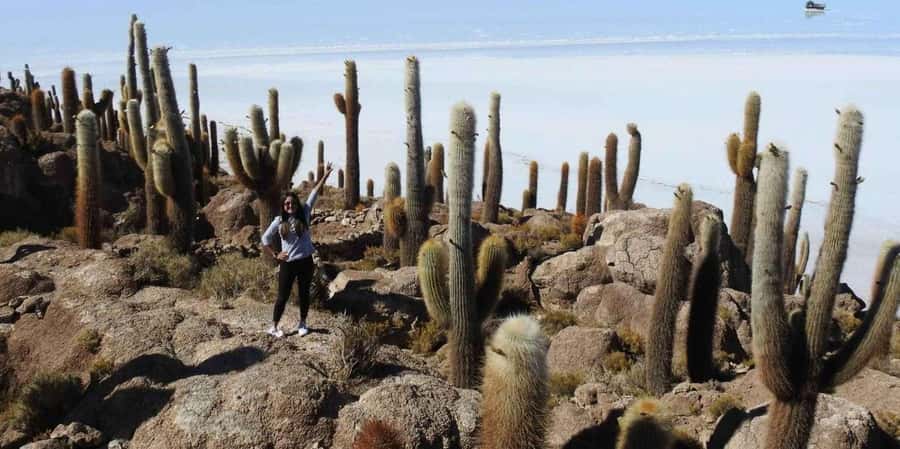
Incahuasi Island provides a different viewpoint. This limestone rock formation rises from the salt flat and can be explored on foot. The contrast between the white salt and the island’s rock formations makes the stop worthwhile, though the walk may feel exposed under the high-altitude sun. Entry costs Bs. 30 and is not included.
The route continues to the Salt Museum and Colchani, a town outside the salt flat. These stops explain how salt shapes local industry and daily life, at least in brief. The experience here is more grounded than the grand views on the salt flat itself, giving you a glimpse of the human side of the region.
You then continue to Uyuni, stopping at the train cemetery for photographs. Old locomotives sit in the desert, creating a stark and unusual scene. The stop is brief, so treat it as a photo visit rather than a long museum-style experience.
In Uyuni, you say goodbye to the driver-guide who has accompanied you through the previous three days. You have free time for lunch and a walk around part of the city before meeting the driver for the return leg. The details do not specify how long this free time lasts, so do not plan important independent activities around it.
The return route includes dinner and rest in Villamar. The third night is again in a basic hostel with shared rooms and a shared bathroom. Showers are cold unless you pay Bs. 10 for hot water. After the early start and long salt-flat day, simple accommodation may feel especially basic.
A completely different kind of day out:
- Cable Car, Funicular and Sightseeing Bus in Santiago one day
★ 5.0 · 2,325 reviews - Small-Group Cajón del Maipo Full-Day Tour and Picnic
★ 4.5 · 2,277 reviews - Tour to Valparaíso, Viña del Mar, Pablo Neruda Museum and Vineyard
★ 5.0 · 2,273 reviews - Maipo Valley Wine Tour with 4 vineyards from Santiago.
★ 5.0 · 1,983 reviews
Day 4: Returning across the border
The final day begins very early. You continue toward the Bolivia-Chile border, complete the required formalities, and change from the Bolivian 4×4 to a Chilean minibus.
The scheduled arrival is 13:00 in central San Pedro de Atacama or at its bus terminal. Weather and other force majeure events can change that timing. I strongly recommend leaving San Pedro the next day if you have a flight, bus, or other fixed connection. The tour provider also advises this, and the warning deserves attention because the route is long and conditions can affect the return.
Hotel drop-off is not included. The tour ends in the center or at the bus terminal, so arrange your own final transfer if your accommodation is elsewhere. Transfers between Calama Airport and San Pedro are also not included.
The 4×4 ride and group size
The Bolivian portion uses a 4×4 for six people, while the overall group is limited to 10 participants. That small-group limit is useful at the border, at viewpoints, and during walks. It can also make communication with the Spanish-speaking driver-guide easier than on a large coach.
The trade-off is vehicle space. Six people plus luggage in a 4×4 can feel close, especially on rocky roads. Pack light and keep your most useful items accessible: water, warm layers, sun protection, snacks if you want them, and toilet paper or tissues.
The tour is conducted in Spanish. If you speak Spanish, you should find it easier to follow instructions and ask questions. If you do not, learn basic terms for hot, cold, stop, bathroom, water, and help. The route has several places where clear instructions matter, especially around geysers, border crossings, and uneven walking areas.
Lodging, meals, and what to pack
Breakfast, lunch, and dinner are included for the four-day route. That removes much of the worry about finding food in remote areas. You should still bring extra water because water is specifically excluded.
The accommodation is functional rather than comfortable. You may share with two, three, or four people, depending on availability, and bathrooms are shared. The first and third nights have cold showers unless you pay for hot water. The second night includes hot water.
Pack for changing conditions and rough travel:
- Warm layers for early starts and high-altitude stops
- Sun protection for the salt flat and open altiplano
- Sturdy walking shoes
- A towel and spare clothes if you plan to use the hot springs
- Water and small amounts of Bolivian currency
- A sleeping bag, since it is not included
- Medical insurance, which is also not included
- Rubber boots if rain is expected, or money to rent them for Bs. 20
These are not luxury touches. They make the difference between enjoying the scenery and spending the day managing discomfort.
Who should choose this trip?
I would choose this tour if you want the major sights between San Pedro and Uyuni in one continuous route. It suits people who care more about remote scenery, flamingos, geysers, salt flats, and unusual rock formations than about hotel comfort.
It is also a good fit if your schedule requires a confirmed departure. Trips leave every day of the week throughout the year, according to the supplied details. That flexibility is useful, but weather can still affect the end time.
I would think twice if you need private rooms, hot showers every night, a non-Spanish guide, or reliable same-day onward transport from San Pedro. The route is demanding, and the accommodation is clearly basic. A four-day trip through the high plateau asks you to accept early starts, rough roads, border formalities, and shared facilities.
Free cancellation up to 24 hours before departure and the option to reserve now and pay later make planning less rigid. Those terms help if your Atacama schedule is still changing, but they do not remove the need to check border requirements, personal insurance, and transport connections.
Should you book the Uyuni route from San Pedro?
Book it if the thought of spending four hard-working days among lagoons, geysers, flamingos, canyons, and the Salar de Uyuni sounds better than staying in town. The route delivers a lot for $430, especially with meals, transport, lodging, and the return to San Pedro included.
Skip it if comfort and precise timing matter more than scenery. The best advice is simple: arrive with extra money for listed fees and toilets, bring water and a sleeping bag, learn a little Spanish, and keep the next day free after your return. With that preparation, this tour offers a strong, memorable way to connect the Atacama region with Bolivia’s extraordinary salt flat.
FAQ
Where does the tour start and finish?
The tour starts with hotel pickup in San Pedro de Atacama at 07:00 on Day 1. It ends around 13:00 on Day 4 in central San Pedro or at the bus terminal, although weather or force majeure events can change the arrival time.
Is transportation included?
Yes. Shared transportation includes a minibus in Chile and a 4×4 for six people in Bolivia. Hotel pickup and drop-off in central San Pedro or at the bus terminal are included, but hotel drop-off and transfers between Calama Airport and San Pedro are not.
What language is the tour conducted in?
The live tour guide and driver-guide speak Spanish. The supplied tour information lists Spanish as the tour language.
What type of accommodation is provided?
The three nights are in basic hostels. Rooms are shared doubles, triples, or quadruples according to availability, and bathrooms are shared. The first and third nights have cold showers unless you pay Bs. 10 per person for hot water. The second night has hot water.
Are meals included?
Breakfast, lunch, and dinner are included during the tour. Water is not included, so you need to bring or buy your own supply.
What entrance fees must I pay separately?
Separate charges include the border tax, park fees, Eduardo Avaroa Andean Fauna National Reserve entry, Polques hot springs, and Incahuasi Island. The listed amounts are Bs. 17, Bs. 186, Bs. 150, Bs. 6, and Bs. 30 respectively.
Should I book onward transport from San Pedro on Day 4?
It is safer to leave San Pedro the day after the tour ends. The scheduled arrival is 13:00, but the end time may change because of weather conditions or force majeure events.
Just added in Chile
- Ascent to Villarrica volcano 2,847masl, from Pucón★ 4.8 · 36 reviews
- Volcanic Refuges: Excursion to Underground Civilization★ 4.7 · 8 reviews
- Walking City Tour with Funicular, Cable Car and Tasting★ 4.3 · 6 reviews
- Viña del Mar and Reñaca 4-Hour Pacific Coast Tour★ 4.7 · 14 reviews
- Viña del Mar and Valparaiso: guided day tour★ 4.2 · 8 reviews
- Private: Viña del Mar and Valparaiso Day Tour★ 5.0 · 5 reviews
- VIÑA DEL MAR AND VALPARAISO TOUR★ 4.8 · 20 reviews
- Viña del Mar y Valparaíso – Full Day★ 5.0 · 1 review
4-Day Experiences, compared.
4-Day Best of Atacama: Moon Valley, Tatio Geysers and Altiplanic Lagoons
Read our review →
4-Day Atacama Desert Experience with Hotel, Tours & Meals
Read our review →
4-Day Easter Island Experience with Hotel, Tours & Dinner show
Read our review →
Visit Rapa Nui in 4 days with 3 Tours and Accommodation included
Read our review →
4-Day Self Guided W Express Trekking – Torres Del Paine
Read our review →
Browse the lists this tour appears in