
REVIEW · CHILEAN FOOD TOURS
Food Tour STGO, Eat like Locals!
Come hungry, leave with a better map of Santiago. This three-hour private food tour links markets, old bars, neighborhood restaurants, and central-city sights into one edible introduction to Chile. I like the mix of ten food and drink tastings and the chance to eat at places used by locals, especially La Vega Chica and La Piojera. I also like that guide Pablo adds food history, city stories, and even photographs for some groups. The main consideration is consistency: scheduling problems and one serious complaint about food handling mean you should confirm the details before setting out.
The route begins at the National Museum of Fine Arts and finishes near Plaza de Armas, so you are not simply sitting in one restaurant for an afternoon. You will walk through busy market areas, sample familiar Chilean staples such as humitas and sopaipillas, try the famous terremoto cocktail, and finish with traditional sweets and lapis lazuli shopping. The $99 price is reasonable if the tastings are generous and you value a private guide, but it is less compelling if you want a formal restaurant meal or a quiet, polished tasting menu.
In This Review
- The four things to know before booking
- Why this route works for a first day in Santiago
- La Vega Central and La Vega Chica: Santiago on a plate
- La Piojera and the famous terremoto
- Mercado Central: architecture between bites
- Plaza de Armas, mote con huesillo, and lucuma
- What Pablo adds to the day
- Is $99 a fair price?
- Communication and practical planning
- Who should book this Santiago food tour?
- Should you book Food Tour STGO?
- FAQ
- How long does Food Tour STGO last?
- Where does the tour begin?
- Where does the tour end?
- How many tastings are included?
- Is this a private tour?
- What is the cancellation policy?
The four things to know before booking
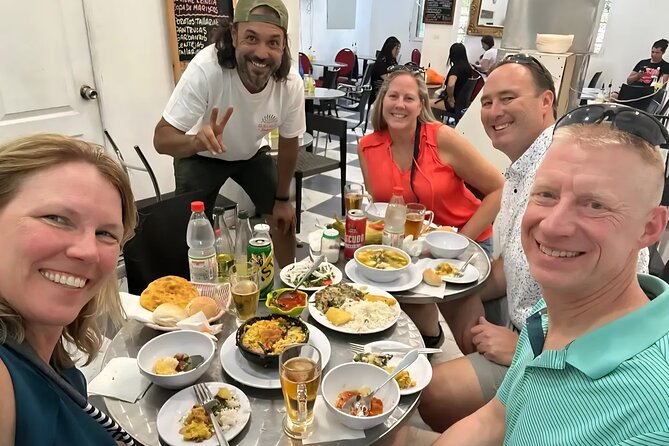
- Ten tastings across several local stops: The food covers breads, fruit, meats, cheeses, stews, corn dishes, empanadas, drinks, desserts, and ice cream, though the exact selection can vary.
- Pablo is the key to the experience: His energy, local connections, food knowledge, English, and photography are frequently praised.
- La Vega Central and La Vega Chica provide the strongest local flavor: Expect markets, food stalls, a traditional lunch, and a less polished setting.
- La Piojera adds a famous Chilean drinking tradition: The signature terremoto is sweet and potent, so pace yourself.
- The tour ends with Chilean sweets and lapis lazuli: Mote con huesillo, lucuma ice cream, and a local jewelry gallery make for a useful final stop.
- Confirm the start time and food-handling arrangements: Communication has not always been smooth, and one account raised serious hygiene concerns.
Why this route works for a first day in Santiago
A food tour is a smart way to get your bearings in Santiago. Food gives you a reason to enter places you might otherwise pass by, and the route also introduces several central sights without turning into a standard history walk.
You meet at José Miguel de la Barra 650, beside the National Museum of Fine Arts. From there, the route moves toward the central markets and ends at Plaza de Armas, the city’s main square. That start-to-finish plan matters because you are not required to return to the first meeting point after the tour.
The experience is private, so only your group participates. That gives you more room to ask questions, explain food preferences, and adjust the pace than you would get on a large group outing. Some groups have been small, with one account describing only four people, but you should not assume every departure will have the same number.
You will walk through market areas and central Santiago streets. Most people can participate, and the tour is near public transportation. A service animal is allowed. Still, this is not a quiet café crawl. Market conditions can feel crowded and rough around the edges, which is part of the setting but may not suit you if you prefer spotless counters and formal service.
More Food Tours in Santiago
- Cajon Del Maipo Including Wine with Picnic and Empanada
★ 5.0 · 612 reviews - Santiago Half-Day Walking Tour with Hotel Pick up & Food Sample
★ 4.5 · 467 reviews - New Concha y Toro Tour Marques with class, extra tasting y food
★ 4.0 · 329 reviews
La Vega Central and La Vega Chica: Santiago on a plate
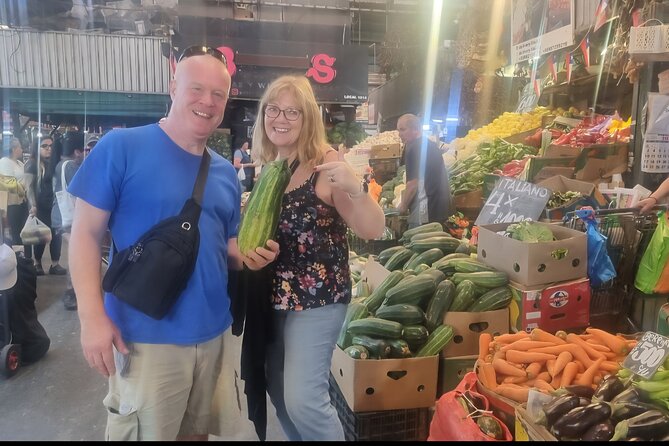
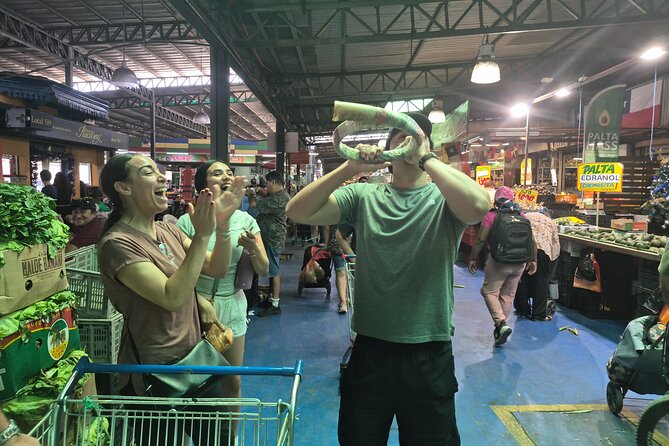
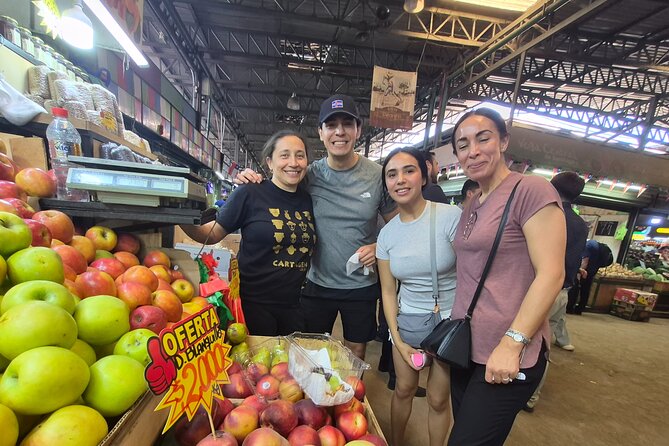
La Vega Central is where the tour starts to feel like a look at daily city life rather than a packaged attraction. The market is known for its colorful produce, meat, cheese, spices, breads, and prepared foods. The point is not simply to take photographs. You get to see the ingredients that shape Chilean cooking and learn how they appear in ordinary meals.
The tastings here may include a broad mix of foods. Previous groups have sampled empanadas, fruits, meats, cheeses, stews, corn, breads, and spices, along with dishes such as humitas, sopaipillas, and completos. The exact list is not fixed in the information provided, so treat those foods as likely examples rather than a guaranteed menu.
That flexibility can work in your favor. If you have never tried Chilean food, you can ask Pablo to explain what you are eating and how it fits into local habits. Several groups especially enjoyed trying fruits and dishes that are not common at home. If you have allergies or strong dislikes, tell the guide before the tour begins and repeat the request at each stop.
After the market, you take a lunch break at La Vega Chica. This is described as a traditional, welcoming restaurant in the market area, with local dishes prepared using regional ingredients. You get about 40 minutes here, enough for a real pause after walking and sampling.
The restaurant stop is valuable because market bites alone do not always show how Chileans eat a full meal. At La Vega Chica, you can sit down, eat more substantial food, and pair it with a local beer. The atmosphere is likely informal rather than refined. That is exactly the appeal for someone seeking a neighborhood experience, but you should not book this expecting white tablecloths or a carefully staged tasting course.
One important caution deserves plain treatment. A recent account described poor sanitary handling at a food stop, including a glove that fell to the floor and was reused. That is a serious complaint, not a minor matter. I would use your judgment, watch how food is handled, and speak up immediately if something looks unsafe. The positive accounts describe delicious food and strong care from Pablo, but the concern is specific enough that it should not be brushed aside.
La Piojera and the famous terremoto
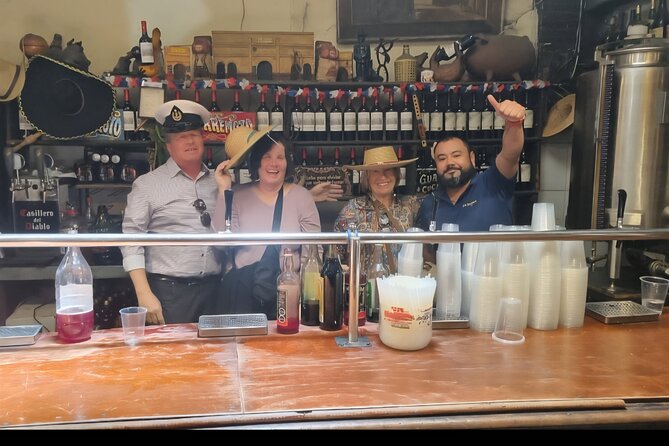
After lunch, the route continues to La Piojera, a city institution founded in 1896. It is described as Santiago’s oldest bar and is known for its casual atmosphere, music, laughter, and traditional Chilean character.
The main reason to come is the terremoto. The name means earthquake, and the drink is a sweet cocktail that packs a punch. The tour includes a chance to try one, giving you a taste of Chilean bar culture as well as Chilean food.
You get about 30 minutes at La Piojera. That is enough to order the drink, take in the room, and hear some background from the guide. It is not enough for a long evening at the bar, so think of it as a concentrated introduction.
I would be careful with the drink if you are already feeling the effects of the beer or earlier samples. A sweet cocktail can hide its strength. You may also want to ask whether a smaller serving or nonalcoholic alternative is possible if you do not drink, though the available information does not promise a substitute.
This stop also shows the advantage of having someone who knows the city. Without context, La Piojera can look like just an old, noisy bar. With an explanation of its age and place in Santiago’s culture, it becomes a more meaningful stop. Pablo receives strong praise for making food and city history easy to follow, and for keeping the mood light without losing the cultural context.
Mercado Central: architecture between bites
The route also passes through Mercado Central, one of Santiago’s best-known historic market buildings. Its iron structure was brought from England in 1872, and the interior includes a water fountain at the center.
This stop is partly about food and partly about the city itself. You can walk around, look at the stalls, take photographs, and watch everyday commerce. It helps connect the market ingredients from La Vega with Santiago’s larger food identity.
Do not expect Mercado Central to function as a single formal tasting venue. The experience here is more about atmosphere, architecture, and local life. You may find food vendors and seafood restaurants, but the supplied details do not specify a particular restaurant or guaranteed tasting at this stop.
For photographers, the combination of ironwork, market activity, and food displays should be worthwhile. Pablo has a photography background, and several groups appreciated having him take pictures during the tour. That is a small but useful benefit, especially if you are traveling as a couple and want more than hurried phone snapshots.
A completely different kind of day out:
- Valparaiso Port and Viña del Mar with Casablanca Wine Tasting
★ 5.0 · 6,110 reviews - Santiago: Cajon del Maipo/Embalse del Yeso Tour with Picnic
★ 4.3 · 3,789 reviews - Santiago: Vina Del Mar, Valparaiso, Casablanca & Reñaca Tour
★ 4.2 · 2,838 reviews - Cable Car, Funicular and Sightseeing Bus in Santiago one day
★ 5.0 · 2,325 reviews
Plaza de Armas, mote con huesillo, and lucuma
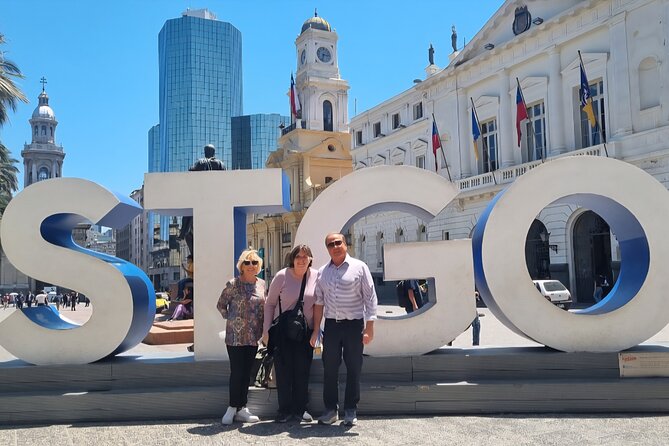
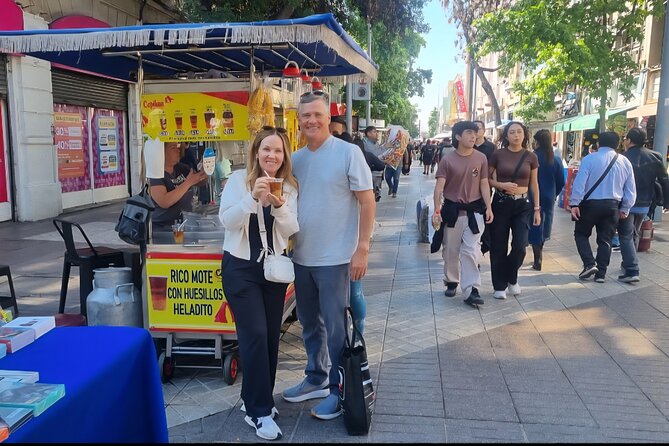
The final food section takes place around Plaza de Armas, Santiago’s central square. Before reaching the plaza, you taste mote con huesillo, one of Chile’s best-known traditional refreshments.
Mote con huesillo combines cooked wheat and dried peaches in a sweet, chilled syrup. It is filling, refreshing, and very different from a standard fruit drink. The wheat gives it texture, while the peach and syrup make it sweet. If you want to understand Chilean food beyond empanadas and grilled meat, this is one of the most useful tastings on the route.
At Plaza de Armas, you also get a scoop of lucuma ice cream. Lucuma is a Chilean fruit with a smooth, caramel-like flavor. It is an excellent way to finish a food tour because it feels familiar as ice cream but introduces a flavor you may not have encountered before.
The plaza itself is the heart of central Santiago, so you get a major city sight along with dessert. The tour ends at Pl. de Armas 976, near Portal Fernandez Concha. That makes the final location convenient if you want to continue exploring the center after the tour.
The final stop is a local jewelry gallery selling lapis lazuli pieces. Lapis lazuli is Chile’s national gemstone, and the gallery is presented as a place where local shoppers buy jewelry. The stated prices are nearly half those found in tourist areas or airports, which could make this a useful souvenir stop rather than a forced shopping detour.
Still, compare prices and ask about the stone and workmanship before buying. The tour gives you access to the gallery, but you are not required to purchase anything. The stop takes about 20 minutes, so it will not consume the rest of your afternoon.
What Pablo adds to the day
The guide can make or break a food tour, and Pablo receives unusually strong praise for his energy and personal approach. He grew up in Santiago, speaks English well, knows many market vendors, and explains both the city and its food.
His style appears direct, lively, and involved. He may prepare or portion food at the market, introduce you to stallholders, explain unfamiliar ingredients, and adjust samples to your preferences. Several groups also appreciated his attention to personal safety while moving through central Santiago.
A particularly nice extra is photography. Pablo has a background in photography, and some groups received more than 30 photographs through WhatsApp after the tour. This is not clearly promised as a standard inclusion, so treat it as a possible bonus rather than part of the formal value calculation.
There is also a serious allegation of inappropriate behavior by Pablo from one recent account. That same account described feeling unsafe after leaving the tour early. Most other accounts describe him as attentive, fun, and careful, but the allegation is important. If you feel uncomfortable at any point, you should say so clearly and arrange your own safe transport rather than relying on an informal change to the route.
Is $99 a fair price?
At $99 per person, this tour is not the cheapest way to eat in Santiago. You could buy individual snacks and drinks for far less. The price makes more sense when you count the private format, the guide’s time, the number of tastings, the walking route, food explanations, and access to several different kinds of places.
You are paying for interpretation and coordination. Pablo connects the market foods to Chilean culture, handles the movement between stops, and helps you decide what unfamiliar foods are worth trying. That is useful during a first visit, particularly if you do not speak much Spanish or feel unsure about ordering at markets.
The value drops if you want large portions, a full sit-down lunch, or a polished culinary class. Ten tastings do not necessarily equal ten full servings, and the exact menu can change. You should also budget time and appetite for a mix of snacks, a restaurant tasting, alcohol, dessert, and walking.
The tour is usually booked about 28 days ahead, so popular dates may fill early. If your schedule is tight, reserve before arrival, then confirm the time directly. The cancellation terms allow a full refund when you cancel at least 24 hours before the start. Changes or cancellations inside that window are not accepted and are not refunded.
Communication and practical planning
The most useful practical advice is to confirm the departure time and meeting point with the operator before the day of the tour. Some bookings have had conflicting times, with changes from noon to 2 p.m. and then to 10 a.m. That kind of confusion can ruin the experience, especially if you are checking out of a hotel or heading to the airport.
Start at the National Museum of Fine Arts, José Miguel de la Barra 650. Finish at Plaza de Armas 976. Since the tour is private, you can ask questions about food preferences, but do not assume every requested time is available.
Wear comfortable shoes and bring an appetite. The activity lasts about three hours, includes several walking sections, and offers enough food that a large breakfast or lunch beforehand would be a mistake. If you drink the terremoto and beer, keep your pace moderate.
Santiago’s central markets are not designed like museum cafés. You may encounter crowds, noise, uneven comfort, and open food preparation. That setting is part of the experience, but people with strict hygiene expectations should consider the specific food-handling concern before booking.
Who should book this Santiago food tour?
I would recommend it most strongly to first-time visitors who want a fast, social introduction to Chilean food. It suits couples, families, and small private groups who enjoy trying unfamiliar dishes and do not mind moving through busy market districts.
It is also a good choice for anyone who wants a guide to explain the difference between a street snack, a market ingredient, a traditional dessert, and a local drink. The route gives you many ideas for what to eat later in your trip.
You may want another type of experience if you prefer a quiet restaurant, a fixed menu, precise dietary guarantees, or a tour focused on wine. This is a city walk with food along the way, not a formal culinary seminar.
Should you book Food Tour STGO?
Book it if you want to meet Santiago through its markets and everyday food, and if Pablo is available as your guide. The strongest reasons are the range of tastings, the local venues, the Plaza de Armas finish, and the personal explanations that turn unfamiliar foods into memorable ones.
Before paying, confirm the exact start time, ask what foods are planned, and mention allergies or dietary restrictions. Keep your expectations realistic about market conditions and food portions. If the operator gives clear confirmation and you are comfortable with an informal setting, this can be a lively and worthwhile first taste of Santiago. If communication remains vague or food safety is your top concern, skip it and choose a more controlled dining experience.
FAQ
How long does Food Tour STGO last?
The experience lasts approximately three hours.
Where does the tour begin?
It begins at the National Museum of Fine Arts, José Miguel de la Barra 650, Santiago.
Where does the tour end?
It ends at Pl. de Armas 976, near Portal Fernandez Concha in Santiago.
How many tastings are included?
The tour includes a selection of 10 food and drink tastings spread across at least three local spots. The exact foods may vary.
Is this a private tour?
Yes. Only your group participates in the private activity.
What is the cancellation policy?
You can cancel at least 24 hours before the start time for a full refund. Cancellations or changes made less than 24 hours before the start are not accepted or refunded.
Just added in Santiago
- Walking City Tour with Funicular, Cable Car and Tasting★ 4.3 · 6 reviews
- VIÑA DEL MAR AND VALPARAISO TOUR★ 4.8 · 20 reviews
- Tour VIÑA CONCHA Y TORO + CASA MARQUES – Chile, from Santiago.★ 5.0 · 2 reviews
- Undurraga + Isla Negra + San Afonso del Mar —– Full day★ 4.1 · 8 reviews
- Undurraga Wine tour★ 4.2 · 15 reviews
- Southcoast – Private Full-Day tour★ 5.0 · 6 reviews
- Santiago Private walking tour with Lunch★ 5.0 · 5 reviews
- Zapallar : nature, sea and local flavours★ 5.0 · 6 reviews
Chilean Food Tours, compared.
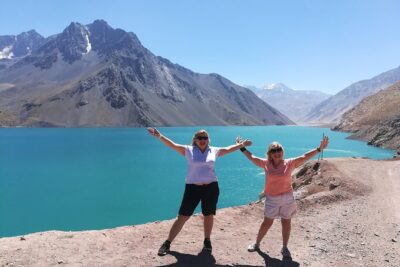
Cajon Del Maipo Including Wine with Picnic and Empanada
Read our review →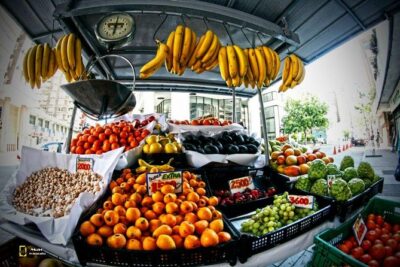
Santiago Half-Day Walking Tour with Hotel Pick up & Food Sample
Read our review →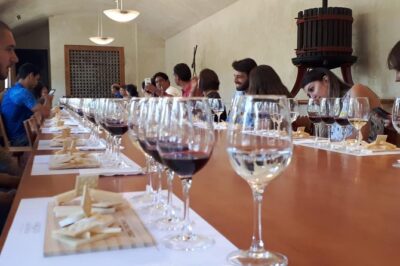
New Concha y Toro Tour Marques with class, extra tasting y food
Read our review →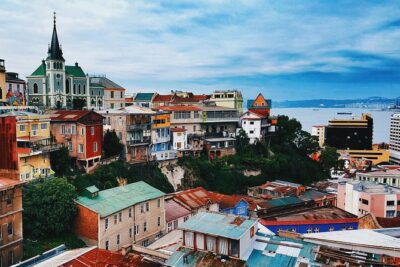
Valparaiso & Casablanca : Wine, Gastronomy and Living Culture
Read our review →
4h Cooking Class in Santiago with 8 Recipes & Bottomless Drinks
Read our review →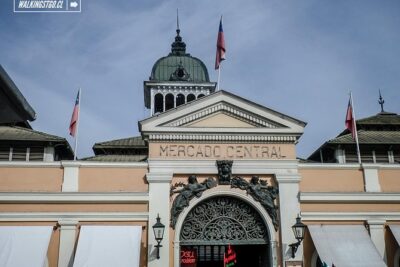
Santiago city experience: Walking tour, Market visit, Lunch & Coffee included
Read our review →
Learn to Prepare the Famous Chilean Pine Empanada
Read our review →Browse the lists this tour appears in