
REVIEW · MOON VALLEY TOURS
Explore Moon Valley with Sunset, Snacks and Refreshments
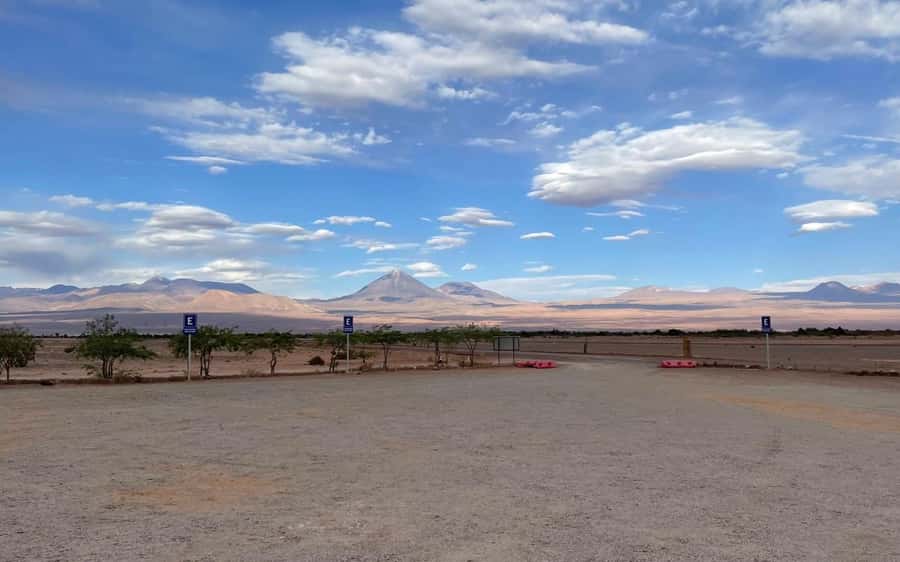
Desert light rewards patience. This five-hour outing combines Moon Valley’s salt and clay formations with a sunset stop, making it a good choice if you want several Atacama sights in one half-day. I especially like the walk up Gran Duna and the thoughtful snack and cocktail break in the Valley of Death.
The bilingual guide, comfortable Mercedes Benz Sprinter, and strong food feedback add real value at $55 per person. The main drawback is that park admission costs about $10 extra, and the walking, rough roads, heat, and cold require a good general state of health.
In This Review
- Quick reasons to consider this tour
- Why this half-day outing works well
- Meeting at Domingo Atienza and Calle Caracoles
- Climbing Gran Duna for the Atacama panorama
- Tres Marías and the people who watched the desert
- Mina Victoria and the salt-mining past
- A snack and cocktail in the Valley of Death
- Sunset at Piedra del Coyote
- What the $55 price really includes
- What to bring for comfort and safety
- Who will enjoy this Moon Valley tour?
- FAQ
- How long does the Moon Valley sunset tour last?
- What is included in the tour price?
- Is the park entrance fee included?
- Where is the meeting point?
- What languages are offered?
- What should I bring?
Quick reasons to consider this tour
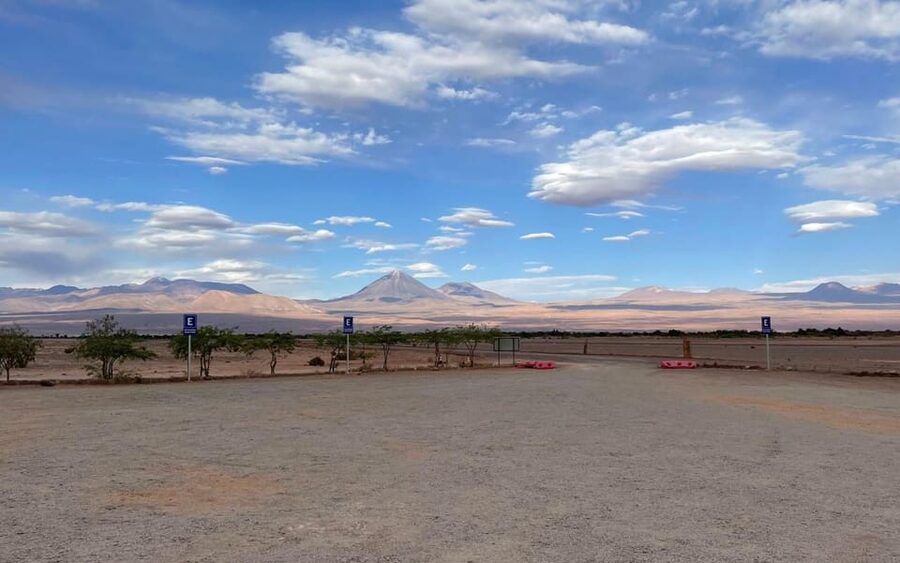
- Gran Duna views: Walk high enough to see the Cordillera de la Sal, Cordillera de Domeyko, Andes, and Salar de Atacama.
- Sunset at Piedra del Coyote: The final stop is timed for broad desert views and changing evening color.
- A proper desert break: The Valley of Death snack table and cocktail give you a place to rest between stops.
- Tres Marías and Mina Victoria: See natural rock forms and learn how salt mining shaped the area.
- Practical transport: A Mercedes Benz Sprinter takes you between remote sites, with a guide speaking Spanish and English.
- Good overall value: The $55 price includes transport, guiding, snack, cocktail, and a first aid kit, but not the park fee.
Why this half-day outing works well
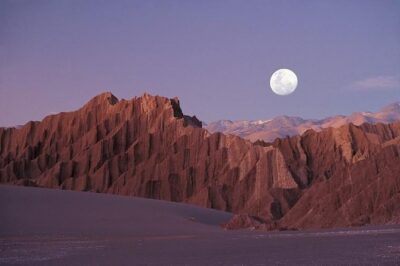
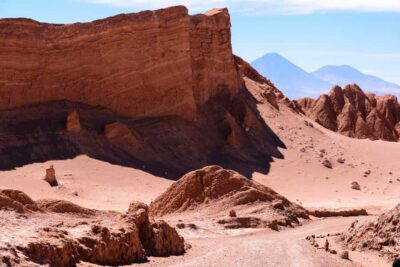
Moon Valley is close enough to San Pedro de Atacama for a half-day visit, but it feels far removed from town. Salt, clay, and minerals have been shaped over millions of years into sharp ridges, pale folds, and wide open slopes. You get a strong sense of the area without spending a full day in a vehicle.
I like the order of this experience. You begin with walking and views, move into cultural and mining history, pause for food, then finish with sunset. That rhythm matters in the Atacama, where the midday sun can make even a modest walk feel serious.
The tour costs $55 per person, with roughly $10 for park admission paid separately on site. For that total, you receive round-trip transport, a bilingual guide, several stops, a snack, and a cocktail. It is not the cheapest possible way to see Moon Valley, but it is a fair price if you value convenience and want more than a quick photo stop.
The schedule is listed as five hours, though the exact starting time depends on availability. Since sunset changes throughout the year, check the departure time carefully when booking. The experience ends back at the starting point in San Pedro de Atacama around half a day later.
More Moon Valley trips:
- San Pedro de Atacama: Valle de la Luna Guided Tour
★ 4.4 · 312 reviews - Half Day Tour to Valle de la Luna
★ 5.0 · 307 reviews - Valle de la Luna (Moon Valley) from San Pedro de Atacama
★ 4.5 · 145 reviews
Meeting at Domingo Atienza and Calle Caracoles
The meeting point is at White & Green Travel, near Domingo Atienza and Calle Caracoles in San Pedro de Atacama. Look for the agency sign above the entrance. This is a useful detail because the town has several tour offices, and a clear landmark saves you from wandering around at departure time.
From there, you board a Mercedes Benz Sprinter. The vehicle is included in the price and is important here because the tour links several sites reached by road, including remote areas near the Cordillera de la Sal. You should still expect off-road riding, so this is not a smooth city transfer from start to finish.
A bilingual Spanish and English guide leads the outing. That gives you a chance to ask questions about the geology, local names, and mining sites rather than simply moving from viewpoint to viewpoint. The quality of the guide will shape how much you get from the stops, especially at Tres Marías and Mina Victoria.
Climbing Gran Duna for the Atacama panorama
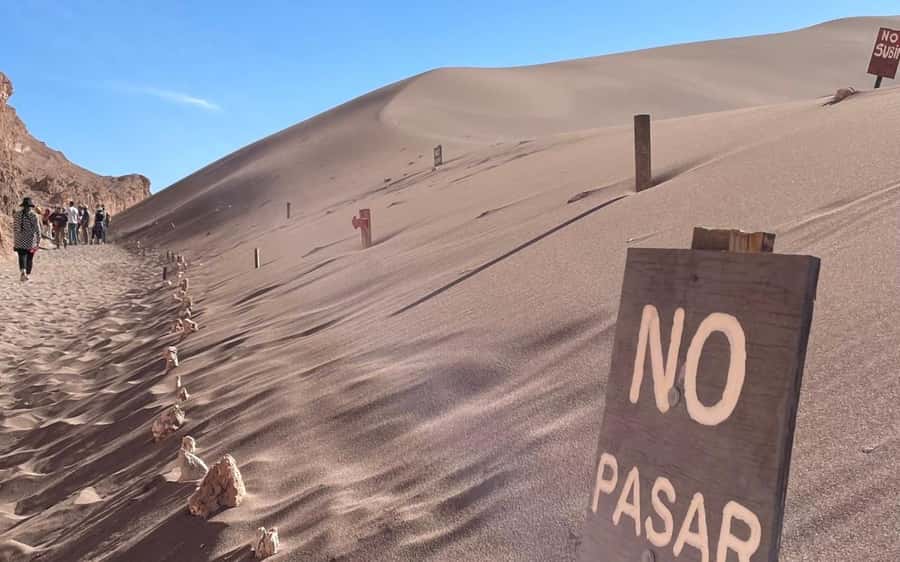
The first major activity is a hike up Gran Duna. The name is accurate: this is a large rise of sand and mineral material, and the climb gives you a better view of how the surrounding formations were built up in layers.
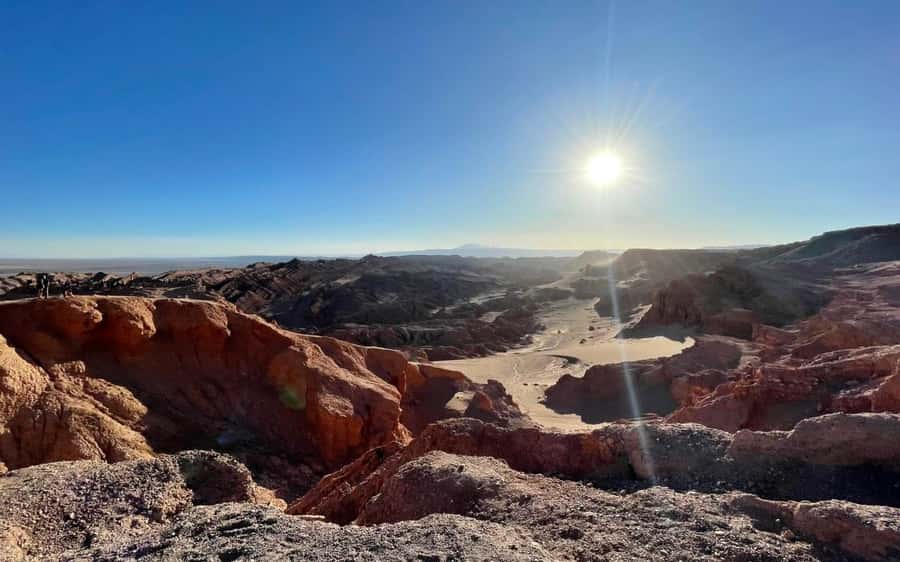
You will see the Cordillera de la Sal nearby, along with the Cordillera de Domeyko and the Andes farther away. The view also reaches toward the Salar de Atacama, the great salt flat that helps define the region. This is the stop where the scale of northern Chile becomes clear. The scenery is not a collection of isolated rock shapes. It is a broad system of ridges, valleys, salt, and mountain ranges.
The hike is one of the tour’s best features, but it is not a casual stroll for everyone. The Atacama is dry, sunny, and high enough for exertion to feel harder than expected. Wear hiking shoes with a firm sole, cover your arms, apply sunscreen, and carry water. The operator asks you to bring 2 liters of water, which is sensible advice rather than an optional extra.
The route includes walking through several landmarks, not just riding between viewpoints. If you prefer a tour with almost no physical activity, this may feel too demanding. If you like short hikes with a clear visual payoff, Gran Duna should be a highlight.
Tres Marías and the people who watched the desert
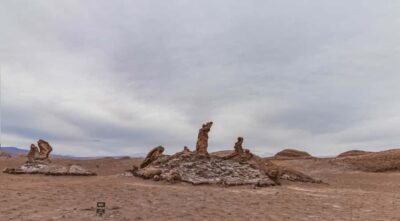
Next comes Tres Marías, a group of natural sculptures that have become one of Moon Valley’s recognizable sights. Father Gustavo Le Paige gave them their name, but the formations also carry meaning connected to the Licanantay people, who called them The Watchers.
That local name adds a useful layer to the stop. You are not only looking at unusual stone shapes. You are also hearing how the area has been understood and named by different people over time. Ask your guide to explain the connection in more detail, especially if the group is moving quickly.
Tres Marías is primarily a viewing stop, so it is less physically demanding than Gran Duna. It works well as a change of pace. After the climb, you can focus on the forms, listen to the story, and take photographs without using up more energy.
Do not expect a long museum-style presentation. The value here comes from the setting and the guide’s explanation. The natural sculptures are easy to photograph, but their meaning is what makes the stop more than a standard desert photo opportunity.
More things to do in San Pedro de Atacama:
- San Pedro de Atacama: El Tatio Geysers Tour
★ 4.7 · 943 reviews - Tour to the Hidden Lagoons of Baltinache
★ 5.0 · 694 reviews - San Pedro de Atacama: Etno-Stargazing Tour with Transfer
★ 4.8 · 629 reviews - Piedras Rojas, Altiplanics Lagoons & Salar Full-Day Tour
★ 4.7 · 592 reviews
Mina Victoria and the salt-mining past
Mina Victoria offers a different side of the Atacama. Instead of focusing only on dramatic scenery, the tour looks at the area’s salt-mining industry and the remains of a once-thriving operation.
This stop helps explain how people used the region’s mineral wealth. The desert can appear empty at first glance, but places such as Mina Victoria show that it has long supported work, trade, and local activity. The mining remains also give the tour a practical connection to the ground beneath your feet. Salt and minerals are not just colors in the rock. They have economic value and a human story.
The available details do not specify how long you stay at the mine or which structures remain, so you should think of it as a guided historical stop rather than a full industrial museum visit. Its appeal will depend partly on how much you enjoy context alongside scenery.
For me, including Mina Victoria improves the itinerary. A sunset tour built only around viewpoints can feel repetitive. This stop breaks up the rock formations with a look at work and industry.
A snack and cocktail in the Valley of Death
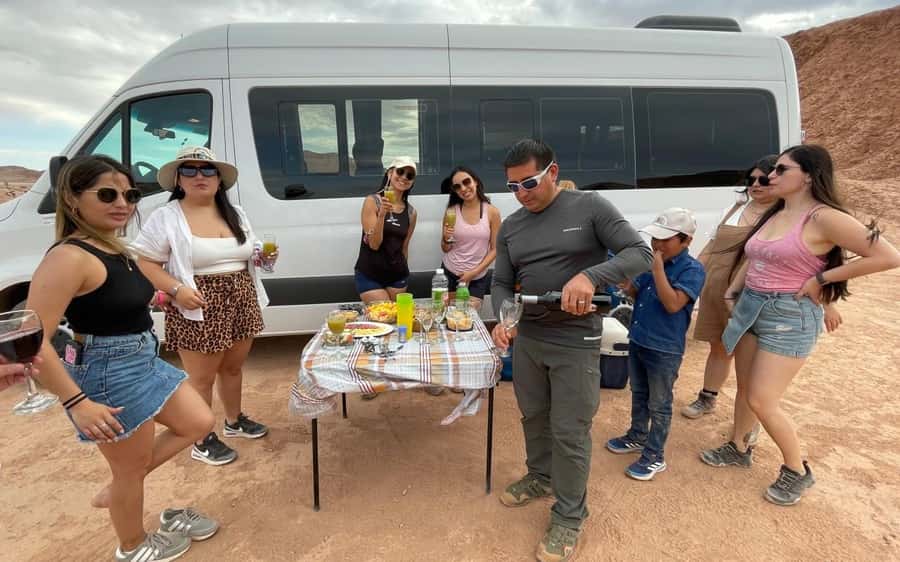
After the earlier walks and stops, you head to the Valley of Death. Here, the crew sets up a table where you can sit, eat a snack, and toast the outing with a cocktail.
This is a small feature, but it changes the pace of the afternoon. You are not expected to eat while standing beside the vehicle or rush through a packaged snack at a viewpoint. The seated break gives your legs time to recover and lets you take in the quiet surroundings.
Food is one of the tour’s more praised elements. The exact snack and cocktail are not specified, so do not book this expecting a particular dish or drink. If you have allergies or special dietary requirements, communicate them in writing to White & Green International Travel when you book.
The cocktail is also worth treating sensibly. You still have desert roads and a sunset stop ahead, so drink at a comfortable pace and continue drinking water. The cocktail does not replace the need to carry your own 2 liters.
The Valley of Death stop may be especially appealing if you want a more polished outing rather than a basic transport-and-viewpoint trip. It adds a touch of occasion without turning the tour into a formal dining experience.
Sunset at Piedra del Coyote
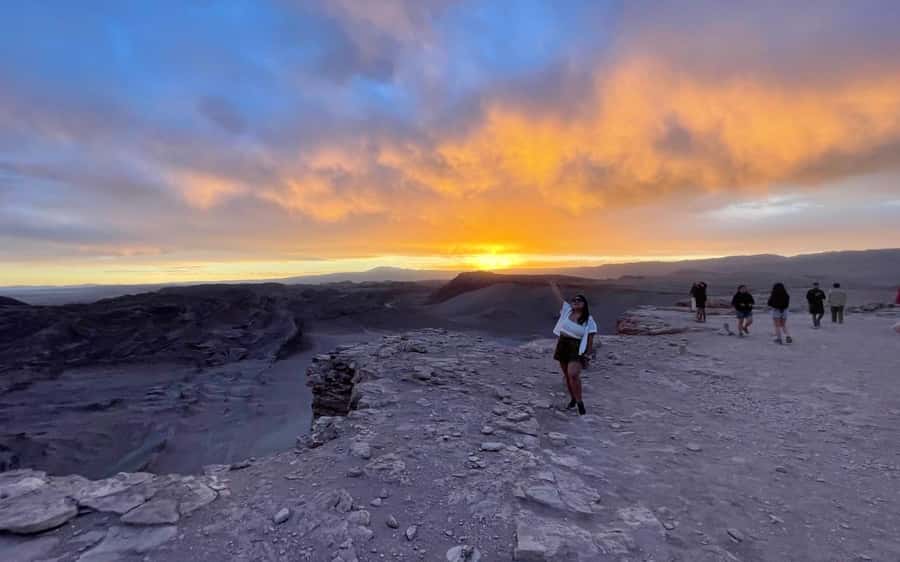
The final stop is Piedra del Coyote, where the tour aims to catch the sunset. This is the emotional high point of the afternoon, and the timing gives the outing a clear finish rather than ending at an arbitrary viewpoint.
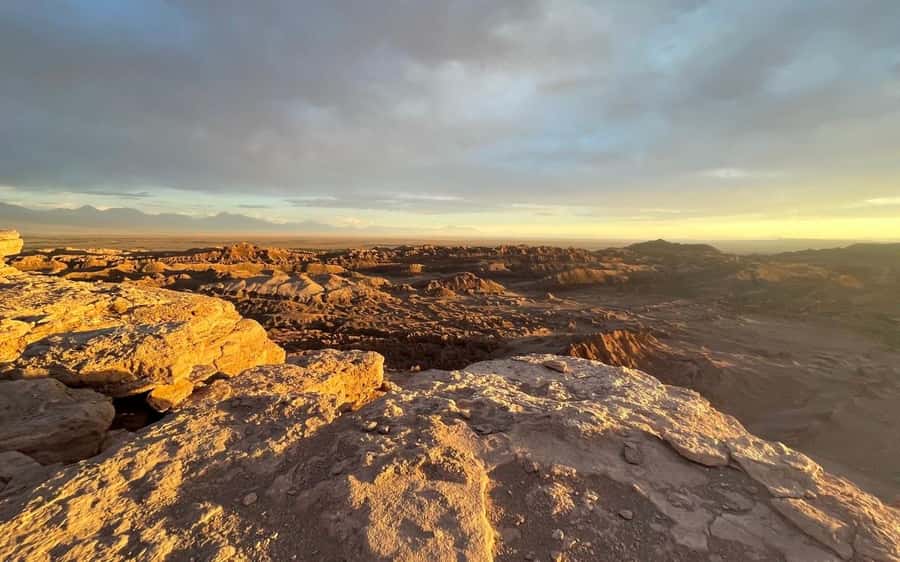
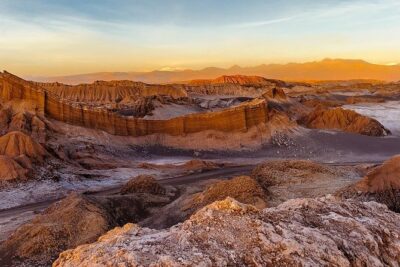
From Piedra del Coyote, you can watch the desert change color as the sun drops. The pale mineral formations, distant mountains, and open sky take on different tones as the light fades. Bring your sunglasses for the earlier stops, but keep your jacket handy for the evening. The Atacama can feel hot in the sun and cold once the light disappears.
This is also the best place to keep your camera ready. The changing light is brief, and you may not have much time to arrange a shot after reaching the viewpoint. A hat and sunscreen remain useful until sunset, while long sleeves protect you from the strong daytime sun.
The sunset stop is a good reason to choose this tour over a daytime Moon Valley visit. It is also the part most affected by timing and weather conditions. The tour description promises the stop, but no desert sunset can be controlled completely. Go for the setting and the chance of excellent color, not for a guaranteed postcard every evening.
What the $55 price really includes
The $55 fee is reasonable for a five-hour guided outing if you want transport and several organized stops. You are paying for more than access to Moon Valley. The price covers the Sprinter, bilingual guide, walking route, snack, cocktail, and first aid kit.
The separate park entry fee, approximately $10, brings the basic total to about $65 per person. You should budget for personal purchases and souvenirs as well. Those costs are not included.
Value depends on your travel style. If you already have a rental vehicle, know the area, and prefer setting your own schedule, a guided tour may feel less flexible. If you are based in San Pedro and want to avoid arranging transport to multiple sites, the package is more useful.
The strongest value comes from the combination of scenery and service. Gran Duna, Tres Marías, Mina Victoria, the Valley of Death, and Piedra del Coyote create a full afternoon. The snack and cocktail add comfort, while the guide gives the stops some meaning.
The tour has a 4.5 rating from seven reviews. The positive points are clear: the food receives praise, and the guide is described as good. That matches the tour’s design, which gives you both memorable scenery and a pleasant break.
What to bring for comfort and safety
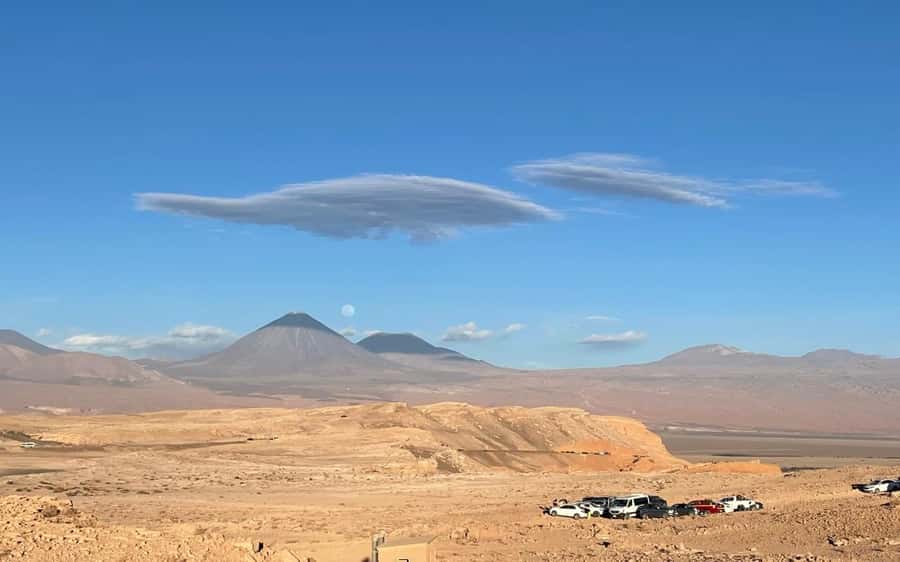
Pack for two different Atacama conditions: intense sun during the day and cooler air after sunset. The operator’s recommended list is practical:
- Sunglasses and a sun hat
- Sunscreen
- Hiking shoes
- Long-sleeved shirt and long pants
- Warm clothing and a jacket
- At least 2 liters of water
Walking shoes matter because the tour includes Gran Duna and other site visits. Sand, uneven surfaces, and mineral ground are not ideal for thin-soled casual footwear.
You should also disclose allergies, dietary needs, and physical limitations in writing when booking. The tour includes walking and off-road vehicle travel, and participation requires a good general state of health. It is not suitable for pregnant women.
The first aid kit is included, but it should not encourage you to underestimate the conditions. Water, sun protection, and sensible clothing are more important than any emergency item.
Who will enjoy this Moon Valley tour?
I would recommend this tour to someone visiting San Pedro for a short stay who wants a well-rounded introduction to the area. You get geology, local cultural context, mining history, walking, food, and sunset in one outing.
It also suits couples and small groups looking for a more special finish to the day. The cocktail table in the Valley of Death gives the experience a social feel, while Piedra del Coyote provides the memorable final view.
Active families with older children might enjoy it, but the physical requirements should be taken seriously. The supplied information does not set a minimum age, so check before booking if you are traveling with children.
I would hesitate to recommend it if you dislike off-road driving, cannot walk comfortably, or need a highly predictable schedule. It is also not the right choice for anyone who wants a quiet, private experience, since group size is not specified and the tour uses shared transport.
Book this tour if you want Moon Valley with structure, a bilingual guide, and a bit of comfort along the way. The best reasons are the Gran Duna panorama, the cultural and mining context, and the snack and cocktail break before sunset. Skip it if you prefer independent exploring or want every cost included upfront. For most visitors with only half a day available, the range of sights makes the $55 price, plus park admission, a sensible buy.
FAQ
How long does the Moon Valley sunset tour last?
The tour lasts five hours and returns to the starting point in San Pedro de Atacama around half a day later.
What is included in the tour price?
The price includes transportation in a Mercedes Benz Sprinter, a bilingual Spanish and English guide, hiking through the listed landmarks, a snack and cocktail in the Valley of Death, and a first aid kit.
Is the park entrance fee included?
No. Park entry must be paid on site and costs approximately $10.
Where is the meeting point?
Meet at White & Green Travel near Domingo Atienza and Calle Caracoles in San Pedro de Atacama. Look for the agency sign above the entrance.
What languages are offered?
The live guide service is available in Spanish and English.
What should I bring?
Bring warm clothing, sunglasses, a sun hat, hiking shoes, sunscreen, long sleeves, a jacket, and 2 liters of water. You should also communicate allergies, dietary requirements, and physical limitations in writing when booking.
Just added in San Pedro De Atacama
- Vallecito★ 4.7 · 13 reviews
- Atacama Desert and Magic Bus Visit★ 4.8 · 15 reviews
- San Pedro de Atacama: Valle de la luna★ 3.0 · 3 reviews
- Valle de la Luna: A Moon-Like Escape in Atacama★ 5.0 · 3 reviews
- Triple Tour: Piedras Rojas + Altiplanic Lagoons + Chaxa Lagoon★ 5.0 · 1 review
- Atacama Stargazing Tour Under One of the World’s Clearest Skies★ 4.0 · 3 reviews
- Tour to Laguna Cejar and Tibenquinche★ 4.5 · 7 reviews
- Red Stones + Altiplánica Lagoons★ 5.0 · 1 review
Moon Valley Tours, compared.
Valle de la Luna (Moon Valley) from San Pedro de Atacama
Read our review →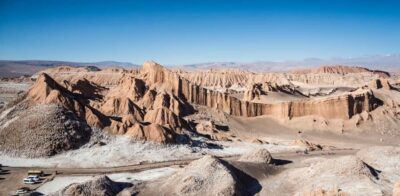
Small-Group Tour to Moon Valley from San Pedro de Atacama
Read our review →
Browse the lists this tour appears in