
REVIEW · CHILEAN FOOD TOURS
Cooking Class in Santiago de Chile
Santiago tastes better at the kitchen table. This three-hour cooking class pairs a guided visit to the Central Market with hands-on Chilean cooking, cocktails, and wine. I like the small private format, capped at 10 people, and the warm teaching style of owners and chefs Patricio and Jennifer.
I also like that this is held in a cooking workshop rather than a restaurant, so you take part instead of simply watching plates arrive. The main drawback is the $270 price, plus the strict nonrefundable policy and the need to confirm transport between the market, workshop, and hotel.
In This Review
- Key points to know before booking
- Why this Santiago cooking class feels different
- The market visit: Chile on the shopping list
- Starting with a cocktail and Chilean conversation
- What you may cook: from flatbread to seafood
- Dessert brings Chilean comfort food
- The teaching style: relaxed, clear, and family-friendly
- Is $270 per person a fair price?
- Timing, meeting point, and transport tips
- Who should book this cooking experience?
- Should you book the Santiago cooking class?
- FAQ
- Where does the cooking class start?
- Does the experience include a visit to Santiago’s Central Market?
- How long does the cooking class last?
- Is the class private?
- What food and drinks are included?
- Is hotel transportation included?
- Can I cancel or change the booking?
Key points to know before booking
- A real cooking workshop: You prepare a starter, main course, and dessert with the hosts rather than eating a preset meal.
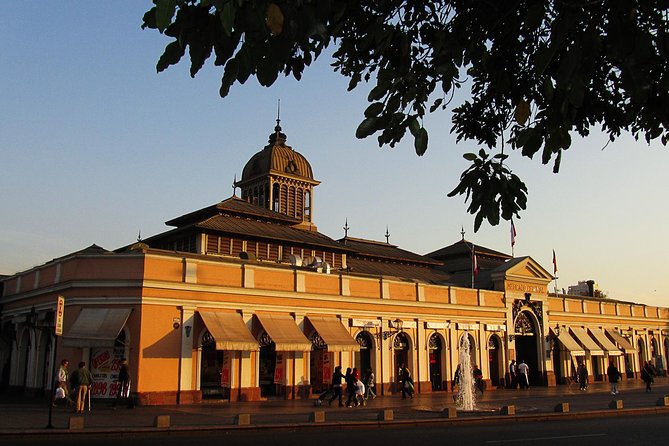
- Central Market connection: The class includes a guided market visit, with fresh ingredients and Chilean food culture at the center.
- Patricio and Jennifer host: Their relaxed, patient style suits couples, families, and curious home cooks.
- Cocktails and boutique wine included: You prepare a Chilean cocktail and taste two wines from boutique vineyards, including Grand Reserve selections.
- Private and small scale: Only your own group participates, with a maximum of 10 people.
- Plan your transport carefully: The listed meeting point is El Raudal in Lo Barnechea, while the market visit may involve separate transport.
Why this Santiago cooking class feels different
Santiago has plenty of restaurants where you can order Chilean food. This experience gives you something more useful: a look at how the food is chosen, prepared, and explained in a local kitchen.
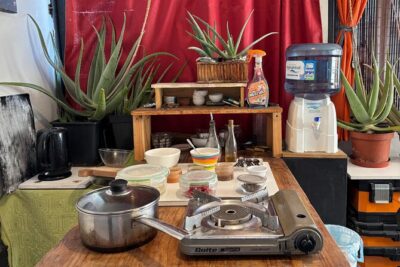
The class focuses on Chilean haute cuisine, but the mood is not stiff or formal. You work in a large teaching kitchen with the hosts, prepare several dishes, and sit down to eat what you made. That balance matters. You get the pleasure of a special meal without spending the entire afternoon as a spectator.
Patricio and Jennifer are the owners and chefs. Their role is central to the experience. Patricio is described as patient, funny, and clear, with a habit of explaining the background of each dish while showing you how to prepare it. Jennifer helps with preparation and hosting, adding a second set of hands to the class.
The setting is also part of the appeal. This is a workshop, not a commercial restaurant. The atmosphere is casual, with music, conversation, and time to ask questions. One family found the format especially good for a 14-year-old, who received guidance on knife safety, food preparation, and plating.
That makes this a good choice if you want food with a human connection. You are not just collecting another meal in Santiago. You are learning enough to remember the dishes later.
More Food Tours in Santiago
- Cajon Del Maipo Including Wine with Picnic and Empanada
★ 5.0 · 612 reviews - Santiago Half-Day Walking Tour with Hotel Pick up & Food Sample
★ 4.5 · 467 reviews - New Concha y Toro Tour Marques with class, extra tasting y food
★ 4.0 · 329 reviews
The market visit: Chile on the shopping list
The experience includes a guided visit to Santiago’s Central Market. This is an important part of the class because Chilean cooking makes more sense when you first see the produce, seafood, and everyday ingredients that shape it.
You may visit additional market areas as part of the food shopping. One account describes a route through the flower market and fruit and vegetable market, followed by a trip to the cooking space with fresh ingredients. The exact order may vary, so confirm the meeting and transport arrangements before you go.
The market portion is not simply a quick photo stop. It gives Patricio a chance to explain what goes into the dishes you will cook later. Seafood, vegetables, herbs, fruit, and local pantry items become more than names on a menu once you have seen them in their natural setting.
There is one practical point to watch. The official meeting point is listed as El Raudal in Lo Barnechea, and the activity ends back there. Some arrangements described for the class include meeting at the market and taking a taxi to the cooking workshop. Hotel pickup or a transfer from the workshop back to your hotel may be available on request, but it is not included in the standard price.
I would settle this detail before paying. Lo Barnechea is not the same as meeting in central Santiago, and a market visit followed by separate transport can change how you plan the rest of your day.
Starting with a cocktail and Chilean conversation
The class includes an appetizer and cocktail preparation to enjoy while you cook. The exact drink can vary, but the menus described include a Pichuncho Manhattan, a Pichuncho, and a Pisco Sour.
A Pichuncho is a Chilean cocktail made with pisco and vermouth. It is a useful introduction to local drinking culture because it is less familiar to many visitors than a Pisco Sour. The class may also use seasonal or host-selected variations.
This opening drink sets the tone. You get something in your glass while learning the first steps, and the work begins in an easy way. It also gives you a chance to ask Patricio or Jennifer about Chilean ingredients before the more involved dishes begin.
Wine is part of the class too. You receive two wines from boutique vineyards, including Grand Reserve selections. The examples described include a Semillon and Chardonnay white blend, along with a Chilean red from the Maipo Valley and Carmenere.
The wine is paired with the meal rather than treated as an afterthought. Still, keep the timing in mind. The class lasts about three hours, and the food and wine are served during that period. If you are sensitive to alcohol or want to drive, ask about the drink service before booking.
What you may cook: from flatbread to seafood
The sample menu is described simply as a Chilean starter, main course, and dessert. In practice, the dishes can be more varied, with some classes producing four distinct preparations.
One menu included churrasca with chancho en piedra. Churrasca is a Chilean flatbread, while chancho en piedra is a rustic tomato and garlic sauce. This is the kind of dish that gives you a direct taste of everyday Chilean food. It is simple in concept but depends on fresh tomatoes, good seasoning, and the right texture.
Another menu featured a palta york appetizer and a pasta cardinal preparation. Avocado appears often in Chilean cooking, and the class uses familiar local ingredients in ways that may be new to you. You may also prepare a chacarero sandwich, one of Chile’s best-known sandwiches, with meat, green beans, and other traditional fillings.
The seafood course can move into more formal cooking. One described plate combined Southern hake, abalones, scallops, and samphire with a citrus sauce made from lime, mandarin juice, garlic, olive oil, and spices. This is where the haute cuisine angle becomes clear. You are not only assembling a sandwich or mixing a sauce. You may be working with delicate seafood and learning how several sharp, fresh flavors fit together.
Availability matters here. Some ingredients, such as abalones, samphire, and Southern hake, may be hard to find outside Chile. That is part of the value of tasting them in Santiago, though it also means you might not be able to recreate every course at home.
Chicken dishes can be more approachable. A Chicken Plate Reina preparation used chicken with romaine and avocado. The menu can also include empanadas, salad, and other Chilean dishes depending on the class arrangement.
The food list is not completely fixed in the supplied details. That is normal for a market-based class, where ingredients and the chef’s plan can change. If a specific dish matters to you, ask before the class rather than assuming the sample menu is guaranteed.
A completely different kind of day out:
- Valparaiso Port and Viña del Mar with Casablanca Wine Tasting
★ 5.0 · 6,110 reviews - Santiago: Cajon del Maipo/Embalse del Yeso Tour with Picnic
★ 4.3 · 3,789 reviews - Santiago: Vina Del Mar, Valparaiso, Casablanca & Reñaca Tour
★ 4.2 · 2,838 reviews - Cable Car, Funicular and Sightseeing Bus in Santiago one day
★ 5.0 · 2,325 reviews
Dessert brings Chilean comfort food
Dessert may be the most distinctive part of the class for visitors who know little about Chilean home cooking.
One preparation included pumpkin sopaipillas served with chancaca sauce. Sopaipillas are fried pumpkin-based rounds, and chancaca is a dark, sweet syrup traditionally used with warm desserts. The result is a comforting Chilean finish, quite different from a standard restaurant pastry.
Another class prepared a Chilean lava cake. That course is more familiar in style, but it still gives the chef room to explain local ingredients and plating.
The contrast is useful. You may get a rustic dessert in one class and a more polished one in another. Either way, dessert is not an extra plate dropped on the table. You help make it, then eat it with the rest of the meal.
The teaching style: relaxed, clear, and family-friendly
The strongest reason to book this class is the personal instruction. Patricio is described as patient and humorous, while Jennifer is praised as a warm host who helps with preparation and cleanup.
That combination makes the class feel social without requiring you to be a serious cook. You can participate at your own level. If you already cook often, you can ask about technique and ingredients. If you rarely cook, the hosts can guide you through the basics.
Knife safety is specifically part of the instruction. That detail matters for families and for anyone who feels nervous in an unfamiliar kitchen. The class also covers recipes, preparation, and plating, so you learn more than a short demonstration.
The experience works particularly well for a couple or small family group. A 14-year-old was able to take an active role in preparing the meal, while the adults could cook, talk, and relax. A group of five also found the format lively and manageable.
Because the activity is private, your group does not have to keep pace with strangers. The advertised maximum is 10 people, but a smaller group is possible. One couple had the class privately with Patricio, which allowed plenty of conversation and direct instruction.
Is $270 per person a fair price?
At $270 per person, this is not a budget food activity. You are paying for a private or very small-group cooking class, a market visit, ingredients, snacks, a cocktail, a three-course meal, and two wines.
The value depends on what you want from Santiago. If you only want to eat Chilean food, a good restaurant will cost less. If you want a market visit, personal instruction, drinks, and a meal in one experience, the price is easier to justify.
The hosts are also the owners and chefs, not anonymous staff following a scripted demonstration. That personal element is a major part of what you are buying. You receive conversation, explanations, and hands-on help as well as food.
Still, I would not book this casually. The experience is nonrefundable and cannot be changed for any reason after booking. It also requires a minimum number of participants, although a cancellation for that reason comes with the option of another date or a full refund.
Timing, meeting point, and transport tips
The class lasts about three hours, though one account describes a session lasting more than four hours. Allow extra time if the market visit, shopping, transfers, or a leisurely meal are included.
The formal start point is El Raudal in Lo Barnechea, Región Metropolitana. The activity ends back at the meeting point. It is near public transportation, but the information does not specify the best route from your hotel.
Some arrangements include a driver collecting participants from a downtown Santiago hotel, but that is not listed as a standard inclusion. A transfer from the workshop to your hotel is available on request and is not included in the base price.
My advice is simple: ask Signature Tours exactly where you should meet, how you reach the market, and how you return afterward. This is especially important if you have an evening reservation, airport transfer, or another fixed appointment.
The activity is offered in English, and confirmation is received at booking. Gratuities are optional.
Who should book this cooking experience?
I would choose this class if you want food to be a central part of your Santiago visit. It suits people who enjoy talking with cooks, trying unfamiliar ingredients, and learning a few techniques they can take home.
It is also a strong option for families. The relaxed approach and knife-safety instruction make it more welcoming than a formal culinary school. Couples will appreciate the private setting, especially if they want a shared activity that feels more personal than a restaurant meal.
This may not suit you if you want a quick, inexpensive class with a fixed menu and simple transport. The price is high, the menu can vary, and the meeting arrangements need attention.
I would also think twice if your main goal is to reproduce every dish at home. Some seafood and specialty ingredients may be difficult to find outside Chile. The class is still worthwhile, but the memory and cultural context may be more valuable than a perfect home recreation.
Should you book the Santiago cooking class?
Book it if you want to meet local hosts, see Chilean ingredients at the market, and prepare a polished meal with cocktails and wine. Patricio and Jennifer receive the strongest praise for their warmth, patience, and ability to make the class feel like time spent in a friend’s kitchen.
Skip it if $270 feels too steep for a food activity or if you need a flexible booking. Before committing, confirm the menu, the market meeting point, and transport to Lo Barnechea. With those details settled, this is a memorable way to taste Chile beyond the restaurant table.
FAQ
Where does the cooking class start?
The listed meeting point is El Raudal in Lo Barnechea, Región Metropolitana, Chile. The activity ends back at the meeting point.
Does the experience include a visit to Santiago’s Central Market?
Yes. A guided visit to the Central Market is included. The market portion may also include other food areas, depending on the arrangement.
How long does the cooking class last?
The stated duration is approximately three hours. One described session lasted more than four hours, so allow some extra time.
Is the class private?
Yes. Only your own group participates. The advertised maximum is 10 people.
What food and drinks are included?
The class includes a starter, main course, and dessert, along with ingredients, snacks, a prepared appetizer, and a Chilean cocktail. It also includes two wines from boutique vineyards in the Grand Reserve range.
Is hotel transportation included?
No. Transport from the cooking workshop to your hotel is not included, though it may be available on request. Confirm the market and workshop transport details before booking.
Can I cancel or change the booking?
No. The experience is nonrefundable and cannot be changed for any reason. If the operator cancels because the minimum number of participants is not reached, you can be offered another date or experience, or receive a full refund.
Just added in Santiago
- Walking City Tour with Funicular, Cable Car and Tasting★ 4.3 · 6 reviews
- VIÑA DEL MAR AND VALPARAISO TOUR★ 4.8 · 20 reviews
- Tour VIÑA CONCHA Y TORO + CASA MARQUES – Chile, from Santiago.★ 5.0 · 2 reviews
- Undurraga + Isla Negra + San Afonso del Mar —– Full day★ 4.1 · 8 reviews
- Undurraga Wine tour★ 4.2 · 15 reviews
- Southcoast – Private Full-Day tour★ 5.0 · 6 reviews
- Santiago Private walking tour with Lunch★ 5.0 · 5 reviews
- Zapallar : nature, sea and local flavours★ 5.0 · 6 reviews
Chilean Food Tours, compared.
Cajon Del Maipo Including Wine with Picnic and Empanada
Read our review →
Santiago Half-Day Walking Tour with Hotel Pick up & Food Sample
Read our review →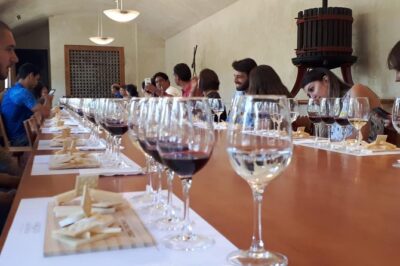
New Concha y Toro Tour Marques with class, extra tasting y food
Read our review →
Valparaiso & Casablanca : Wine, Gastronomy and Living Culture
Read our review →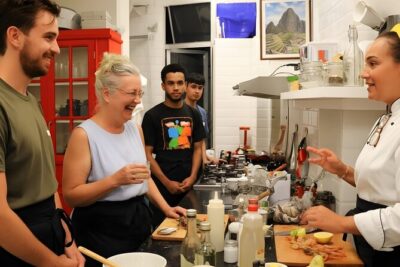
4h Cooking Class in Santiago with 8 Recipes & Bottomless Drinks
Read our review →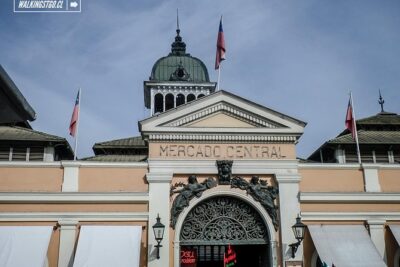
Santiago city experience: Walking tour, Market visit, Lunch & Coffee included
Read our review →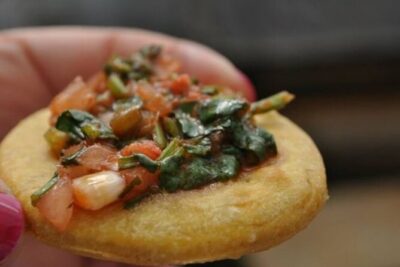
Learn to Prepare the Famous Chilean Pine Empanada
Read our review →Browse the lists this tour appears in