
REVIEW · CHILEAN FOOD TOURS
Authentic Gastronomic Experience in Santiago
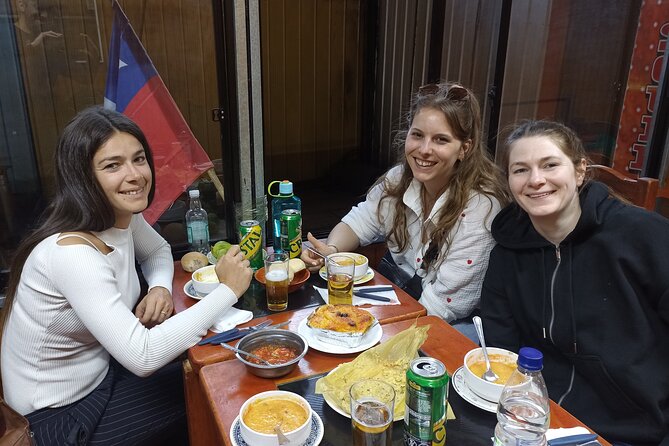
Come hungry, leave better oriented. This three-hour walking tour links Santiago’s historic center with its food traditions, taking you from empanadas and seafood to choclo cake, local drinks, and neighborhood culture. I like the way the route joins five central stops instead of treating food as a separate activity, and I like that your guide explains the customs and local stories behind each dish.
The private format is another strong point, since your group can ask questions and, as happened with guide Ignacia, request a small detour to a market. My main caution is simple: this is a walking tour, not a seated food crawl, and it is not recommended if you cannot walk more than five blocks without stopping. At $99 per person, the value depends on how much you appreciate the food, guiding, and several included drinks.
In This Review
- Key Points at a Glance
- Why This Food Walk Works in Santiago
- Starting at the Pre-Columbian Art Museum
- Plaza de Armas and the Historic Center
- Mercado Central and Santiago’s Seafood Culture
- Parque Forestal, Where the Walking Route Gets Air
- Bellavista and a More Social Side of Santiago
- Barrio Lastarria and the Final Tastings
- What You Actually Get for $99
- The Guides Make the Difference
- Dietary Needs, Walking, and Practical Fit
- Who Should Book This Santiago Food Tour?
- Final Verdict: A Good First Taste of Santiago
- FAQ
- How long does the Authentic Gastronomic Experience in Santiago last?
- Where does the tour begin?
- Where does the tour end?
- What food and drinks are included?
- Is alcohol served to people under 18?
- Is the tour suitable for people who have difficulty walking?
Key Points at a Glance
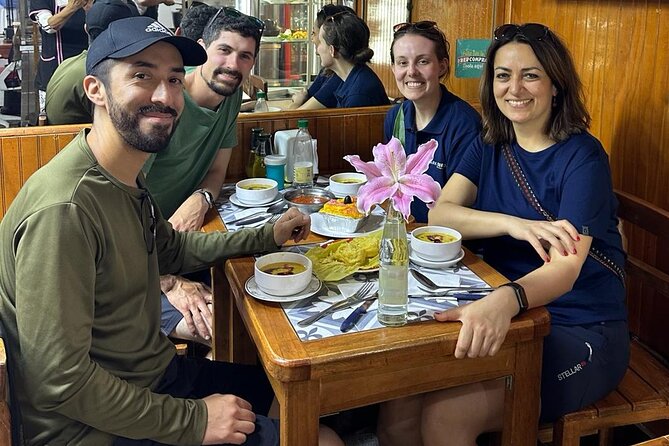
- Five Santiago settings in about three hours: The route connects Plaza de Armas, Mercado Central, Parque Forestal, Bellavista, and Barrio Lastarria.
- A full Chilean tasting menu: Expect traditional empanadas, local seafood, a snack, choclo cake, and drinks such as pisco sour, wine, craft beer, or alcohol-free options.
- Private attention from a local guide: Only your group participates, giving you room to ask questions and adjust the route when possible.
- A useful first-day introduction: Food, markets, landmarks, and neighborhood walks help you get your bearings in central Santiago.
- Come with an empty stomach: The experience includes several food stops, so a large breakfast would be poor planning.
- Plan for steady walking: Transport is not included, and the route is best for people comfortable walking through the city for several hours.
Why This Food Walk Works in Santiago
Food is a practical way to understand Santiago. A dish can tell you about farming, family cooking, migration, coastal trade, and the mix of Indigenous and Spanish traditions that shaped Chilean cuisine. This tour uses that idea well, pairing each tasting with a walk through a different part of the city.
You are not simply taken to one restaurant and served a fixed meal. The route moves through public spaces, a major market, a park, and well-known neighborhoods. That gives the experience some rhythm. You eat, walk, look around, and then eat again.
The tour is offered in English and lasts about three hours. That is long enough for a substantial introduction without taking up an entire day. You can still visit museums, explore more neighborhoods, or schedule dinner afterward.
I would consider this especially useful early in a Santiago stay. A food guide can point out dishes you may want to order later, explain unfamiliar ingredients, and make the city center feel less confusing. It also gives you an easy way to ask practical questions about Chilean eating habits and local specialties.
More Food Tours in Santiago
- Cajon Del Maipo Including Wine with Picnic and Empanada
★ 5.0 · 612 reviews - Santiago Half-Day Walking Tour with Hotel Pick up & Food Sample
★ 4.5 · 467 reviews - New Concha y Toro Tour Marques with class, extra tasting y food
★ 4.0 · 329 reviews
Starting at the Pre-Columbian Art Museum
The meeting point is the Chilean Museum of Pre-Columbian Art at Bandera 361 in central Santiago. The tour ends back at this same meeting point, which makes the beginning and end easy to manage.
This is a sensible place to start because the museum puts Chilean food traditions into a wider cultural setting. The tour itself focuses on food, but the broader theme includes local and ancestral culture. You do not need to visit the museum as part of the activity, but its location gives you a useful central reference point.
Arrive ready to walk and eat. Wear comfortable shoes, and avoid filling up beforehand. The food included is not just a token sample. You will have traditional empanadas, local seafood, a snack, choclo cake, and drinks, so breakfast should be modest.
Plaza de Armas and the Historic Center
The first stop is Plaza de Armas, Santiago’s main historic square and a natural place to begin a city orientation. Here, your guide can connect the setting with the food traditions you are about to taste.
The value of this stop is not only visual. Starting in the historic center helps you understand how Santiago’s public life, commerce, and food culture meet. A guide can also explain the origins of individual dishes rather than leaving you to guess what is on your plate.
This is where the tour’s balance becomes clear. You are not spending three hours indoors. The streets and public spaces provide the setting, while the food gives you something specific to remember.
If you are interested in Chilean empanadas, pay attention here and at the later tastings. The tour includes traditional empanadas, and one food tour can help you notice the differences between a familiar-looking pastry and the local version. You can ask about fillings, preparation, and when Chileans typically eat them.
Mercado Central and Santiago’s Seafood Culture
Mercado Central is the most food-focused stop on the route. The market is tied to Santiago’s seafood culture, and local seafood is included in the meal portion of the experience.
This stop matters because markets show food before it reaches the plate. You can see the connection between Chile’s long coastline and the dishes served in the capital. The tour does not present Chilean cuisine as only meat, bread, and potatoes. Seafood has a clear place in the country’s table traditions.
Your guide is important here. Markets can be lively and visually crowded, and food names may be unfamiliar. A local guide can give context, explain what you are tasting, and help connect the market’s products with everyday cooking.
The market is also a place where a private tour can be more flexible. Ignacia once made a detour to another market at a group’s request. That does not promise a custom route every time, but it shows the benefit of having only your own group involved. If you have a specific food interest, ask early.
Do not expect to stop for every item that catches your eye. The tour has a planned sequence and a limited time frame. Extra meals and drinks are not included, so you may need to choose between staying with the group and buying additional food.
A completely different kind of day out:
- Valparaiso Port and Viña del Mar with Casablanca Wine Tasting
★ 5.0 · 6,110 reviews - Santiago: Cajon del Maipo/Embalse del Yeso Tour with Picnic
★ 4.3 · 3,789 reviews - Santiago: Vina Del Mar, Valparaiso, Casablanca & Reñaca Tour
★ 4.2 · 2,838 reviews - Cable Car, Funicular and Sightseeing Bus in Santiago one day
★ 5.0 · 2,325 reviews
Parque Forestal, Where the Walking Route Gets Air
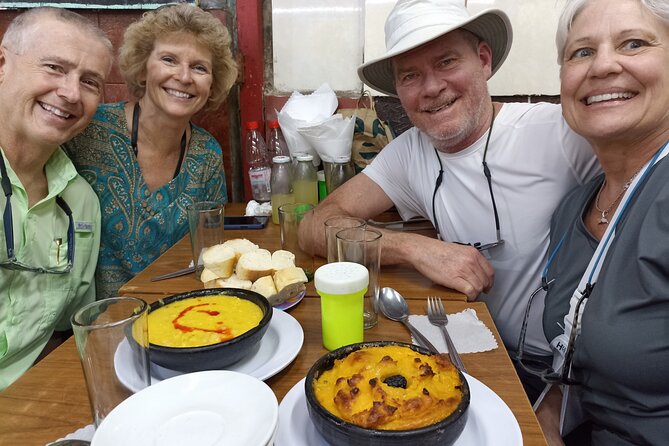
After the market, the route continues to Parque Forestal. This park provides a change of pace from the food hall and central streets.
A park stop may seem less important on a food tour, but it gives you room to digest and look around. It also shows how the experience uses Santiago itself as part of the meal. The city is not just a backdrop between restaurants. The walking route links food with public spaces and neighborhoods.
This section can also make the tour feel less rushed. Three hours is a compact schedule, and moving through a park gives your group a natural pause before more tastings.
Still, remember that this is not a sightseeing tour with long stops at every landmark. The main focus remains food and cultural explanation. If you want detailed architectural commentary or extended museum visits, you will need separate time for those activities.
Bellavista and a More Social Side of Santiago
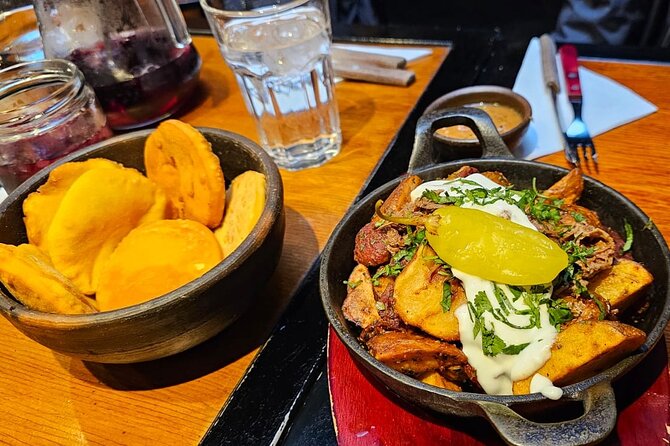
Bellavista is the next neighborhood. It is one of the city’s best-known areas for restaurants, nightlife, and street life, making it a fitting place to continue a food-centered route.
Here, the tour can show you how Chilean food fits into a more social neighborhood setting. You may taste another snack or discuss local drinks while walking through an area that feels different from the historic center and market.
The included beverages are a useful part of the experience. Depending on the food stop and group arrangements, the package includes a local cocktail or snack, wine or craft beer, and soda. Pisco sour is specifically part of the traditional drink experience. For many people, tasting a local drink alongside local food makes the meal feel more complete.
Alcohol is served only to people over 18. Anyone under 18 receives alcohol-free drinks. If your group includes younger participants, this is straightforward, but you should still mention ages and dietary needs when booking.
Bellavista can also be a good place to ask your guide what to order later in your trip. The tour is not designed to cover every restaurant in the neighborhood, but it can help you recognize the types of food and drinks you want to seek out on your own.
Barrio Lastarria and the Final Tastings
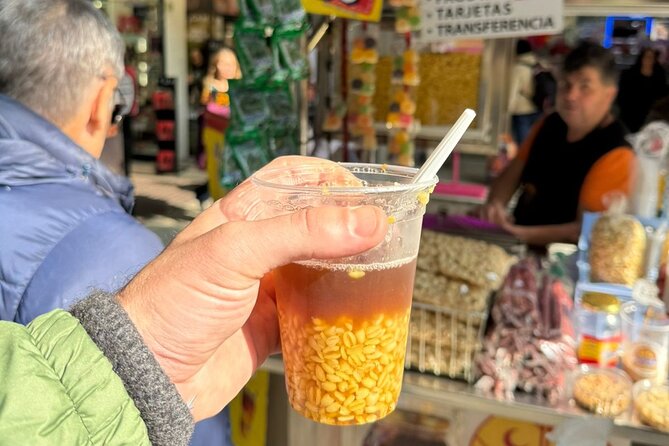
The final neighborhood is Barrio Lastarria. This area gives the route another change in atmosphere before it returns to the starting point.
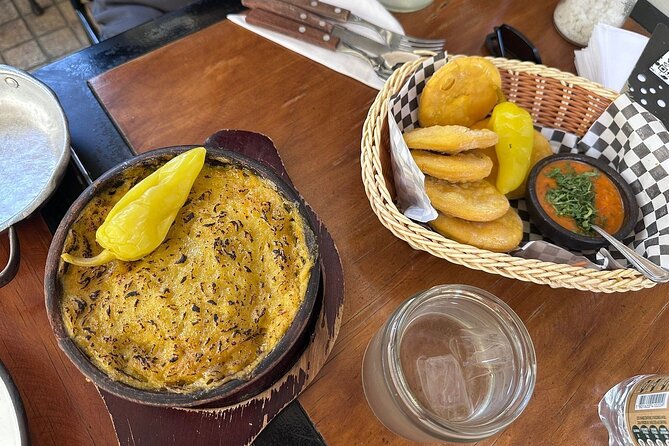
The food highlight here, or somewhere along the route, is likely to be the traditional choclo cake included as lunch. Despite its name, this is a savory Chilean dish rather than a dessert. It is made around sweet corn and is one of the foods that helps explain the country’s home-style cooking.
The tour also includes a snack and local seafood, so the overall meal moves across several parts of Chilean food culture. You get pastry, corn-based comfort food, seafood, street food, sweets, and drinks rather than one repeated category.
Lastarria is a pleasant place to finish because it is a neighborhood where food, culture, and walking naturally overlap. The activity ends back at the Pre-Columbian Art Museum meeting point, not in Lastarria, so allow time for the return walk before making another appointment.
What You Actually Get for $99
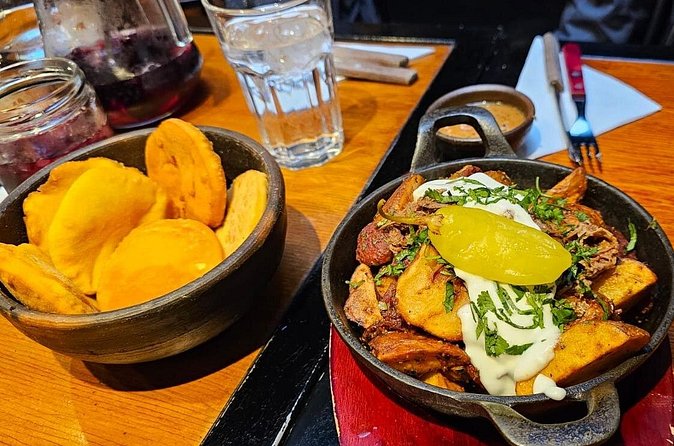
At $99 per person, this is not a bargain if you judge it as a simple lunch. You are paying for more than the food on the plate. The price includes a private English-language guide, traditional empanadas, local seafood, a snack, choclo cake, drinks, soda, and all fees and taxes.
The private format changes the calculation. Only your group participates, so you are not placed with a large mixed party. That can make it easier to ask questions, explain food restrictions, or request a reasonable adjustment. It also means the price may make more sense for a small group that values personal attention than for a solo diner focused only on eating cheaply.
The included alcohol adds some value for adults who want to try pisco sour, wine, or craft beer. If you do not drink, alcohol-free beverages are provided for people under 18, and you should state your preferences when booking.
Transport is not included. Since the tour is on foot and begins and ends at the same central address, this is not a serious problem if you are already near downtown or can use public transportation. The meeting point is near public transportation, but you will need to arrange your own way there and back.
I would compare the $99 cost with what you would otherwise spend on a guided meal, several tastings, and a private city walk. If you want a cheap introduction to Chilean food, this will feel expensive. If you want an organized cultural experience with enough food to replace a meal and a half, the price is easier to justify.
The Guides Make the Difference
Food tours live or die by the guide. The dishes matter, but the explanations and the human connection turn a sequence of samples into a meaningful experience.
Christobal received especially strong praise for combining food knowledge with Santiago’s history and local traditions. His approach helped connect the origins of each dish to the city and made the experience feel like a walk with a local friend rather than a formal lecture.
Ignacia also made a strong impression, particularly through her flexibility. She took a group to a market they requested, which is exactly the sort of small adjustment that can make a private tour feel personal.
Guide assignments can vary, so you should not assume you will receive one particular person. Still, the available feedback points to a real strength in the guiding: warmth, clear explanations, and a willingness to respond to the group.
When you meet your guide, tell them what interests you most. You might care about seafood, Indigenous food traditions, drinks, markets, or the history of a particular neighborhood. A private tour gives you a better chance to shape the conversation.
Dietary Needs, Walking, and Practical Fit
Mention food restrictions, allergies, and special diets when you book. This is particularly important because the experience includes several different types of food and drinks. Do not wait until the first tasting to explain a serious allergy.
The activity is conducted on foot. It is not recommended for anyone who cannot walk more than five blocks continuously. The route passes through several central areas, so you should expect regular movement rather than a short stroll between two restaurants.
Most people who can manage an ordinary city walk should find the format workable, but comfort matters. Wear shoes you can use for three hours, and avoid scheduling a demanding activity immediately afterward.
The tour suits adults, couples, families with older children, and small private groups who enjoy trying several foods. It may not suit someone who wants a long, formal lunch, extensive sightseeing at each stop, or complete control over every dish.
The activity is offered in English. Confirmation is provided at booking, and free cancellation is available if you cancel at least 24 hours before the start time. Changes or cancellations made later are not accepted for a refund.
Who Should Book This Santiago Food Tour?
I would book this if you want a guided introduction to Chilean cuisine and prefer a small private setting. It is a strong choice for your first days in Santiago, when you want food recommendations and a basic sense of the central neighborhoods.
I would also recommend it to people who like variety. In three hours, you move from empanadas and seafood to choclo cake, snacks, and traditional drinks. You are not asked to commit to one unfamiliar dish for an entire meal.
Families should note the alcohol rule, but younger participants can receive alcohol-free drinks. People with allergies or special diets should provide details in advance and understand that the experience is built around tasting local food.
I would skip it if you dislike walking, prefer to choose every meal yourself, or want a low-cost way to eat one large lunch. At $99, the guide and private format are a major part of the value.
Final Verdict: A Good First Taste of Santiago
This is a well-rounded way to meet Santiago through its food. The route gives you markets, historic streets, a park, and two distinct neighborhoods, while the tastings cover several important parts of Chilean cooking.
I especially like the private format, the mix of seafood and traditional comfort food, and the attention given to local culture. The strongest guide feedback centers on Christobal’s warmth and explanations, along with Ignacia’s willingness to make a requested market detour.
Book it if you want a meal-sized experience with context, conversation, and steady walking. Skip it if the price feels high for included food alone. For the right eater, this tour provides a useful and enjoyable introduction to Chile, with enough ideas to guide your meals after the three hours are over.
FAQ
How long does the Authentic Gastronomic Experience in Santiago last?
The experience lasts approximately three hours.
Where does the tour begin?
It begins at the Chilean Museum of Pre-Columbian Art, Bandera 361, 8320298 Santiago, Región Metropolitana, Chile.
Where does the tour end?
The activity ends back at the meeting point at the Chilean Museum of Pre-Columbian Art.
What food and drinks are included?
Included items are traditional empanadas, local seafood, a snack, choclo cake, a local cocktail or snack, wine or craft beer, and soda.
Is alcohol served to people under 18?
No. Alcoholic beverages are served only to people over 18. Younger participants receive alcohol-free beverages.
Is the tour suitable for people who have difficulty walking?
The tour is conducted on foot and is not recommended for people who cannot walk more than five blocks nonstop.
Just added in Santiago
- Walking City Tour with Funicular, Cable Car and Tasting★ 4.3 · 6 reviews
- VIÑA DEL MAR AND VALPARAISO TOUR★ 4.8 · 20 reviews
- Tour VIÑA CONCHA Y TORO + CASA MARQUES – Chile, from Santiago.★ 5.0 · 2 reviews
- Undurraga + Isla Negra + San Afonso del Mar —– Full day★ 4.1 · 8 reviews
- Undurraga Wine tour★ 4.2 · 15 reviews
- Southcoast – Private Full-Day tour★ 5.0 · 6 reviews
- Santiago Private walking tour with Lunch★ 5.0 · 5 reviews
- Zapallar : nature, sea and local flavours★ 5.0 · 6 reviews
Chilean Food Tours, compared.
Cajon Del Maipo Including Wine with Picnic and Empanada
Read our review →
Santiago Half-Day Walking Tour with Hotel Pick up & Food Sample
Read our review →
New Concha y Toro Tour Marques with class, extra tasting y food
Read our review →
Valparaiso & Casablanca : Wine, Gastronomy and Living Culture
Read our review →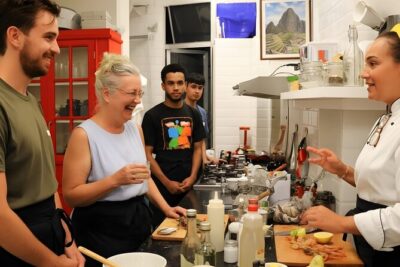
4h Cooking Class in Santiago with 8 Recipes & Bottomless Drinks
Read our review →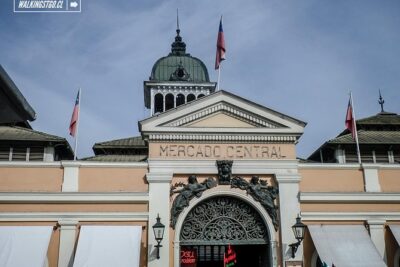
Santiago city experience: Walking tour, Market visit, Lunch & Coffee included
Read our review →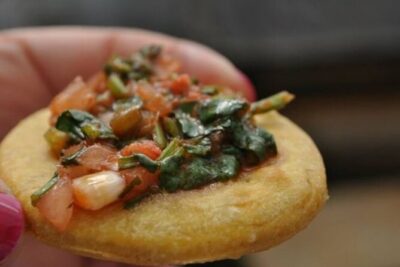
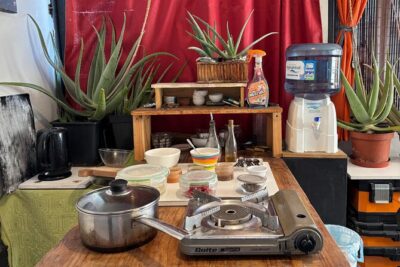
Learn to Prepare the Famous Chilean Pine Empanada
Read our review →Browse the lists this tour appears in