

REVIEW · WALKING TOURS
3 Hours Santiago Blend Walking Tour
Santiago tells its story one square at a time. I like this tour because it links major sights with the people and conflicts behind them, from Pedro de Valdivia and Lautaro to Salvador Allende and Gabriela Mistral. I also like the small group of up to 15, which should make it easier to ask questions and keep a steady pace.
The main consideration is the amount of walking. The tour is advertised at about three hours, though one guest described it as closer to four, so you should wear good shoes and leave room in your schedule. The route is mostly an outside look at important buildings, not a series of interior museum visits.
In This Review
- Key points at a glance
- Why this three-hour route works
- Fine Arts Museum and Forestal Park: an elegant beginning
- Plaza de Armas: conquest, resistance, and the city center
- Justice and Congress: Santiago’s political machinery
- Plaza de la Constitución and La Moneda’s difficult past
- San Francisco Church and the Londres 38 neighborhood
- GAM and Gabriela Mistral’s cultural legacy
- Lastarria: food, art, and an easy finish
- What $30 buys you in Santiago
- Pace, comfort, and practical planning
- Who should book this Santiago walking tour?
- Should you book it?
- FAQ
- How long is the Santiago Blend Walking Tour?
- What time does the tour start?
- Where does the tour begin?
- Where does the tour end?
- How much does the tour cost?
- What is included in the price?
- How many people can join the tour?
- Is the tour suitable for all fitness levels?
- What happens if the weather is poor?
Key points at a glance
- Seven central Santiago stops: The route connects the Fine Arts Museum, Plaza de Armas, La Moneda, San Francisco Church, GAM, and Lastarria.
- History with real tension: Spanish conquest, Mapuche resistance, the 1973 coup, military rule, and the 2019 social outbreak all enter the discussion.
- A useful morning orientation: Starting at 9:30 a.m. gives you a practical introduction to central Santiago before exploring on your own.
- A relaxed, adaptable guide: Leo adjusted the timing for a private booking, while Ivan received praise for his clear command of Chilean history.
- A social finish: The tour ends at an exchange meeting bar or hostel in Lastarria, where you can meet local people and other visitors.
- Good value at $30: You get three hours with a guide, a broad introduction to the city, and no extra admission fees at the listed stops.
Why this three-hour route works
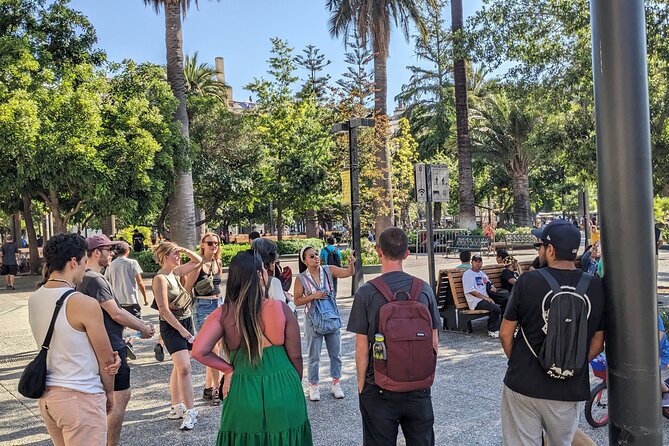
I like the shape of this walk. It begins among art and green space, moves through Santiago’s civic center, then turns toward religion, culture, food, and nightlife in Lastarria. You are not simply checking off monuments. You are following the city’s changing identity.
The route covers about seven stops, with roughly 20 to 30 minutes at each. That is enough time to hear a story, examine a building, and ask a few questions without turning every stop into a lecture. The walking between locations supplies the connective tissue, though the pace may feel long if you are not used to city walks.
The guide is the heart of the experience. Leo is described as passionate about Chile and willing to adapt the route. In one case, he moved the start earlier so the group could reach a lunch reservation on time and avoid the midday heat. He also added extra sights and included some food along the way. Ivan earned similar praise for his helpful attitude and strong grasp of Santiago’s past.
I would book this early in a Santiago stay. It gives you names, dates, neighborhoods, and political context that make later sightseeing easier. Since the tour is often booked about 23 days ahead, waiting until the last minute may not be wise.
More Walking Tours in Santiago
- The best walking tour in Santiago de Chile
★ 5.0 · 629 reviews - Santiago Half-Day Walking Tour with Hotel Pick up & Food Sample
★ 4.5 · 467 reviews - A Fabulous Walking tour by the Old Santiago of Chile –
★ 5.0 · 466 reviews
Fine Arts Museum and Forestal Park: an elegant beginning
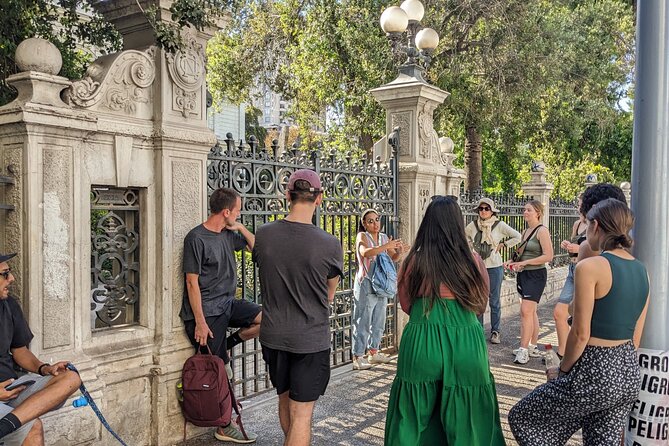
The meeting point is outside the National Museum of Fine Arts at José Miguel de la Barra 650. The museum itself provides a handsome start, but the focus here is the building’s origin, architecture, and place in Chile’s cultural development.
You will also hear about Benjamin Vicuña Mackenna, an important Chilean figure, as well as Forestal Park and the French influence that shaped parts of Santiago. This opening gives you more than an art museum address. It introduces the city as a place influenced by European ideas while still developing its own national character.
Admission is free at this stop, but the format is primarily an outside exploration. If you want to see the museum’s collections, plan a separate visit. That is both a benefit and a limitation: you keep moving, but you will not spend time with the artworks themselves.
The park setting also helps ease you into the walk. Starting at 9:30 a.m. should be more comfortable than beginning later, especially during warm weather. Still, bring water, use sun protection, and wear shoes that can handle several hours on pavement.
Plaza de Armas: conquest, resistance, and the city center
The second stop reaches the symbolic center of Santiago, Plaza de Armas. Here the guide explains the square’s origins, including the earlier Inca settlement, then turns to the Spanish invasion and the figures linked to it.
Pedro de Valdivia and Inés de Suárez enter the story, followed by the Mapuche resistance and Lautaro. This is an important part of the tour because it presents Santiago’s founding as a contested process rather than a simple tale of colonial progress.
You will also examine the main buildings and symbols around the square. The 30-minute visit should give you time to understand how the plaza functions as a civic and historical stage. I would pay attention to the contrasts here: colonial power, indigenous resistance, and modern city life all meet in one public space.
Because Plaza de Armas is central and visually busy, a guide adds useful order. Without context, you might see a large square surrounded by grand buildings. With the historical explanation, the place becomes a map of competing powers and changing Chilean identity.
Justice and Congress: Santiago’s political machinery
At the Palacio de Tribunales de Justicia, the tour shifts from conquest to the institutions that govern the country. The discussion includes Chile’s legislative and judicial branches, the Justice Tribunal, and the former National Congress.
Manuel Montt and Antonio Varas are among the political figures introduced here. You will also hear about the fire at the Compañía de Jesús and make an outside visit to the Pre-Columbian Museum. That combination gives the stop a wide reach, moving from state power to religious tragedy and indigenous cultural heritage.
The 20-minute timing keeps this section brisk. I see that as a strength if you want an overview, not a specialist political seminar. If Chilean government or constitutional history is a major interest, you may wish to return later for more time at individual sites.
The outside approach also matters. You should not expect entry into every building on the route. The value comes from seeing the structures in place while the guide explains how Santiago’s public institutions developed around them.
A completely different kind of day out:
- Valparaiso Port and Viña del Mar with Casablanca Wine Tasting
★ 5.0 · 6,110 reviews - Santiago: Cajon del Maipo/Embalse del Yeso Tour with Picnic
★ 4.3 · 3,789 reviews - Santiago: Vina Del Mar, Valparaiso, Casablanca & Reñaca Tour
★ 4.2 · 2,838 reviews - Cable Car, Funicular and Sightseeing Bus in Santiago one day
★ 5.0 · 2,325 reviews
Plaza de la Constitución and La Moneda’s difficult past
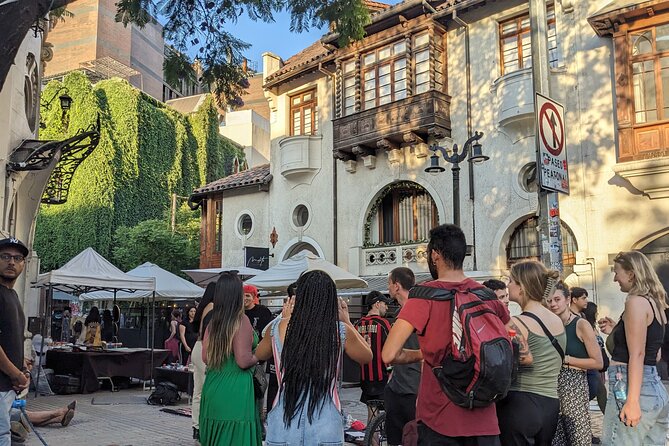
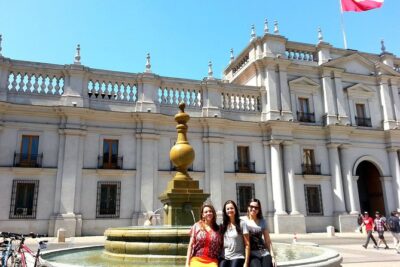
At Plaza de la Constitución, the focus turns to La Moneda, Chile’s government palace. You will learn about its origin and architecture, then move into some of the country’s hardest modern history: the 1973 coup, Salvador Allende’s government and its collapse, and the military government that followed.
The square also brings in presidential figures, Diego Portales, and symbols connected with the state. This is not a light sightseeing stop, and that is precisely why it belongs on a serious introduction to Santiago. The city’s grand government buildings carry memories that remain central to Chilean public life.
The guide’s role is especially important here. Political history can become either dry or oversimplified. The tour promises a people-centered approach, using presidents, political figures, buildings, and public spaces to explain the story. You can ask questions as the discussion develops, particularly if you want more context about the coup or the transition that followed.
Allow about 20 minutes. That is enough to establish the setting, but not enough for every detail. I would treat this as a starting point for further reading or a later visit to La Moneda, rather than the final word on Chilean politics.
San Francisco Church and the Londres 38 neighborhood
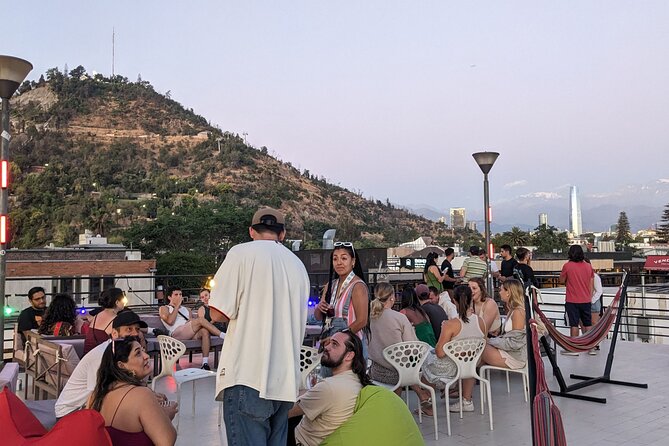
The San Francisco Church stop adds religious and colonial context. The guide explains the church, Chile’s religious culture, and the role of secular orders, while also touching on native heritage and architecture.
The route then moves into the Paris and Londres neighborhood, including Londres 38, a detention and torture center during the military government. This close pairing of faith, historic architecture, and political trauma is one of the tour’s strongest choices. It shows how a small area can hold very different chapters of national life.
You should expect another outside-focused stop, with about 20 minutes for the explanation. That makes comfortable footwear important, since the route continues through central streets rather than pausing for long indoor visits.
For me, the value here is the direct connection between place and memory. A church tells one story about Chilean society. Londres 38 tells another, much darker one. Seeing them within the same walk helps you understand why Santiago’s past cannot be separated into neat categories.
GAM and Gabriela Mistral’s cultural legacy
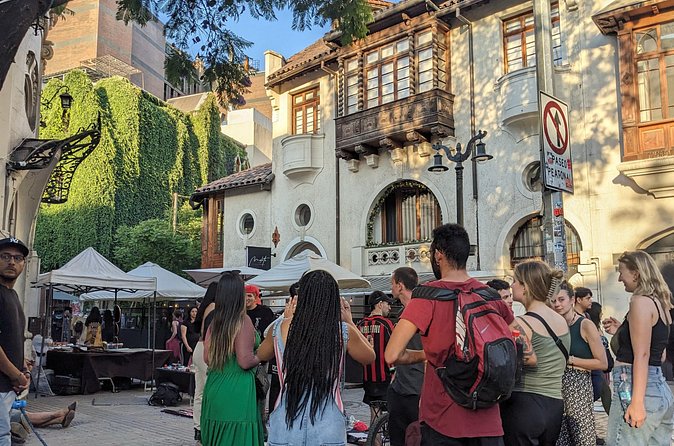
The Centro Cultural Gabriela Mistral, known as GAM, brings the tour into modern cultural life. The guide discusses the building’s history and purpose, along with Gabriela Mistral, her Nobel Prize, and her lasting place in Chilean culture.
You will also hear how the building became a site of artistic expression during the 2019 social outbreak. That detail gives the stop a current edge. GAM is not presented only as a cultural institution, but as a public space that has carried different meanings during periods of social change.
The 20-minute visit is short, but it fits the tour’s wider purpose. You get enough background to recognize the building and understand why it matters. If you want to explore its exhibitions or events, you will need to return separately, since this walking tour does not include a full interior program.
I like this stop because it breaks up the political history with art and literature. Mistral’s legacy also broadens the tour beyond presidents and military events. You see another way Chile has expressed itself to the world.
Lastarria: food, art, and an easy finish
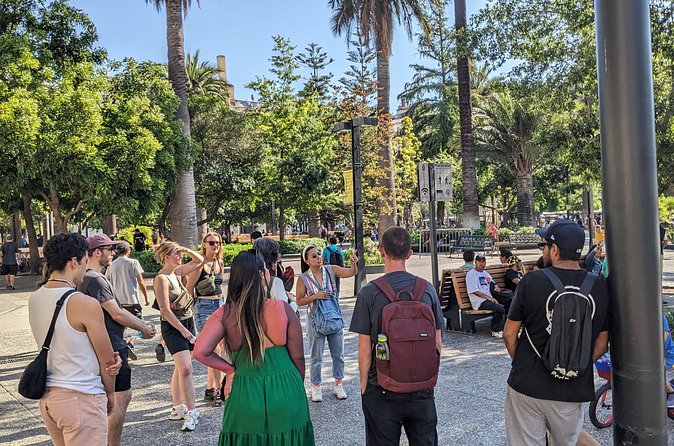
The final stop is Barrio Lastarria, where the tone becomes more relaxed. The guide covers the neighborhood’s origins and history, then points you toward local food, bars, and nightlife.
You will also hear about the De la Veracruz Church, the painter Mulato Gil, and the Visual Arts Museum, known as MAVI. This makes Lastarria a useful end point because it connects the past with choices you can make for the rest of your day.
The tour ends at an exchange meeting bar or hostel. That is a practical touch if you are traveling alone or want to meet local people and others from around the world. It also gives you a natural place to continue the conversation, ask for lunch suggestions, or begin an evening in the neighborhood.
One particularly useful example involved Leo dropping a group near a lunch reservation close to the end of the route. Do not assume every booking receives the same custom service, but it suggests that the guide may be willing to adjust when timing and group size allow.
What $30 buys you in Santiago
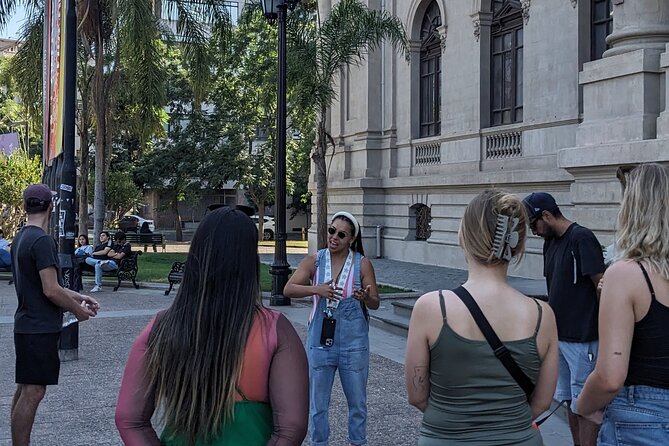
At $30 per person, I consider this a fair price for a three-hour guided introduction, especially because the listed stops have no admission charge. You are paying for the guide’s interpretation, route planning, historical explanation, and ability to connect locations that might otherwise feel scattered.
The value is strongest if you are new to Santiago. In a single morning, you cover art, colonial foundations, indigenous resistance, government, dictatorship, religion, literature, and contemporary culture. A self-guided walk could visit many of the same places, but it would require research and would not offer the same chance to ask questions.
The price is less compelling if you want long interior visits or a slow photography walk. The stops are measured in 20 or 30 minutes, and the tour keeps moving. You should see it as a city orientation, not a full museum program.
The small maximum of 15 people is another reason the price works. It is not a private tour, but the group size should remain manageable. If only a few people book, the experience may become more flexible. Leo’s adjusted schedule is a good example of what can happen with a very small group.
Pace, comfort, and practical planning
You need a moderate level of physical fitness. The route lasts about three hours and links seven central stops on foot. One comment described the walk as four hours, so I would not schedule a tight lunch, museum booking, or bus departure immediately afterward.
Wear comfortable clothing and supportive walking shoes. That was the clearest practical tip from the experience, and it is good advice for any long urban walk. A morning start helps with heat, but the tour still requires time outdoors.
The start is near public transportation at the National Museum of Fine Arts. The finish in Lastarria is also useful, since you can continue into the neighborhood rather than returning to the starting point.
Service animals are allowed. Confirmation is provided at booking, and the tour has a maximum of 15 people. It requires good weather, and if poor weather or an insufficient number of bookings forces cancellation, you can choose another date or receive a full refund.
Free cancellation is available when you cancel at least 24 hours before the local start time. Changes or cancellations inside that window are not accepted for a refund.
Who should book this Santiago walking tour?
I would choose this tour if you want a broad first look at Santiago and prefer history told in streets and squares. It suits solo visitors, couples, and small groups who want a social finish and a guide who can explain difficult subjects without making the walk feel like a classroom.
It is also a strong choice for anyone interested in Chilean politics, the Mapuche and Spanish encounter, religious history, or the link between art and social change. The route gives each subject a place in the city.
I would think twice if you dislike walking, need extensive time indoors, or want a tour focused only on food, architecture, or art. The route covers many subjects, which means no single topic receives a very long treatment.
Should you book it?
I would book the 3 Hours Santiago Blend Walking Tour early in a Santiago visit, particularly if you appreciate a guide who adds context rather than simply naming buildings. The combination of free-entry stops, a $30 price, a manageable group limit, and a Lastarria finish offers solid value.
Go prepared for a real walk, not a short stroll. If you wear comfortable shoes, allow extra time, and arrive ready for serious history as well as neighborhood recommendations, this tour can give you a useful and human introduction to Chile’s capital.
FAQ
How long is the Santiago Blend Walking Tour?
The experience is advertised as approximately three hours. Because it includes several walking sections, you should allow extra time in case the pace or discussion runs longer.
What time does the tour start?
The tour starts at 9:30 a.m.
Where does the tour begin?
It begins at the National Museum of Fine Arts, at José Miguel de la Barra 650 in Santiago.
Where does the tour end?
It ends in Barrio Lastarria, at an exchange meeting bar or hostel where people can meet local people and others from around the world.
How much does the tour cost?
The listed price is $30 per person.
What is included in the price?
A tour guide is included. The listed stops do not charge an admission fee.
How many people can join the tour?
The maximum group size is 15 people.
Is the tour suitable for all fitness levels?
No. A moderate level of physical fitness is recommended because the experience involves about three hours of walking.
What happens if the weather is poor?
The tour requires good weather. If it is canceled because of poor weather, you can choose another date or receive a full refund.
Just added in Santiago
- Walking City Tour with Funicular, Cable Car and Tasting★ 4.3 · 6 reviews
- VIÑA DEL MAR AND VALPARAISO TOUR★ 4.8 · 20 reviews
- Tour VIÑA CONCHA Y TORO + CASA MARQUES – Chile, from Santiago.★ 5.0 · 2 reviews
- Undurraga + Isla Negra + San Afonso del Mar —– Full day★ 4.1 · 8 reviews
- Undurraga Wine tour★ 4.2 · 15 reviews
- Southcoast – Private Full-Day tour★ 5.0 · 6 reviews
- Santiago Private walking tour with Lunch★ 5.0 · 5 reviews
- Zapallar : nature, sea and local flavours★ 5.0 · 6 reviews
Walking Tours, compared.

Walk with Penguins on Magdalena & Marta Island
Read our review →
Santiago Half-Day Walking Tour with Hotel Pick up & Food Sample
Read our review →
A Fabulous Walking tour by the Old Santiago of Chile –
Read our review →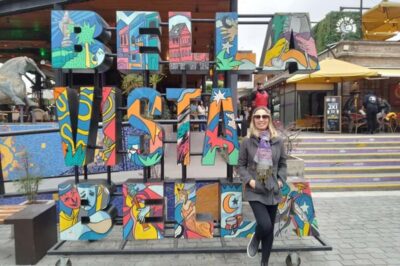
Santiago Half-Day Walking Tour with Hotel Pick up & Brunch
Read our review →
Santiago Skyline: Cable Car & San Cristobal Walking Tour
Read our review →Browse the lists this tour appears in