
REVIEW · TORRES DEL PAINE TOURS
Torres del Paine: Base Torres Trekking
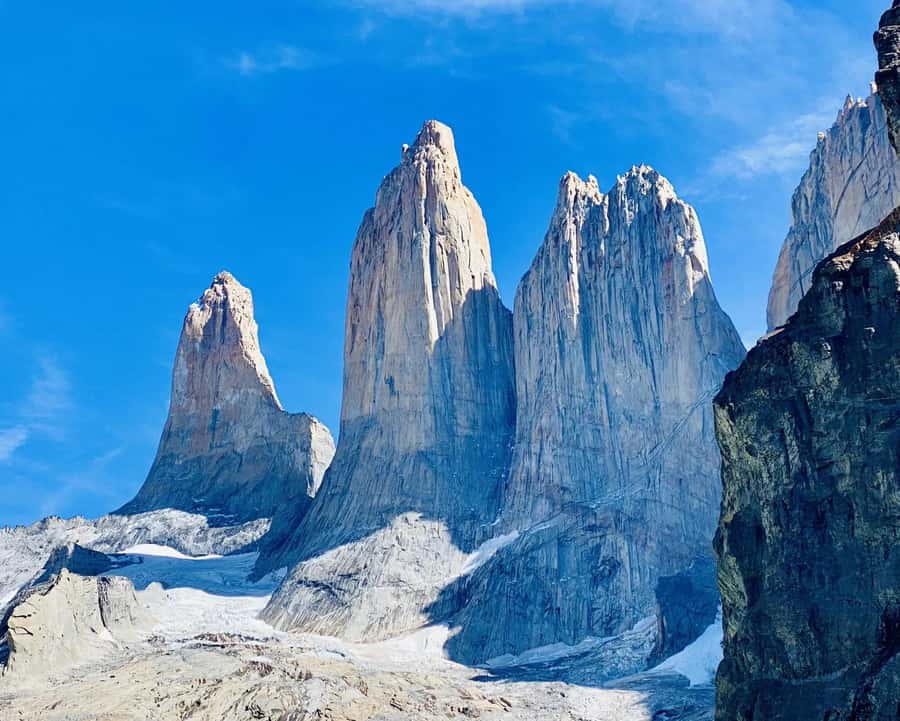
The granite towers are worth the climb. This 14-hour Base Torres trek takes you through the Ascencio Valley, Lenga forest, and a rocky glacial moraine before reaching the foot of the three famous towers. I like the changing scenery, from forest and running water to exposed rock, and I like that hotel pickup, a live guide, and trekking poles are included. The main drawback is the final kilometer, which is steep, rocky, and hard on tired legs.
I also appreciate the attentive guide service reported by guests, with Gabriel and Phillipe praised for their patience and steady support. You need to bring your own food, snacks, and water, though, since there is no lunchbox included. For a full-day hike, that matters.
In This Review
- Key points to know before you book
- Why Base Torres is Patagonia’s classic day hike
- Hotel pickup and a very long day outdoors
- Stage one: toward Campamento Chileno
- Stage two: stream crossings, forest, and Martina Glacier
- Stage three: the rocky ascent to the towers
- At the base of D’Agostini, Central, and Monzino
- The return walk and the real cost of the day
- What to pack for 20 kilometers
- Who should book this trek?
- Booking flexibility and practical details
- Should you book the Base Torres trek?
- FAQ
- How long does the Base Torres trek last?
- How far do you walk?
- How difficult is the hike?
- What can I see along the route?
- Are hotel transfers included?
- Is a guide included?
- Are trekking poles provided?
- Is food included?
- Is the Torres del Paine National Park ticket included?
Key points to know before you book
- The trek covers 20 kilometers: You walk out and back along a demanding route divided into three main stages.
- The final kilometer is the test: Expect a constant rocky ascent to the lookout at the base of the towers.
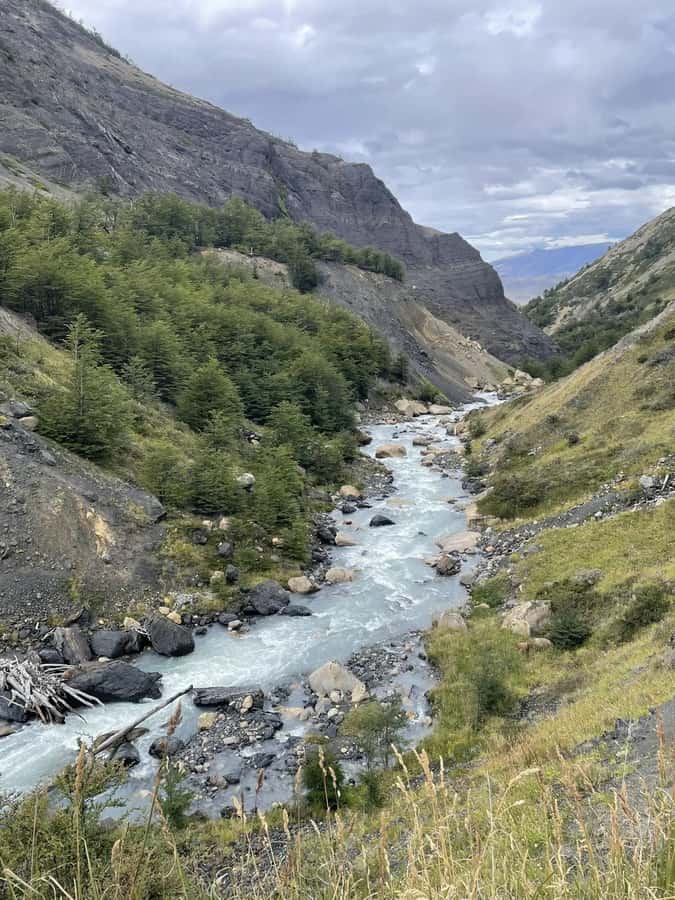
- The scenery changes often: You pass through the Ascencio Valley, green forest, Lenga trees, a stream, and views of Hanging Glacier Martina.
- Three granite towers wait at the top: D’Agostini, Central, and Monzino rise above the water and rocks at the end of the route.
- Hotel transfers save time: Pickup and drop-off are included, with WhatsApp used to coordinate the transfer.
- You need solid fitness: This is not a casual walk, and it is unsuitable for children under 14, pregnant women, wheelchair users, people with heart problems, and anyone with a low fitness level.
Why Base Torres is Patagonia’s classic day hike
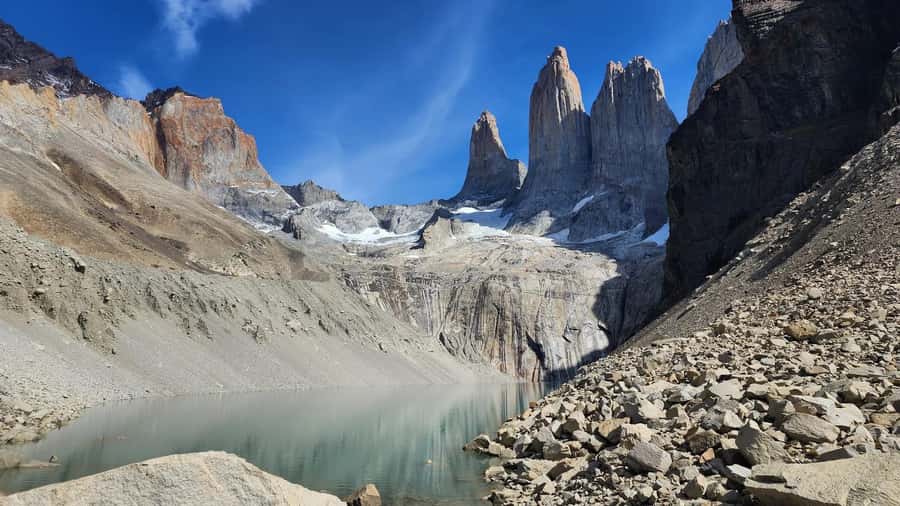
Base Torres is the best-known day hike in Torres del Paine National Park for a simple reason: it ends at one of Patagonia’s most striking natural viewpoints. Three tall granite towers rise above a small body of water and a rough field of rock. The setting feels spare and quiet, with the sound of water often more noticeable than human voices.
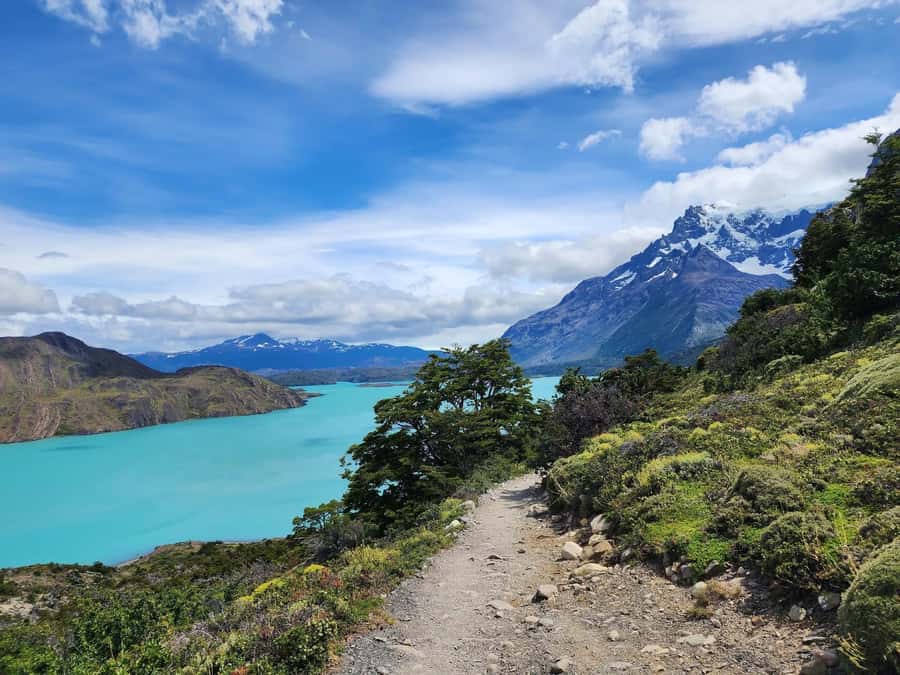
The route also gives you a good sample of the park in one long day. You move through several types of scenery rather than walking through one unchanging corridor. Early sections include open views and the Ascencio Valley. Later, the route turns greener as you enter the Lenga forest. The final section leaves the trees behind and crosses a glacial moraine.
That variety gives the hike its appeal, but it also means the trail keeps asking different things of you. You need stamina for the distance, balance for the uneven rocks, and patience during the final climb.
More Hiking Tours in Puerto Natales
- Puerto Natales: Base of the Towers Day Hike
★ 4.8 · 727 reviews - Puerto Natales: Base of the Towers Trekking Experience
★ 4.8 · 191 reviews - Puerto Natales: Base Torres Small Group Trekking
★ 4.9 · 106 reviews
Hotel pickup and a very long day outdoors
The tour lasts about 14 hours, including transportation and the hike. Pickup and drop-off at your hotel or accommodation are included, which is useful because you will finish tired and probably dusty. You need to provide a WhatsApp number so the operator can coordinate the transfer.
The exact start time depends on availability, so check it before booking. A full day is required because the route covers 20 kilometers and returns by the same trail. This is not an activity to squeeze between other plans.
The guide speaks Spanish and English. Trekking poles are supplied, a small but useful inclusion on steep and rocky ground. I would still bring hiking shoes with firm soles, since poles help with balance but cannot replace secure footwear.
Stage one: toward Campamento Chileno
The first part takes you toward Campamento Chileno and into the Ascencio Valley. This section begins the physical work of the hike, with uphill walking and a route that gradually leaves the easier starting terrain behind.
The valley gives you the first strong sense of the park’s scale. You walk among native plants and may see local wildlife, although no specific animals are guaranteed. The focus here is less on one dramatic viewpoint and more on settling into the rhythm of the route.
You should use this stage to find a pace you can maintain for hours. A common mistake on a long hike is to treat the first climb like a short sprint. Keep your breathing controlled, drink water regularly, and avoid using all your energy before the hardest section.
Campamento Chileno provides a useful stopping point. The route information identifies it as a place where you can use the restroom, but restroom facilities are not included in the tour price. Bring food and snacks with you, and confirm the current restroom arrangements if that service is important to you.
Stage two: stream crossings, forest, and Martina Glacier
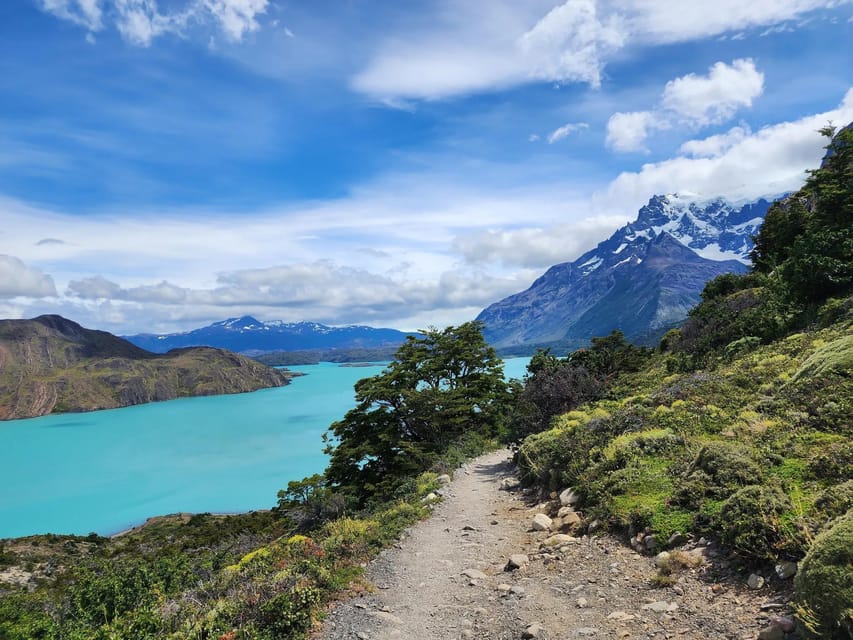
After the camp, you cross a stream and enter a greener part of the route. The character changes noticeably here. Instead of the more exposed feel of the early trail, you find nearby forest and a path with fewer ascents.
This is the more forgiving middle section. It still adds distance to an already long walk, but it is less demanding than the first stage. The stream and surrounding trees also give you a welcome change of pace. I would treat this section as a chance to eat a snack, adjust your clothing, and prepare for the final push.
After roughly one hour and 15 minutes through the Lenga forest, you reach a view of the Hanging Glacier Martina. It is one of the route’s most interesting details because it breaks up the focus on the towers. You are not simply walking toward one famous endpoint. The trail gives you smaller rewards along the way.
The forest is also a good reminder that the park is not just about bare rock and high peaks. Lenga trees create a more sheltered setting, while the nearby water adds sound to the walk. After the open and uphill parts, this greener section can feel like a brief reset.
More Torres del Paine trips:
- Full Day Tour to Torres del Paine National Park
★ 5.0 · 513 reviews - Torres del Paine: 3-Hour Scenic Boat Tour to Grey Glacier
★ 4.5 · 283 reviews - Full-Day Tour Torres del Paine National Park from Puerto Natales
★ 4.5 · 251 reviews - Puerto Natales: Full Day Torres del Paine + Milodon Cave
★ 4.8 · 250 reviews
Stage three: the rocky ascent to the towers
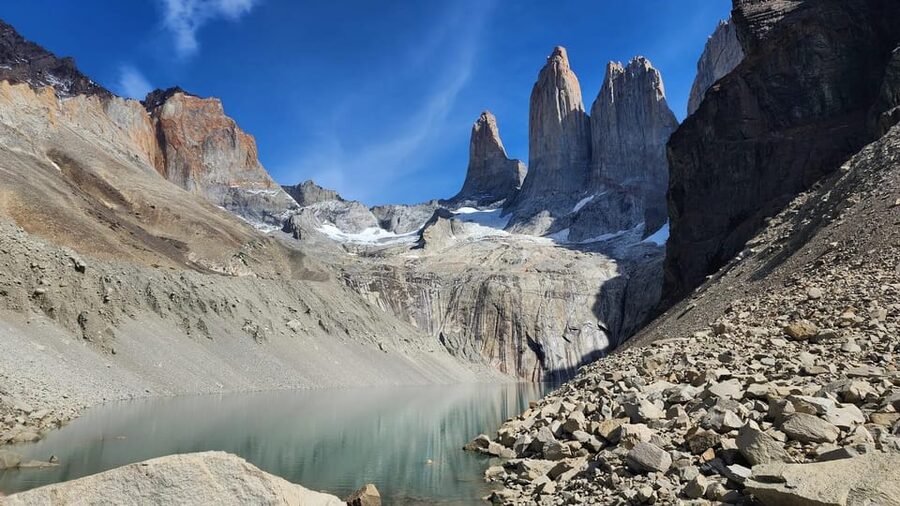
The last kilometer is short on paper and serious on the trail. From the end of the forest, you climb constantly over rocks toward the base of the Torres del Paine. The surface is uneven, and the route can look confusing at first.
Red marks and sticks among the rocks show you where to go. The ascent may appear to run straight uphill, which makes it look worse than it is. The route does not remove the difficulty, but the markers help you pick your way through the moraine.
This is where good footwear and trekking poles earn their place. You need to watch each step, especially if you are tired from the earlier sections. Go slowly. The guide can help with route finding and pacing, and the positive comments about Gabriel and Phillipe point to the value of having patient support on this part of the walk.
Do not judge the trek only by the one-kilometer distance. It is the steepness, rock underfoot, and accumulated fatigue that make this section hard. If you have a low level of fitness, this is the point where the outing may become unpleasant rather than rewarding.
At the base of D’Agostini, Central, and Monzino
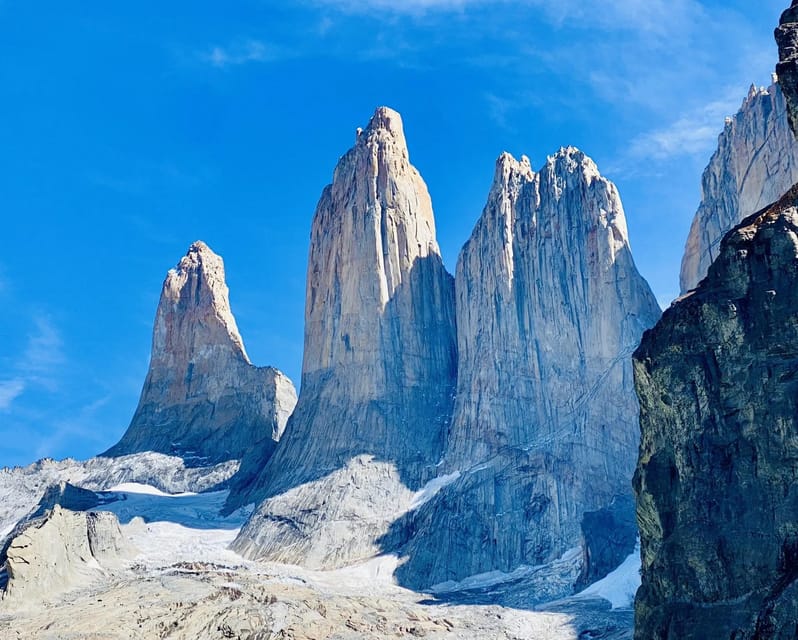
At the top, the trail reaches the base of the three granite towers: D’Agostini, Central, and Monzino. The reward is not a developed viewing platform or a string of attractions. It is a natural setting of rock, water, and towering stone.
The quiet is part of the appeal. You may hear the whisper of moving water and feel how different the place is from the busy pace of a town or transport stop. The experience works best if you give yourself time to sit, look up, and take in the scale instead of treating the viewpoint as a quick photo stop.
The towers are especially powerful because they rise directly from this rough setting. The contrast between the granite, the water, and the surrounding terrain gives the view its force. You have worked for it, too, so the endpoint feels earned.
Weather can affect what you see, and the supplied information does not promise clear views. Even so, the route remains worthwhile for its forest, valley, glacier, and changing terrain. Just keep your expectations realistic: mountain weather can make the final view less clear on some days.
The return walk and the real cost of the day
After time at the base, you return along the same trail. The return is not a separate scenic route, so you will see familiar ground from a different direction. That can be pleasant, but the main issue is fatigue.
By this point, your knees and feet may be feeling the long descent. Trekking poles become just as useful on the way down as on the way up. Keep some food and water for the return instead of consuming everything before reaching the towers.
The $149 price per person is reasonable for a guided, full-day outing when you value transport and route support. Hotel pickup and drop-off remove the need to arrange separate transfers, and the guide can help with pacing, trail markers, and the difficult final section. Trekking poles are also included.
The price is less attractive if you expect meals or park entry to be covered. They are not. You must pay for the Torres del Paine National Park ticket separately and carry your own food, snacks, and drinks. Since the hike lasts 14 hours, the missing lunchbox is worth noting. One guest specifically suggested that a packed lunch would improve the experience.
For me, the value depends on what you need. If you want a supported day with transport and a live English or Spanish guide, the cost makes sense. If you already have transport, equipment, and a strong sense of direction, you may prefer to compare other arrangements.
What to pack for 20 kilometers
Pack for a long, active day rather than a short sightseeing trip. The required items are straightforward:
- Comfortable hiking shoes or boots
- Warm clothing
- Water
- Food and snacks
- Camera
- Trekking poles if you prefer your own, though poles are provided
Warm clothing matters because conditions can change during a mountain hike, and you may spend time standing still at the viewpoint. Food matters just as much. There is no included lunchbox, so plan enough calories for the climb and the return.
Do not bring a drone. Drones are not allowed on this experience. Also remember that the national park ticket is not included, so budget for that separately.
Who should book this trek?
I would recommend this outing to fit hikers who want the famous Base Torres route but prefer the convenience of a guide and hotel transport. It also suits you if you want help with the trail markers and the rocky final climb. The guide service received especially strong praise for patience and professionalism, including support for slower hikers.
You should think carefully before booking if you rarely hike, dislike steep rocky trails, or find 20 kilometers beyond your normal comfort zone. The route is explicitly not suitable for people with a low level of fitness. It is also not suitable for children under 14, pregnant women, people with heart problems, or wheelchair users.
This is a demanding day, not a gentle introduction to walking in a national park. You do not need to be a competitive athlete, but you should be able to manage a long hike with sustained uphill and downhill sections.
Booking flexibility and practical details
You can cancel up to 24 hours before the activity for a full refund, and a reserve-now, pay-later option is available. Those terms help if your Patagonia plans may change, though you still need to check availability and the starting time.
The activity is offered with Spanish or English guiding. Pickup is included from your accommodation, but you must supply a WhatsApp number so the transfer can be arranged. Food, drinks, the park ticket, and restroom facilities at the Chilean camp are not included.
The tour has a perfect rating from the two available verified bookings, with praise focused on the guides, scenery, patience, and professionalism. I would treat that as encouraging, but the small number of ratings means you should also judge the trip by its clear physical demands and extra costs.
Should you book the Base Torres trek?
Book it if reaching the foot of the three towers is a major goal and you are ready for a 20-kilometer day. The changing route, Martina Hanging Glacier, Lenga forest, and quiet endpoint give the hike more substance than a simple climb to a famous photo.
Skip it if you want a relaxed park outing, need meals included, or are not comfortable with a steep rocky ascent. For the right hiker, $149 buys useful support, transport, trekking poles, and a guide who can help you keep moving when the trail gets tough. Just bring your own lunch, start with sensible pacing, and save energy for the final kilometer.
FAQ
How long does the Base Torres trek last?
The activity lasts 14 hours, including the trek and transportation to and from your accommodation.
How far do you walk?
The total distance is 20 kilometers, divided into three stages. You return along the same trail after reaching the base of the towers.
How difficult is the hike?
It is a challenging trek. The final kilometer includes a constant ascent over rocks and is the hardest part of the route.
What can I see along the route?
The route passes through the Ascencio Valley, Lenga forest, and glacial moraine. You can also see the Hanging Glacier Martina and the three granite towers, D’Agostini, Central, and Monzino.
Are hotel transfers included?
Yes. Pickup and drop-off at your hotel or accommodation are included. You need to provide a WhatsApp number to coordinate the transfer.
Is a guide included?
Yes. A live guide is included, with guiding available in Spanish and English.
Are trekking poles provided?
Yes. Trekking poles are included in the activity.
Is food included?
No. Food, snacks, and drinks are not included. You should bring your own supplies for the full-day hike.
Is the Torres del Paine National Park ticket included?
No. The ticket to Torres del Paine National Park must be paid for separately.
Just added in Puerto Natales
- Trekking Base Torres with guide★ 4.5 · 2 reviews
- Trekking Base Torres del Paine full day★ 5.0 · 1 review
- W trek Torres del Paine – 3 days Alternative Guided Tour★ 5.0 · 2 reviews
- Trekking Base Torres Del Paine from Puerto Natales★ 4.5 · 3 reviews
- Base of Torres del Paine Full Day Trekking from Puerto Natales★ 4.0 · 4 reviews
- Trekking Base Torres★ 5.0 · 2 reviews
- Trekking Base Torres del Paine Imperdible★ 5.0 · 1 review
- Trekking Base Torres Torres del Paine National Park★ 4.5 · 8 reviews
Torres del Paine Tours, compared.
Full Day Tour to Torres del Paine National Park
Read our review →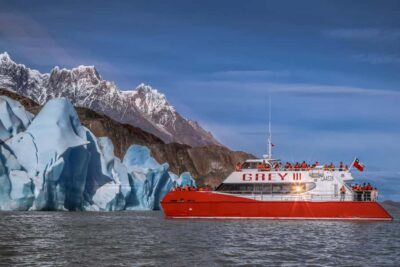
Torres del Paine: 3-Hour Scenic Boat Tour to Grey Glacier
Read our review →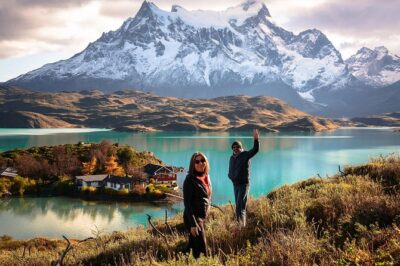
Full-Day Tour Torres del Paine National Park from Puerto Natales
Read our review →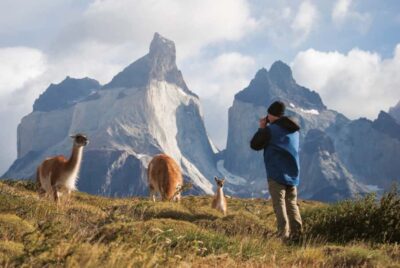
Torres del Paine & Milodon cave. Day tour from Puerto Natales
Read our review →
Browse the lists this tour appears in