
REVIEW · TORRES DEL PAINE TOURS
Full Day Tour to Torres del Paine National Park
Torres del Paine rewards a full day. This scenic circuit from Puerto Natales links the park’s best viewpoints without asking you to tackle a major hike, making it a smart first look at Patagonia. You will see mountain ranges, bright lakes, waterfalls, wildlife, and possibly ice along Grey Lake, all from a shared vehicle with a Spanish and English guide.
I like the wide range of stops, especially Salto Grande, Lake Pehoé, and Grey Lake. I also like the small-group limit of 18 people, though the vehicle may sometimes be larger than expected. The main catch is that the $92 price does not include the $35 park entrance, possible $11 Milodón Cave admission, or lunch.
In This Review
- Key points to know before booking
- Why this day tour works for first-time visitors
- From Puerto Natales to Cerro Castillo
- Sarmiento Lake and Laguna Amarga: the first mountain views
- Entering the park and reaching Nordenskjöld Lake
- Salto Grande delivers the action
- Lake Pehoé and the Cuernos view
- Weber Bridge, the Paine River, and the road between stops
- Grey Lake and the chance to see ice
- Milodón Cave can be a useful extra stop
- Guides, language, and group comfort
- Wildlife adds surprise to a fixed route
- Is $92 a fair price?
- Who should book this tour?
- FAQ
- Where does the tour start and end?
- What time does the tour begin?
- How long does the tour last?
- Is park admission included?
- Is Milodón Cave admission included?
- Is lunch provided?
- What does the tour include?
- How many people can join the tour?
Key points to know before booking
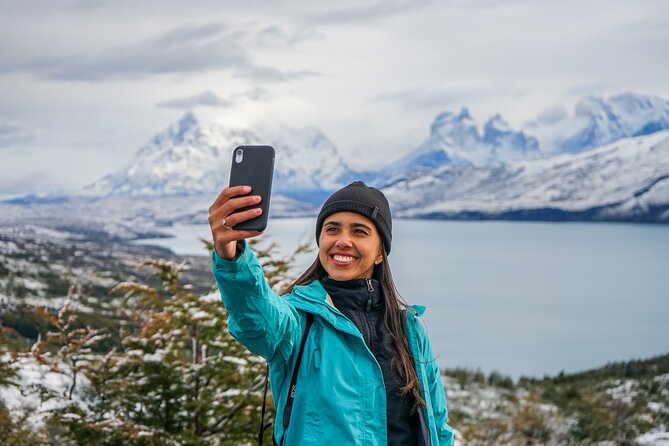
- Seven major viewing areas: The route includes Sarmiento Lake, Laguna Amarga, Nordenskjöld Lake, Salto Grande, Lake Pehoé, Weber Bridge and River, and Grey Lake.
- A full day with little hiking: This is mainly a sightseeing circuit with short walks at viewpoints, not a trekking tour to the base of the Torres.
- Wildlife spotting is part of the fun: Guides and drivers may point out guanacos, condors, flamingos, rheas, and, on rare occasions, a puma.
- The price is only the starting cost: Add the national park fee, possible Milodón Cave fee, and food before comparing the total with other options.
- Guides can make or break the day: Jhon, John, Jorge, Renata, Camila, and others have been praised for friendly explanations, bilingual service, and wildlife spotting.
- Allow extra time: The advertised duration is about nine hours, but the day can run closer to 10 or 12 hours depending on pickups, road conditions, and stops.
Why this day tour works for first-time visitors
Torres del Paine National Park is too large to understand from one viewpoint. Its famous granite towers draw the eye, but the park also includes broad water channels, wind-shaped grasslands, waterfalls, glaciers, and several mountain angles that change as you drive.
This tour gives you that variety in one long day. You do not spend hours on a single trail, and you do not need to rent a car or worry about rough roads, navigation, park gates, or where to stop for photos. You can look out the window while the guide explains the area and the driver handles the route.
I would choose this tour if I had only one free day from Puerto Natales. It is also a good fit if you want to see the park before deciding if you will return for a longer hiking trip.
The tradeoff is simple: you cover a lot of ground, but you do not linger everywhere. Frequent boarding and unloading can become tiring, and the ride may feel long on rough sections. The day is about visual variety, not quiet time in one place.
More Torres del Paine trips:
- Torres del Paine: 3-Hour Scenic Boat Tour to Grey Glacier
★ 4.5 · 283 reviews - Full-Day Tour Torres del Paine National Park from Puerto Natales
★ 4.5 · 251 reviews - Puerto Natales: Full Day Torres del Paine + Milodon Cave
★ 4.8 · 250 reviews
From Puerto Natales to Cerro Castillo
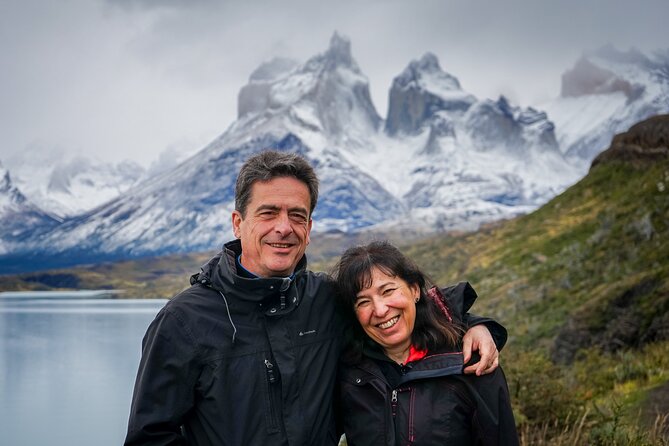
Pickup begins at 7:00 a.m. at Andres Bello 335 in Puerto Natales, with the activity ending back at the same meeting point. The route first heads north toward Villa Cerro Castillo, the capital of the Torres del Paine commune, about 59 kilometers away.
This opening section sets up the day. You leave the town behind and begin moving through open Patagonian country, where the changing weather is part of the experience. Pickup timing deserves some patience. The stated start is 7:00 a.m., but the actual collection can be later, especially when the vehicle must gather people from different accommodations or locations outside the main center.
Bring a jacket, water, and patience for the road. The tour supplies water and nuts as a snack, but that is not a substitute for lunch. Since the day can stretch well beyond nine hours, I would bring a packed meal unless you plan to buy food at the park.
The vehicle is shared, and the maximum group size is listed as 18 people. Some departures use a comfortable 17-person bus, while other departures have been described as a medium-sized bus with more than 30 seats. If vehicle size matters to you, confirm it before booking rather than assuming every departure uses a small van.
Sarmiento Lake and Laguna Amarga: the first mountain views
The first major photo stop is around the Sarmiento Lake viewpoint and Laguna Amarga area. With clear weather, this is your first broad look at the Paine Mountain Range and the southern extension of the Andes.
Laguna Amarga is also a good place to watch for flamingos. The shallow water provides feeding conditions for them, so a sharp-eyed guide may help you spot pink birds near the shore. The exact view depends heavily on clouds, wind, and light. Patagonia can change from clear to gray in a short time, and the towers may appear, disappear, and reappear during the day.
This is an important early stop because it shows you the scale of the park. The mountains are not framed like a single postcard. They stretch across the horizon, with water and open ground creating distance between you and the peaks.
You should not expect a long walk here. The value is the first panorama and the chance to take photos. If the weather is poor, the views may be limited, but the stop still helps you understand the park’s geography.
Entering the park and reaching Nordenskjöld Lake
The route then continues to the main Torres del Paine National Park access point, where the group registers its entry. The national park admission is not included in the tour price and costs $35.
That extra fee is not a small detail. At $92 for transport and guiding, the tour looks inexpensive, but your basic total becomes about $127 once you add park admission. If the route includes Milodón Cave, add another $11, bringing the total to about $138 before lunch and tips.
At Nordenskjöld Lake, you get another strong view of the Paine mountains. The water color and mountain backdrop give this stop a different feel from Sarmiento Lake. Instead of one large first panorama, you begin to see how the park’s lakes create separate viewing angles throughout the route.
The stops are designed for photos and brief walks rather than strenuous exercise. This makes the day accessible to most people, but it also means you should not book it expecting a serious hike. If your main goal is the famous trek to the Torres base, you need a dedicated hiking plan instead.
More national parks in Puerto Natales:
- Full-Day Tour of Torres del Paine National Park from Puerto Natales
★ 4.0 · 33 reviews - Full-Day Hiking Tour to the Base of Paine Towers at Torres del Paine National Park
★ 4.0 · 28 reviews - From Puerto Natales: Torres del Paine National Park Trip
★ 4.5 · 12 reviews - Trekking Base Torres Torres del Paine National Park
★ 4.5 · 8 reviews
Salto Grande delivers the action
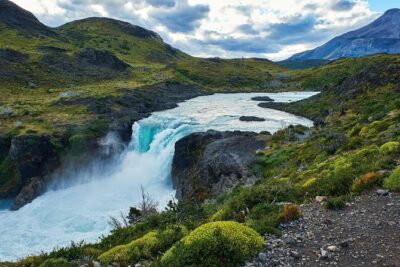
Salto Grande is one of the tour’s most rewarding stops. The waterfall links the waters of Nordenskjöld Lake and Lake Pehoé, and the viewpoint gives you a chance to feel the force of the water rather than simply admire a distant peak.
Wind can be strong here, so keep your jacket close and secure loose belongings. The walk is short compared with a full-day trek, but conditions underfoot and the weather can affect how comfortable it feels.
This is also where the tour’s pace works well. After several wide lake views, the waterfall adds sound and movement. You get a more active scene without needing a long trail.
The amount of time at each stop can vary. The guide generally keeps the group moving so the circuit stays on schedule, but there is room for photos and short rest breaks. If you want to photograph every angle at leisure, a private trip or overnight stay inside or near the park would give you more freedom.
Lake Pehoé and the Cuernos view
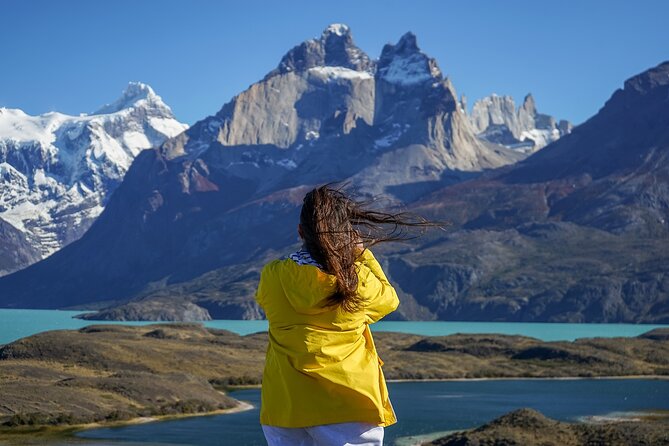
The Lake Pehoé viewpoint is one of the visual highlights of the day. From here, you can look across the lake toward the Cuernos del Paine, the distinctive horn-shaped peaks that form one of the park’s most recognizable views.
The color of the water can shift with weather and light. On a clear day, the contrast between the lake, dark mountain slopes, and snow or ice on the higher peaks is striking. On a cloudy day, the scene becomes moodier, but the mountains may be partly hidden.
Guides such as Jhon and John have been praised for explaining the park’s geology and pointing out how the mountain forms relate to the surrounding waters. That kind of context matters. You can take a fine photo without a guide, but a good explanation helps you understand why each viewpoint looks different.
This stop also shows the limit of a bus circuit. You get the classic view, but not the long quiet walk that makes an extended park visit feel personal. Think of Lake Pehoé as a memorable introduction, not the complete Torres del Paine experience.
Weber Bridge, the Paine River, and the road between stops
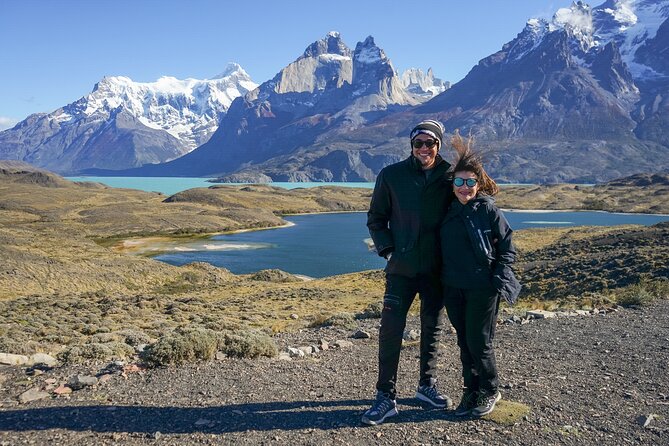
The route includes Weber Bridge and the Paine River, adding smaller but worthwhile views between the headline stops. These sections are useful because they show the park as a connected system of water, roads, mountains, and open ground rather than a list of isolated photo points.
Keep your camera ready, but do not expect every stop to have the same scale as Lake Pehoé or Grey Lake. Some views are quick roadside pauses. Others may depend on the day’s timing and road conditions.
The roads are a real part of the experience. Rough surfaces and potholes can make the ride bumpy, particularly in a bus. Drivers have received praise for careful handling, but no driver can turn an unpaved Patagonian road into a smooth highway.
If you are prone to motion sickness, sit where you can see the road and bring whatever remedy you normally use. The tour is comfortable enough for most people, but it is not a luxury coach journey.
Grey Lake and the chance to see ice
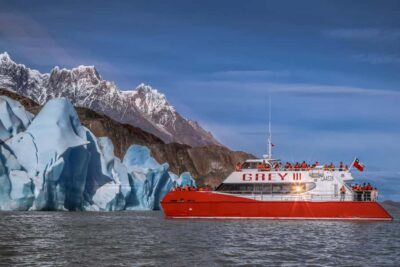
Grey Lake is the final major park highlight and often one of the most memorable. Depending on conditions and available time, you may take a short, easy walk toward the shore, where pieces of blue-white ice can appear in the water or along the beach.
This is not the same as taking a boat to Grey Glacier. A separate boat ticket is required for that experience. The bus tour can give you a shore-level view, while the boat gets much closer to the glacier itself. If the boat is a major priority, check the timing carefully before adding it to your plans, since this is already a long day.
Grey Lake is also a good place to slow down for a few minutes. The cold wind, floating ice, and broad water view create a different mood from the waterfalls and mountain panoramas earlier in the route.
Lunch is not included. Some departures stop at a park restaurant with hot food, but the choice can be limited and prices can feel high. Bringing a box lunch gives you more control and may protect your short free period from becoming a long food queue.
Milodón Cave can be a useful extra stop
The day may finish with a visit to the Cueva del Milodón Natural Monument, located outside the national park. Admission costs $11 and is not included.
The cave is linked to the remains of the extinct Mylodon, a large ground mammal that once lived in Patagonia. The stop can add useful prehistoric context to a day otherwise focused on mountains, lakes, and ice.
Still, this is the easiest part of the day to skip if you are tired. One person described it as missable after the park, while others enjoyed it as an unexpected addition. If you care most about Torres del Paine itself, check how much time remains after the main park circuit before deciding how much attention to give the cave.
Guides, language, and group comfort
The strongest guiding experiences come from people who stay engaged throughout the drive and keep watch for wildlife. Jhon has been praised for his energy, clear explanations, bilingual Spanish and English guiding, and willingness to take group photos. John has also been praised for explaining the park’s geography and setting expectations early in the morning.
Renata received similar praise for guiding in both languages, while Jorge, Camila, JP, and several drivers have been noted for their care and attention. A good driver adds real value here by spotting animals and handling the rough road safely.
The bilingual format can mean that explanations take longer. In a full vehicle, sound quality and seating position matter. Some people have had trouble hearing the guide from the back, especially when the microphone was not used consistently.
Seat arrangements are another practical concern. Shared tours do not always guarantee that couples will sit together, particularly when pickup happens at several locations. If sitting beside your companion is important, ask the operator about the policy before paying.
Wildlife adds surprise to a fixed route
The route is planned, but the animals are not. You might see guanacos beside the road, condors overhead, Chilean rheas, and flamingos near the lagoons. One departure even spotted a puma, though that is a lucky event rather than something you should expect.
Drivers with a good eye can make a big difference. They may slow down or suggest a photo stop when animals appear. Bring binoculars if you have them, and keep your camera ready during the road sections, not just at marked viewpoints.
The wildlife is one reason this tour feels more than a simple scenic transfer. You are not just moving between famous overlooks. You are watching a living national park, where a small animal beside the road can become the day’s best memory.
Is $92 a fair price?
At $92, the tour offers solid value if you want transport, a bilingual guide, and a full circuit of the park without driving yourself. Shared transport spreads the cost of a long day over a small group, and the route covers far more ground than you could reasonably see on foot in one day.
The true cost is higher. Add $35 for Torres del Paine admission, $11 for Milodón Cave if you visit, lunch, and a tip if the guide earns one. That makes the price less of a bargain, but it can still be worthwhile because the tour removes the work of route planning and driving.
I would compare the full cost, not just the advertised rate. A more expensive package that includes park admission and lunch may be easier to manage, especially if you dislike sorting out mandatory fees at the gate.
Free cancellation is available up to 24 hours before the start time. Changes or cancellations made less than 24 hours ahead are not accepted, and poor weather can lead to a new date or full refund. Confirmation is sent within 48 hours, subject to availability.
Who should book this tour?
Book it if you have one day in Puerto Natales, want the park’s major views, prefer short walks, or would rather watch the scenery than drive. It suits solo visitors, couples, families, and anyone who wants a broad introduction before returning for a proper hike.
Think twice if you want long, quiet walks, guaranteed couple seating, a private vehicle, or a fully inclusive price. The day can be tiring, the roads can be rough, and guide quality or microphone use may vary.
My call: this is a strong sightseeing choice for a first visit, especially when the weather cooperates and the guide is active. Go in with realistic expectations, pack lunch, budget the extra fees, and allow more than nine hours. If you do, the route gives you an impressive and practical first taste of Torres del Paine.
FAQ
Where does the tour start and end?
It starts at Andres Bello 335 in Puerto Natales and returns to the same meeting point.
What time does the tour begin?
The stated start time is 7:00 a.m.
How long does the tour last?
The advertised duration is approximately nine hours. The day may take 10 to 12 hours depending on pickups, stops, roads, and conditions.
Is park admission included?
No. Admission to Torres del Paine National Park costs $35 and must be paid separately.
Is Milodón Cave admission included?
No. Admission to the Cueva del Milodón Natural Monument costs $11 if that stop is included in your day.
Is lunch provided?
No. Lunch or a box lunch is not included. You can bring food or may be able to buy a meal at an on-site restaurant.
What does the tour include?
It includes shared transportation, a Spanish and English bilingual guide, water and nuts on board, and civil liability insurance for transport.
How many people can join the tour?
The stated maximum is 18 people, though the vehicle size can vary by departure.
Just added in Puerto Natales
- Trekking Base Torres with guide★ 4.5 · 2 reviews
- Trekking Base Torres del Paine full day★ 5.0 · 1 review
- W trek Torres del Paine – 3 days Alternative Guided Tour★ 5.0 · 2 reviews
- Trekking Base Torres Del Paine from Puerto Natales★ 4.5 · 3 reviews
- Base of Torres del Paine Full Day Trekking from Puerto Natales★ 4.0 · 4 reviews
- Trekking Base Torres★ 5.0 · 2 reviews
- Trekking Base Torres del Paine Imperdible★ 5.0 · 1 review
- Trekking Base Torres Torres del Paine National Park★ 4.5 · 8 reviews
Torres del Paine Tours, compared.
Torres del Paine: 3-Hour Scenic Boat Tour to Grey Glacier
Read our review →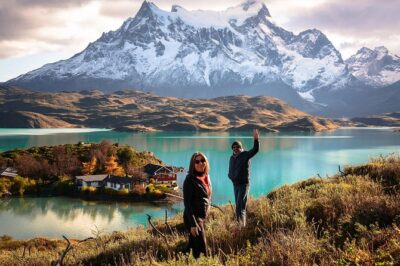
Full-Day Tour Torres del Paine National Park from Puerto Natales
Read our review →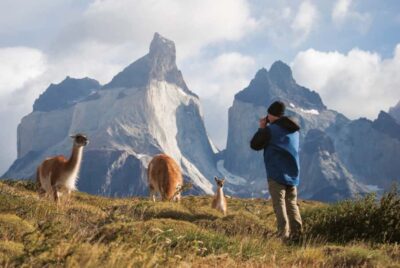
Torres del Paine & Milodon cave. Day tour from Puerto Natales
Read our review →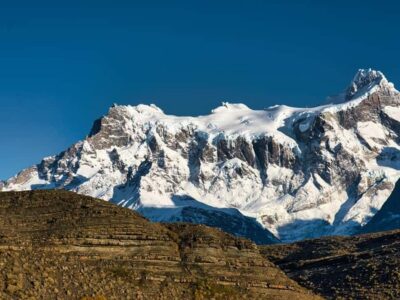
Browse the lists this tour appears in