
REVIEW · LA SERENA TOURS
The Magnificient Elqui Valley Grand Tour
Chile’s most surprising valley may be its most personal. The Magnificient Elqui Valley Grand Tour links pre-Columbian villages, pisco country, Gabriela Mistral’s childhood home, mountain viewpoints, and regional food in one long day from La Serena. I like the way it treats the Elqui Valley as more than a scenic drive. You get a look at the people, poetry, crops, crafts, and old buildings that give the area its character. I also like that pisco tastings, lunch, entry tickets, and hotel pickup are included.
The main consideration is time. Ten hours is a full day, and the tour makes many stops, some brief and some more relaxed. If you prefer to explore one village slowly, this schedule may feel rushed. But if you have limited time near La Serena and want a broad introduction, the guide’s commentary can make the long route worthwhile. Cristóbal receives special praise for his clear explanations and engaging stories about the valley.
In This Review
- Key points at a glance
- Why the Elqui Valley makes a strong day trip
- Leaving La Serena for the mountain valley
- Vicuña and the world of Gabriela Mistral
- Puclaro Dam and the valley’s dry scenery
- Capel, Chilean pisco, and the origins of a national drink
- El Molle, El Tambo, and small-town Chile
- Solar cooking and regional food at Entre Cordilleras
- Diaguitas: pottery, crafts, and local identity
- From Altovalsol to Cerro Polla Alta
- Pisco Elqui, crafts, and the valley’s best-known town
- Río Marquesa and the return to La Serena
- What the $195 price includes
- Who should book this experience?
- FAQ
- How long does the Elqui Valley Grand Tour last?
- Where does pickup take place?
- What languages are available?
- Is lunch included?
- Are tastings and entry tickets included?
- Is the tour suitable for people with mobility impairments?
Key points at a glance
- A full cultural circuit: Visit Vicuña, Montegrande, Pisco Elqui, El Molle, El Tambo, and Diaguitas in one day.
- Gabriela Mistral connection: Enter the Casa Escuela Gabriela Mistral, linked to Chile’s Nobel Prize-winning poet.
- Pisco and wine traditions: Stop at the Capel tourism center and museum, plus a gourmet food and wine shop with tastings.
- A meal with a twist: Lunch is served at the solar restaurant Entre Cordilleras, with starter, main course, dessert, and drink choices.
- Views beyond the postcard: Puclaro Dam, Cerro Polla Alta, and Río Marquesa add mountain scenery and photo stops.
- Best for curious, active visitors: Walking, shopping, and repeated stops make this a poor fit for anyone with limited mobility.
Why the Elqui Valley makes a strong day trip
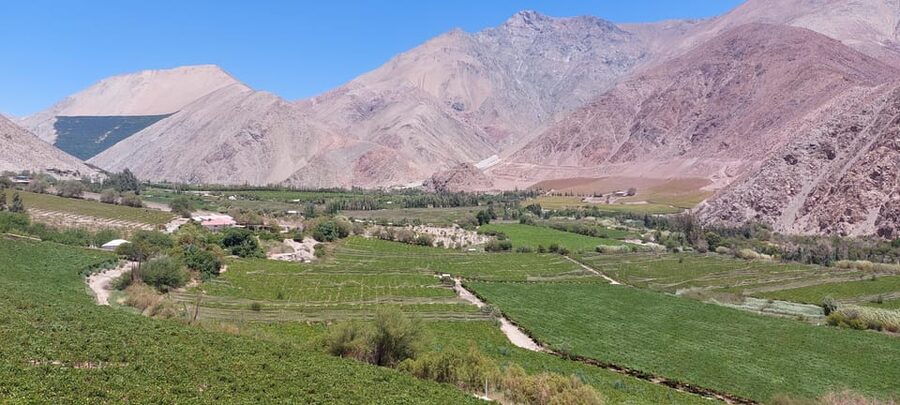
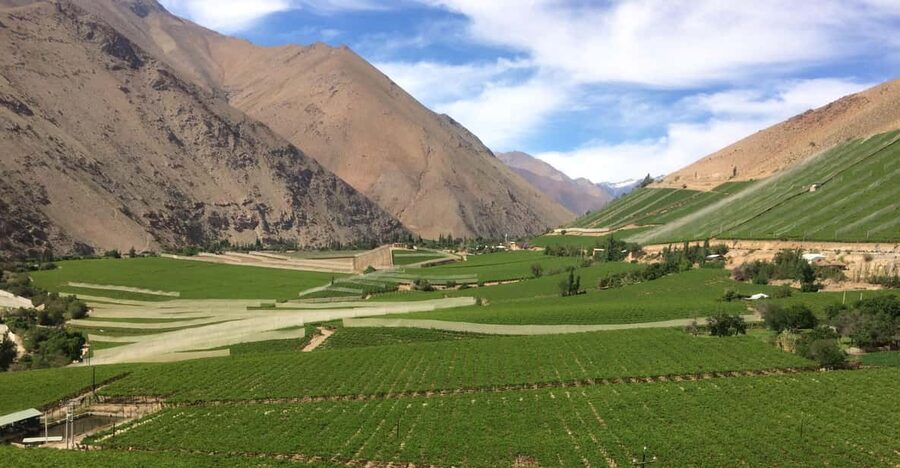
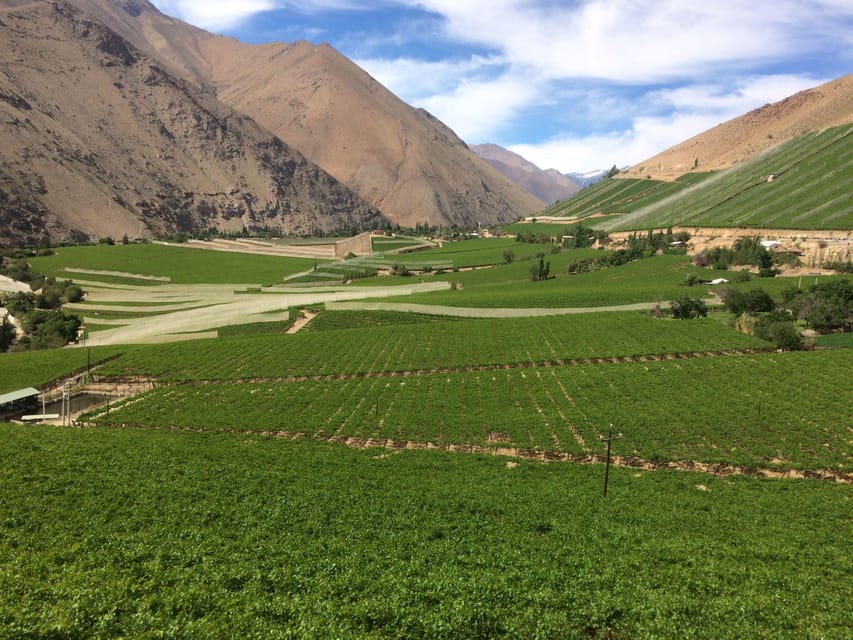
The Elqui Valley gives you several sides of Chile in a compact area. The route moves from coastal La Serena toward dry mountain country, where pyramidal peaks surround fruit orchards, vineyards, and semi-arid vegetation. The contrast is part of the appeal. You are not simply looking at scenery. You are seeing how farming, indigenous traditions, Spanish settlement, wine, pisco, and poetry developed in the same valley.
The tour also gives useful cultural context. The Diaguita people left distinctive artistic traditions, while Inca influence reached the area before the Spanish conquest. Later, Spanish haciendas and early churches shaped the towns and agricultural system. The result is a region where a small village plaza, a pisco bottle, a pottery stall, and a poem by Gabriela Mistral all connect to the same place.
I especially like the range of subjects. You can taste local drinks, inspect crafts, learn about solar cooking, and visit places tied to Chilean literature. The experience is not designed around one spectacular attraction. Its value comes from the connections between many modest but meaningful stops.
More things to do in La Serena:
- Elqui Valley Tour: History and Flavors (NOT FOR CRUISES)
★ 5.0 · 139 reviews - Pisco Elqui: Mountaintop Stargazing and Night Portrait
★ 4.6 · 20 reviews - Elqui Valley and Vicuna Private Tour Including Lunch
★ 4.5 · 18 reviews
Leaving La Serena for the mountain valley
Pickup and drop-off are included from accommodations along the Avenue of the Sea and in La Serena’s historic town. You need to provide your accommodation address, and the pickup time is sent the day before. That detail matters because the tour has a long route and an early start may be required, depending on availability.
Transportation is air-conditioned, a welcome feature in Chile’s dry interior. Bring water anyway. The tour includes many outdoor photo stops and walks, and the heat can make a full day feel longer.
The first section introduces the valley gradually. Paihuano brings guided commentary and views along the road, while Vicuña provides an early look at one of the area’s key historic towns. The stops are listed as short visits, so you should think of them as orientation rather than lengthy independent exploration.
Vicuña and the world of Gabriela Mistral
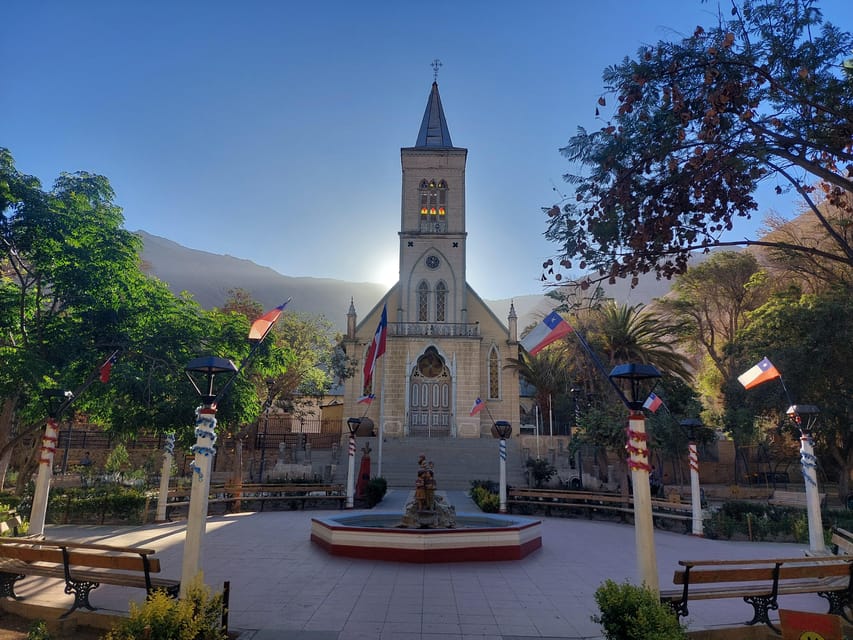
Vicuña is one of the most important cultural stops on the route. It is linked to the valley’s agricultural and pisco traditions, and its historic setting helps explain why the town is such a natural base for exploring the region.
The Casa Escuela Gabriela Mistral adds a more personal connection. This is the house and school associated with Gabriela Mistral, the Chilean poet and Nobel Prize winner. The visit is relatively brief, but it gives the valley a human voice. Mistral’s work was shaped by rural Chile, education, memory, and the people around her, so seeing the place connected to her early life adds meaning that a simple literary display cannot provide.
I would pay close attention during the guide’s explanation here. The time at the site is limited, and the value comes from understanding the setting rather than rushing through a building for photographs. Cristóbal’s strength, according to the available feedback, is precisely this kind of explanation. His stories and detailed account of the valley’s past helped make each stop feel more connected.
Puclaro Dam and the valley’s dry scenery
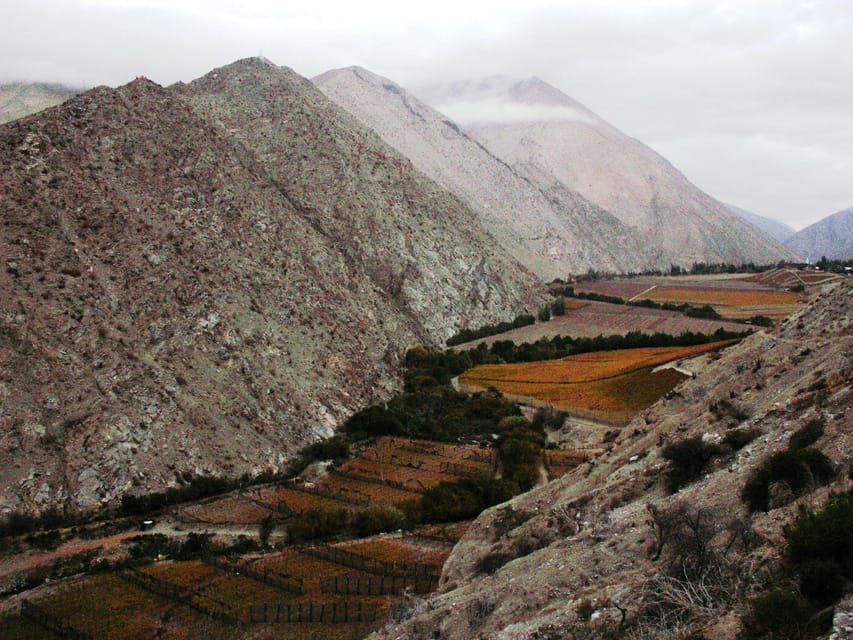
The Puclaro Dam is a photo stop with guided commentary and broad views. It gives you a sense of the valley’s practical side. Water is central to farming in a semi-arid region, and the dam helps explain how crops and vineyards can exist among dry mountains.
This is also one of the places where the route’s visual variety becomes clear. You may see hard, dry slopes beside cultivated land and greener agricultural areas. The valley’s pyramidal mountains are a repeated feature of the tour, and the dam offers a good place to pause before continuing inland.
The stop lasts about 15 minutes, so it is not a long walk or extended viewpoint visit. Keep your camera ready and use the guide’s description to fill in what a quick stop cannot show on its own.
A completely different kind of day out:
- Classic Elqui Valley (Between vineyards and fruit trees)
★ 5.0 · 16 reviews - Sailing and Hiking Isla Damas : Humboldt Penguin Reserve
★ 4.0 · 13 reviews - La Serena: Full day to Isla Damas & Humbolt Pinguino National Reserve
★ 4.5 · 11 reviews - La Serena: Full day Tour to Elqui Valley
★ 5.0 · 11 reviews
Capel, Chilean pisco, and the origins of a national drink
The Centro Turístico Capel introduces the pisco side of the Elqui Valley. The tour presents the center as a pisco distillery and museum, making it one of the most useful stops for understanding how local grapes become one of Chile’s best-known spirits.
The experience is not limited to drinking. You get context about Chilean pisco production and the valley’s connection to wine and distilling. That matters because the region’s warm days, dry climate, fruit growing, and old agricultural traditions are all tied to the drink.
A tasting is included, along with other food and beverage tastings later in the day. Pace yourself. This is a long tour, and the pisco stop comes well before lunch. You may want to treat the tasting as a guided introduction rather than a full drinking session.
El Molle, El Tambo, and small-town Chile
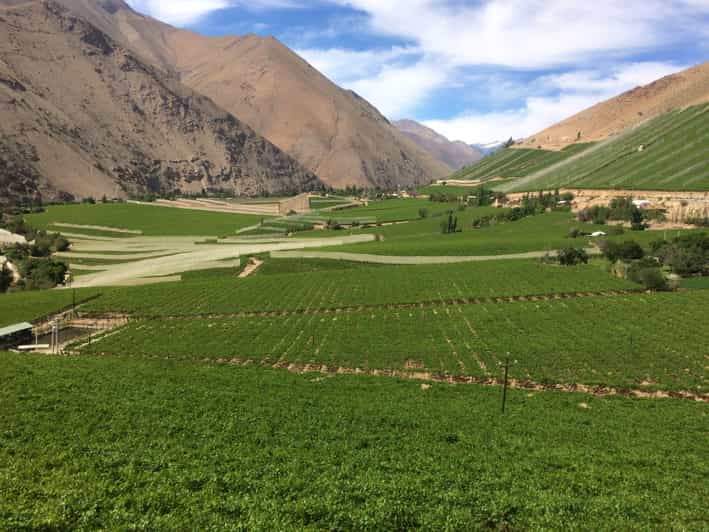
El Molle is a short visit and photo stop that brings you into one of the valley’s indigenous villages. The tour highlights the pre-Columbian roots of the area and the continuing importance of local traditions. It is a good reminder that the Elqui Valley did not begin with Spanish haciendas or modern tourism.
El Tambo follows with a brief walk, sightseeing, and a scenic drive. These smaller stops may not offer one major attraction, but they help break up the route and give you a feel for village life. I like their inclusion because the experience does not focus only on the best-known towns.
The tradeoff is simple: short visits give you variety, not depth. You will see more of the valley, but you will not have much time to wander freely in each village. If you enjoy collecting impressions, photographs, and small details, this works well. If you want long café stops or museum time, expect to feel constrained.
Solar cooking and regional food at Entre Cordilleras
Lunch at the solar restaurant Entre Cordilleras is one of the tour’s more unusual features. The meal includes a starter, main course, dessert, and several options for plates and drinks. You also have time for crafts, shopping, and a walk around the area.
Solar cooking is a practical response to the valley’s strong sunlight, not just a novelty for visitors. It connects local food to local conditions. The restaurant stop gives you a chance to experience the region through taste while learning about an approach that makes sense in a dry, sunny part of Chile.
The 40-minute stop is useful but not especially leisurely. Since it combines lunch, free time, sightseeing, and an arts and crafts market, you may need to choose what matters most. I would focus first on the meal and the explanation of solar cooking, then browse if time allows.
Diaguitas: pottery, crafts, and local identity
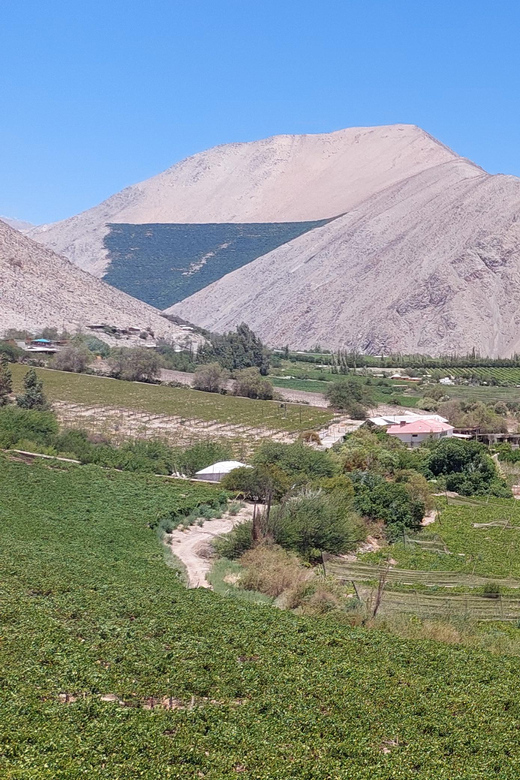
Diaguitas receives the longest stop, about 80 minutes, and that extra time makes a difference. You can walk, browse crafts, shop, and learn about the artistic traditions associated with the Diaguita people. The tour also presents local spirits and cultural objects, including new age items connected to the valley’s mystical reputation.
This is a good place to look for something small and specific rather than generic souvenirs. The description of the area points to cultural treasures, crafts, food, beverages, and spiritual objects. You might find pottery or handmade goods with a stronger connection to the region than mass-produced items sold elsewhere.
The stop also reflects the Elqui Valley’s modern image as a place of magnetism, astronomy, alternative communities, and spiritual interest. The tour presents these ideas as part of the area’s identity without ignoring the older indigenous and agricultural traditions.
From Altovalsol to Cerro Polla Alta
The route later passes through Avenida Francisco de Aguirre and Altovalsol, with time for food tasting, regional dishes, dessert, drinks, and walking. The exact rhythm of the day depends on how long earlier visits take, but these stops add more chances to sample local flavors and see the countryside.
Cerro Polla Alta is another viewpoint stop, lasting about 25 minutes. It is a chance to appreciate the valley from above and photograph the mountain forms surrounding the vineyards and crops. The name may raise a smile, but the view is the serious reason to stop.
These viewpoint visits are short, so comfortable shoes and water matter. The tour is not suitable for people with mobility impairments, and the combination of walks, uneven outdoor areas, and repeated getting in and out of transportation may be tiring for anyone who has difficulty walking.
Pisco Elqui, crafts, and the valley’s best-known town
Pisco Elqui is one of the day’s signature stops. The town is known for its crafts markets and its connection to pisco, and the 40-minute visit gives you time to walk, shop, and take in the historic setting.
This is likely to be one of the more enjoyable stops if you want a tangible memory of the valley. Craft markets offer a chance to buy something tied to the place, though you should keep your expectations practical. The available details do not promise a particular product or shop, so consider it browsing time rather than a guaranteed shopping experience.
The stop also helps tie together themes introduced earlier: pisco production, mountain scenery, local creativity, and the valley’s spiritual reputation. You will already have heard about the drink at Capel, but Pisco Elqui shows how the product fits into the identity of a whole town.
Río Marquesa and the return to La Serena
Río Marquesa provides another 40-minute stop for walking, views, and guided commentary before the return to La Serena. After a long day, this final pause can be welcome. It gives you one more chance to see the dry mountain setting without the pressure of a formal attraction.
The route returns to La Serena after the Río Marquesa stop. Since the full experience lasts about 10 hours, plan nothing demanding for the evening. You may be ready for a quiet meal and an early night, especially if you have made the most of the tastings and walking.
What the $195 price includes
At $195 per person, this is not a budget outing. The price makes more sense when you count what is bundled: air-conditioned transport, pickup and drop-off within the stated La Serena areas, a bilingual English- or Spanish-speaking guide, tickets, tastings, and a complete lunch.
You are also paying for access to a wide circuit that would be difficult to organize efficiently without private transport. The tour connects villages, a literary site, a dam, a distillery, viewpoints, food stops, and craft markets. Taxi costs and individual entry fees could add up quickly if arranged separately, though the tour’s value depends on how much you enjoy guided travel.
The weaker point is that the schedule cannot give every place the time it deserves. You pay for breadth and convenience, not a slow, deeply focused visit to one town. I consider the price reasonable for a first look at the valley, especially if you value transportation and interpretation. It is less compelling for independent visitors who already have a car and several days to explore.
Who should book this experience?
I would recommend it to you if you are staying in La Serena, have only one day for the Elqui Valley, and want culture as well as scenery. It suits people who like a structured day with many short stops, local drinks, food, crafts, history, poetry, and photography.
It is also a strong choice if you want English-language guidance. The tour is offered in English and Spanish, and Cristóbal’s praised storytelling suggests that the guide can add real value to places that might otherwise seem like quick photo stops.
I would think twice if you dislike long day trips, frequent changes of location, or organized shopping stops. You should also avoid it if you have significant mobility limits, since the experience includes walking and repeated outdoor visits. People over 95 are specifically advised not to take part.
Free cancellation up to 24 hours before departure and reserve-now, pay-later booking make the commitment easier. Still, the practical decision is about pace: choose this tour for a broad introduction, not for a quiet, unhurried stay in one village.
FAQ
How long does the Elqui Valley Grand Tour last?
The tour lasts 10 hours, including transportation from La Serena, the valley visits, and the return trip.
Where does pickup take place?
Pickup and drop-off are included from accommodations along the Avenue of the Sea and in La Serena’s historic town. You need to provide your accommodation address, and the pickup time is sent the day before.
What languages are available?
The live tour guide is available in English and Spanish.
Is lunch included?
Yes. Lunch at the solar restaurant includes a starter, main course, dessert, and several options for plates and drinks.
Are tastings and entry tickets included?
Yes. The price includes tickets and tastings, including visits connected with pisco, wine, food, and regional products.
Is the tour suitable for people with mobility impairments?
No. The tour is not suitable for people with mobility impairments. It also is not suitable for people over 95 years of age.
Just added in La Serena
- Fray Jorge ice-age relict forest UNESCO National Park★ 5.0 · 2 reviews
- Sailing and Hiking Isla Damas : Humboldt Penguin Reserve★ 4.0 · 13 reviews
- Astronomical Observation Milky Way Sanctuary Pangue Observatory★ 3.5 · 7 reviews
- Charm Valley Archaeological Tour, Shamanism and Petroglyphs★ 5.0 · 1 review
- La Serena and Coquimbo Private City Tour Including Lunch, Shore Excursion★ 5.0 · 5 reviews
- La Serena & Elqui Valley : Ancestral & Avant Garde Wines & Piscos★ 5.0 · 2 reviews
- Grand Tour Elqui Valley Heavenly Paradise of Sacred Mountains★ 4.5 · 10 reviews
- Costa DE Desierto Atacama : La Serena-Llanos del Challe-Pan de Azucar★ 4.5 · 3 reviews
La Serena Tours, compared.
Elqui Valley Tour: History and Flavors (NOT FOR CRUISES)
Read our review →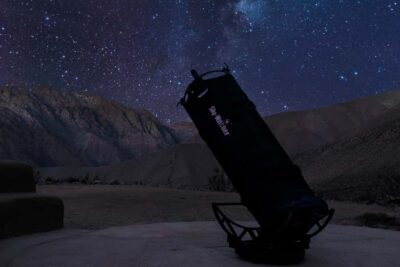
Pisco Elqui: Mountaintop Stargazing and Night Portrait
Read our review →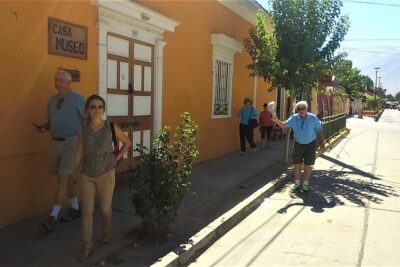
Elqui Valley and Vicuna Private Tour Including Lunch
Read our review →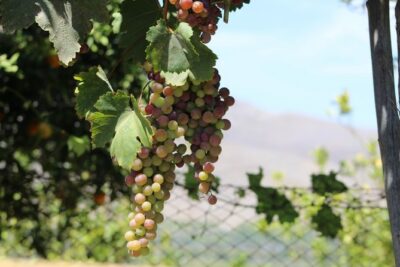
Classic Elqui Valley (Between vineyards and fruit trees)
Read our review →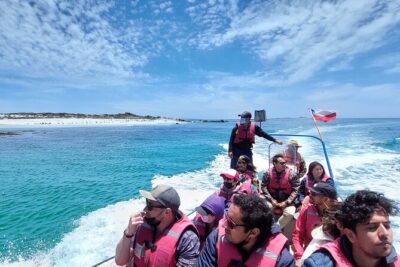
Sailing and Hiking Isla Damas : Humboldt Penguin Reserve
Read our review →

Full day to Isla Damas & Humbolt Pinguino National Reserve
Read our review →
Whales & Humboldt Penguins: Chañaral or Damas island hiking
Read our review →Browse the lists this tour appears in