
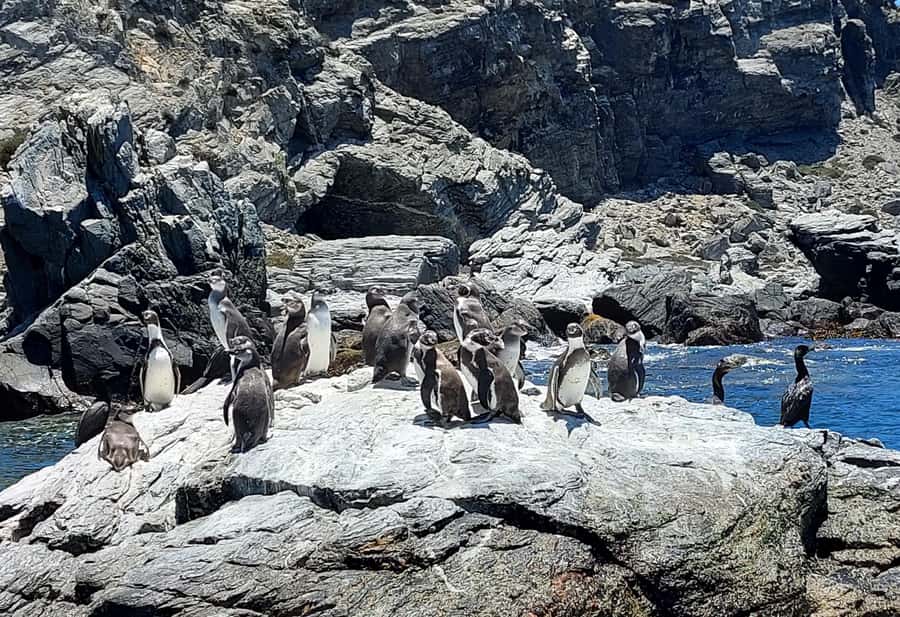
REVIEW · PENGUIN COLONY TOURS
Whales & Humboldt Penguins: Chañaral or Damas island hiking
Wildlife meets desert coast. This 10-hour excursion from La Serena combines a long scenic drive, a boat trip around Choros and Damas islands, and a short island walk in one memorable day. I especially like the mix of Humboldt penguins and whales with cactus-covered beaches, and I appreciate the local stories about the Changos, Choros, and Camanchaca fishing cultures. The main drawback is the pace: the day is long, and lunch and transfers can feel rushed if the schedule slips.
You get hotel pickup, air-conditioned transport, a bilingual guide, marine reserve admission, boat navigation, and lunch with a drink for $280 per person. Guides such as Christopher and Martin have earned strong praise for their care and commentary, though wildlife sightings depend heavily on wind, tides, waves, and luck.
In This Review
- Five reasons this day trip is worth considering
- From La Serena to Punta Teatinos in five minutes
- Juan Soldado and Caleta Los Hornos: stories by the roadside
- La Higuera and the road toward the Atacama
- Quebrada de los Choros and the final approach to Punta de Choros
- Punta de Choros: safety first, then open water
- Isla Choros: the strongest wildlife section
- Isla Damas: beaches, cactus, and a short walk
- The Changos, Choros, and Camanchaca connection
- Lunch in Los Choros, with one timing concern
- What the $280 price really covers
- Who should book this coastal adventure?
- FAQ
- How long does the experience last?
- Where does pickup take place?
- What languages does the guide speak?
- Are whales guaranteed?
- What islands will I visit?
- What is included in the price?
- What should I bring?
- Should you book it?
Five reasons this day trip is worth considering
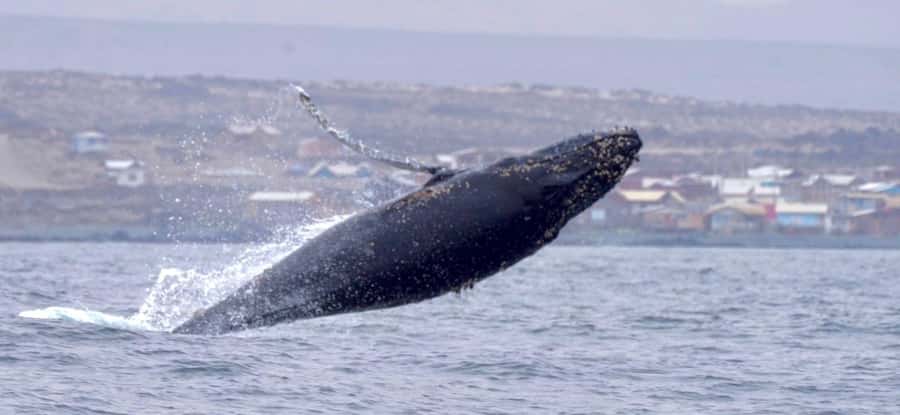
- Whale watching near Isla Choros: The boat ride may bring dolphins, whales, sea lions, otters, seabirds, and Humboldt penguins.
- A rare meeting of climates: Green coastal Chile gives way to the dry beginnings of the Atacama, with cactus, beaches, and spare desert hills.
- A trip with cultural depth: Your guide explains the fishing communities and sealion-skin rafts linked to the Changos and Camanchaca peoples.
- Two island experiences: Isla Choros is mainly for marine wildlife, while Isla Damas offers free time, views, and a walk.
- A full-service day from La Serena: Pickup, transport, guide, park ticket, boat, lunch, dessert, and a drink are included.
From La Serena to Punta Teatinos in five minutes
Your day begins with pickup at your accommodation in La Serena. The air-conditioned vehicle is useful here, since the road portion takes up a substantial part of the day and conditions can shift from cool coastal air to dry inland heat.
The first stop is Punta Teatinos, only about five minutes from the starting point. It is a short introduction to the coast, with scenic views and a chance to hear how the city’s surroundings change as you head north.
I like this opening because it gives you a gentle start instead of sending you straight into a long drive. Do not expect a major walk or a long stop here. It is more of a quick orientation point.
More penguin colony trips in La Serena:
- Sailing and Hiking Isla Damas : Humboldt Penguin Reserve
★ 4.0 · 13 reviews - Punta Arenas: Walk with Penguins on Magdalena & Marta Island
★ 4.6 · 611 reviews - Punta Arenas: Full-Day Whales, Penguins, and Glaciers Tour
★ 4.9 · 325 reviews
Juan Soldado and Caleta Los Hornos: stories by the roadside
The Antiguo Puente Juan Soldado is next, with around 10 minutes for photographs and explanation. The stop adds a historical layer to what could otherwise be a simple transfer to the harbor. Your guide may connect the area with old routes, settlement, and the people who crossed and worked this difficult coast.
At Caleta Los Hornos, you get another short guided stop. This is one of the fishing coves that helps explain the working character of the coast. The trip is not only about spotting animals from a boat. It also introduces you to places shaped by shepherds, miners, farmers, divers, and seaweed collectors.
The stops are brief, so I would keep your camera ready and avoid expecting long independent exploration. Their value comes from the guide’s explanation and from seeing how small coastal settlements fit into the wider region.
La Higuera and the road toward the Atacama
The vehicle continues through La Higuera, with roughly 20 minutes for sightseeing and commentary. This is where the change in scenery becomes more noticeable. The green northern coast of Coquimbo gradually gives way to the dry country associated with the Atacama Desert.
That contrast is one of the best reasons to choose this trip instead of a simple boat excursion. You are not being taken straight to a marina and back. You see the settlements and open country that connect La Serena with the islands.
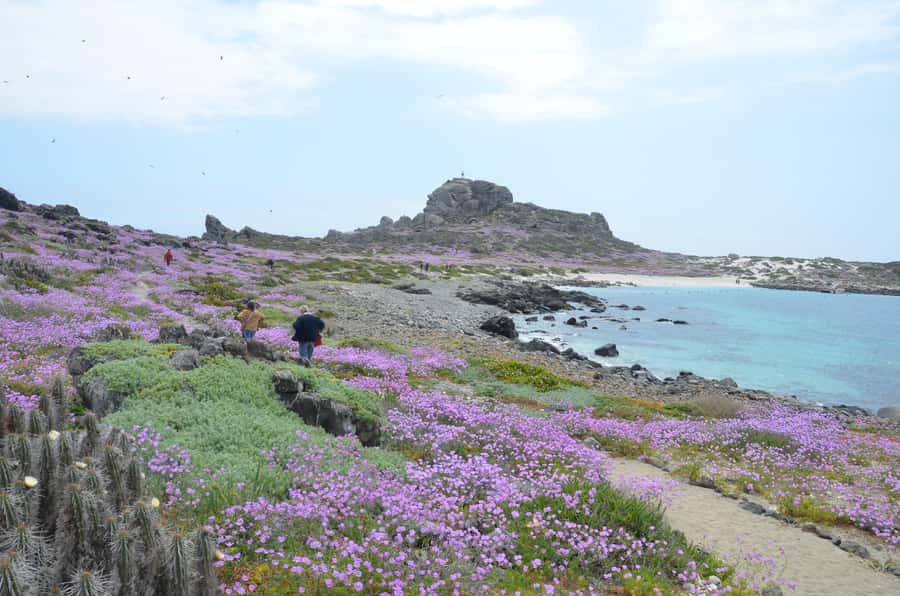
The scenery is spare rather than lush, but that is the point. Cactus, dry slopes, ocean air, and scattered settlements create a setting that feels far removed from the city. Guides have also stopped to point out wildlife along the road, including guanacos, llamas, foxes, and wild donkeys when conditions allow.
Quebrada de los Choros and the final approach to Punta de Choros
At Quebrada de los Choros, you have about 20 minutes for photographs, free time, wildlife viewing, and more background from the guide. This is a useful transition stop before the boat portion.
The area helps make sense of the island names and the surrounding communities. It also gives you a last chance to stretch your legs before reaching Punta de Choros, where the sea trip begins.
The driving is scenic, but it is also the chief reason this feels like a full expedition rather than a quick half-day outing. One person found the journey overly stretched, especially after additional roadside stops. I think the long drive will suit you if you enjoy geography, local stories, and changing scenery. If your priority is only whales and penguins, the transport may test your patience.
More Hiking Tours in La Serena:
- Caleta Los Hornos: Hiking archaeological sites
★ 5.0 · 1 review - Puerto Natales: Base of the Towers Day Hike
★ 4.8 · 727 reviews - From Santiago: Cajón del Maipo and Volcán San José Hike 8K
★ 4.9 · 418 reviews - Puerto Natales: Base of the Towers Trekking Experience
★ 4.8 · 191 reviews
Punta de Choros: safety first, then open water
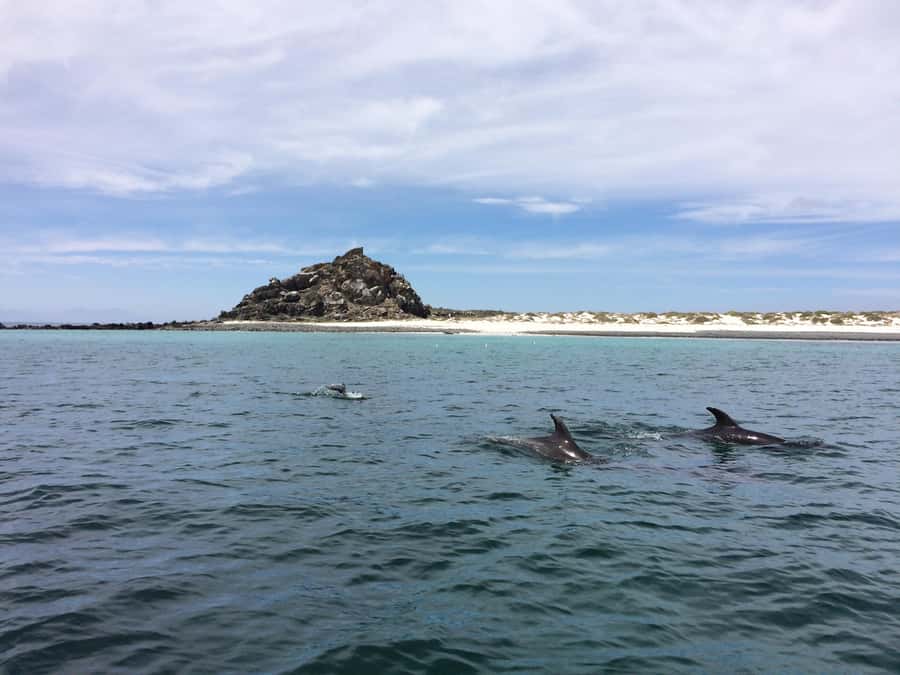
Punta de Choros is the main launch point. You receive a safety briefing, take photographs, and prepare for the boat cruise. The stop is listed at around 20 minutes, so you should be ready to move efficiently.
The boat portion is the heart of the experience, but it is also the part most affected by nature. The operator checks conditions two days beforehand and informs passengers about the forecast. Wind, tides, and waves can lead to changes, delays, or reduced wildlife viewing.
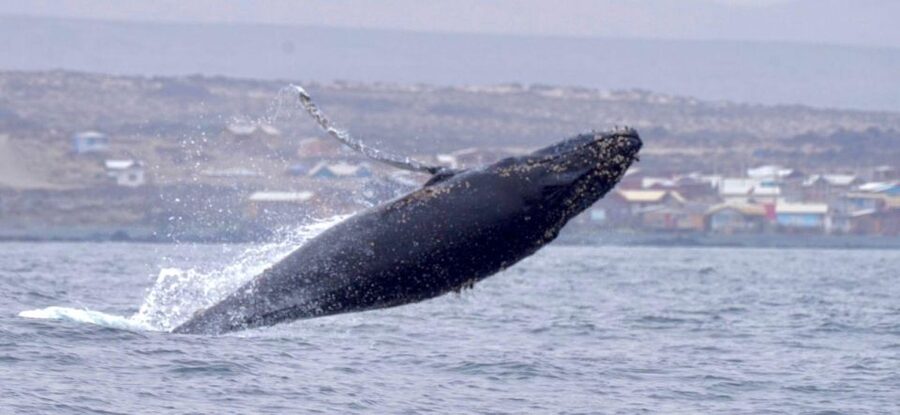
This is important: no responsible boat trip can promise whales, dolphins, or close views of every animal. Some outings produce an extraordinary mix of wildlife. Others may give you a few penguins and seals. One account described seeing five Humboldt penguins, while another reported sea lions, penguins, otters, birds of prey, dolphins, and whales. Your result will depend on the day.
Isla Choros: the strongest wildlife section
The boat heads around Isla Choros for about an hour of guided viewing. This is where you look for marine life and seabirds, with the possibility of dolphins and whales along the route.
Humboldt penguins are one of the main draws. The penguins share this marine reserve with sea lions, sea otters, seabirds, and other coastal wildlife. The islands also offer broad views back toward the desert coast, so keep watching the water and the rocky edges rather than focusing only on one animal.
The guides appear to make a major difference here. Christopher received especially warm praise for his driving and help with wildlife spotting. Martin was also praised for giving detailed explanations and stopping whenever something interesting appeared along the road. Those personal touches matter on a day when conditions may not deliver every hoped-for sight.
Bring warm clothing even if La Serena feels mild. The boat can be cold, and the wind on open water is a different matter from the temperature on land. Outdoor clothing and weather-appropriate layers are essential.
Isla Damas: beaches, cactus, and a short walk
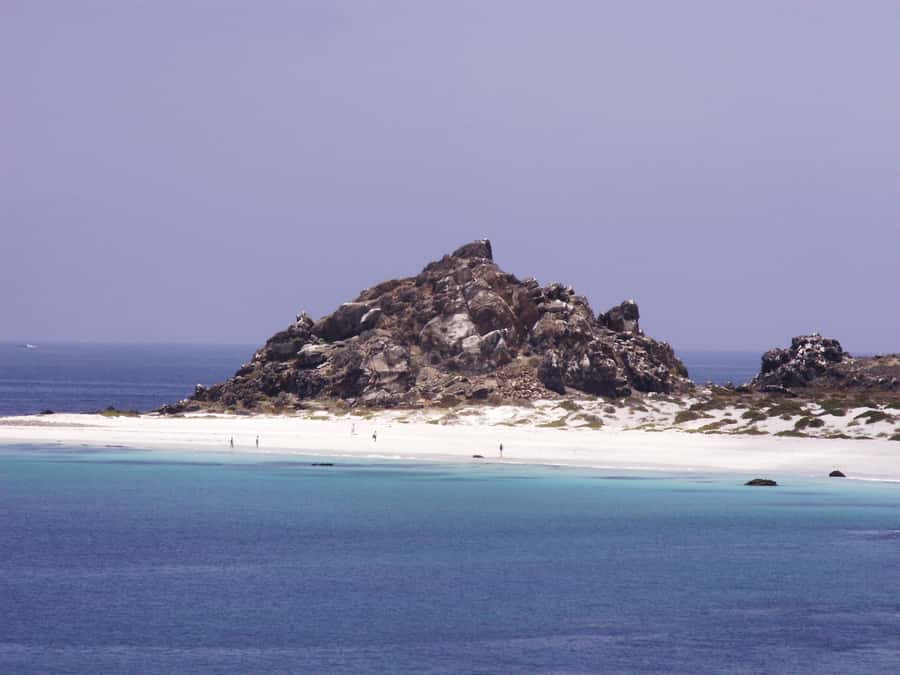
The visit to Isla Damas lasts about an hour and includes a guided visit, free time, sightseeing, and walking. This is the more land-based part of the island experience, and it provides a break from sitting in the boat.
Expect beautiful beaches, unusual rock forms, cactus, and coastal plants. The island is described through a strong local sense of myth and geography, including stone shapes associated with gods and old stories. Your guide’s explanation gives these formations more meaning than they would have if you simply photographed them and left.
The walk is not presented as a demanding hike, but the excursion is not suitable for people with mobility impairments or serious back problems. Wear practical outdoor shoes and be prepared for uneven natural ground. The experience also is not recommended for people with epilepsy or those prone to seasickness.
The Changos, Choros, and Camanchaca connection
The cultural side of this excursion is unusually important. The coast is linked with the Changos, Choros, and Camanchaca peoples, whose lives depended on fishing, diving, collecting seaweed, and reading the sea.
The trip also introduces the remarkable use of sealion skin for indigenous fishing rafts. That detail helps you understand how closely people once worked with the marine environment. The islands are not empty scenery. They are part of a human story involving fishing grounds, coves, beaches, and difficult travel along the South Pacific coast.
I like this context because it keeps the day from becoming a simple animal checklist. You see why the coves matter, why the islands attracted fishing communities, and how the sea shaped local life long before modern tourism arrived.
Lunch in Los Choros, with one timing concern
After the island visit, you stop in Los Choros for about 70 minutes. Lunch includes a choice of starter, main course, dessert, and a drink such as wine, water, or a soft drink. Beer and wine are also listed among the available refreshments.
The meal adds real value to the price, particularly because it saves you from arranging food during a remote day. The seafood and drinks are part of the regional character of the experience, and the meal gives you time to ask your guide questions.
Still, the timing deserves attention. One person found the lunch rushed, with the last meal arriving only about 10 minutes before departure. Another felt the meal was acceptable but unnecessary. I would treat lunch as a useful inclusion, not the reason to book. If the boat returns late, your eating time may be shorter than the planned 70 minutes.
The broader schedule can also feel longer than the wildlife portion. One account estimated about three hours on the water in total, while the planned island sections allow around an hour at Isla Choros and an hour at Isla Damas, plus the launch and return. If you want a fast, focused wildlife trip, ask about the expected timing before you go.
What the $280 price really covers
At $280 per person, this is not a budget outing. The price makes more sense when you add up the included elements: pickup and drop-off in La Serena, air-conditioned transport, bilingual guiding, marine reserve admission, boat navigation, and a multi-course lunch with a drink.
You are also paying for a specialized day that reaches an area difficult to visit efficiently without transport. The road route includes several guided stops, and the boat provides access to islands where you can see marine animals and coastal plants in their natural setting.
The value is strongest if you want one organized day with both cultural background and wildlife. It is weaker if you already have transport to Punta de Choros, prefer to arrange your own food, or want to spend most of the day on the water.
The 4.3 rating from 10 recorded ratings reflects that split. The best days sound exceptional, with whales, dolphins, penguins, otters, sea lions, and birds of prey. The less satisfying days still reach the islands but offer fewer animals and a schedule that feels too tight.
Who should book this coastal adventure?
I would choose this trip if you enjoy long scenic drives, local history, boat wildlife watching, and a day that changes pace several times. It suits visitors staying in La Serena who want a complete package and do not want to arrange a remote coastal excursion themselves.
It is also a good match for photographers and nature fans who understand that wildlife is never guaranteed. You may see only a small number of animals, but the desert coast, cactus, beaches, and island geology still give the day plenty of visual interest.
I would think twice if you suffer from seasickness, have mobility or back problems, or dislike full-day schedules. The trip lasts 10 hours, includes a long road journey, and may be tiring if the sea is rough or lunch runs late.
The best practical tip is to bring layers, outdoor clothing, and a willingness to adjust your expectations. Ask about sea conditions when the operator checks them two days before departure. That information can help you decide if the forecast suits you.
FAQ
How long does the experience last?
The excursion lasts 10 hours, including pickup and drop-off in La Serena, the drive to Punta de Choros, the boat trip, the island visit, lunch, and the return journey.
Where does pickup take place?
Pickup and drop-off are provided at your accommodation in La Serena.
What languages does the guide speak?
The tour is available with a live guide in English and Spanish.
Are whales guaranteed?
No. Whale, dolphin, penguin, and other wildlife sightings depend on wind, tides, waves, and general weather conditions.
What islands will I visit?
The boat travels around Isla Choros and Isla Damas. The route also includes views of the Seagulls islands.
What is included in the price?
The price includes accommodation transfers in La Serena, air-conditioned transportation, a bilingual specialized guide, the marine reserve ticket, boat navigation, and lunch with starter, main course, dessert, and a drink.
What should I bring?
Bring warm clothing, weather-appropriate outdoor clothing, and practical clothes for the boat and island walk. The experience is not suitable for people prone to seasickness, people with back problems, people with mobility impairments, or people with epilepsy.
Should you book it?
Book this trip if you want the full story of the coast, not just a boat ride. The combination of desert scenery, fishing culture, islands, beaches, cactus, and marine wildlife gives you a broader sense of northern Chile.
Book with realistic expectations about the sea and the clock. A lucky day can bring whales, dolphins, penguins, otters, and sea lions, but rough conditions may reduce the sightings. If you accept the long drive and possible schedule pressure, the trip offers a rare and worthwhile look at one of Chile’s most unusual coastal environments.
More Whale Watching in La Serena
- Full Day Whale Watching Marine Reserve Isla Chañaral
★ 5.0 · 1 review - Whale and Glacier Watching from Punta Arenas Francisco Coloane Park
★ 5.0 · 254 reviews - Whales, Penguins & Glaciers Navigation From Punta Arenas
★ 4.5 · 12 reviews - Kayaking with Whales and Wildlife Watching From Punta Arenas
★ 4.5 · 6 reviews
Just added in La Serena
- Fray Jorge ice-age relict forest UNESCO National Park★ 5.0 · 2 reviews
- Charm Valley Archaeological Tour, Shamanism and Petroglyphs★ 5.0 · 1 review
- Sailing and Hiking Isla Damas : Humboldt Penguin Reserve★ 4.0 · 13 reviews
- Astronomical Observation Milky Way Sanctuary Pangue Observatory★ 3.5 · 7 reviews
- La Serena and Coquimbo Private City Tour Including Lunch, Shore Excursion★ 5.0 · 5 reviews
- La Serena & Elqui Valley : Ancestral & Avant Garde Wines & Piscos★ 5.0 · 2 reviews
- Grand Tour Elqui Valley Heavenly Paradise of Sacred Mountains★ 4.5 · 10 reviews
- Costa DE Desierto Atacama : La Serena-Llanos del Challe-Pan de Azucar★ 4.5 · 3 reviews
Penguin Colony Tours, compared.
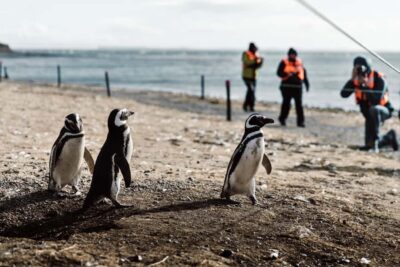
Walk with Penguins on Magdalena & Marta Island
Read our review →
Walk alongside Penguins on Magdalene Island and navigate Marta Island
Read our review →
Shore Excursion: Magellan Penguins Natural Reserve in Magdalena Island from Punta Arenas
Read our review →
Magdalena Island Penguin Tour by Boat from Punta Arenas
Read our review →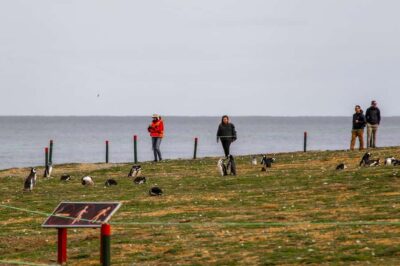
Browse the lists this tour appears in