
REVIEW · CYCLING TOURS
Santiago: Markets Bike Tour
Santiago is best seen at street level. This gentle three-hour ride links Bellavista’s murals, Pablo Neruda’s La Chascona, Parque Forestal, and two major markets in one well-paced outing. I like the mix of city sights and everyday Chilean food, and I like that the small groups, capped at 10 people, make it easy to ask questions. The main consideration is that only about half the tour is spent cycling, so this is not a nonstop bike ride.
The route is mostly easy and flat, with time spent walking through the markets. Guides such as Isabella, Marti, Diego, and Adrin have been praised for clear English, local insight, and careful handling of crossings. If you want a friendly introduction to Santiago rather than a hard workout, this is a strong choice. If your main goal is long-distance riding, you may find the three hours too short.
In This Review
- Key points at a glance
- Starting in Bellavista near Plaza Mori
- La Chascona and the Pablo Neruda connection
- Rolling through Parque Forestal
- La Vega Central: Santiago’s food market
- Crossing to Mercado Central
- How difficult is the ride?
- Guides make the biggest difference
- Is $45 a fair price?
- Practical details before you book
- Who should book this Santiago bike tour?
- FAQ
- How long is the Santiago Markets Bike Tour?
- Where does the tour meet?
- What languages are available?
- How large is the group?
- Is the ride difficult?
- Are bikes and helmets provided?
- What food and drinks are included?
- Can I cancel the booking?
Key points at a glance
- Bellavista by bicycle: Ride through cobbled streets, colorful murals, and the neighborhood known for its evening culture.
- La Chascona stop: See the Santiago home connected with Nobel Prize-winning Chilean poet Pablo Neruda.
- Two very different markets: Compare La Vega Central’s produce and food culture with Mercado Central’s seafood stalls.
- Easy pace: The ride is gentle, mostly flat, and uses bike lanes, parks, and some city streets.
- Small-group guidance: Groups of up to 10 make it easier for the guide to manage crossings and answer questions.
- Food included: Try a traditional sopaipilla and fresh natural juice, with food advice from your guide.
Starting in Bellavista near Plaza Mori
The tour begins at Constitución 153, beside Plaza Mori and near Baquedano Metro Station. That location puts you right at the edge of Barrio Bellavista, a useful starting point because the neighborhood quickly gives you a sense of Santiago’s creative side.
You ride a beach cruiser city bike with a basket, helmet, and bottled water. Helmets are mandatory under Chilean law, and sunscreen is supplied as well. The practical setup is simple rather than sporty, which suits the relaxed pace.
Bellavista is known for its cobbled streets, murals, cafés, bars, and night-time activity. During the ride, your guide explains the street art and the neighborhood’s nocturnal character. You are not simply passing through on a bike. You are getting context for why this part of Santiago feels different from the formal center.
The route is gentle enough for people with modest cycling experience. Several riders describe it as easy, with much of the route on bike lanes and through parks. When the group reaches roads and intersections, the guides focus on keeping everyone together and helping the group cross safely.
That care matters in a city tour. You can look around instead of worrying about navigating every turn. Still, this is an urban ride, not a closed cycling path, so you should be comfortable riding near ordinary city traffic.
More bike rides in Santiago:
- Santiago Markets Small Group Bike Tour
★ 5.0 · 368 reviews - Santiago Highlights, Parks and Politics Bike Tour
★ 5.0 · 264 reviews - Panoramic Santiago Bike Tour
★ 5.0 · 88 reviews
La Chascona and the Pablo Neruda connection
From Bellavista, the route continues toward La Chascona, the Santiago property associated with Pablo Neruda. Neruda was one of Chile’s best-known poets and won the Nobel Prize in Literature. The house gives the tour a cultural focus beyond street art and food.
The stop is especially useful if you know little about Neruda or Chilean cultural life. Your guide can connect the house with the poet’s place in Chilean identity and explain why the property matters in Santiago. The tour information does not promise a full house visit, so you should think of this as a stop at the site rather than a guaranteed museum admission.
The ride also takes you near the entrance to Parque Metropolitano and the route toward Cerro San Cristóbal, according to the detailed route descriptions. You will not be climbing the hill on this gentle outing, but the area helps show how Santiago’s parks and neighborhoods fit together.
This is one place where the bike format works well. You cover ground quickly, but you are still moving slowly enough to notice the changes in architecture, public art, and street life. Walking the whole route would take more time, while a bus would miss much of the neighborhood feel.
Rolling through Parque Forestal
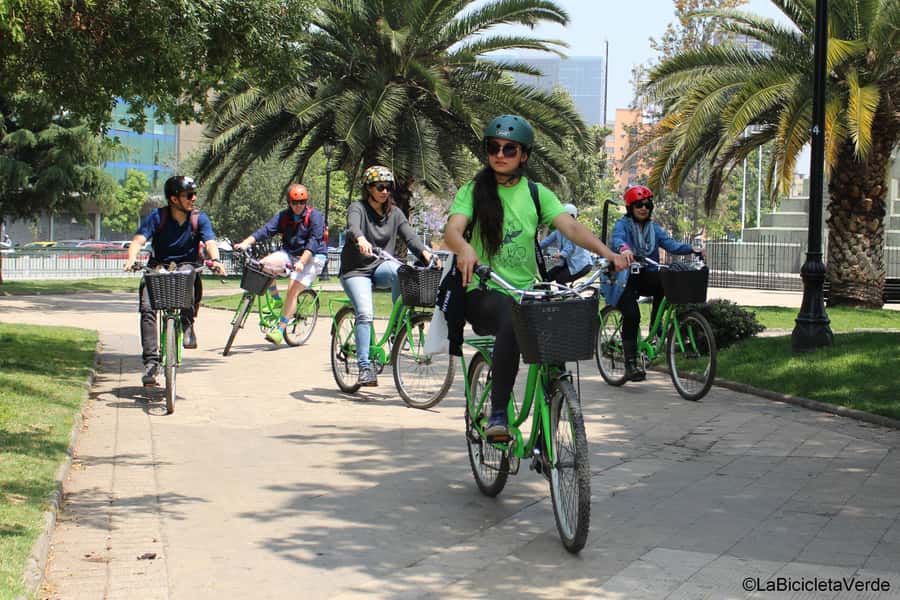
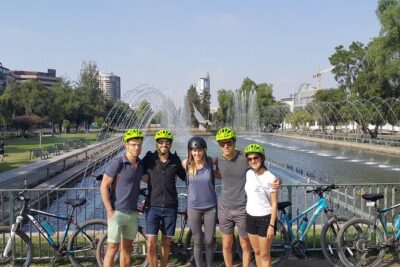
Parque Forestal is one of the most pleasant stretches of the ride. The park follows the Mapocho River and offers a calmer setting after the streets of Bellavista. You ride among trees, open paths, bridges, and public spaces before continuing toward the central markets.
The park section also gives the tour a welcome change of pace. Santiago can feel large and busy, but Parque Forestal shows the city as a place for strolling, cycling, and outdoor time. It is a good spot for photographs, especially if you want a break from storefronts and traffic.
Some of the route descriptions include a sculpture garden and bridges. These stops help make the ride more than a direct trip from one market to another. You get small pieces of the city along the way, with your guide explaining what you are seeing.
The pace is deliberately moderate. You should not expect a training ride or a long circuit through every central neighborhood. The benefit is that the tour remains manageable for different fitness levels, and nobody is left racing to catch up.
La Vega Central: Santiago’s food market
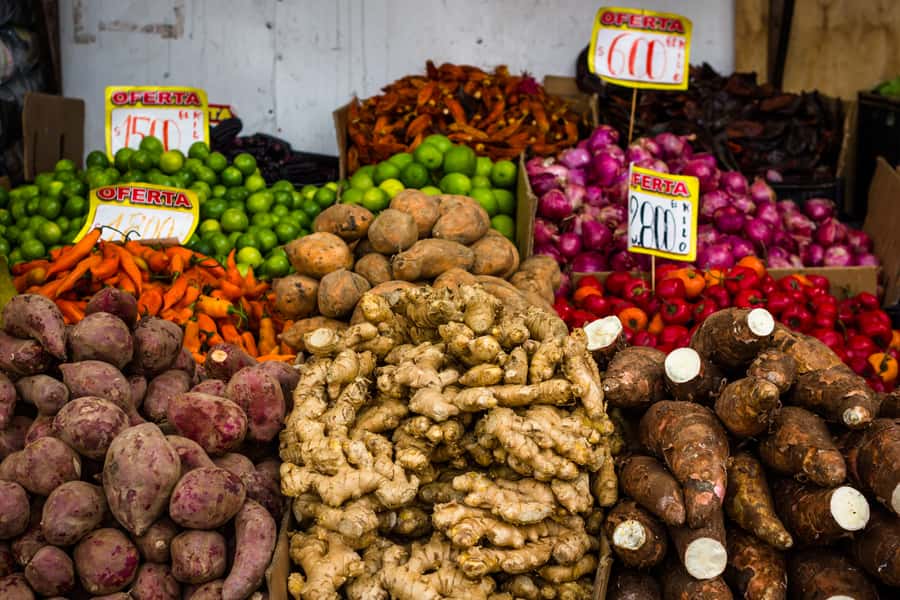
La Vega Central is one of the tour’s main rewards. It is Santiago’s largest local market, and it gives you a direct look at the ingredients used in Chilean cooking. The market is a place to learn about produce, traditional foods, and daily shopping habits.
Your guide discusses Chilean food and customs as you move through the market. You also receive recommendations for local dishes and advice on what to try during the rest of your stay. That practical guidance can be more useful than a long list of restaurant names because it helps you understand what the food is and how it fits into local life.
Bring some Chilean pesos if you want to buy fruit or other goods. The tour specifically recommends local currency, and that is sensible in a market setting. Your guide may also help you find good produce and negotiate a price, as Isabella did for one group looking for the best fruit.
This is also where the bicycle becomes less useful. The market passages can be tight, and you will spend part of the visit walking with the bikes rather than riding them. One participant found that carrying or managing a bike in the smaller market spaces was inconvenient. That is a fair tradeoff, but it explains why this experience is only partly a cycling tour.
The food tasting keeps the market visit grounded. A traditional sopaipilla, a fried pumpkin-based Chilean snack, is included, along with freshly squeezed natural juice. The combination gives you a small taste without turning the excursion into a full food tour.
More things to do in Santiago:
- Valparaiso Port and Viña del Mar with Casablanca Wine Tasting
★ 5.0 · 6,110 reviews - Santiago: Cajon del Maipo/Embalse del Yeso Tour with Picnic
★ 4.3 · 3,789 reviews - Santiago: Vina Del Mar, Valparaiso, Casablanca & Reñaca Tour
★ 4.2 · 2,838 reviews - Cable Car, Funicular and Sightseeing Bus in Santiago one day
★ 5.0 · 2,325 reviews
Crossing to Mercado Central
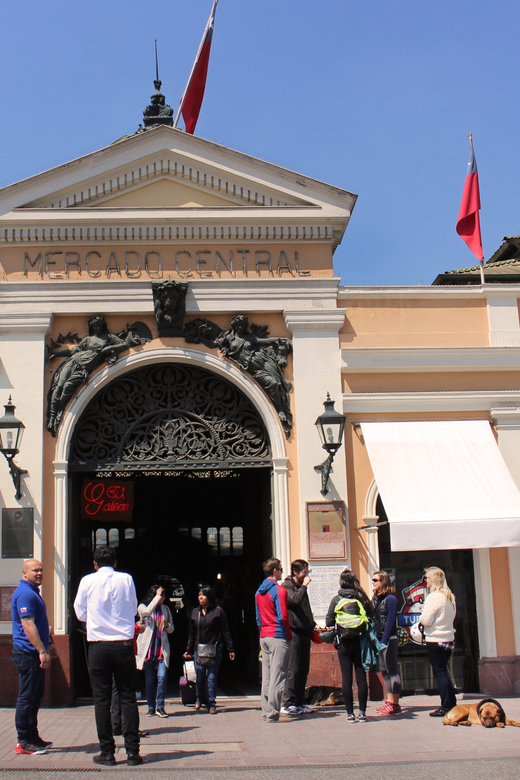
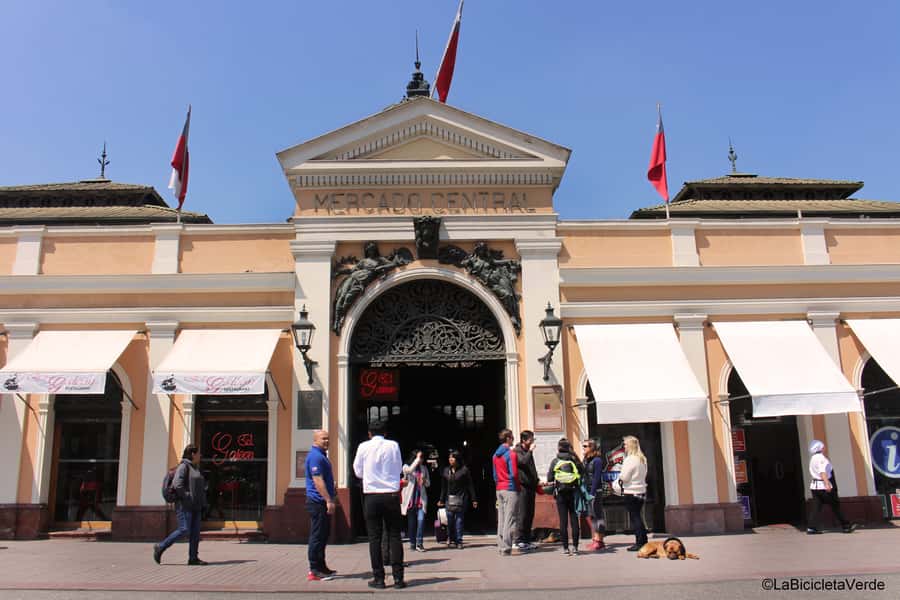
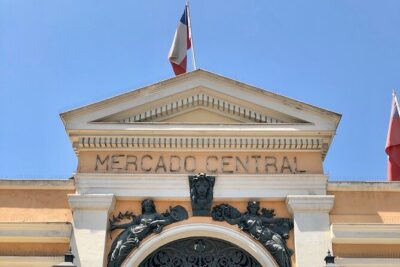
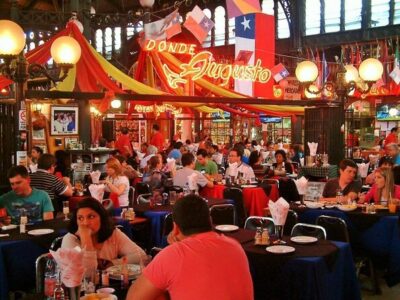
After La Vega, the route heads over the Mapocho River to Mercado Central, Santiago’s major seafood market. Chile has more than 6,000 kilometers of coastline, so seafood is an important part of the country’s food culture. This stop gives you a different view from La Vega, which focuses more on produce and everyday ingredients.
Mercado Central is lively and full of visual detail. Fish and seafood are the focus, and your guide explains the products and the customs connected with them. If you are deciding what to eat later in Santiago, this is a good place to ask for recommendations.
You should not assume that a meal is included. The listed food is a sopaipilla and fresh juice, while purchases at the market are your responsibility. Bring cash if you plan to shop or sample anything beyond the included tasting.
The market takes up a meaningful part of the three-hour schedule. That is good news if you want local food and culture, but less appealing if you expected three solid hours in the saddle. One detailed description puts the split at roughly half cycling and half walking through markets and stops.
How difficult is the ride?
The tour is designed as a gentle city ride. Several route descriptions call it mostly flat and suitable for a range of cycling abilities. You will use beach cruiser-style bikes rather than performance road bikes, so comfort and visibility matter more than speed.
The guides pay attention to group safety. They watch the crossings, keep the group together, and adjust the pace to the people riding. Diego was specifically praised for taking the group through bike lanes, parks, and streets that felt safe, while another guide, Marti, was praised for maintaining a good pace.
That does not mean the tour is wheelchair accessible. Wheelchair users cannot take part. You should also be comfortable getting on and off a standard city bike and walking through market areas.
The bikes have baskets, which are handy for a small camera, light layer, or market purchase. I would still keep your belongings compact. The tour includes water and sunscreen, but you should bring clothing suited to the day and your own preferred sun protection if needed.
Guides make the biggest difference
The bilingual guides speak Spanish and English, and the quality of the experience depends heavily on how they bring the city to life. The strongest guide comments praise clear explanations, friendly conversation, local history, current culture, and careful attention to safety.
Isabella is noted for excellent English and for watching the whole group closely. Marti is praised for making the ride enjoyable and easy to manage. Diego is described as a strong guide for first-time visitors, while Adrin is remembered for a warm, engaging approach.
Other guides named in the feedback include Joanna, Matilda, Felipe, Stefano, Valentina, Nico, Tammy, Karla, Phillipe, Carlos, and Gino. The names matter because they show that the company uses a team rather than relying on one personality. Your exact experience will depend on who leads your departure, but the consistent theme is an approachable guide who enjoys discussing Santiago.
The small-group limit helps. With no more than 10 people, you can ask about food, neighborhoods, politics, history, or practical transport advice without shouting across a large group. Several guides also offer suggestions for other neighborhoods and subway routes after the tour.
Is $45 a fair price?
At $45 per person, this is a reasonable value if you want several kinds of sightseeing in one morning. You receive bike use, a helmet, a bilingual guide, water, sunscreen, a sopaipilla, and fresh juice. You also get guided access to parts of the city that can feel confusing on a first visit, especially the markets.
The value is strongest for a first day or two in Santiago. You learn the basic shape of Bellavista, the Mapocho River area, Parque Forestal, La Vega, and Mercado Central. Afterward, you can return to the market or use the food suggestions with more confidence.
The price is less compelling if you are paying mainly for cycling time. The ride lasts three hours, but a large part of that time is spent on foot at La Vega and Mercado Central. One rider wished the tour lasted longer, and another felt more cycling would have made it better.
I would call it a city orientation with bicycles, not a dedicated bike excursion. That distinction makes the price easier to judge. You are paying for transport between cultural stops, explanations from a local guide, safety support, and small food samples, not for miles covered.
Practical details before you book
The meeting point is Constitución 153, next to Plaza Mori and close to Baquedano Metro Station. Hotel pickup and drop-off are not included, so you need to reach the meeting point yourself.
The tour runs for three hours, with starting times dependent on availability. It is offered in English and Spanish, and the group is limited to 10 participants.
Cancellation is free up to 24 hours before the start for a full refund. You can also reserve now and pay later, which helps if your Santiago plans are still shifting.
Bring local currency if you want to purchase food or produce. A camera is worthwhile, since the route includes murals, parks, bridges, markets, and the Mapocho River. Wear practical clothing for easy cycling and walking.
Who should book this Santiago bike tour?
I would recommend it to first-time visitors who want a quick, friendly introduction to Santiago. It works particularly well if you enjoy food markets, public art, city parks, and conversation with a guide more than formal museum visits.
It also suits couples, solo visitors, and small groups who want an active morning without a strenuous workout. The easy pace gives you a chance to look around, and the market time adds a local flavor that a standard sightseeing bus cannot provide.
You may want another option if you dislike markets, need wheelchair access, or want a full three-hour cycling route. The bikes can also be awkward in narrow market spaces, and the tour may leave dedicated cyclists wishing for more time on the road.
For $45, I think this is a good introduction to Santiago’s neighborhoods and food culture. Book it early in your stay, use the guide’s recommendations afterward, and treat the bicycle as your way between the stops rather than the main event.
FAQ
How long is the Santiago Markets Bike Tour?
The tour lasts three hours.
Where does the tour meet?
It meets at Constitución 153, next to Plaza Mori and near Baquedano Metro Station.
What languages are available?
The tour is offered in Spanish and English with a live bilingual guide.
How large is the group?
The group is limited to 10 participants.
Is the ride difficult?
It is described as a gentle city ride and is mostly flat. It is intended to suit a range of cycling abilities, though you need to be comfortable riding a city bike and walking through markets.
Are bikes and helmets provided?
Yes. A beach cruiser city bike and helmet are included. Helmets are mandatory under Chilean law.
What food and drinks are included?
You receive a traditional Chilean sopaipilla, bottled water, and freshly squeezed natural juice. Sunscreen is also provided.
Can I cancel the booking?
Yes. You can cancel up to 24 hours in advance for a full refund. Reserve now and pay later is also available.
Just added in Santiago
- Walking City Tour with Funicular, Cable Car and Tasting★ 4.3 · 6 reviews
- VIÑA DEL MAR AND VALPARAISO TOUR★ 4.8 · 20 reviews
- Tour VIÑA CONCHA Y TORO + CASA MARQUES – Chile, from Santiago.★ 5.0 · 2 reviews
- Undurraga + Isla Negra + San Afonso del Mar —– Full day★ 4.1 · 8 reviews
- Undurraga Wine tour★ 4.2 · 15 reviews
- Southcoast – Private Full-Day tour★ 5.0 · 6 reviews
- Santiago Private walking tour with Lunch★ 5.0 · 5 reviews
- Zapallar : nature, sea and local flavours★ 5.0 · 6 reviews
Cycling Tours, compared.
Santiago Highlights, Parks and Politics Bike Tour
Read our review →
Bike Tour in San Pedro de Atacama – Devil’s Throat
Read our review →

Private Full-Day Bike Tour of Santiago Cultural 5-6 hrs
Read our review →Browse the lists this tour appears in