
REVIEW · WILDLIFE
San Pedro de Atacama: Wildlife Safari and Photography Tour
Wildlife hides in plain sight here. This four-hour safari from San Pedro de Atacama combines close wildlife viewing with broad views of volcanoes, wetlands, and salt flats. I like the small group size, limited to four people, and the careful work of guide Juan Pablo, often called Juan, who knows where to look and how to explain what you are seeing.
I also like that you do not need advanced camera skills. The provided spotting scopes, phone adaptors, binoculars, and field guides make the outing useful for beginners and serious photographers alike. The main drawback is the short duration: four hours gives you a strong taste of the highlands, but not much spare time if an animal is distant or the group pauses for photos.
In This Review
- Key points before you book
- Why this Atacama wildlife trip is different
- The 45-minute drive to Quirquincho Pass
- A short walk through Machuca’s wetlands
- The 360-degree view at Putana Vade
- Photography help for beginners and serious shooters
- What the guide adds to the day
- Is $145 a fair price for four hours?
- Who should book this safari?
- Should you book the On Safari Atacama wildlife tour?
- FAQ
- How long is the wildlife safari?
- What animals might I see?
- Where does the tour go?
- Is hotel pickup included?
- What photography equipment is provided?
- What languages does the guide speak?
- How many people are in the group?
- Are children allowed to join?
Key points before you book
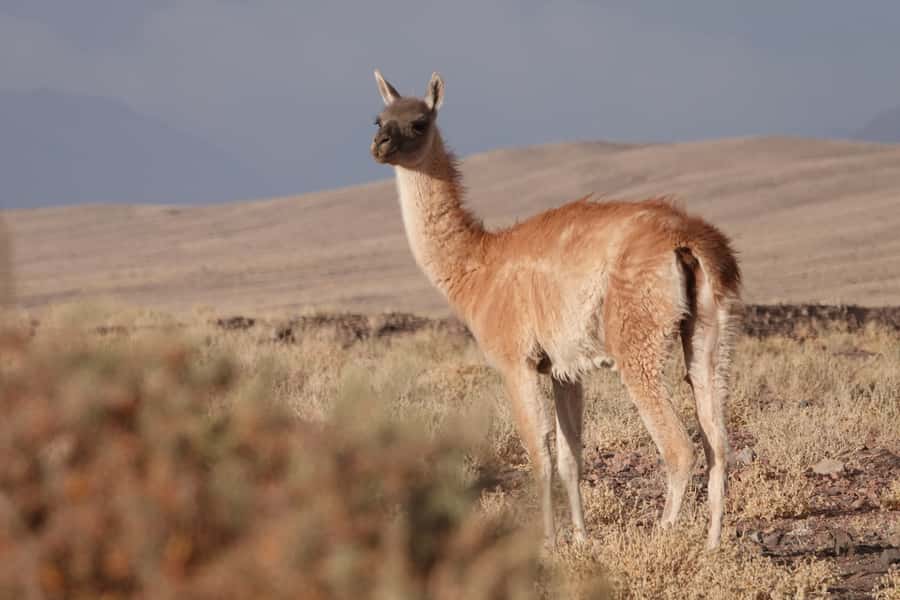
- Quirquincho Pass wildlife: Look for guanacos and vizcachas among the rocky slopes during the first mountain stop.
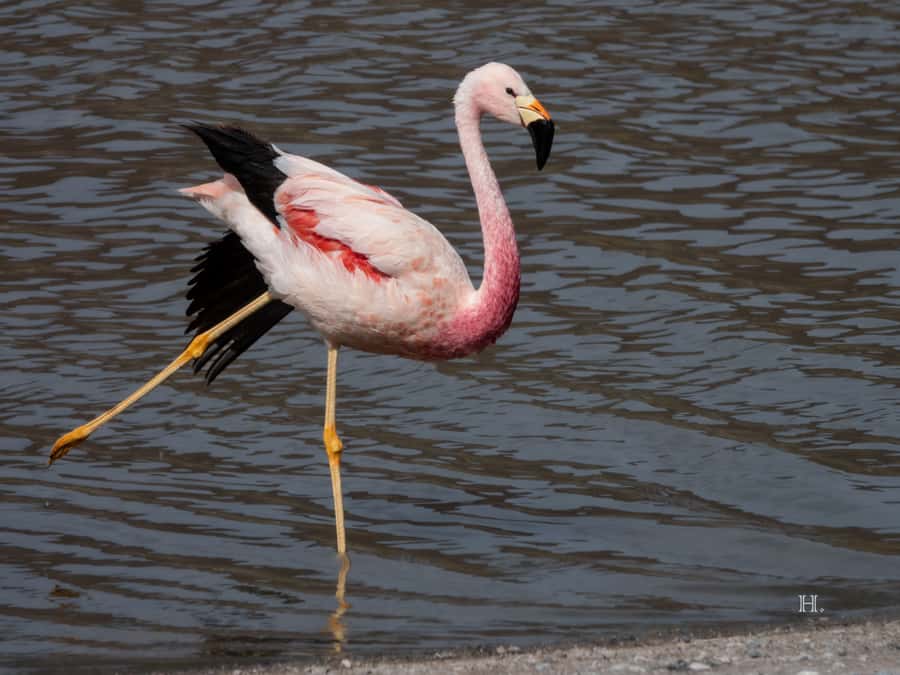
- Machuca wetlands: A short hike brings you close to flamingos and many other high-Andean birds.
- Putana Vade viewpoint: Finish with a 360-degree view across the region’s largest wetland, framed by tall volcanoes.
- Small group of four: The limited size gives the guide room to adjust stops and help with photography.
- Good equipment included: Use binoculars, spotting scopes, phone adaptors, and bird and fauna field guides at no extra charge.
- Practical clothing matters: Bring comfortable shoes, warm layers, a hat, and sunscreen for the mountain conditions.
Why this Atacama wildlife trip is different
San Pedro de Atacama has no shortage of dramatic scenery, but many outings focus on getting from one famous viewpoint to the next. This safari takes a slower, more observant approach. You spend time looking for animals, checking a wetland for birds, and waiting for the right view instead of simply stepping out for a quick photo.
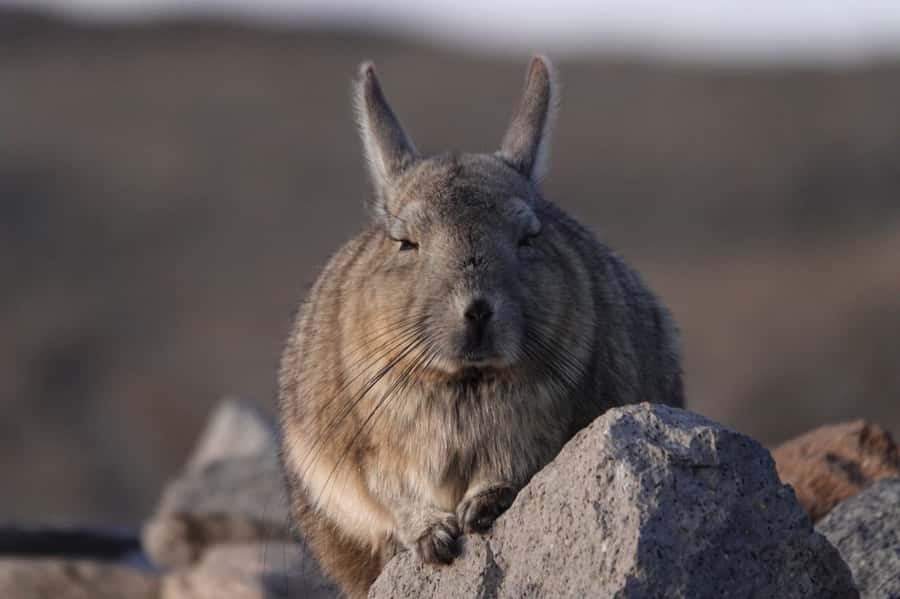
That change in pace matters. Wildlife in the Atacama does not pose beside the road on command. A vizcacha can blend into a gray rock face, and a distant bird can look like a dark speck until someone points out its shape. Juan’s skill is especially useful here. He does not just hand you binoculars. He helps you understand where to look and what you are looking at.
The experience works for several kinds of visitors. You might be a keen photographer hoping for flamingos and vicuñas. You might know very little about birds but enjoy quiet outdoor time. You might simply want to see a side of the Atacama beyond its famous salt flats and geysers.
The small group makes the format more personal. With no more than four participants, you should have a better chance to ask questions, take your turn with the spotting scope, and tell the guide what interests you. It also means the outing does not feel like a large bus excursion.
More photo tours in San Pedro De Atacama:
- San Pedro de Atacama Stargazing Tour with Photos and Drinks
★ 3.0 · 2 reviews - Volcanic Hot Springs Stargazing Night Tour Experience With Photos
★ 5.0 · 4 reviews - Night walk with astro photography
★ 4.5 · 3 reviews
The 45-minute drive to Quirquincho Pass
Pickup is provided at your hotel in San Pedro de Atacama, followed by a drive of about 45 minutes toward the mountains. The first stop is the rocky Quirquincho Pass, where the focus turns to guanacos and vizcachas.
This is a useful opening stop because it teaches you how the safari works. You are not simply dropped at a marked wildlife enclosure. You search the slopes and rocks, then use the guide’s field skills and optical equipment to study what appears. If you are new to wildlife photography, this is where you begin to learn patience and careful framing.
Guanacos are large enough to spot more easily than some smaller animals, while vizcachas can be much harder to notice. Their coloring allows them to disappear against the rocks. That is one reason the guide adds real value. You may be looking directly at a rock and still miss the animal until Juan directs your eye to it.
The spotting scopes are a strong practical feature. They let you see details that are difficult to catch with a standard phone camera or the naked eye. The phone adaptors also give you a chance to record what you see through the scope, which is handy if you are not carrying a long camera lens.
Do not expect a guaranteed wildlife parade at this stop. Animals move freely, and the time of day and conditions can affect what appears. The trip’s strength is the quality of the search, not a promise that every species will sit close to the vehicle.
A short walk through Machuca’s wetlands
After Quirquincho Pass, the route continues to the wetlands near Machuca Village. Here you take a short hike, with birdlife as the main attraction. Flamingos are among the birds you may see, and several outings have also included many other species that even experienced birdwatchers may not know at first glance.
The walk adds variety to the trip. At Quirquincho, you are scanning rocky ground for mammals. At Machuca, you shift your attention to open water, wetland edges, and moving birds. The change makes the four-hour schedule feel more varied than a simple drive between viewpoints.
The flamingos are a major draw, particularly when a large flock gathers in the wetland. They may be distant, but that is where the spotting scope earns its keep. Through the scope, you can study their shape and color without needing to approach them closely.
The phrase close contact with wildlife should be understood in a responsible way. You are close enough for careful viewing, not close enough to touch or disturb the animals. That is the right balance for a wildlife outing. You get a strong view while the animals remain in their own setting.
The walk is described as short, but you should still wear comfortable shoes. You are in a mountain and wetland environment, so the ground may not feel like an easy town stroll. The suggested clothing list is sensible: warm layers, a hat, and sunscreen. The open terrain offers little reason to assume you will be protected from the elements.
Machuca Village itself adds a cultural touch to the drive. You cross through the village before continuing toward the next lookout. The supplied information does not promise a formal village visit or a meal, so I would treat it as part of the route rather than the main attraction.
The 360-degree view at Putana Vade
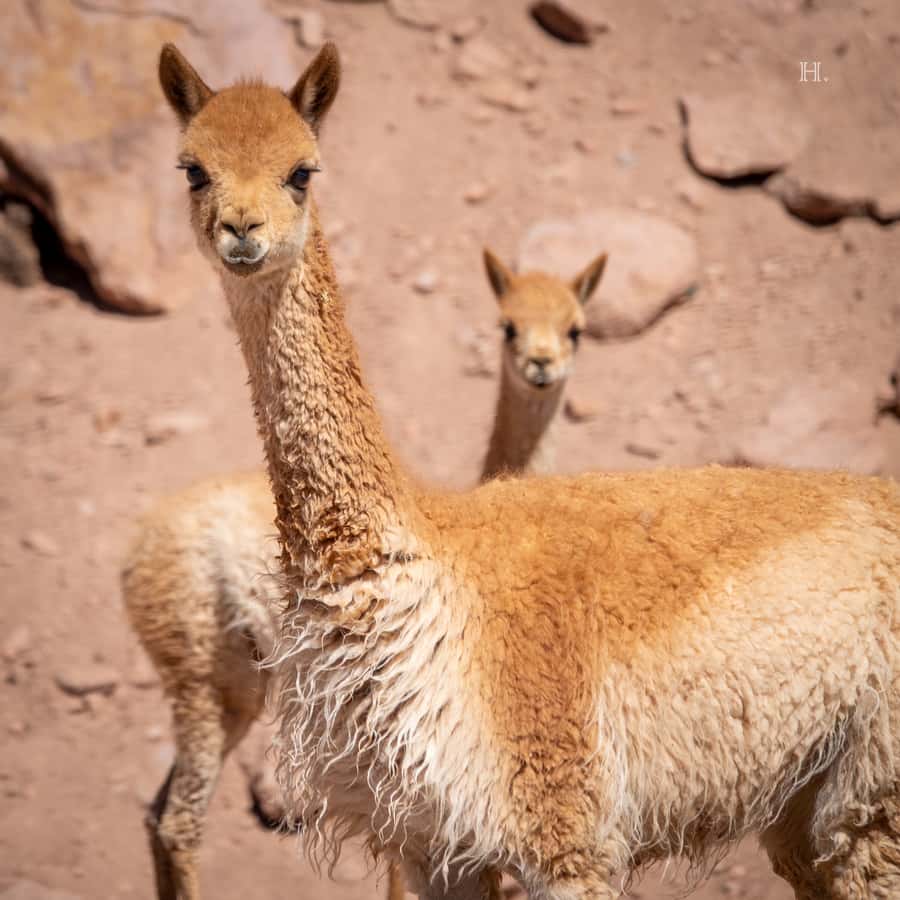
The final major stop is the Putana Vade lookout in the highlands. Here you can relax and take in a 360-degree view of the region’s largest wetland, surrounded by high volcanoes.
This is the point where the safari’s wildlife and scenery come together. You have spent the earlier part of the outing watching individual animals and birds. At Putana Vade, the view expands. Wetland, mountains, and open sky fill the frame, giving you the broad setting behind the wildlife.
Photographers should pay attention to the quality of the light when choosing a departure time. One especially appealing account describes golden afternoon light across the scenery. Since starting times vary, check availability and select a time that suits your priorities. If photographs matter most, ask the provider about the light expected during the outing.
The lookout also gives you a chance to slow down. That may sound simple, but it is an important part of this experience. Some Atacama tours can feel like a race to collect viewpoints. Here, the final stop is designed for rest and observation, with enough room to enjoy the setting rather than rush immediately back to town.
Still, keep the four-hour length in mind. If you become absorbed in photography, the schedule may feel tight. You will need to balance time with the scope, personal camera work, walking, and the drive back to San Pedro.
More 4x4 trips in San Pedro De Atacama:
- Safari Park, Wild Experience
★ 5.0 · 407 reviews - From Santiago: Safari Park, a wild experience
★ 4.5 · 20 reviews - Safari Park
★ 5.0 · 8 reviews - Puma Tracking Safari in Torres del Paine
★ 5.0 · 7 reviews
Photography help for beginners and serious shooters
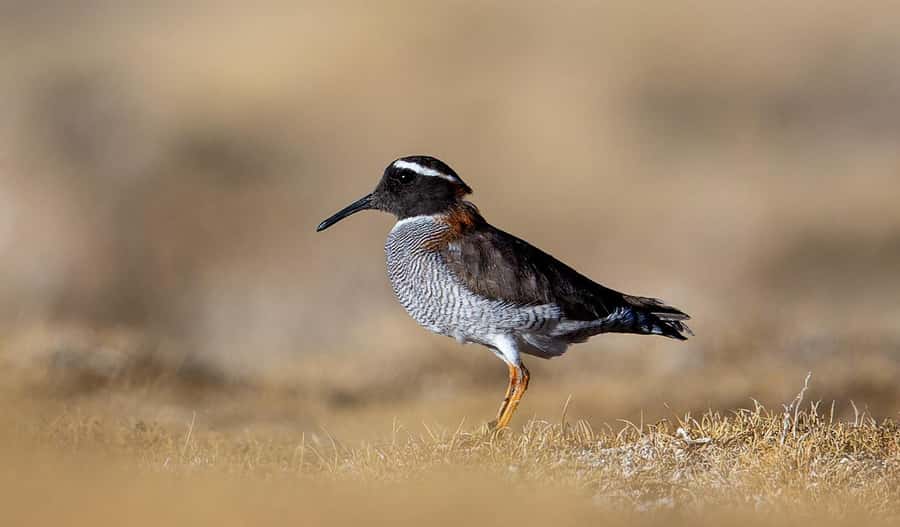
You do not need a large camera or specialist wildlife experience to get value from this trip. The equipment provided includes binoculars, spotting scopes with phone adaptors, and field guides covering animals and birds.
For a beginner, the guide’s support may be more important than the equipment itself. A field guide can show you the name of a bird, but a skilled guide can help you find it in the first place. Juan has a reputation for explaining what people are seeing and for adjusting the outing to their interests.
If you want a photo of a vizcacha, say so early. One participant had that exact goal and managed to get the shot after the guide took time to locate one. That example also shows why this is not just a scenic drive. The guide can respond to a particular wildlife interest when conditions allow.
Phone photographers should find the scope adaptor especially useful. You can view distant birds through the scope and try to capture a record with your phone. The result will depend on your device and the animal’s distance, but the adaptor gives you an option you would not have with ordinary phone photography.
More experienced photographers should bring realistic expectations. This is not a private expedition with unlimited time at every location. It is a four-hour small-group outing, so you may need to share viewing equipment and accept that wildlife decides the schedule. The benefit is that the guide can help you spend that limited time in productive places.
What the guide adds to the day
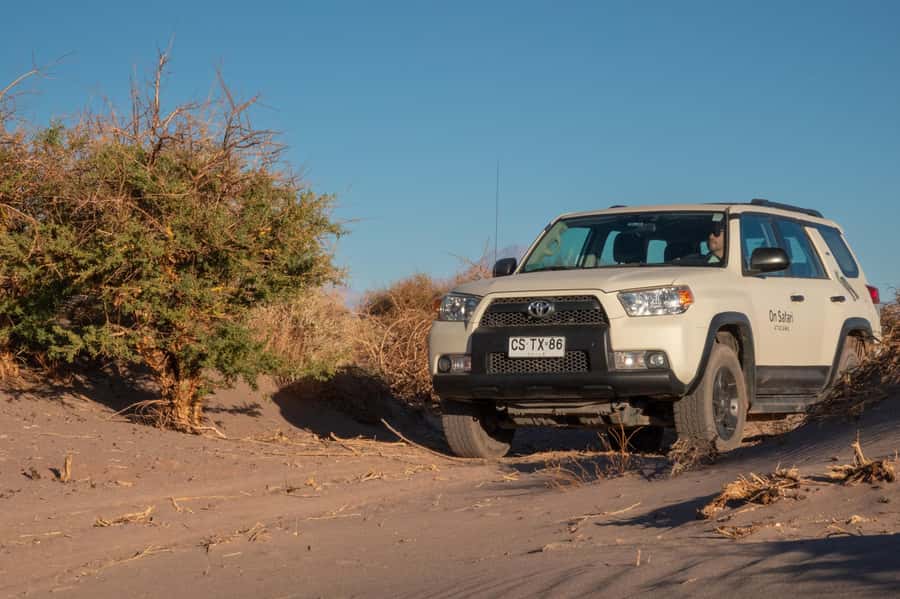
The guide is central to the experience. Juan Pablo brings expertise in local fauna, but his role extends beyond naming animals. He can also talk about plants, San Pedro de Atacama, the wider Atacama region, and Chile.
That broader knowledge gives the drive more meaning. You are not only collecting pictures of flamingos and vicuñas. You are learning how the animals fit into an unusual mountain and wetland setting. The best moments may come when a small detail turns into a wider explanation.
The language options are English, Spanish, and Portuguese. That makes it easier to ask questions and follow explanations, especially during quick sightings when you need clear directions. If you have a particular interest, tell the guide at the start. One of the strongest features of this format is the ability to shape the conversation around what you want to see.
The guide has also shown flexibility when a booking has only one participant. In one case, the outing continued with a single person and lasted longer than planned. That is encouraging, though I would not treat extra time as a guaranteed part of every booking.
Is $145 a fair price for four hours?
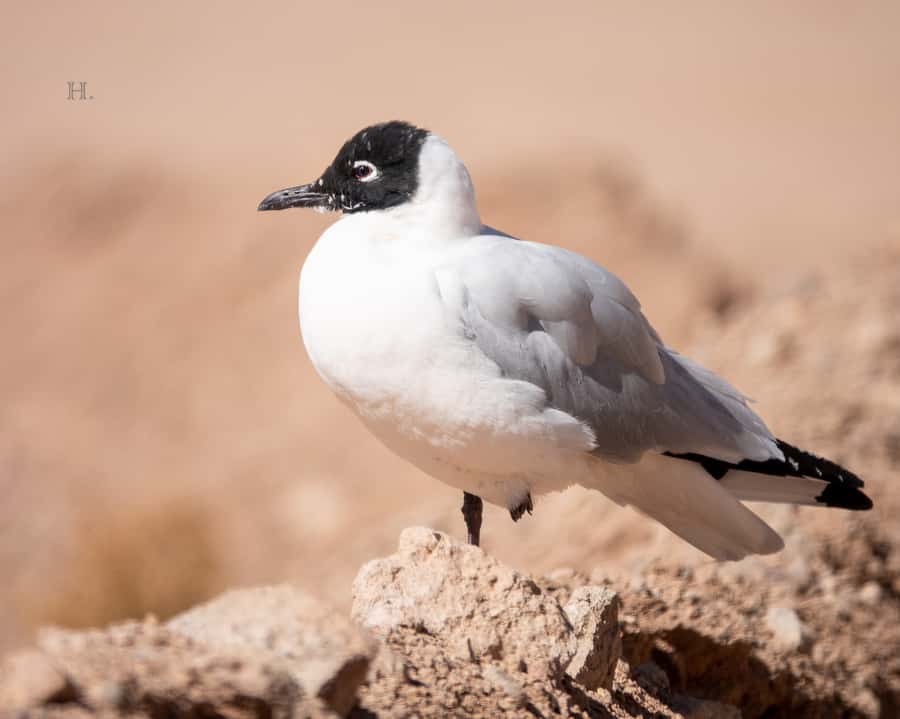
At $145 per person, this is not the cheapest way to see the Atacama. The price makes more sense when you count what is included: hotel pickup and drop-off, a bilingual fauna guide, binoculars, field guides, a spotting scope, a phone adaptor, and a group capped at four people.
You are paying for more than transportation. The main value is access to someone who can locate animals that you might miss on your own. Several sightings, including vicuñas, guanacos, vizcachas, flamingos, and other birds, make the wildlife focus clear.
The small group is another important part of the calculation. If you prefer a quiet outing with time to ask questions and take photographs, paying more than a large-group excursion may be worthwhile. If your main goal is simply to see a famous Atacama viewpoint, you may find other tours better suited to your budget.
I would also consider the equipment rental value. Buying or carrying binoculars and a spotting scope is not practical for every visitor. Having both available for the whole outing makes the price easier to justify, especially for people arriving without wildlife gear.
Who should book this safari?
I would recommend it most strongly to people who care about animals, birds, and photography. It is also a good choice if you want an outing that feels less rushed and less crowded than a standard sightseeing route.
The experience suits beginners because the guide and equipment reduce the usual frustration of wildlife watching. You do not need to know bird names before you arrive. You need curiosity, comfortable shoes, and patience.
It also suits experienced photographers who want help finding subjects. Just remember that the tour has a fixed four-hour duration and a small shared group. You will have good support, but not unlimited time at each location.
Children under 12 are not permitted, so families with younger children should choose another activity. The open highland setting and short hike also make the clothing advice worth following. Bring warm clothing even if San Pedro feels mild when you leave, along with a hat and sunscreen.
Free cancellation up to 24 hours before the start gives you some flexibility, and you can reserve now and pay later. For planning, check the available starting times before booking, particularly if you want afternoon light.
Should you book the On Safari Atacama wildlife tour?
Book it if you want the Atacama’s animals to be the main event, not a lucky extra. The combination of Quirquincho Pass, Machuca wetlands, and Putana Vade gives you mammals, birds, volcano views, and open highland scenery in one compact outing.
I especially like the expert guiding, the small group, and the proper viewing equipment. The main caution is simple: wildlife is unpredictable, and four hours can pass quickly. If you accept that, $145 is a reasonable price for a focused, personal safari with hotel transport included.
FAQ
How long is the wildlife safari?
The tour lasts four hours.
What animals might I see?
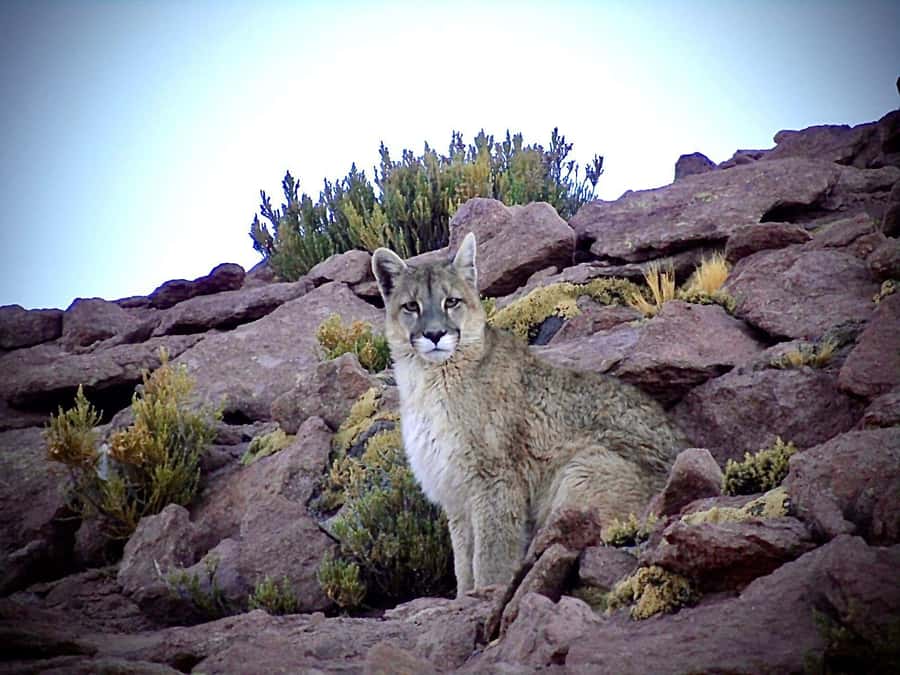
Possible sightings include guanacos, vicuñas, vizcachas, flamingos, and other birds.
Where does the tour go?
The route includes Quirquincho Pass, the wetlands near Machuca Village, Machuca itself, and the Putana Vade lookout.
Is hotel pickup included?
Yes. Hotel pickup and drop-off are included.
What photography equipment is provided?
The tour provides spotting scopes with phone adaptors, binoculars, and field guides for local fauna and birds.
What languages does the guide speak?
Guiding is available in English, Spanish, and Portuguese.
How many people are in the group?
The group is limited to four participants.
Are children allowed to join?
No. The activity is not suitable for children under 12.
Just added in San Pedro De Atacama
- Vallecito★ 4.7 · 13 reviews
- Atacama Desert and Magic Bus Visit★ 4.8 · 15 reviews
- San Pedro de Atacama: Valle de la luna★ 3.0 · 3 reviews
- Valle de la Luna: A Moon-Like Escape in Atacama★ 5.0 · 3 reviews
- Triple Tour: Piedras Rojas + Altiplanic Lagoons + Chaxa Lagoon★ 5.0 · 1 review
- Red Stones + Altiplánica Lagoons★ 5.0 · 1 review
- Atacama Stargazing Tour Under One of the World’s Clearest Skies★ 4.0 · 3 reviews
- Tour to Laguna Cejar and Tibenquinche★ 4.5 · 7 reviews
Wildlife, compared.
Private Pumas and Wildlife Watching Experience
Read our review →
Kayaking with Whales and Wildlife Watching From Punta Arenas
Read our review →
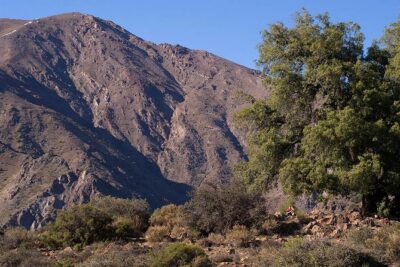
Experience Wildlife Encounter in Provincia Mountain of Chile.
Read our review →Browse the lists this tour appears in