
REVIEW · CHILEAN WINE TOURS
Palmilla: Make Your Own Wine Tour
Wine tasting gets hands-on here. At Viña MontGras in North Chile, you walk through the vineyard, visit the Varietal Garden, and blend up to three red wines into a bottle that reflects your taste. I like the small groups of up to 10 people and the chance to bottle, cork, cap, and label your own wine with manual tools. I also like that children get their own crafts, juices, cookies, and sweets instead of simply waiting around. The main drawback is that the listed stop times add up to more than the stated 90-minute duration, so I would confirm the exact schedule before booking.
This is a good choice if you want more than a standard tasting. You get a short vineyard and winery visit, guided instruction, and a practical winemaking activity for $44 per person. It is not the kind of tour built around a long meal or a broad sampling of wines, so serious wine collectors may find it fairly compact.
In This Review
- Key Points to Know Before You Go
- Why This MontGras Visit Feels Different
- Walking Through the Vineyard and Varietal Garden
- Inside the Winery: A Short Look at Production
- Creating a Three-Variety Red Blend
- Bottling, Corking, Capping, and Labeling
- What Children Can Do During the Activity
- Is $44 a Fair Price?
- Group Size, Languages, and Access
- Booking Flexibility for a Chile Itinerary
- Who Should Book the Palmilla Wine Experience?
- Should You Book It?
- FAQ
- Where does the Palmilla Make Your Own Wine Tour begin?
- How long does the experience last?
- What languages are available?
- How many people can join the group?
- Is the tour suitable for children?
- Is the experience accessible?
Key Points to Know Before You Go
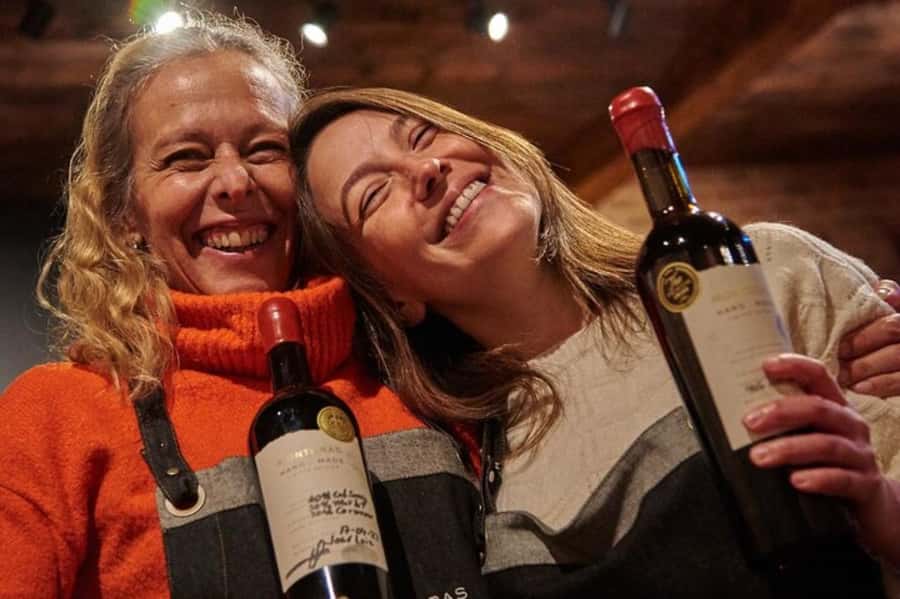
- You create one personal red blend: Combine up to three red wine varieties and adjust the result to suit your own taste.
- The bottling is hands-on: Under expert guidance, you bottle, cork, cap, and label the wine using manual tools.
- The Varietal Garden adds useful context: The vineyard walk helps connect the grape varieties with the finished wine.
- Children have their own activity: Kids receive craft materials, juices, drinks, cookies, and sweets while adults work on the blend.
- The group is capped at 10 people: This should allow for more direct help during the blending and bottling work.
- The tour is offered in three languages: You can choose Portuguese, English, or Spanish, depending on availability.
Why This MontGras Visit Feels Different
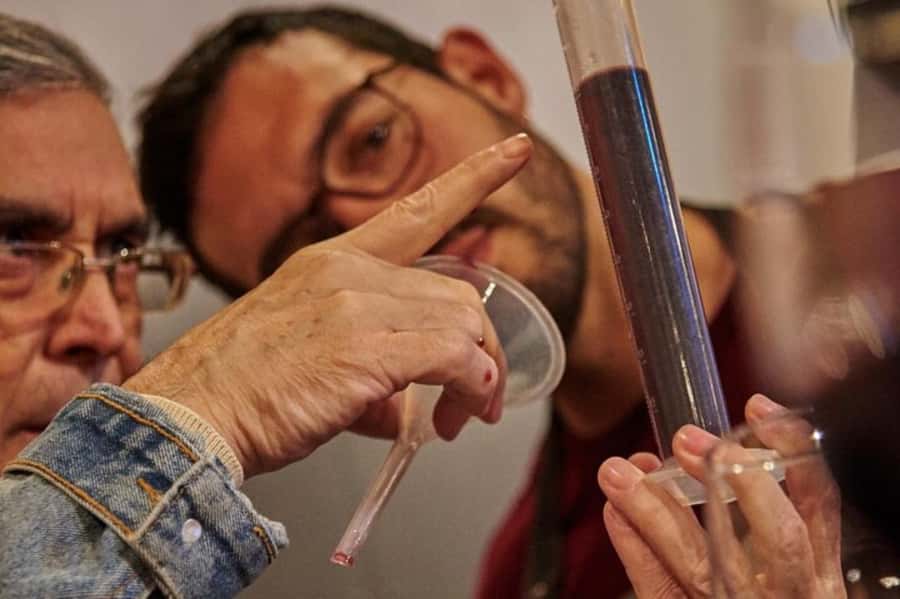
Many winery visits ask you to taste, listen, and move on. This one gives you a small job to do. You are not simply handed a finished bottle. You compare red wine varieties, decide how they work together, and then make a bottle with your own blend.
That hands-on element gives the tour its appeal. I like experiences that explain a craft through action, and this one lets you see how a finished wine is assembled in simple terms. You may prefer one variety on its own, then discover that a small amount of another adds balance or changes the aroma.
The activity remains approachable. You do not need advanced wine knowledge to take part, and the expert guide helps you through the process. The goal is not to produce a perfect professional blend. It is to understand how different wines affect one another and leave with something that feels personal.
The family setup is another strong point. Children are not included in the wine activity, but they are given craft materials and refreshments while you work. That makes this more practical for parents than a quiet tasting where children must sit still for an hour.
More Wine Tours in Chile:
- Valparaiso Port and Viña del Mar with Casablanca Wine Tasting
★ 5.0 · 6,110 reviews - Santiago: Vina Del Mar, Valparaiso, Casablanca & Reñaca Tour
★ 4.2 · 2,838 reviews - Tour to Valparaíso, Viña del Mar, Pablo Neruda Museum and Vineyard
★ 5.0 · 2,273 reviews
Walking Through the Vineyard and Varietal Garden
The visit begins at Viña MontGras with a guided walk through the vineyard. This part is scheduled for about 20 minutes, so expect an introduction rather than a long rural hike.
The value here is context. Before you taste or blend, you get to see where the grapes begin. The Varietal Garden is especially useful because it gives the tour a clear link between grape varieties and the wines in your glass. If you are new to wine, this helps turn a list of unfamiliar names into something easier to understand.
Do not expect the vineyard portion to be the main event. It is brief, and the experience is designed around the blend and bottling activity. Still, the walk gives you a better sense of place than a tasting held entirely indoors.
The vineyard setting can also make the visit more enjoyable for families. Children have a chance to move around at the start, and adults get a simple introduction before settling into the winemaking work. Since the tour is wheelchair and stroller accessible, the route should suit a wide range of visitors. Service animals are allowed as well.
Inside the Winery: A Short Look at Production
The guided winery visit takes about 20 minutes. This is your chance to see the production side of the operation before making your own blend.
The tour does not promise a technical lesson on every stage of winemaking, so keep your expectations measured. You are getting an overview, not an extended cellar course. For most people, that is enough to make the tasting activity feel connected to a real winery rather than an isolated craft class.
I find this order sensible. First you see the vineyard, then the winery, and only afterward do you taste and blend. Each stop builds on the one before it. You start with the grapes, see where the wine is made, and then work with the finished varieties yourself.
The small-group limit matters most here and during the blending session. With no more than 10 participants, you should have a better chance of hearing the guide and getting help with the equipment. In a large group, manual bottling could become a slow line. This format should feel more personal.
Creating a Three-Variety Red Blend
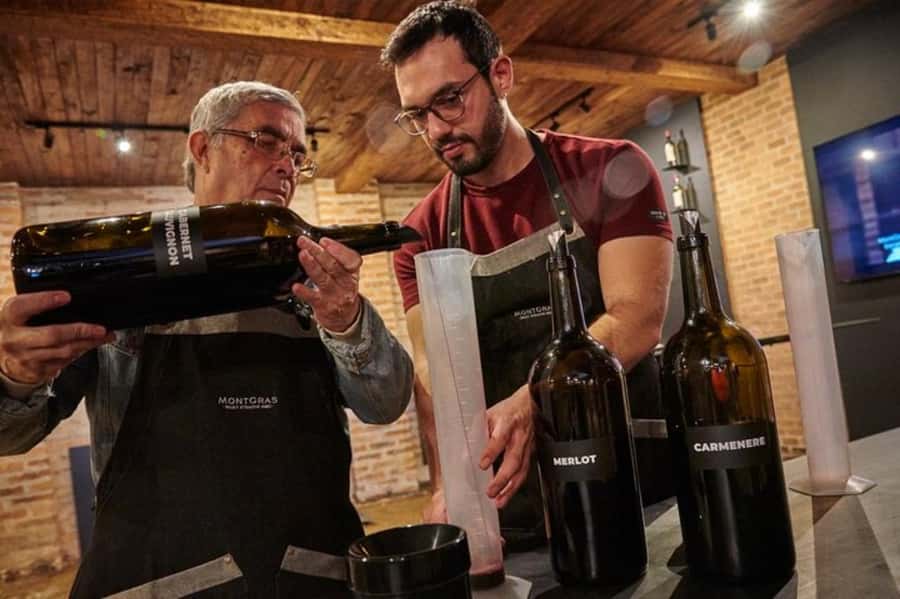
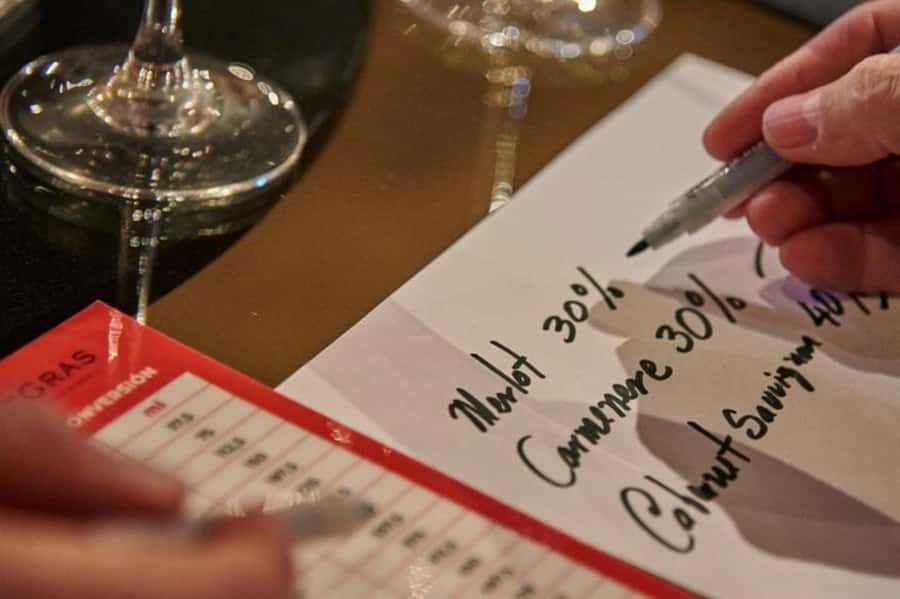
The central activity takes place at the visitor center. You experiment with flavors and aromas as you combine up to three red wine varieties.
This is where the tour earns its price. A regular tasting can help you identify what you like, but blending asks you to make a decision. You can favor one wine, soften it with another, or add a third variety to change the final character. The result reflects your personal style, at least within the choices offered during the session.
The activity is also a good lesson in balance. You may discover that the strongest wine is not automatically the best base for your blend. A smaller proportion of another variety can change the aroma or the way the wine feels. The guide is there to help you test your choices and understand the effect.
You should not expect an unlimited tasting menu. The experience specifically focuses on blending up to three red varieties, so the range is narrower than a full winery tasting flight. That focus is helpful for beginners, but it may feel limited if your main goal is to sample many different wines.
The wine tasting is described as part of an 80-minute visitor-center session. Since the complete tour is also described as lasting 90 minutes, the timing deserves clarification. The vineyard and winery portions are each listed at 20 minutes, and those two segments alone account for 40 minutes. Add the stated 80-minute tasting session, and the total reaches 120 minutes. I would check the available start time and current duration before arranging transport or another activity afterward.
A completely different kind of day out:
- Santiago: Cajon del Maipo/Embalse del Yeso Tour with Picnic
★ 4.3 · 3,789 reviews - Cable Car, Funicular and Sightseeing Bus in Santiago one day
★ 5.0 · 2,325 reviews - Small-Group Cajón del Maipo Full-Day Tour and Picnic
★ 4.5 · 2,277 reviews - Maipo Valley Wine Tour with 4 vineyards from Santiago.
★ 5.0 · 1,983 reviews
Bottling, Corking, Capping, and Labeling
Once your blend is ready, you move on to the most satisfying part: turning it into a finished bottle.
You use manual tools under the guide’s direction to bottle, cork, cap, and label the wine. These steps sound simple, but they give the visit a clear finish. You are not just tasting a mixture from a glass. You are completing a small production process and preparing the bottle as your own creation.
This is also the point where careful instructions matter. The guide helps you handle each stage, so you do not need experience with winery equipment. The small group should make it easier to ask questions and get a turn without feeling rushed.
The label adds a personal touch, though the supplied details do not specify what design options or writing materials are available. Think of it as a keepsake from the activity rather than a professionally packaged retail product.
If you are visiting with children, this section gives adults something focused to do while children work on their crafts. That division keeps the activity moving for everyone. It also means the experience is family-friendly without pretending that young children will take part in the wine production itself.
What Children Can Do During the Activity
The family plan is one of the clearest reasons to choose this tour over a standard wine visit.
While adults taste and blend, children receive materials for crafts. They can make their own projects and use their creativity while the winemaking activity continues. Refreshing juices, other drinks, cookies, and sweets are provided for them.
That setup will suit families with children who do not have the patience for a long explanation of grape varieties. You can focus on the blend without asking children to remain quiet beside the tasting table. The craft activity also gives them a souvenir of sorts, even though they are not making wine.
There are limits. The details do not state the children’s age range, the exact crafts, or how much adult supervision is needed. Infants must sit on laps, so families with babies should plan around that requirement. If your child needs a highly structured program, it would be wise to ask what materials and activities are available before arrival.
Still, the basic idea is practical. The experience gives both adults and children something purposeful to do, which is often the difference between a pleasant family outing and a difficult one.
Is $44 a Fair Price?
At $44 per person, the value depends on what you want from a winery visit.
If you want a guided vineyard walk, a winery introduction, wine tasting, personal blending, and hands-on bottling, the price is reasonable. You are paying for an activity rather than only for a glass or two of wine. The professional guide and admission to MontGras are included, so there are no stated entry fees to add.
The value is strongest for couples, small groups, and families who enjoy participatory activities. You leave with a better sense of how wine varieties work together, and the bottling process gives the visit a clear memory beyond tasting notes.
The value is less convincing if you want a long, leisurely wine afternoon. The program is built around one focused activity, not a full food-and-wine outing. No meal is included in the details provided, and there is no promise of an extensive list of wines.
I would also compare the price with the time you actually receive. The official duration is 90 minutes, but the detailed sections total 120 minutes. That discrepancy could work in your favor if the visit runs closer to two hours, but it needs confirmation so you can plan honestly.
Group Size, Languages, and Access
The group limit of 10 participants is a real advantage. It should make the guide’s instructions easier to follow, especially when everyone is using manual bottling tools. It also reduces the chance that the blending activity becomes a crowded demonstration.
Live guidance is available in Portuguese, English, and Spanish. Choose the language that lets you discuss aromas, flavors, and proportions most comfortably. Those details matter more here than they would on a simple sightseeing walk because you need to understand the guide while adjusting your blend.
The experience is wheelchair accessible and stroller accessible. Transportation and surfaces are described as wheelchair accessible, and service animals are allowed. Infants must sit on laps.
These details make the tour easier to recommend to families and visitors with mobility needs. You should still confirm the exact meeting arrangements if you require a particular type of assistance, since the available information confirms access but does not describe every part of the route in detail.
Booking Flexibility for a Chile Itinerary
The tour offers free cancellation up to 24 hours in advance for a full refund. It also allows you to reserve now and pay later, which can help if your North Chile plans are still shifting.
I like that flexibility for a short activity. A 90-minute visit can fit between larger plans, but winery schedules and regional transport can change. Booking without immediate payment gives you room to adjust, provided you follow the cancellation deadline.
Check the available starting times before committing. Since the duration details are not perfectly aligned, leave some space around the visit rather than booking another fixed activity immediately afterward.
Who Should Book the Palmilla Wine Experience?
I would recommend this tour to:
- Families who want an adult activity with crafts and treats for children
- First-time wine tasters who prefer learning by doing
- Couples looking for a short, personal winery experience
- Small groups who enjoy making and labeling something together
- Visitors who want a guided experience in English, Portuguese, or Spanish
I would be more cautious if you want a large wine selection, a formal food pairing, or a long technical tour of the winery. This is a focused workshop with a vineyard introduction, not a full-day wine excursion.
Should You Book It?
Book the Palmilla Make Your Own Wine Tour if you like the idea of creating something rather than only observing. The combination of vineyard walk, Varietal Garden, three-variety red blend, and manual bottling gives the experience a clear purpose. The child-friendly craft setup makes it one of the more practical winery options for families.
Before you pay, confirm the actual running time because the published segment durations do not match the stated 90 minutes. If the schedule fits your plans, $44 is fair for a guided, small-group activity that includes tasting, admission, and the full bottling process.
FAQ
Where does the Palmilla Make Your Own Wine Tour begin?
The tour starts at Viña MontGras.
How long does the experience last?
The stated duration is 90 minutes. The detailed timing for the vineyard, winery, and visitor-center session adds up to more than 90 minutes, so confirm the exact schedule when checking availability.
What languages are available?
The live guide can provide the tour in Portuguese, English, or Spanish.
How many people can join the group?
The experience is limited to 10 participants.
Is the tour suitable for children?
Yes. Children receive craft materials, juices, drinks, cookies, and sweets while adults take part in the wine activity.
Is the experience accessible?
Yes. The tour is described as wheelchair accessible and stroller accessible. Transportation and surfaces are wheelchair accessible, and service animals are allowed. Infants must sit on laps.
Just added in Chile
- Ascent to Villarrica volcano 2,847masl, from Pucón★ 4.8 · 36 reviews
- Volcanic Refuges: Excursion to Underground Civilization★ 4.7 · 8 reviews
- Walking City Tour with Funicular, Cable Car and Tasting★ 4.3 · 6 reviews
- Viña del Mar and Reñaca 4-Hour Pacific Coast Tour★ 4.7 · 14 reviews
- Viña del Mar and Valparaiso: guided day tour★ 4.2 · 8 reviews
- Private: Viña del Mar and Valparaiso Day Tour★ 5.0 · 5 reviews
- VIÑA DEL MAR AND VALPARAISO TOUR★ 4.8 · 20 reviews
- Viña del Mar y Valparaíso – Full Day★ 5.0 · 1 review
Chilean Wine Tours, compared.
Valparaiso Port and Viña del Mar with Casablanca Wine Tasting
Read our review →
Vina Del Mar, Valparaiso, Casablanca & Reñaca Tour
Read our review →
Tour to Valparaíso, Viña del Mar, Pablo Neruda Museum and Vineyard
Read our review →
Maipo Valley Wine Tour with 4 vineyards from Santiago.
Read our review →
Inca Lagoon in Andes Mountain Range – Visit Local Vineyard with Tasting included
Read our review →
Valparaiso -Casablanca -Reñaca-Oceanic Rock-Concon
Read our review →
Valparaiso, Viña del Mar, & Casablanca Valley Tour
Read our review →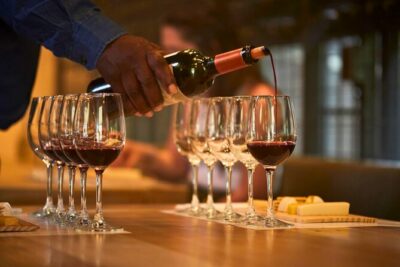
Marquis de Casa Concha: Wine tasting in Concha y Toro
Read our review →Browse the lists this tour appears in